Best Time to Visit Saudi Arabia

Short answer
The best time to visit most of Saudi Arabia is winter, November to February, when Riyadh, Jeddah, AlUla and the Red Sea are comfortable and the events calendar peaks. Summer (June–August) is very hot except in the Asir mountains around Abha, which stay cool and green. Umrah is year-round, easiest in winter, and busiest and priciest in Ramadan.
Key takeaways
- ✓November–February suits most of the country; it's the peak events season too.
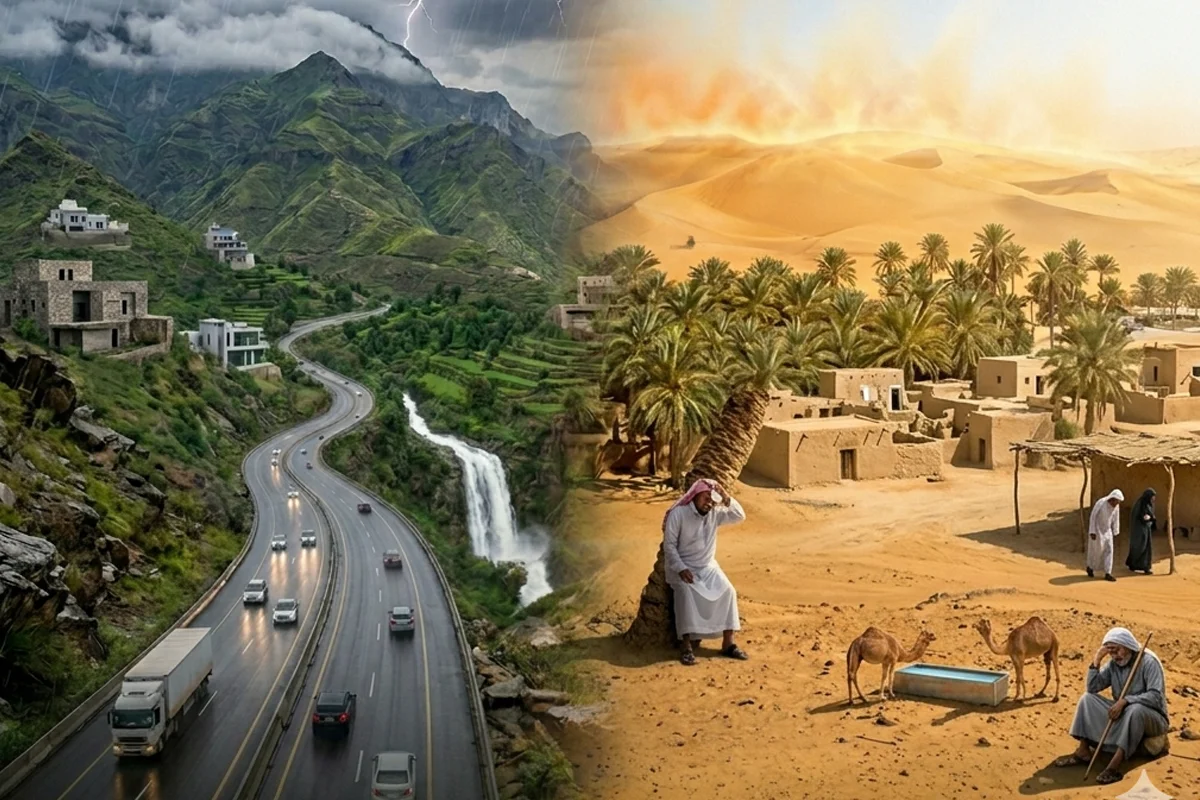
- ✓Summer is very hot except the Asir mountains (Abha) and Taif, which are cool and green.
- ✓AlUla and the north are best October–March, with cold desert nights.
- ✓For Umrah, winter is the most comfortable; Ramadan is the busiest and most expensive; Umrah pauses around Hajj.
- ✓Time a trip around Riyadh Season, AlUla Moments or the Taif rose harvest — but confirm dates each year.
- ✓Pack layers in winter (cold nights) and light, sun-safe clothing in summer.
Quick facts
- Most regions
- Nov–Feb
- Asir / Abha
- Jun–Sep (cool)
- AlUla / north
- Oct–Mar
- Umrah (weather)
- Nov–Feb
- Avoid (heat)
- Jun–Aug lowlands
- Taif roses
- Apr–May
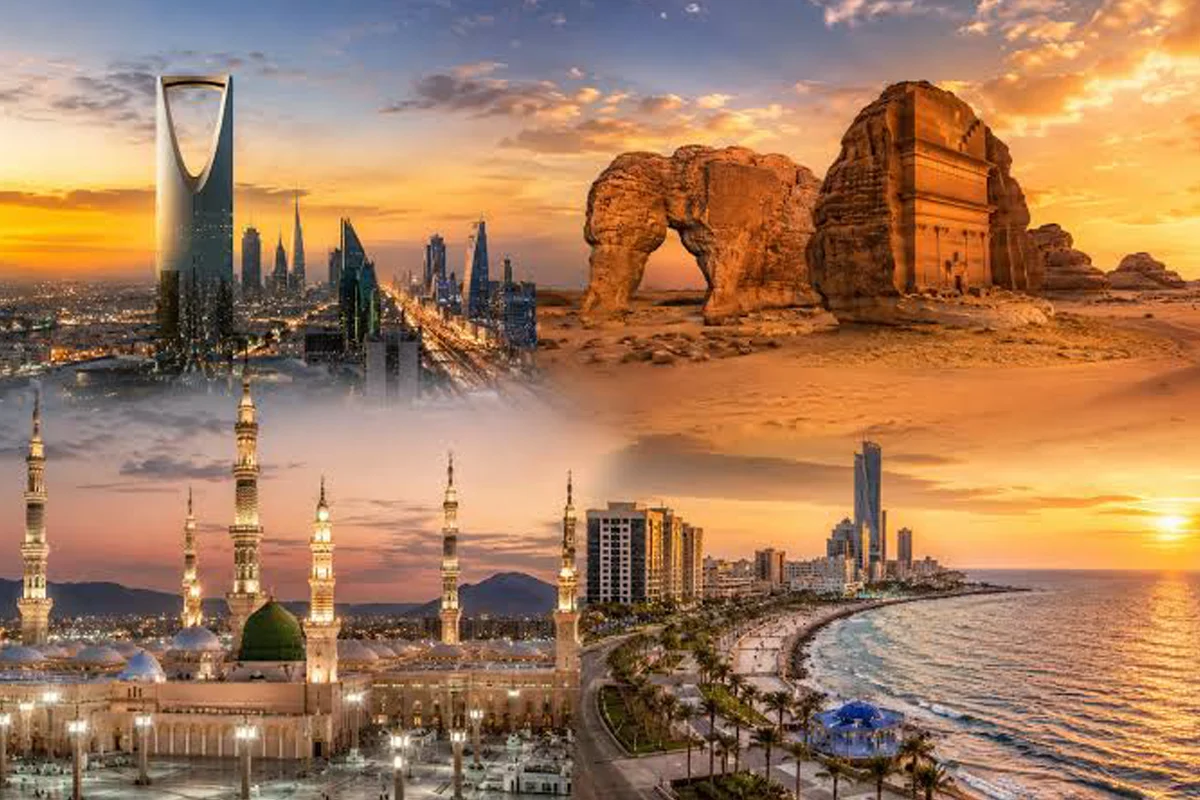
Saudi Arabia is huge and climatically varied, so “the best time” depends on where you are going. The short version: November to February is comfortable across most of the country; the Asir mountains are the summer exception; and for Umrah the weather is easy in winter, but Ramadan and the Hajj window bring their own crowd and price rules. Here is the full picture.
Quick answer by region
| Region | Best months | Notes |
|---|---|---|
| Riyadh & central | Nov–Mar | Hot, dry summers (45 °C+); pleasant winters, occasional cold nights |
| Jeddah & Red Sea | Nov–Mar | Warm year-round; humid, sticky summers; great winter diving |
| Makkah & Madinah | Year-round (best Nov–Feb) | Very hot summers; plan rites for cooler hours |
| AlUla & the north | Oct–Mar | Cold desert nights; festival season in winter |
| Asir mountains (Abha, Taif) | Jun–Sep | The exception — cool, green, misty in summer |
Season by season
Winter (Nov–Feb) is the prime window: comfortable days across Riyadh, Jeddah, AlUla and the Red Sea, and the peak of the events calendar. Spring (Mar–Apr) is still pleasant and brings the Taif rose harvest. Summer (Jun–Aug) is very hot almost everywhere — 40 °C+ inland and humid on the coast — with the mountains the happy exception. Autumn (Sep–Oct) cools down and reopens the desert and heritage sites.
The Asir summer exception
When the rest of the country bakes, the Asir highlands around Abha turn cool, green and misty thanks to elevation and a summer monsoon influence — a long-standing domestic summer favourite. Taif, up in the hills above Makkah, is similarly mild and famous for its April–May rose season. If you are visiting in high summer, aim the trip at the mountains.
Best time for Umrah specifically
Umrah is performed year-round, but timing changes the experience and the cost. Winter (Nov–Feb) gives pleasant weather and, outside Ramadan, easier crowds — ideal for a first Umrah. Ramadan is the most rewarding and the busiest and priciest, with hotels multiplying several times over, especially in the last ten nights. Umrah is paused around Hajj (early–mid Dhul-Ḥijjah), so avoid arriving then unless performing Hajj. For the full ritual, see the step-by-step Umrah guide.
Event seasons worth timing a trip around
- Riyadh Season — a huge entertainment festival, typically running from around October into winter.
- AlUla Moments & Winter at Tantora — AlUla's winter arts and heritage season (usually Dec–Mar).
- Taif rose season — the harvest and rose-water distillation, roughly April–May.
Exact dates shift each year — confirm on the official event sites before booking flights.
Months to avoid (and why)
June–August for lowland sightseeing (heat), unless you are heading to the mountains. For Umrah value, avoid the last ten nights of Ramadan and the Hajj window unless that is precisely your goal — crowds peak and hotel prices spike. Book well ahead for any winter or festival travel, when demand is highest.
What to pack by season
Winter: layers — warm days but genuinely cold desert nights, so a jacket for Riyadh and AlUla. Summer: light, breathable, sun-protective clothing, a hat and plenty of hydration; a light layer for fierce air-conditioning. Everywhere: modest dress, comfortable walking shoes, and — for the holy cities — the ihram and unscented toiletries covered in the Umrah guide.
When your dates are set, compare flights, browse stays and pre-book your transport. Weather patterns are evergreen; event dates were current at July 2026 — verify on official sources.
Frequently asked questions
Planning a Saudi trip?
Pre-book a private car, find a stay, or ask us anything on WhatsApp.
Last updated: 21 July 2026·Sources reviewed by the Wadana Go editorial team.