Driving to Saudi Arabia: UAE, Bahrain & Qatar Land Borders
Short answer
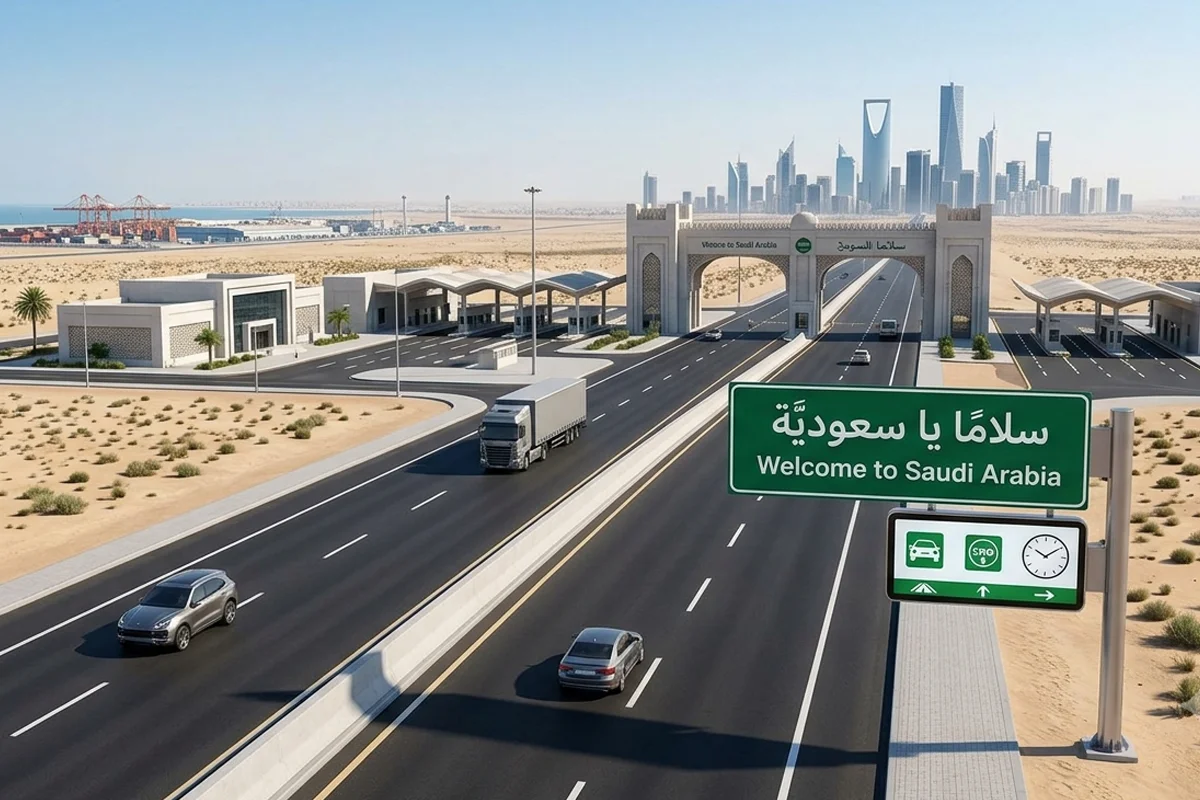
You can drive into Saudi Arabia via the King Fahd Causeway from Bahrain, Al Batha/Ghuwaifat from the UAE, or Salwa (Abu Samra) from Qatar, plus Al Khafji (Kuwait) and Halat Ammar (Jordan). GCC citizens cross freely with a national ID or passport and no visa; GCC residents of other nationalities need the appropriate Saudi visa. All foreign vehicles must carry third-party liability insurance valid in the Kingdom, along with registration and licence. Cross off-peak, as the causeway is busy at weekends.
Key takeaways
- ✓Main crossings: King Fahd Causeway (Bahrain), Al Batha/Ghuwaifat (UAE), Salwa/Abu Samra (Qatar).
- ✓GCC citizens cross freely with a national ID or passport — no visa needed.
- ✓GCC residents of other nationalities need the appropriate Saudi visa.
- ✓All foreign vehicles must carry third-party liability insurance valid in the Kingdom.
- ✓Cross off-peak (the causeway is busy at weekends); carry ID, visa, vehicle papers and insurance.
Quick facts
- Bahrain
- King Fahd Causeway
- UAE
- Al Batha / Ghuwaifat
- Qatar
- Salwa (Abu Samra)
- GCC citizens
- Free (ID/passport)
- Vehicles
- 3rd-party insurance
- Busy
- Weekends/holidays
Saudi Arabia shares busy land borders with its Gulf neighbours, and driving across is common — especially for GCC residents heading to Umrah or a weekend away. Knowing the main crossings, who can cross freely, and the vehicle rules makes the trip smooth. Here is what you need. Requirements change; verified July 2026 — confirm current border rules before travelling.
The main crossings
- Bahrain — King Fahd Causeway: the busiest crossing, a 25 km causeway linking Bahrain to the Eastern Province, hugely popular for weekend trips.
- UAE — Al Batha / Ghuwaifat: the principal UAE–Saudi crossing on the Abu Dhabi road.
- Qatar — Salwa (Abu Samra): the sole Qatar–Saudi crossing, in the Eastern Province.
- Others include Al Khafji (Kuwait) and Halat Ammar (Jordan).
Who can cross, and how
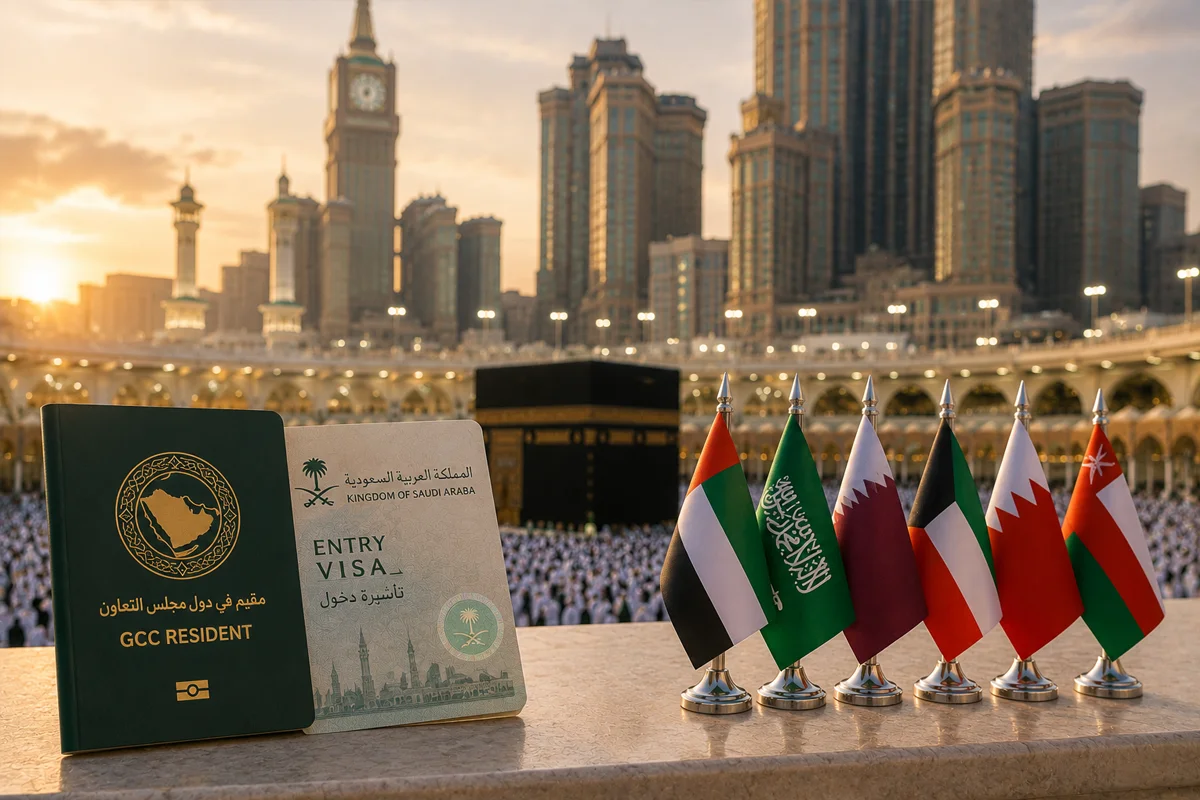
Citizens of the GCC states (Saudi Arabia, Bahrain, the UAE, Kuwait, Oman and Qatar) may cross freely with a national ID card or passport — no visa needed. GCC residents of other nationalities generally need the appropriate Saudi visa; see GCC residents: Umrah & entry for the routes open to expatriates.
Bringing a vehicle
All foreign vehicles entering or transiting Saudi Arabia must carry third-party liability insurance valid in the Kingdom. Carry your vehicle registration, driving licence and insurance, and expect standard border checks. If your home policy doesn't extend to Saudi Arabia, buy Saudi-valid cover at or before the border. See renting a car in Saudi Arabia for driving rules and fuel.
Tips
- Cross off-peak — the King Fahd Causeway is very busy at weekends and holidays, with long queues.
- Have documents ready: ID or passport, visa if needed, vehicle papers and insurance.
- For Umrah by road, plan your miqat and enter ihram at the right point on the route.
- Fill up before the crossing, and keep water for any queue in the heat.
Driving into the Kingdom is a genuine convenience for those in the Gulf, provided the paperwork is in order. Verified July 2026 — confirm the latest border and vehicle rules with the authorities before you drive.
Frequently asked questions
Planning a Saudi trip?
Pre-book a private car, find a stay, or ask us anything on WhatsApp.
Last updated: 25 July 2026·Sources reviewed by the Wadana Go editorial team.