Red Sea · Water
Red Sea Reef Diving
⏱ Half day · Up to 8
Facts checked August 2026. Someone else sets the hours and ticket prices here — confirm them before you travel.
Red Sea reef diving off Jeddah runs as a half-day boat trip; certified fun dives start around SAR 300, while a guided Discover Scuba experience for beginners (2 dives, no certificate) is typically SAR 595-650.
A guided diving trip over some of the Red Sea's healthiest coral reefs, departing the Jeddah coast. Certified divers join fun dives; beginners can take a guided Discover Scuba dive under close supervision, no certificate required. Boat, tanks, weights and a divemaster are included; full equipment rental and underwater photos are usually add-ons.
Key takeaways
- No certificate needed for a Discover Scuba dive — an instructor stays with you the whole time.
- Jeddah's reefs are shallow and start close to shore, with visibility often 20 to 30 metres.
- Warm enough to dive year-round. A 3 mm suit is plenty in summer.
- Do not fly for at least 18 to 24 hours after your last dive. Plan it before your departure day, not on it.
- Ask what the price actually includes. Gear rental, marine park fees and photos are often extra.
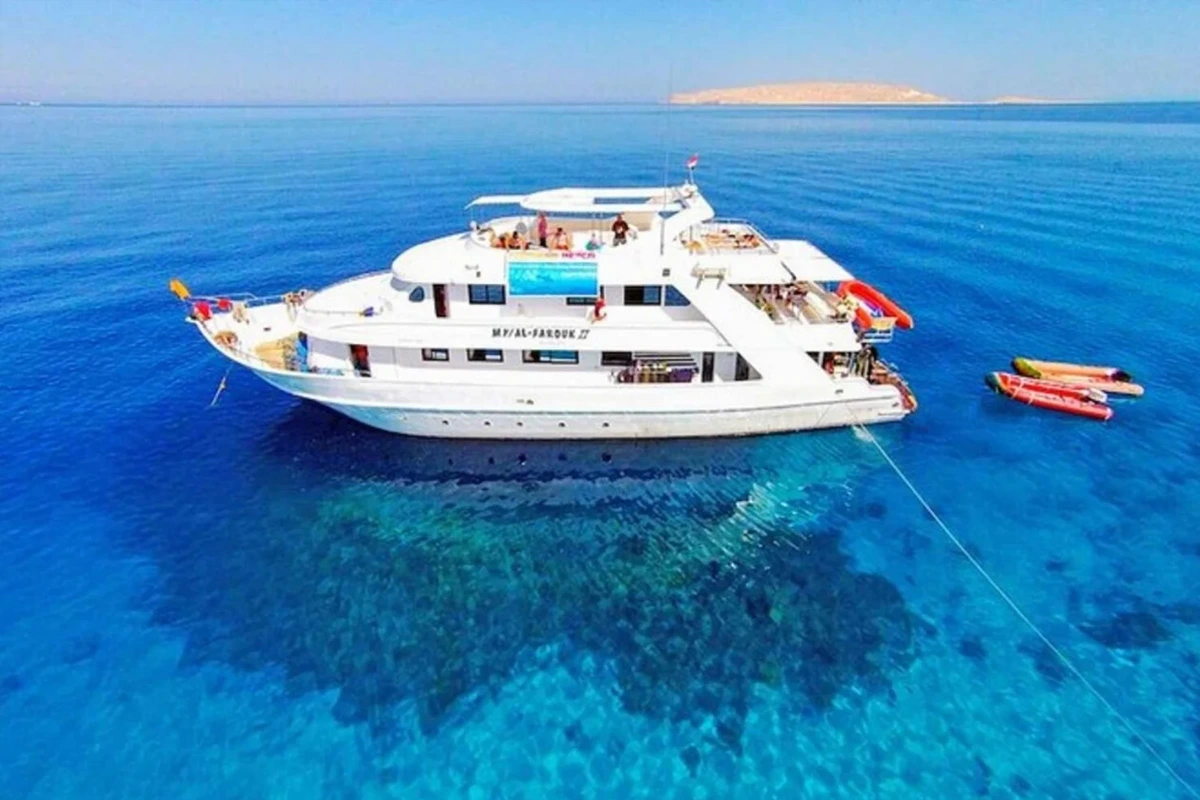
The Red Sea is one of the few places left where coral reefs are still in genuinely good condition, and the Saudi side is far less dived than the Egyptian side. Boats leave from the Jeddah coast and reach reef within half an hour.
If you have never dived
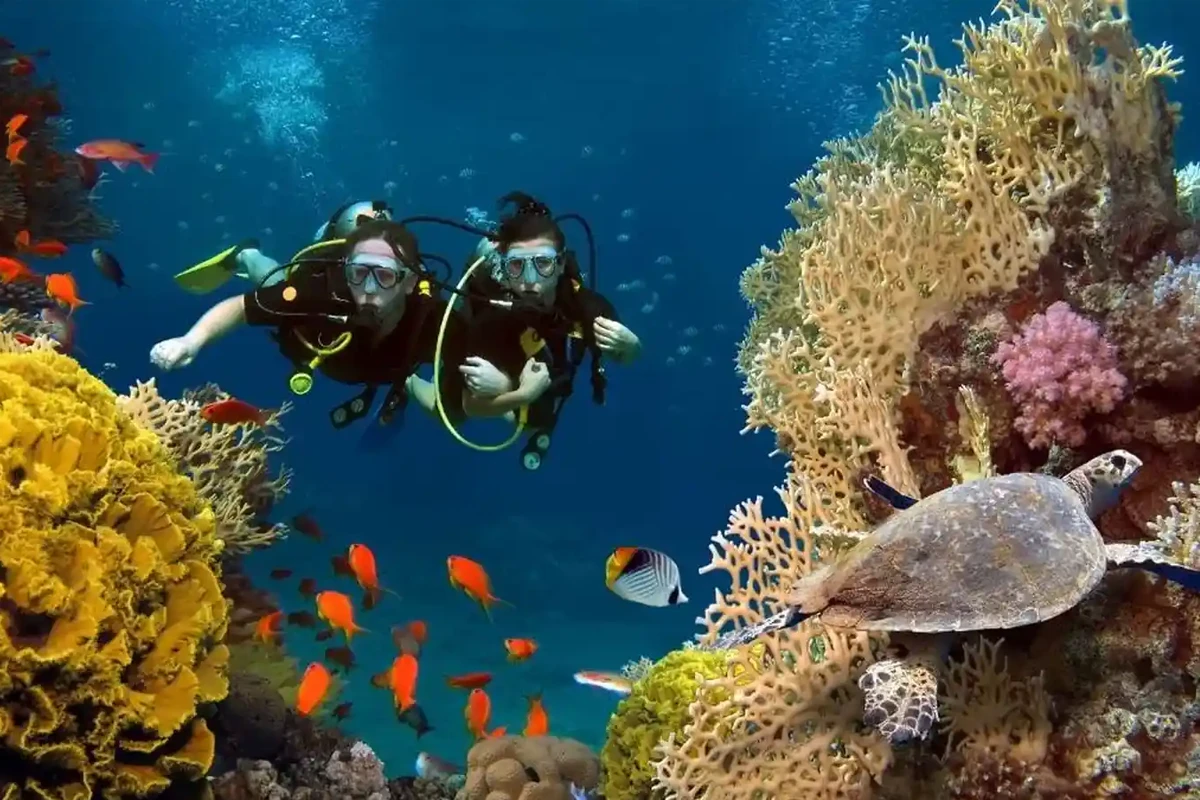
A Discover Scuba dive is the entry point. No certificate, no course, no prior experience. You get a briefing on land, a short skills session in shallow water, then a supervised dive to around six metres with an instructor beside you the entire time. Most people manage it comfortably. If you can swim a little and you can equalise your ears, you can do this.
What it is not: a qualification. It does not let you dive independently afterwards. If you want that, an Open Water course takes three to four days and the Jeddah centres run them regularly.
If you are already certified
Bring your card and your logbook. Most centres will ask when you last dived and may want a check dive if it has been more than a year, which is standard practice and not an upsell.
Two-tank morning trips are the usual format: out to two sites, a surface interval on the boat, back by early afternoon.
What you will see
Fringing reefs and drop-offs that start shallow and fall away steeply, so a snorkeller and a diver can be on the same reef at different depths. Hard and soft corals, huge gorgonian fans, parrotfish, angelfish, lionfish, moray eels, turtles, and reef sharks on the deeper walls.
There are also wrecks off Jeddah, sitting in accessible depths, which are usually the sites certified divers ask for.
Visibility is commonly 20 to 30 metres and can be considerably more on a good day. Water temperature runs around 26 to 30 degrees in summer and mid-twenties in winter, so a 3 mm suit covers most of the year and a 5 mm is comfortable in January.
What it costs and what is included
Certified fun dives start around SAR 300. Beginner experiences cost considerably more, and the range between dive centres in Jeddah is wide.
The number you are quoted matters less than what sits behind it, so ask directly:
- Is full equipment rental included, or only tanks and weights?
- How many dives is that — one or two?
- Are marine park or boat fees separate?
- Is food on the boat included?
- Are photographs and video extra? They almost always are.
Safety and the flying rule
The one that catches travellers out: do not fly within 18 to 24 hours of your last dive. Nitrogen in your tissues plus a pressurised cabin is how people get decompression sickness on holiday. Schedule diving for the start or middle of your trip, never the day before you leave.
Other points worth knowing:
- Declare asthma, heart conditions, ear problems, pregnancy or recent surgery on the medical form honestly. The form exists for a reason.
- The nearest recompression chamber matters. Reputable centres know where it is and will tell you.
- Dive insurance is not usually included. Ordinary travel insurance often excludes diving.
- Never hold your breath on ascent. Your instructor will say this several times, and it is the one rule that genuinely matters.
Reef etiquette
Do not touch, stand on or break coral. Control your buoyancy and keep your fins clear. Take no shells, no coral, nothing. Do not chase or ride turtles, however tempting the photograph. Reef-safe sunscreen where you can.
Modesty and swimwear
Dive centres in Jeddah are used to international divers, but expectations vary between operators. A full-length rash suit or a wetsuit solves the question entirely and is what most people wear anyway. Ask the centre if you are unsure.
If diving is not for you
The reefs here start shallow enough that snorkelling shows you most of the colour with none of the paperwork. The Obhur snorkel cruise covers the same water for less, with no certificate and no medical form.
Run by a local operator. We arrange it for you and confirm the exact price and timings before you pay.
- Region
- Red Sea (Jeddah)
- Duration
- Half day
- From
- SAR 300
- Level
- All levels
FAQ
No — certified divers join fun dives from around SAR 300, while beginners can take a guided Discover Scuba dive in shallow water (around SAR 595-650) with an instructor at all times.