Masjid al-Fadikh: The Night the Jars Were Poured Out
Short answer
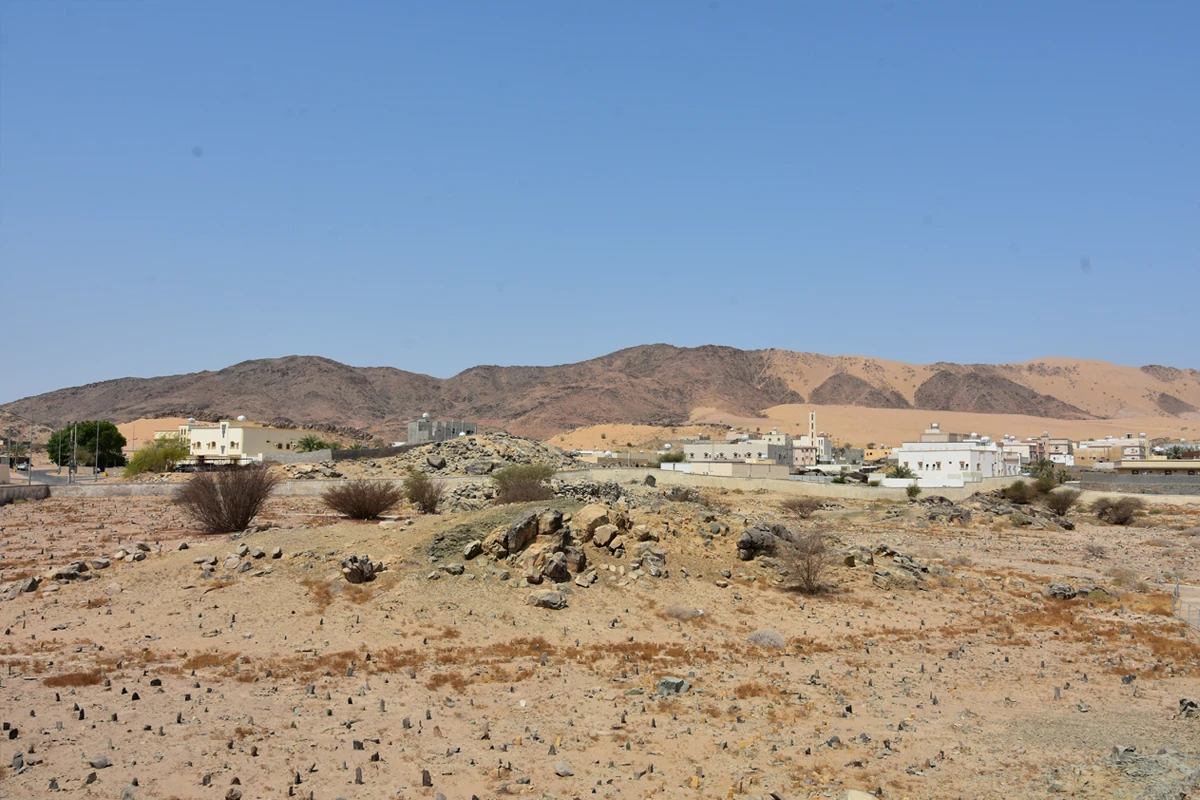
Masjid al-Fadikh, also called Masjid al-Shams, is one of the mosques in Madinah where the Prophet ﷺ is recorded as having prayed, during the period of the Banu al-Nadir affair. Saudipedia places it among the group whose location is known rather than among those still standing. Fadikh was a drink made from fresh dates.
Key takeaways
- ✓The mosque is also called Masjid al-Shams, and is associated with the Banu al-Nadir period in the fourth year after the Hijrah.
- ✓Saudipedia places it among the seven mosques whose location is known, not among the eighteen still standing. There is no confirmed building to visit.
- ✓Fadikh was a drink made from fresh dates. Anas ibn Malik was serving it when the prohibition of alcohol was announced.
- ✓Bukhari and Muslim record that Abu Talha immediately told Anas to pour the jars out, and the drink ran through the streets of Madinah.
- ✓There was no debate, no request for confirmation, and no transition period. A man shouted it, the host said pour it, the boy poured it.
- ✓The incident is level A. The mosque's association with the Banu al-Nadir period is level B.
- ✓Take the story rather than the trip. There is no confirmed site to stand in front of.
Quick facts
- City
- Madinah
- Also called
- Masjid al-Shams
- Status
- Location known; no confirmed standing building
- Associated with
- The Banu al-Nadir period, year 4 after the Hijrah
- Fadikh means
- A drink made from fresh dates
- The incident
- Recorded in Sahih al-Bukhari and Sahih Muslim
- Part of Umrah or Hajj
- No
- Special prayer or reward
- None authentically reported
- Evidence level
- A for the incident; B for the mosque's association
Masjid al-Fadikh, also called Masjid al-Shams, is one of the mosques in Madinah where the Prophet ﷺ is recorded as having prayed. Saudipedia places it among the group whose location is known rather than among the mosques still standing.
Its name is a piece of history in itself. Fadikh was a drink made from fresh dates.
Why he prayed here
The mosque is associated with the days of the Banu al-Nadir affair, in the fourth year after the Hijrah, when the Prophet ﷺ and the Muslims were encamped in this part of Madinah. He prayed at this spot during that period, which is why it is on the list.
The night the wine ran in the streets
The name points to one of the most vivid moments in the whole hadith literature, and it is in Sahih al-Bukhari and Sahih Muslim.
Anas ibn Malik, may Allah be pleased with him, was a young man serving drinks to a gathering that included Abu Talha and Abu Ayyub and other Companions. What he was serving was fadikh, made from fresh dates.
A man came past and called out that alcohol had been forbidden.
Anas reports that Abu Talha turned to him at once and said: Anas, go and pour these jars out.
He did. Anas says the drink ran through the streets of Madinah.
Read that again
There was no debate. Nobody asked whether the announcement was confirmed, or whether the jars already bought could be finished first, or whether a transition period might be reasonable.
A man shouted it in the street. The host said pour it out. The boy poured it out. It ran down the road.
That is the response the Companions are remembered for, and it is why this ordinary word for a date drink ended up attached to a mosque.
The evidence, plainly
- The pouring out of the fadikh: level A, in Sahih al-Bukhari and Sahih Muslim.
- The Prophet ﷺ praying at this place during the Banu al-Nadir period: recorded in the historical literature and carried into Saudipedia's list. Level B.
- That the mosque name commemorates that specific incident: the connection is made in the historical literature; treat it as the traditional explanation rather than a hadith statement.
- A visitable building today: Saudipedia places it among the group whose location is known, not among the eighteen still standing.
Is visiting part of Hajj or Umrah?
No. Not a rite of either, and no reported reward for praying there.
Honest verdict
Take the story, not the trip.
There is no confirmed building for you to stand in front of, and we are not going to send you looking for one. What is worth carrying out of this page is what Anas describes, and you can carry that from anywhere.
Related
- The seven mosques you cannot visit — what "known location" means, and which they are.
- Masjid Banu Zafar — another of the seven, with a strong hadith attached.
- Banu Qurayzah — and the hadith about praying Asr.
- Madinah Ziyarat guide — the sites actually worth your day.
Getting there
Madinah's smaller historic sites are scattered, and reaching them one taxi at a time turns a short list into a whole morning. Our Madinah Ziyarat private car covers the round on one fixed fare for the whole vehicle with the driver waiting at every stop, and the Madinah Ziyarat tour is the guided version. For arrival, the Madinah airport transfer has fixed fares.
Accuracy note
The account of Anas ibn Malik serving fadikh, a drink made from fresh dates, to a gathering including Abu Talha and Abu Ayyub, the announcement that alcohol had been forbidden, Abu Talha telling him to pour the jars out and the drink running through the streets of Madinah, is recorded in Sahih al-Bukhari and Sahih Muslim. Saudipedia lists Masjid al-Fadikh among the mosques in Madinah where the Prophet ﷺ prayed whose location is known, rather than among the eighteen still standing; the mosque is also called Masjid al-Shams. Its association with the period of the Banu al-Nadir affair in the fourth year after the Hijrah comes from the historical literature and is level B. The connection between the mosque's name and the incident of the poured-out fadikh is made in the historical literature and should be treated as the traditional explanation rather than a statement in a hadith. We could not confirm a visitable building, current access or a marked site. No reward for praying there is authentically reported, and visiting is not a rite of Hajj or Umrah. Content verified August 2026. Correction? Tell us.
Frequently asked questions
Planning a Saudi trip?
Pre-book a private car, find a stay, or ask us anything on WhatsApp.
Last updated: 16 September 2026·Sources reviewed by the Wadana Go editorial team.