Masjid Banu Zafar (al-Baghla): Where He Said “Enough”
Short answer
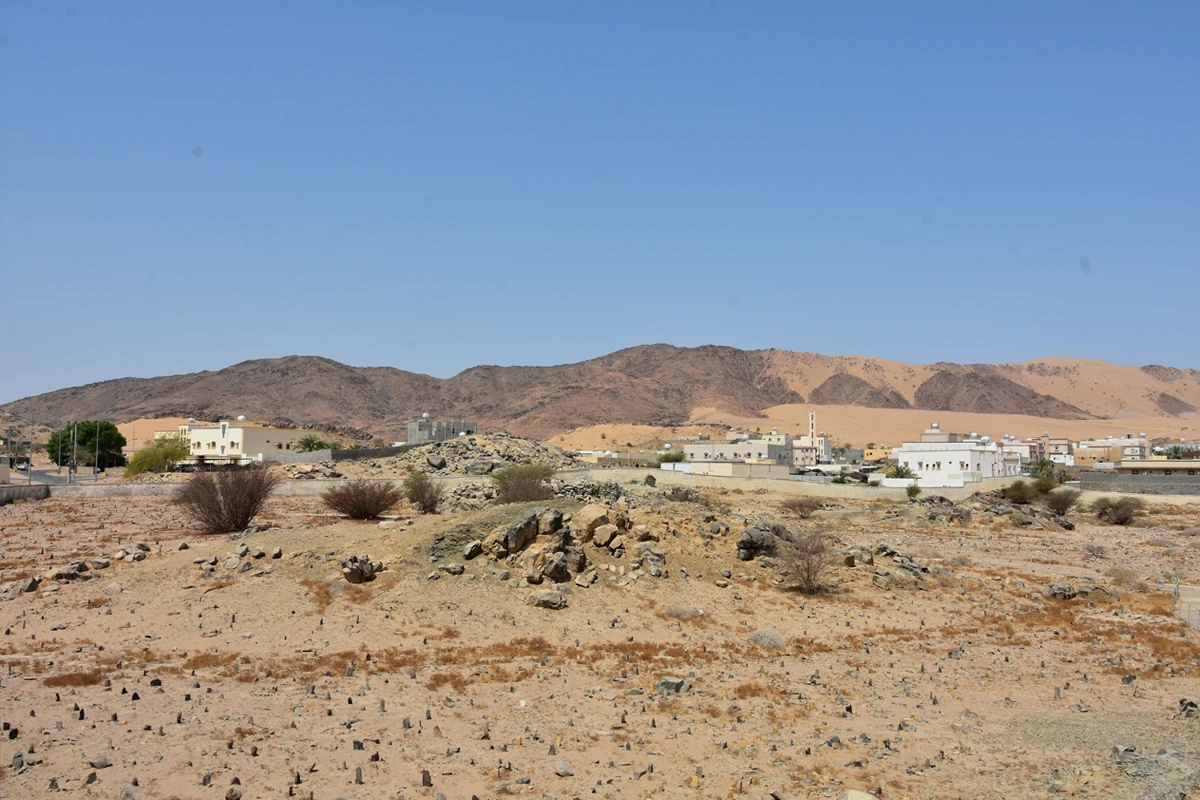
The quarter of the Banu Zafar lay behind Jannat al-Baqi on the eastern side of Madinah. The Madinah historians place there the exchange recorded in Bukhari and Muslim, in which Ibn Mas'ud recited Surah al-Nisa until the Prophet ﷺ told him to stop, his eyes overflowing with tears. Visiting is not a rite of Hajj or Umrah.
Key takeaways
- ✓Bukhari and Muslim record the Prophet ﷺ asking Ibn Mas'ud to recite to him, saying he liked to hear it from someone else.
- ✓Ibn Mas'ud read Surah al-Nisa until the verse about a witness being brought from every nation, and the Prophet ﷺ brought as a witness against these.
- ✓He said enough. Ibn Mas'ud looked up and his eyes were flowing with tears.
- ✓The verse is about his own position on the Day of Judgement, as witness over the people he spent his life trying to save.
- ✓The exchange is level A. That it happened in the Banu Zafar quarter is level B, from the Madinah historians.
- ✓The name al-Baghla means the mule. Claims about a rock bearing a hoofprint have no authentic basis and should not be repeated.
- ✓Saudipedia lists it among the mosques whose location is known. Other accounts describe a small preserved enclosure on King Abdul Aziz road.
Quick facts
- City
- Madinah, east side, behind Jannat al-Baqi
- Also called
- Al-Baghla, the mule
- What happened
- Ibn Mas'ud's recitation of Surah al-Nisa
- Recorded in
- Sahih al-Bukhari and Sahih Muslim
- The hoofprint claim
- No authentic basis. Do not repeat it
- Part of Umrah or Hajj
- No
- Access
- Not confirmed. Ask on the day
- Time to allow
- About 10 minutes
- Evidence level
- A for the exchange; B for the location; C for the rock marks
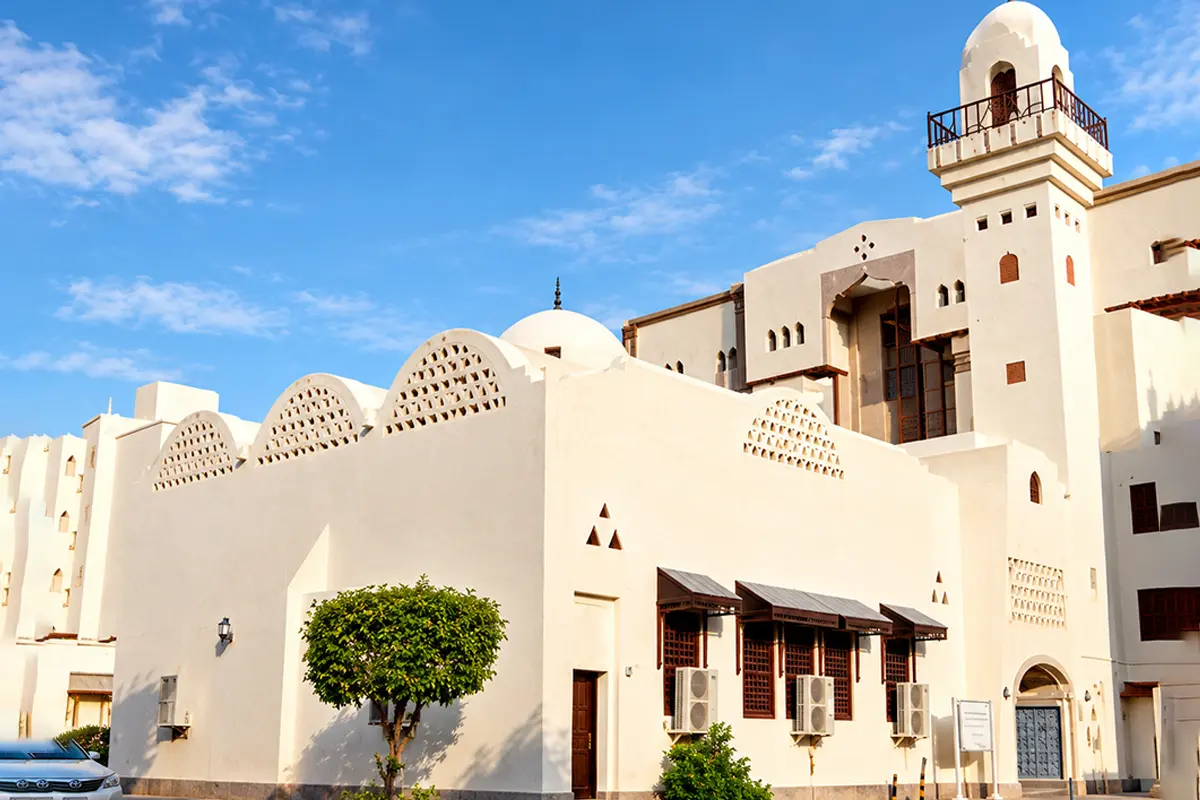
The quarter of the Banu Zafar lay behind what is now Jannat al-Baqi, on the eastern side of Madinah. Accounts place the site on the right-hand side of King Abdul Aziz road, with a small mosque preserved inside a walled enclosure.
Saudipedia lists Banu Zafar Mosque, also called al-Baghla, among the mosques in Madinah whose location is known rather than among the eighteen that still stand as functioning mosques. Both descriptions can be true of a small preserved enclosure, and we are giving you both rather than picking.
What happened here
This is one of the most quoted exchanges in the entire hadith literature, and it is in Sahih al-Bukhari and Sahih Muslim.
Abdullah ibn Mas'ud, may Allah be pleased with him, reported that the Prophet ﷺ told him to recite the Qur'an to him. Ibn Mas'ud said: I recite it to you, and it was revealed to you? He said yes, he liked to hear it from someone else.
So Ibn Mas'ud began Surah al-Nisa. He read until he reached the verse about how it will be when a witness is brought from every nation, and the Prophet ﷺ is brought as a witness against these.
Then he said: enough.
Ibn Mas'ud looked up, and his eyes were flowing with tears.
Why that verse
Think about what the verse says and who was hearing it.
It describes the Day of Judgement, when every community's prophet is brought forward to testify about them. And it tells him that he will be the witness brought against his own people.
He was not weeping over a general description of the Hereafter. He was weeping over his own position in it, standing as witness over the very people he had spent his life trying to save.
The Madinah historians place that moment in the quarter of the Banu Zafar. The exchange itself is level A, in both Bukhari and Muslim; the location comes from the historical literature and is level B.
About the mule and the rock
The name al-Baghla means the mule.
You may be shown a rock at or near the site said to carry the print of the Prophet's ﷺ mule's hoof, or a mark said to have been left by his knee or his hand.
There is no authentic evidence for any of that. Marks and hollows in rock are natural, and none of the authentic collections records anything of the kind here. It is a popular story attached to an old site, which is a very common pattern.
You do not need it. The mosque already has a moment in Bukhari and Muslim attached to it. That is far better than a hoofprint.
The evidence, plainly
- The recitation and the tears: level A, Sahih al-Bukhari and Sahih Muslim.
- That it happened in the Banu Zafar quarter: level B, from the Madinah historical literature.
- The hoofprint and similar marks: no authentic basis. Level C at best, and we would not repeat it as fact.
- A reward for praying at the site: none reported.
Is visiting part of Hajj or Umrah?
No. Not a rite of either.
Visiting
- Ten minutes. It is a small enclosure, not a building you spend time in.
- It is close to Baqi, on the eastern side, so combine the two.
- Access is not something we can confirm. Ask on the day.
- Take the hadith with you, not the hoofprint. Read the verse before you go and the stop will mean something.
Nearby
- Jannat al-Baqi — on the other side of the road.
- Masjid al-Ijabah — also on the eastern side.
- Masjid Banu Qurayzah — further east.
- Madinah Ziyarat guide — the whole city, site by site.
Getting there
Madinah's smaller historic sites are scattered, and reaching them one taxi at a time turns a short list into a whole morning. Our Madinah Ziyarat private car covers the round on one fixed fare for the whole vehicle with the driver waiting at every stop, and the Madinah Ziyarat tour is the guided version. For arrival, the Madinah airport transfer has fixed fares.
Accuracy note
The account of Abdullah ibn Mas'ud reciting Surah al-Nisa to the Prophet ﷺ until the verse about a witness being brought from every nation, the Prophet ﷺ telling him to stop, and his eyes overflowing with tears, is recorded in Sahih al-Bukhari and Sahih Muslim. The placing of that exchange in the quarter of the Banu Zafar comes from the historical literature of Madinah and is level B. Saudipedia lists Banu Zafar Mosque, also called al-Baghla, among the mosques whose location is known rather than among the eighteen still standing; other accounts describe a small mosque preserved within a walled enclosure on the right-hand side of King Abdul Aziz road behind Jannat al-Baqi, and we have given both. We know of no authentic basis for any rock at or near the site bearing the print of the Prophet's ﷺ mule, knee or hand; marks and hollows in rock are natural, and we have marked that claim as unestablished rather than repeating it. No reward for praying at the site is authentically reported, and visiting is not a rite of Hajj or Umrah. We could not confirm current access. Content verified August 2026. Correction? Tell us.
Frequently asked questions
Planning a Saudi trip?
Pre-book a private car, find a stay, or ask us anything on WhatsApp.
Last updated: 17 September 2026·Sources reviewed by the Wadana Go editorial team.