182 articles
Umrah & Ziyarat
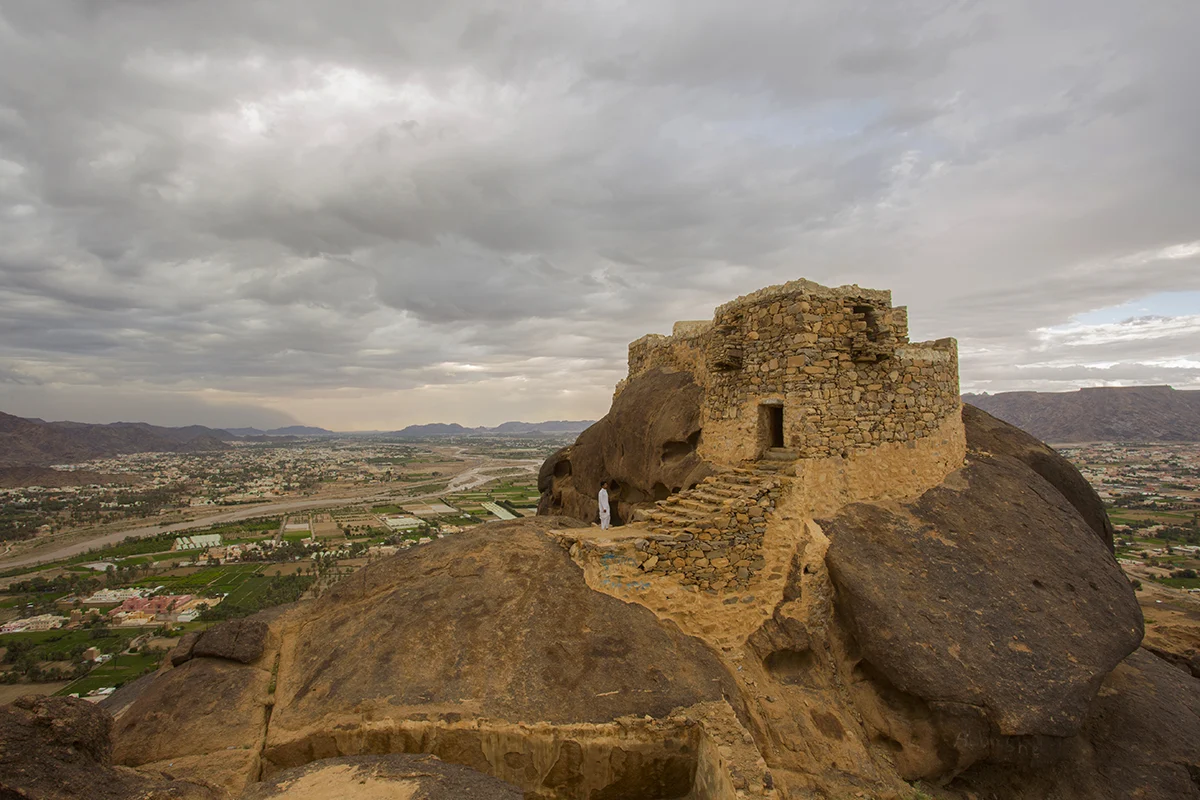
Najran and Ashab al-Ukhdud: How Good Is the Case?
Three inscriptions cut within months of the campaign, by the people who carried it out. The event is solid. The identification is not the same thing.
Wadana Go Editorial · 10 min read
Umrah & Ziyarat
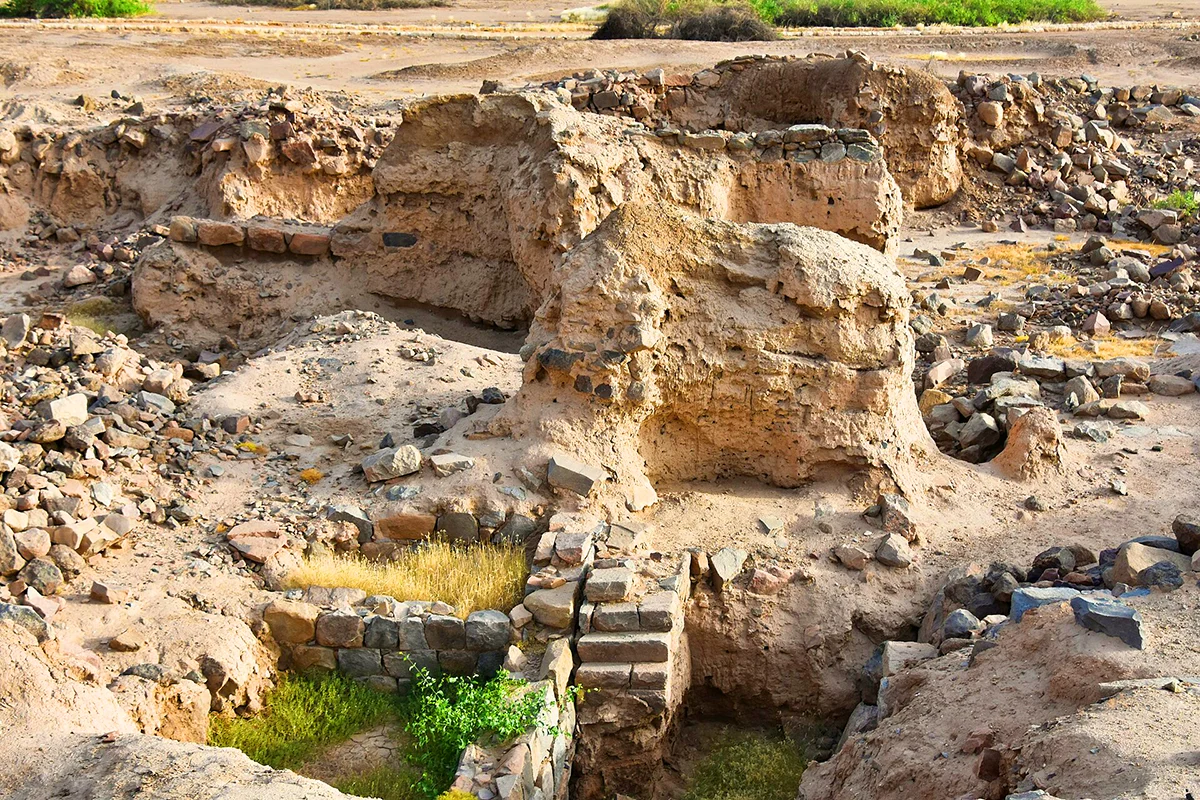
Ashab al-Ukhdud: The Story With No Place and No Date
The boy dies. The believers are killed. Nobody is rescued. And the Qur'an calls that the winning side.
Wadana Go Editorial · 8 min read
Umrah & Ziyarat
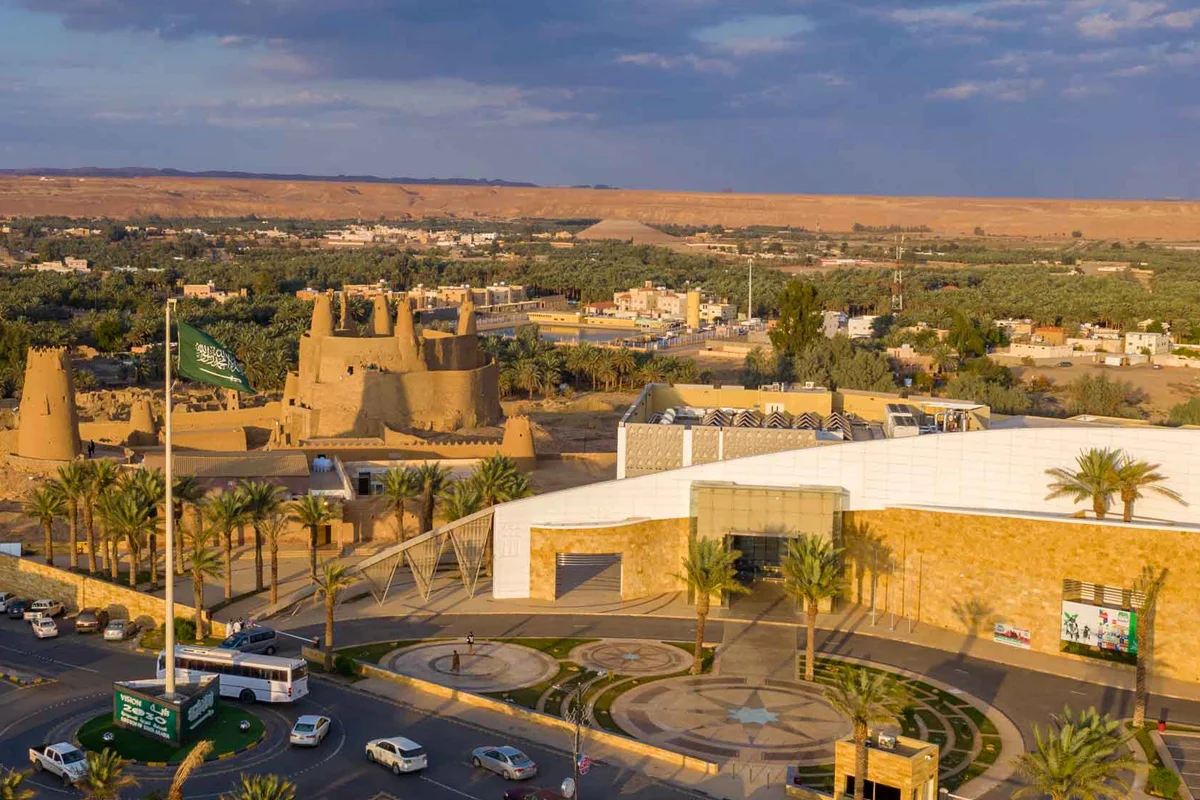
The Dumat al-Jandal Oasis: A Natural Cistern the Size of a Town
Someone in the Islamic centuries built a house on a wall already a thousand years old, because it was there and it was sound.
Wadana Go Editorial · 8 min read
Umrah & Ziyarat
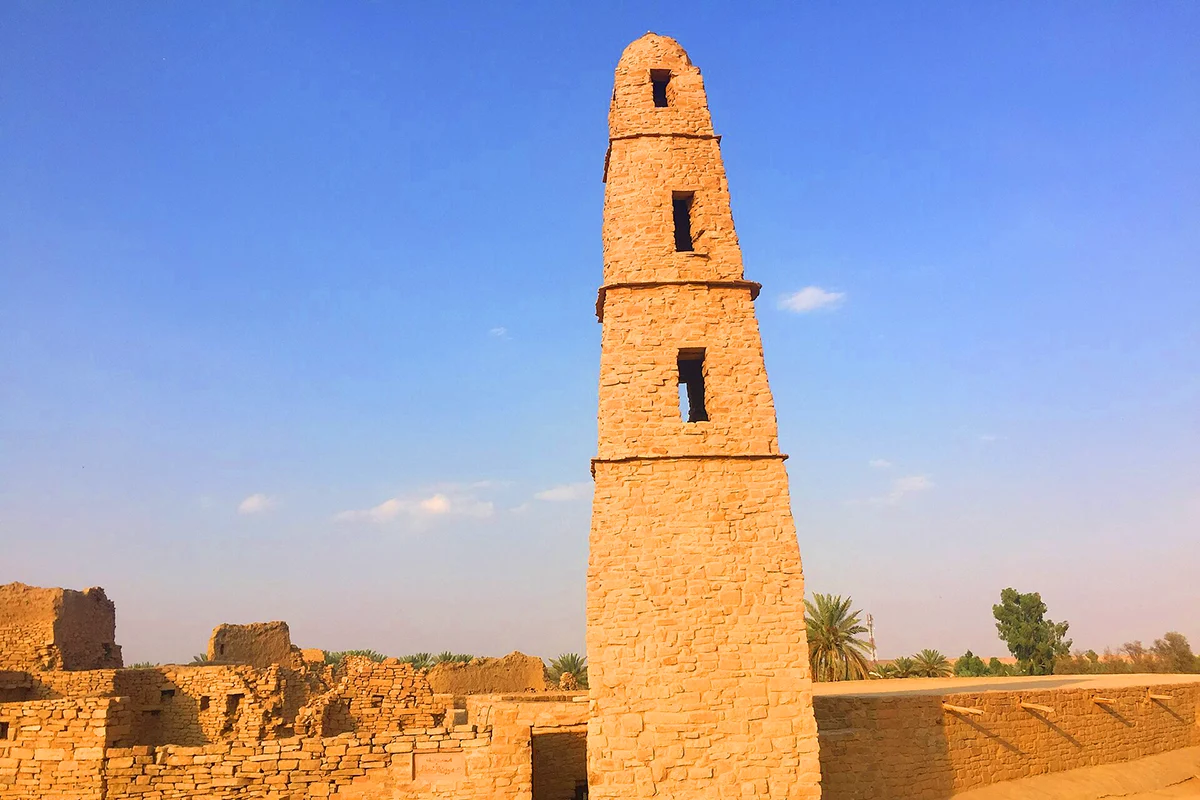
The Umar Mosque at Dumat al-Jandal: A Minaret With No Twin
Five square tiers narrowing to a point, fifteen metres up. An early answer to a question nobody had settled yet: what shape should a minaret be?
Wadana Go Editorial · 7 min read
Umrah & Ziyarat
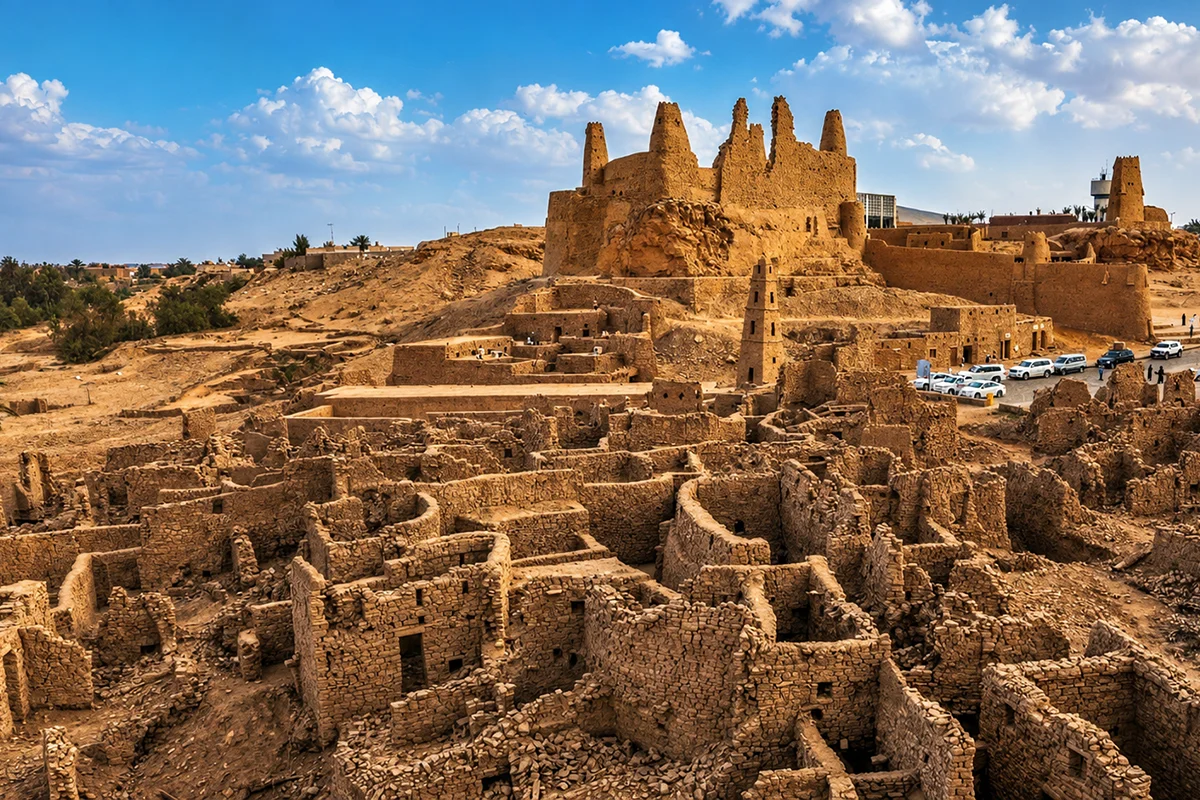
Dumat al-Jandal: The Oasis Where the First Great Split Was Argued
Chosen precisely because it was nobody's home ground, midway between Kufa and Damascus. And the arbitration settled nothing.
Wadana Go Editorial · 9 min read
Umrah & Ziyarat
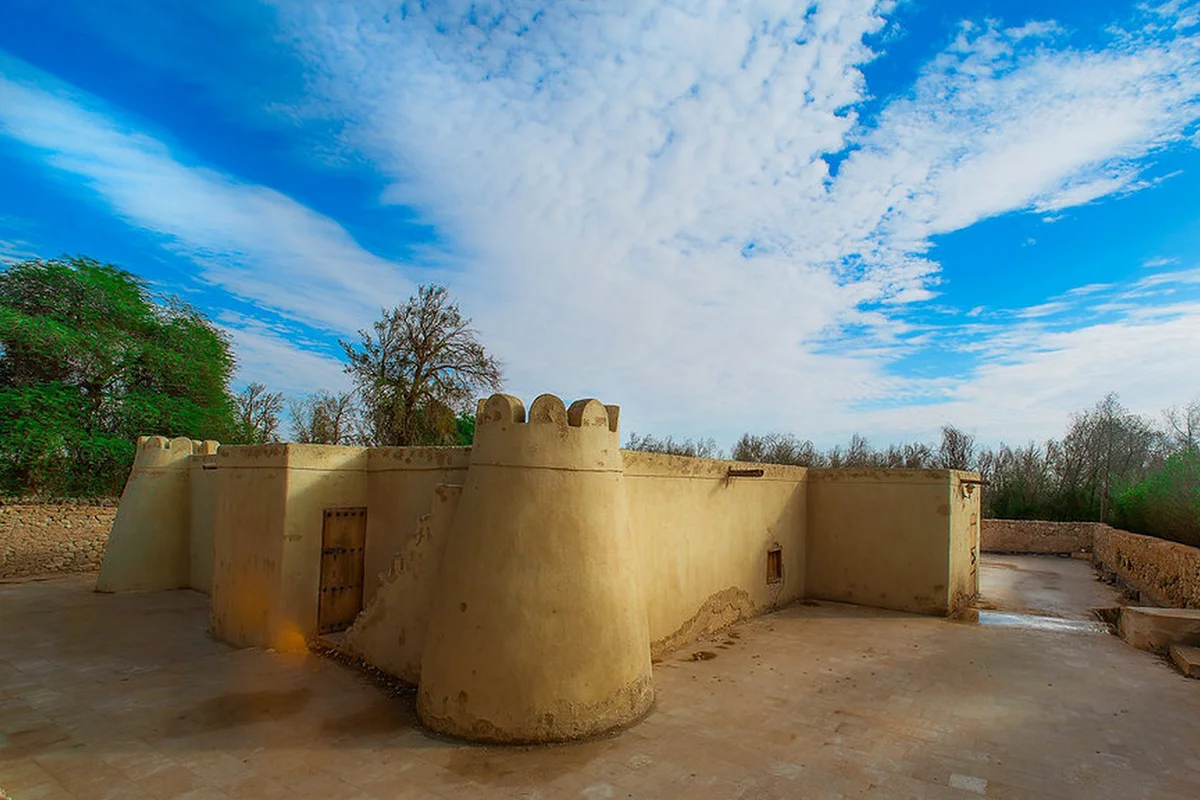
Jawatha Mosque: The Second Place Jumu'ah Was Ever Prayed
Two hundred square metres of ruined mud-brick in al-Ahsa. And Bukhari names it as the second place in Islam where Friday prayer was held.
Wadana Go Editorial · 8 min read
Umrah & Ziyarat
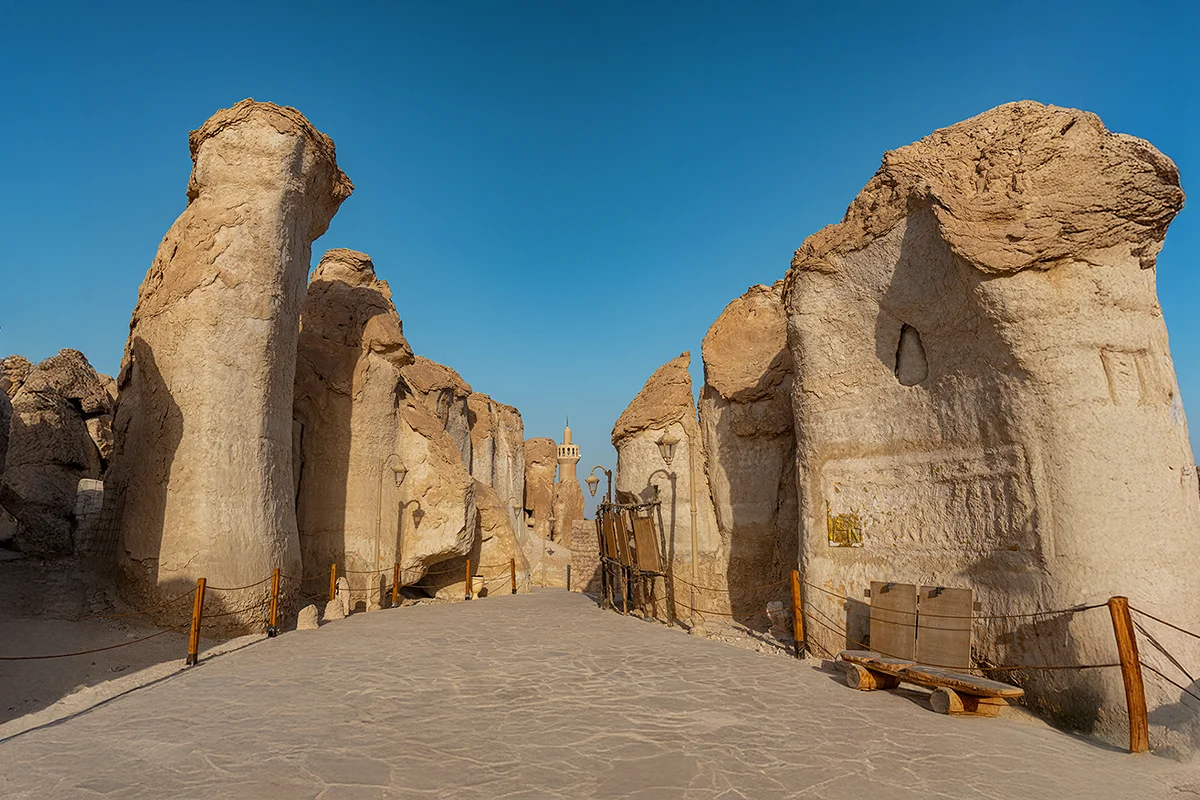
Jawatha Archaeological Site: Ten Thousand Years on One Oasis
Pottery tells you who lived somewhere. Glass tells you who they were connected to. Jawatha has both, under the dunes.
Wadana Go Editorial · 8 min read
Umrah & Ziyarat
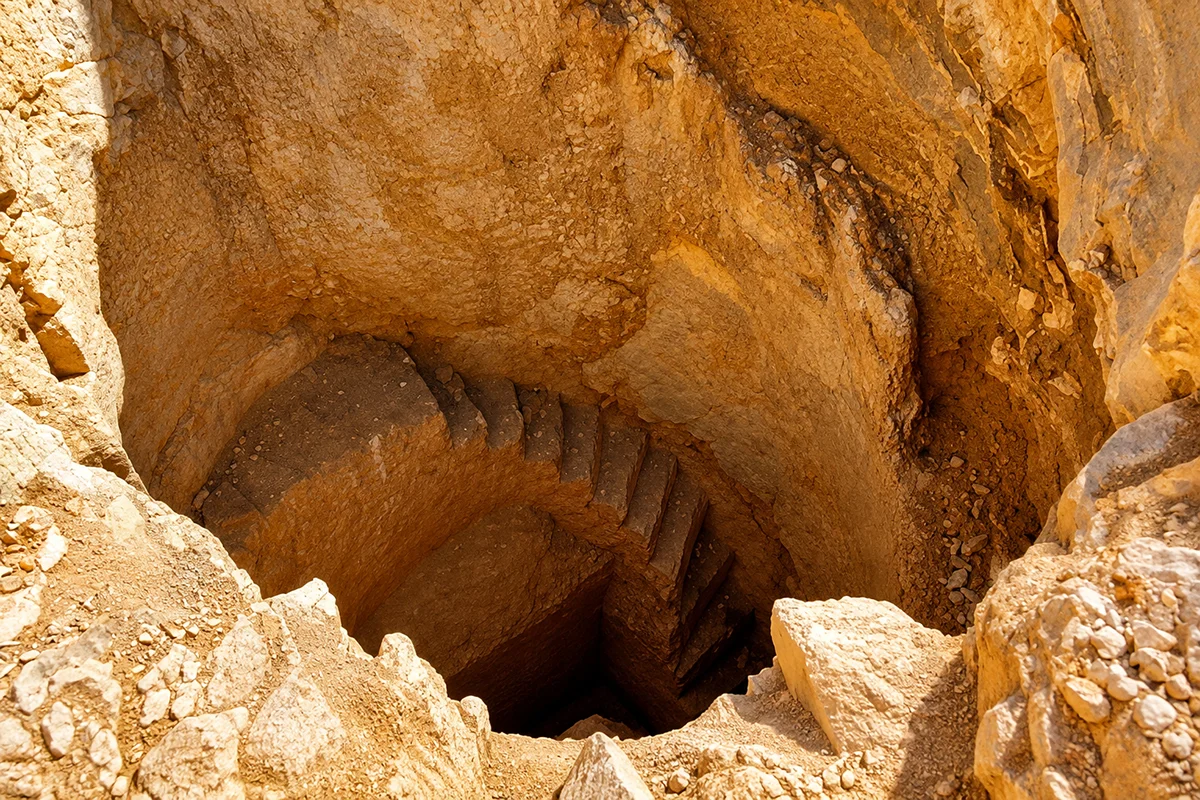
The Well of Musa at Madyan: What a Name Can and Cannot Prove
A very old well, in the right kind of place, given a name by tradition. Worth seeing. Not worth overclaiming, and not worth a single act of worship.
Wadana Go Editorial · 8 min read
Umrah & Ziyarat
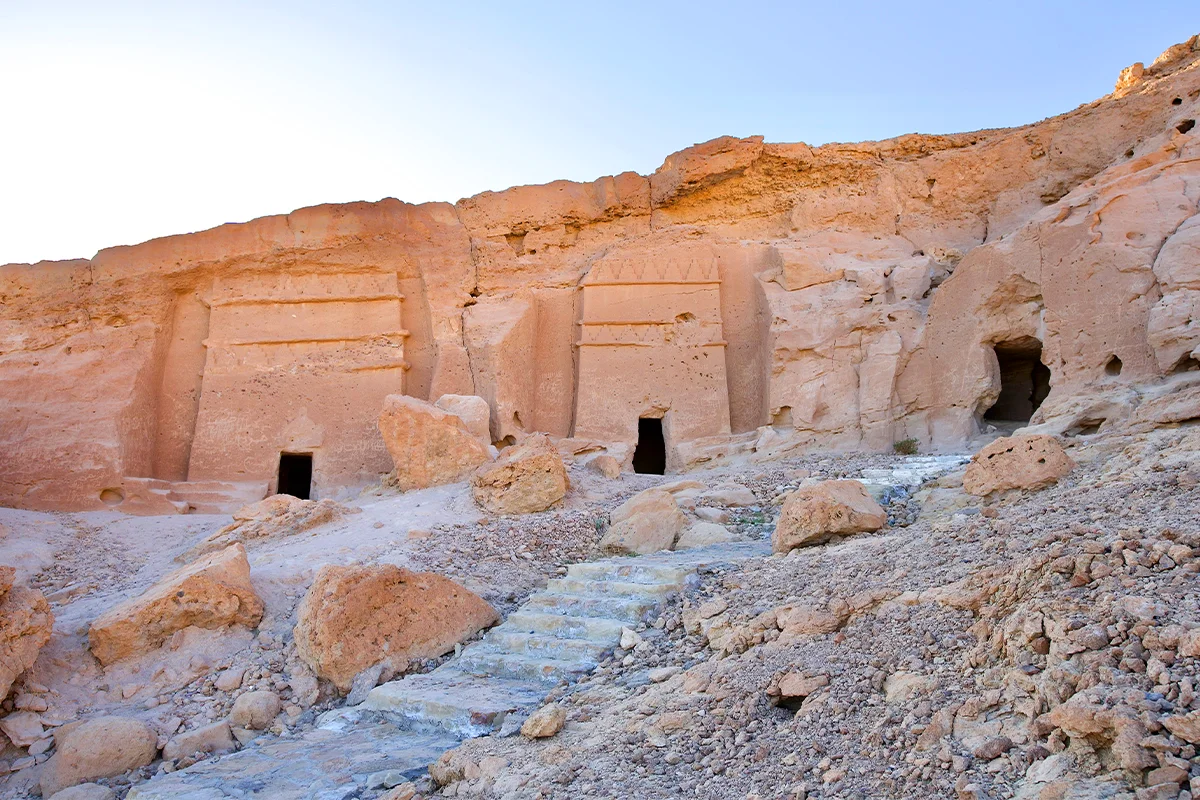
Al-Bad' Archaeological Site: An Oasis With Layers
Three scripts, three eras, one oasis. Not a monument with a date, but a place people kept coming back to because it had water.
Wadana Go Editorial · 8 min read
Umrah & Ziyarat
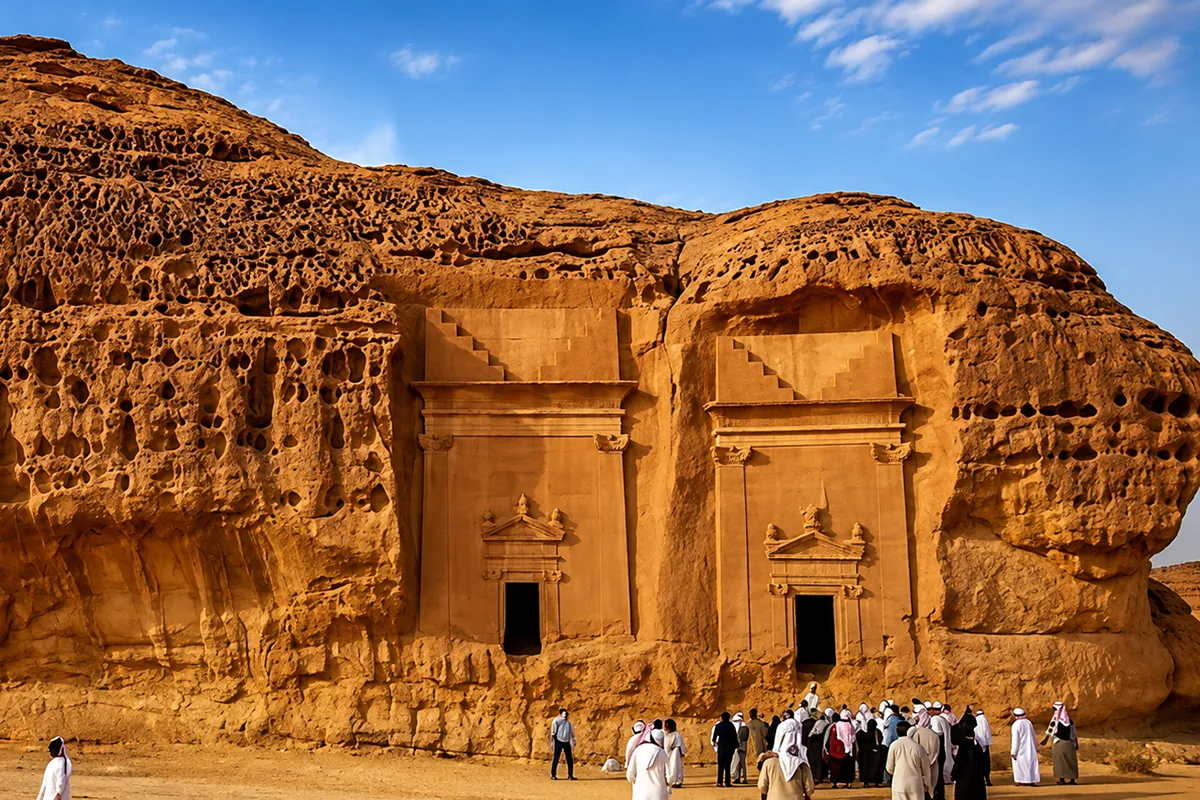
Magha'ir Shu'ayb: The Caves, the Name, and the Arithmetic
The inscriptions inside carry Nabataean names, written on the wall by the people who did the burying. That is about as direct as evidence gets.
Wadana Go Editorial · 8 min read
Umrah & Ziyarat
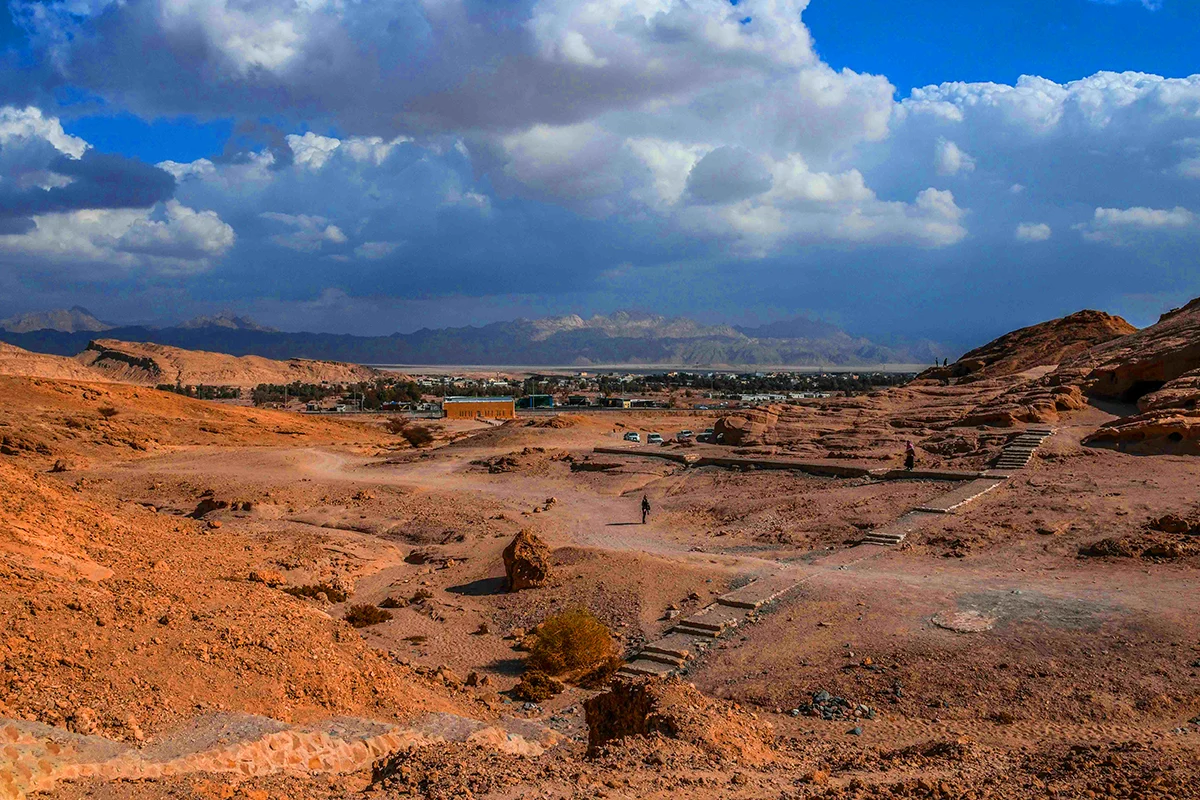
Madyan and Prophet Shu'ayb: The Qur'an, the Ground, and the Join
Everyone assumes the old man in Surah al-Qasas was Shu'ayb. The Qur'an does not say it. The whole tradition at the site rests on that joint.
Wadana Go Editorial · 10 min read
Umrah & Ziyarat
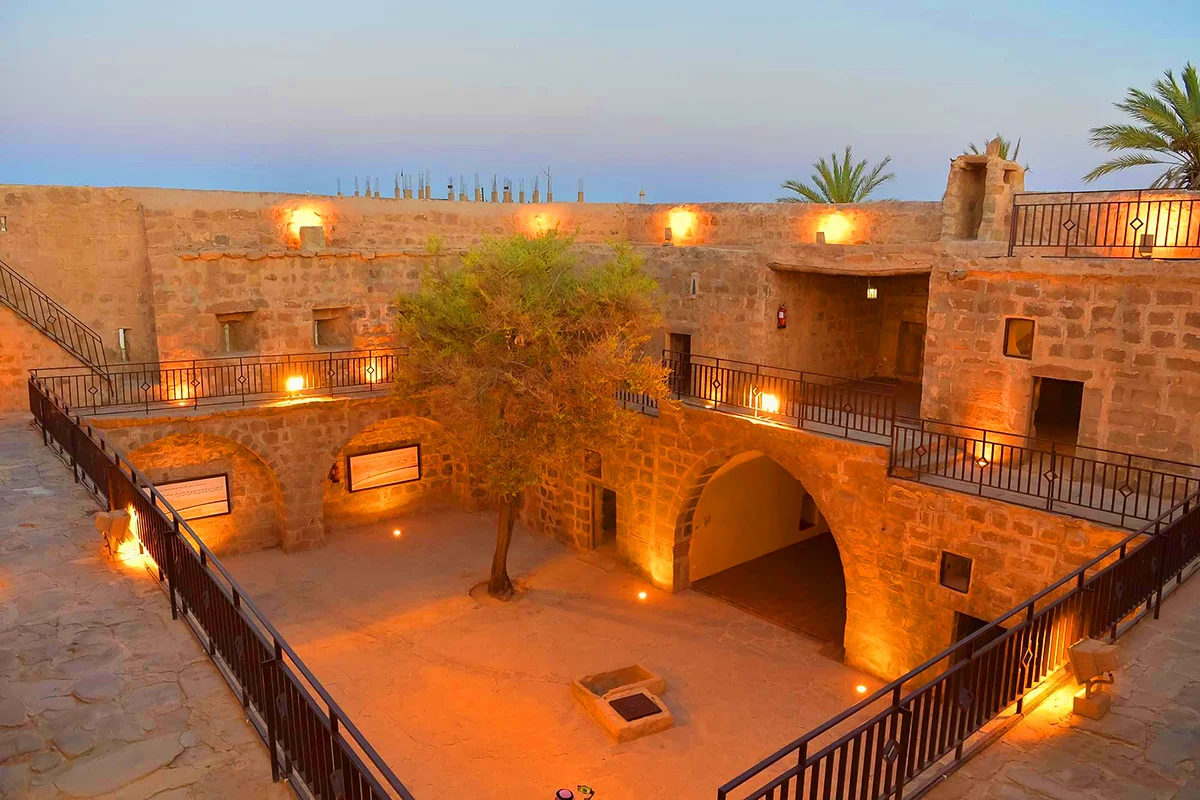
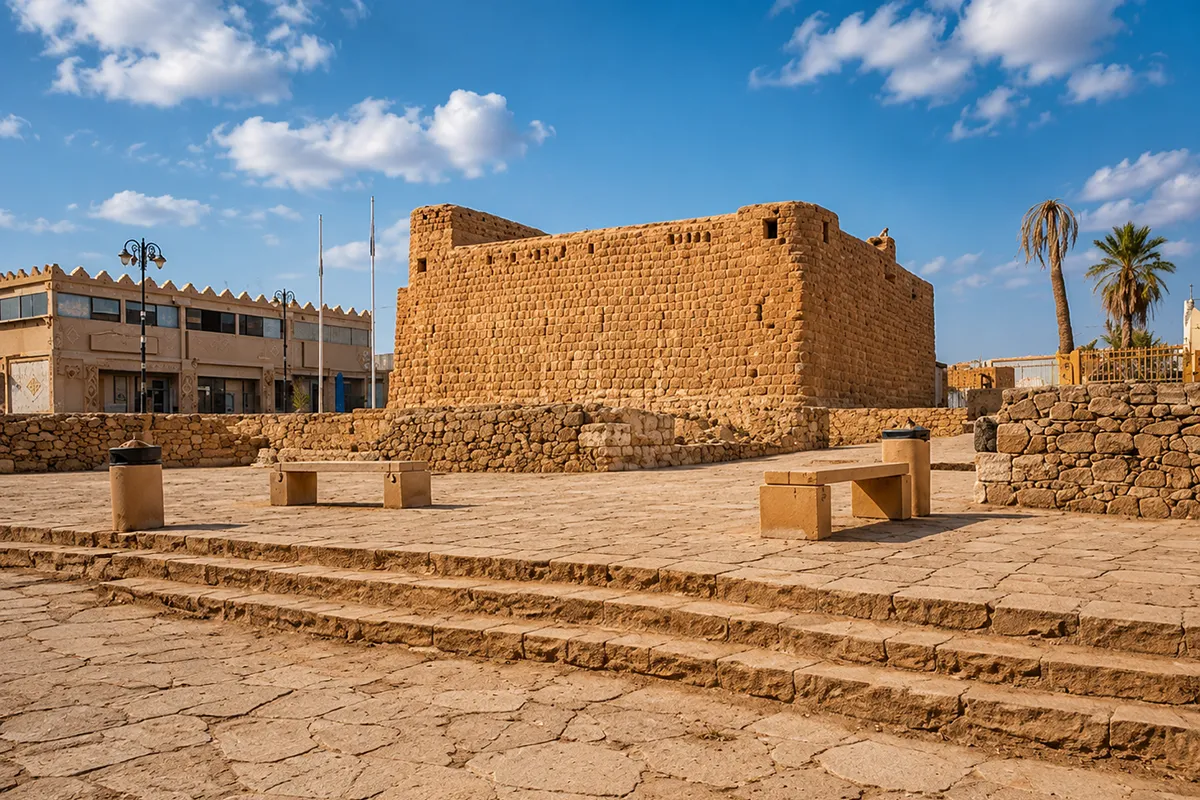
Tabuk Castle: A Water Stop That Became a City
A courtyard, a well, a small mosque and four corner towers. Nothing decorative, because nothing decorative was needed. This is what a caravan station is.
Wadana Go Editorial · 7 min read
Umrah & Ziyarat
Ayn al-Sukkar and the Spring of Tabuk: What Mu'adh Was Told
A trickle no thicker than a shoelace, in a drought year, in country with nothing. And he told Mu'adh he might live to see it watering gardens.
Wadana Go Editorial · 7 min read
Umrah & Ziyarat
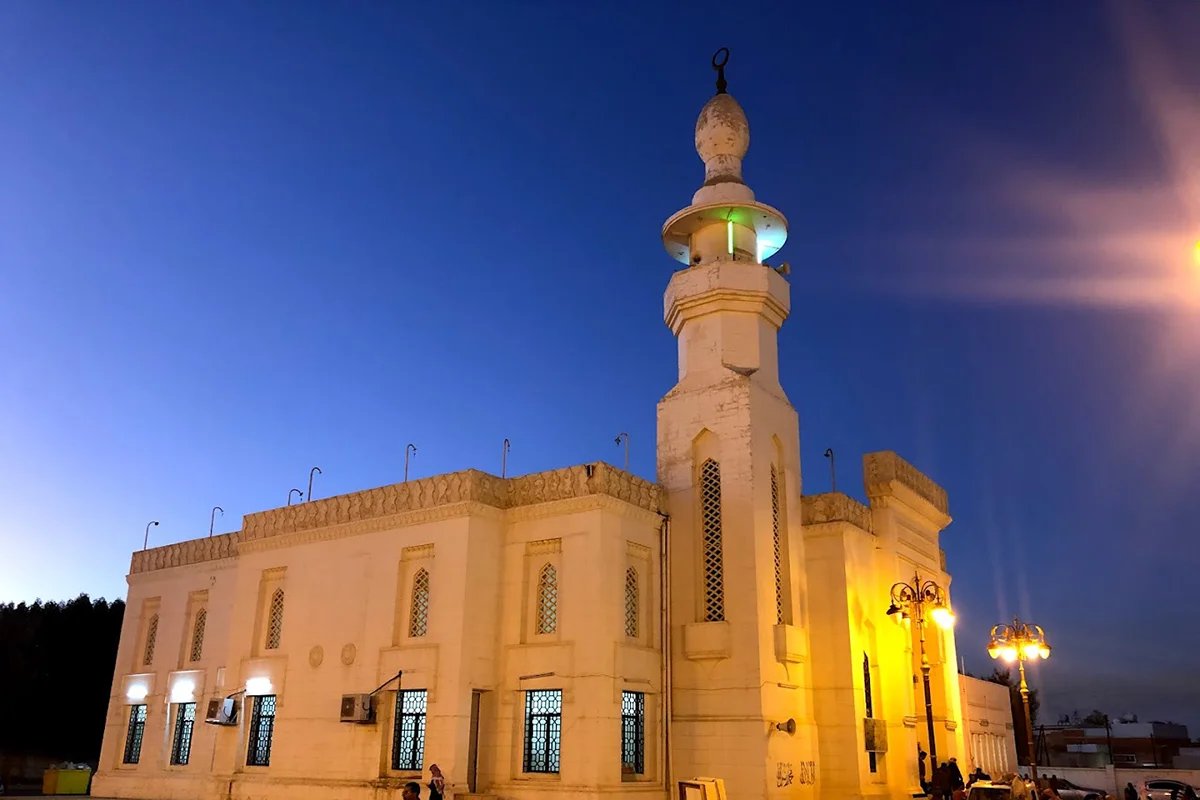
Masjid al-Tawbah, Tabuk: What Is Solid and What Is Tradition
A mosque marked out about ninety years after the event, on a site held by local memory, rebuilt several times since. That is a respectable chain, and it is not the Qur'an.
Wadana Go Editorial · 7 min read
Umrah & Ziyarat
The Expedition of Tabuk: The Campaign Where Nothing Happened
No battle was fought. No enemy appeared. And more Qur'an came down about it than about most of the fighting.
Wadana Go Editorial · 9 min read
Umrah & Ziyarat
Hijr Fort and the Syrian Hajj Route: The Layer Nobody Photographs
Pilgrims camped at al-Hijr, of all places, and bought oranges. Forty days from Damascus by camel, then eight years of track ended it.
Wadana Go Editorial · 8 min read
Umrah & Ziyarat
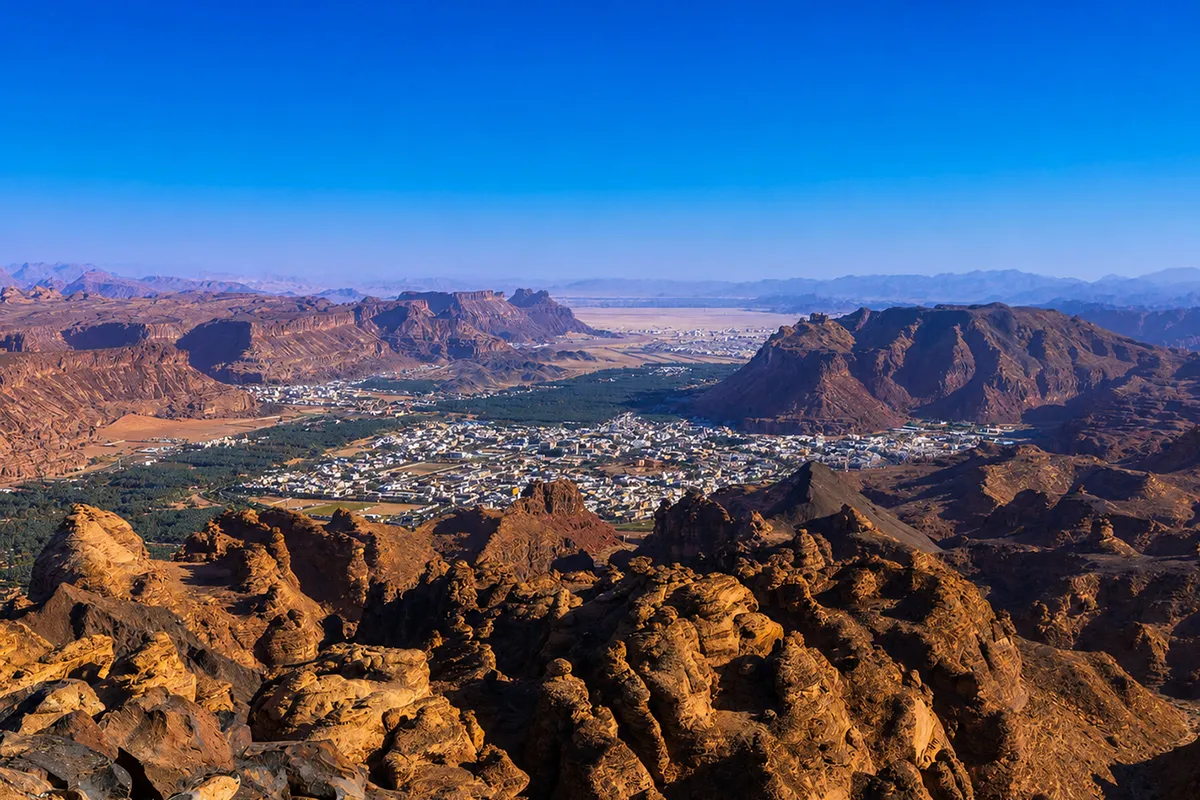
Wadi al-Qura: The Valley of Villages, and One Very Hard Hadith
A servant of the Prophet ﷺ, killed by a stray arrow on campaign. Every visible sign said martyr. The answer was no, and the reason was one sheet of cloth.
Wadana Go Editorial · 8 min read
Umrah & Ziyarat
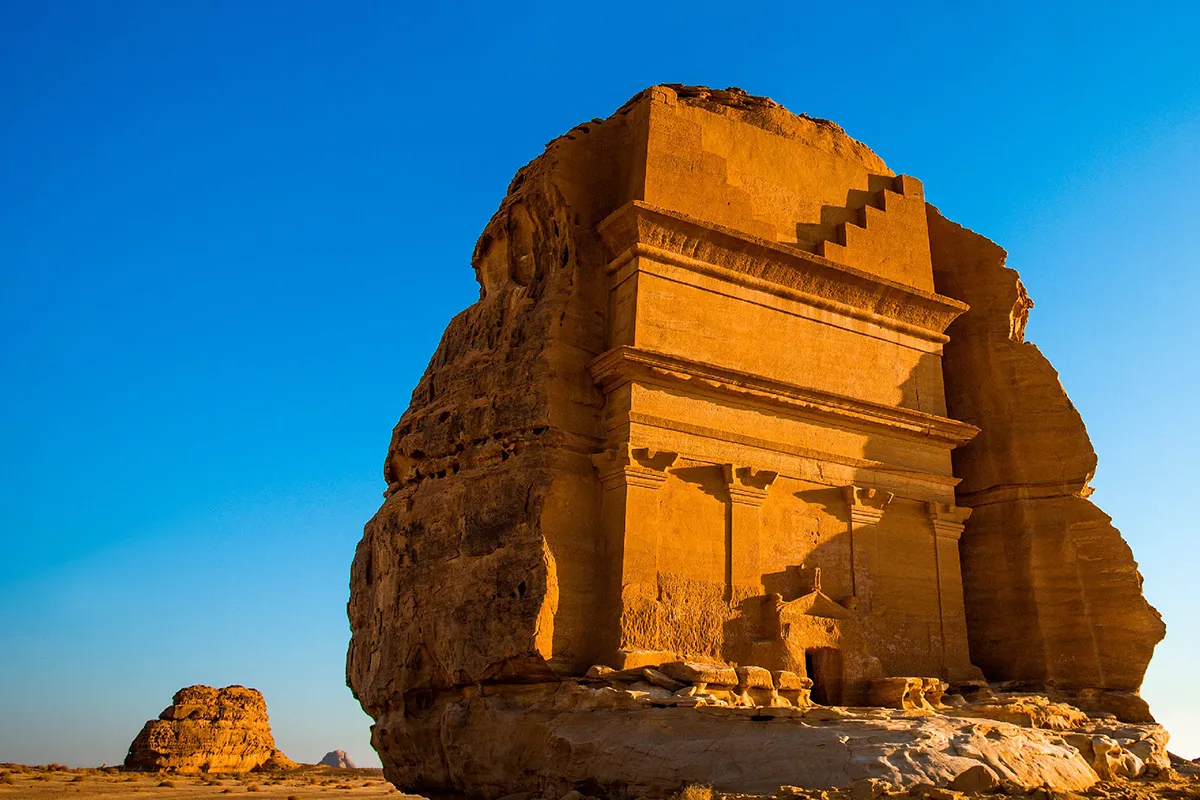
Thamud and Prophet Salih: What the Qur'an Actually Says
The she-camel, the shared water, the three days. Passage by passage, with a plain list of the well-known details that are not in the Qur'an at all.
Wadana Go Editorial · 9 min read
Umrah & Ziyarat
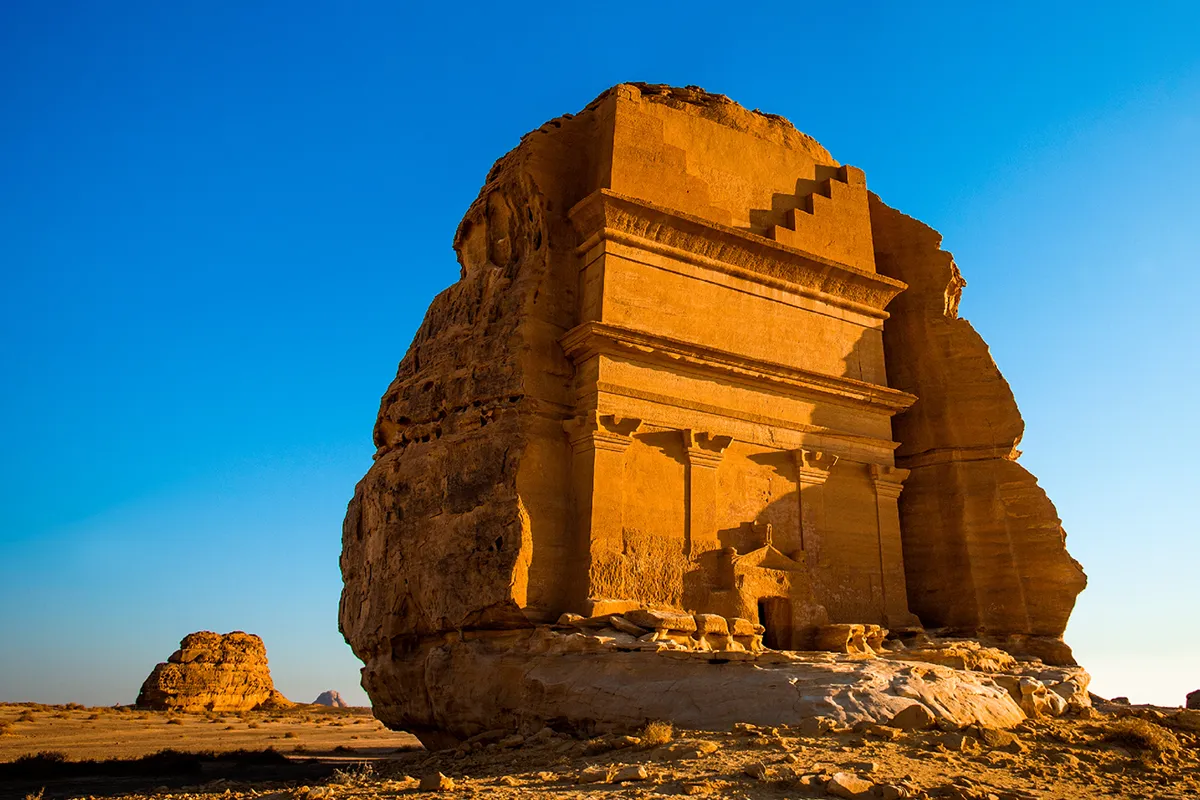
Al-Hijr, Hegra and Mada'in Salih: One Place, Three Names
The carved facades everyone photographs are Nabataean tombs from the first century. They are not the houses of Thamud, and the difference matters.
Wadana Go Editorial · 9 min read
Umrah & Ziyarat
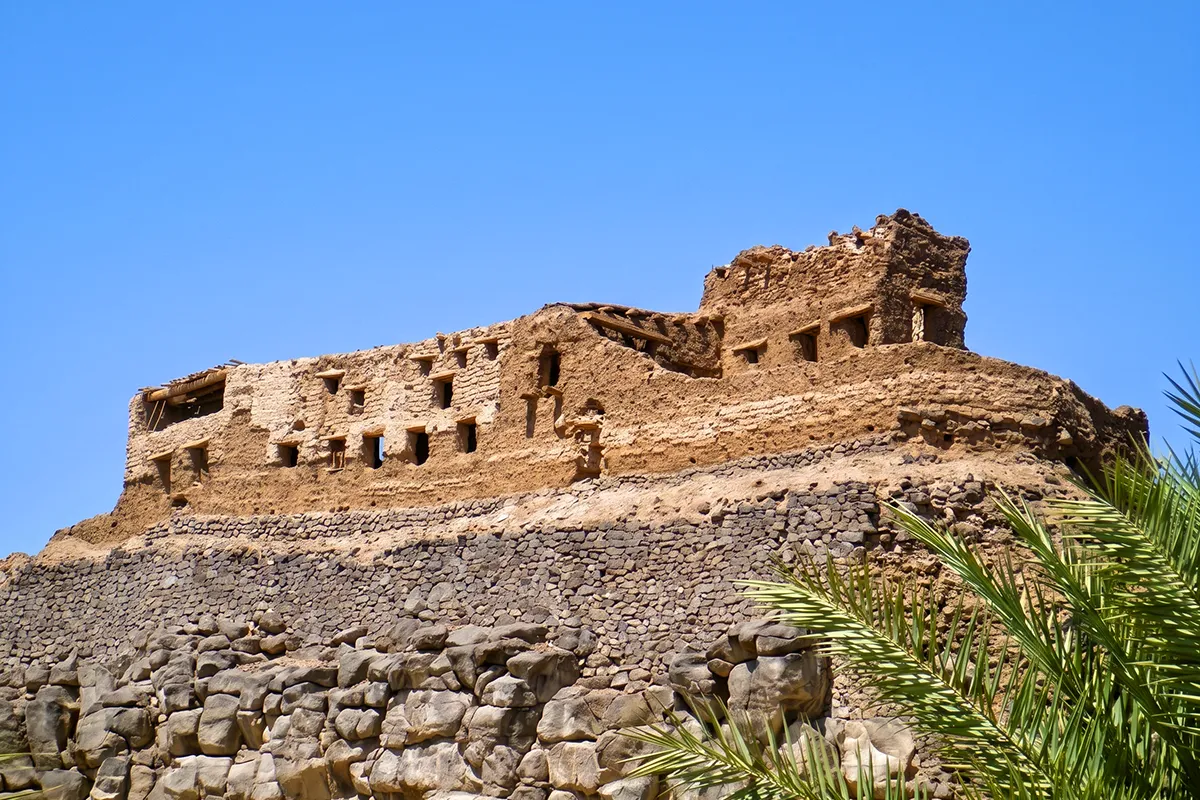
Al-Bara Fortress, Khaybar: On the Heritage List, Not in the Seerah
A real archaeological site whose relationship to the campaign we could not establish. Khaybar is older than the story most visitors come for.
Wadana Go Editorial · 6 min read
Umrah & Ziyarat
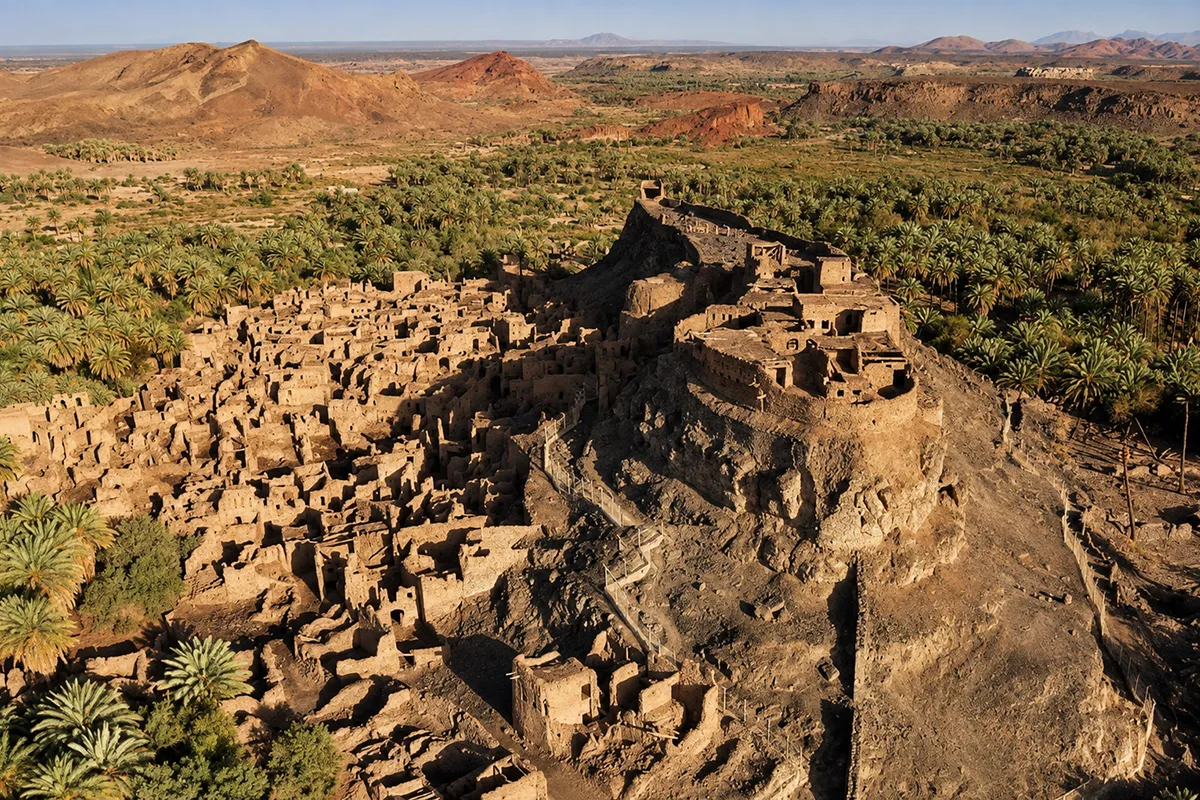
Qalat Fortress and al-Qamus: What a Khaybar Fort Actually Was
Not a garrison. A fortified farm: a family, their house, their animals, their grain store and their orchard, behind a wall. There were dozens of them.
Wadana Go Editorial · 7 min read
Umrah & Ziyarat
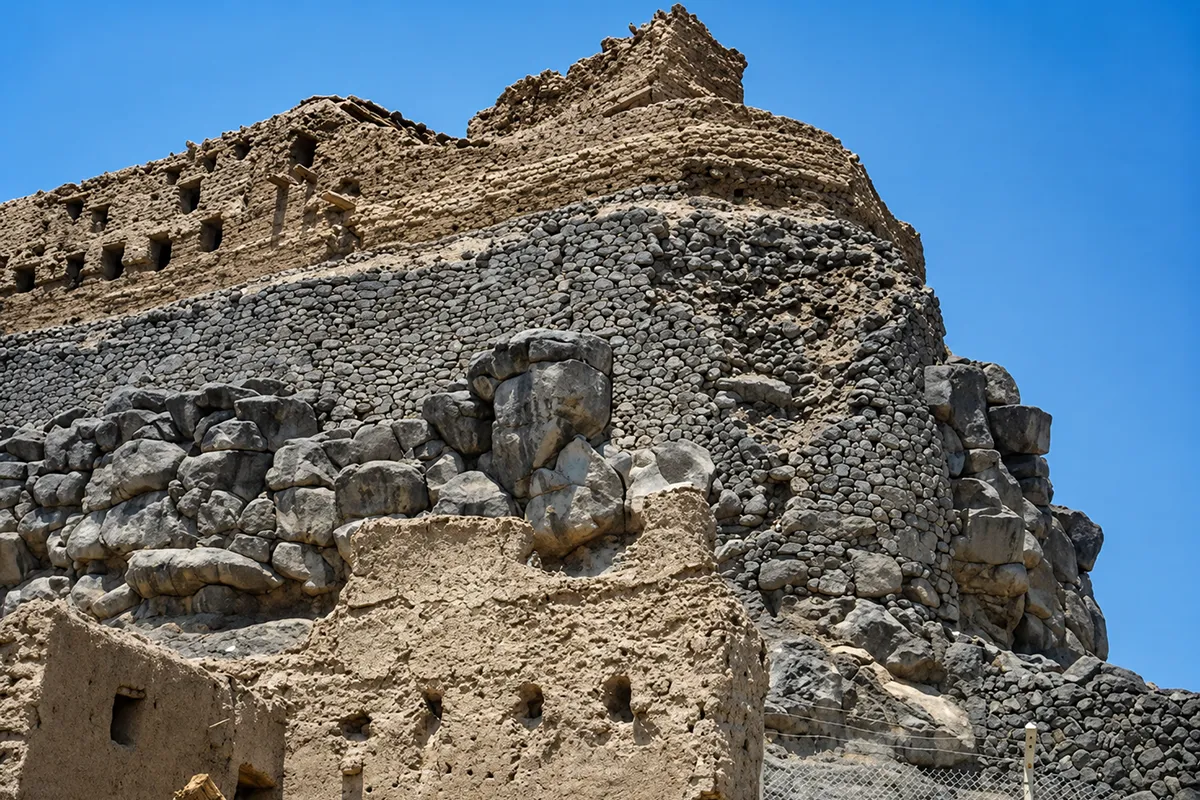
Sallam Fortress, Khaybar: The Man Who Drew Up the Defence
Families in the back forts, stores in the middle, fighters forward. A coherent plan, and exactly the wrong one against an enemy willing to take things one at a time.
Wadana Go Editorial · 6 min read
Umrah & Ziyarat
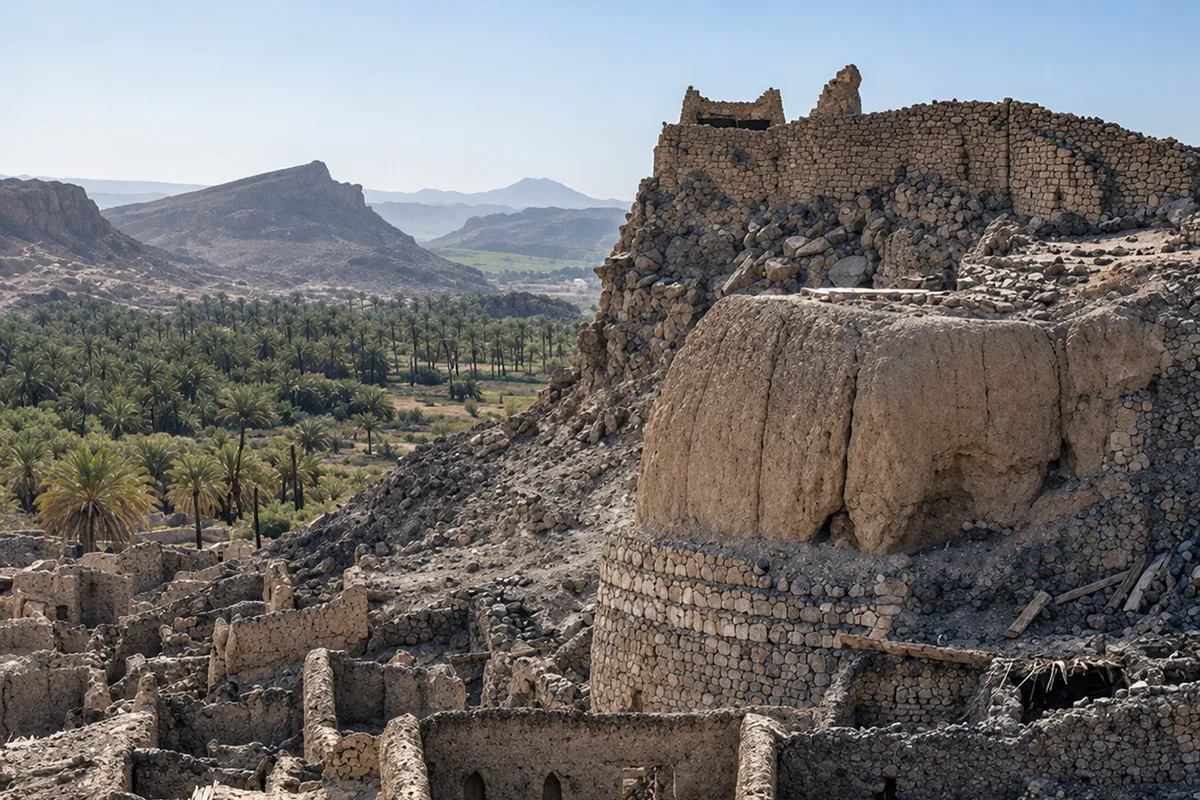
Al-Bazah Fortress, Khaybar: A Name We Could Not Place
It appears in some fort listings for Khaybar and not in the classical seven. Here is what that probably means, and why we are not guessing.
Wadana Go Editorial · 5 min read
Umrah & Ziyarat
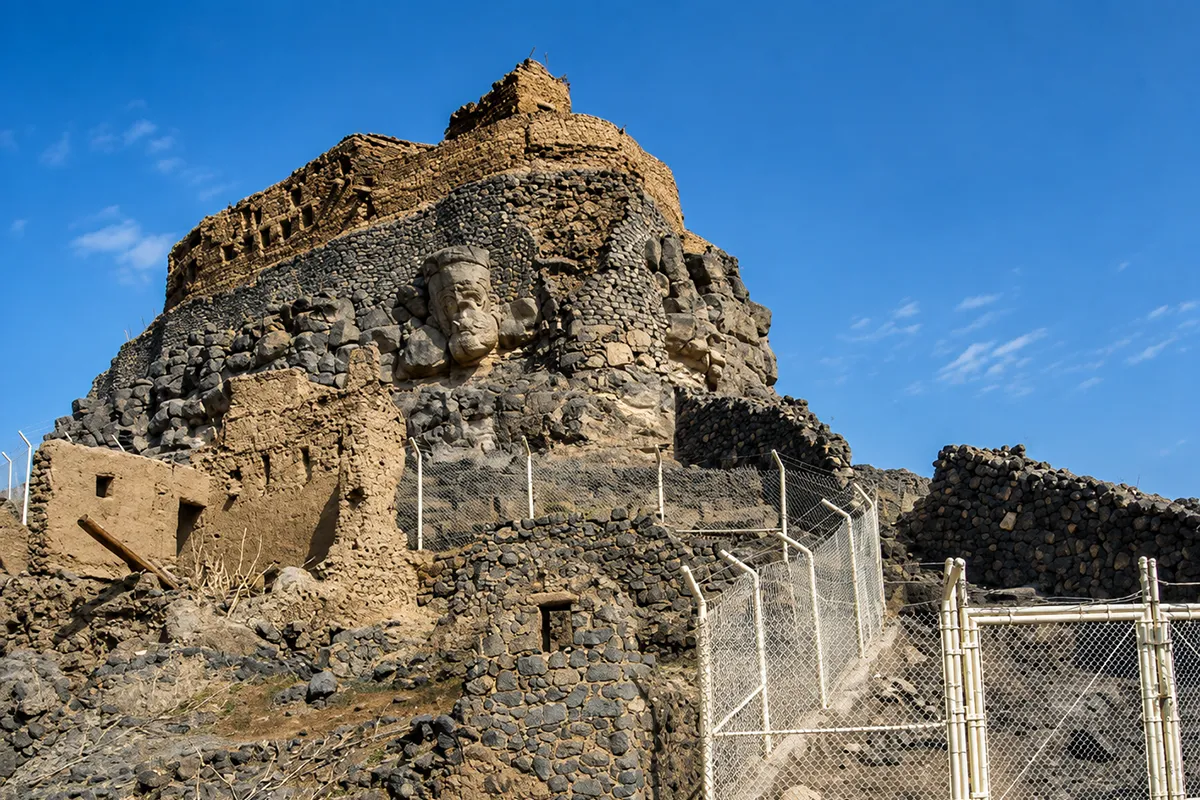
Al-Watih Fortress: The Fort That Ended Khaybar by Agreement
The last two forts did not fall. They negotiated. And what was agreed afterwards is the foundation of the law of sharecropping.
Wadana Go Editorial · 7 min read
Umrah & Ziyarat
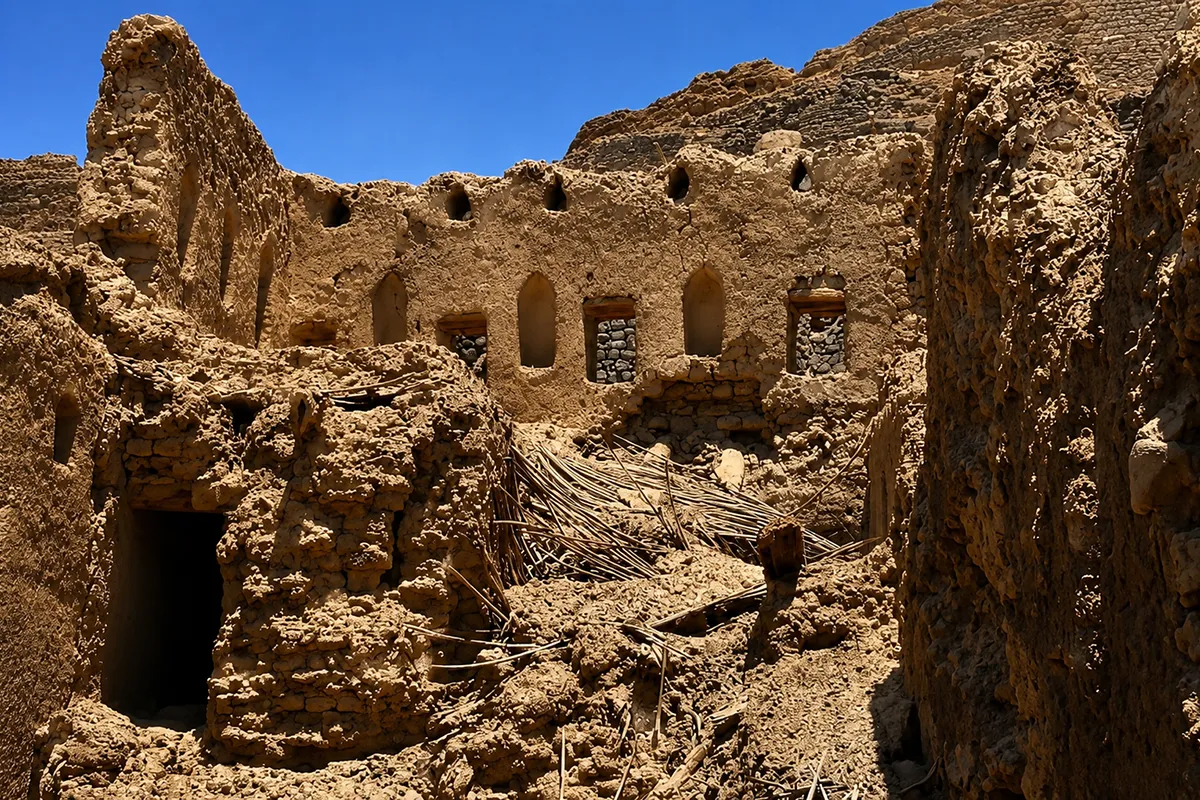
Al-Zubayr Fortress, Khaybar: The One Taken by Thirst
The strongest fort in al-Natat, holding the survivors of every stronghold already taken. It fell because somebody found the water.
Wadana Go Editorial · 6 min read
Umrah & Ziyarat
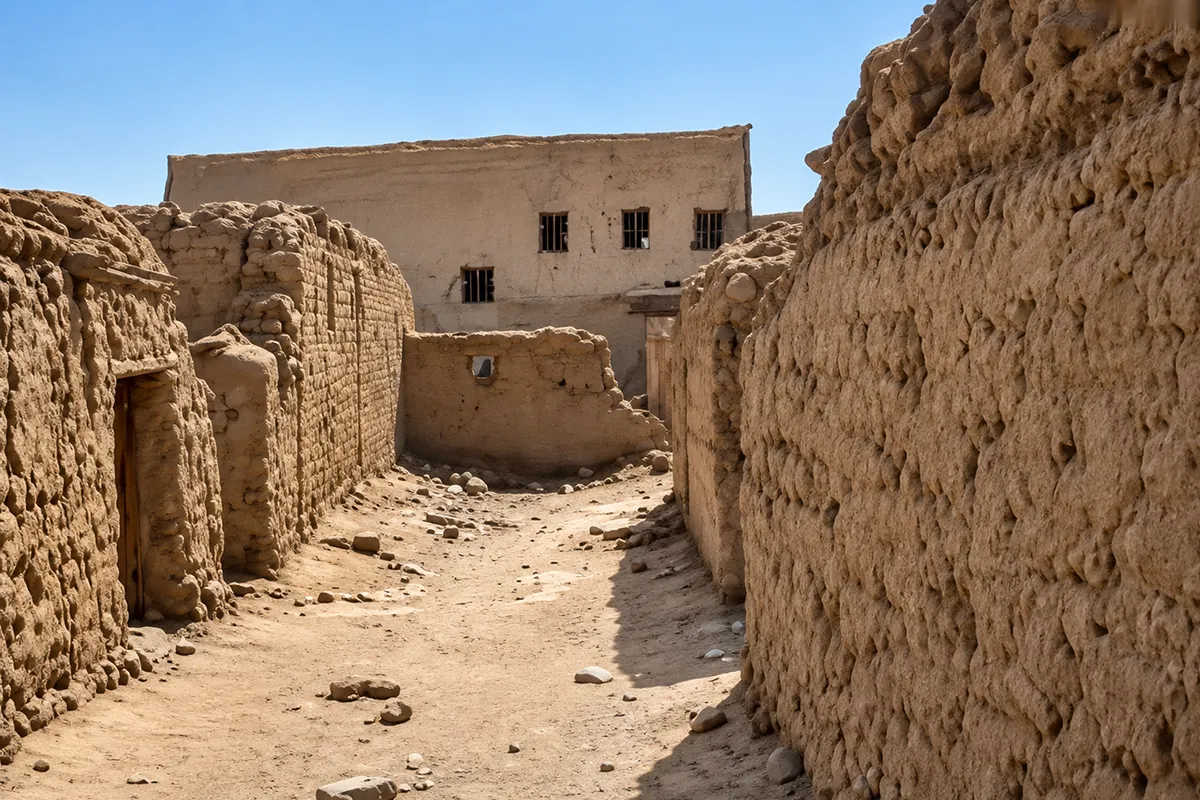
Al-Sa'b ibn Mu'adh Fortress: The Food Store, and a Name People Confuse
Take the fort holding the food and every other fort in the network has a new problem. Also: this is not Sa'd ibn Mu'adh, and the two get confused.
Wadana Go Editorial · 6 min read
Umrah & Ziyarat
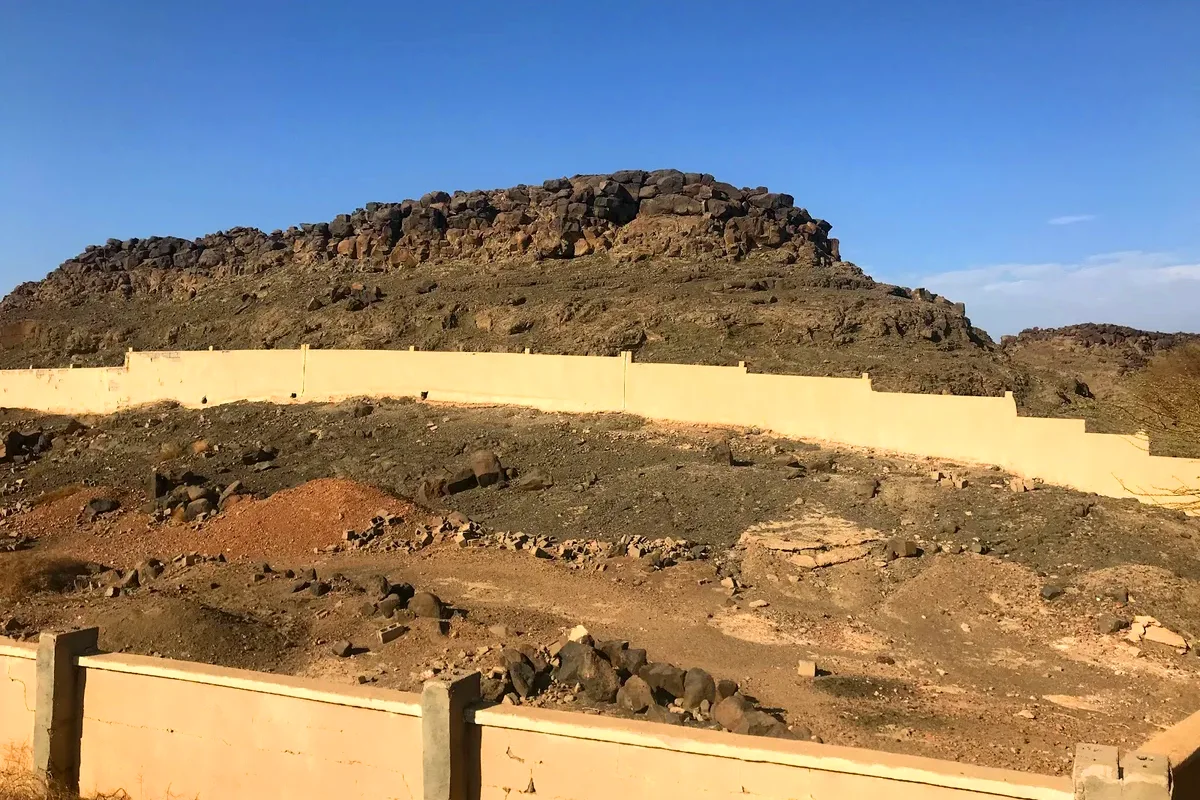
The Khaybar Martyrs' Cemetery: A Hundred and Fifty Kilometres From Home
The men at Uhud died within sight of their own houses. These men died a hundred and fifty kilometres out, and were buried where they fell.
Wadana Go Editorial · 6 min read
Umrah & Ziyarat
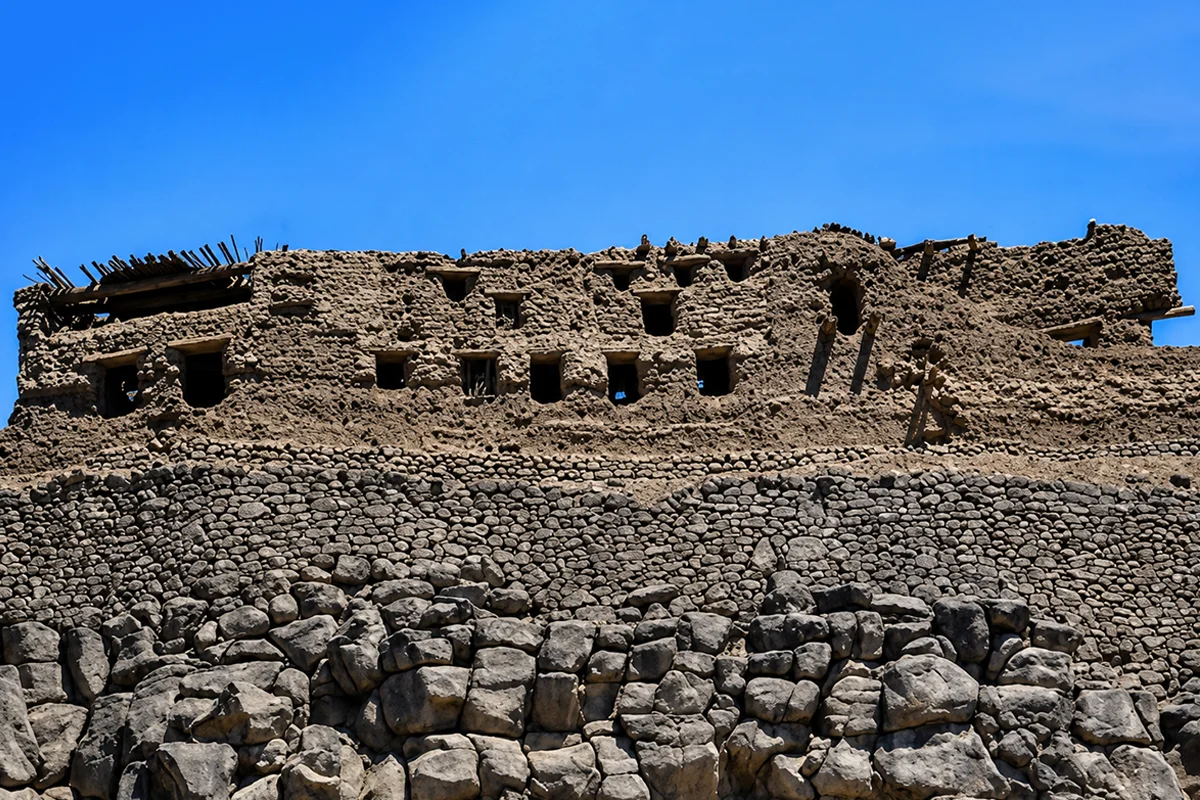
Na'im Fort: The First One to Fall
In a siege against a network of forts, nothing works until the first one falls. At Khaybar, that was Na'im.
Wadana Go Editorial · 6 min read
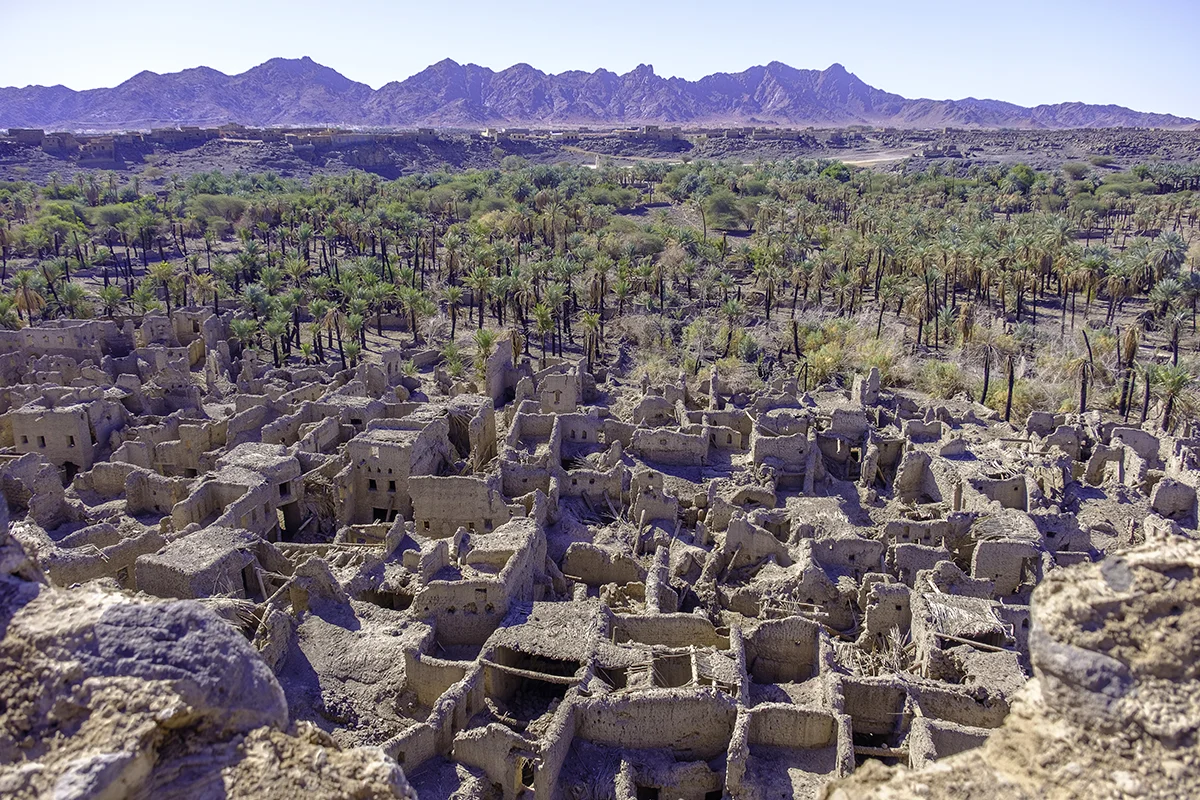
Umrah & Ziyarat
The Battle of Khaybar: The Standard, and What He Told Ali to Do With It
Everyone knows who got the standard. Far fewer know the instruction that came with it, and it is the better half of the story.
Wadana Go Editorial · 8 min read
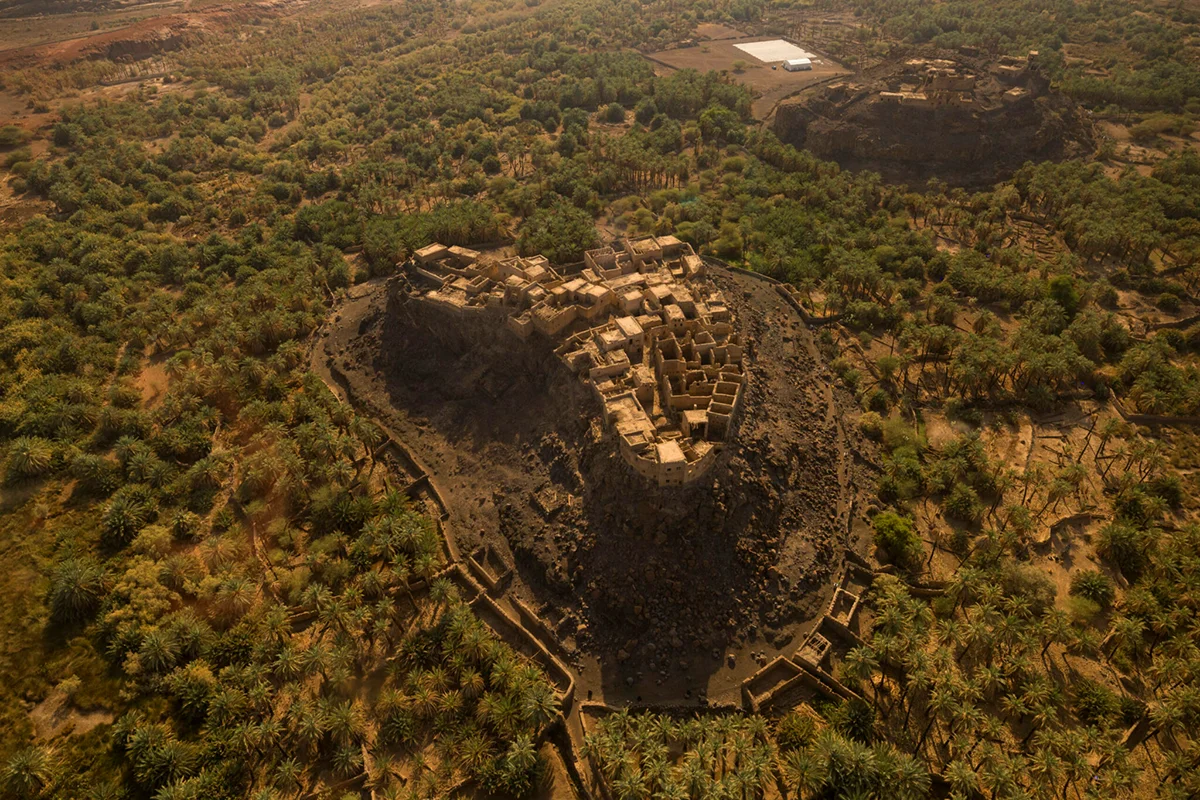
Umrah & Ziyarat
Khaybar: The Oasis, the Forts, and What Is Actually There
Green palms in the middle of a black lava field, a network of fortresses rather than one castle, and four separate centuries you can walk through in an afternoon.
Wadana Go Editorial · 9 min read
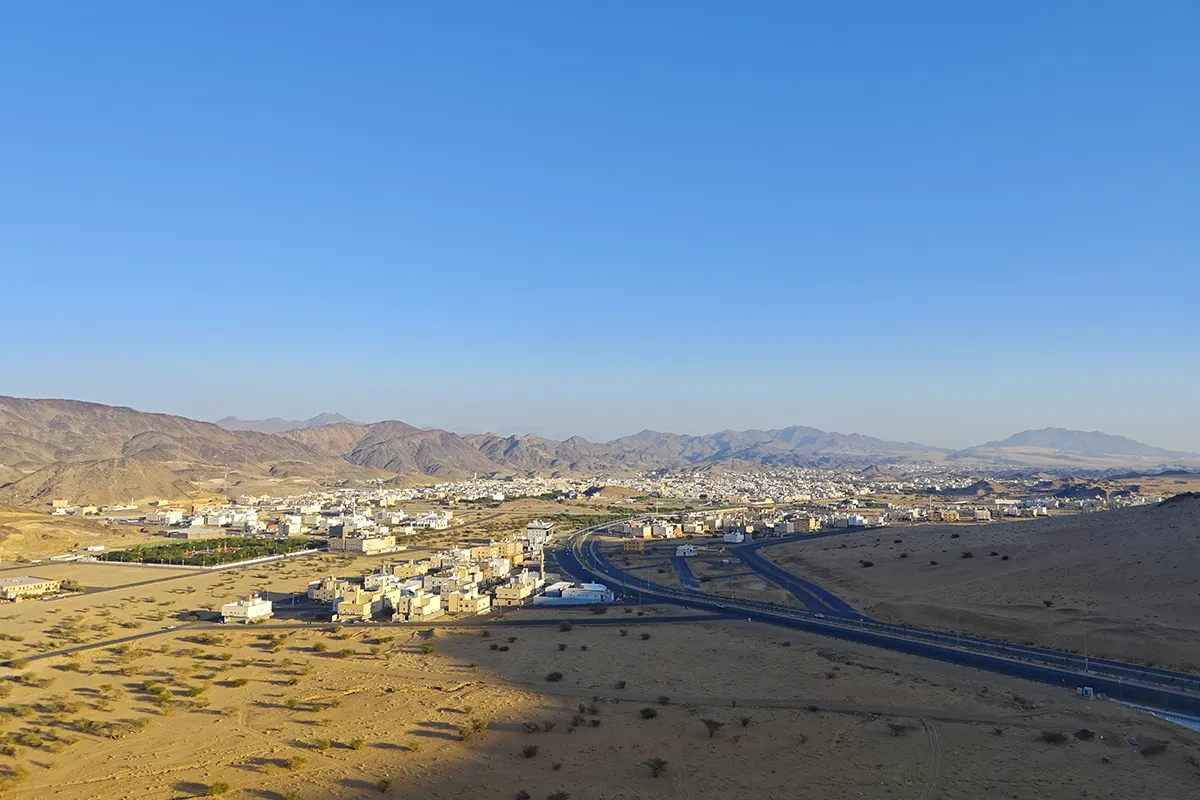
Umrah & Ziyarat
The Madinah to Badr Route: A Hundred and Seventy-Five Kilometres on Foot
Read the seerah and Badr happens in a paragraph. Drive it and it is two hours. Walk it, in Ramadan, sharing a camel between three men, and it is four days.
Wadana Go Editorial · 7 min read
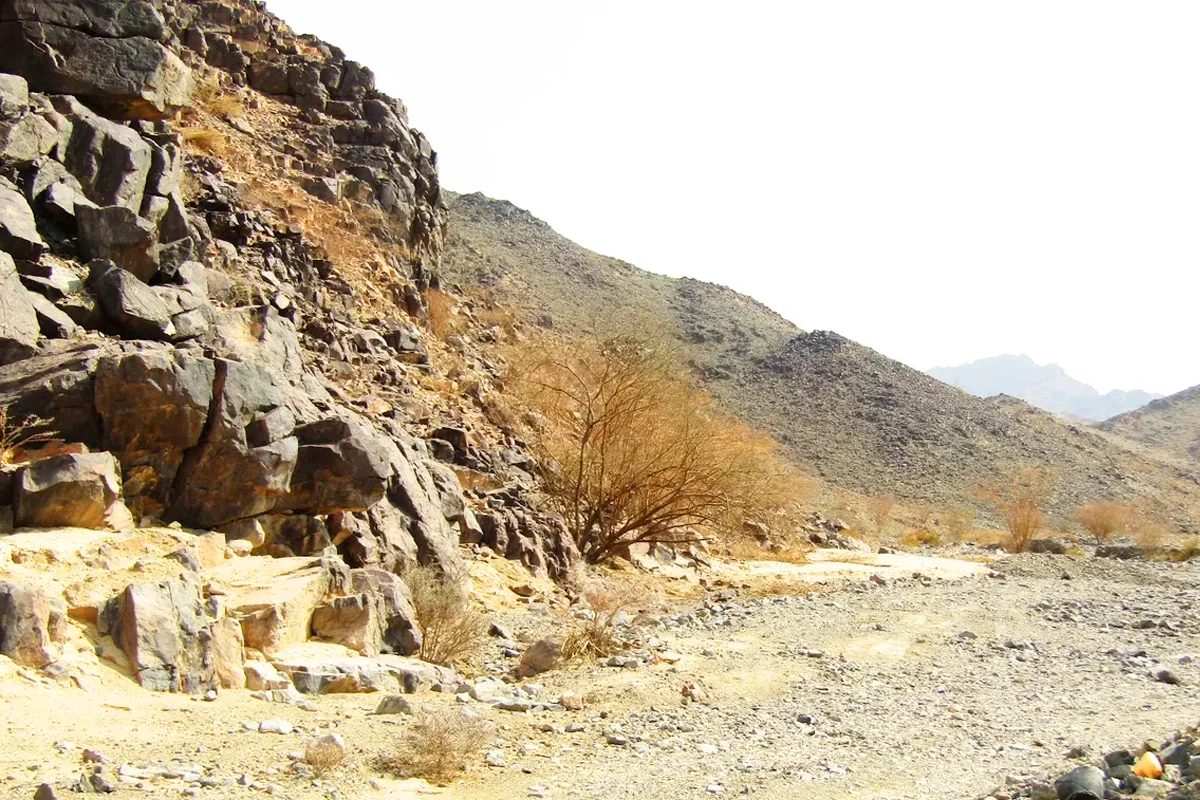
Umrah & Ziyarat
Wadi al-Safra: The Valley the Road Runs Down, and the Question He Asked On It
He could have ordered them. Instead he asked a hard question on the road, to men whose promise did not cover it, before a battle they might lose.
Wadana Go Editorial · 7 min read
Umrah & Ziyarat
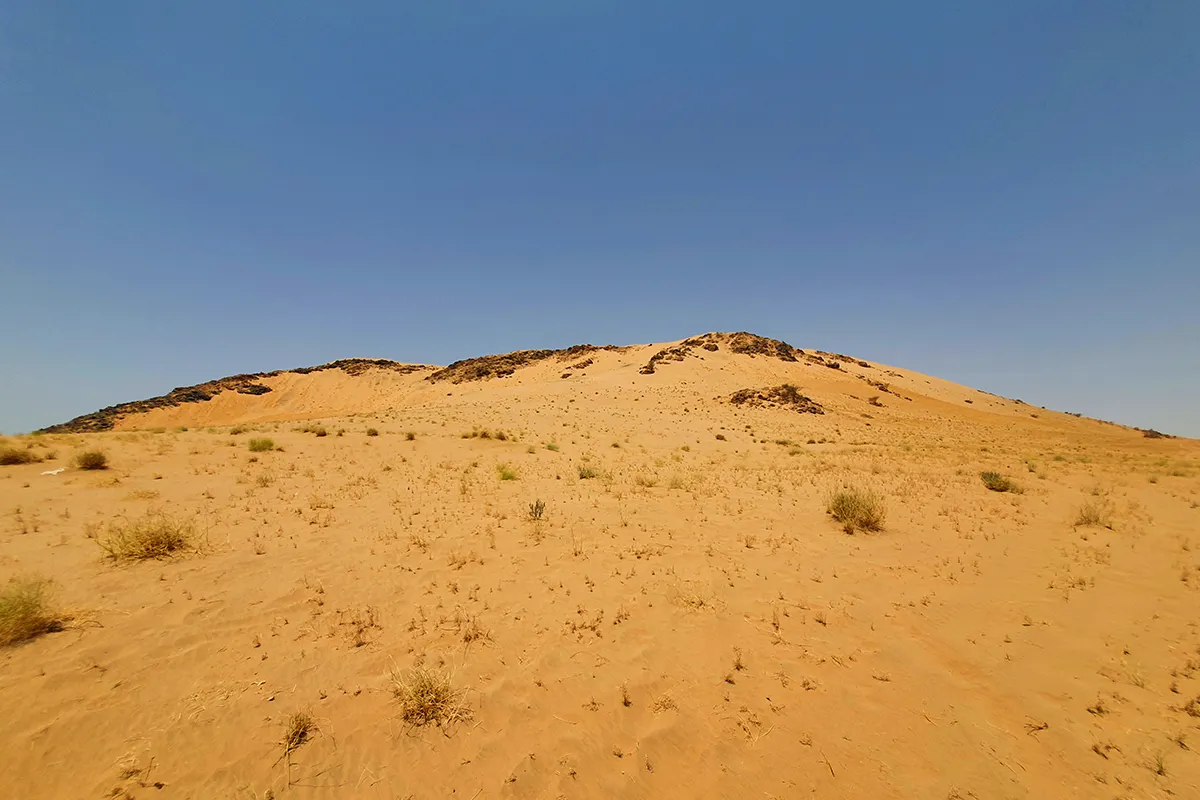
Jabal Malaikah: What the Qur'an Establishes, and What the Name Rests On
Angels were sent at Badr. That is in the Qur'an. That they came down on this particular sand hill is a local name, and running the two together does real damage.
Wadana Go Editorial · 6 min read
Umrah & Ziyarat
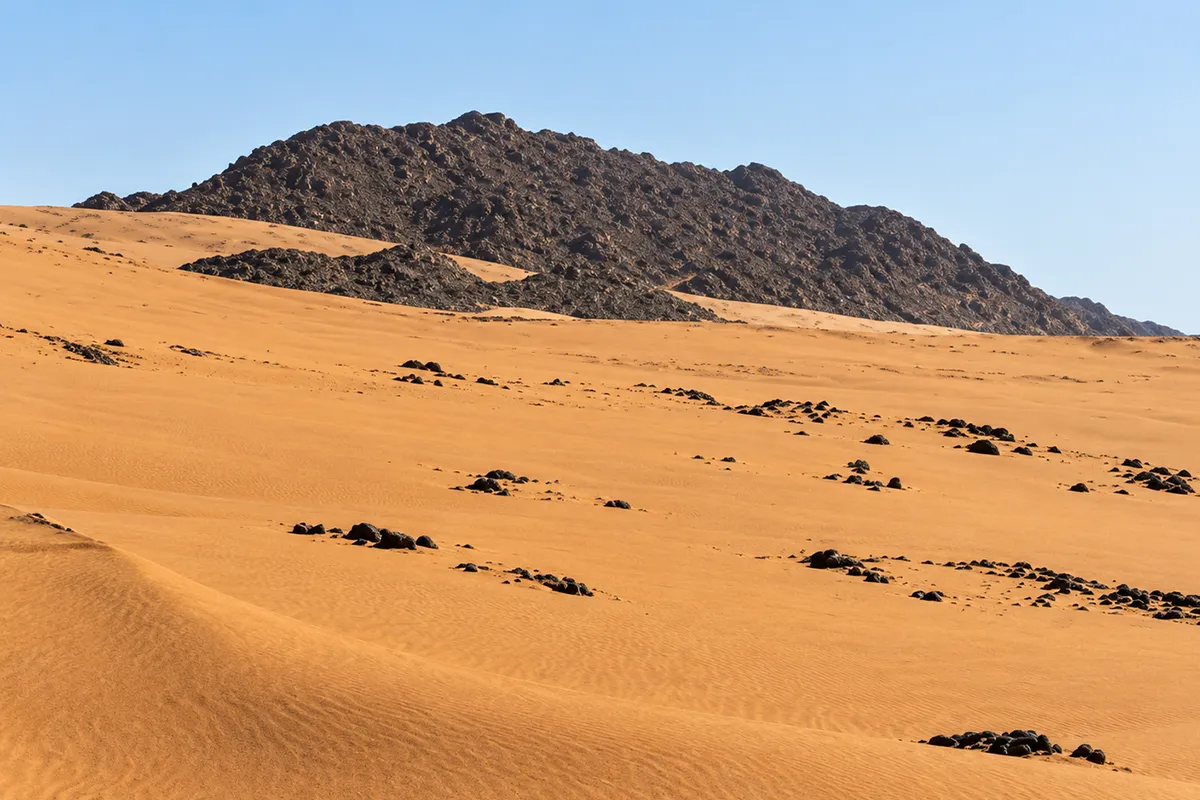
Al-Adwa al-Quswa: Standing Where the Quraysh Stood
Go to the far side of the valley and look across. Everything visible favoured them. That is the whole point of walking over there.
Wadana Go Editorial · 6 min read
Umrah & Ziyarat
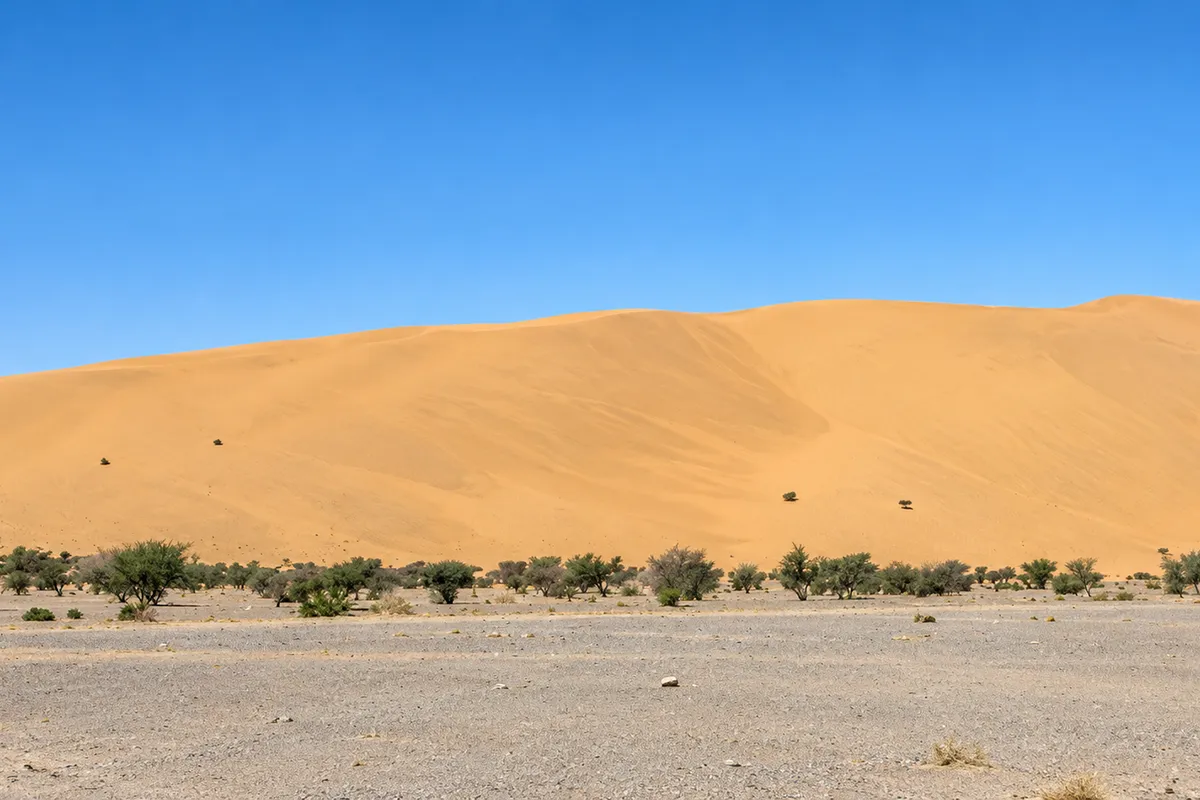
Al-Adwa al-Dunya: The Side of the Valley the Qur'an Puts You On
Surah al-Anfal names the near slope, the far slope and the low ground. Stand on the near one and you are standing where the verse says you are standing.
Wadana Go Editorial · 6 min read
Umrah & Ziyarat
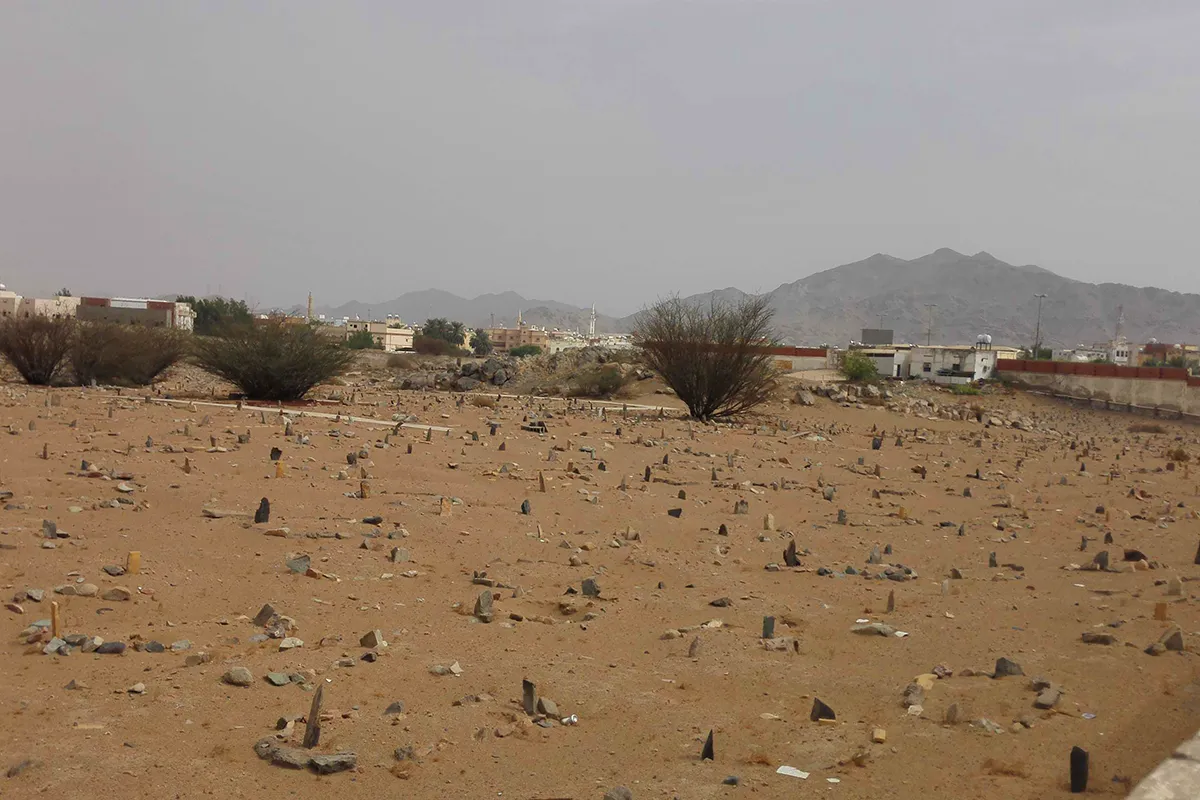
The Badr Martyrs' Cemetery: Fourteen Men
Against three times their number, better armed and with cavalry, they lost fourteen. More of the dead were hosts than guests.
Wadana Go Editorial · 7 min read
Umrah & Ziyarat
The Well of Badr: The Advice That Won It, and the Words After
One man asked whether an order was revelation or judgement, and changed the outcome. Three days later the Prophet ﷺ stood at a well and asked the dead a question.
Wadana Go Editorial · 7 min read
Umrah & Ziyarat
Masjid al-Areesh: The Shelter Where He Asked
Outside, three hundred men against a thousand. Inside a shelter of branches, one man asking until his cloak fell off, and his friend gently telling him it was enough.
Wadana Go Editorial · 7 min read
Umrah & Ziyarat
The Badr Battlefield: The One Battle the Qur'an Gives You a Map For
Surah al-Anfal names the near side of the valley, the far side, and the low ground with the caravan on it. You can stand there and put the armies in place.
Wadana Go Editorial · 8 min read
Umrah & Ziyarat
Badr: The Complete Guide to the Site and the Day
Three hundred men against a thousand, on ground the Qur'an describes. What happened, what is at the site, and how to make the day trip properly.
Wadana Go Editorial · 10 min read
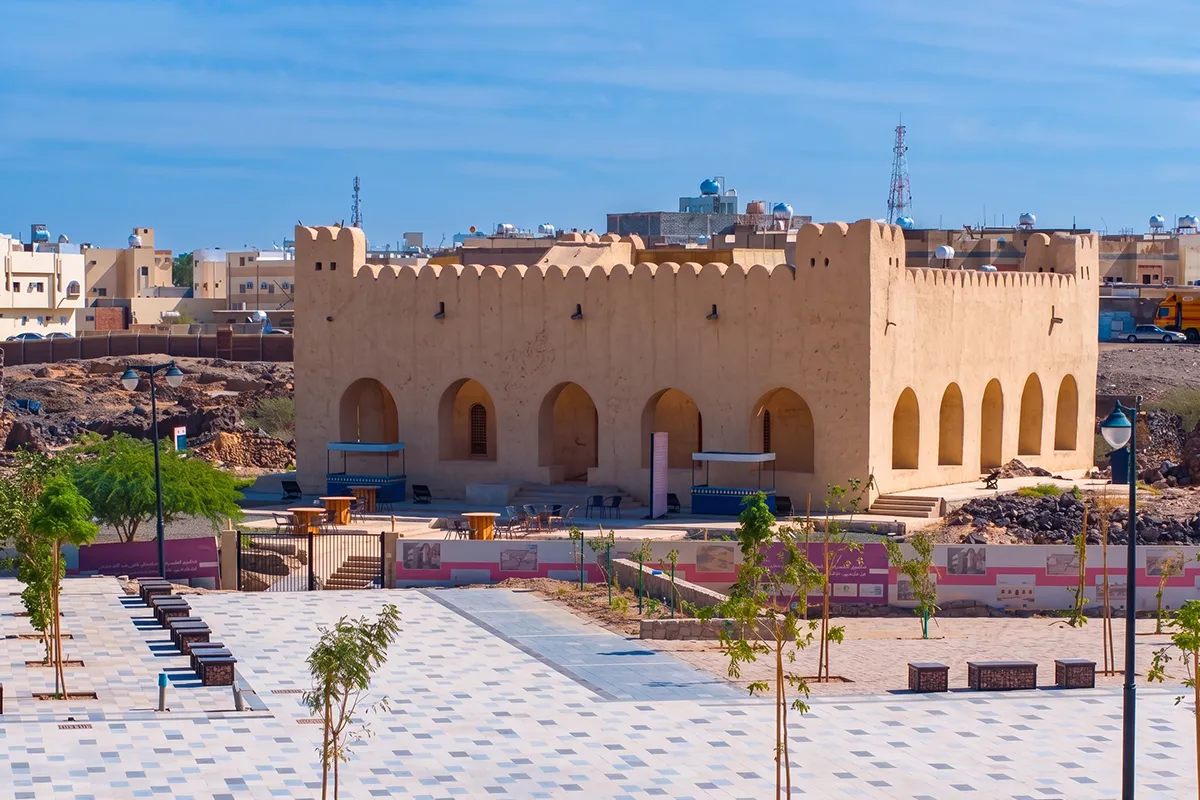
Umrah & Ziyarat
The Urwah Estate: The Water System, and the Man Who Built It
He cut an inlet from a flood valley onto his own land, grew water good enough to send to Baghdad, and wrote down most of what we know about the Prophet's ﷺ life.
Wadana Go Editorial · 7 min read
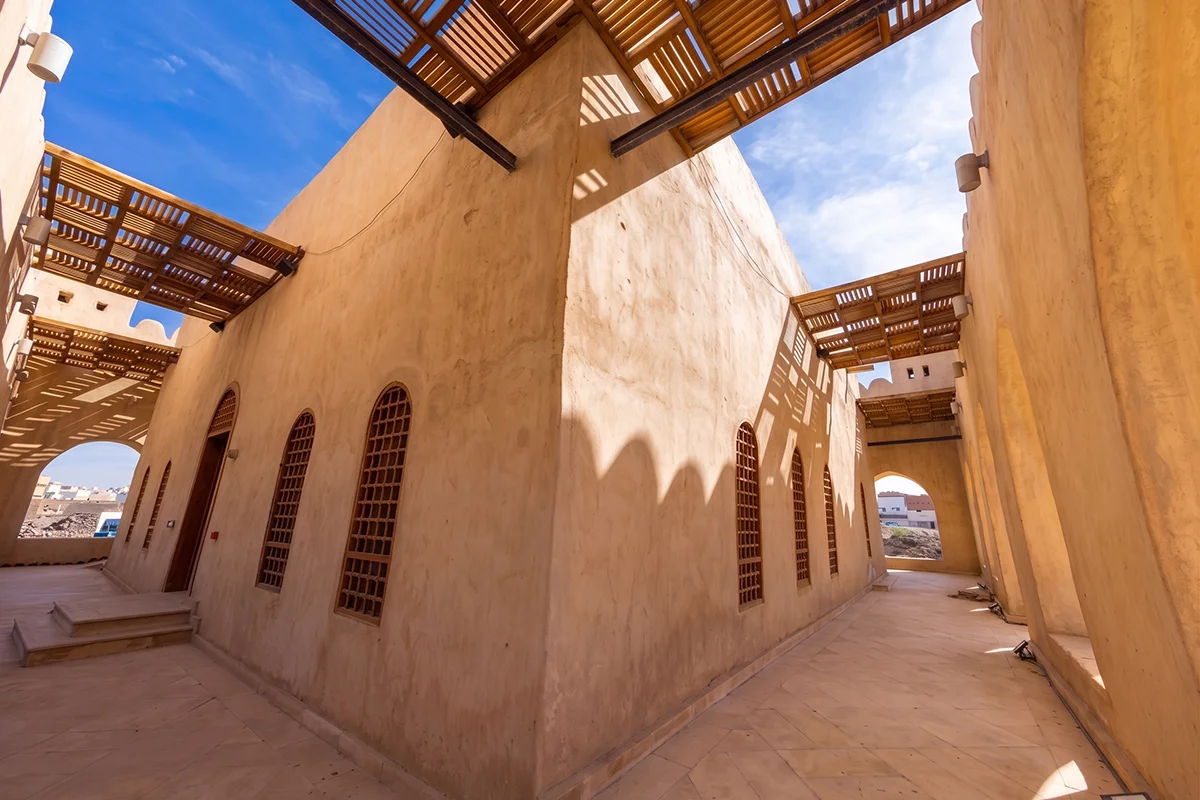
Umrah & Ziyarat
Urwah ibn al-Zubayr's Palace: A House With a Kitchen, Thirteen Centuries On
Almost everything preserved from the first Islamic centuries is a mosque. This is somebody's house, laid out around three courtyards, with the kitchen still readable in the foundations.
Wadana Go Editorial · 6 min read
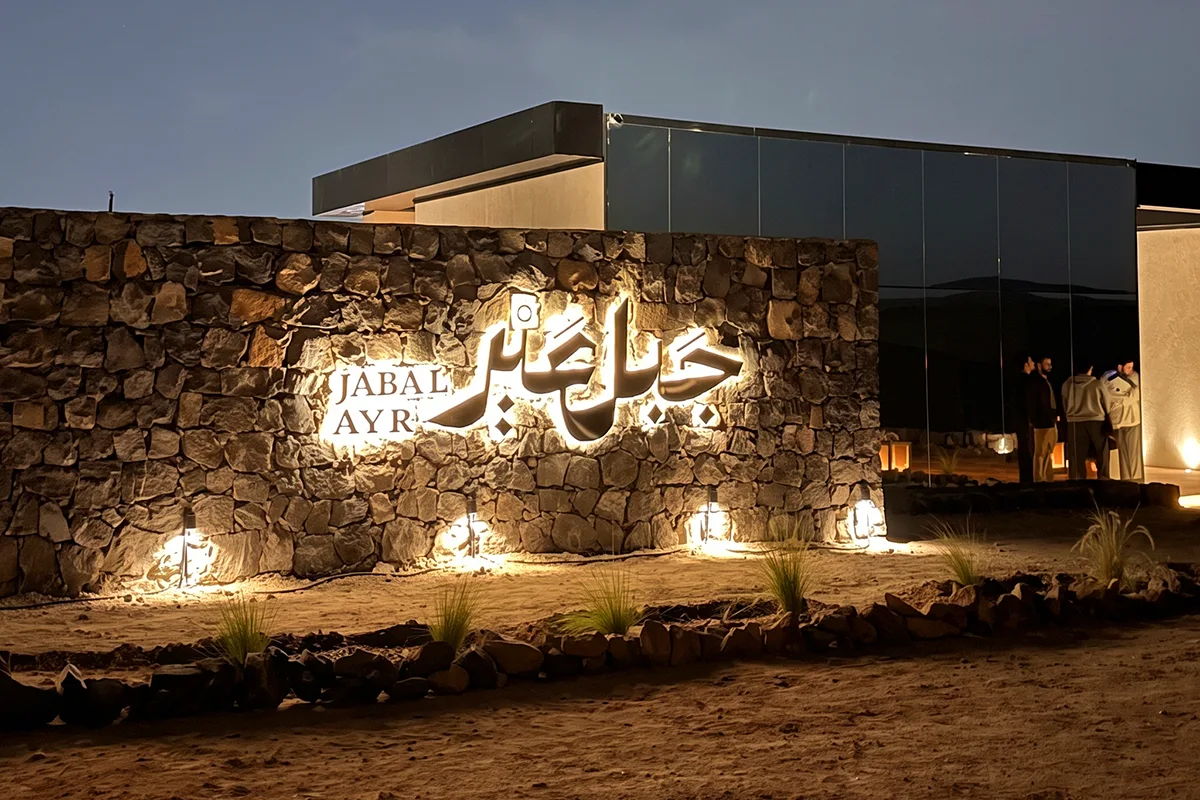
Umrah & Ziyarat
Jabal Ayr: The Southern Marker of Madinah's Sanctuary
Uhud in the north, Ayr in the south, lava fields east and west. Between them is a precinct the Prophet ﷺ declared. Also: the claim about this mountain you should not repeat.
Wadana Go Editorial · 6 min read
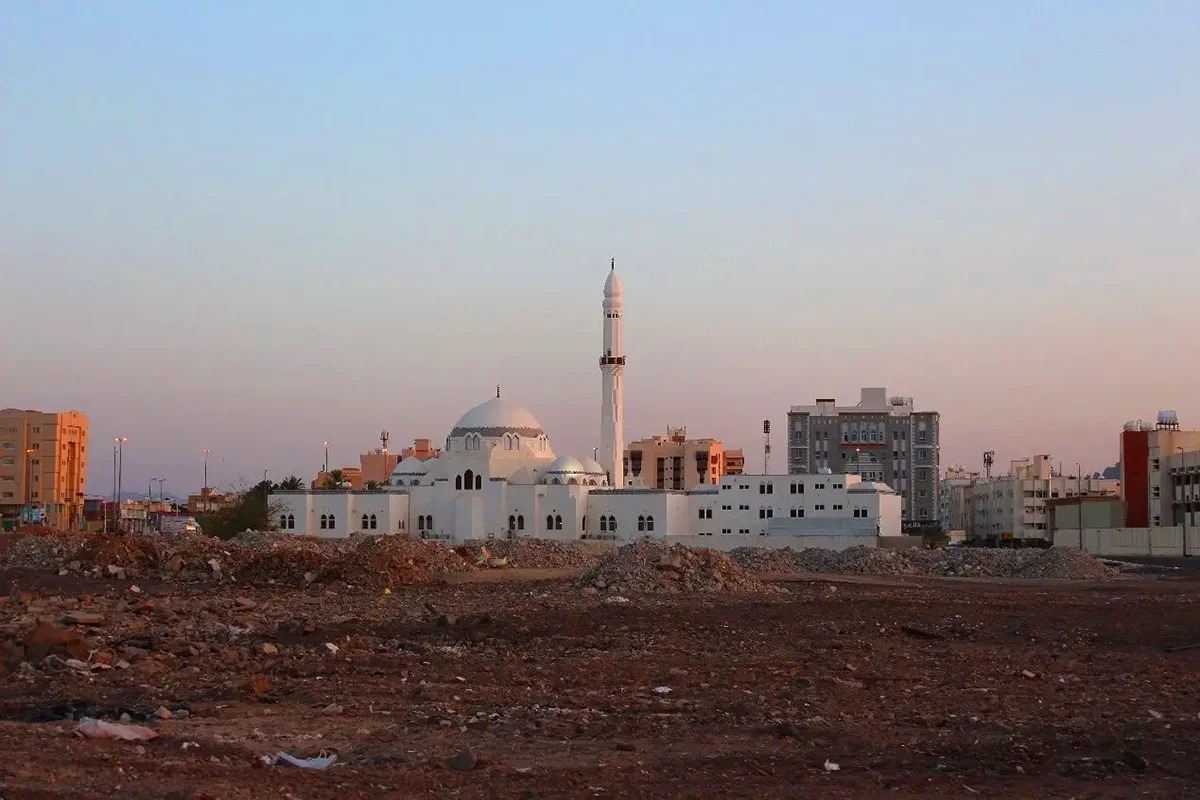
Umrah & Ziyarat
Wadi Ranuna: Where the Prayer Time Came First
A city was waiting for him a few kilometres away. The Friday prayer time arrived while he was in this valley, so he prayed it in the valley.
Wadana Go Editorial · 6 min read
Umrah & Ziyarat
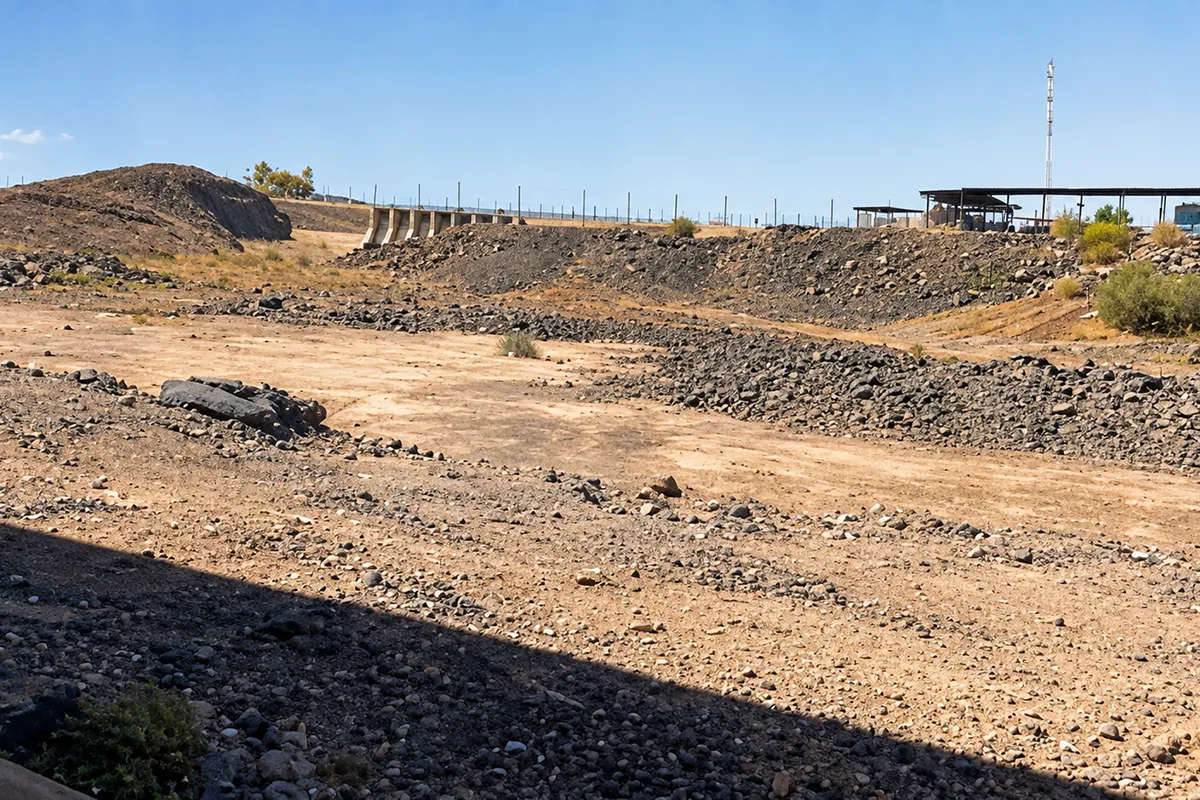
Wadi Buthhan: The Valley Named in Bukhari, Running Under the City
On the evening of the Trench two men had missed Asr. Bukhari's narration says they turned towards Buthan. This is that valley, and it runs through Madinah still.
Wadana Go Editorial · 6 min read
Umrah & Ziyarat
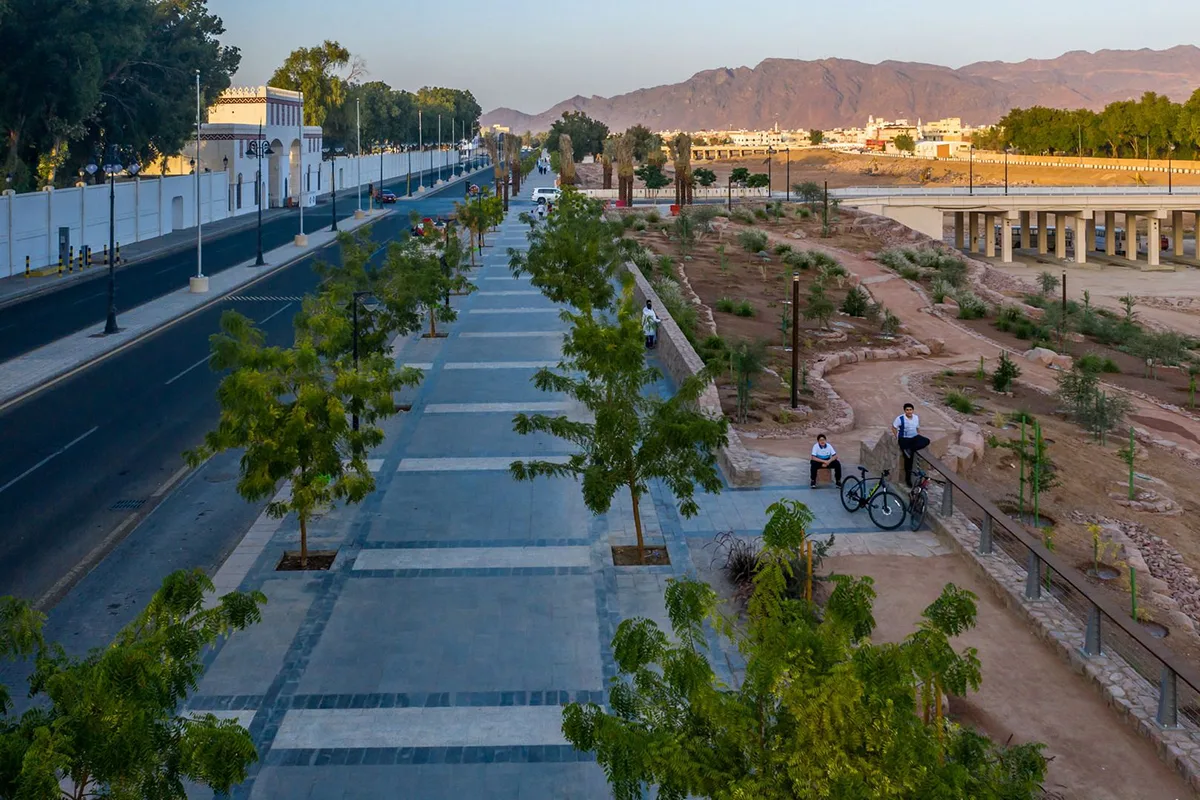
Wadi al-Aqiq: The Only Valley an Authentic Hadith Calls Blessed
Every pilgrim leaving Madinah for Makkah passes through it, and almost none of them know. Fifty-two kilometres, one hadith in Bukhari, and the ruins of an aristocracy.
Wadana Go Editorial · 7 min read
Umrah & Ziyarat
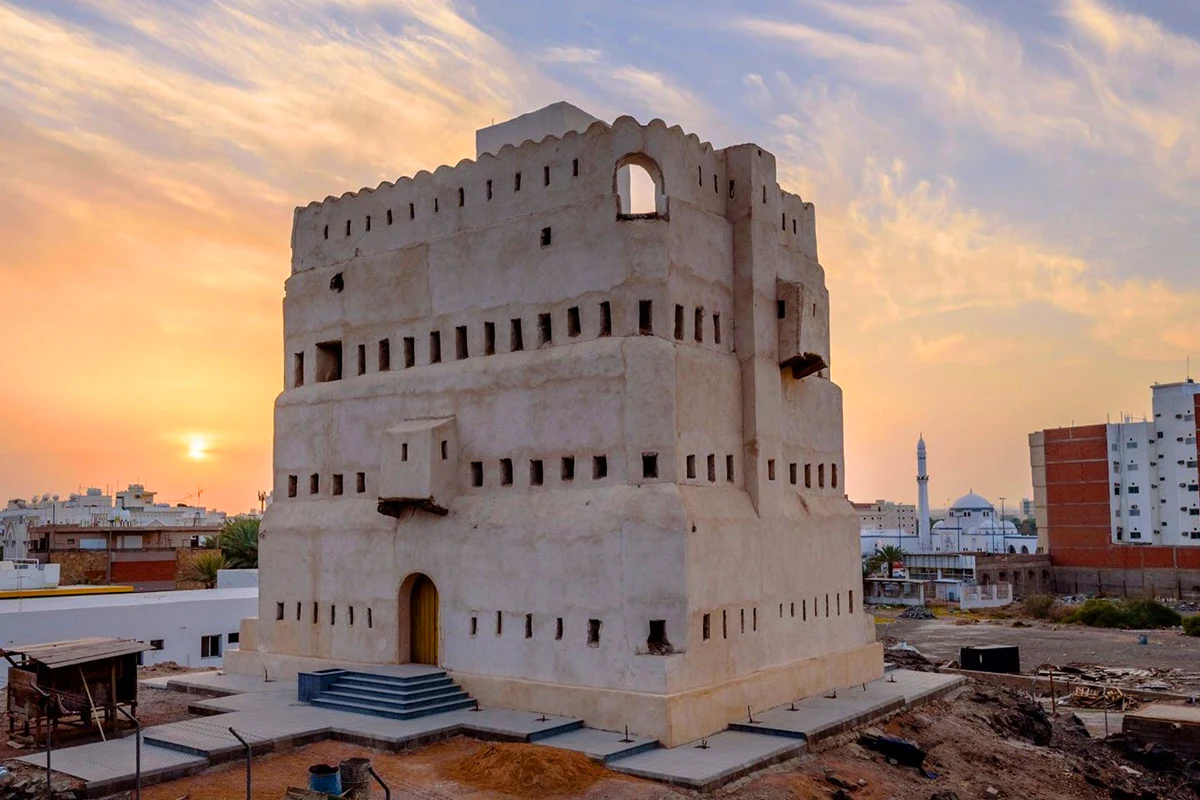
Quba Fort: Built in 1915, Not in the Seerah
It stands within sight of the first mosque in Islam, and people assume the two are from the same century. One is 622. The other is the First World War.
Wadana Go Editorial · 6 min read
Umrah & Ziyarat
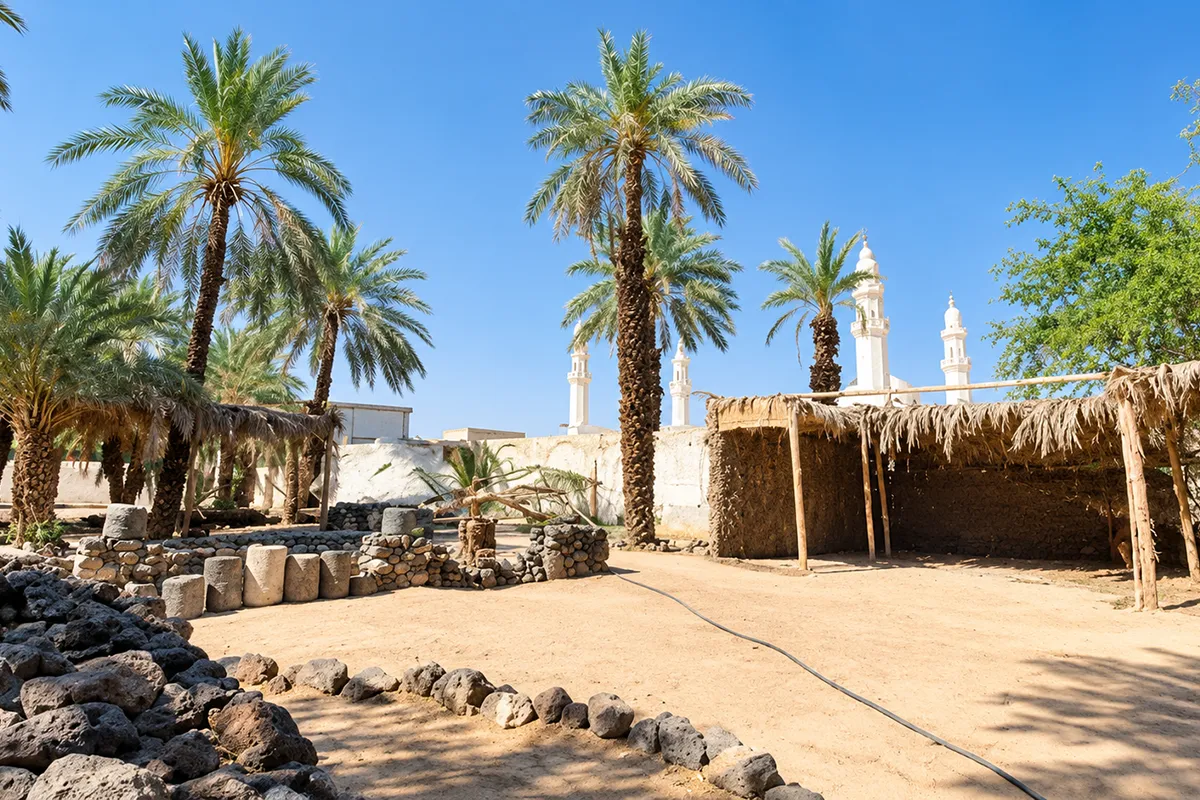
The House of Kulthum ibn al-Hadm: Ten Days as Somebody's Guest
Between the cave and the city there are ten days that nobody tells. He spent them sleeping in a lent room and working out the next move at another man's table.
Wadana Go Editorial · 6 min read
Umrah & Ziyarat
The Hijrah Entry Route: The Last Few Kilometres, and the Walk You Can Do
Everyone knows the cave and the pursuit. Almost nobody knows how he actually came into the city, or that the walk he made a habit of is now a shaded three-kilometre path.
Wadana Go Editorial · 7 min read

Umrah & Ziyarat
Souq al-Nabi: The Market Where Nobody Could Own the Pitch
He built a mosque, bound the tribes together, and founded a market where no permanent building could be put up. The third one gets almost no attention.
Wadana Go Editorial · 7 min read

Umrah & Ziyarat
Thaniyat al-Wada': The Story Everyone Tells, and What the Chain Says
Tala'a al-badru alayna is beautiful and everyone knows it. The narration behind it is weak, the occasion is disputed, and the geography does not work.
Wadana Go Editorial · 7 min read

Umrah & Ziyarat
Saqifah Banu Sa'idah: The Shelter Where It Was Decided
A shaded seating area two hundred metres from the mosque, where the community argued out the succession hours after losing the Prophet ﷺ.
Wadana Go Editorial · 7 min read

Umrah & Ziyarat
Ayn al-Nabi (Al-Uyaynah): Why We Are Not Repeating the Name
A real historic spring with a name that claims more than the sources support. What we looked for, what we did not find, and why that matters.
Wadana Go Editorial · 6 min read

Umrah & Ziyarat
Bir Adhq: The Well Near Where Madinah Came Out to Meet Him
West of Masjid Quba, on the road into the city. The sources place the welcome of the Hijrah near this well, and almost nobody visiting Quba knows it is there.
Wadana Go Editorial · 5 min read
Umrah & Ziyarat
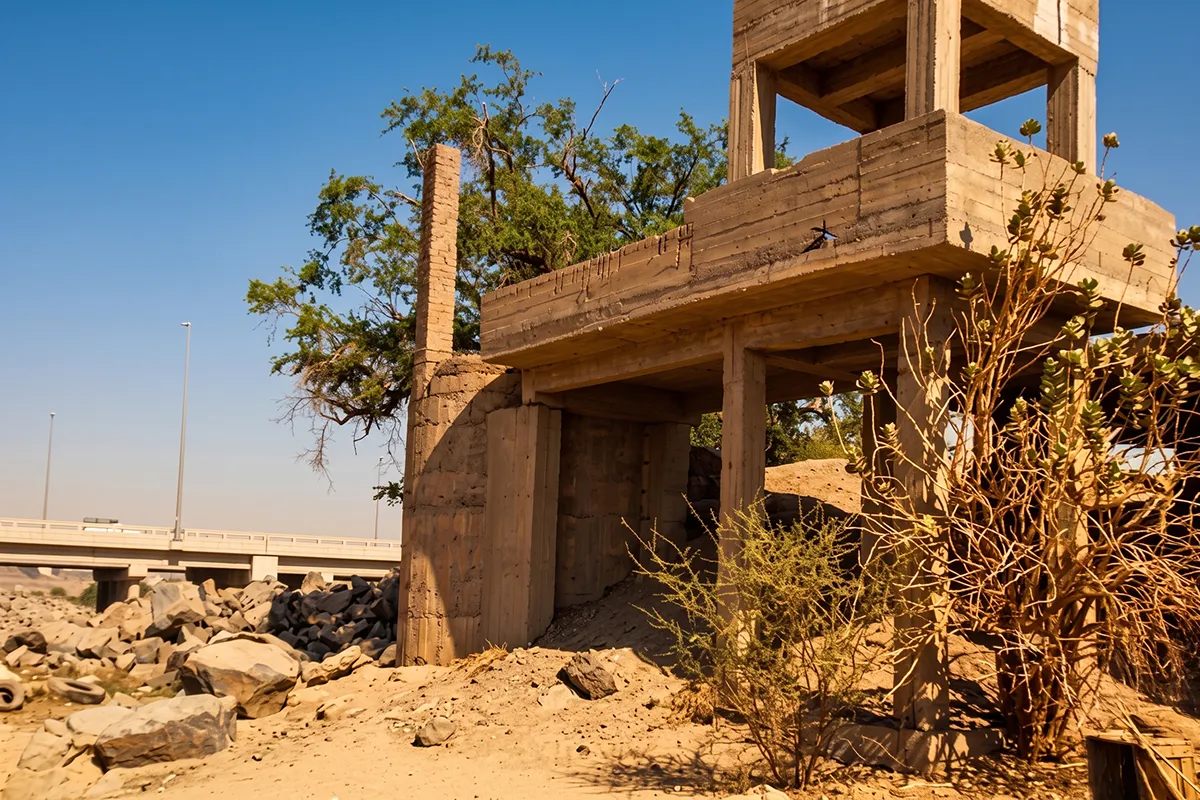
Bir Urwah: The Madinah Well Whose Water Went to Baghdad
Clay jars, pack animals, a thousand kilometres of desert, and a caliph who wanted water from one particular well outside Madinah.
Wadana Go Editorial · 6 min read
Umrah & Ziyarat
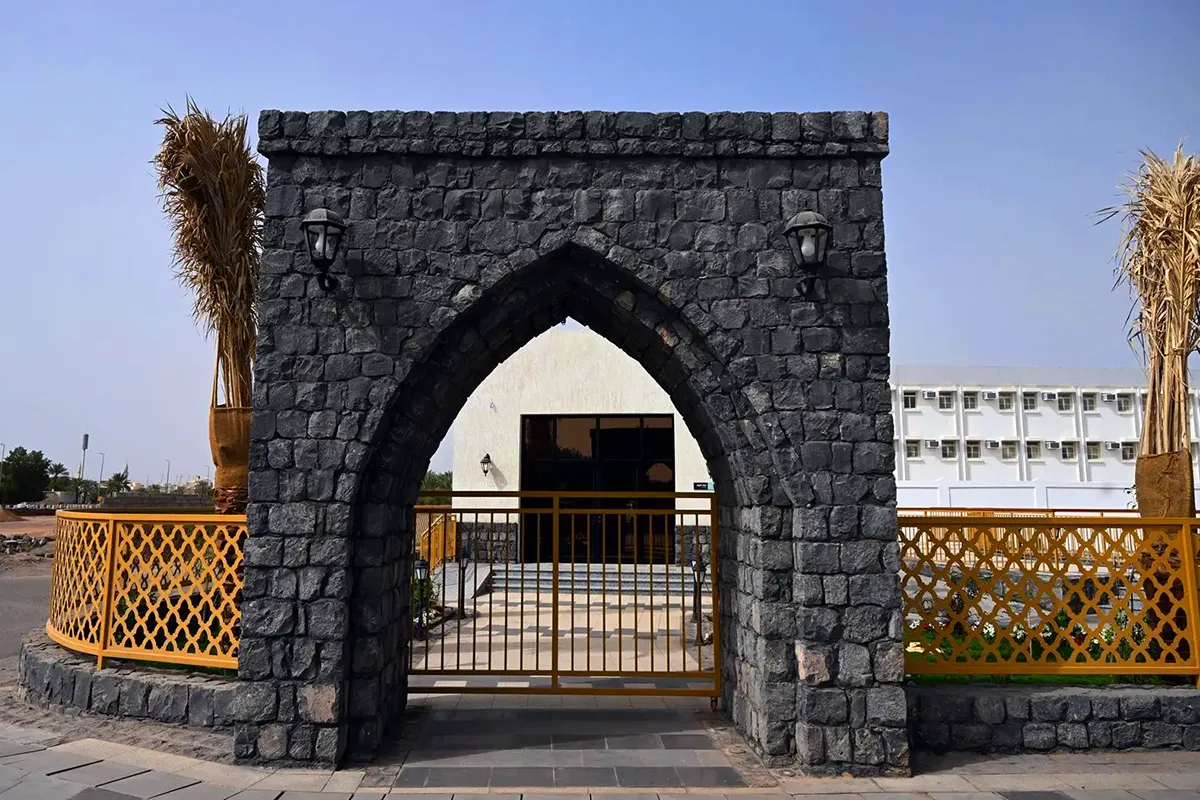
Al-Faqir Well: Where Salman's Three Hundred Palms Were Watered
A community fresh from Badr and Uhud spent its days planting palm shoots so one Persian former slave could stop being property. This is the water that kept them alive.
Wadana Go Editorial · 6 min read
Umrah & Ziyarat
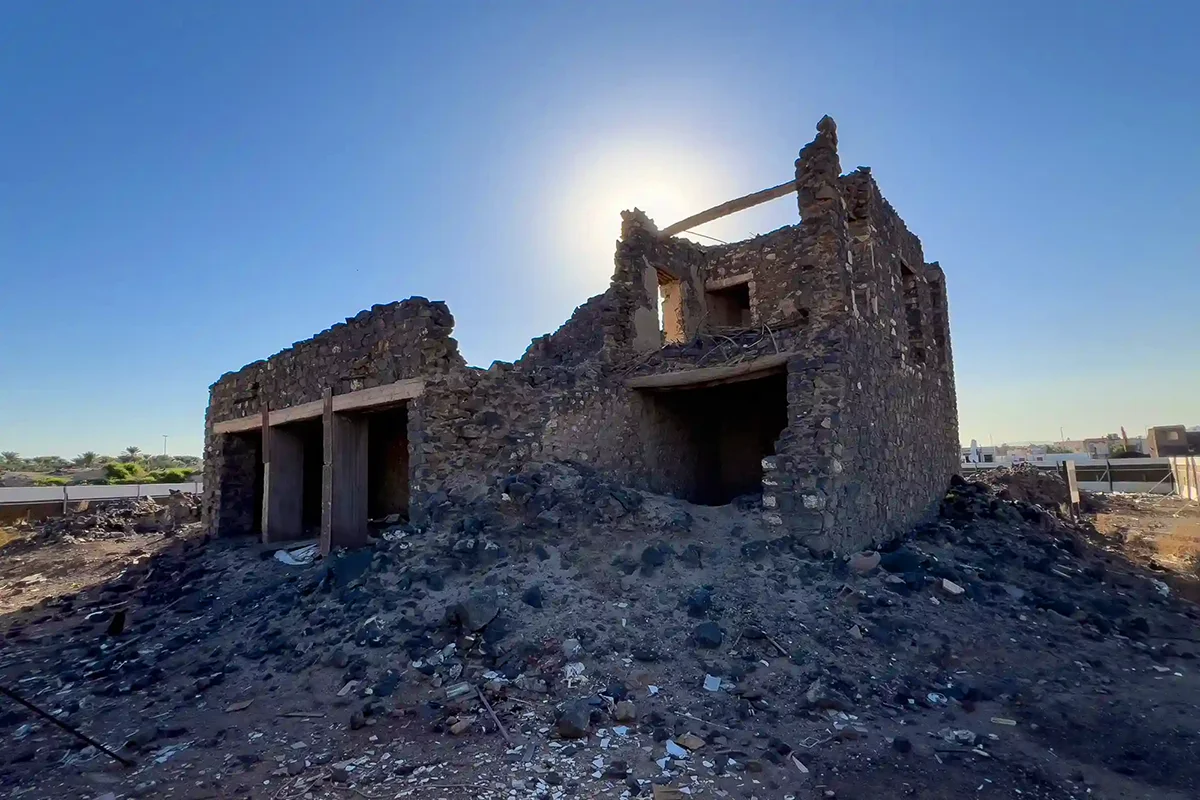
Al-'Ihn Well: A Name on the List of Seven
The least documented of Madinah's seven wells. Five things we could not verify, said plainly, and what that teaches you about lists of seven.
Wadana Go Editorial · 5 min read

Umrah & Ziyarat
Bussa Well (al-Bassah), and What Became of the Seven
One of Madinah's seven historic wells, still sitting in an orchard. Here is the full seven, what happened to each, and why the grouping is not a hadith.
Wadana Go Editorial · 6 min read

Umrah & Ziyarat
Bir Buda'ah: The Well That Settled the Water Question
Somebody asked whether you could make wudu from a well people threw rubbish into. The four words in the answer have saved a great many people a great deal of anxiety.
Wadana Go Editorial · 6 min read
Umrah & Ziyarat
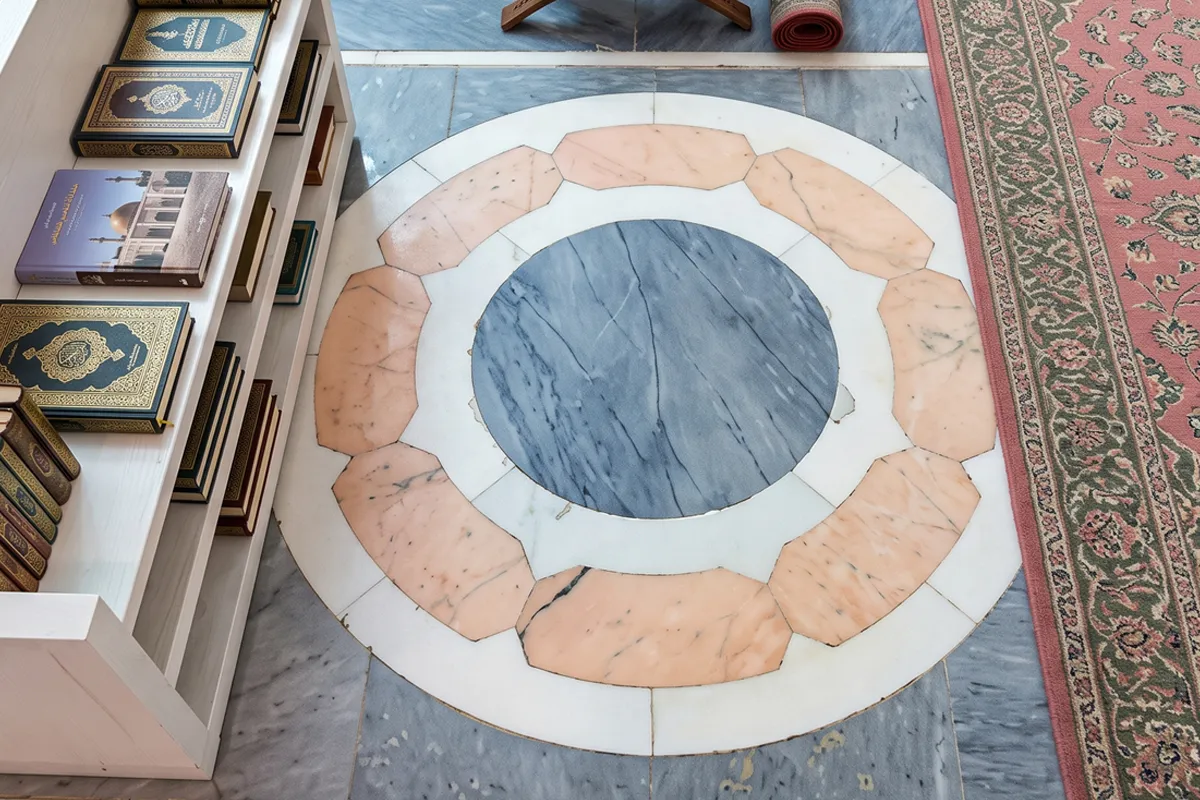
Bir Haa: The Garden Abu Talha Gave Away, Now Under the Mosque Floor
One verse was recited and he gave away the property he loved most, the same day. The site is inside Masjid an-Nabawi now, marked by three circles in the floor.
Wadana Go Editorial · 6 min read
Umrah & Ziyarat
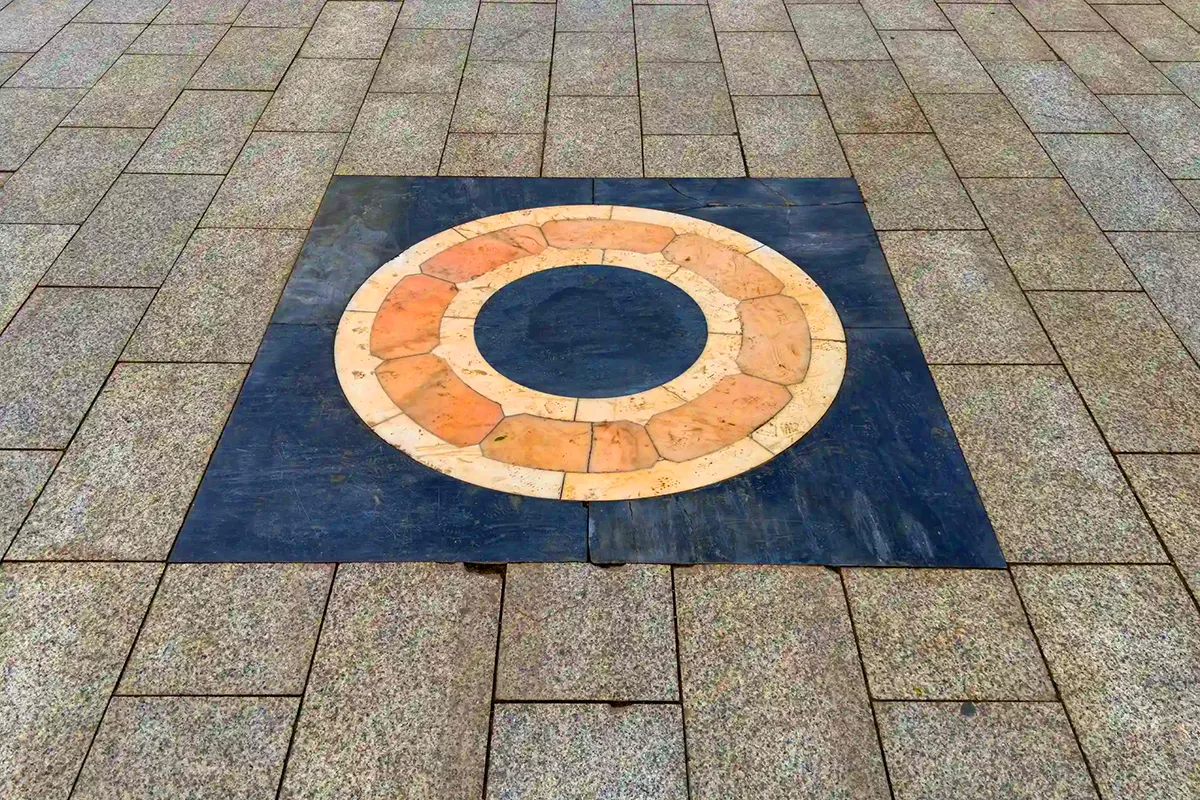
Bir Aris: The Well Where the Ring Was Lost
Four men sat on a low wall with their feet in the water, and one was told what was coming. Years later the seal of three caliphs went into the same well and was never found.
Wadana Go Editorial · 6 min read
Umrah & Ziyarat
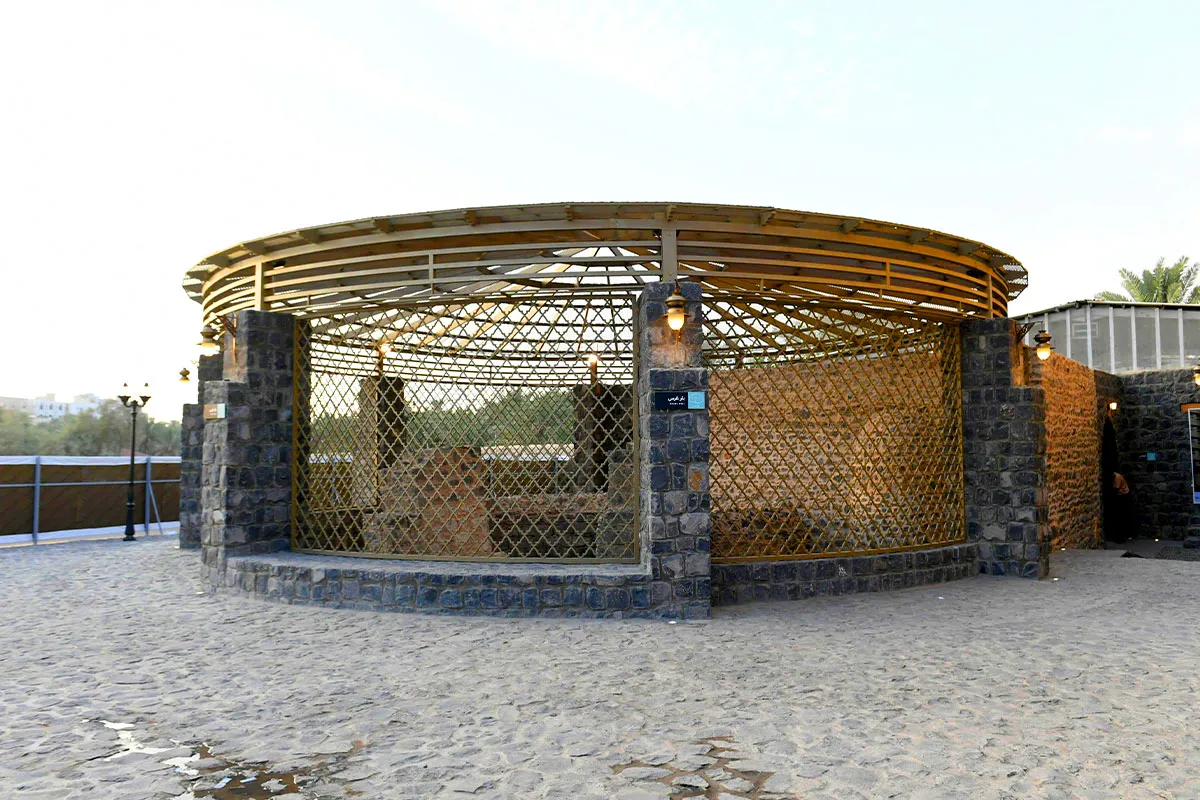
Bir Ghars: The Well With the Most Narrations
He drank from it, made wudu with it and prayed for its blessing. And a report from Ali says he asked to be washed with seven waterskins of it.
Wadana Go Editorial · 6 min read
Umrah & Ziyarat
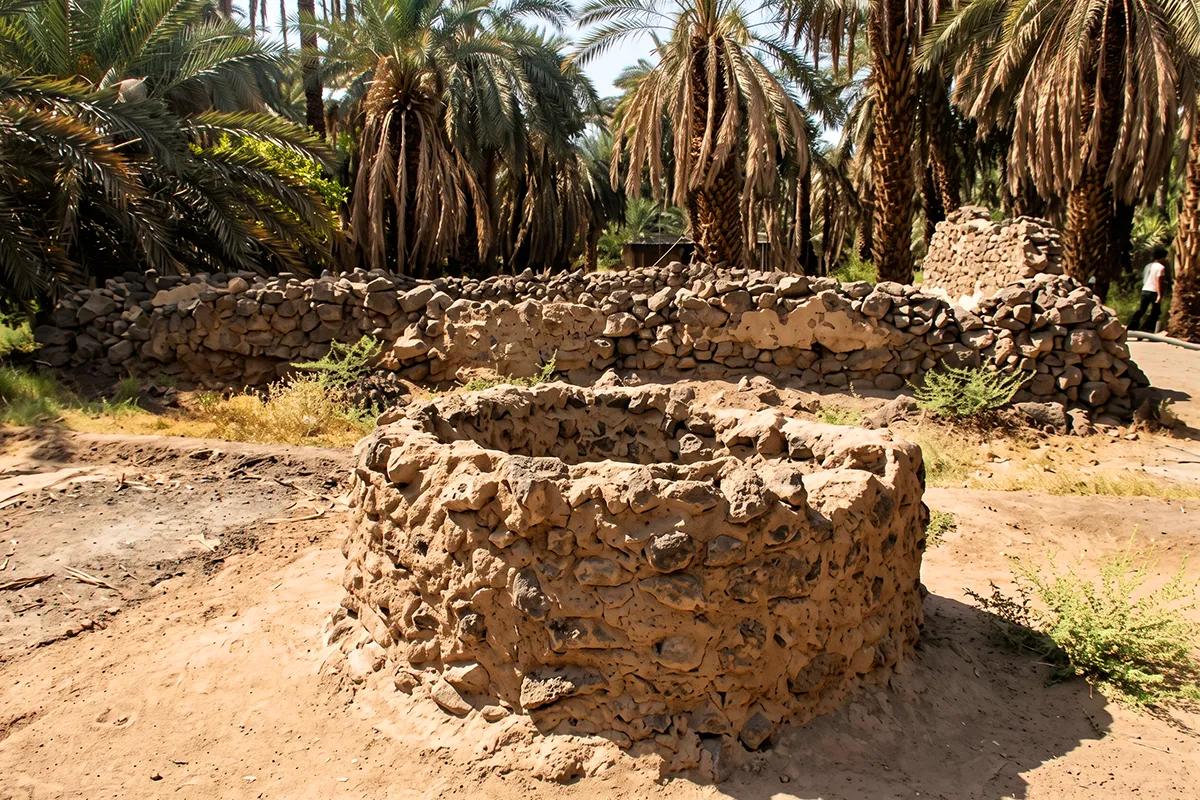
Bir Rumah: The Well Uthman Bought, Still Pumping
He heard one sentence, bought a well, and gave it away. Fourteen centuries later the pump is still running and the palms beside it are still watered from it.
Wadana Go Editorial · 7 min read
Umrah & Ziyarat
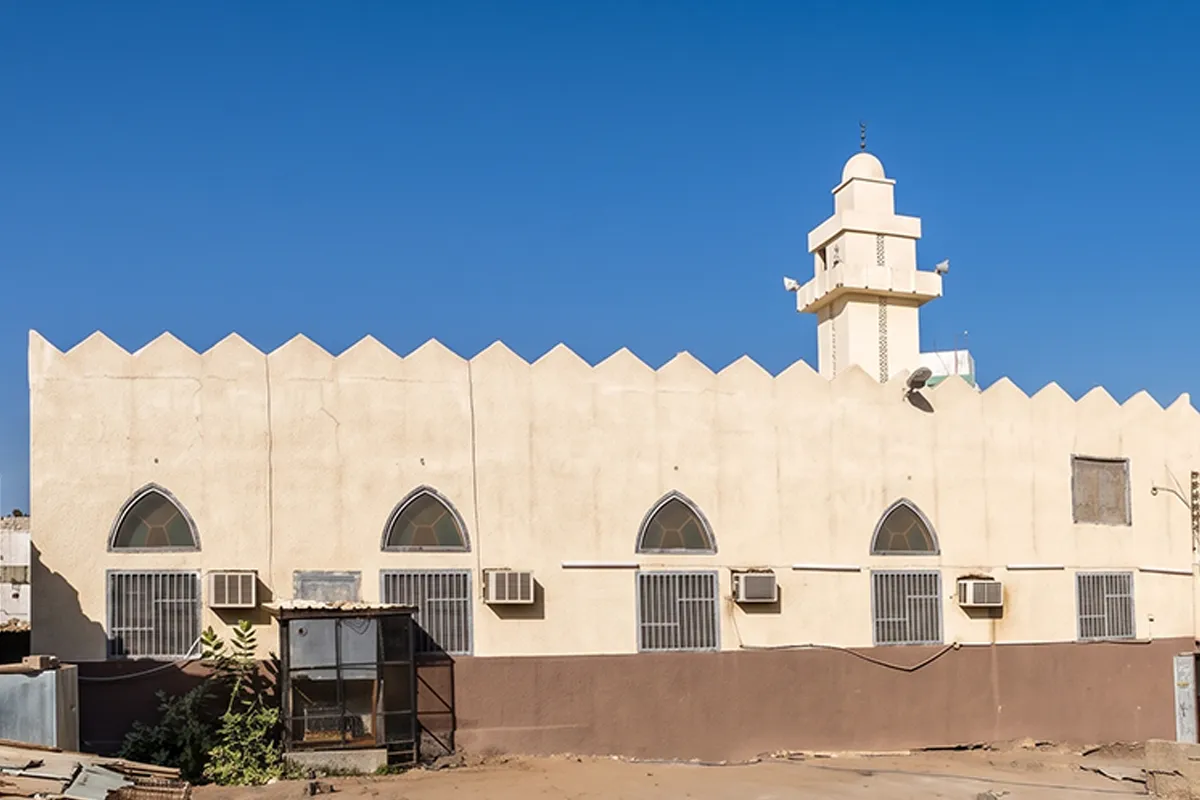
Al-Magheeselah Mosque: The Name That Means Washing
A Madinah mosque named for what happened in it, not for an event in the seerah. And it is probably a mosque you have already read about under another name.
Wadana Go Editorial · 6 min read
Umrah & Ziyarat
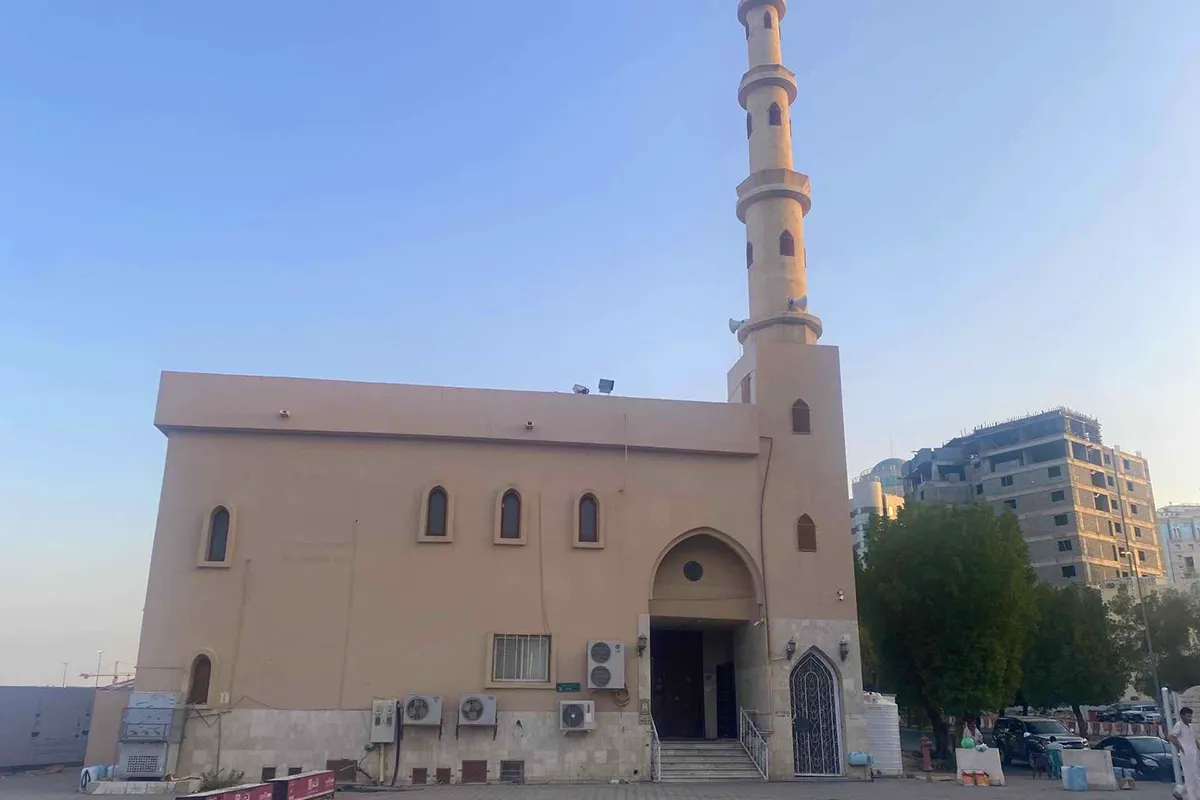
Masjid Abu Dhar al-Ghifari: The Man from the Tribe of Robbers
He lived on Zamzam for a month waiting to find the Prophet ﷺ, was told to keep his Islam quiet, and announced it at the Kaaba instead.
Wadana Go Editorial · 7 min read
Umrah & Ziyarat
Sha'b al-Jarrar: The One on the List That Was Never a Mosque
A gap between two hills where he stopped and prayed. It is on the same list as the Prophet's Mosque, and nobody ever built anything on it.
Wadana Go Editorial · 5 min read
Umrah & Ziyarat
Banu Juhaynah and Bali: A Mosque Gone, and a Hadith Worth Keeping
We could verify almost nothing about this mosque, and we say so. What is worth carrying is what the Prophet ﷺ said in public about four unfashionable tribes.
Wadana Go Editorial · 5 min read
Umrah & Ziyarat
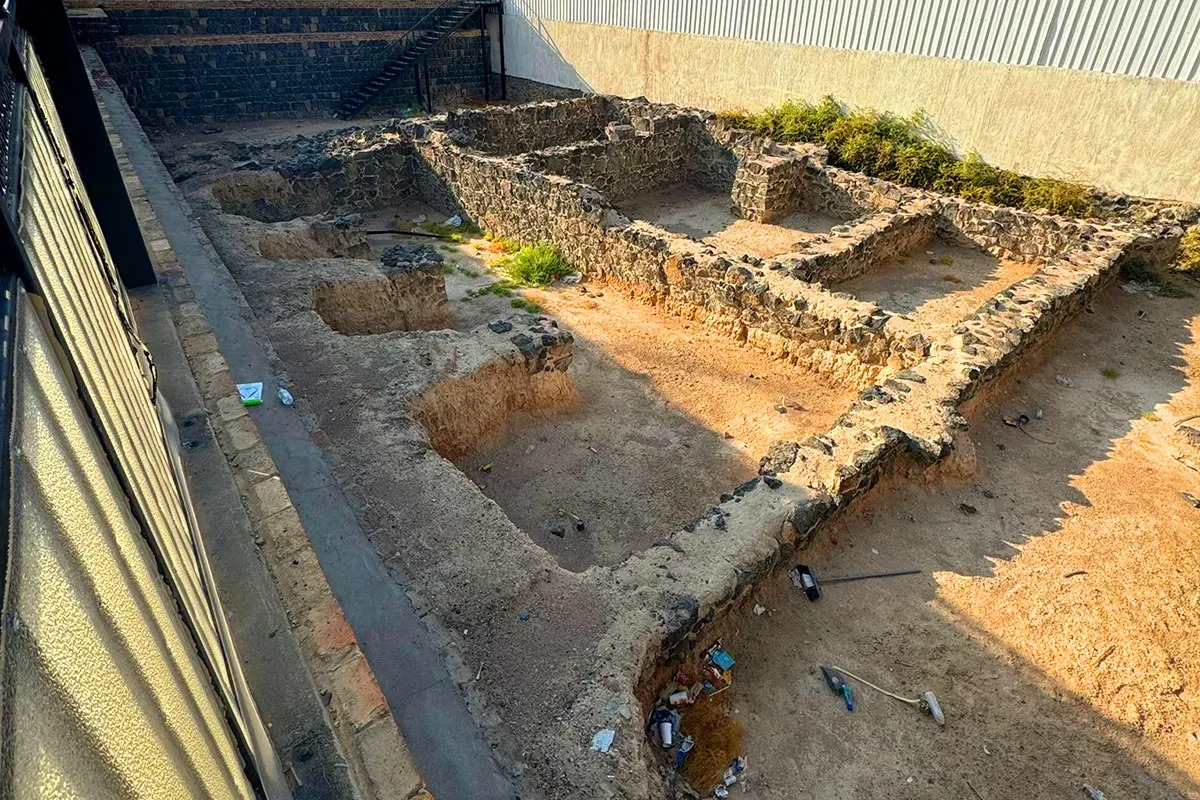
Atban ibn Malik: The Man Who Asked for a Prayer Place at Home
His eyes were failing and the wadi flooded between his house and the mosque. So he asked. And the answer, in Bukhari, was a visit and a question.
Wadana Go Editorial · 6 min read
Umrah & Ziyarat
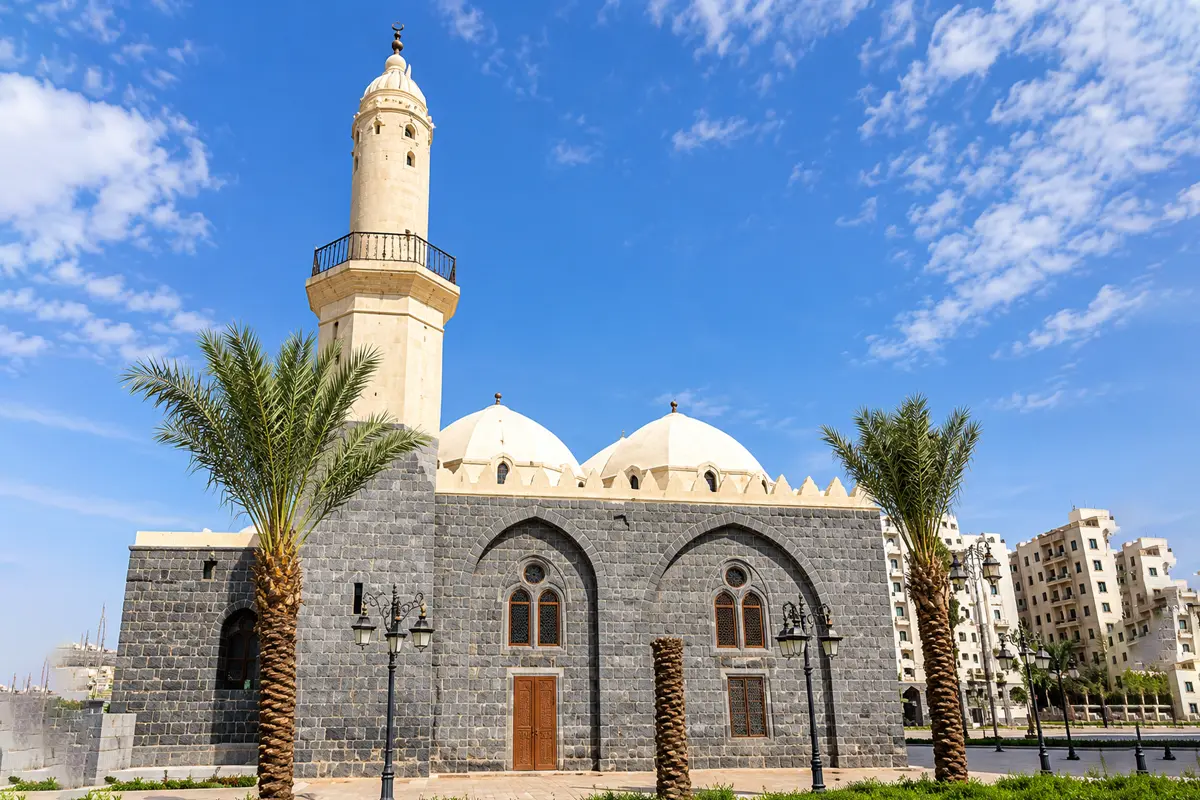
Masjid al-Fadikh: The Night the Jars Were Poured Out
A man shouted in the street that alcohol was forbidden. The host said pour it out. The boy poured it out, and it ran down the road. That is where this mosque gets its name.
Wadana Go Editorial · 6 min read
Umrah & Ziyarat
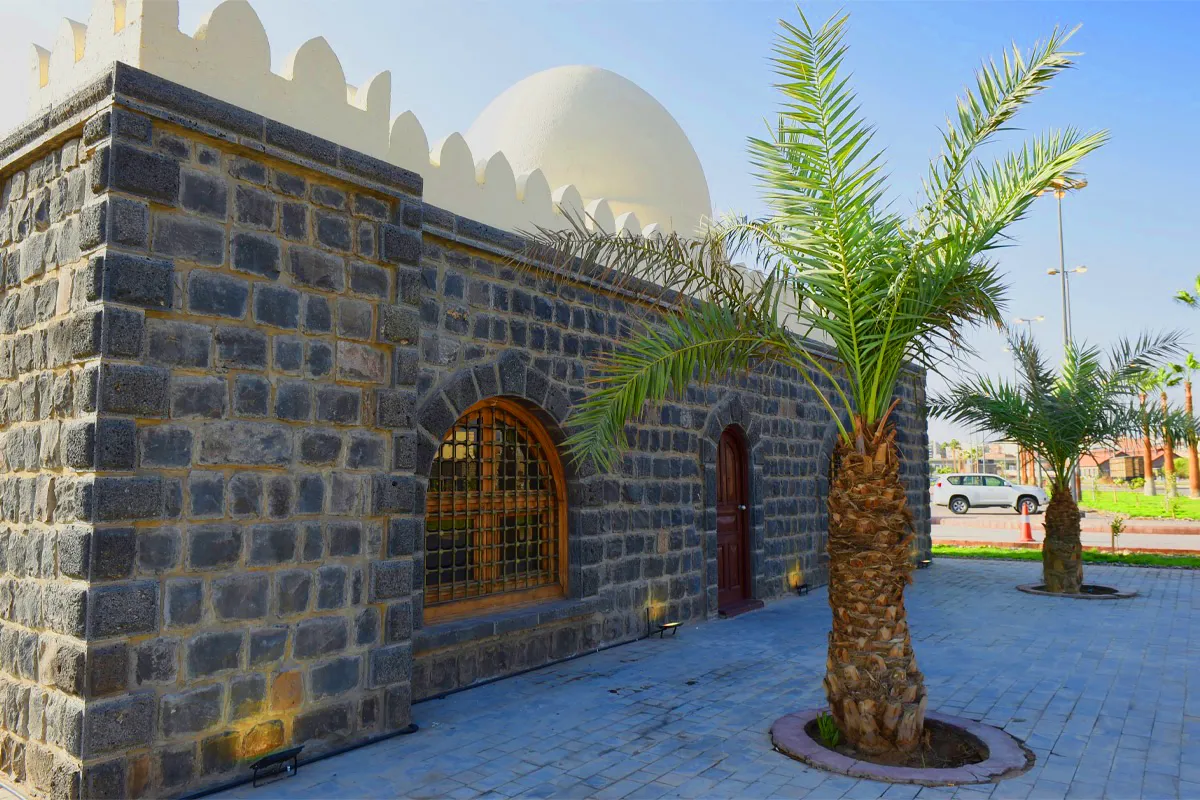
Masjid al-Qursah, and the Seven Mosques You Cannot Visit
Twenty-five mosques in Madinah where the Prophet ﷺ prayed. Eighteen still stand. Seven exist only as a location. Here is how to tell which is which.
Wadana Go Editorial · 6 min read
Umrah & Ziyarat
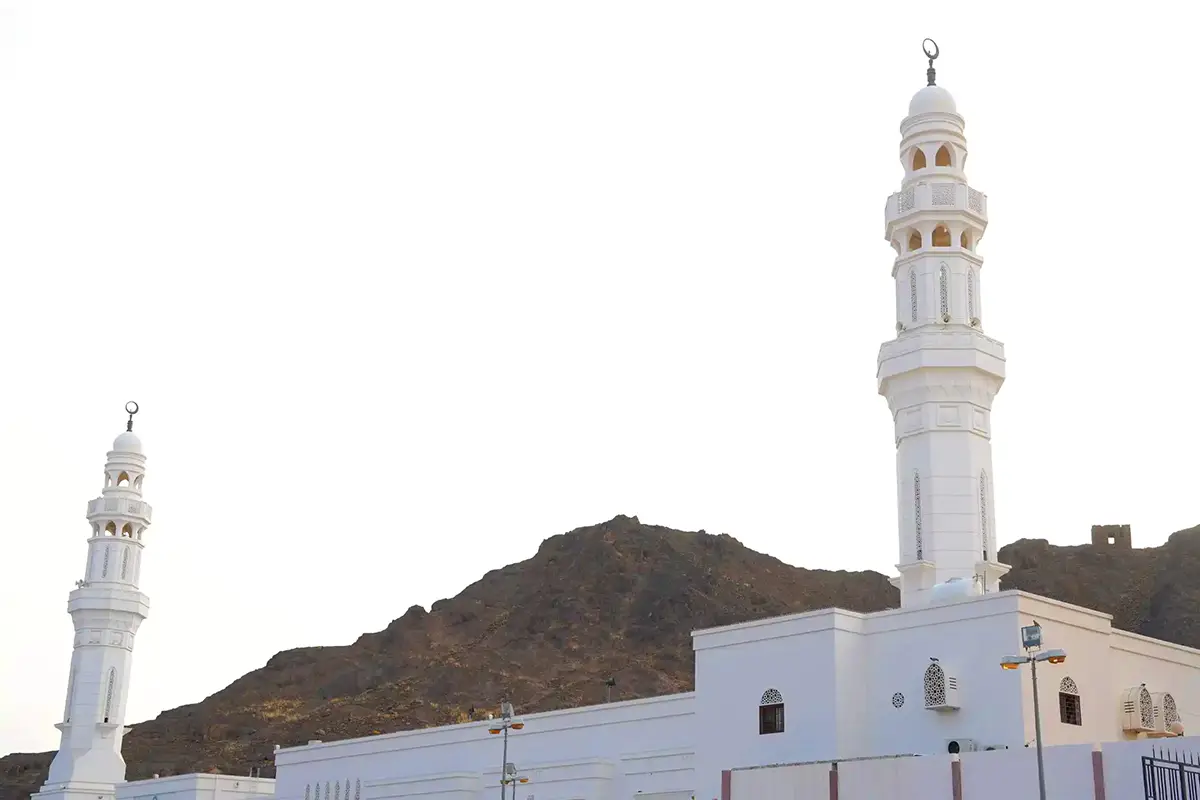
Masjid Banu Qurayzah: The Hadith That Made Room for Disagreement
Two groups read the same clear instruction and reached opposite conclusions. The one man who could have settled it declined to. That report is in Bukhari.
Wadana Go Editorial · 6 min read
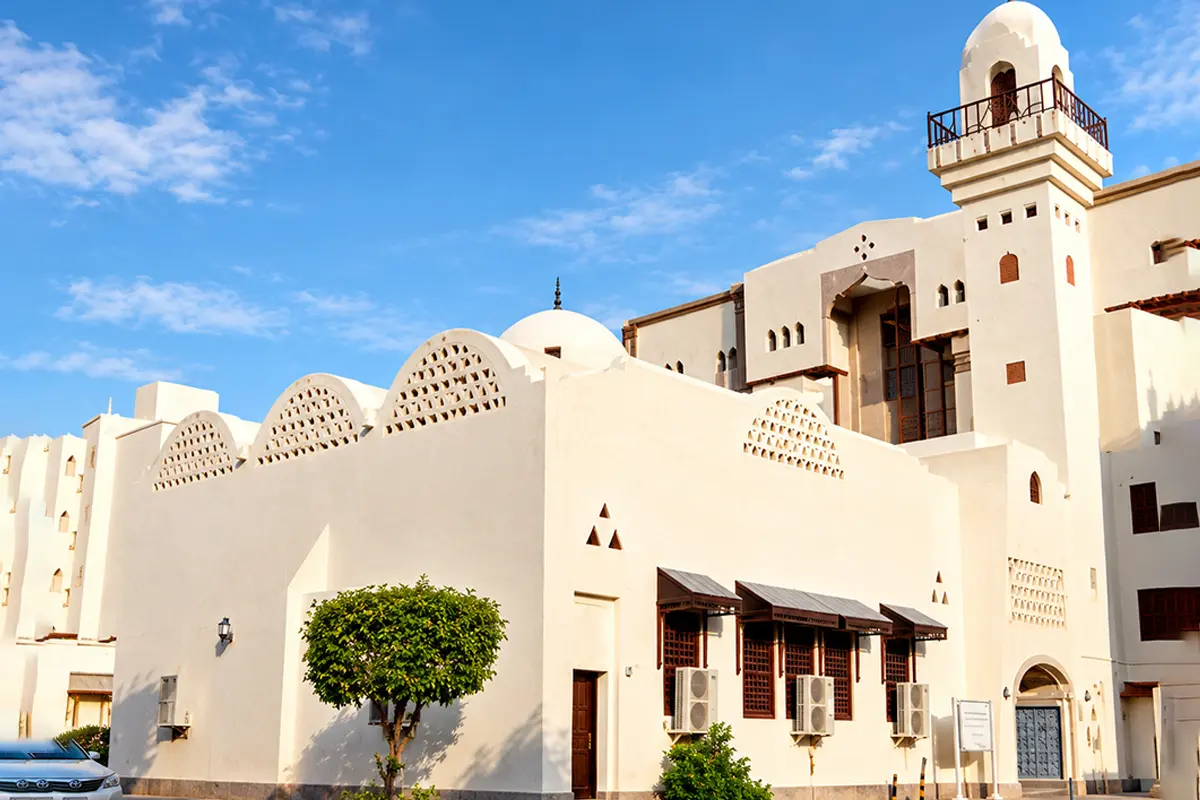
Umrah & Ziyarat
Masjid Banu Zafar (al-Baghla): Where He Said “Enough”
Ibn Mas'ud recited until one verse, and the Prophet ﷺ told him to stop, with tears running. That exchange is in Bukhari and Muslim. The hoofprint is not.
Wadana Go Editorial · 6 min read
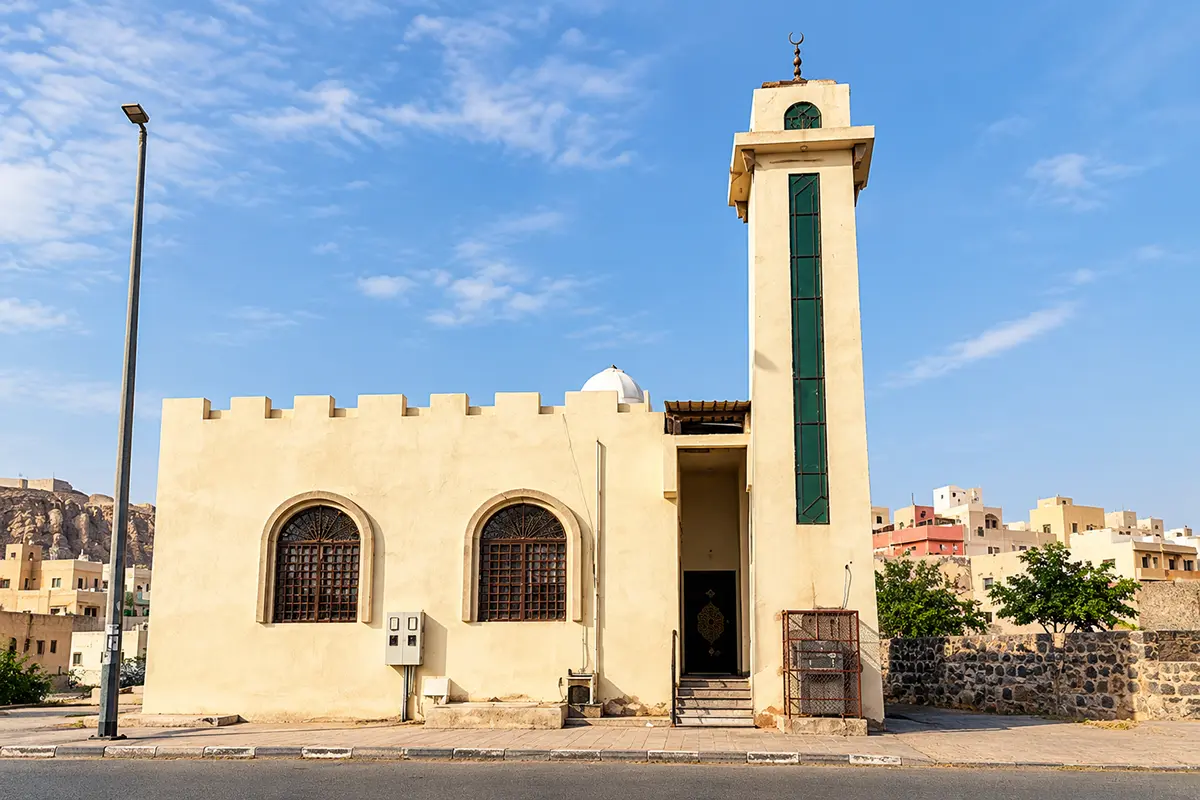
Umrah & Ziyarat
Masjid Banu Bayadah: What Is Documented, and What Is Not
A short page on purpose. Everything we could verify about this small Madinah mosque, and a clear statement of what we could not.
Wadana Go Editorial · 5 min read
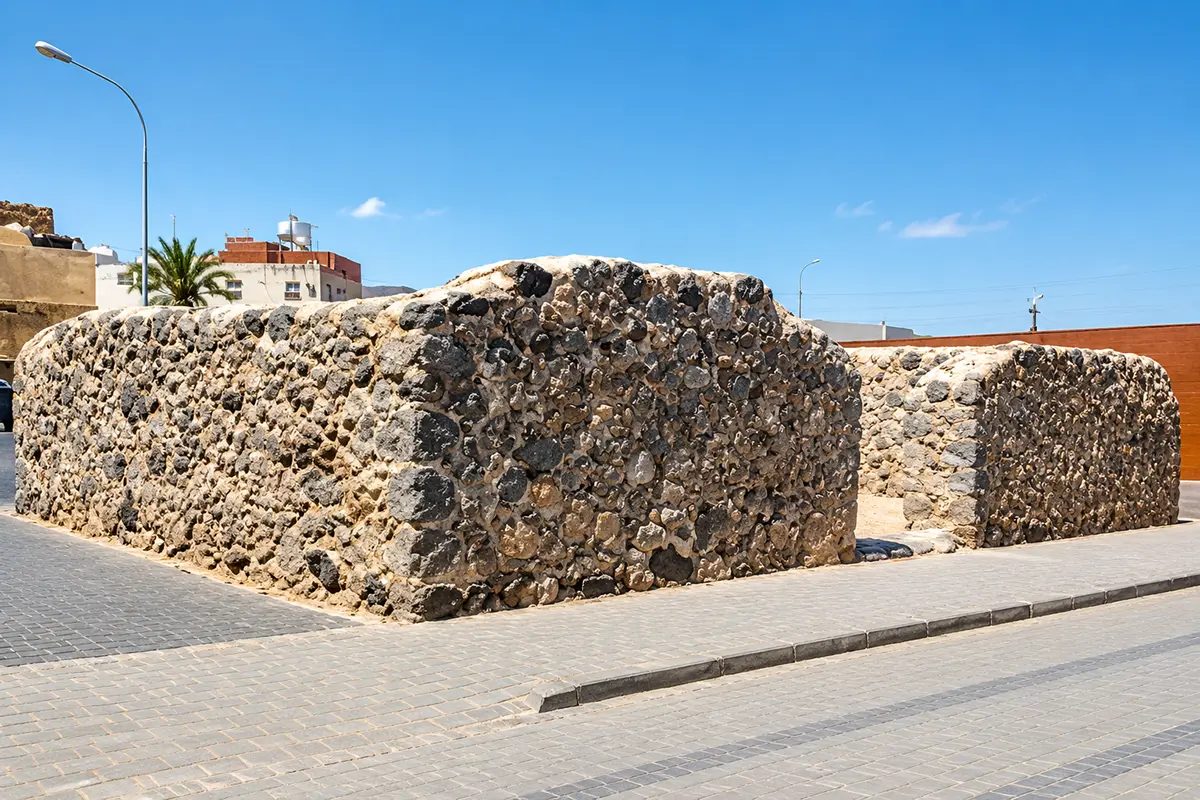
Umrah & Ziyarat
Masjid Misbah: The Mosque Named for a Morning
Misbah and Bani Unayf are two names for one small mosque southwest of Quba. Where the name comes from, and the visit to a sick young man that the sources kept.
Wadana Go Editorial · 6 min read
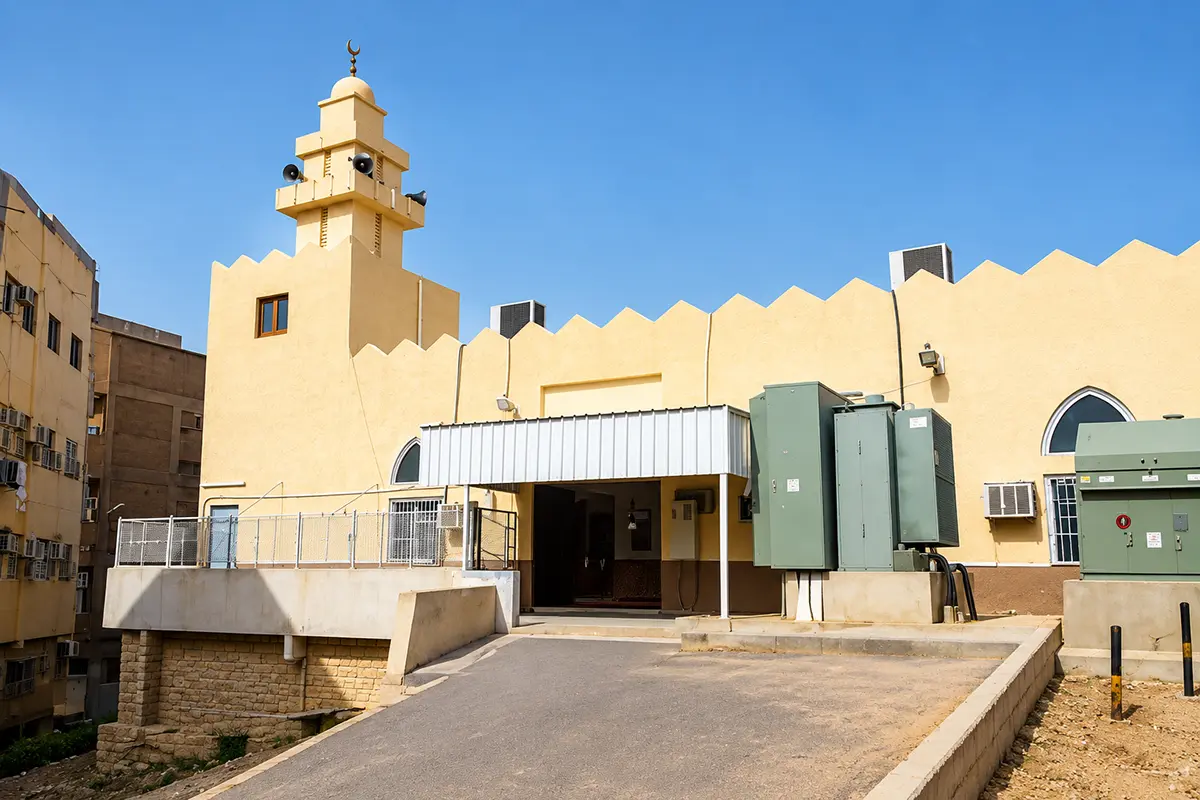
Umrah & Ziyarat
Masjid al-Adna: The Nearer Mosque of Bani Dinar
Two mosques in Madinah carry the Bani Dinar name, and this one carries three more besides. What the heritage sources record, and why the old names matter.
Wadana Go Editorial · 6 min read
Umrah & Ziyarat
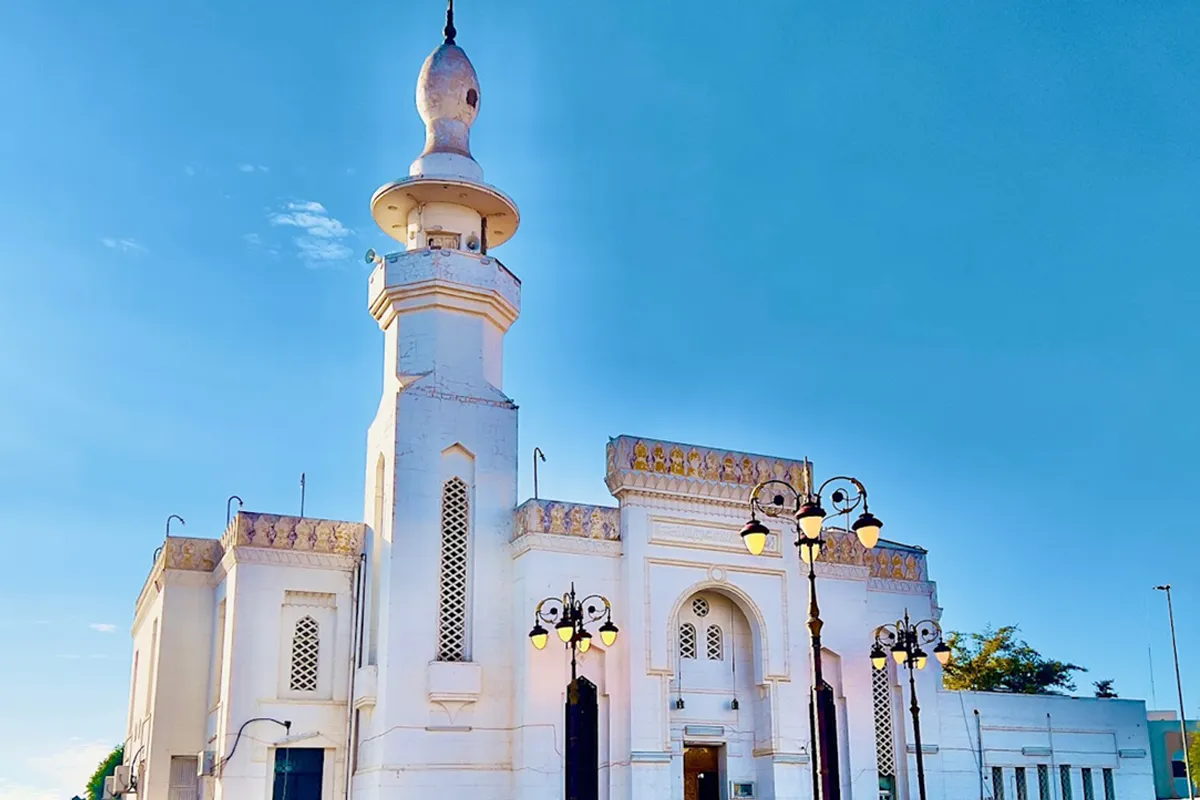
Masjid al-Tawbah and the Pillar of Repentance: Two Different Places
One is a small mosque near Quba. The other is a marked column inside the Prophet's Mosque where Abu Lubabah tied himself to a palm trunk. People search for one and find the other.
Wadana Go Editorial · 6 min read
Umrah & Ziyarat
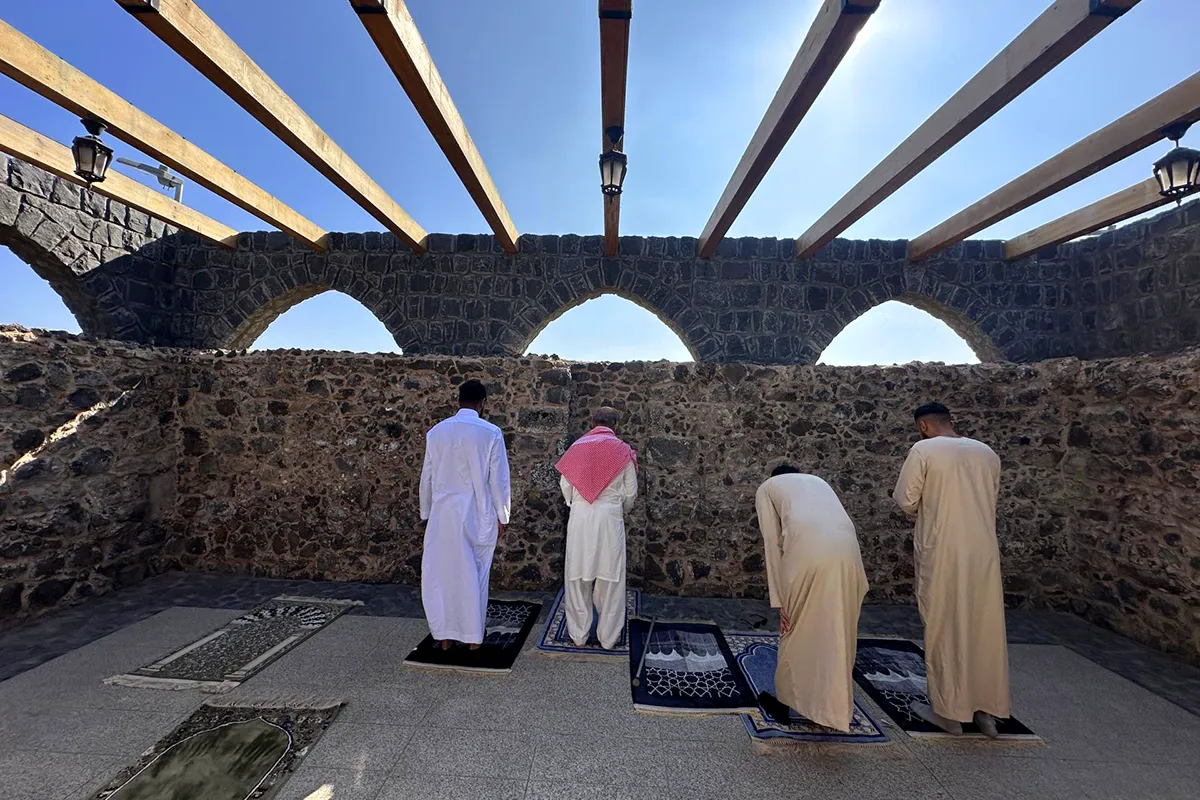
Masjid Banu Khatmah, and the List of Twenty-Five
Saudipedia counts twenty-five mosques in Madinah where the Prophet ﷺ prayed. Eighteen still stand. This is one of them, and here is how to think about the rest.
Wadana Go Editorial · 6 min read
Umrah & Ziyarat
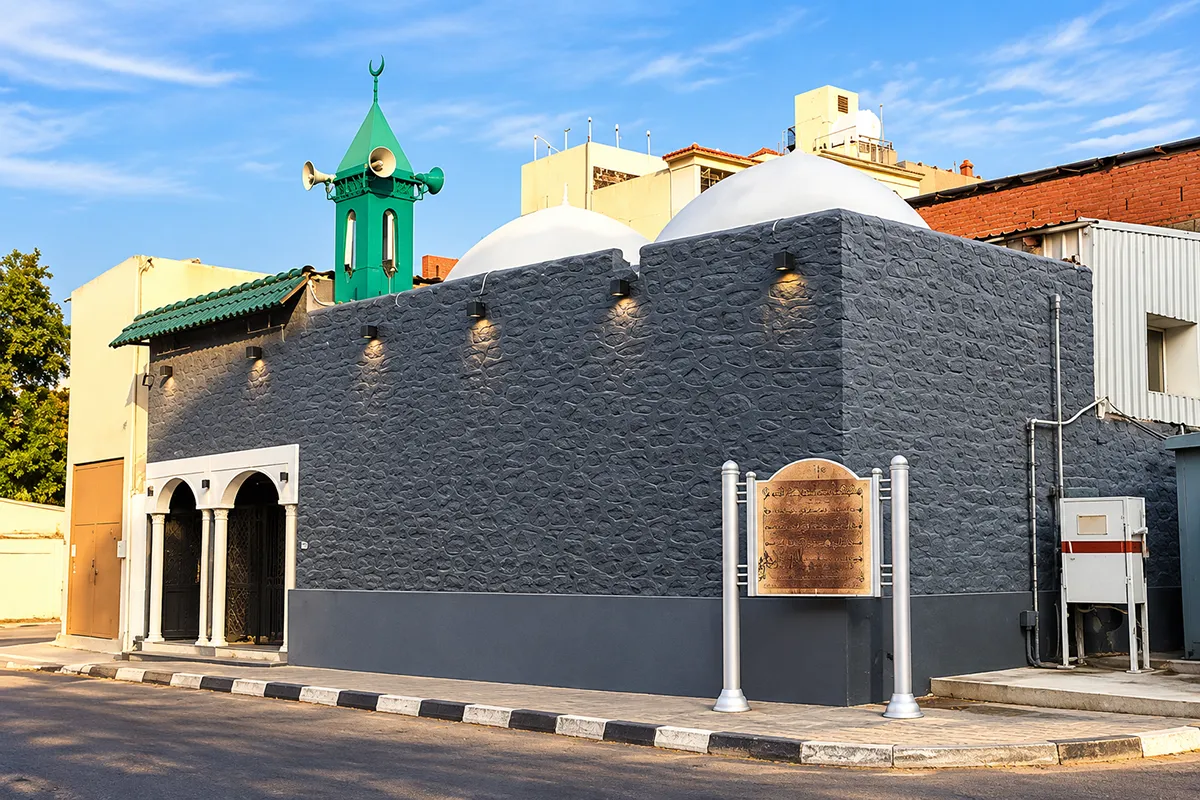
Masjid al-Shaykhayn: The Camp Where the Boys Were Sent Home
On the night before Uhud he reviewed the army, found children in the ranks, and sent them back. Two argued their case and won. This is where that happened.
Wadana Go Editorial · 6 min read
Umrah & Ziyarat
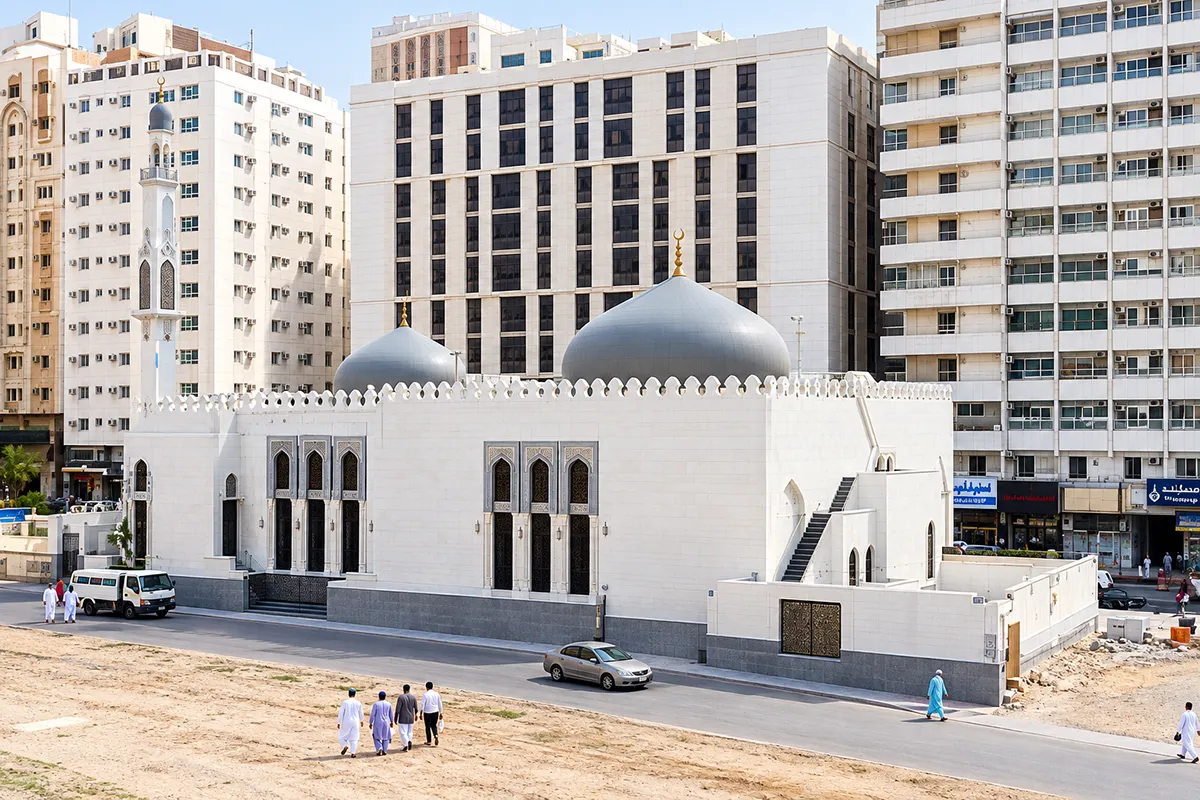
Masjid al-Rayah, Madinah: The Command Post Above the Trench
A small mosque on a hill north of the city where the Prophet ﷺ oversaw the digging. Plus the truth about the story of the rock everyone repeats.
Wadana Go Editorial · 6 min read
Umrah & Ziyarat
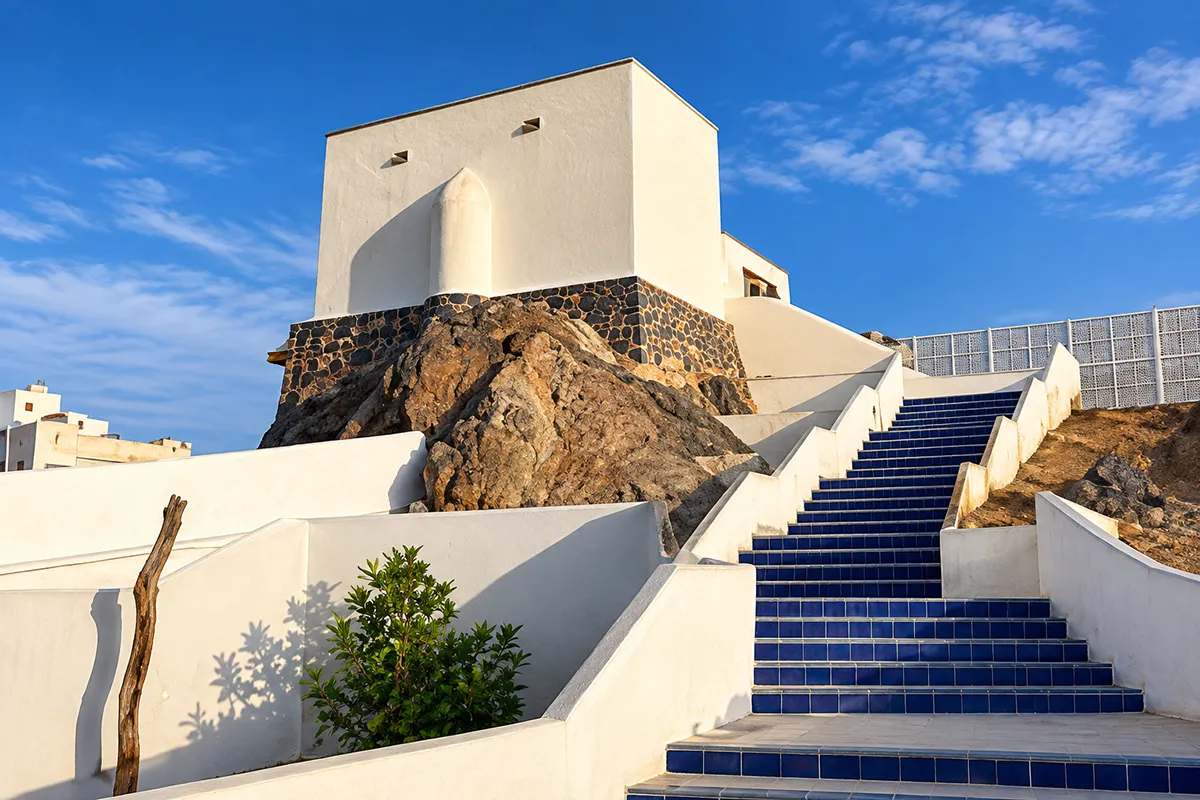
Masjid Banu Waqif and the Banu Waqif Fortress
A pre-Islamic clan fort five hundred metres from Quba, later used as an Ottoman garrison. What the sources record, and why Madinah was full of forts.
Wadana Go Editorial · 6 min read
Umrah & Ziyarat
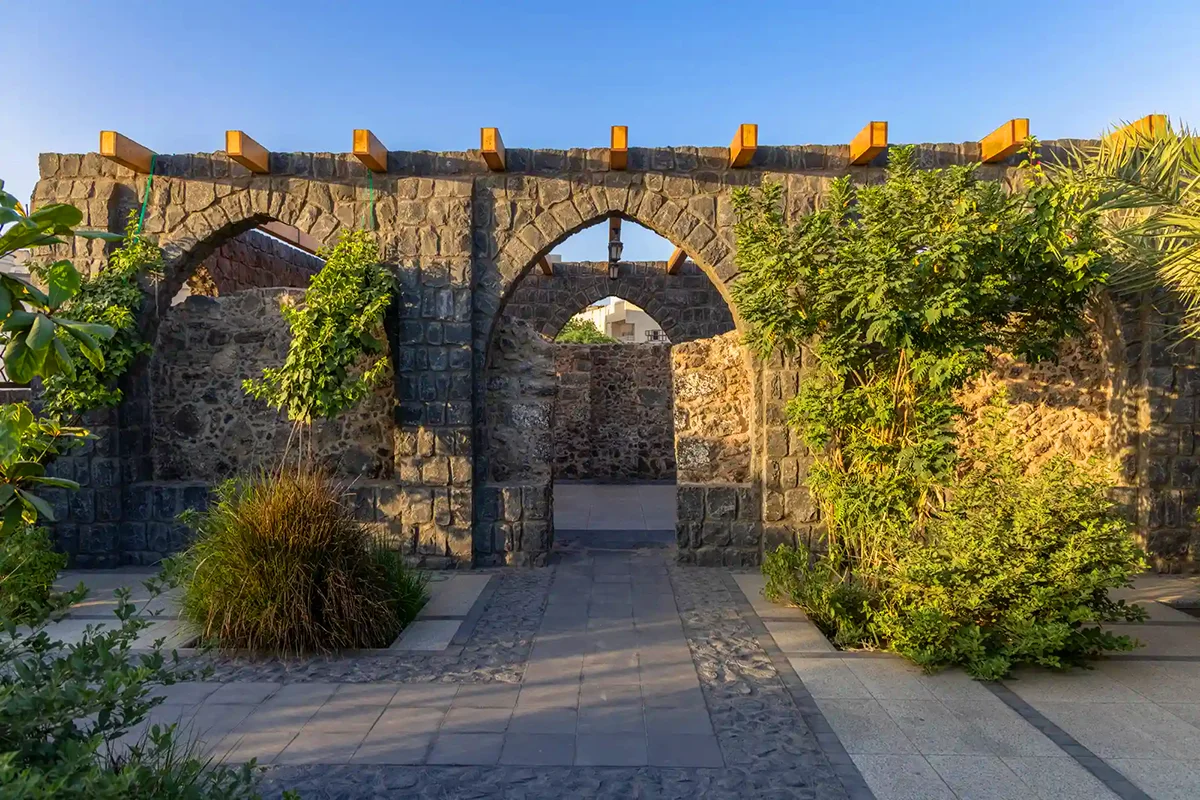
Masjid Banu Anif: A Black Stone Mosque with No Roof
Thirty-seven square metres of dark basalt, open to the sky, five hundred metres from Quba. Restored so that it still looks like itself.
Wadana Go Editorial · 6 min read
Umrah & Ziyarat
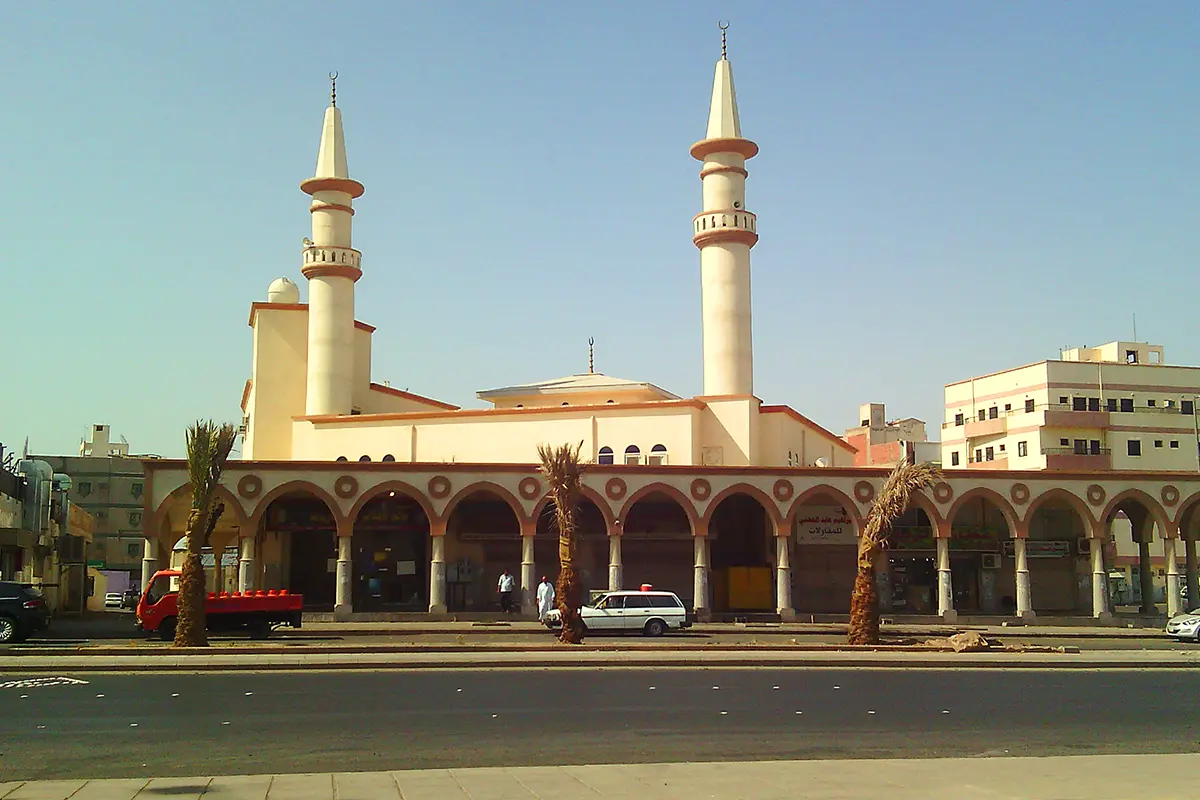
Masjid al-Manaratayn (Bani Dinar): The Mosque of the Two Minarets
Two explanations for the name and no way to settle which is right. An honest look at one of Madinah's many small historic mosques, and whether it is worth your morning.
Wadana Go Editorial · 6 min read
Umrah & Ziyarat
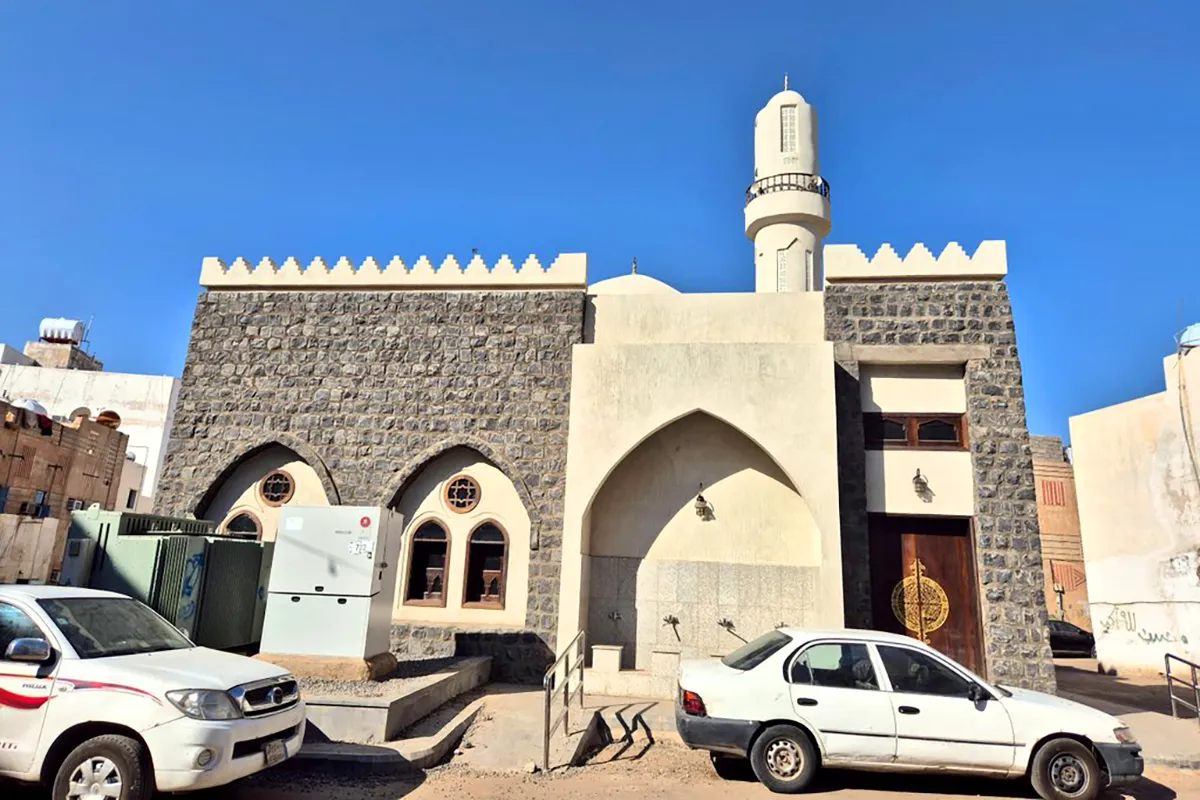
Masjid Banu Haram: Where Jabir Fed the Whole Camp
He invited one man to dinner and the Prophet ﷺ called the whole army. Jabir tells the story against himself, which is why it reads as true.
Wadana Go Editorial · 6 min read
Umrah & Ziyarat
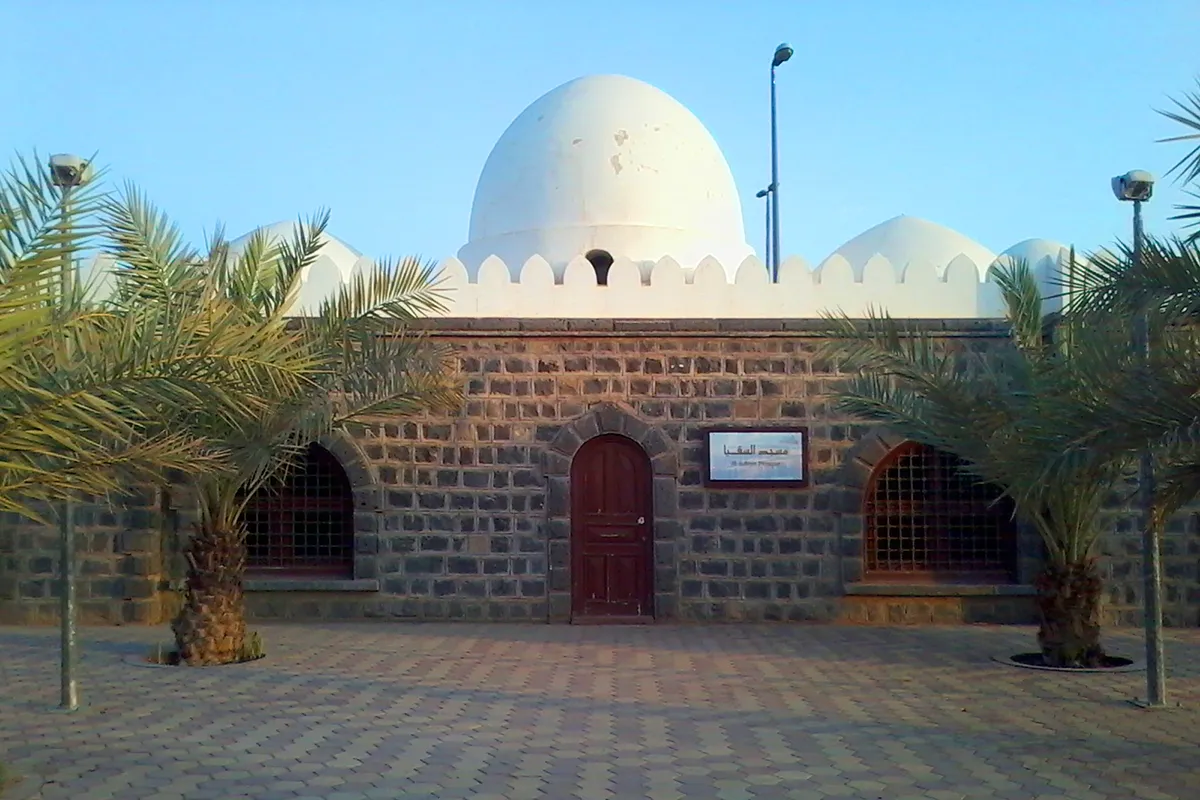
Masjid al-Suqya: Where the Army Was Reviewed Before Badr
Three hundred men, mostly on foot, counted out on a patch of ground two kilometres west of the Prophet's Mosque before they walked to Badr.
Wadana Go Editorial · 6 min read
Umrah & Ziyarat
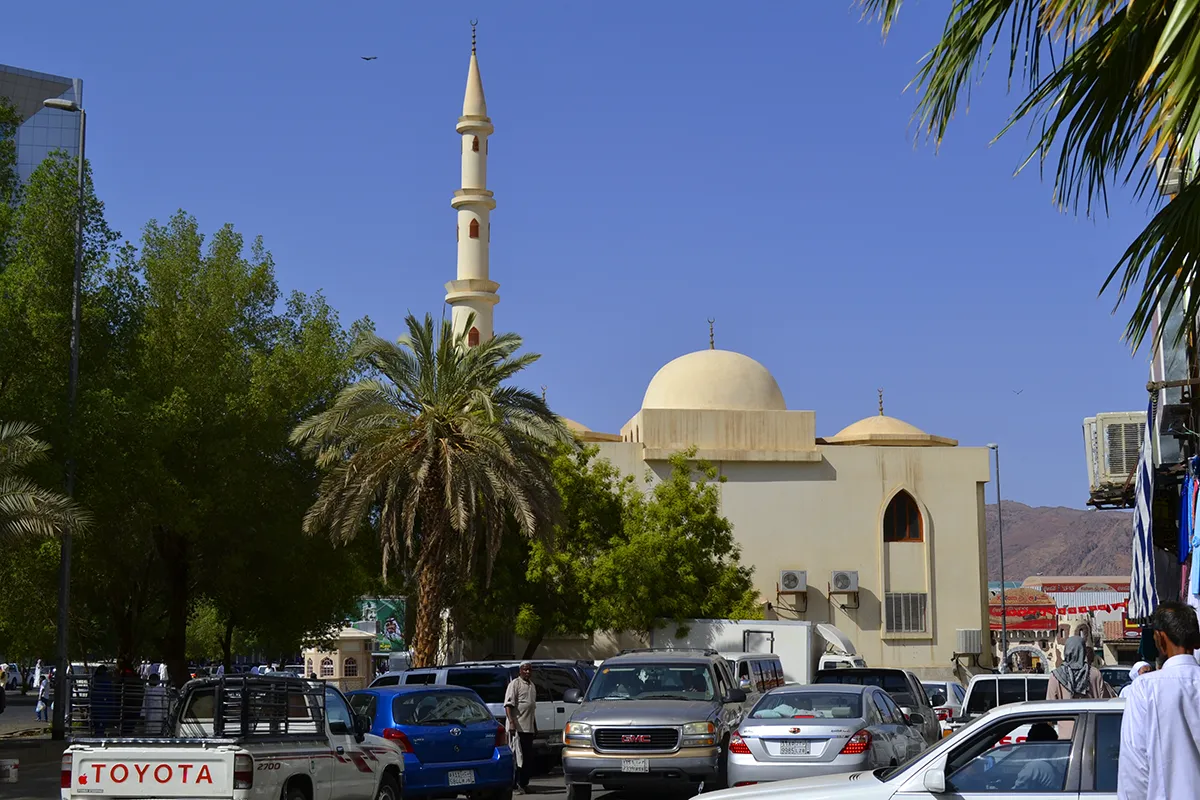
Masjid al-Sajdah: The Mosque of the Long Prostration
He stayed down so long they thought something had happened. The news he had been given costs nothing to act on, from anywhere in the world.
Wadana Go Editorial · 6 min read
Umrah & Ziyarat
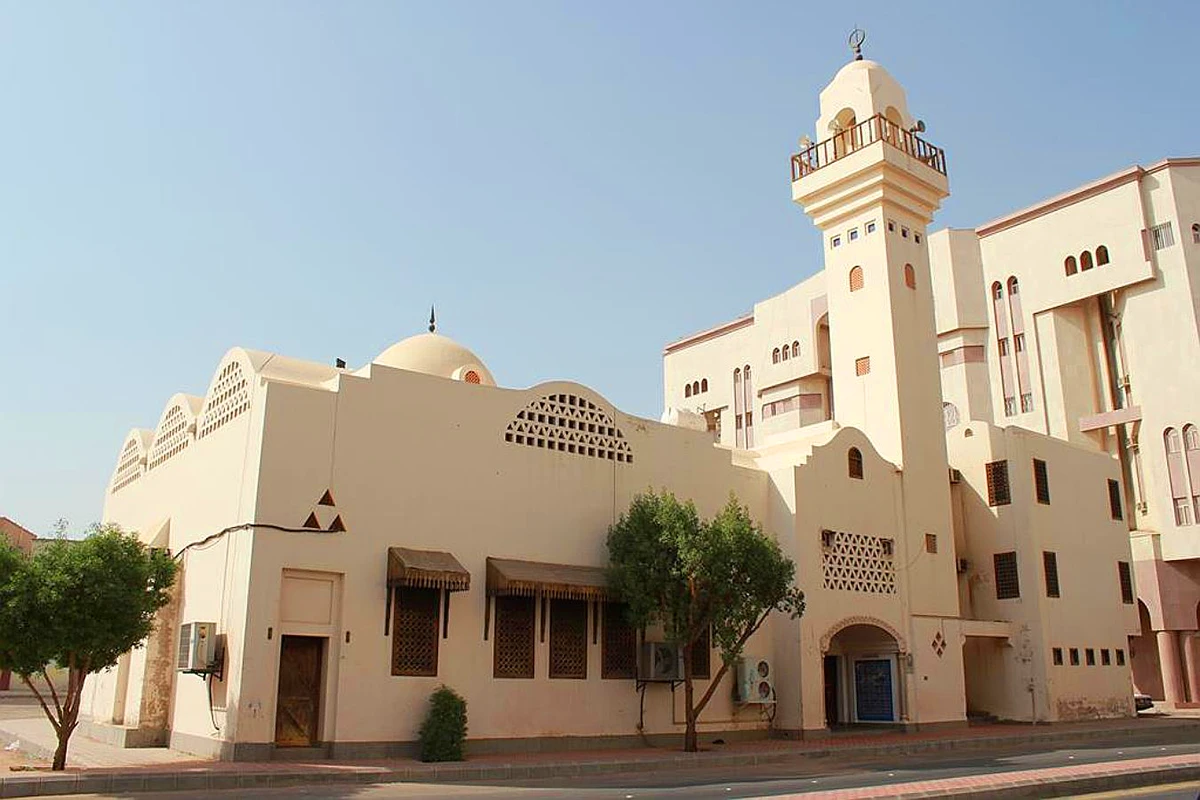
Masjid al-Mustarah: The Mosque of Rest on the Uhud Road
A small mosque on the road to Uhud, marking the place where the Prophet ﷺ stopped and rested on the way back from the worst day the community had known.
Wadana Go Editorial · 6 min read
Umrah & Ziyarat
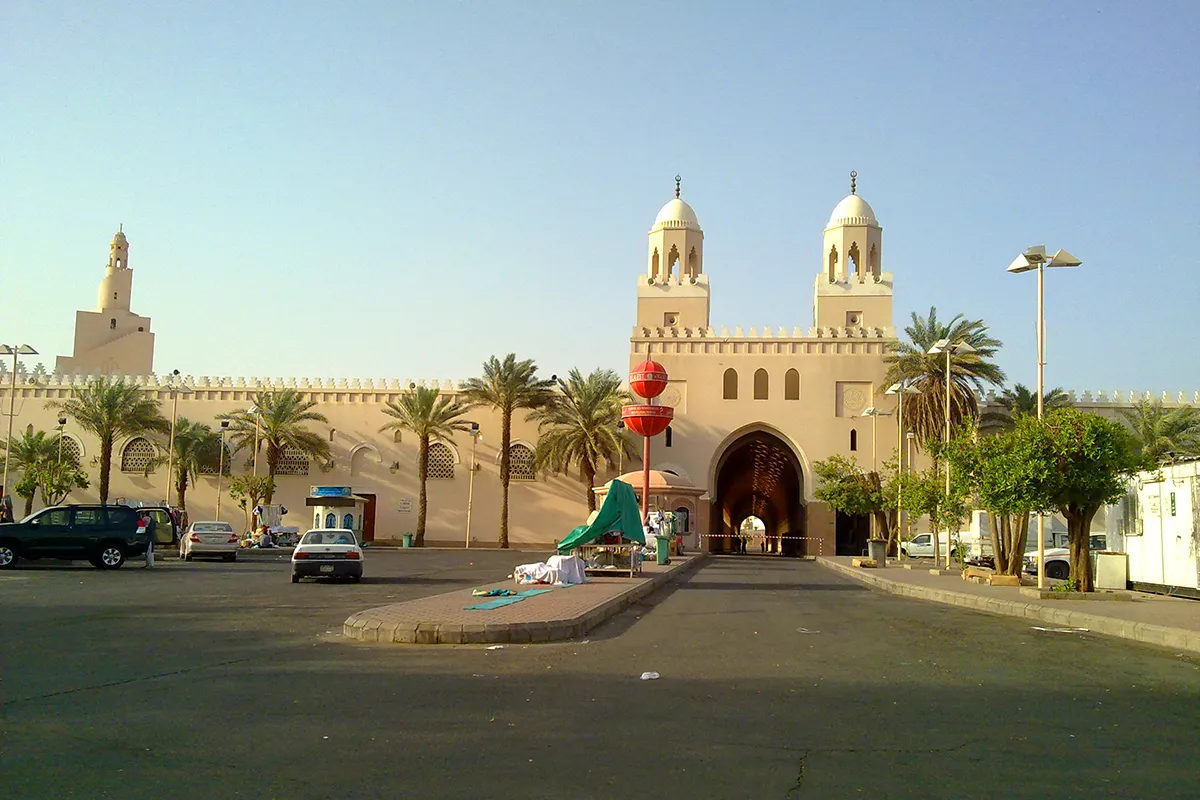
Dhu al-Hulayfah (Abyar Ali): The Miqat for Everyone Leaving Madinah
The furthest miqat from Makkah by four hundred kilometres, named in Bukhari and Muslim, in a valley the Prophet ﷺ was told was blessed. How it works, and what people get wrong.
Wadana Go Editorial · 8 min read
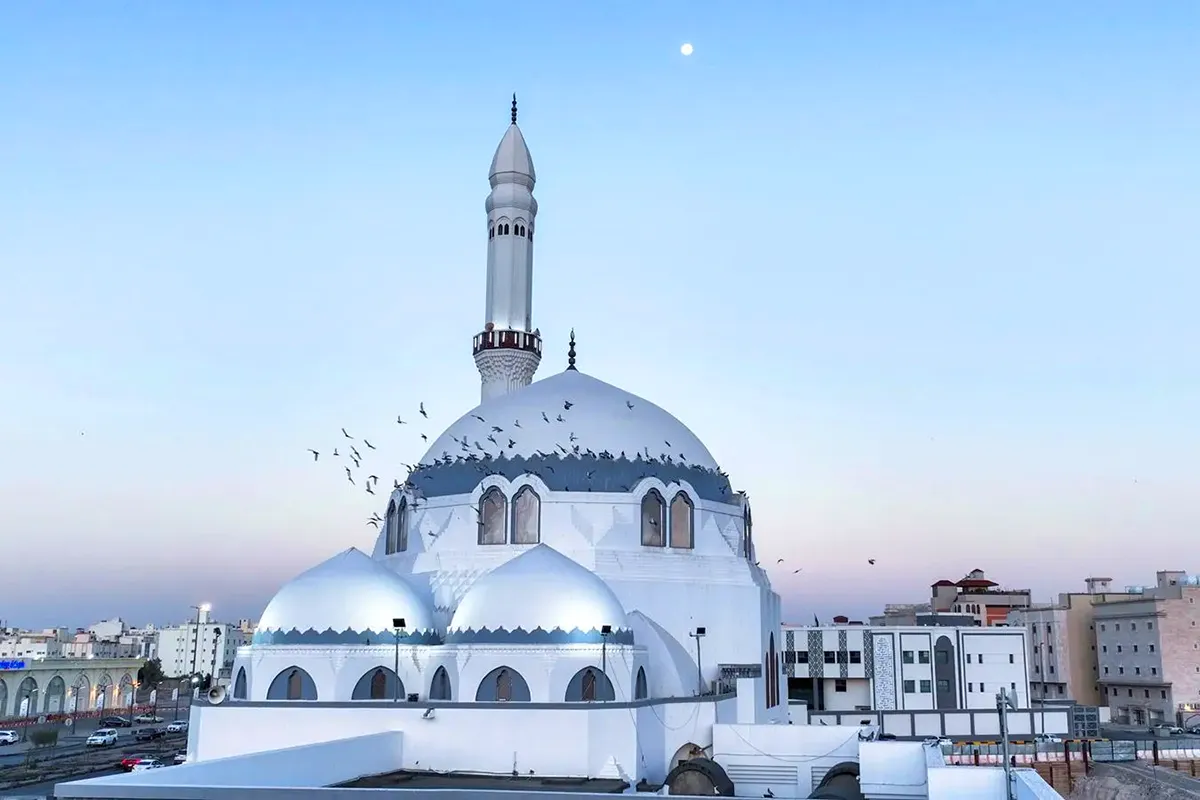
Umrah & Ziyarat
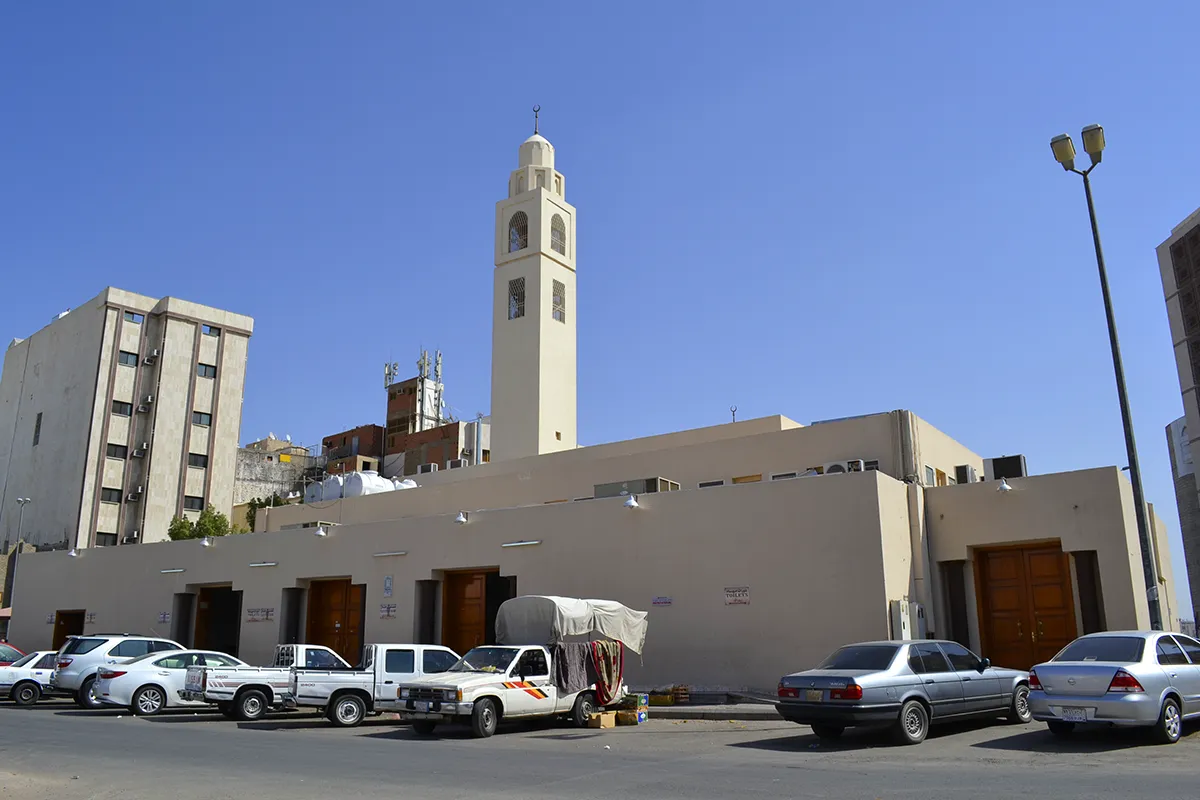
Masjid al-Jumu'ah: Where the First Friday Prayer Was Held
He had a price on his head and a city waiting. When Jumu'ah came he stopped in a valley and prayed it. That valley is 900 metres from Quba.
Wadana Go Editorial · 6 min read
Umrah & Ziyarat
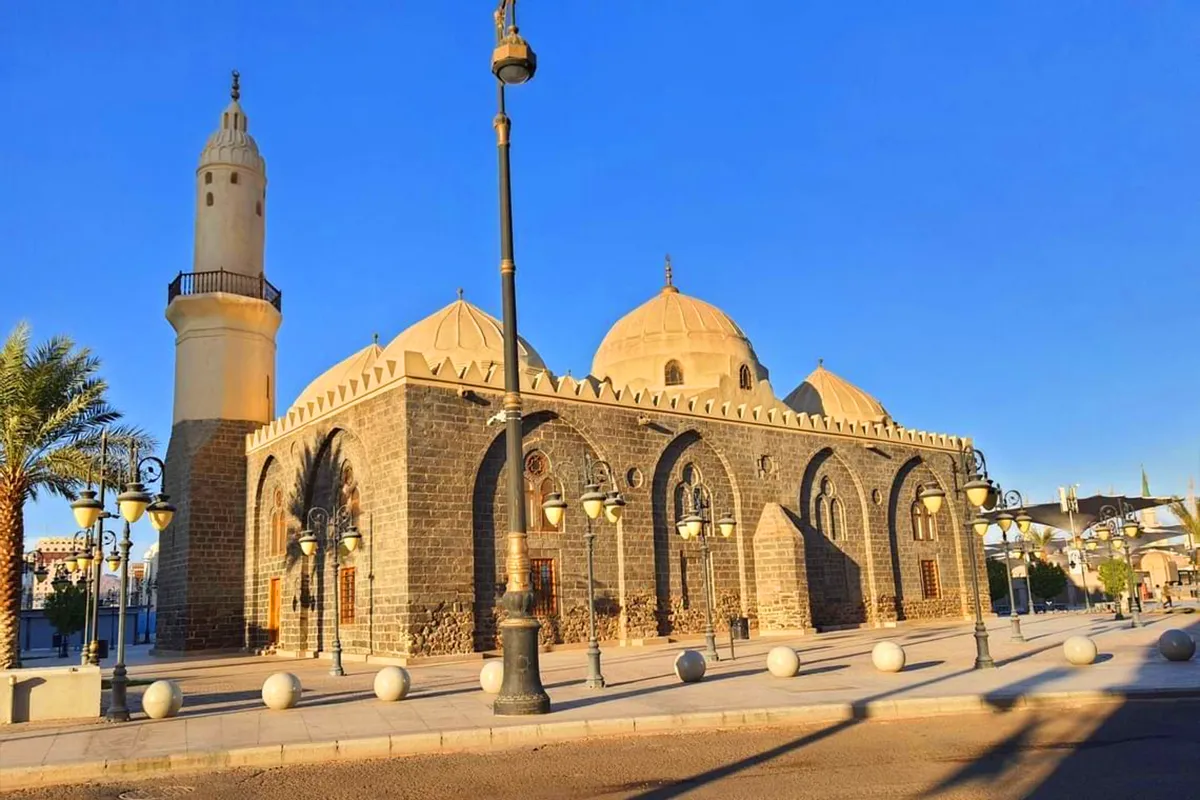
Masjid al-Ijabah, Madinah: Two Requests Granted, One Refused
A small mosque near Baqi, named for a hadith in Sahih Muslim in which the Prophet ﷺ asked three things and was told one of them would not be given.
Wadana Go Editorial · 6 min read
Umrah & Ziyarat
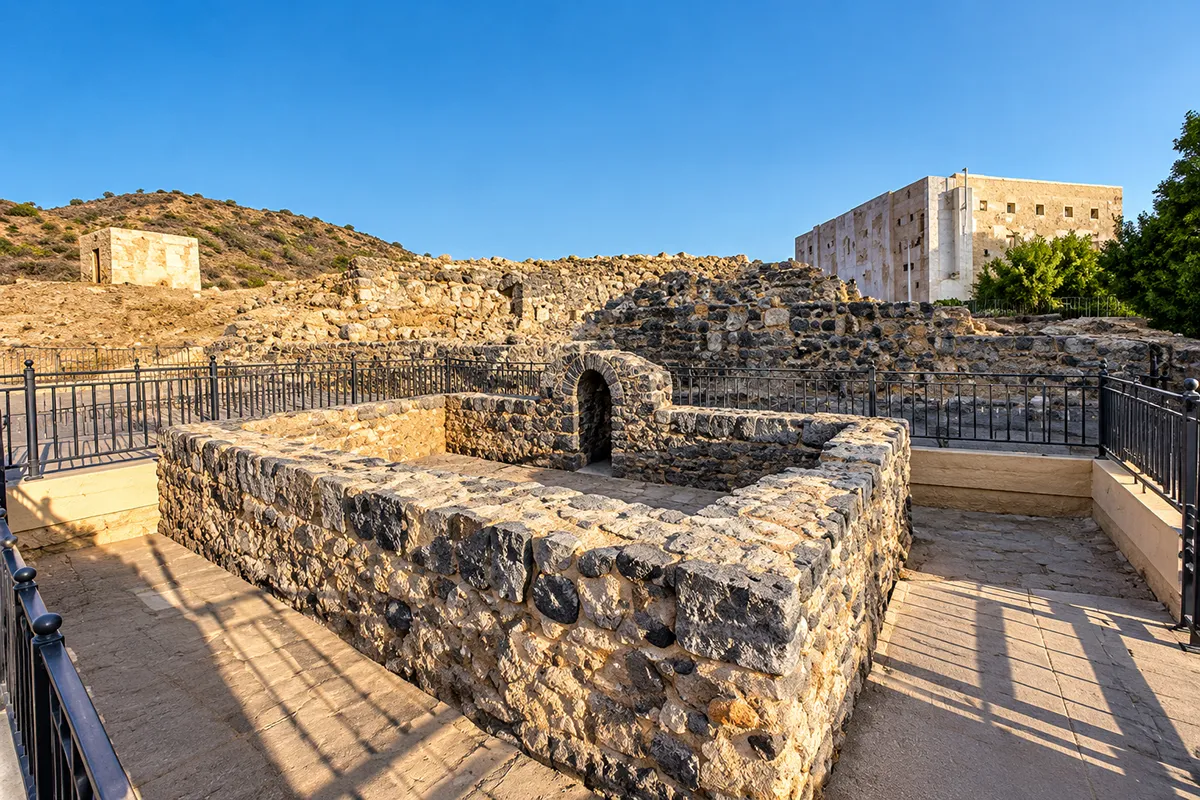
Masjid al-Ghamamah: The Cloud Mosque, 300 Metres from the Haram
One of the oldest surviving buildings in Madinah, on the open ground where Eid was prayed and rain was asked for. Most pilgrims walk straight past it.
Wadana Go Editorial · 6 min read
Umrah & Ziyarat
Masjid Fatimah al-Zahra at the Seven Mosques: One Plot, Two Names
The same walled plot at the Trench site is called both Masjid Fatimah al-Zahra and the Sa'd ibn Mu'adh Mosque. Which name has the better claim, and what is actually there.
Wadana Go Editorial · 6 min read
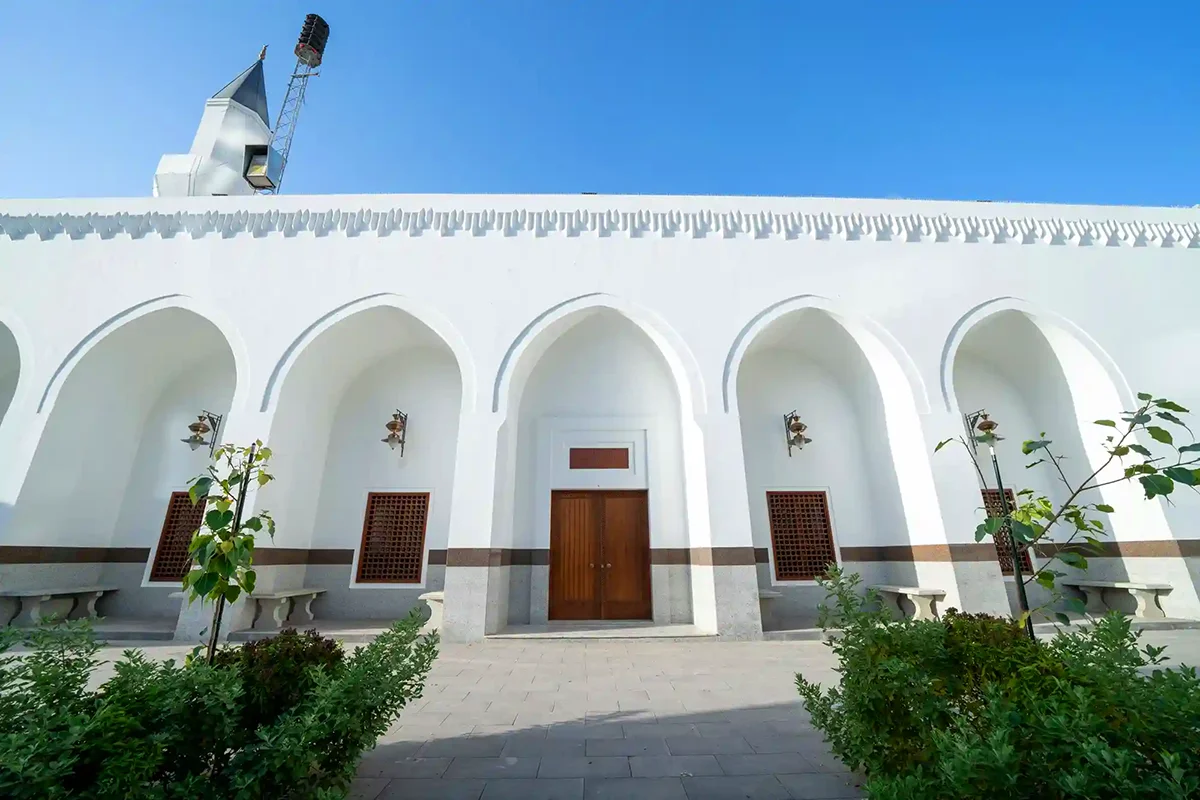
Umrah & Ziyarat
Masjid Ali ibn Abi Talib at the Seven Mosques
A small mosque on a rise above the Trench site. What is established about Ali's part in the siege, what belongs to the seerah literature, and how to visit without being sold anything.
Wadana Go Editorial · 6 min read
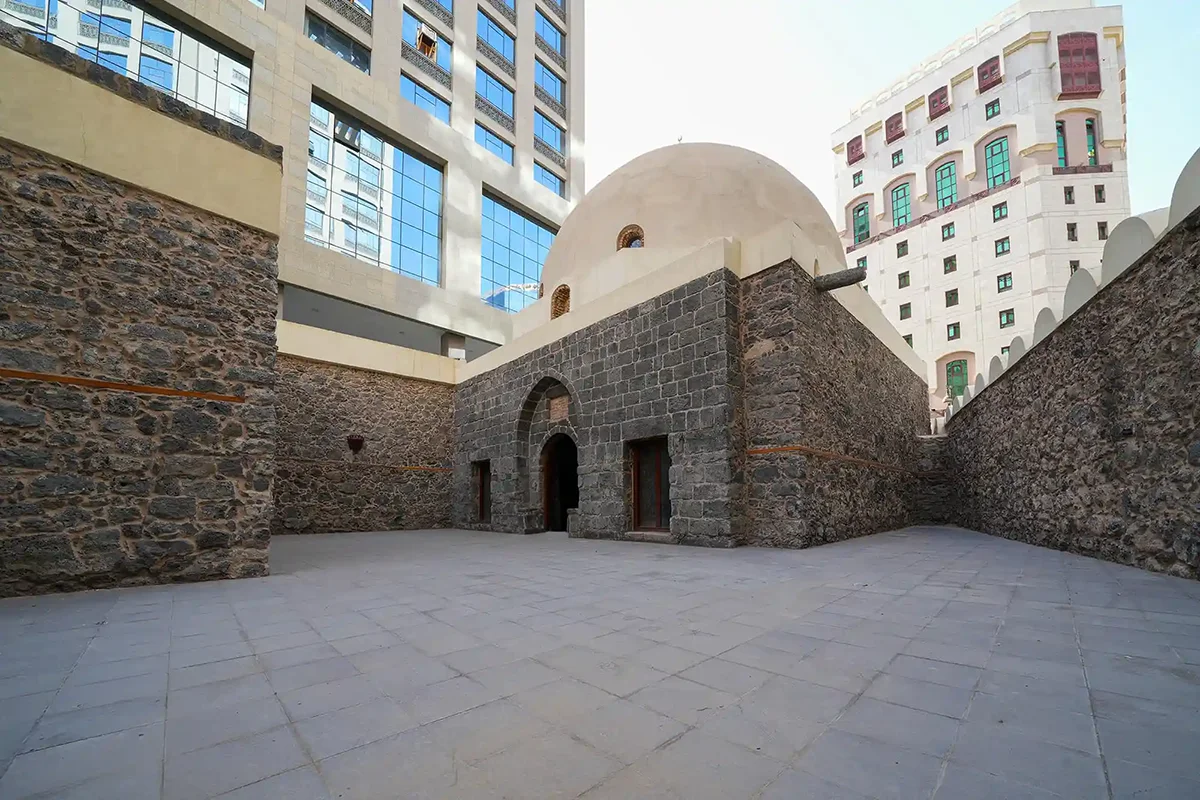
Umrah & Ziyarat
Masjid Umar ibn al-Khattab at the Seven Mosques
A small raised hall on the Trench slope, and the Bukhari report of the day Umar and the Prophet ﷺ both missed Asr and prayed it after sunset.
Wadana Go Editorial · 6 min read
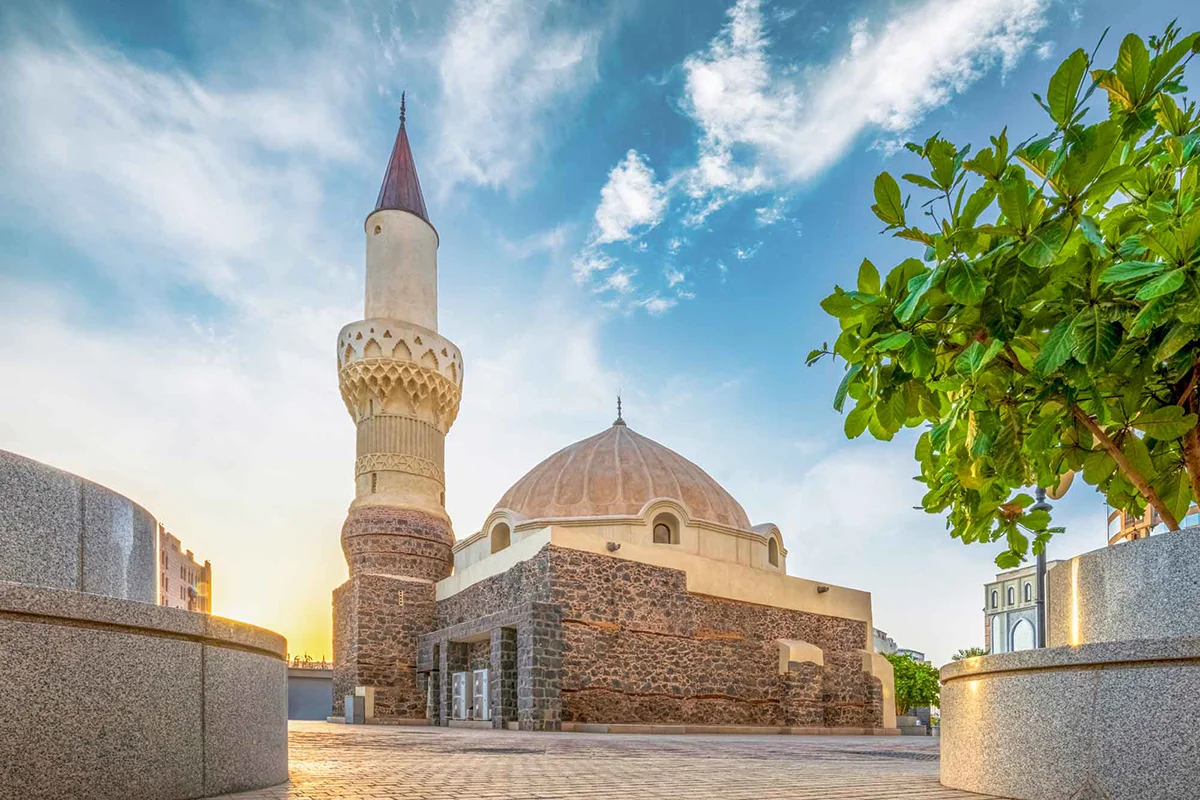
Umrah & Ziyarat
Masjid Abu Bakr al-Siddiq at the Seven Mosques: It Is No Longer There
The Abu Bakr mosque at the Trench site was demolished. A different Masjid Abu Bakr near Masjid al-Ghamamah still stands. Here is how to tell them apart.
Wadana Go Editorial · 7 min read
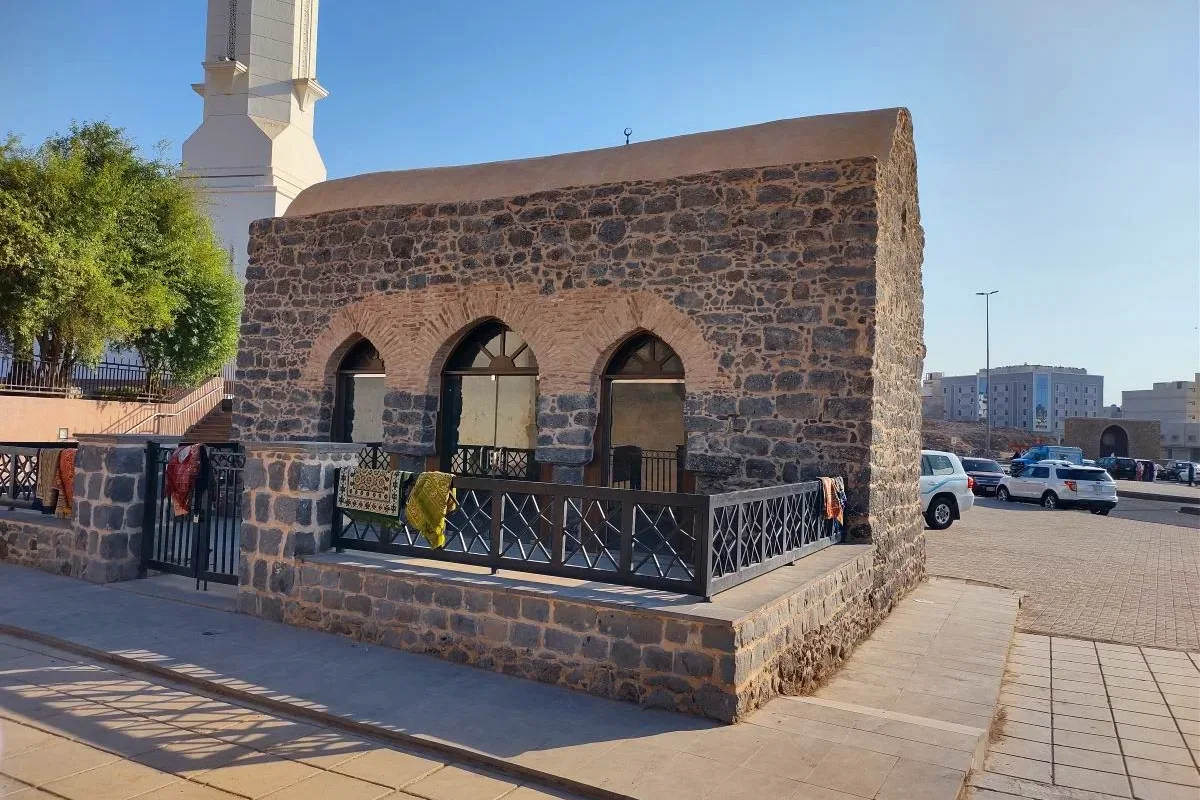
Umrah & Ziyarat
Masjid Salman al-Farsi: The Small Mosque, and the Man
One small vaulted room below Masjid al-Fath, named after a Persian former slave whose idea stopped ten thousand men at the gates of Madinah.
Wadana Go Editorial · 7 min read
Umrah & Ziyarat
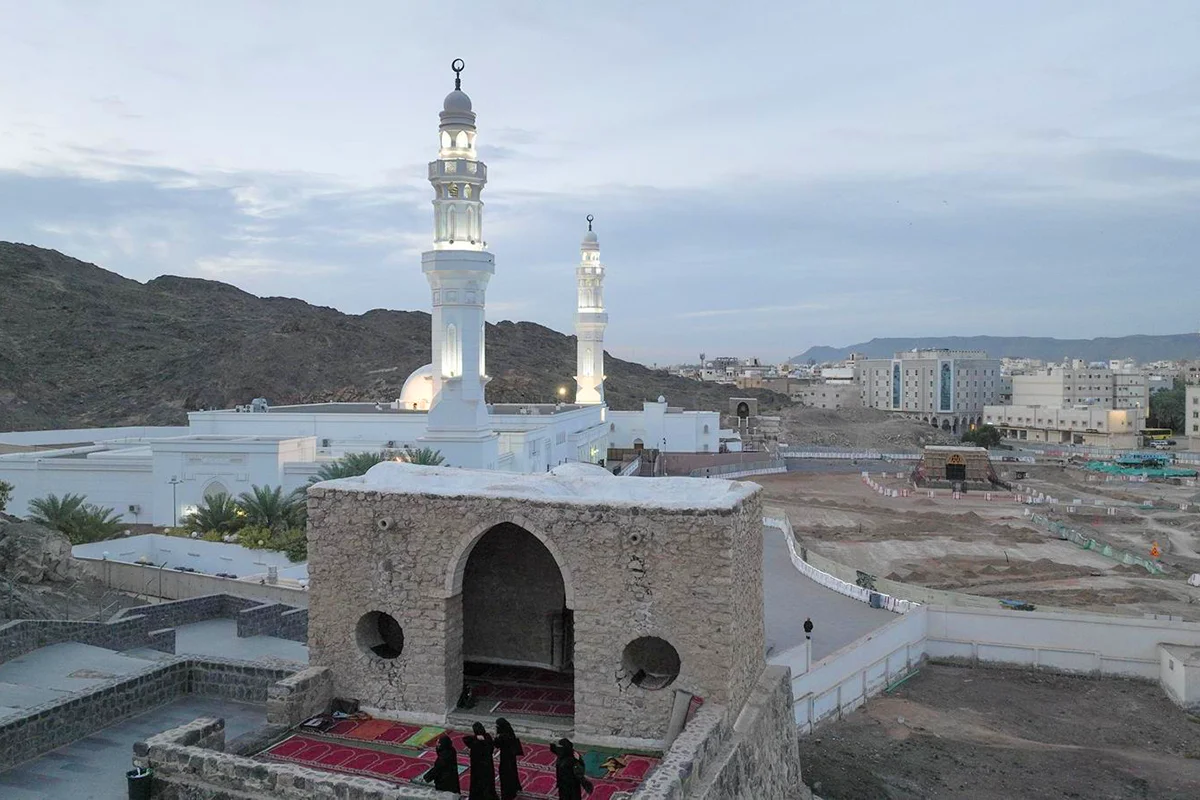
Masjid al-Fath: The Mosque Above the Trench
The largest of the Seven Mosques is about eight metres by three. What is established about the site, what is tradition, and the truth about the Wednesday du'a custom.
Wadana Go Editorial · 7 min read
Umrah & Ziyarat
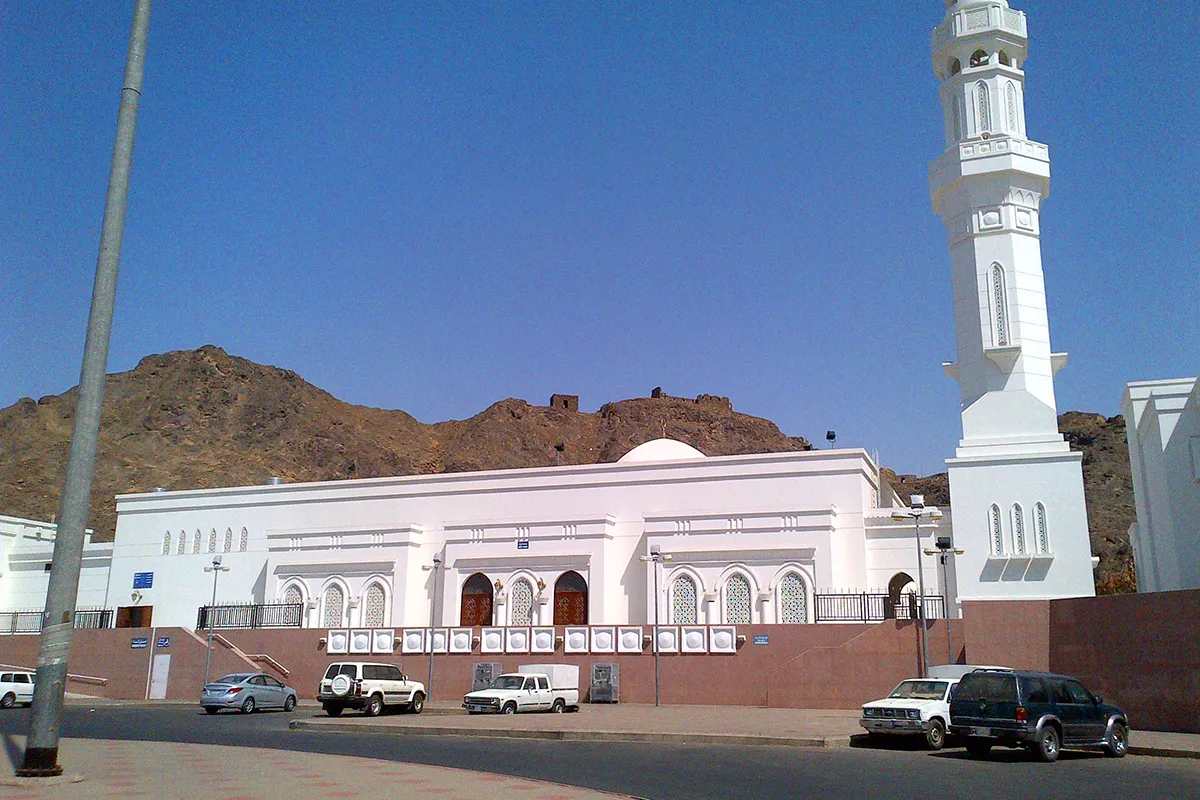
The Seven Mosques of Madinah: What They Are, and What They Are Not
There are not seven, the name is modern, and there is no circuit to perform. What actually stands on the Trench site, and how strong the evidence really is.
Wadana Go Editorial · 7 min read
Umrah & Ziyarat
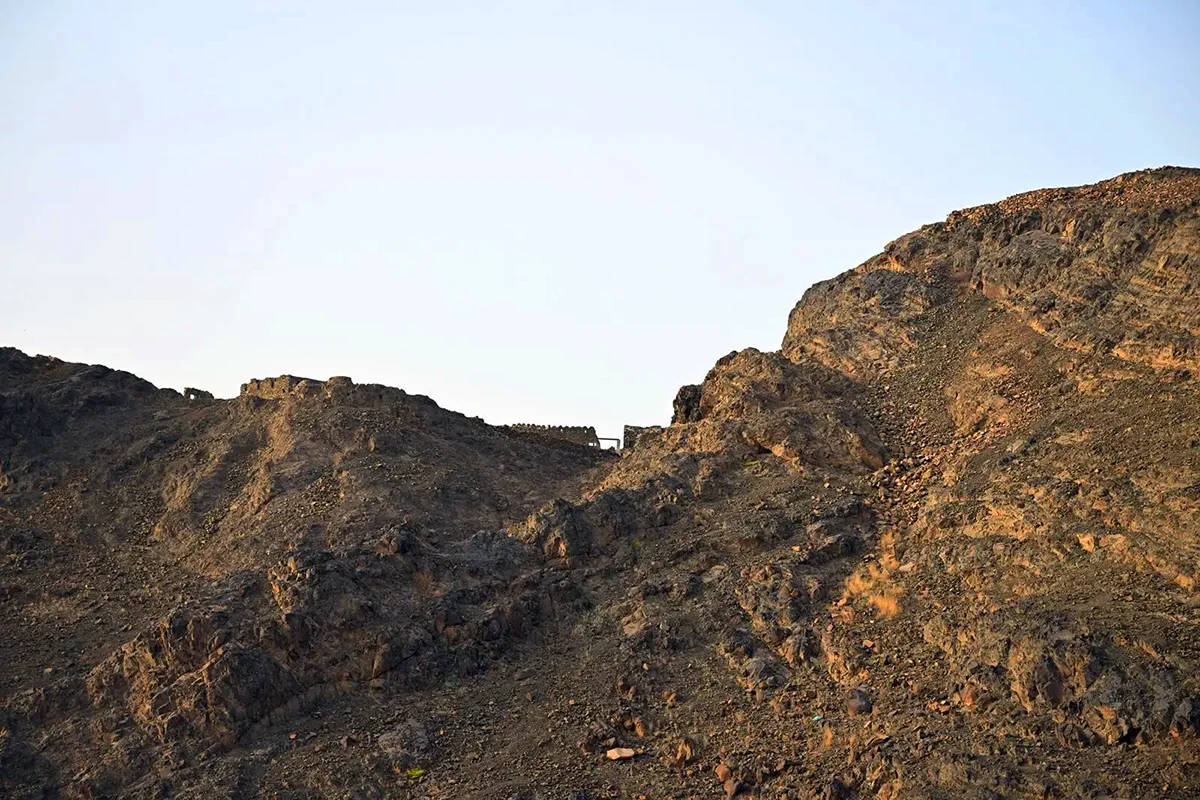
Mount Sela': The Madinah Mountain Named in Bukhari
A dark ridge five hundred metres from the Prophet's Mosque, named in the hadith of the prayer for rain and again in the story of Ka'b ibn Malik. Most visitors walk past it.
Wadana Go Editorial · 7 min read
Umrah & Ziyarat
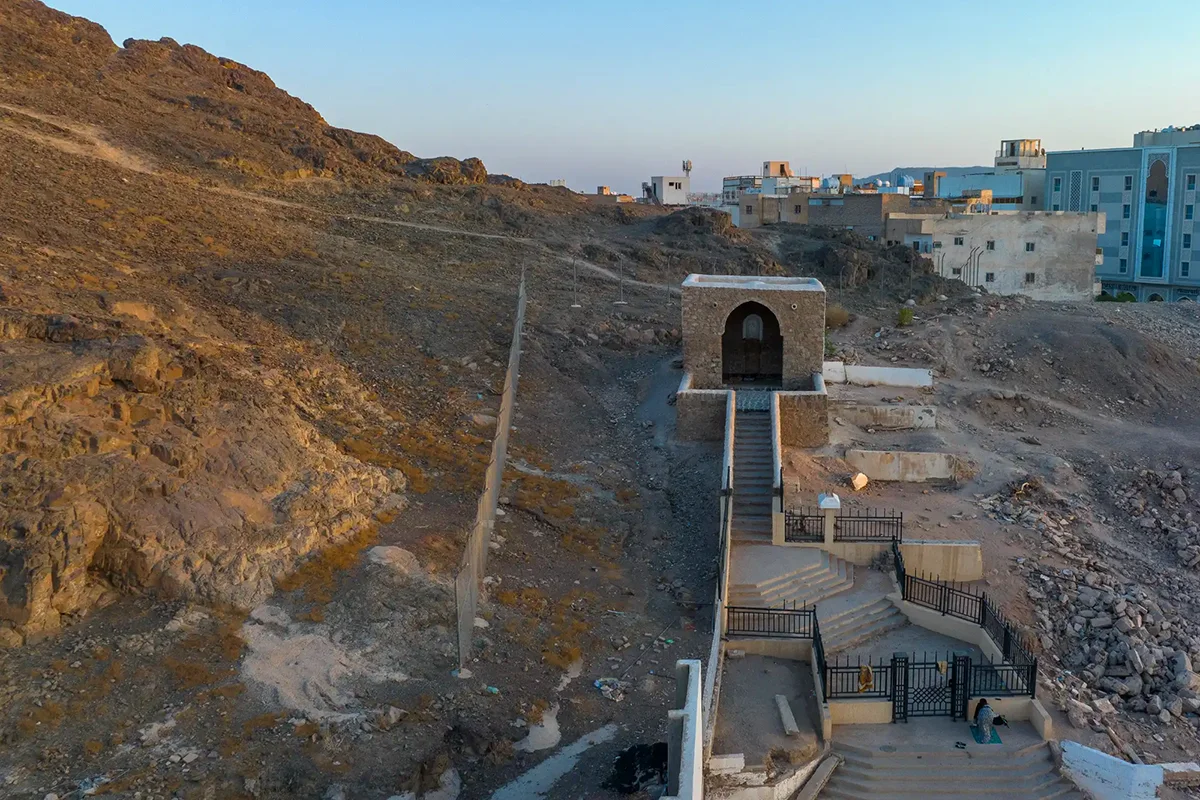
The Battle of the Trench: Where It Was, and What Is Left
Ten thousand against three thousand, and the Muslims won by digging. What happened at the Khandaq, where the trench ran, and the honest answer about what you can see today.
Wadana Go Editorial · 8 min read
Umrah & Ziyarat
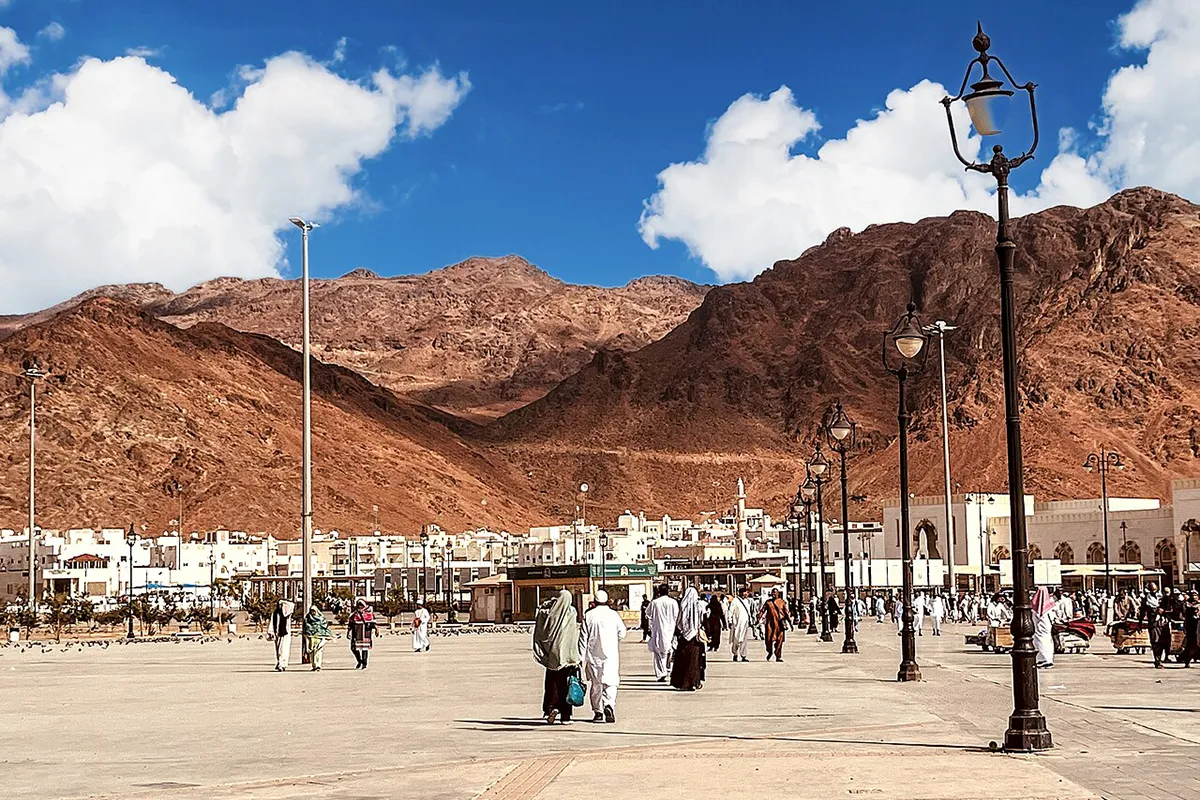
The Battle of Uhud: What Happened, and How to Read the Ground
Seven hundred against three thousand, a won battle thrown away in an afternoon, and a Qur'anic passage that names exactly what went wrong. Plus how to stand on the site and see it.
Wadana Go Editorial · 9 min read
Umrah & Ziyarat
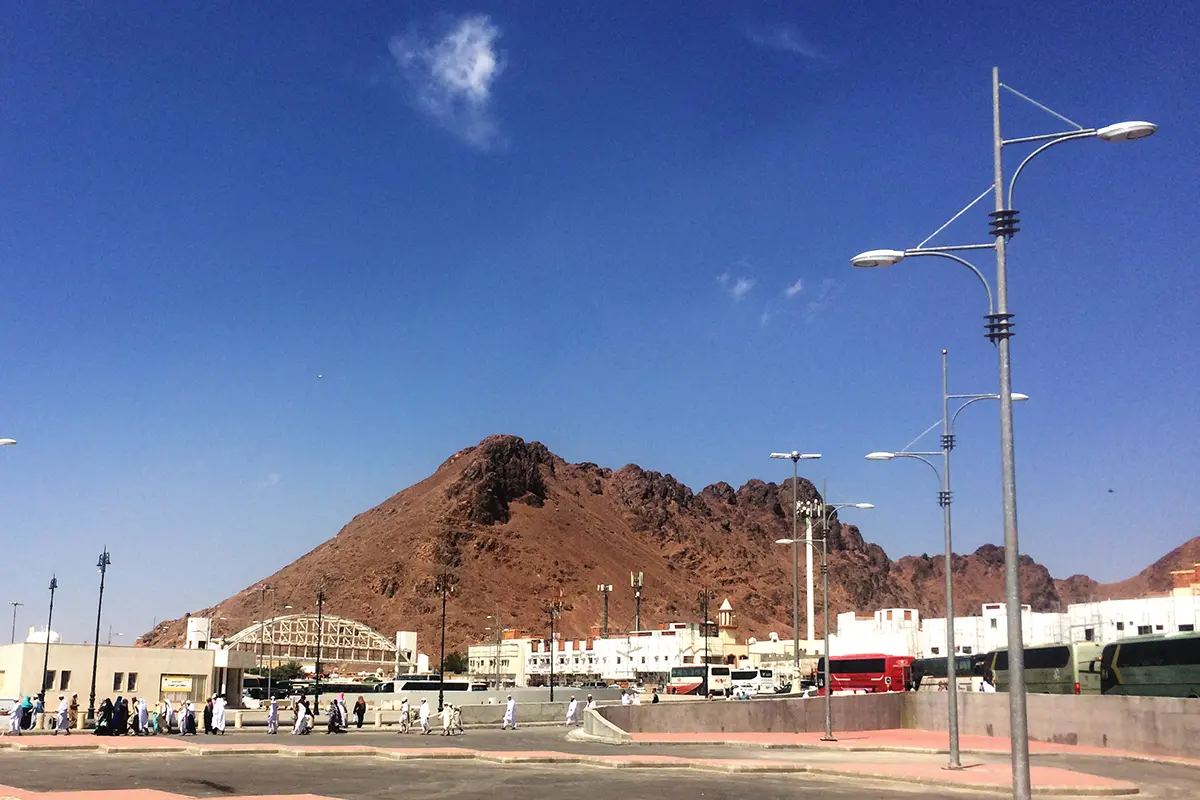
Jabal al-Rumah: The Archers' Hill at Uhud
A small hill you can walk up in a few minutes, and the clearest lesson in the whole seerah. What the archers were told, what they did, and what the Qur'an says about it.
Wadana Go Editorial · 7 min read
Umrah & Ziyarat
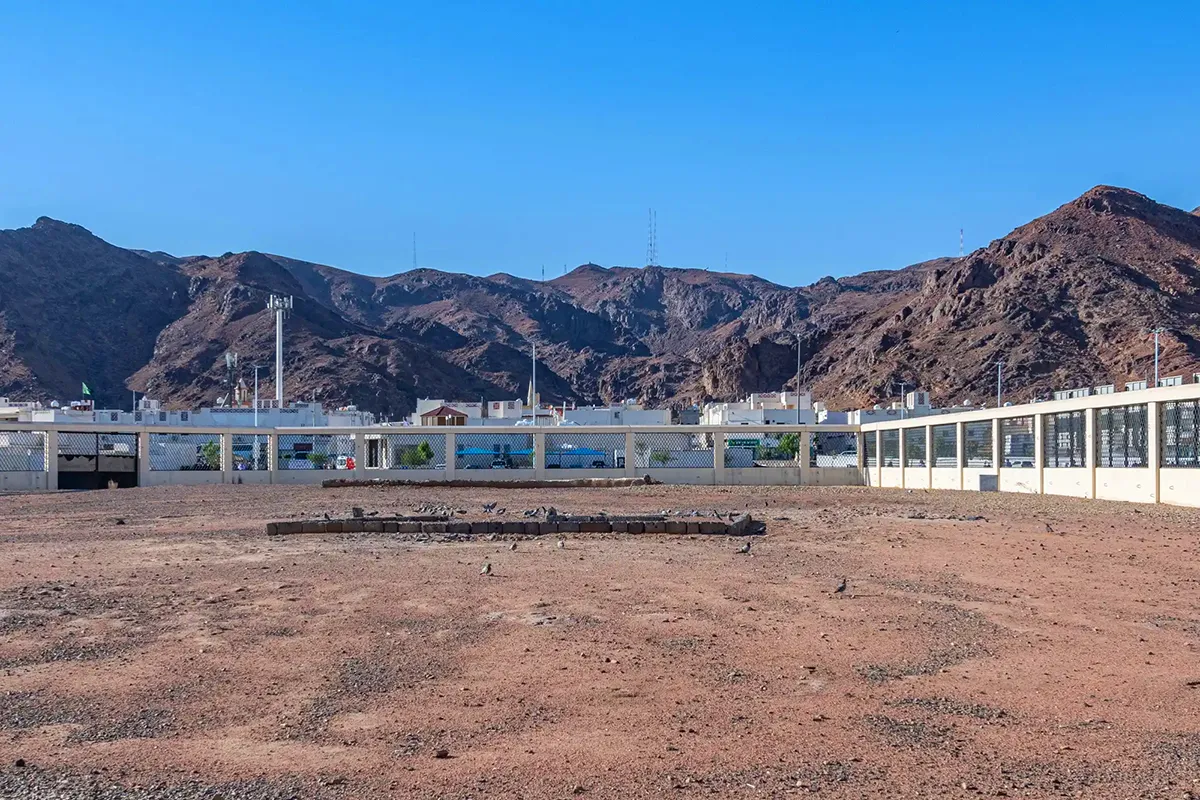
The Martyrs of Uhud: The Cemetery at the Foot of the Mountain
Seventy Companions, buried unwashed and two to a grave, with no funeral prayer that day. What Bukhari records, who lies there, and how to visit properly.
Wadana Go Editorial · 8 min read
Umrah & Ziyarat
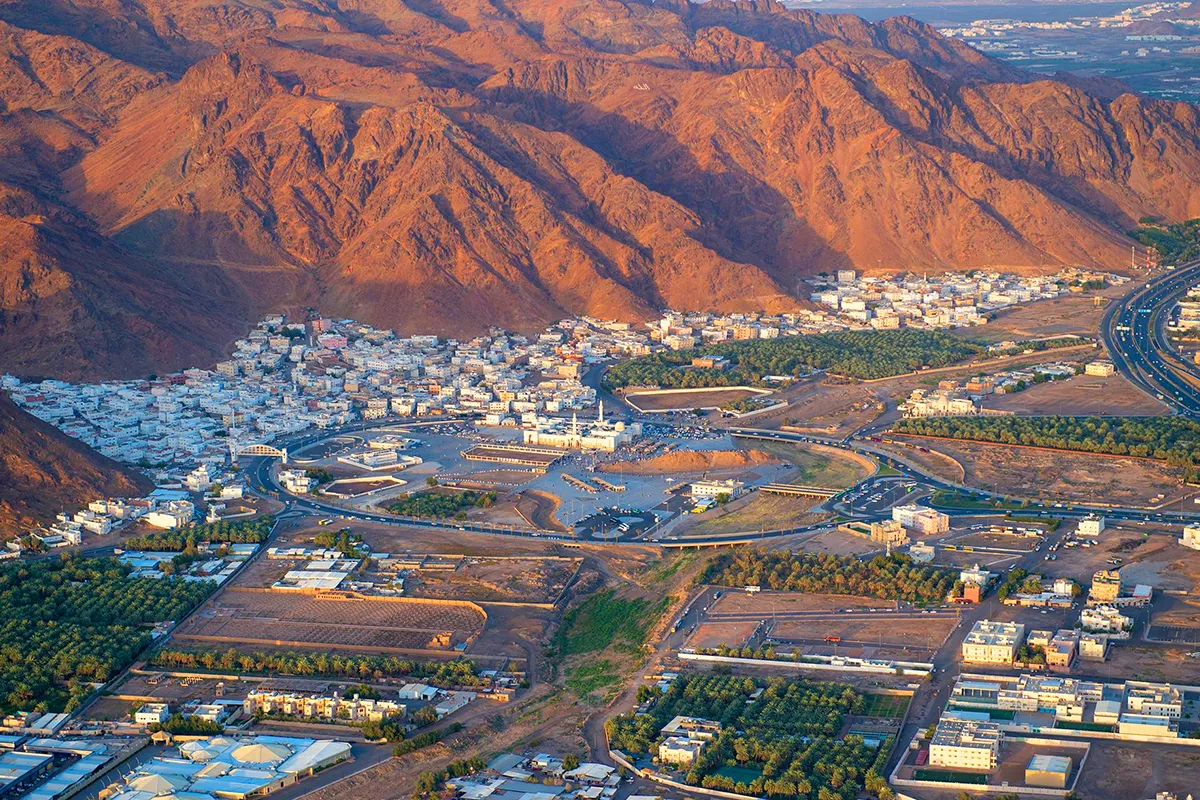
Mount Uhud: The Mountain the Prophet ﷺ Said He Loved
A red ridge four kilometres north of Madinah, the site of the battle in year three, and the folklore you should politely ignore when you get there.
Wadana Go Editorial · 8 min read
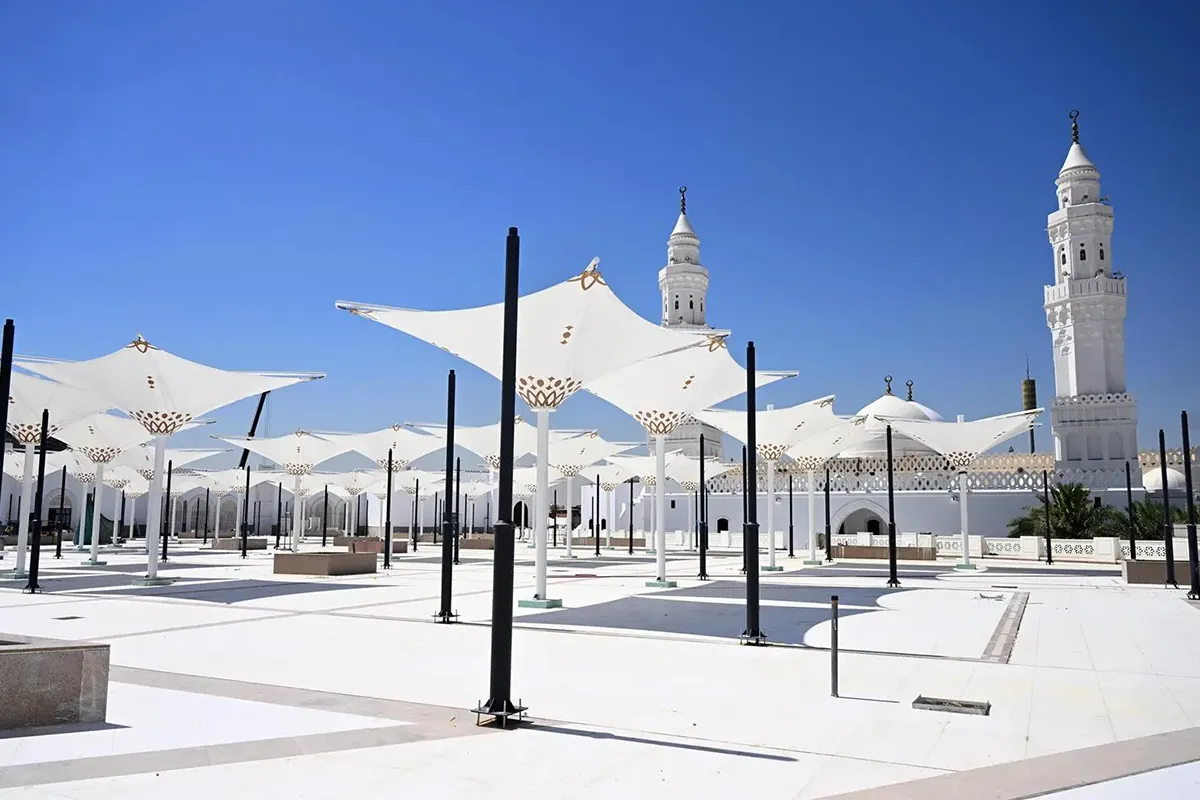
Umrah & Ziyarat
Masjid al-Qiblatayn: The Mosque of the Two Qiblas
Named for the day the direction of prayer changed. What the Qur'an establishes, what the historical sources add, and why the second mihrab is no longer there.
Wadana Go Editorial · 7 min read
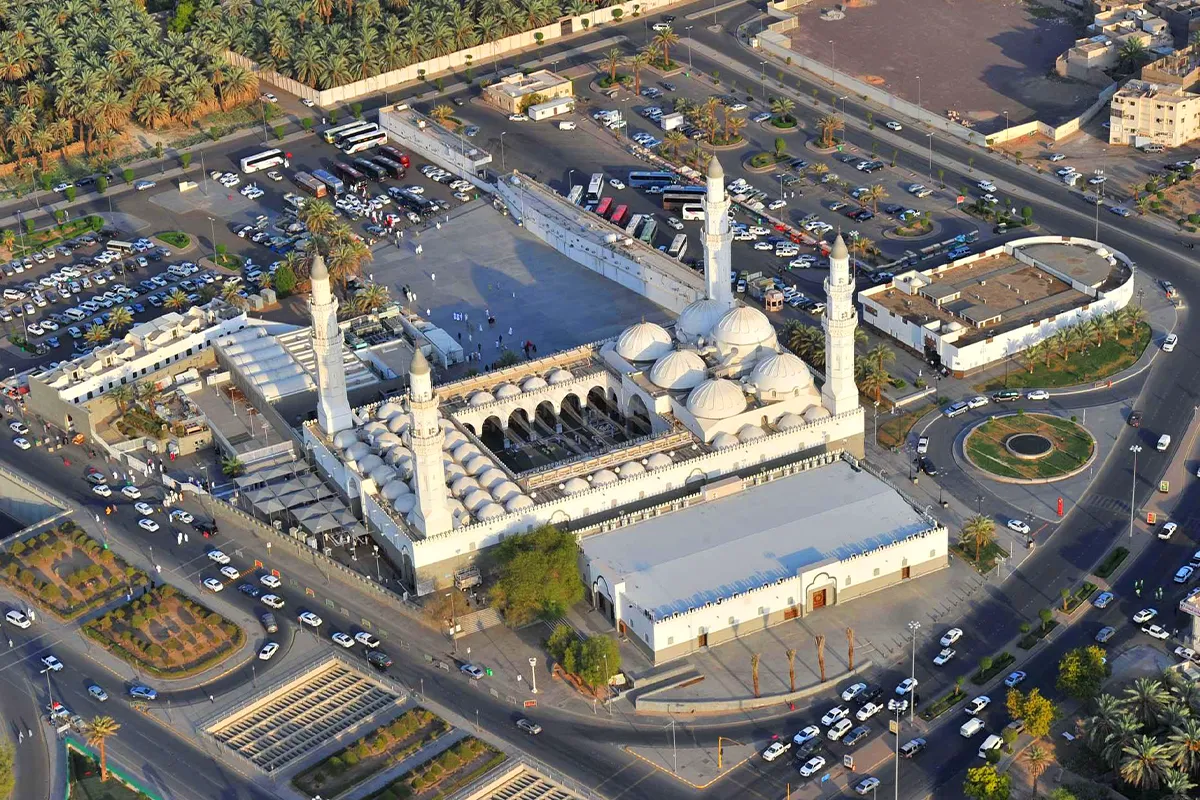
Umrah & Ziyarat
Masjid Quba: The First Mosque in Islam, and the Reward for Praying There
A sound hadith gives the reward of an Umrah for two rak'ahs at Quba, with one condition most visitors miss. The evidence, the new expansion, and how to visit properly.
Wadana Go Editorial · 8 min read
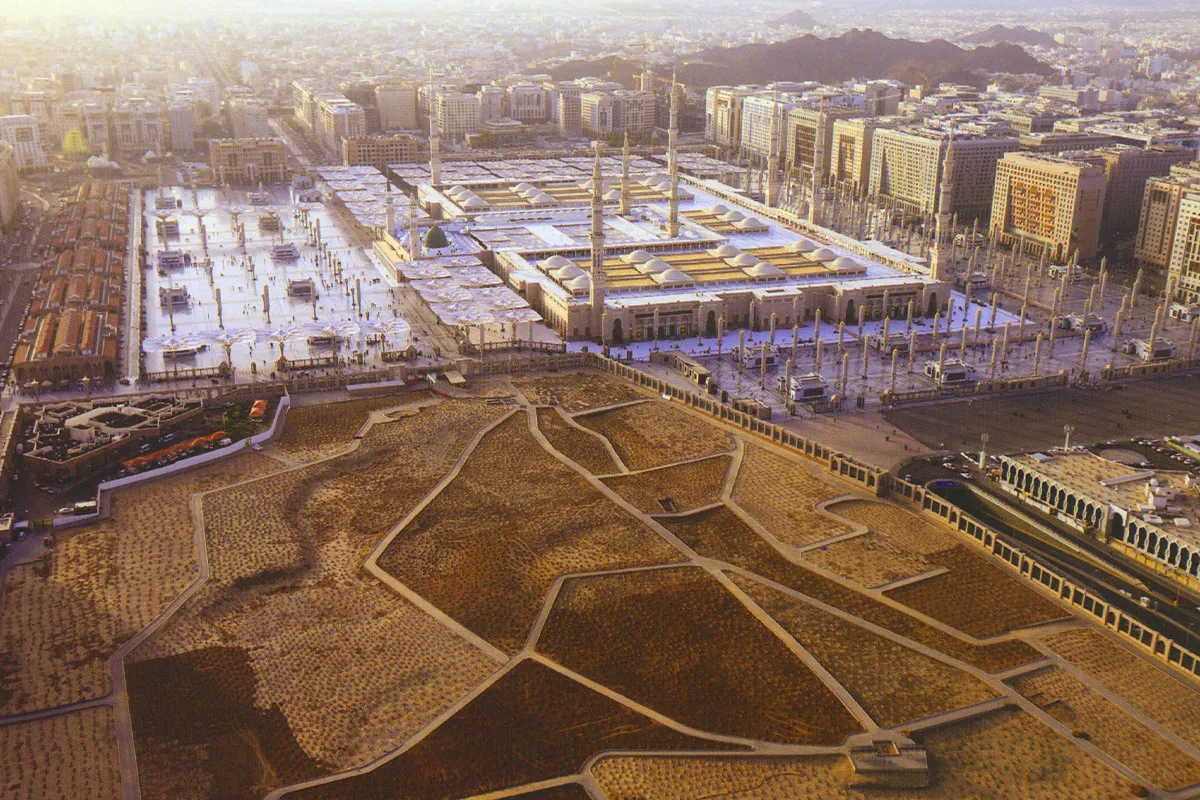
Umrah & Ziyarat
Jannat al-Baqi: The Cemetery Beside the Prophet's Mosque
A field of plain stones east of Masjid an-Nabawi holding around ten thousand Companions. Why nothing is marked, what the Prophet ﷺ taught about visiting graves, and how to go.
Wadana Go Editorial · 8 min read
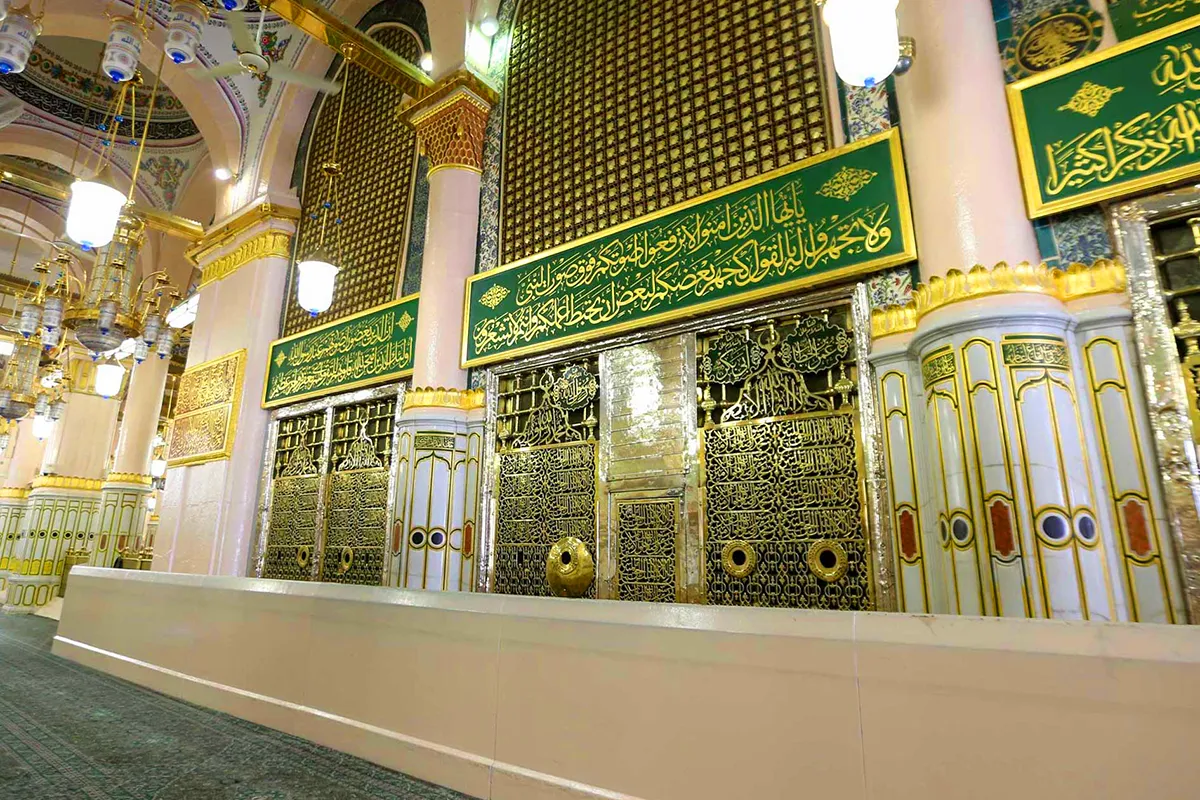
Umrah & Ziyarat
The Prophet's Chamber in Madinah: What Is There, and How to Visit
Three graves behind walls with no doors. What the chamber actually is, how a house ended up inside the mosque, and how to give salam without being pushed or confused.
Wadana Go Editorial · 9 min read
Umrah & Ziyarat
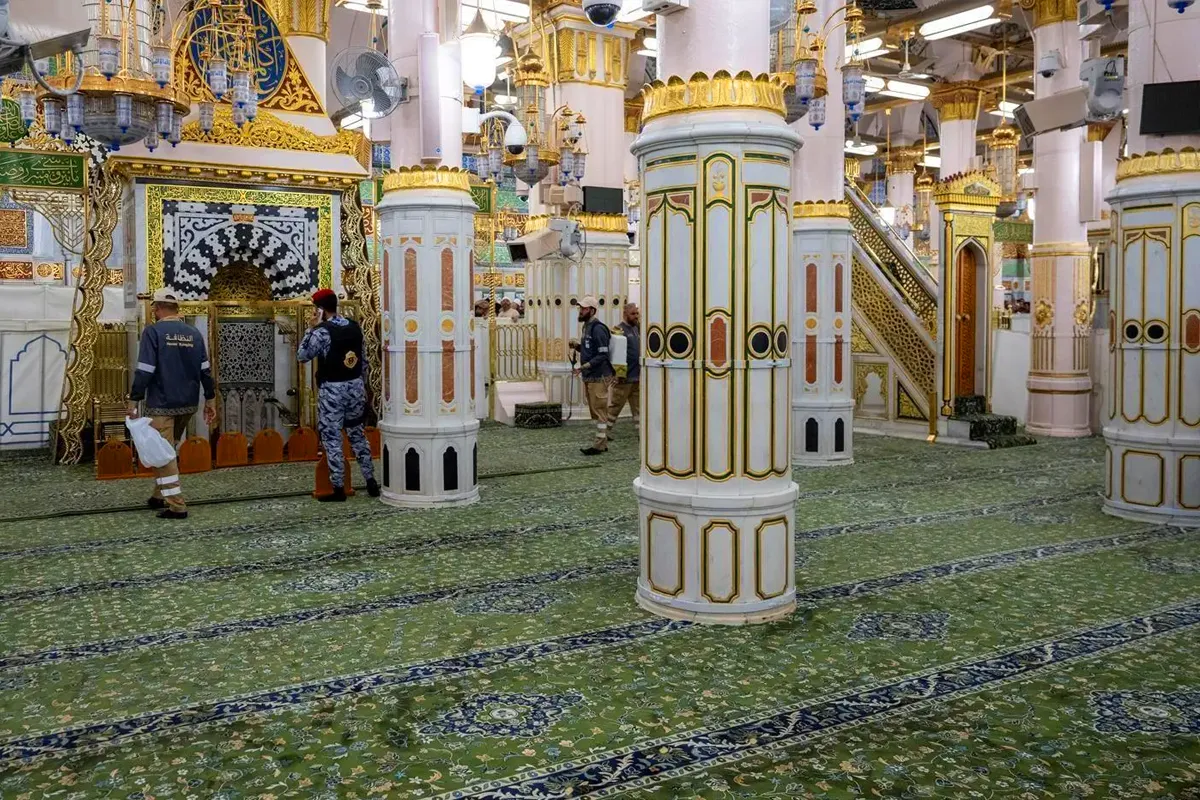
Al-Rawdah al-Sharifah: What It Is, and How to Get a Permit
A strip of floor the size of a tennis court, named in an authentic hadith as a garden from the gardens of Paradise. The evidence, the Nusuk permit, and what nobody tells you about the pillars.
Wadana Go Editorial · 8 min read
Umrah & Ziyarat
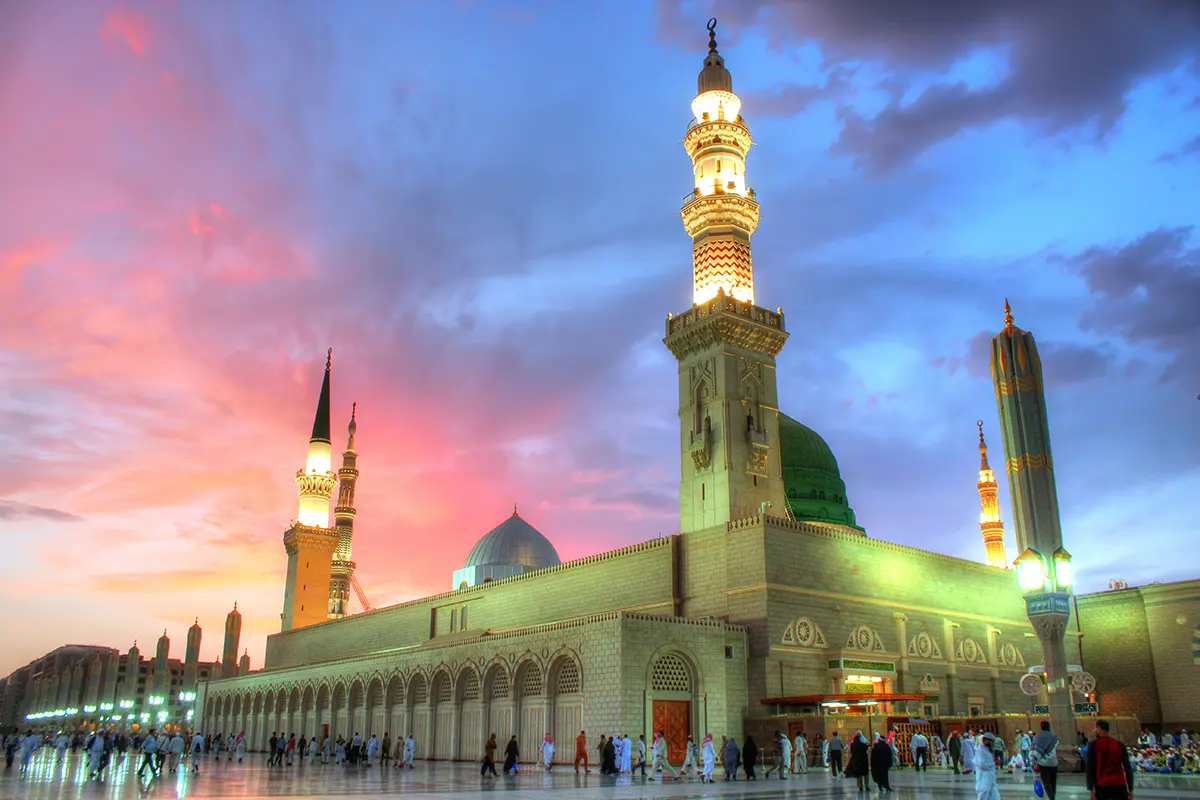
Masjid an-Nabawi: The Prophet's Mosque, Explained for Visitors
From a thousand square metres of mud brick and palm trunks to a mosque holding two million. The authentic hadith, the Rawdah, the truth about the forty prayers, and how to visit calmly.
Wadana Go Editorial · 12 min read
Umrah & Ziyarat
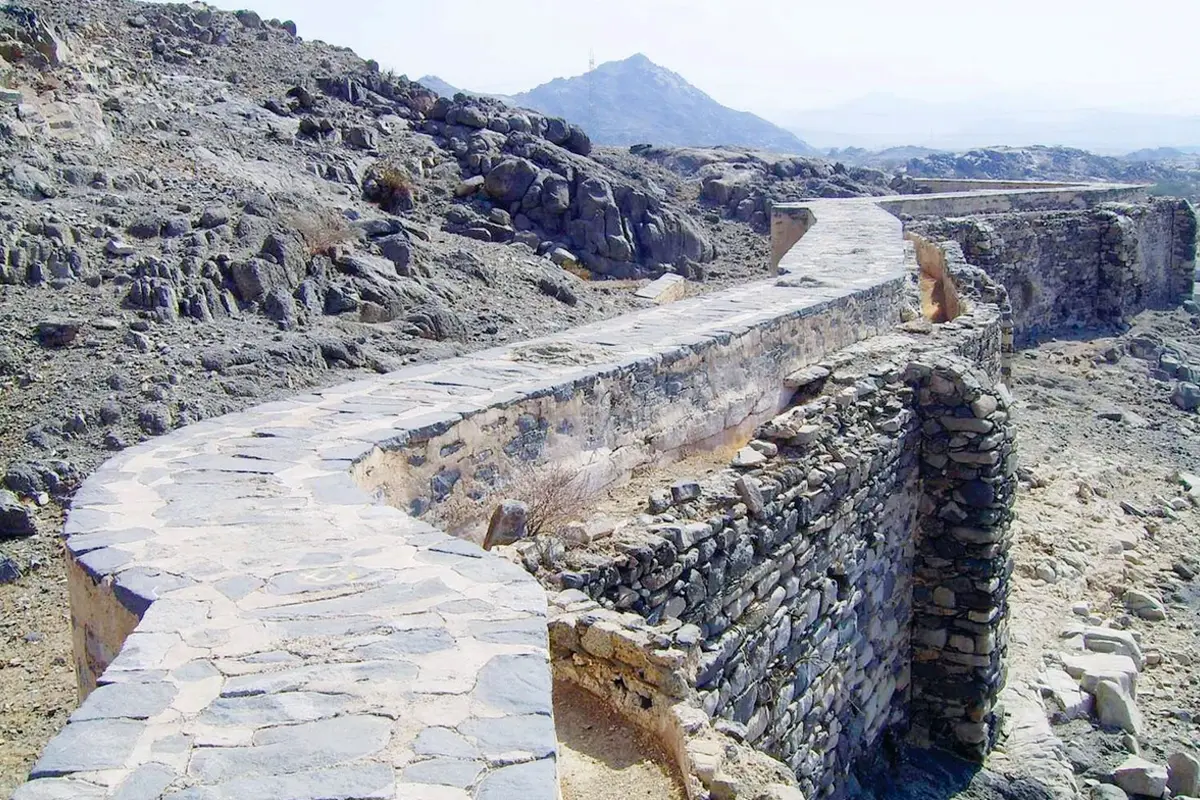
Ayn Zubaydah: The Water Channel That Supplied Hajj for 1,200 Years
An Abbasid queen paid to cut an underground channel from the hills to Arafat so pilgrims would find water. It worked for twelve centuries, and part of it still stands.
Wadana Go Editorial · 8 min read
Umrah & Ziyarat
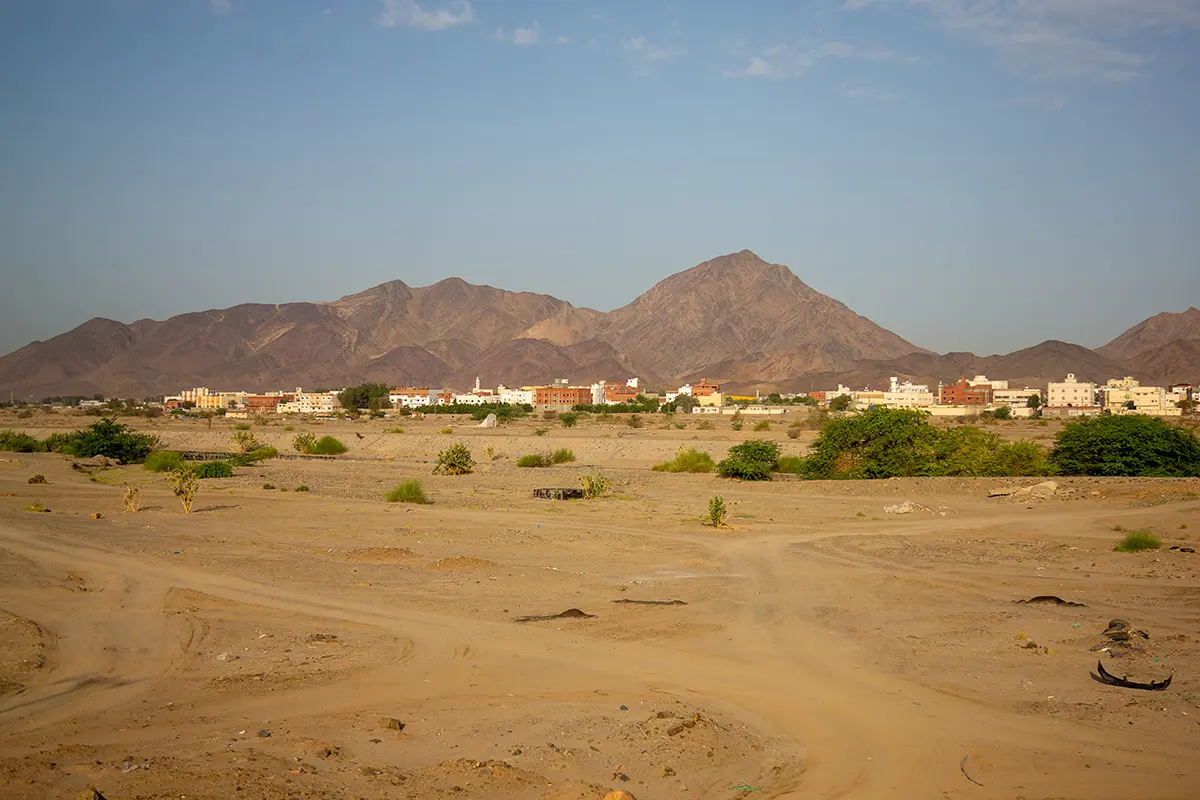
Wadi Fatimah: The Valley the Old Pilgrim Roads Ran Through
Known in the seerah as Marr al-Zahran, this 210 km valley between Jeddah and Makkah was a Hajj station, a caravan crossroads, and the place the army camped before Makkah was taken.
Wadana Go Editorial · 8 min read
Umrah & Ziyarat
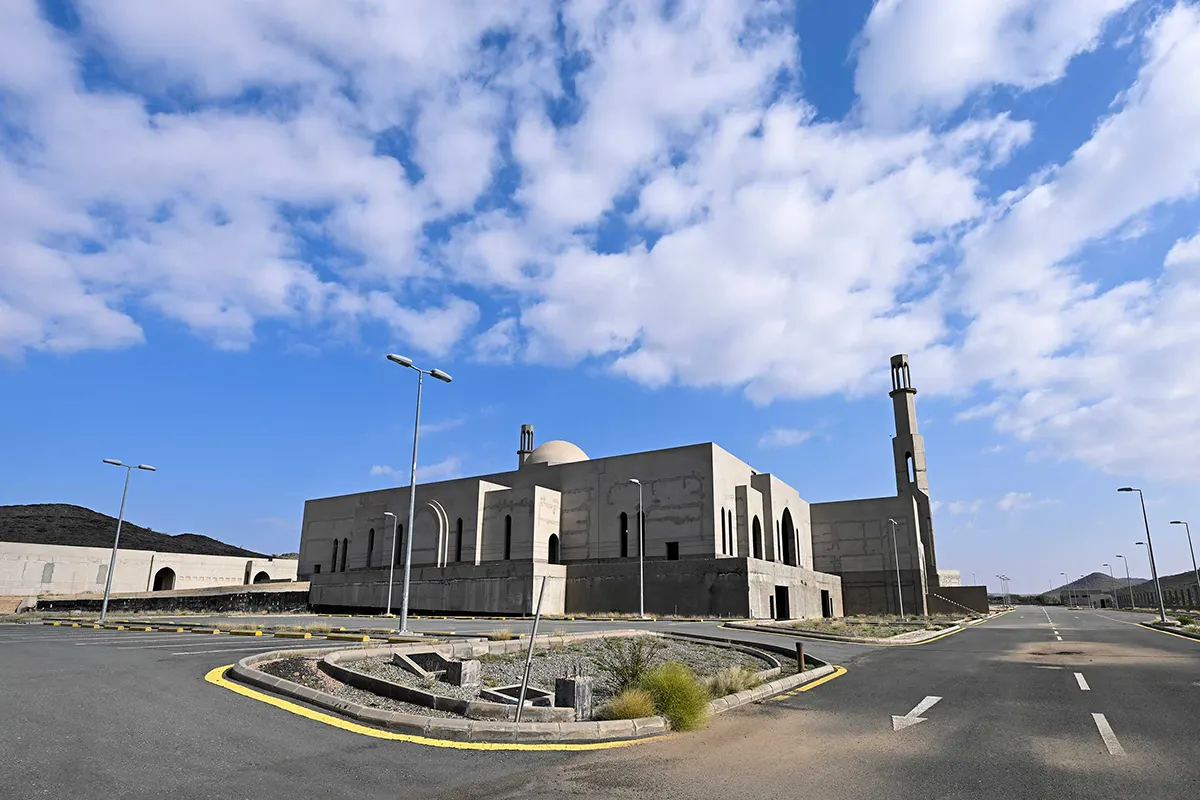
Dhat 'Irq Miqat: The Ihram Point on the Old Iraqi Pilgrim Road
Ninety kilometres northeast of Makkah, on a road that once carried the caravans of Kufa and Basra. Who fixed Dhat 'Irq as a miqat, where it is, and who needs it today.
Wadana Go Editorial · 9 min read
Umrah & Ziyarat
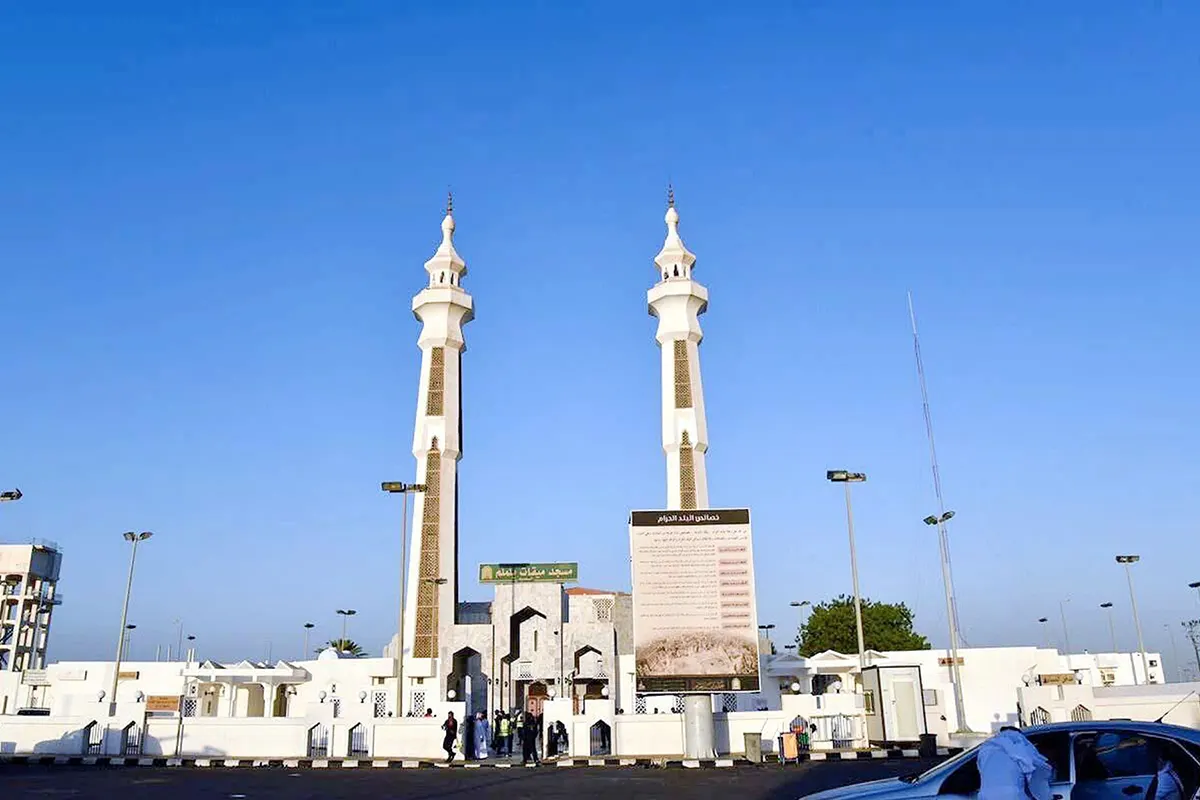
Yalamlam Miqat: The Ihram Point for Pilgrims Coming from the South
The miqat the Prophet ﷺ named for the people of Yemen. Where Yalamlam is, why pilgrims now stop at the al-Sa'diyah Mosque instead, and who actually needs it.
Wadana Go Editorial · 9 min read
Umrah & Ziyarat
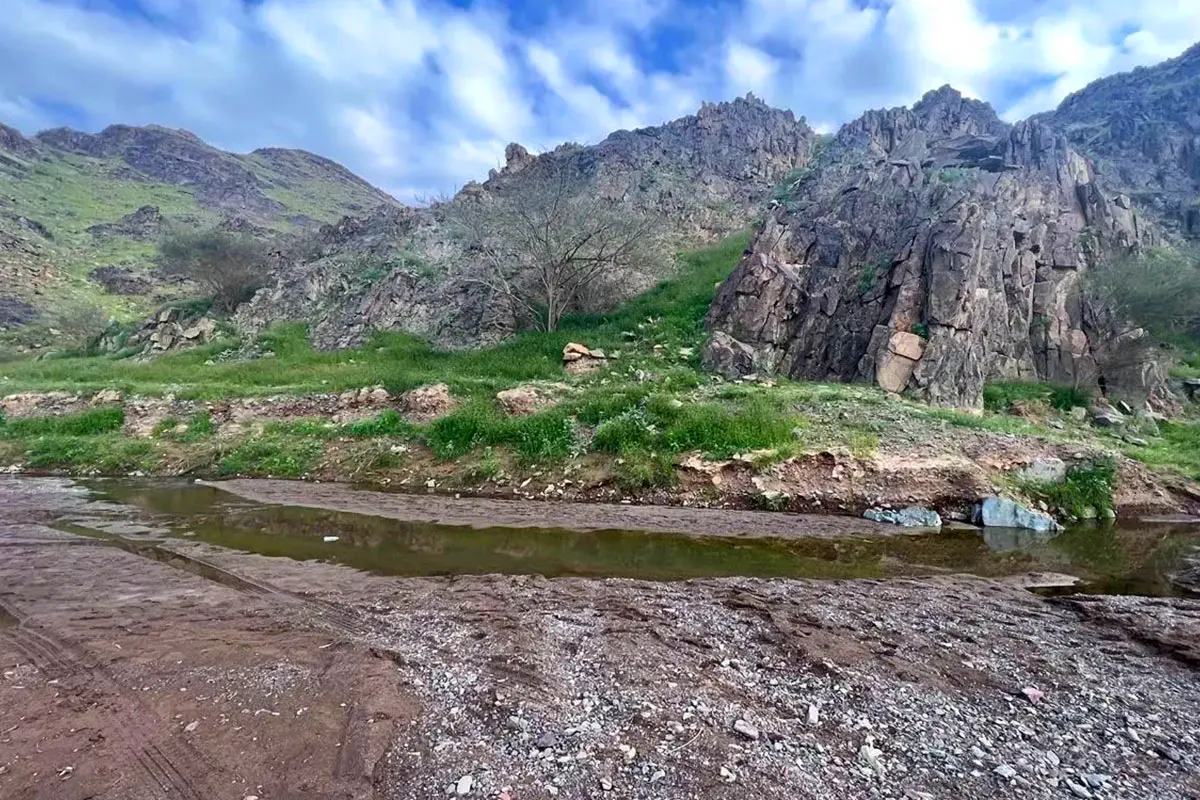
Mount Jamdan: The Hill Where the Prophet ﷺ Spoke About the Mufarridun
A bare mountain on the old road north of Makkah, named in a hadith of Sahih Muslim. What was said there, where it is, and why you do not need to visit it to benefit from it.
Wadana Go Editorial · 7 min read
Umrah & Ziyarat
Umm Ma'bad's Tent: The Best Description We Have, and How Firm It Is
A woman outside a tent on the Hijrah road gave the fullest physical description of the Prophet that survives. The report is widely loved and less than fully settled, and the site itself is not established at all.
Wadana Go Editorial · 8 min read
Umrah & Ziyarat
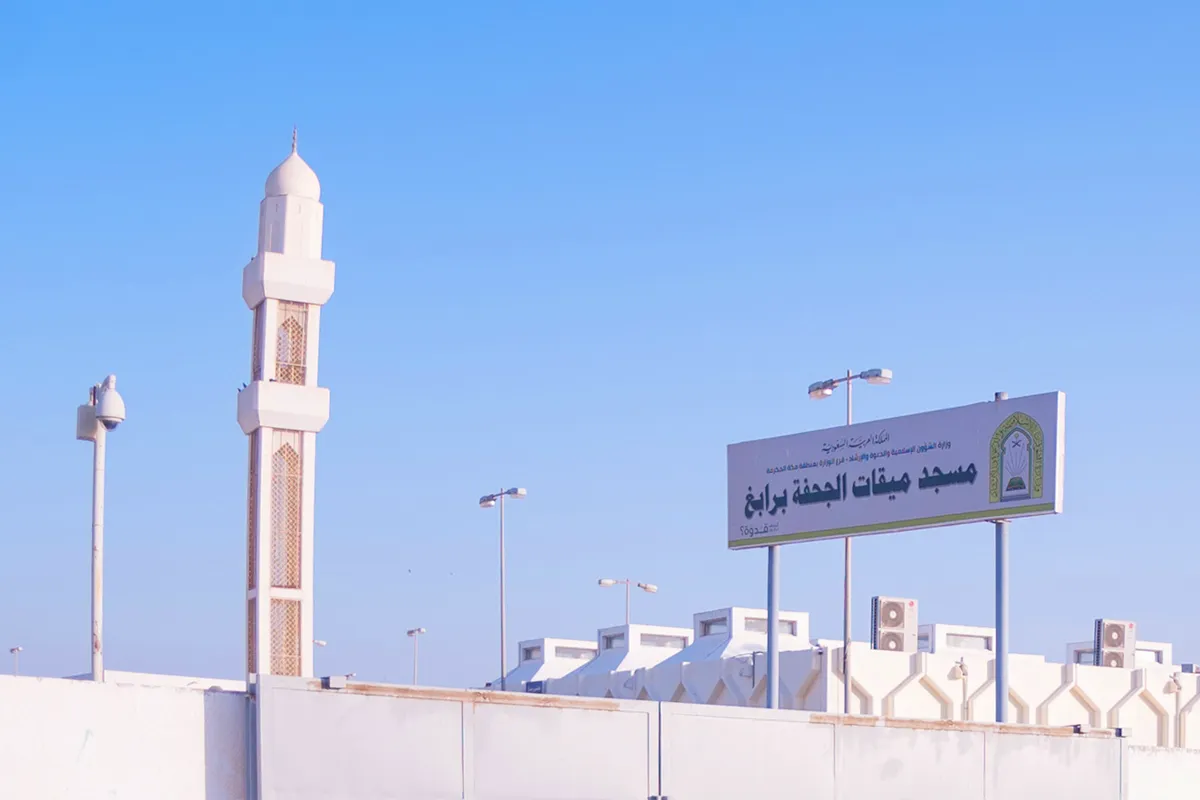
Rabigh: The Modern Miqat That Replaced al-Juhfah
The miqat almost everyone on the northern road actually uses, and a good example of how Islamic law handles a named place that has stopped being usable.
Wadana Go Editorial · 7 min read
Umrah & Ziyarat
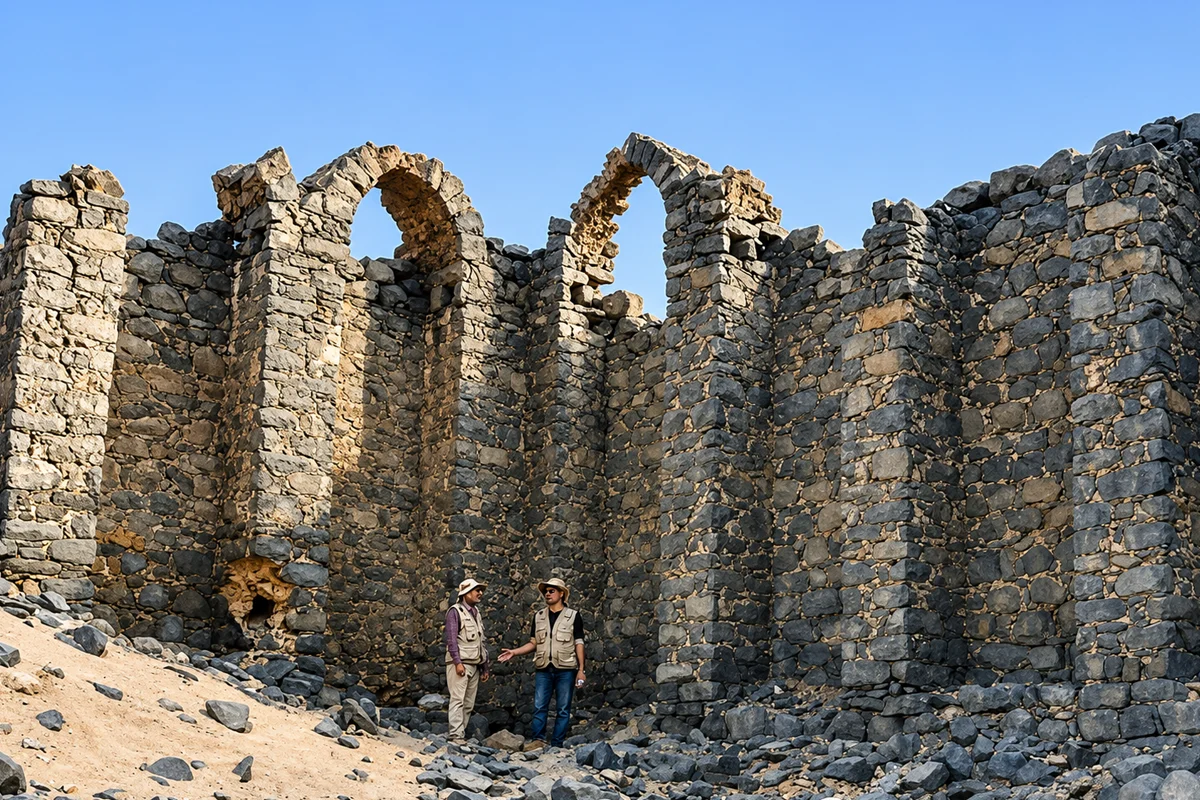
Al-Juhfah: The Miqat That Became a Ruin
One of the five miqats named by the Prophet, and the only one that has effectively been abandoned. Its name comes from a flood that swept its people away, and archaeology has found a walled city with a fortress and a water system.
Wadana Go Editorial · 9 min read
Umrah & Ziyarat
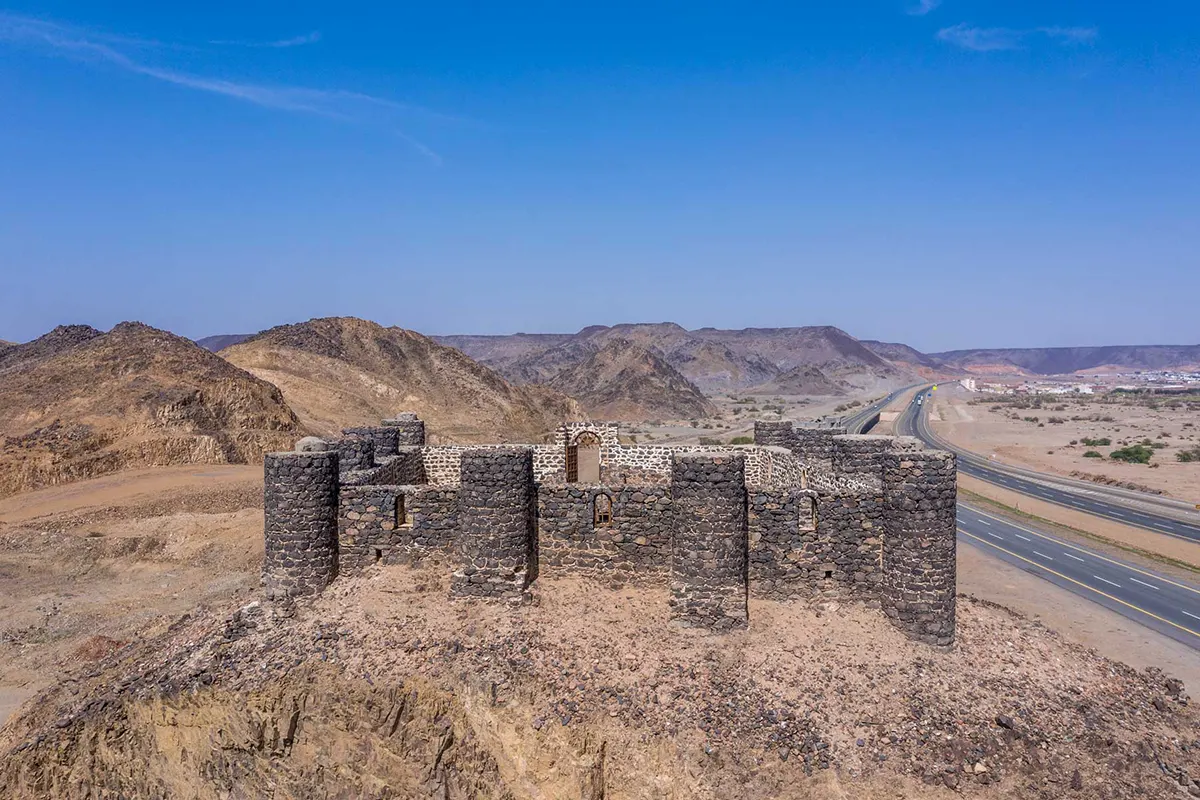
Usfan: A Fortress on the Pilgrim Road, and the Prayer of Fear
A small square fort on a low hill, one of a chain built to protect pilgrims on the road between the two cities. It is also the place named in the hadith where the prayer of fear was performed.
Wadana Go Editorial · 8 min read
Umrah & Ziyarat
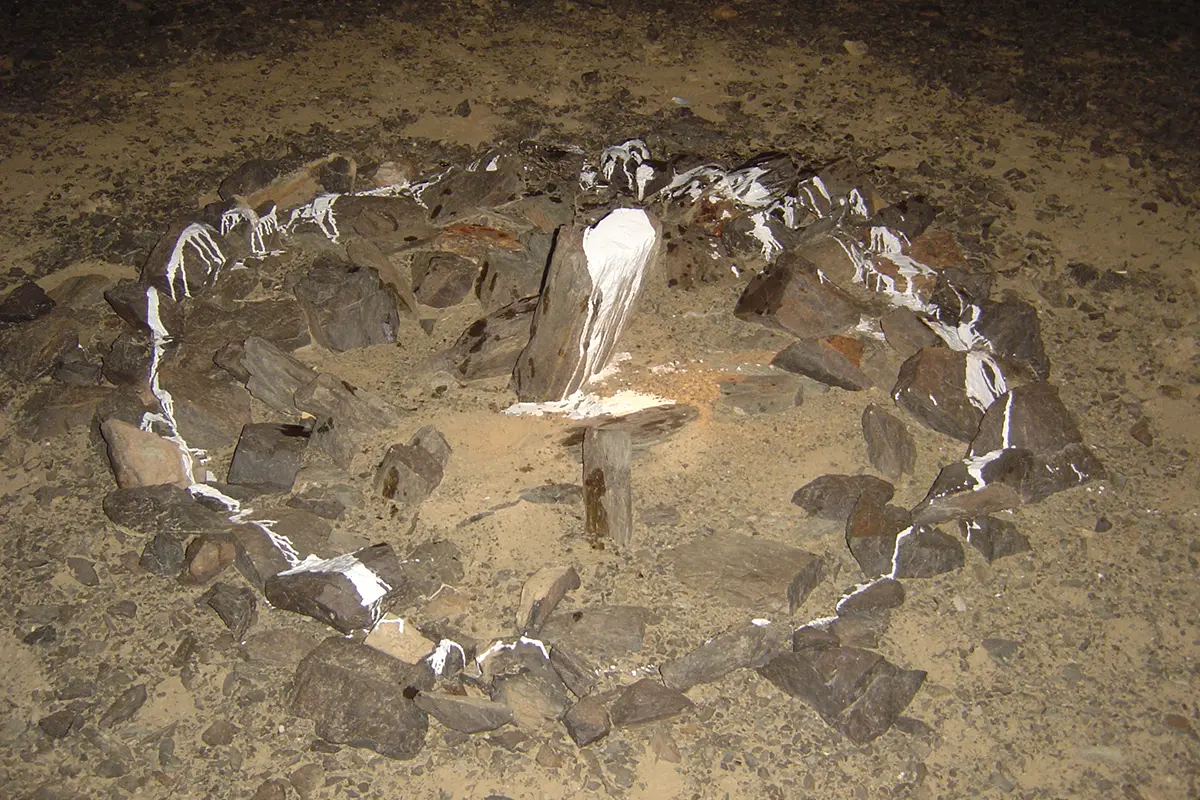
Al-Abwa: The Village Where the Prophet's Mother Was Buried
A village on the old road between the two cities, and the place the early sources give for the grave of the Prophet's mother. It is also where a gift was refused in a way that teaches the rules of ihram.
Wadana Go Editorial · 8 min read
Umrah & Ziyarat
The Hijrah Route: How the Prophet Actually Got From Makkah to Madinah
Eight days or so, on a deliberately wrong road, with a hired guide who was not a Muslim. Here is the route as the sources give it, which stops are firm, and which are only tradition.
Wadana Go Editorial · 11 min read
Umrah & Ziyarat
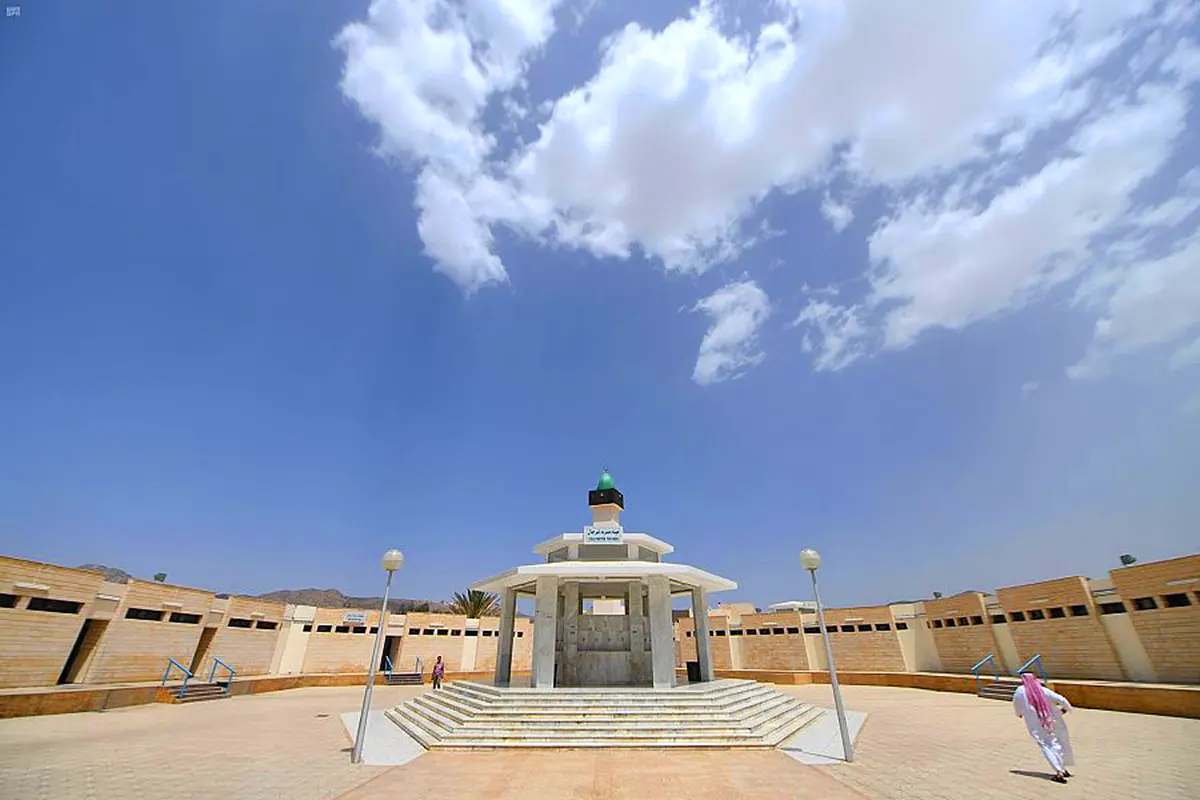
Wadi Muharram Miqat: The One the Scholars Designated, Not the Prophet
Two thousand metres up on the al-Hada escarpment, and the highest miqat in the country. It is also not one of the five the Prophet named, which is a distinction worth understanding rather than glossing over.
Wadana Go Editorial · 7 min read
Umrah & Ziyarat
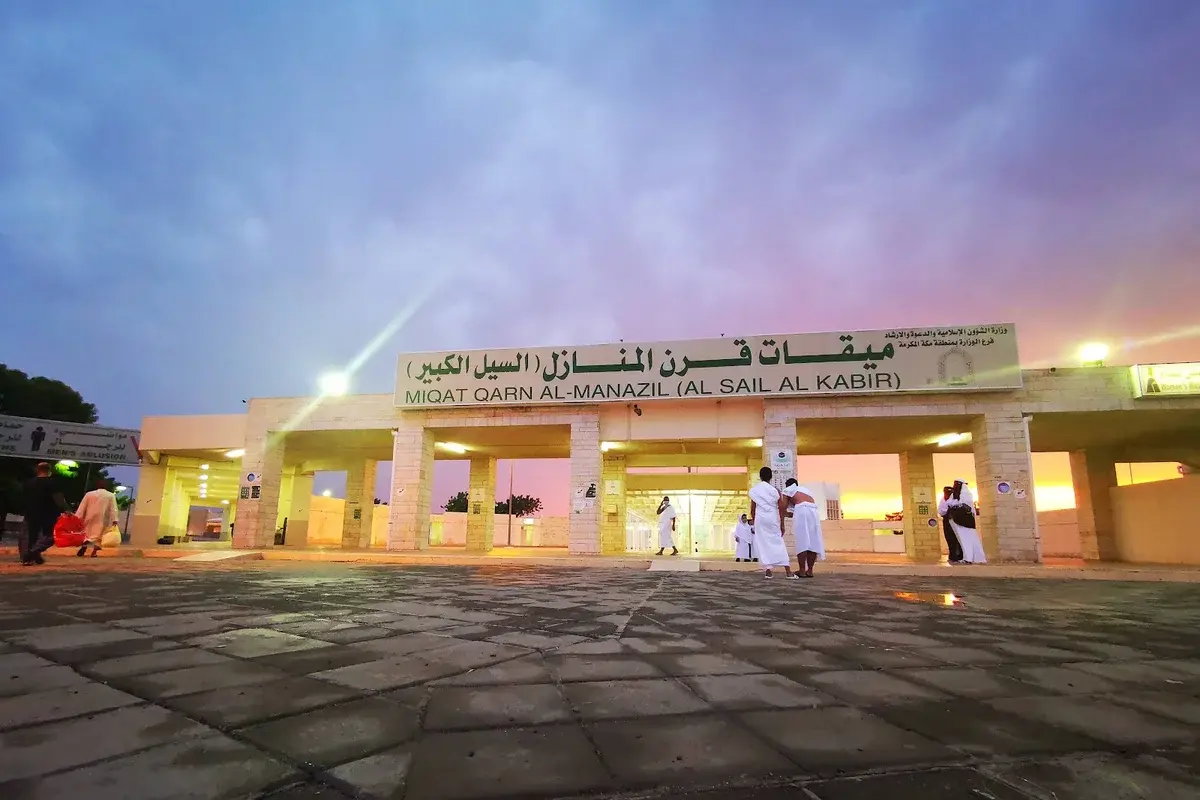
Qarn al-Manazil (Al-Sayl al-Kabir): The Miqat on the Taif Road
One of the five boundary points the Prophet named. If you are coming from Riyadh, the Gulf or the Eastern Province by road, this is where your Umrah actually begins.
Wadana Go Editorial · 8 min read
Umrah & Ziyarat
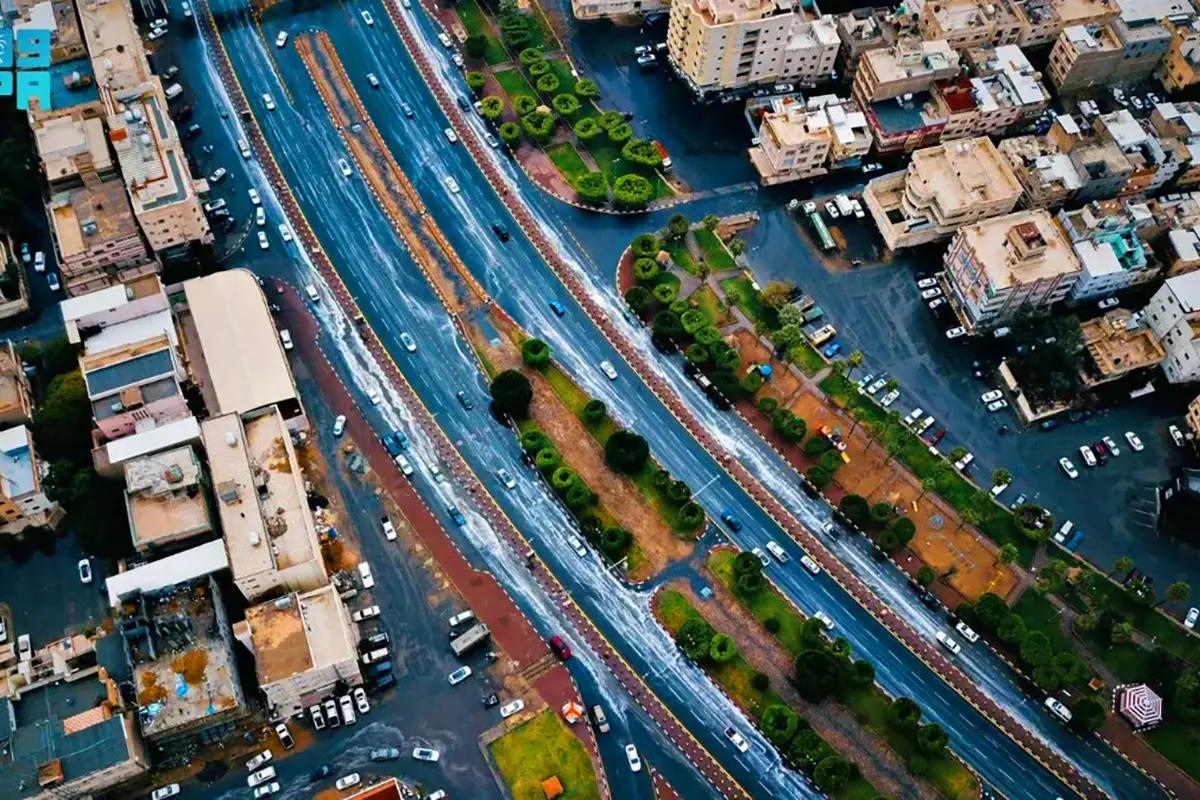
Wadi Wajj, Taif: The Valley That Made the City, and a Disputed Hadith
The reason Taif has orchards and roses while the country around it is bare. There is also a hadith about the valley's sanctity, and it needs handling honestly, because it is graded weak.
Wadana Go Editorial · 8 min read
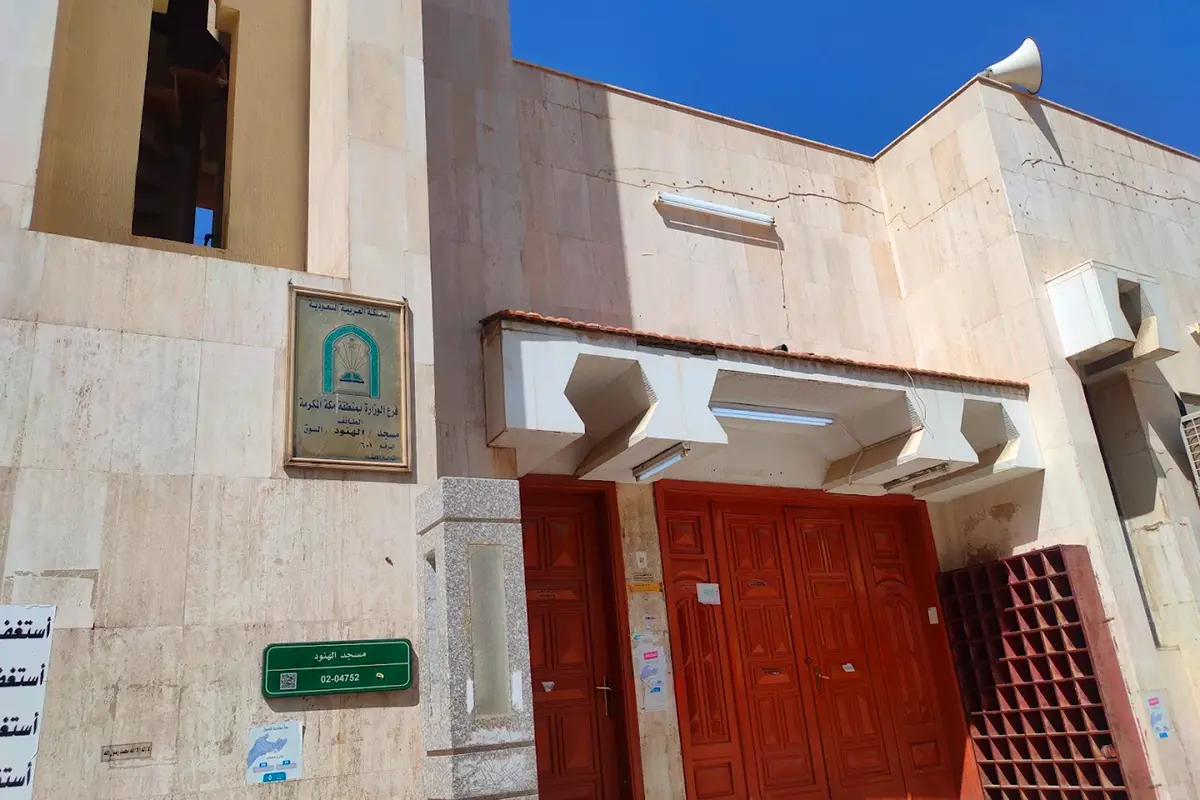
Umrah & Ziyarat
Al-Hunud Mosque, Taif: The Mosque Named for Pilgrims From India
A mosque in central Taif whose name means the Indians. Whatever the exact history, the name points at something real: Taif was a way-station on a pilgrim route that ran halfway across the world.
Wadana Go Editorial · 7 min read
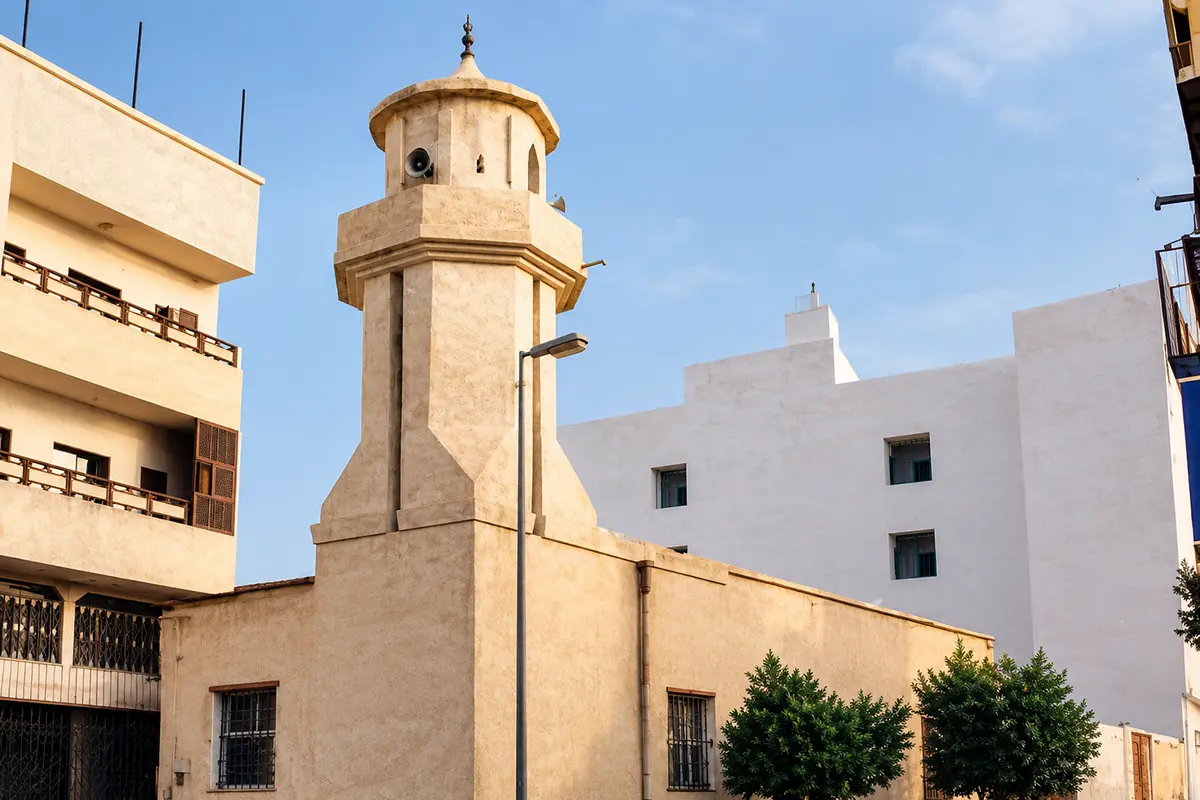
Umrah & Ziyarat
Al-Mahjoub Mosque, Taif: Old, Restored, and Honestly Documented
A mosque in a residential quarter of Taif, listed by Saudi sources among the city's oldest. No dramatic story attached, and that is worth a page of its own.
Wadana Go Editorial · 7 min read
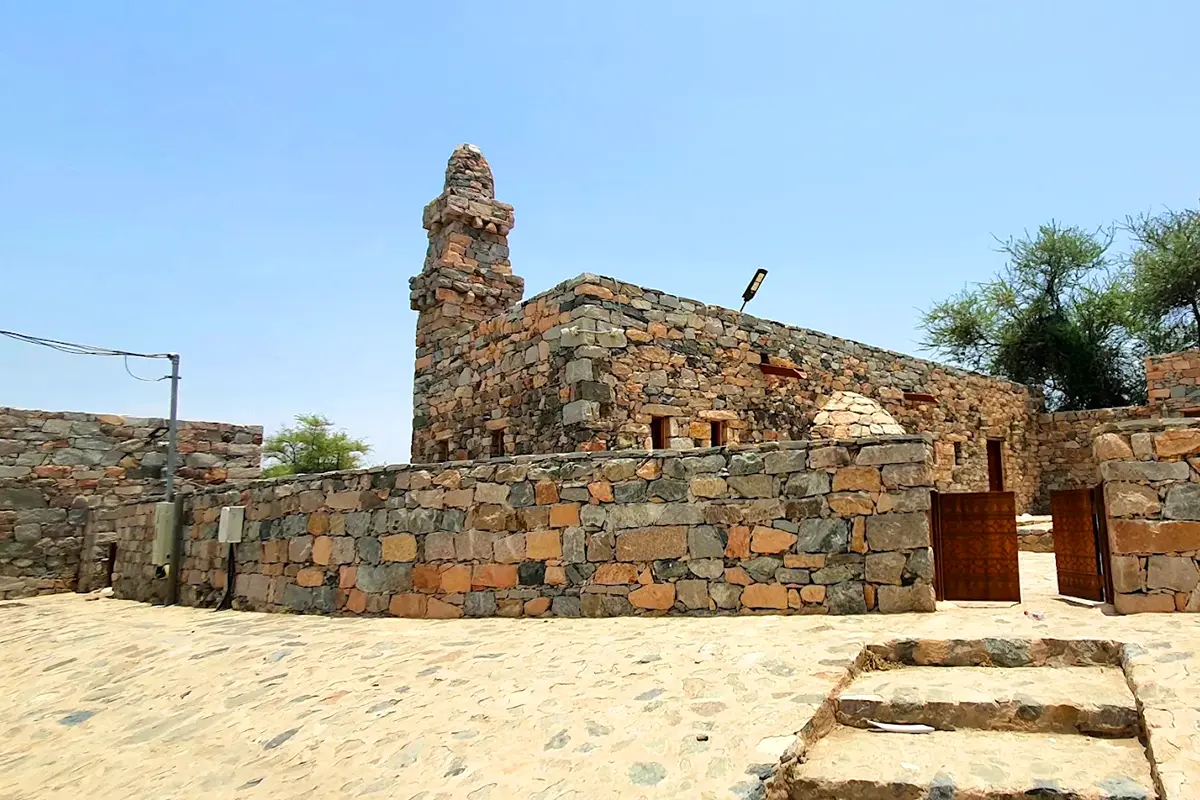
Umrah & Ziyarat
Al-Sidrah Mosque, Taif: An Attribution Worth Reading Carefully
This mosque is described as attributed to the Prophet, and that phrase is doing a lot of work. Here is what attribution means in practice, and why it is not the same as evidence.
Wadana Go Editorial · 7 min read
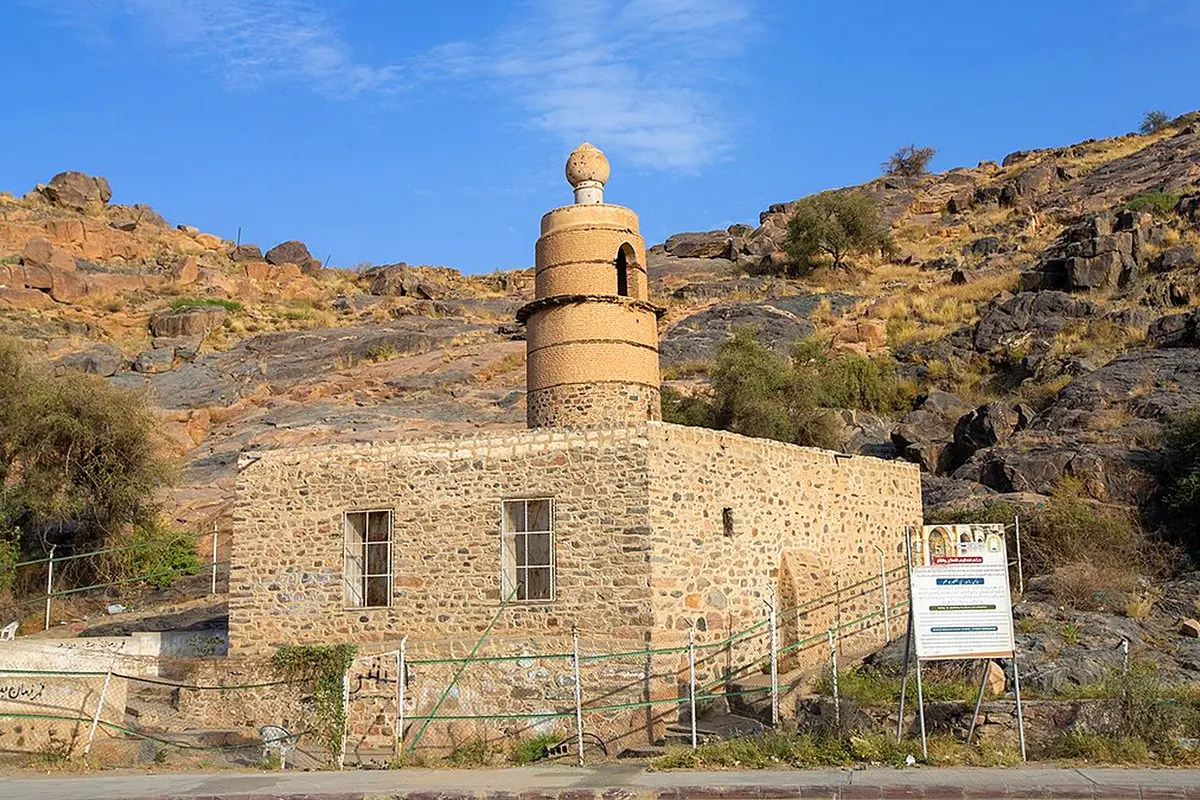
Umrah & Ziyarat
Al-Kou Mosque, Taif: The Mosque With a Rock in Its Corner
One of the oldest mosques in Taif, built around a boulder it could not move. The story attached to its name is a good one, and it is worth knowing which parts of it the sources actually carry.
Wadana Go Editorial · 8 min read
Umrah & Ziyarat
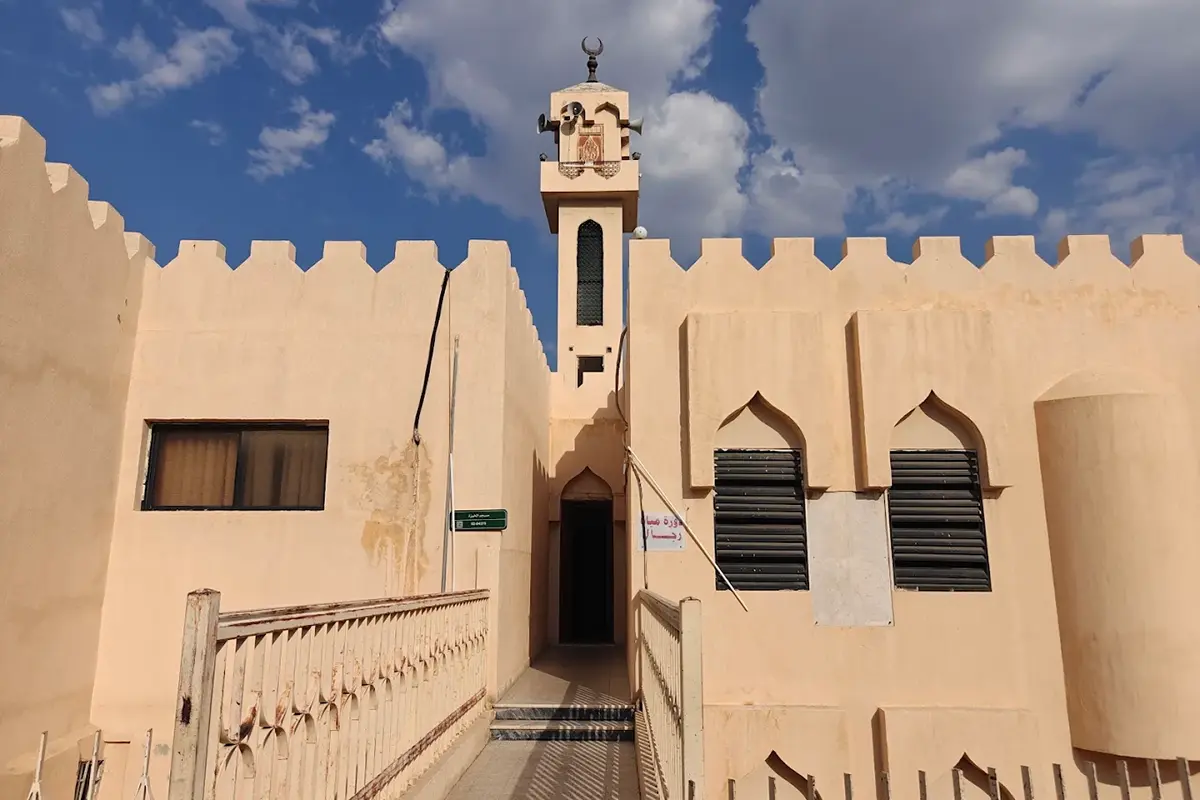
Al-Khubzah Mosque, Taif: Two Names and Twelve Centuries
One of the oldest mosques in Taif, carrying two names that point in different directions: one to bread and one to a fort. What is documented is the age and the restoration.
Wadana Go Editorial · 7 min read
Umrah & Ziyarat
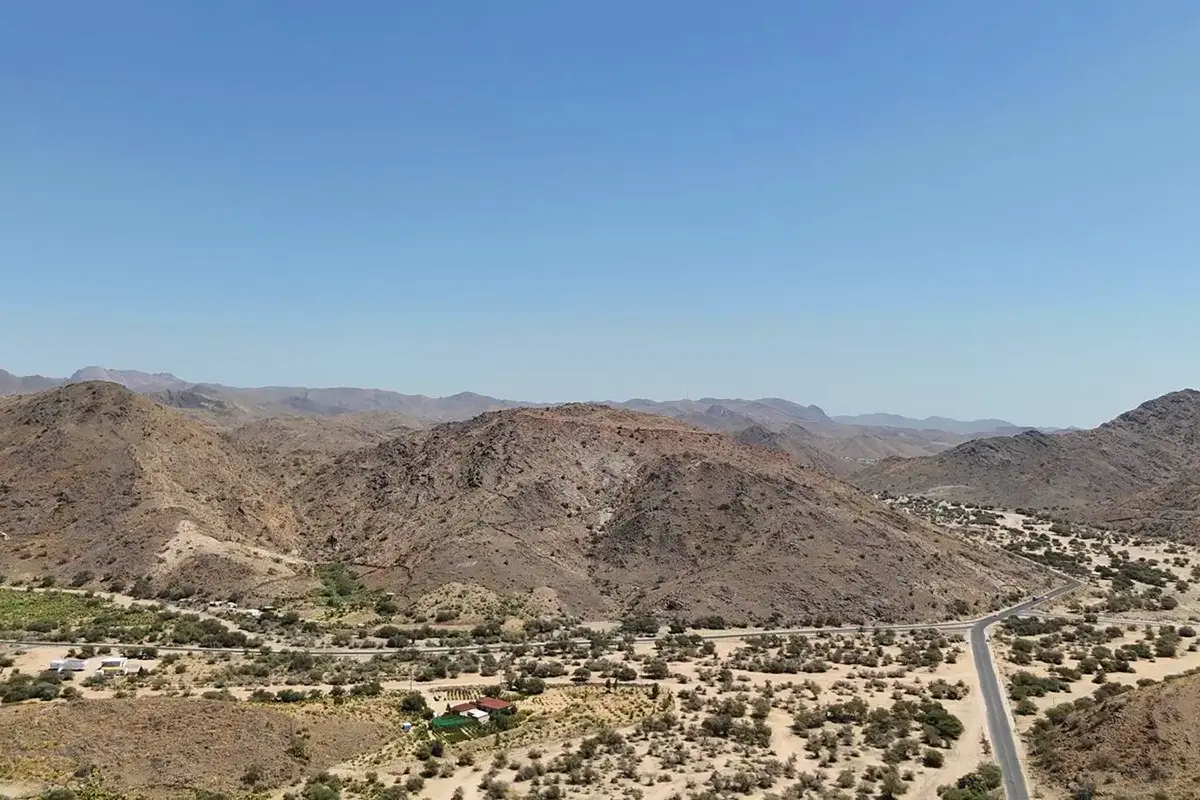
Awtas: Where the Defeated Regrouped After Hunayn
The fighting at Hunayn did not end at Hunayn. A second, smaller engagement followed at Awtas, and one of the most quoted passages about the Prophet's grief for a Companion comes out of it.
Wadana Go Editorial · 7 min read
Umrah & Ziyarat
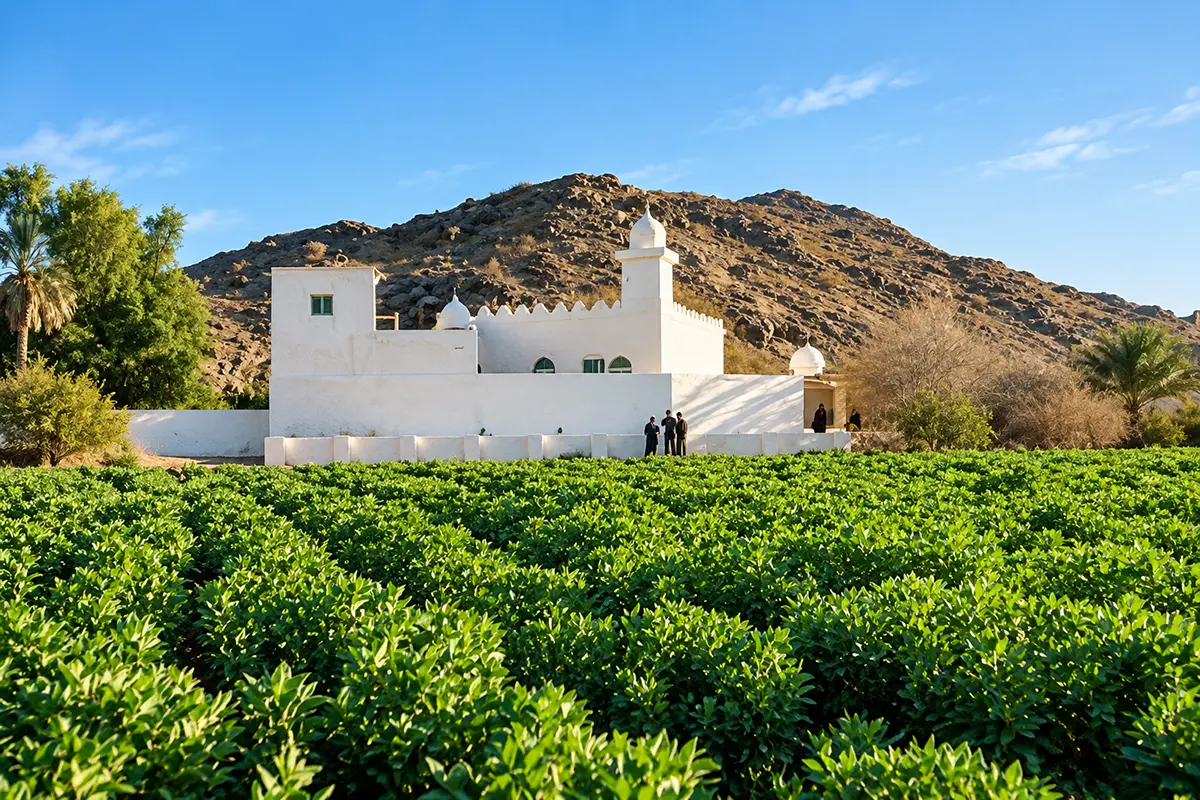
Masjid Addas, Taif: A Bunch of Grapes and the Only Man Who Believed
The worst day of the Prophet's life, by his own account, ended with a slave from Nineveh kissing the head of a man his own masters had sent him to feed. The mosque in Taif marks that garden.
Wadana Go Editorial · 9 min read
Umrah & Ziyarat
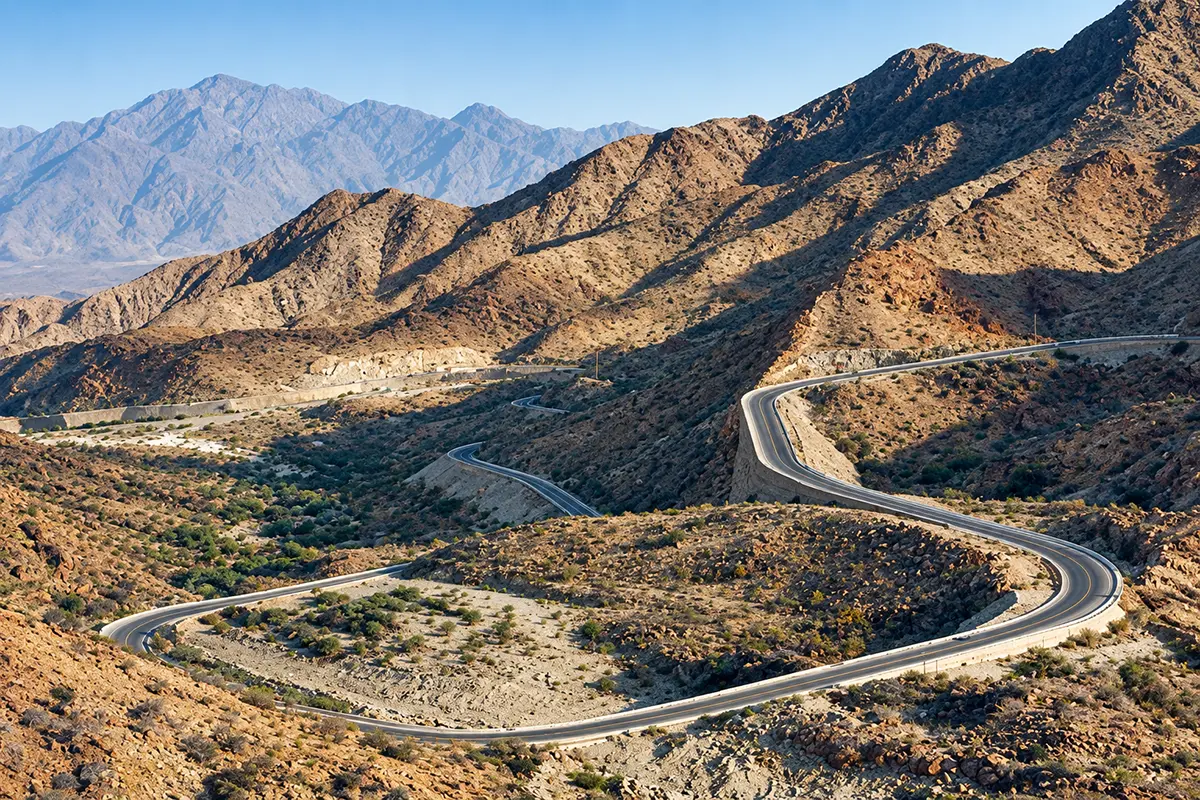
Wadi Hunayn: The Battle the Qur'an Names, and the Ambush in the Valley
A narrow valley on the road from Makkah up to Taif, where the largest Muslim army yet assembled was broken in the first minutes of a fight and then re-formed. The Qur'an names the day and says exactly why it went wrong.
Wadana Go Editorial · 9 min read
Umrah & Ziyarat
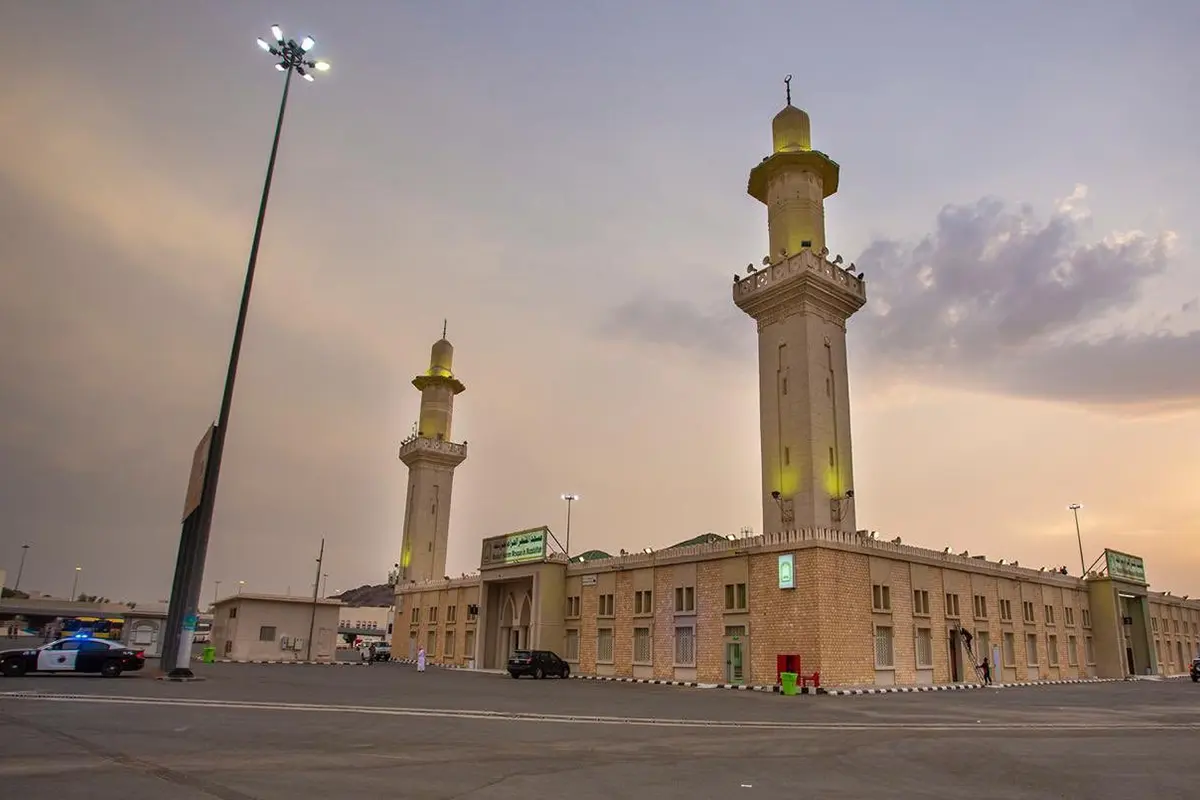
Masjid al-Mash'ar al-Haram: The Mosque in Muzdalifah, and Its Real Size
A rectangular mosque of about 5,040 square metres on open ground, built in the third century after the Hijrah. It holds twelve thousand people on a night when two million are sleeping around it.
Wadana Go Editorial · 7 min read
Umrah & Ziyarat
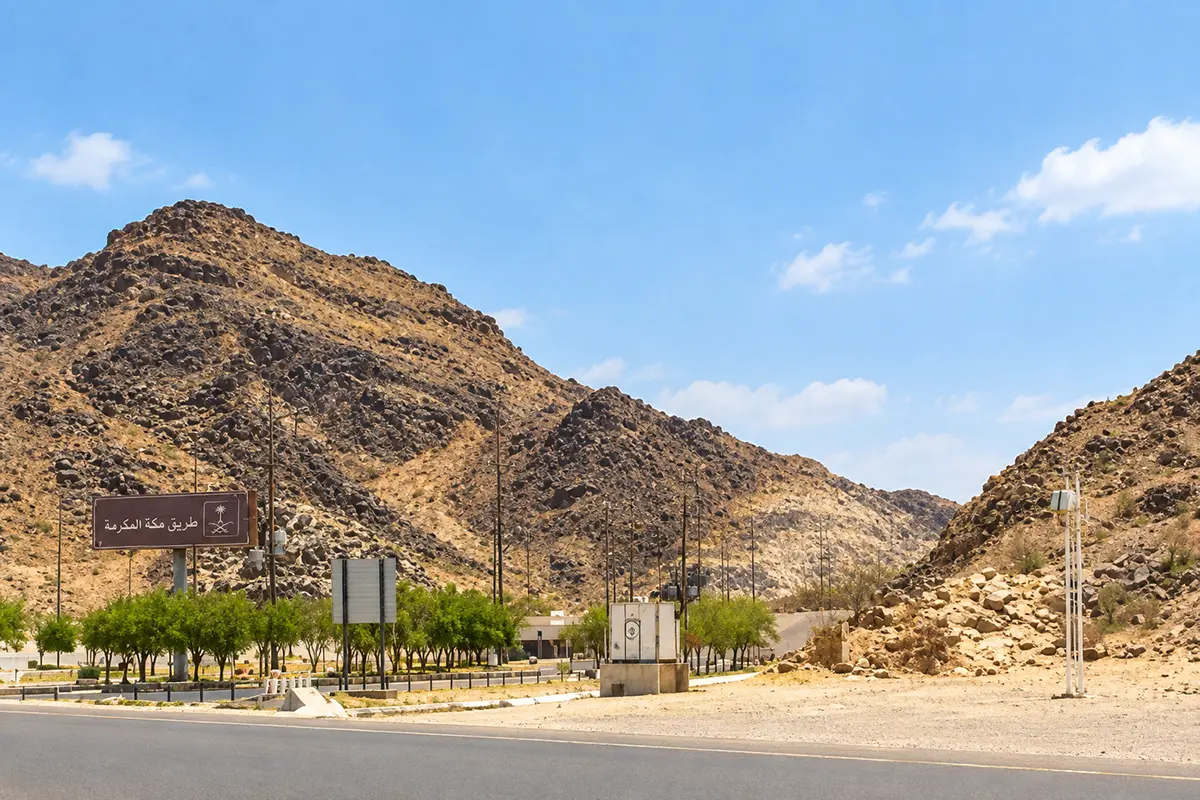
Wadi Muhassir: The Valley You Are Meant to Cross Quickly
Two kilometres long and twenty metres wide, and part of neither Muzdalifah nor Mina. The Prophet urged his camel on through it, and pilgrims have moved briskly across it ever since.
Wadana Go Editorial · 7 min read
Umrah & Ziyarat
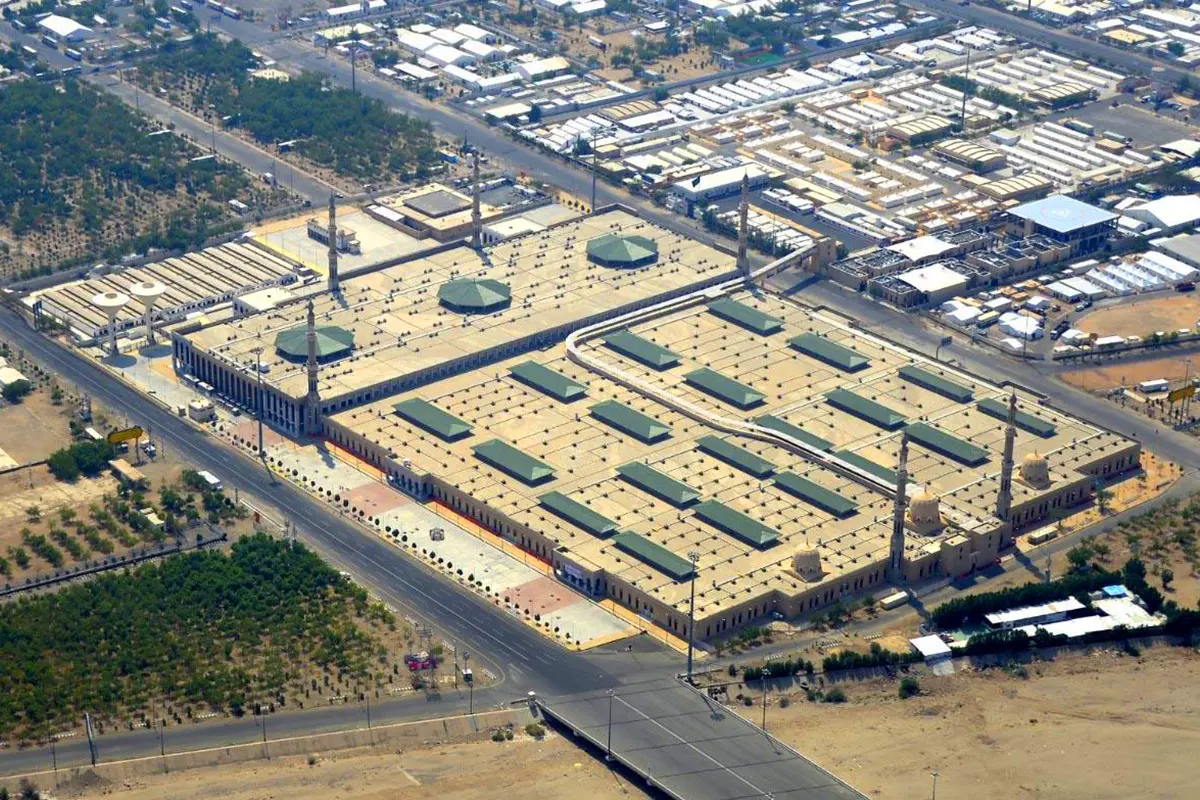
Al-Mash'ar al-Haram: The Place the Qur'an Tells You to Remember Allah
One of the few places in the Hajj route named directly in the Qur'an, and the act attached to it is one of the simplest: stand after Fajr, face the qibla, and ask.
Wadana Go Editorial · 8 min read
Umrah & Ziyarat
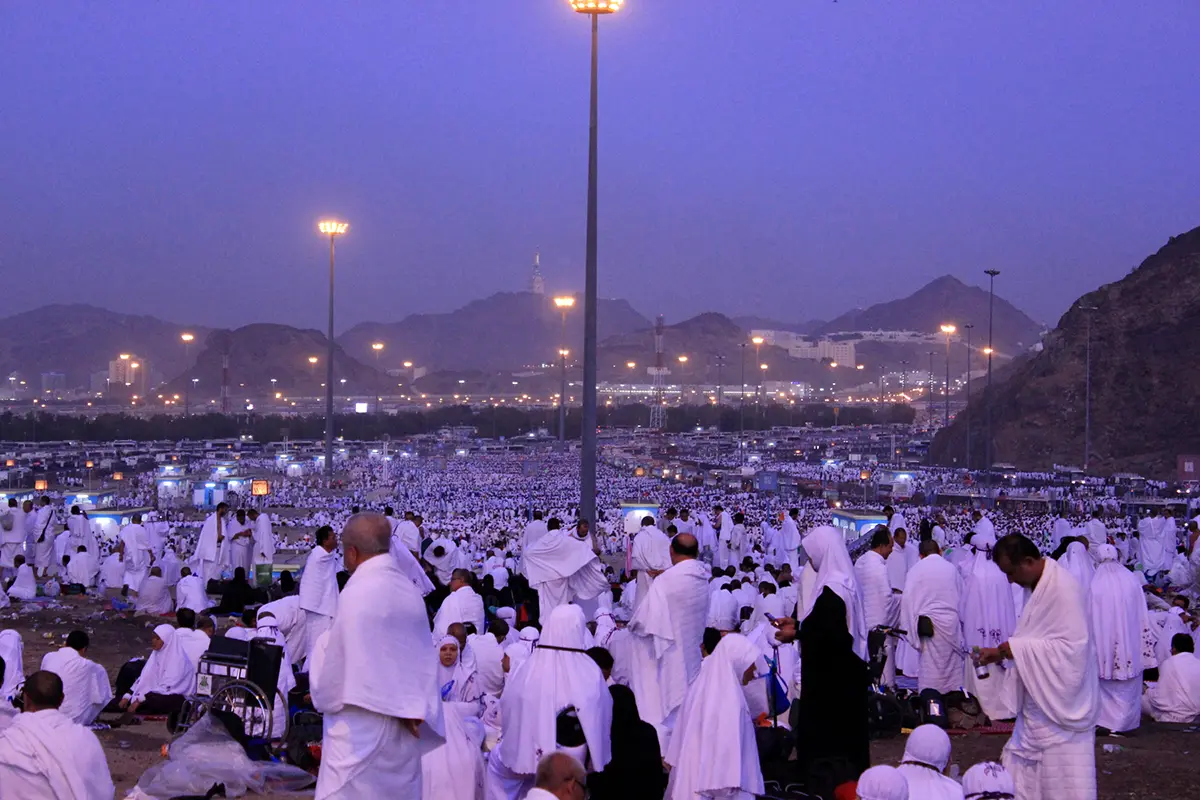
Muzdalifah: The Night Under the Sky Between Arafat and Mina
No tents, no beds, and a night on gravel under the open sky. For a lot of pilgrims it is the hardest night of Hajj and the one they remember longest.
Wadana Go Editorial · 10 min read
Umrah & Ziyarat
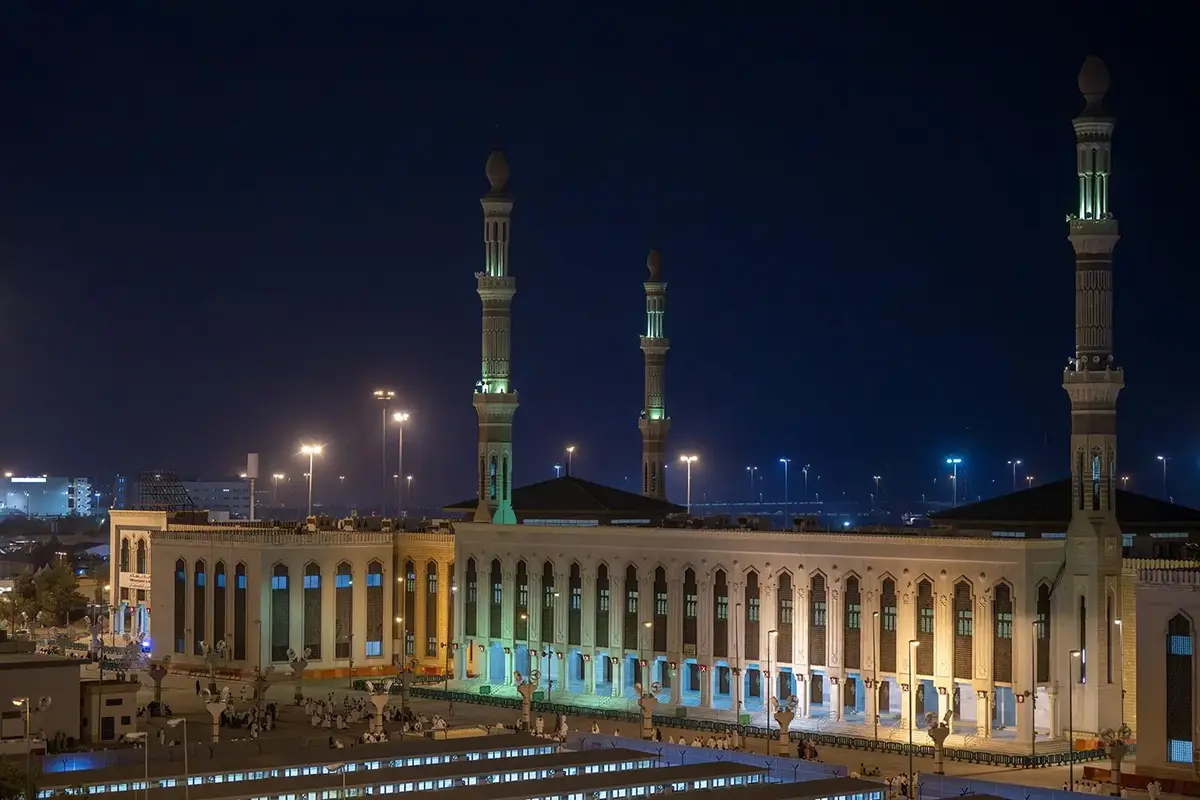
Masjid Namirah: The Mosque Half Inside Arafat and Half Outside
One of the largest mosques in the world, used properly on one afternoon a year. Its front section lies outside the boundary of Arafat and its rear section inside, which is not an accident of building.
Wadana Go Editorial · 8 min read
Umrah & Ziyarat
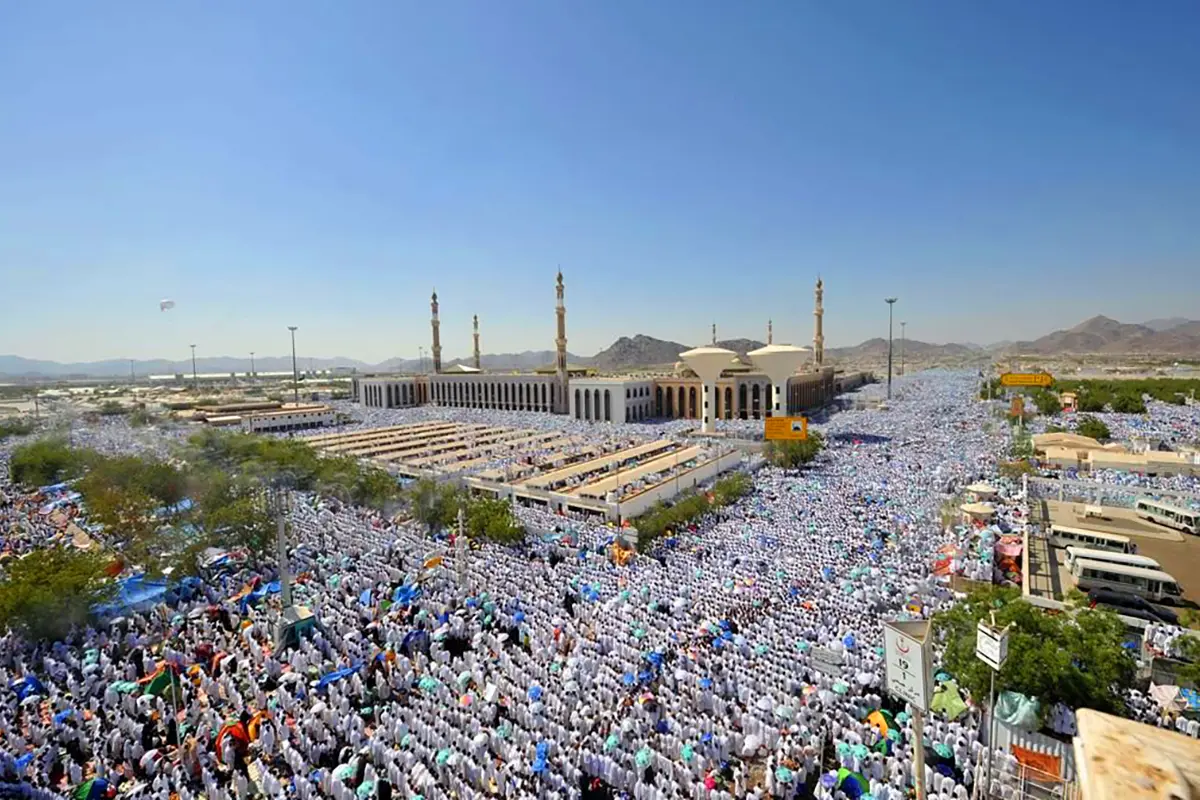
Wadi Uranah: The Valley That Does Not Count
A shallow valley on the edge of Arafat where the Farewell Sermon was delivered, and the one piece of ground in the area where the standing does not count. Both of those are true at once.
Wadana Go Editorial · 7 min read
Umrah & Ziyarat
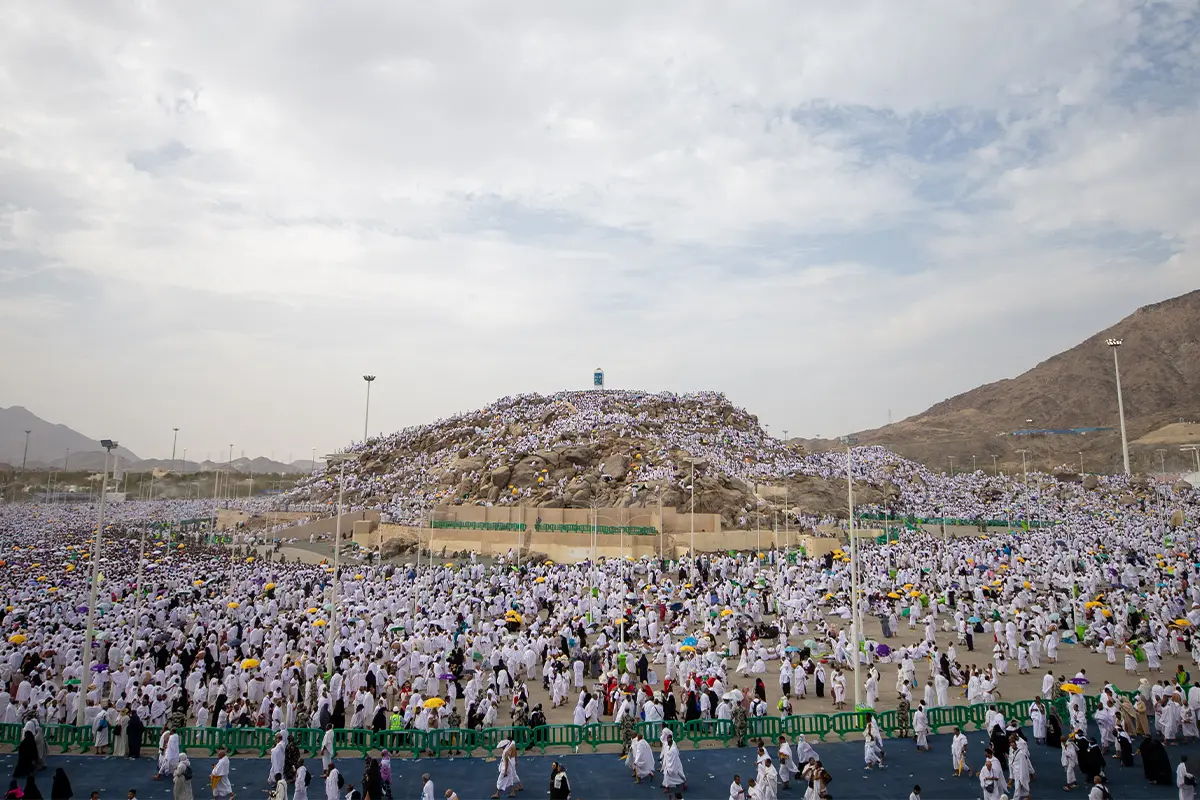
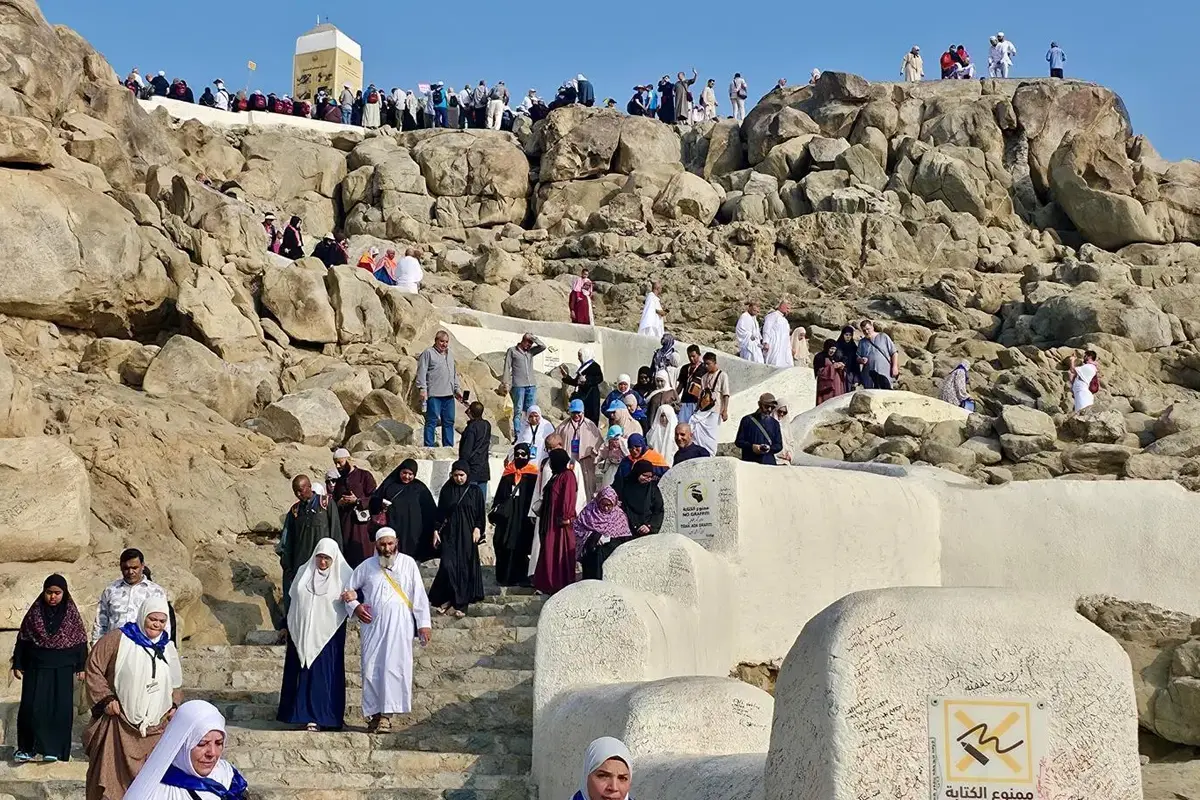
Jabal al-Rahmah: The Hill Everyone Climbs and Nobody Needs To
A low rocky hill with a white pillar on top, in the middle of a flat plain. It is the most photographed thing at Arafat and the least necessary, and both of those are worth understanding before the ninth.
Wadana Go Editorial · 8 min read
Umrah & Ziyarat
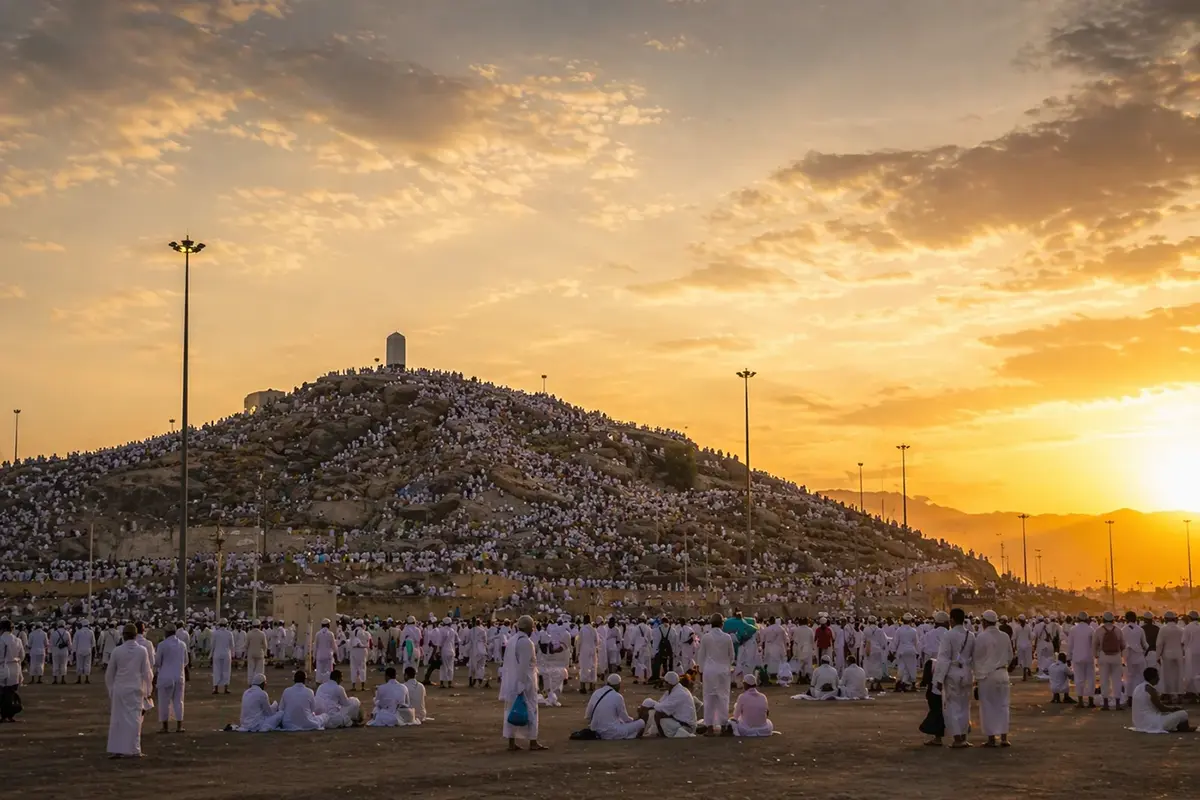
Arafat: The One Day Without Which There Is No Hajj
Thirty-three square kilometres of plain, ringed by hills, twenty-two kilometres east of Makkah. Miss this one afternoon and there is no Hajj to complete. Almost everything else people worry about matters less than they think.
Wadana Go Editorial · 11 min read
Umrah & Ziyarat
Masjid al-Mursalat: A Surah Revealed in a Cave at Mina
The mosque is gone, but what it commemorated is recorded in both Sahih collections, in one of the most vivid short scenes in the whole hadith literature.
Wadana Go Editorial · 7 min read
Umrah & Ziyarat
Masjid al-Kawthar in Mina: A Mosque That Is No Longer There
One of four mosques Saudipedia lists as gone from the holy sites. The surah it takes its name from is well documented. The mosque itself is not, and the two should not be run together.
Wadana Go Editorial · 7 min read
Umrah & Ziyarat
Masjid al-Kabsh: The Mosque of the Ram, Gone for Centuries
It stood between the first and middle Jamrah, had three arcades and five doors, and has not existed for centuries. It was said to mark where the ram came down as a ransom, which is where the careful reading has to start.
Wadana Go Editorial · 8 min read
Umrah & Ziyarat
Masjid al-Sakharat: The Lost Mosque at the Foot of Jabal al-Rahmah
A small mosque once stood among the rocks below Jabal al-Rahmah, marking where the Prophet stood on the Day of Arafah. Saudipedia lists it among the holy site mosques that no longer exist.
Wadana Go Editorial · 7 min read
Umrah & Ziyarat
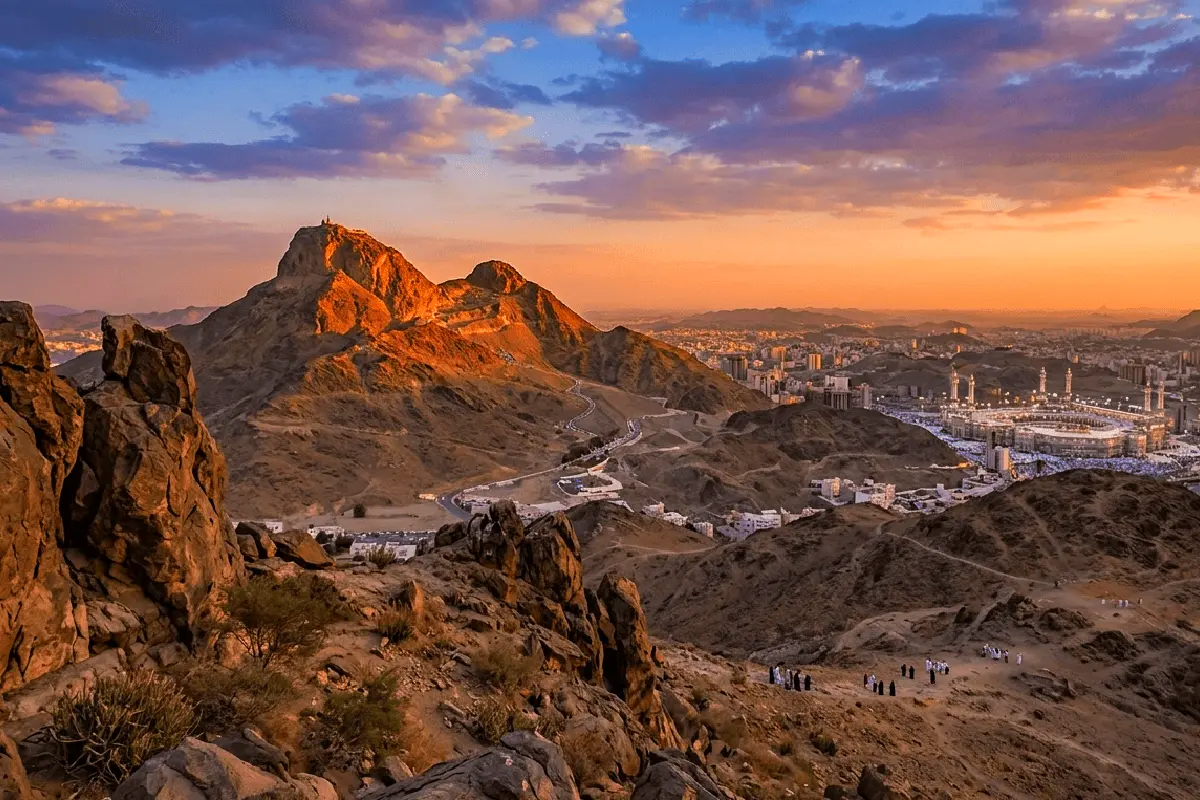
The Pledges of Aqaba: The Two Nights That Made the Hijrah Possible
Two meetings, held at night during the pilgrimage season, at a defile on the edge of Mina. The first was a set of moral commitments. The second was a promise to fight, and it is the reason Madinah exists as a Muslim city.
Wadana Go Editorial · 9 min read
Umrah & Ziyarat
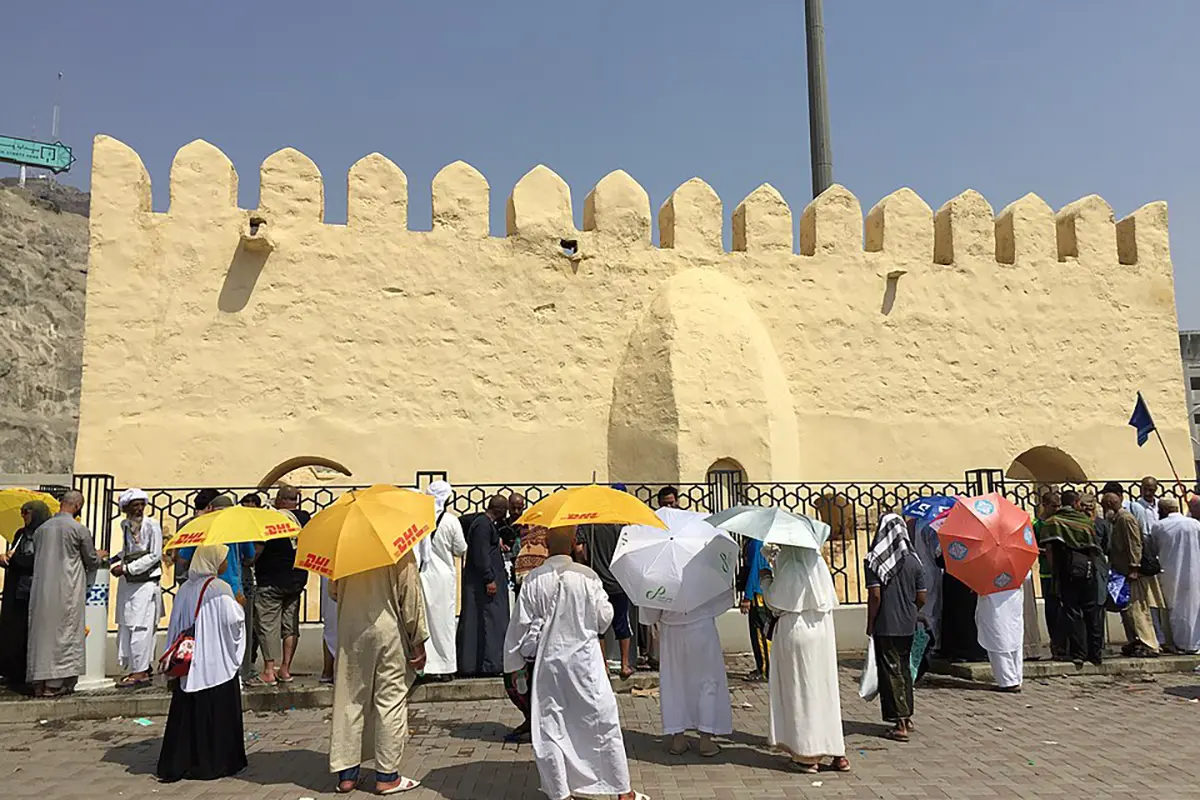
Masjid al-Bay'ah: The Abbasid Mosque Where the Pledges Were Given
A small, plain, very old building beside the busiest structure in Hajj. It was built by an Abbasid caliph in 761 to mark the place where men of Madinah committed themselves to the Prophet, and it is easy to walk past.
Wadana Go Editorial · 7 min read
Umrah & Ziyarat
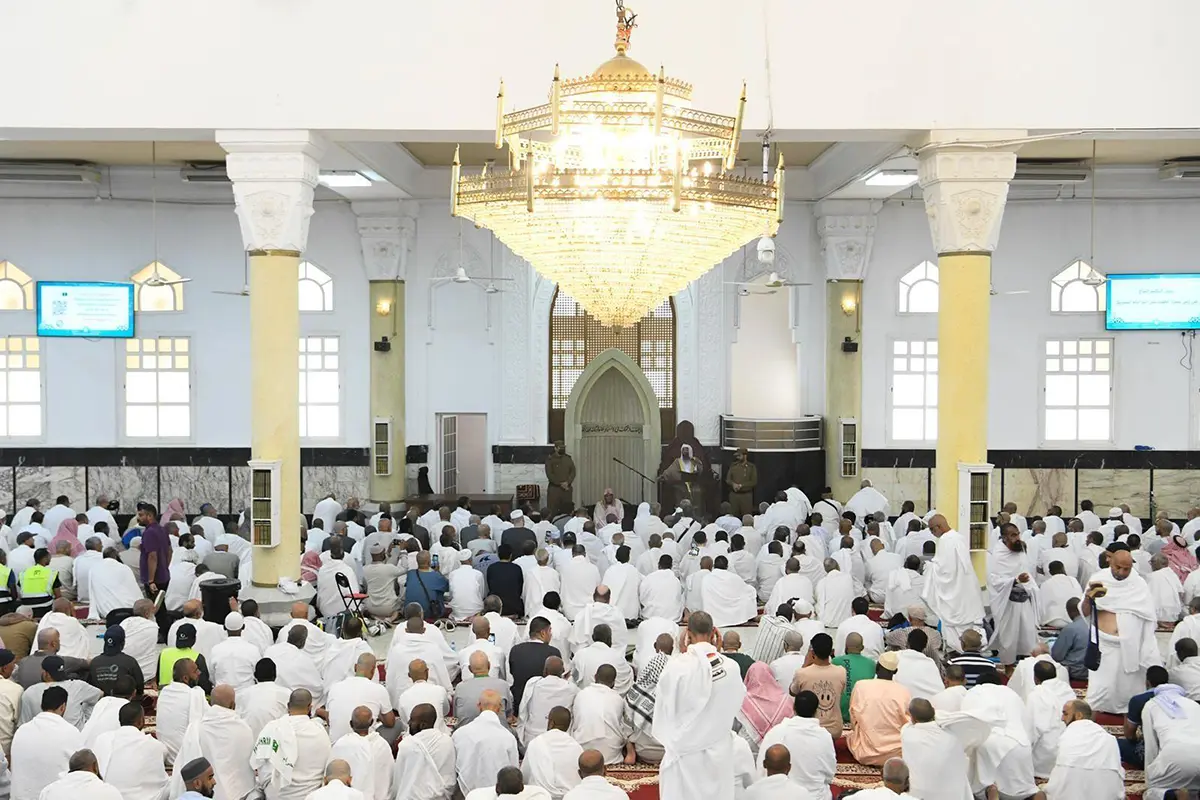
Masjid al-Khayf: Mina's Great Mosque, and the Seventy Prophets Claim
The main mosque of Mina, on the southern slope of the valley. The Prophet prayed and gave a sermon here. A well-known report about seventy prophets is worth handling carefully, and a related claim about graves is worth rejecting outright.
Wadana Go Editorial · 9 min read
Umrah & Ziyarat
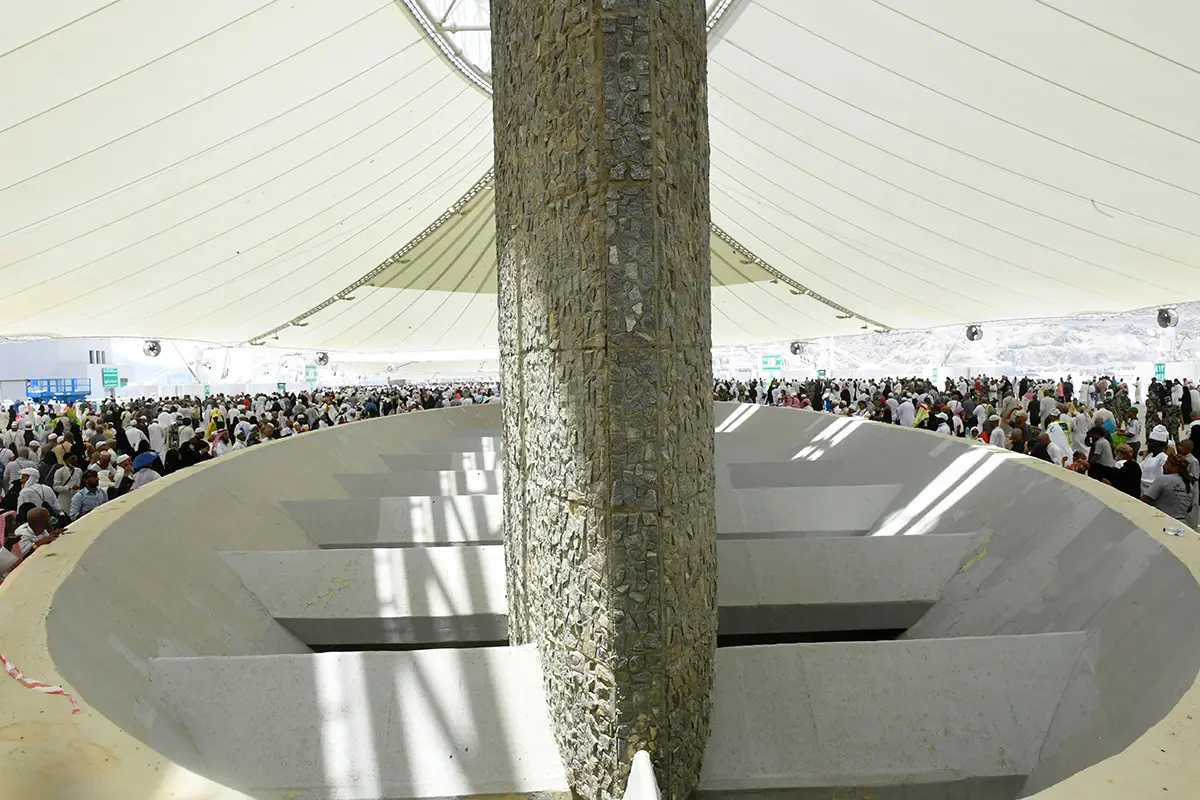
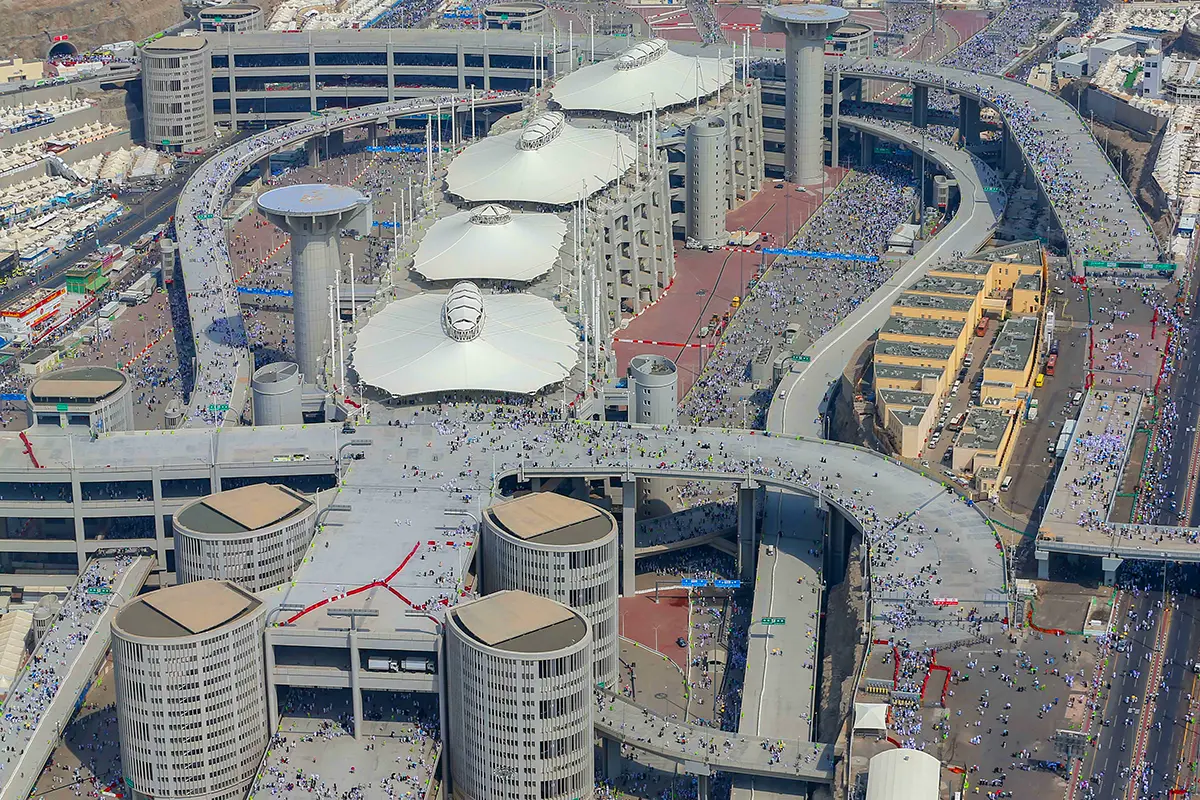
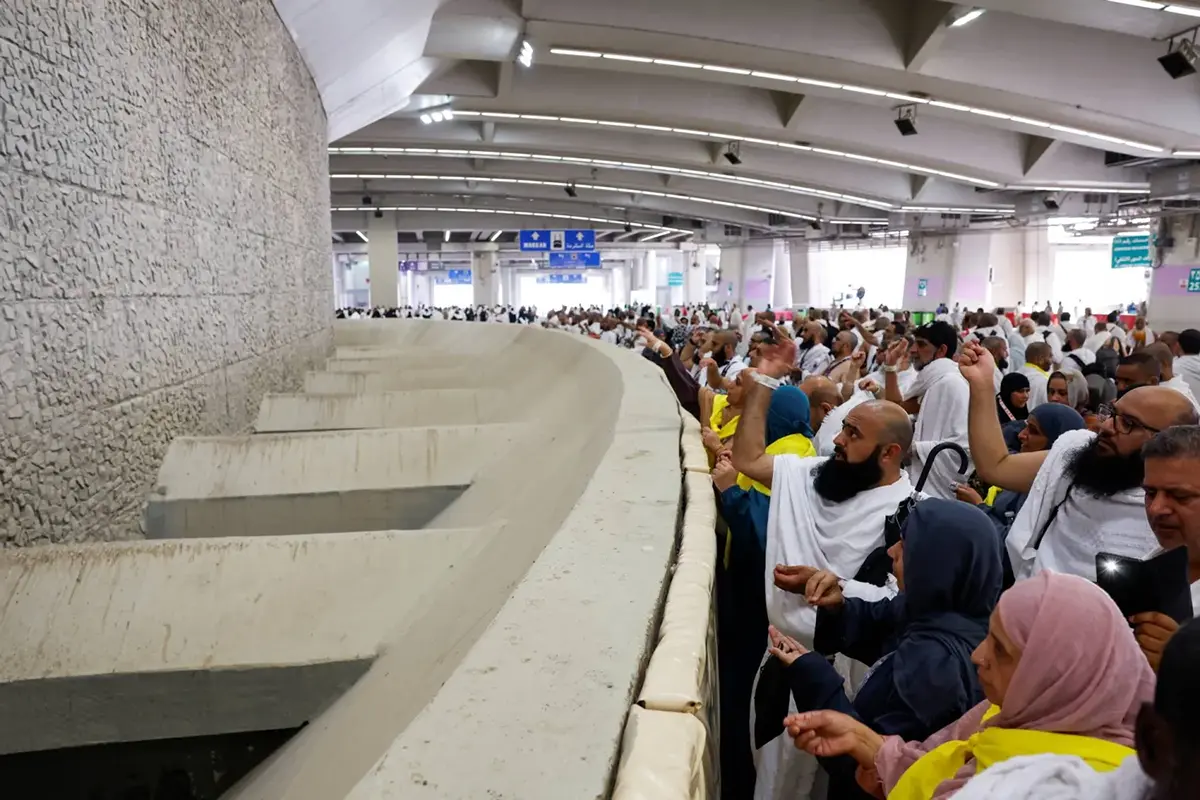
The Jamarat: What the Stoning Is, and What It Is Not
Three stone pillars, seven pebbles each, and one of the most misunderstood acts in Hajj. The evidence for what you are doing is clearer, and calmer, than the popular name for it suggests.
Wadana Go Editorial · 10 min read
Umrah & Ziyarat
Jamrat al-Aqaba: The Only Pillar Stoned on the Day of Eid
The last of the three pillars and the first thing a pilgrim does on the day of Eid. It behaves differently from the other two, and knowing how saves confusion on the busiest morning of Hajj.
Wadana Go Editorial · 7 min read
Umrah & Ziyarat
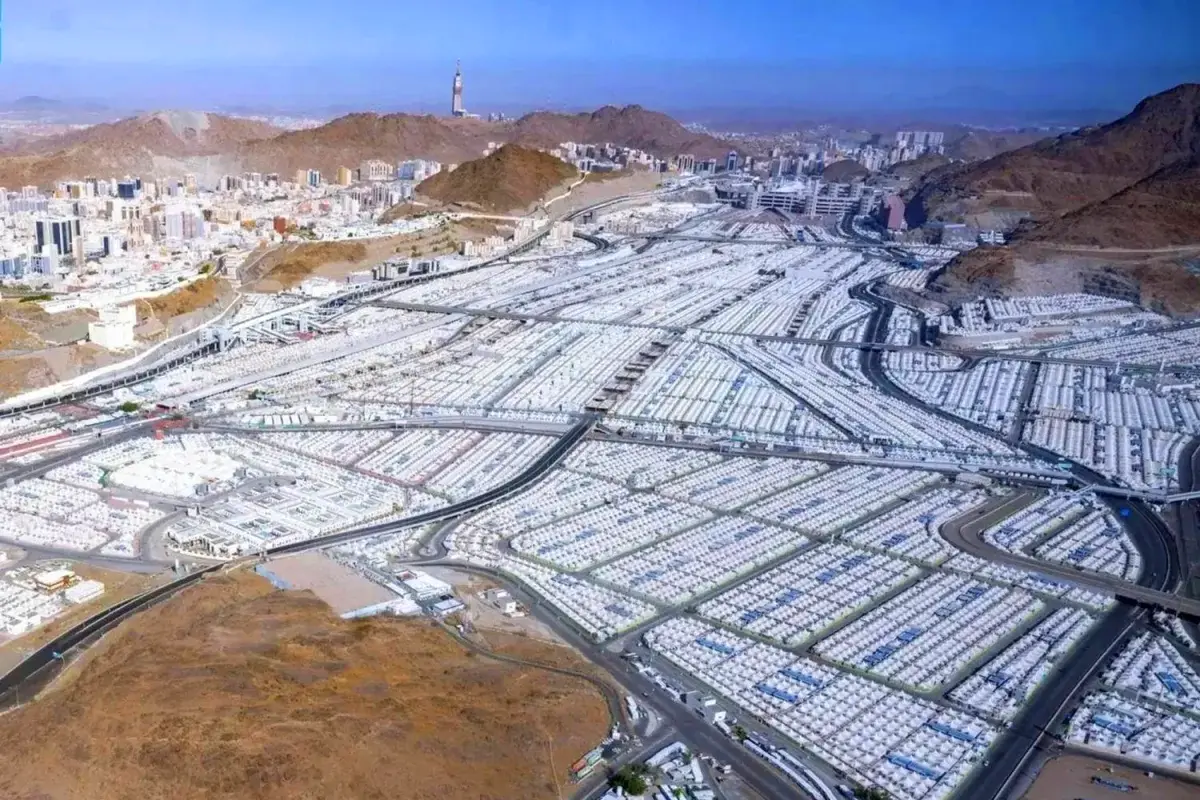
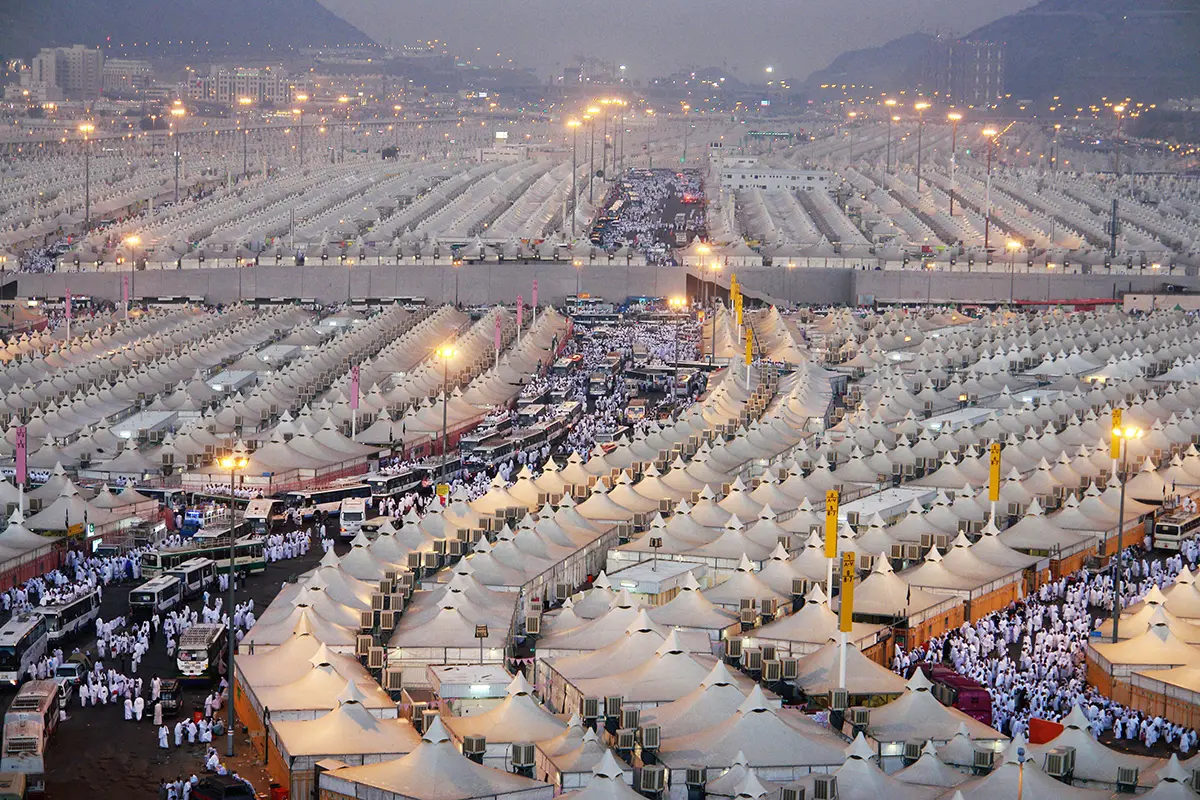
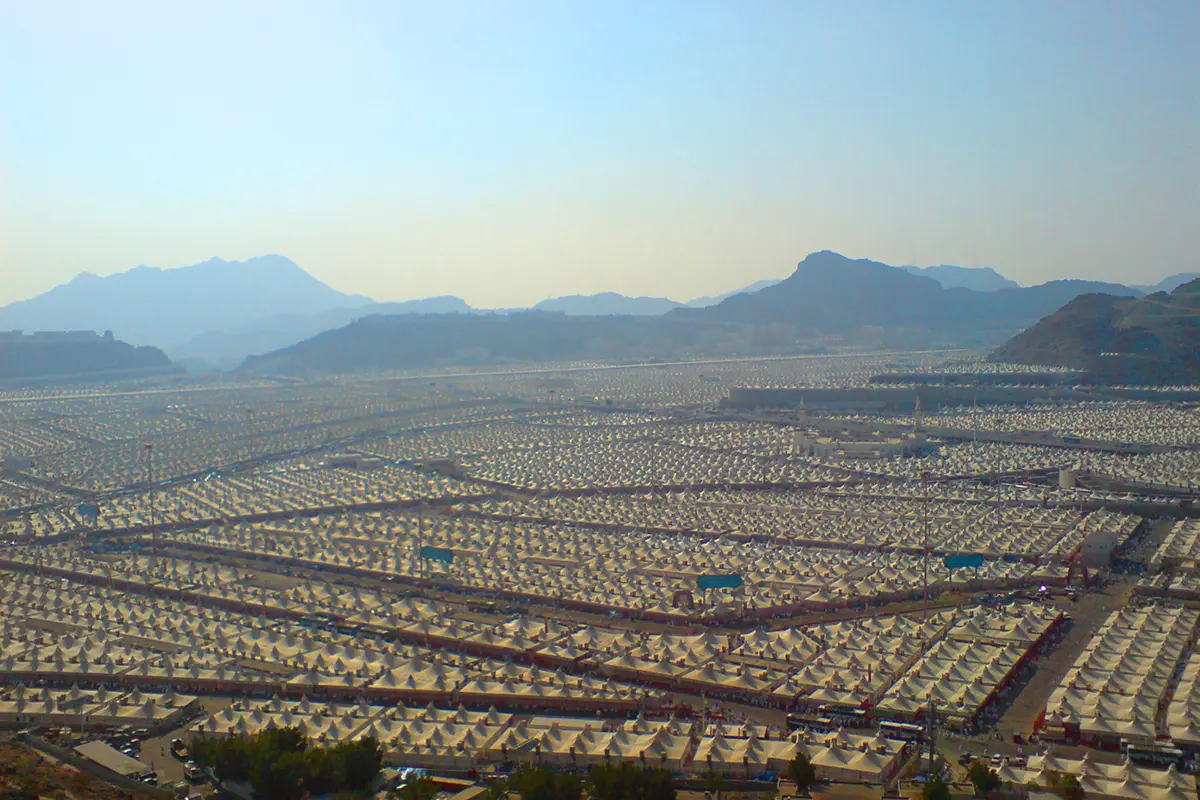
Mina: The Valley of Tents, and What Actually Happens There
About 16.8 square kilometres of valley, seven kilometres from the Haram, empty for most of the year and holding millions for five days of it. Here is what Mina is, when you are there, and what is inside its boundary.
Wadana Go Editorial · 11 min read
Umrah & Ziyarat
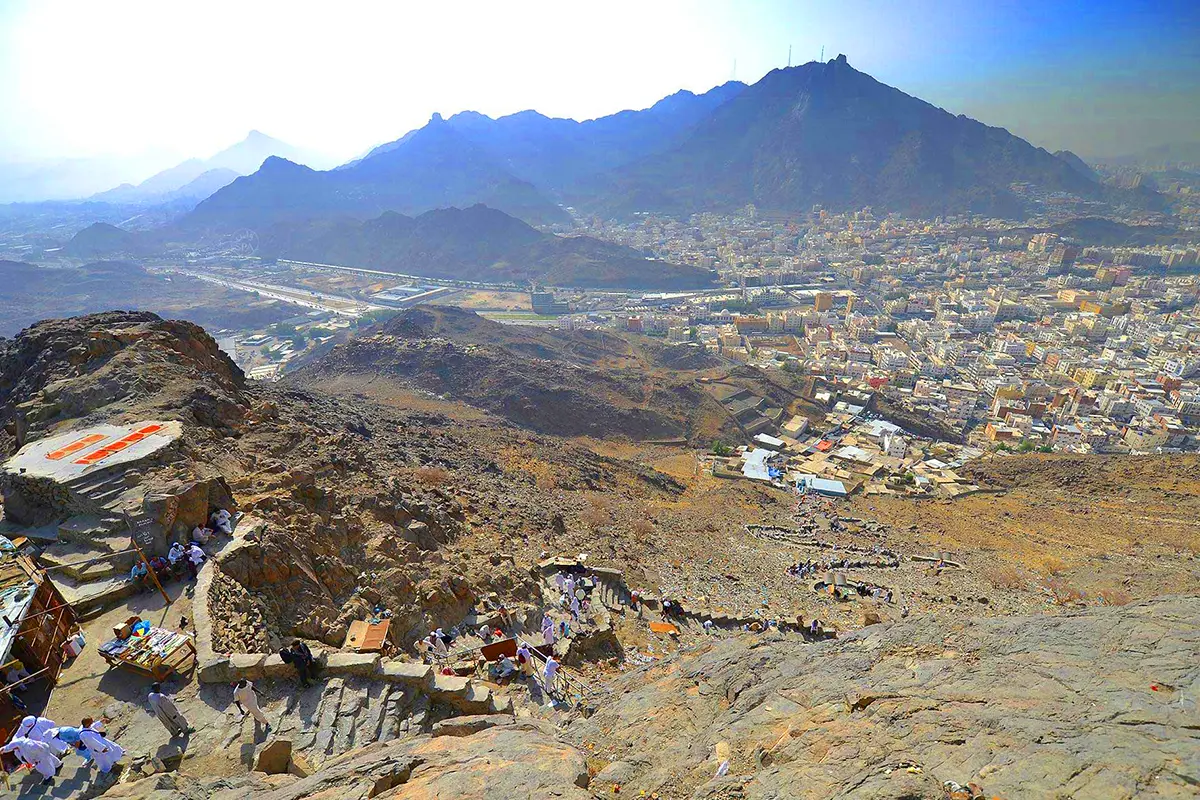
Al-Hajun and Jabal al-Sayyidah: Makkah's Northern High Ground
More seerah happened on this stretch of ground than on any other part of Makkah outside the Haram itself. The cemetery, the mosque of the jinn, the banner at the conquest, and the road out to Mina all belong to it.
Wadana Go Editorial · 8 min read
Umrah & Ziyarat
Jabal al-Kaaba, Makkah: A Name on the List With Very Little Behind It
Some names on the Makkah Ziyarat lists carry a hadith behind them. This one carries a district name and a quarry. Rather than invent a significance for it, here is what is actually recorded.
Wadana Go Editorial · 7 min read
Umrah & Ziyarat
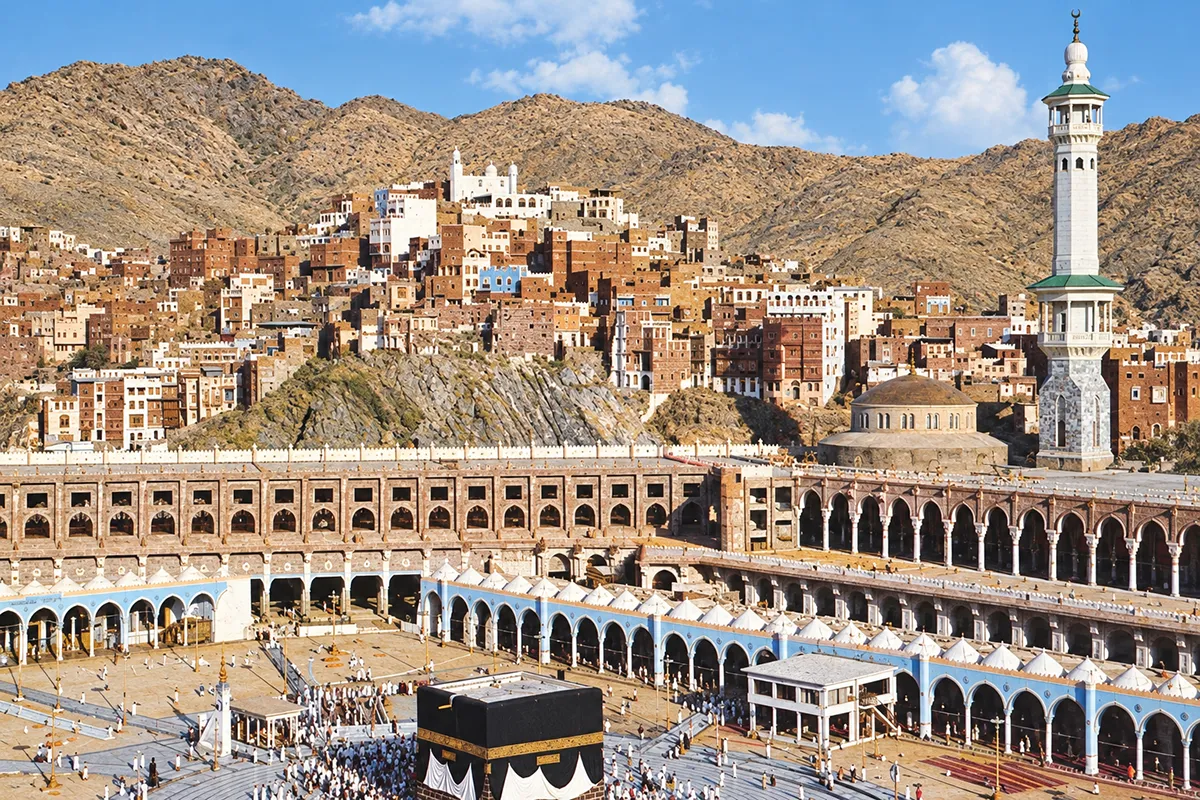
Jabal Qu'ayqi'an: The Second of the Two Mountains, Largely Cut Away
The hill on the western side of the Haram, paired with Abu Qubais in one of the most moving hadiths in the collections. Most of it has been removed for the third Saudi expansion.
Wadana Go Editorial · 8 min read
Umrah & Ziyarat
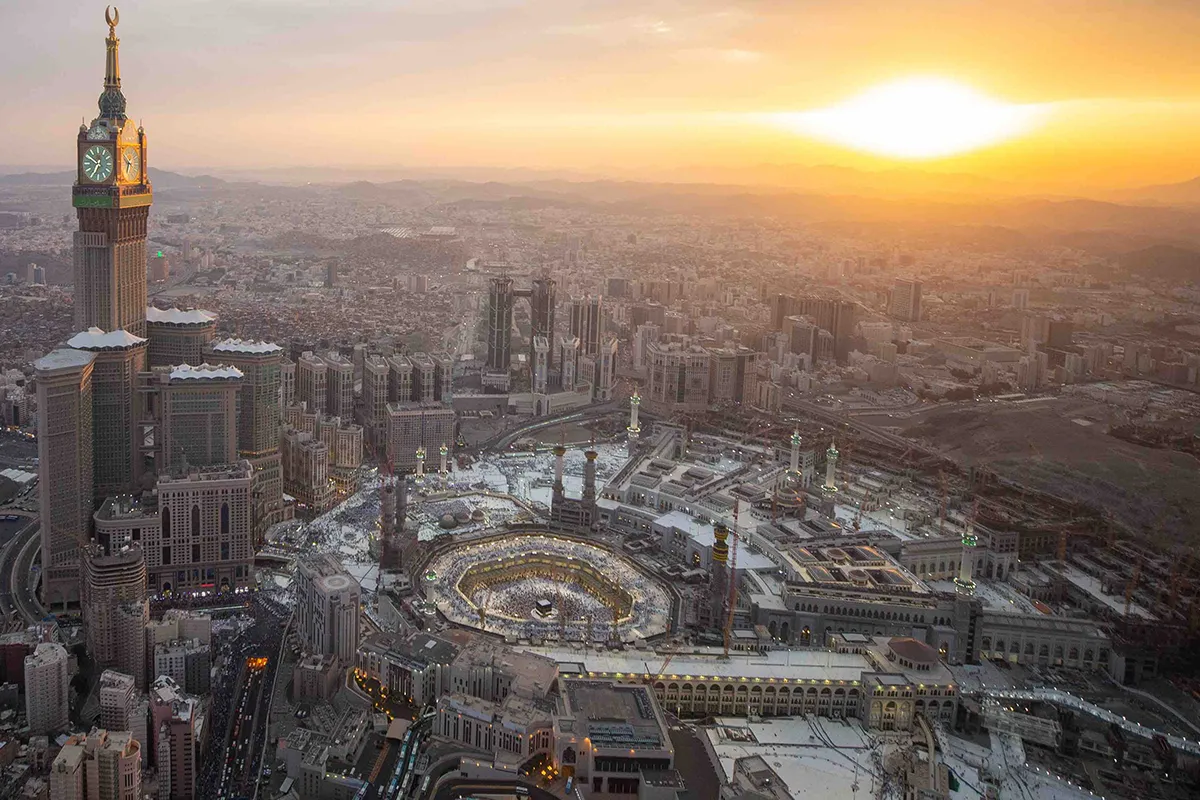
Jabal Abu Qubais: The Hill Above the Kaaba, and Two Claims to Check
The nearest hill to the Kaaba, and the one with the most stories attached. Two of the best known, the splitting of the moon and the Black Stone in the flood, do not survive a look at the sources.
Wadana Go Editorial · 8 min read
Umrah & Ziyarat
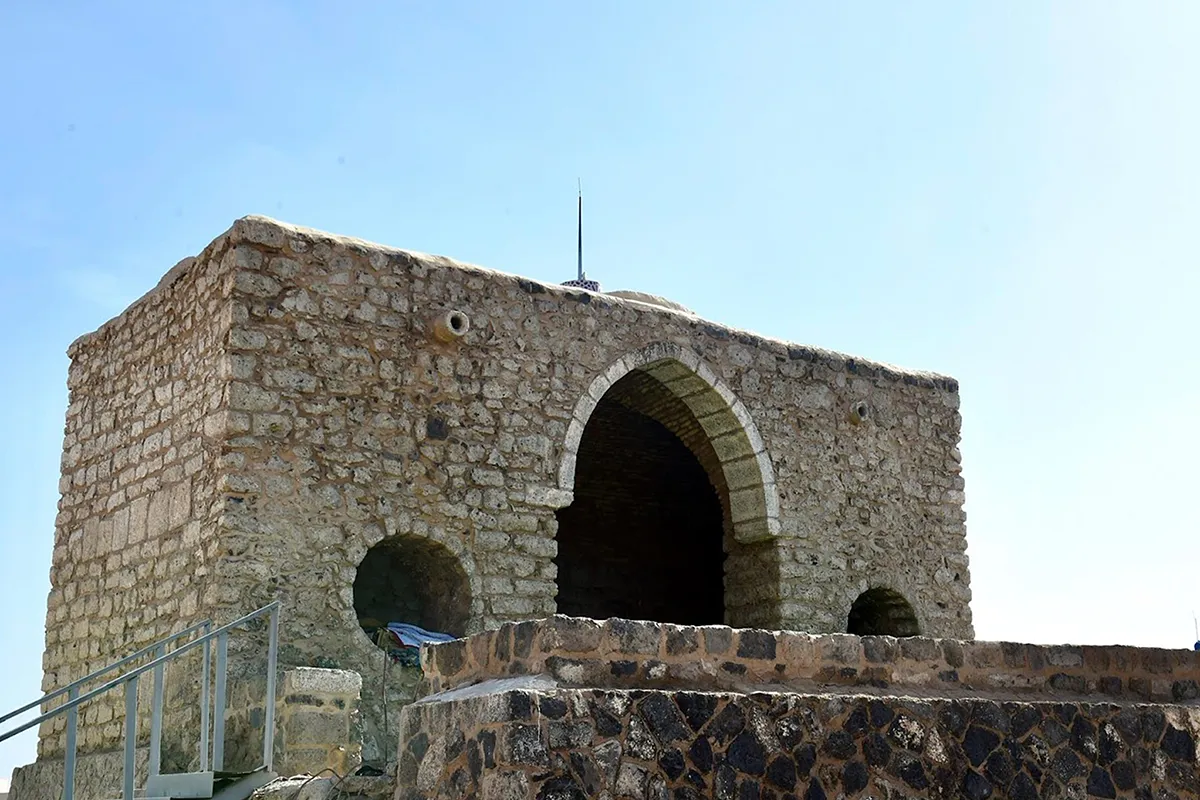
Masjid al-Fath at al-Jumum: Where the Army Camped Before Makkah Fell
Not the Masjid al-Fath in Madinah. This one is out at al-Jumum on the Madinah road, on ground connected with the year Makkah was taken, and it is being restored under the national historic mosques programme.
Wadana Go Editorial · 7 min read
Umrah & Ziyarat
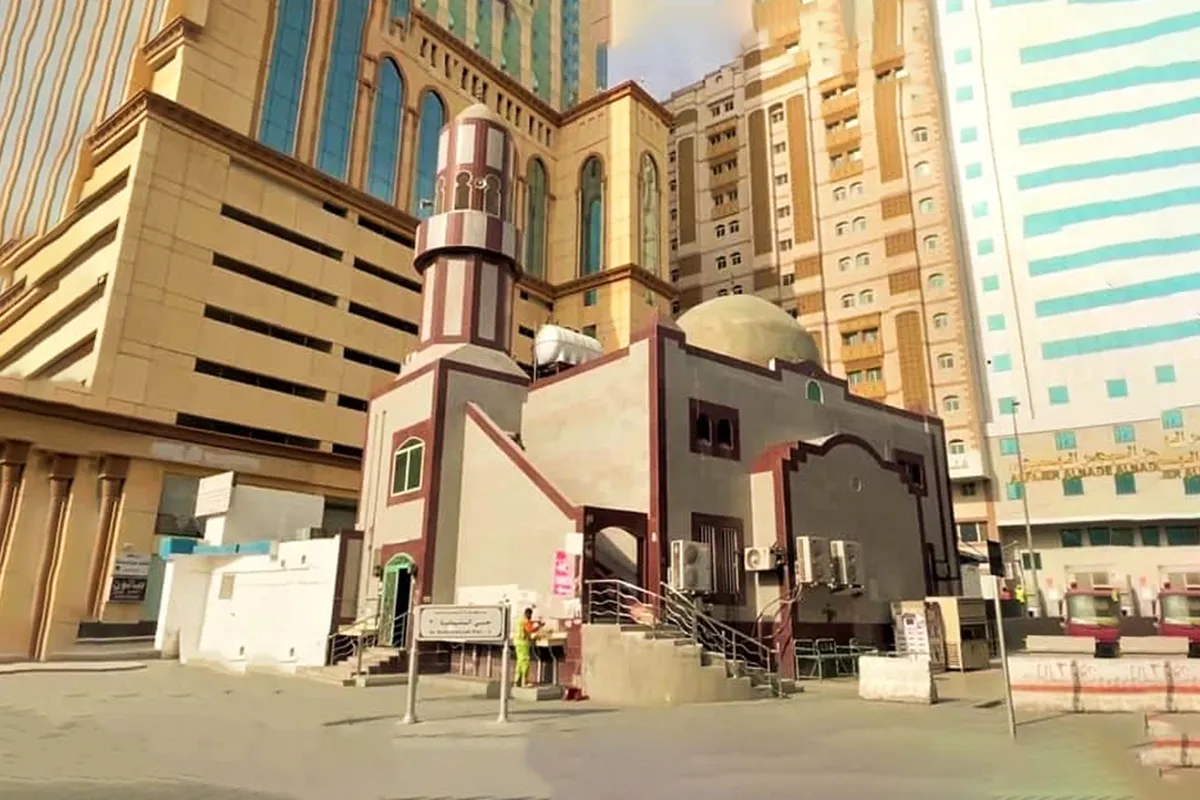
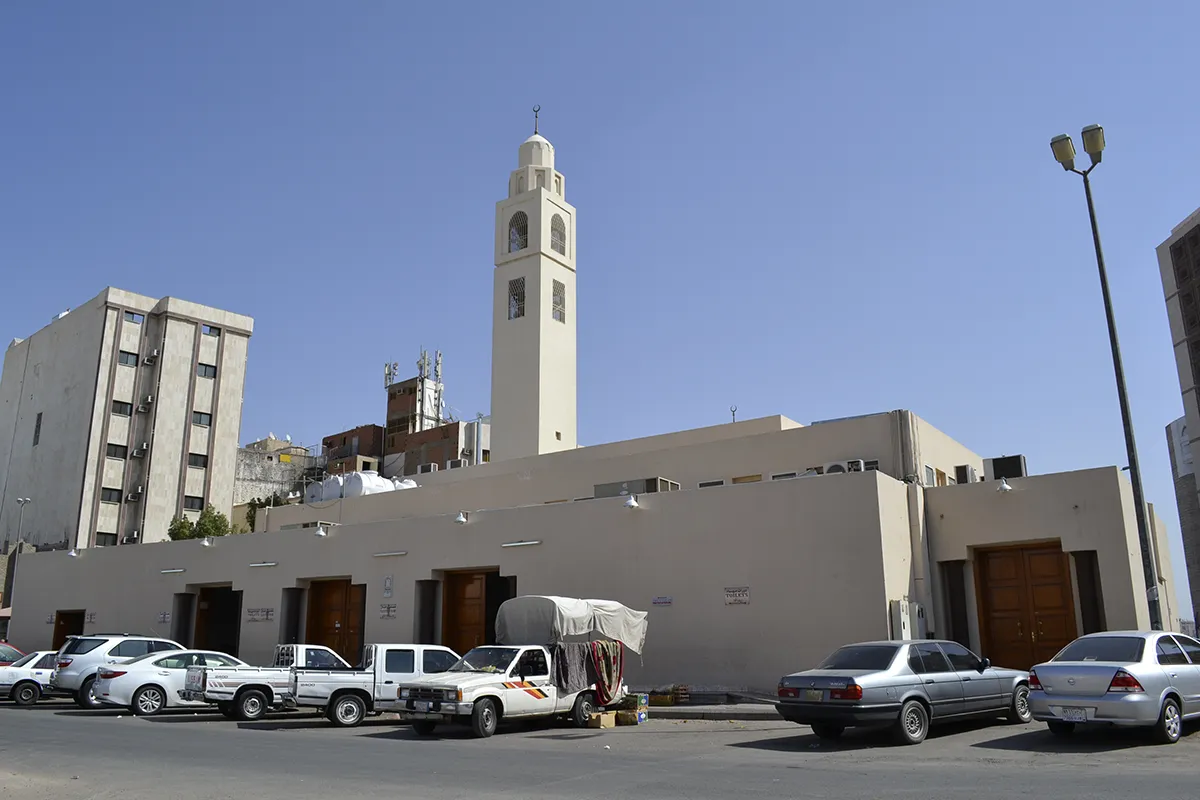
Masjid al-Rayah, Makkah: The Mosque of the Banner That No Longer Stands
Ziyarat lists still send pilgrims to look for this mosque near al-Hujun. It is not there. It was taken down for the northern expansion of the Grand Mosque, and knowing that before you set out saves a wasted hour.
Wadana Go Editorial · 7 min read
Umrah & Ziyarat
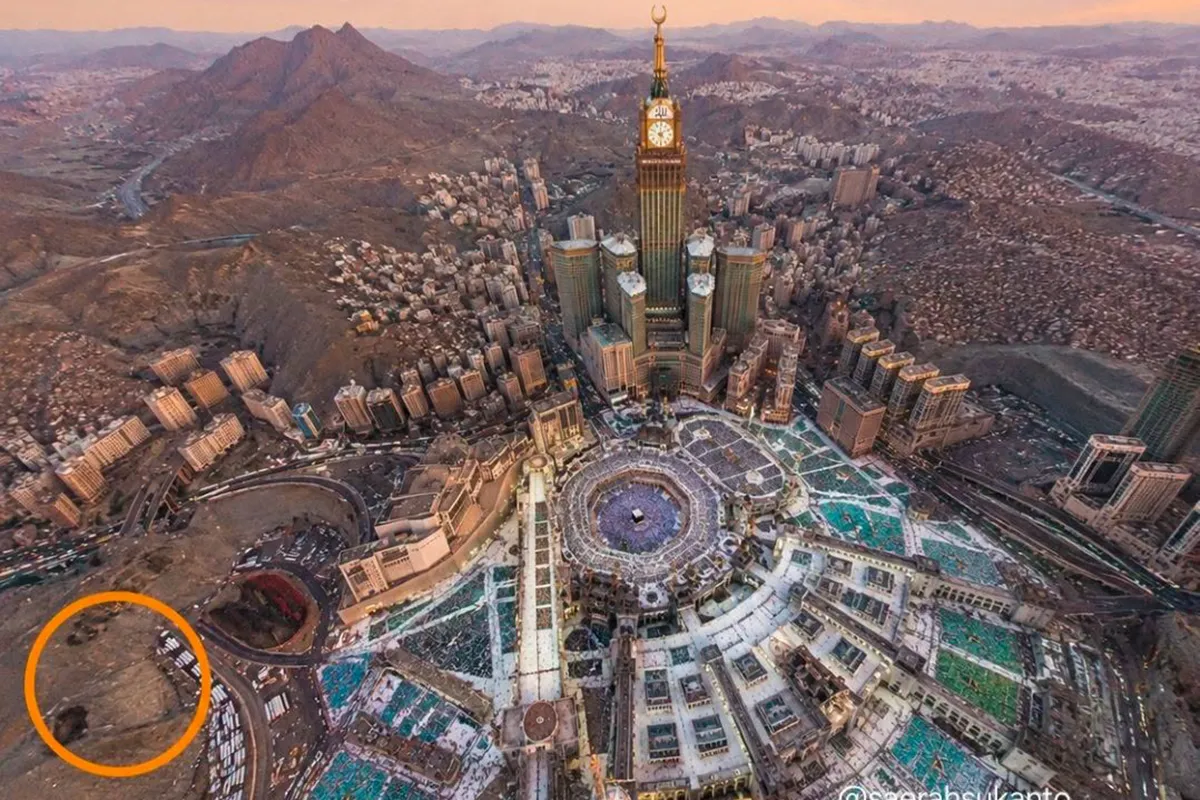
Masjid al-Ijabah, Makkah: The Small Mosque at al-Ma'abada
A small mosque of about 400 square metres on the old road towards Mina. Two mosques carry this name, one in Makkah and one in Madinah, and the famous hadith belongs to the other one.
Wadana Go Editorial · 7 min read
Umrah & Ziyarat
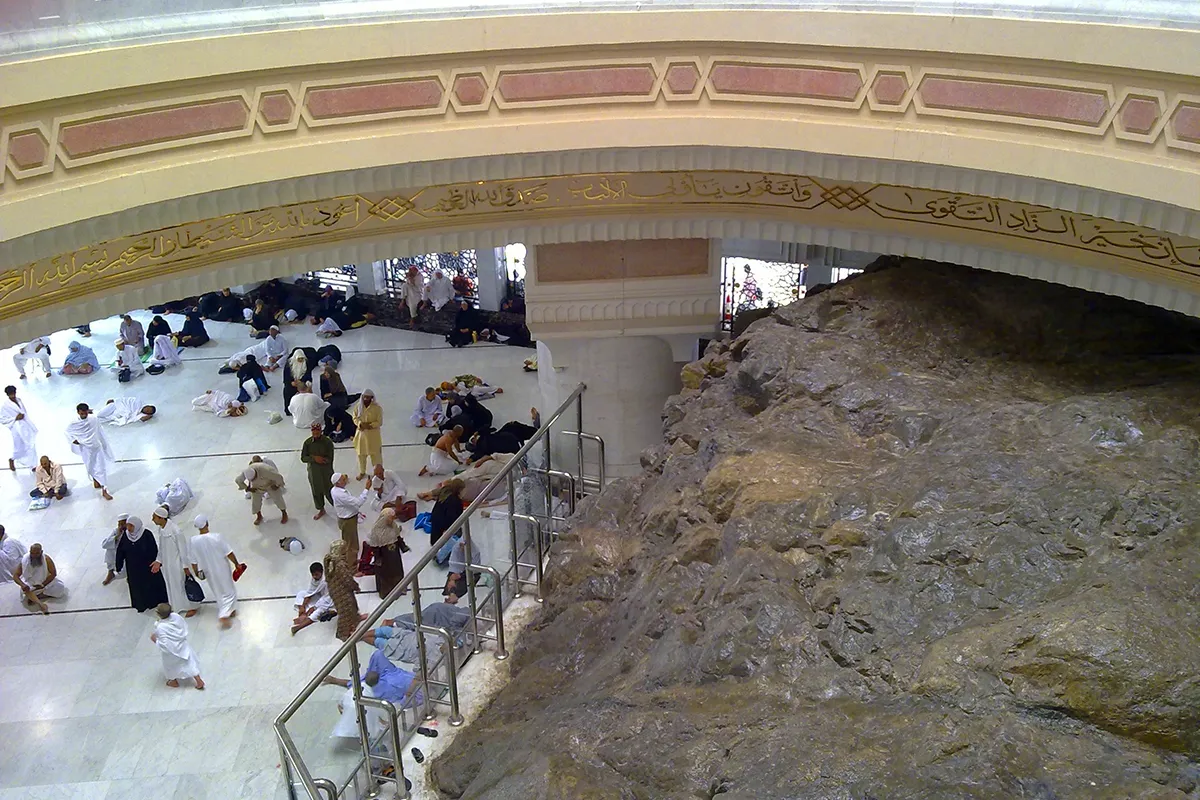
Shi'b Abi Talib: Three Years of Boycott in a Makkah Valley
For roughly three years the Prophet's whole clan was cut off from trade and marriage and confined to a ravine on the eastern side of Makkah. The hadith confirms the pact. The valley is now a built-up district.
Wadana Go Editorial · 8 min read
Umrah & Ziyarat
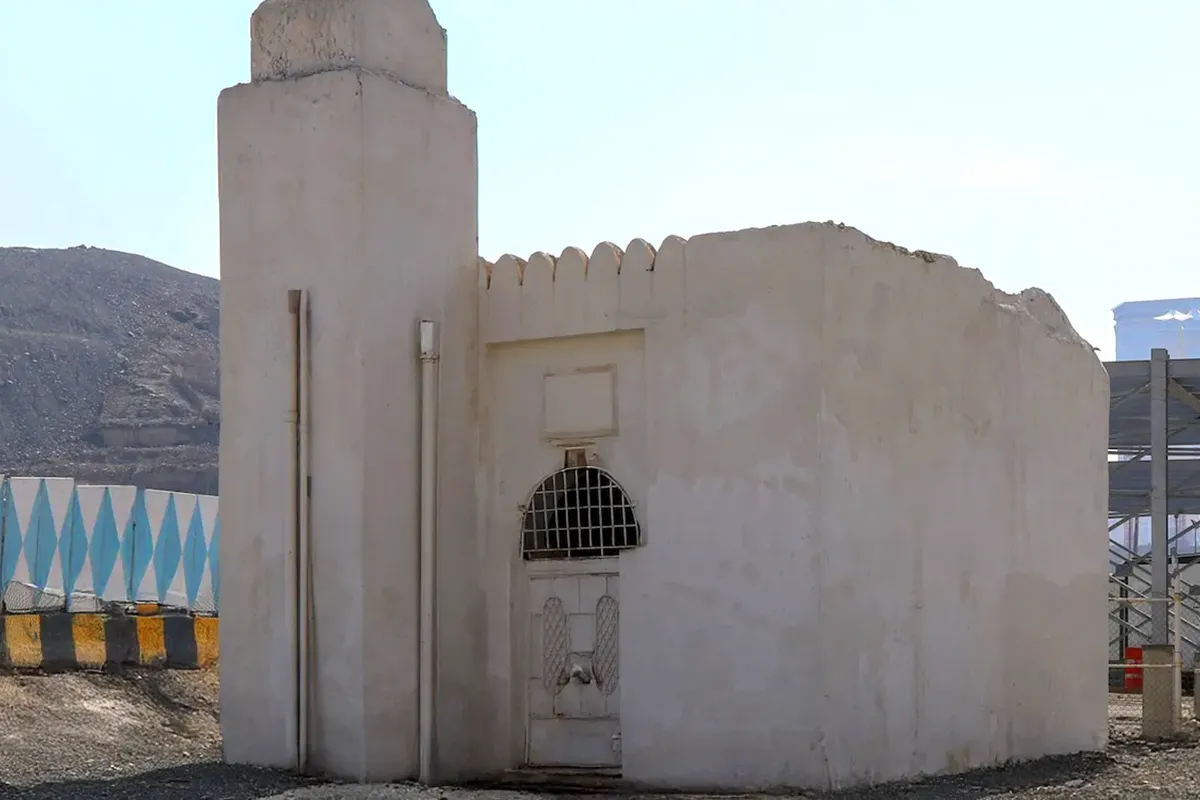
Dar al-Arqam: The House Where Islam Met in Secret
For the first years of Islam, the whole community fitted inside one house at the foot of Safa. It was chosen for its sightlines, not its size. The house is gone, absorbed into the Grand Mosque, and a gate carries its name.
Wadana Go Editorial · 7 min read
Umrah & Ziyarat
Bir Tuwa: The Well Where the Prophet Stopped Before Entering Makkah
The Prophet used to stop overnight in the valley of Tuwa, bathe in the morning and enter Makkah by daylight. The well is still there, 1.43 kilometres from the Kaaba, boxed in by a ring road and apartment blocks.
Wadana Go Editorial · 7 min read
Umrah & Ziyarat
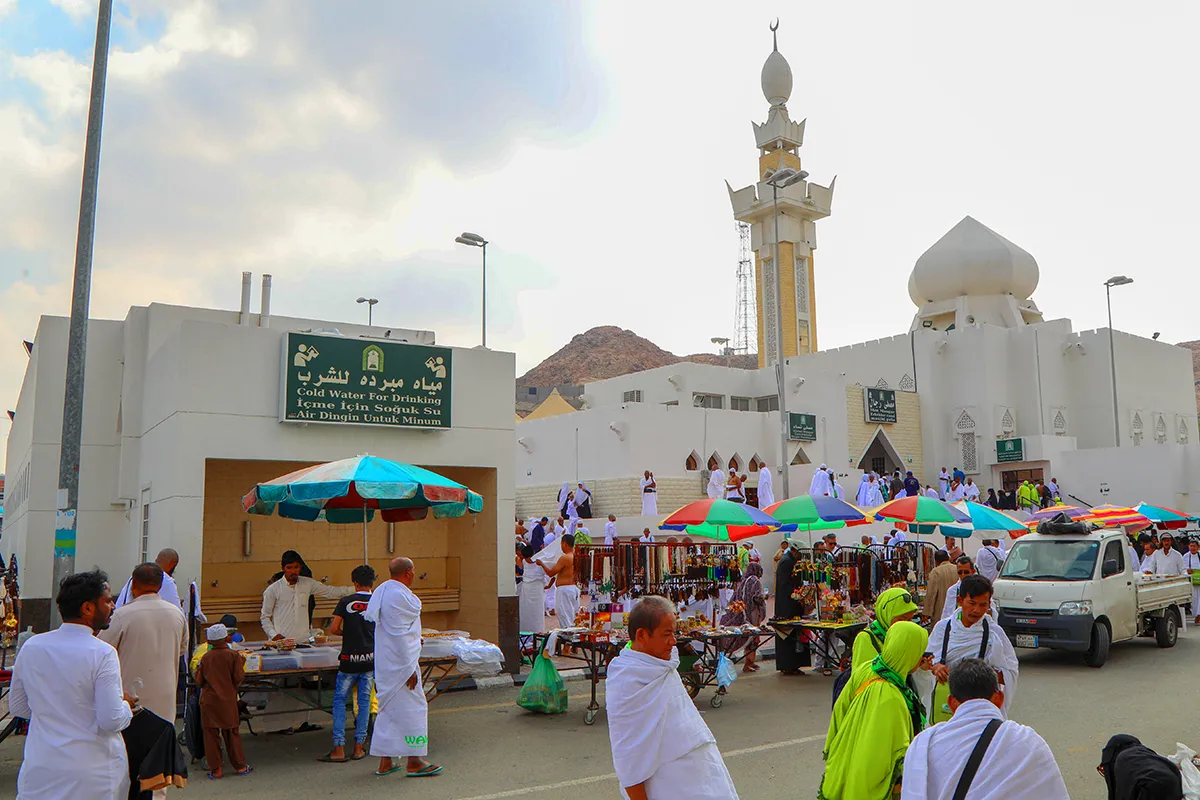
Masjid al-Ji'ranah: The Small Mosque Where Makkah Enters Ihram
About 430 square metres, room for a thousand people, and a car park in a dry valley. The mosque at al-Ji'ranah is small and plain, and it does a specific job for pilgrims who need to leave the Haram boundary.
Wadana Go Editorial · 7 min read
Umrah & Ziyarat
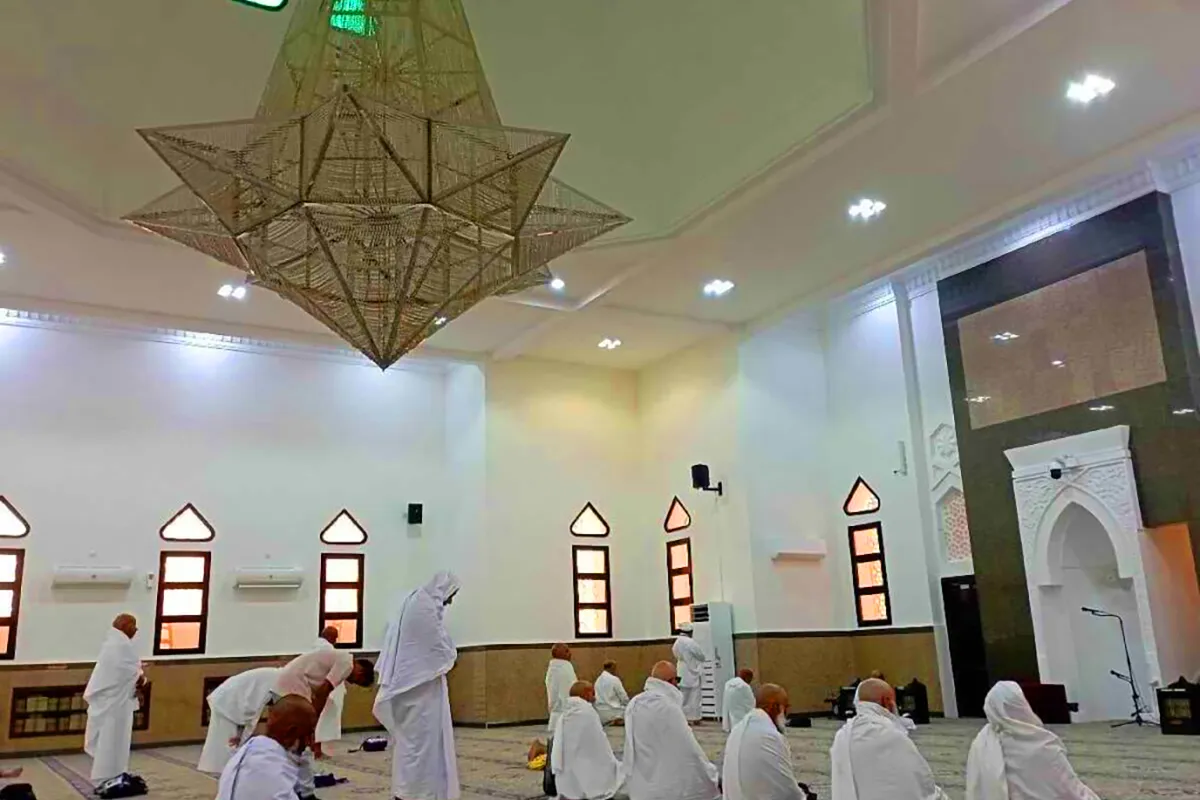
Al-Ji'ranah: Thirteen Nights, the Spoils of Hunayn, and a Hard Sermon
After Hunayn the Prophet camped here for thirteen nights and divided an enormous amount of property. The Ansar got nothing, and said so. What he told them in reply is one of the most quoted moments in the seerah.
Wadana Go Editorial · 8 min read
Umrah & Ziyarat
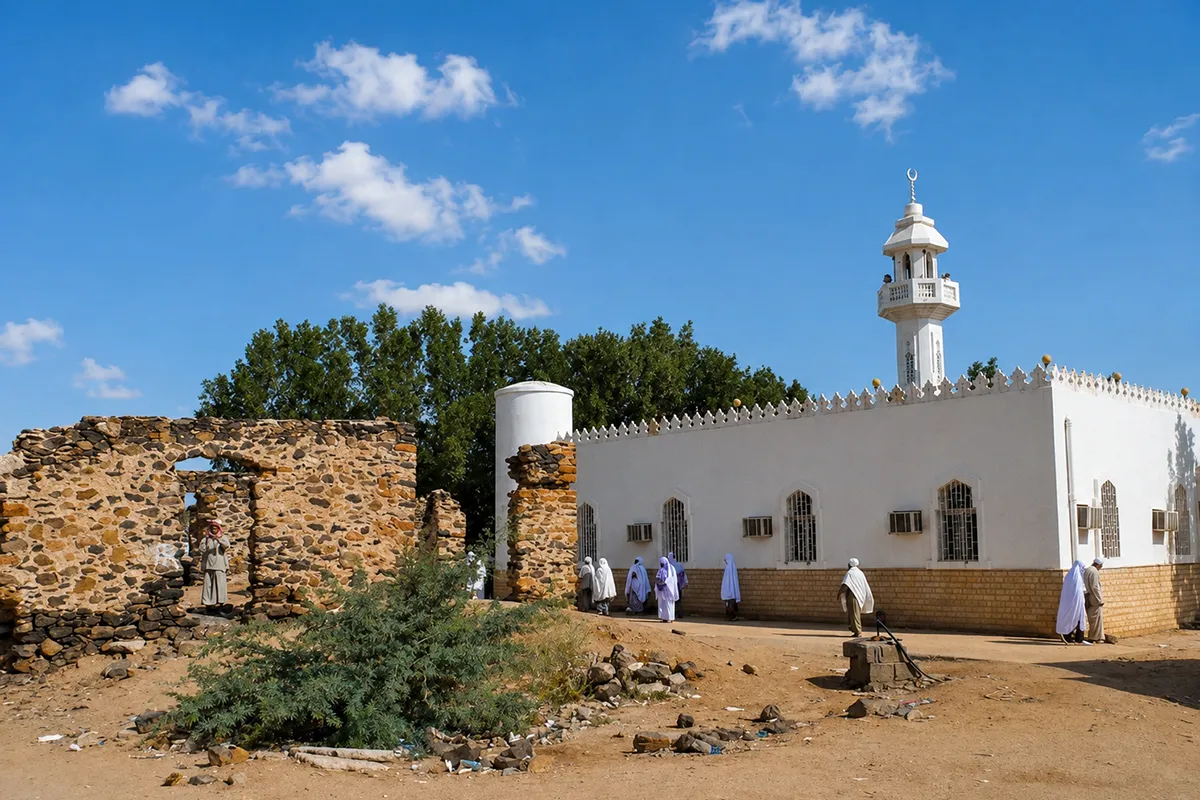
Al-Hudaybiyah: The Treaty That Looked Like a Defeat
In the sixth year after the Hijrah, 1,400 men set out for Umrah and were turned back. What they signed at al-Hudaybiyah read like a defeat and was called a clear victory in the Qur'an. The place is now called al-Shumaisi.
Wadana Go Editorial · 9 min read
Umrah & Ziyarat
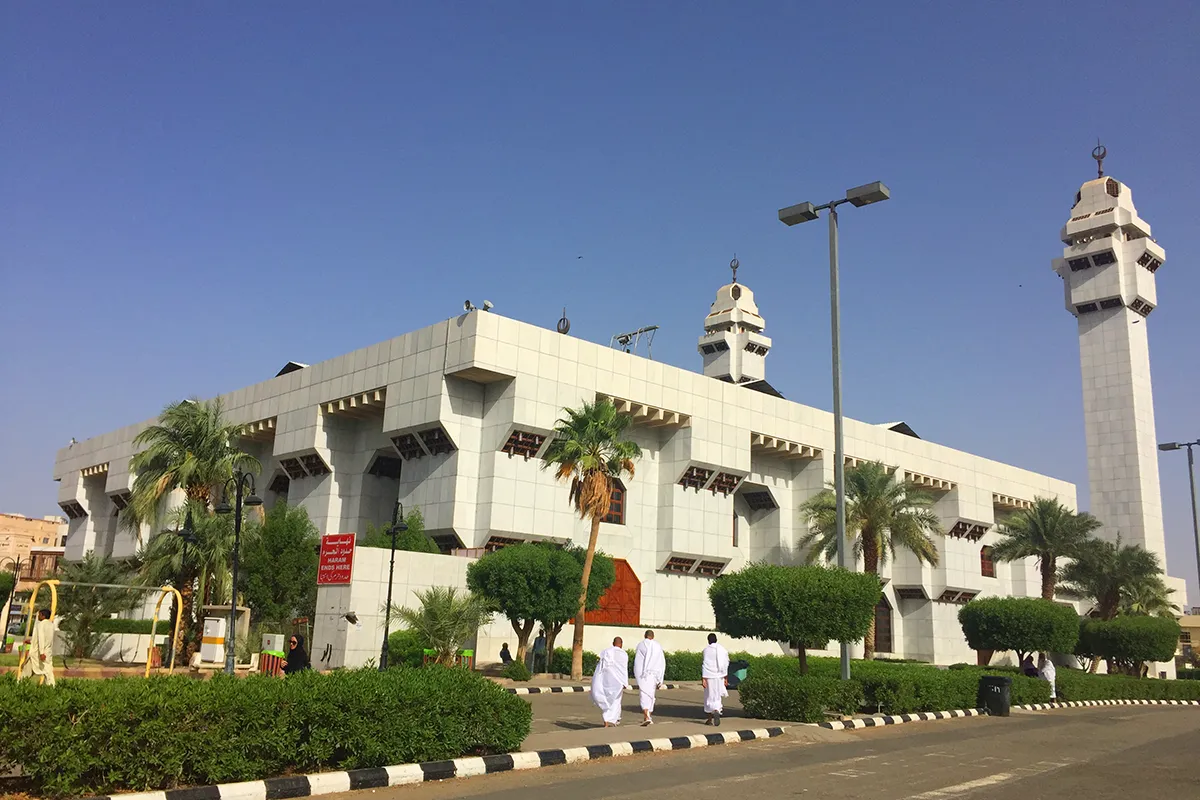
Masjid Aisha (Taneem): The Miqat Inside Makkah, and the Ruling Behind It
The mosque at Taneem is where people already inside Makkah go to enter ihram for another Umrah. The hadith behind it is authentic. What scholars make of repeating Umrah in one trip is a genuine difference of opinion, and you deserve both sides.
Wadana Go Editorial · 9 min read
Umrah & Ziyarat
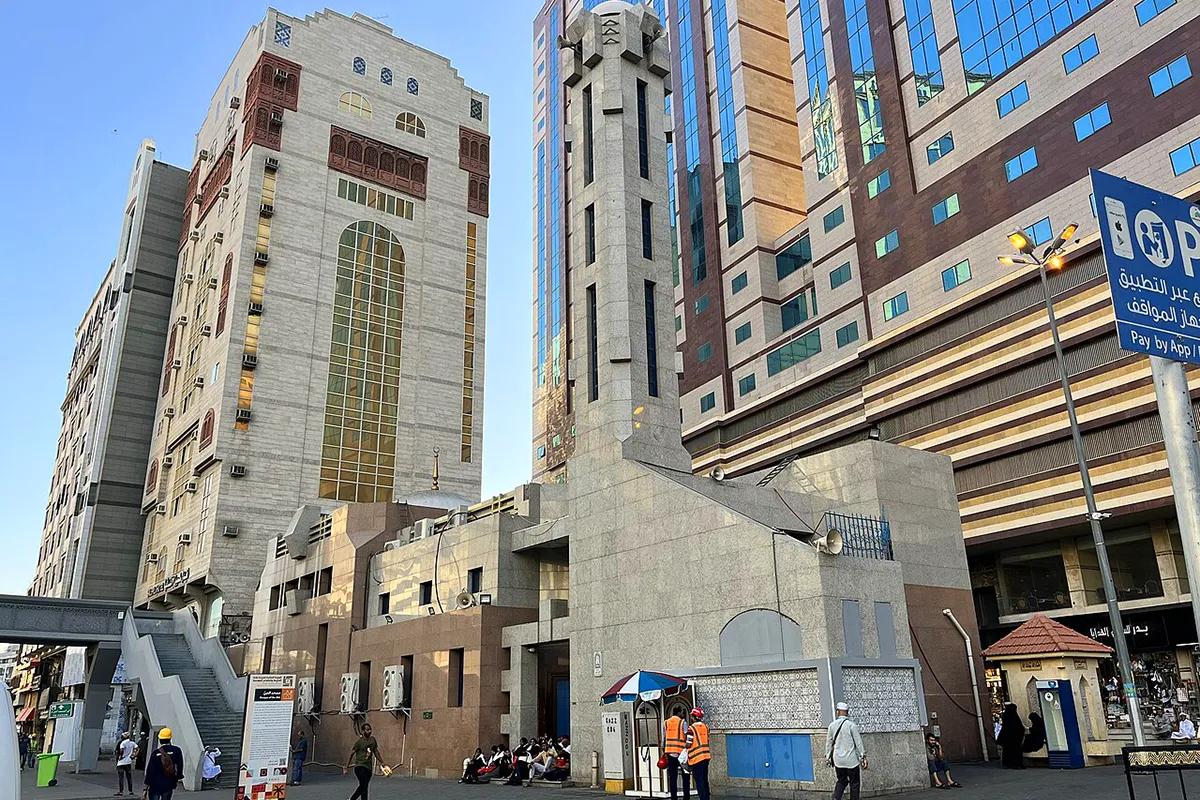
Masjid al-Jinn, Makkah: The Mosque Named for a Night in Surah al-Jinn
A working mosque on the second ring road, next door to Makkah's oldest cemetery. The event it is named for is in the Qur'an. The claim that it happened on this exact spot is a later one, and worth separating out.
Wadana Go Editorial · 7 min read
Umrah & Ziyarat
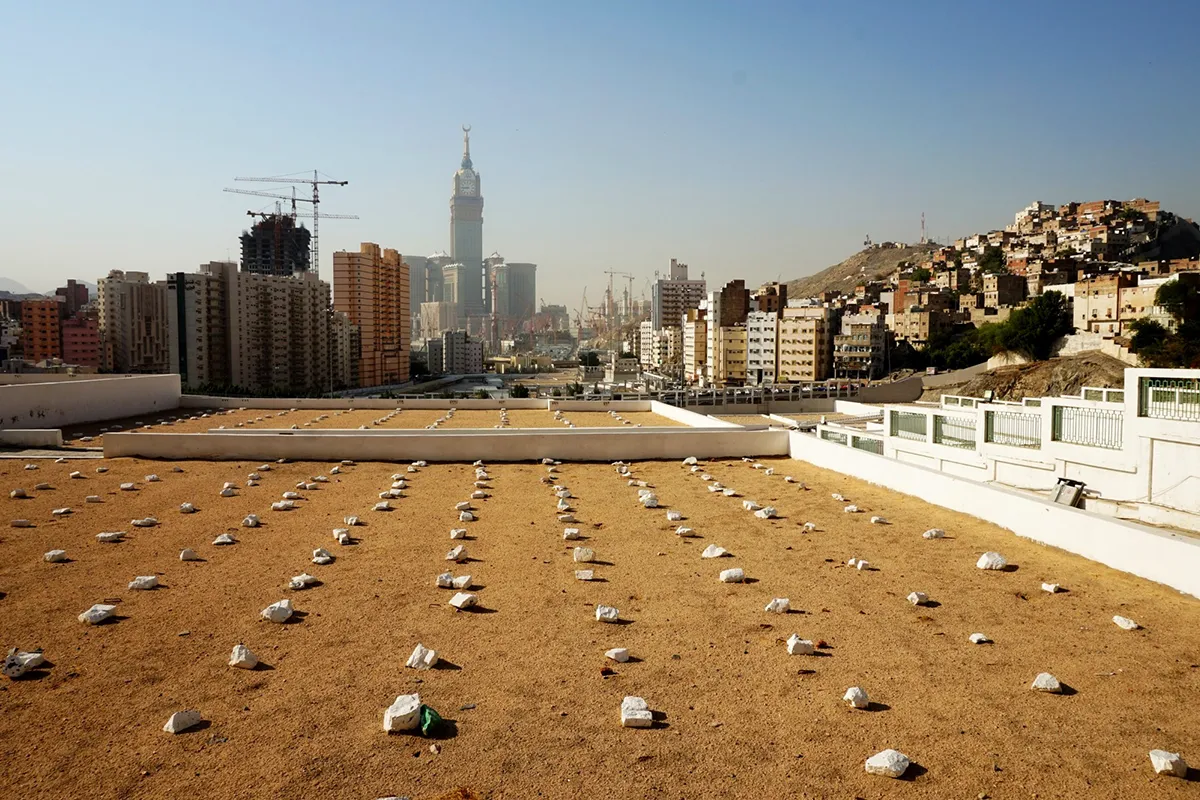
Jannat al-Mu'alla: Makkah's Oldest Cemetery, and Who Rests There
A kilometre north of the Grand Mosque, on the slope of al-Hajun, lies the cemetery where Khadijah bint Khuwaylid was buried. Plain stone, no markers, still in daily use. And one famous name on the visitor lists that does not belong there.
Wadana Go Editorial · 8 min read
Umrah & Ziyarat
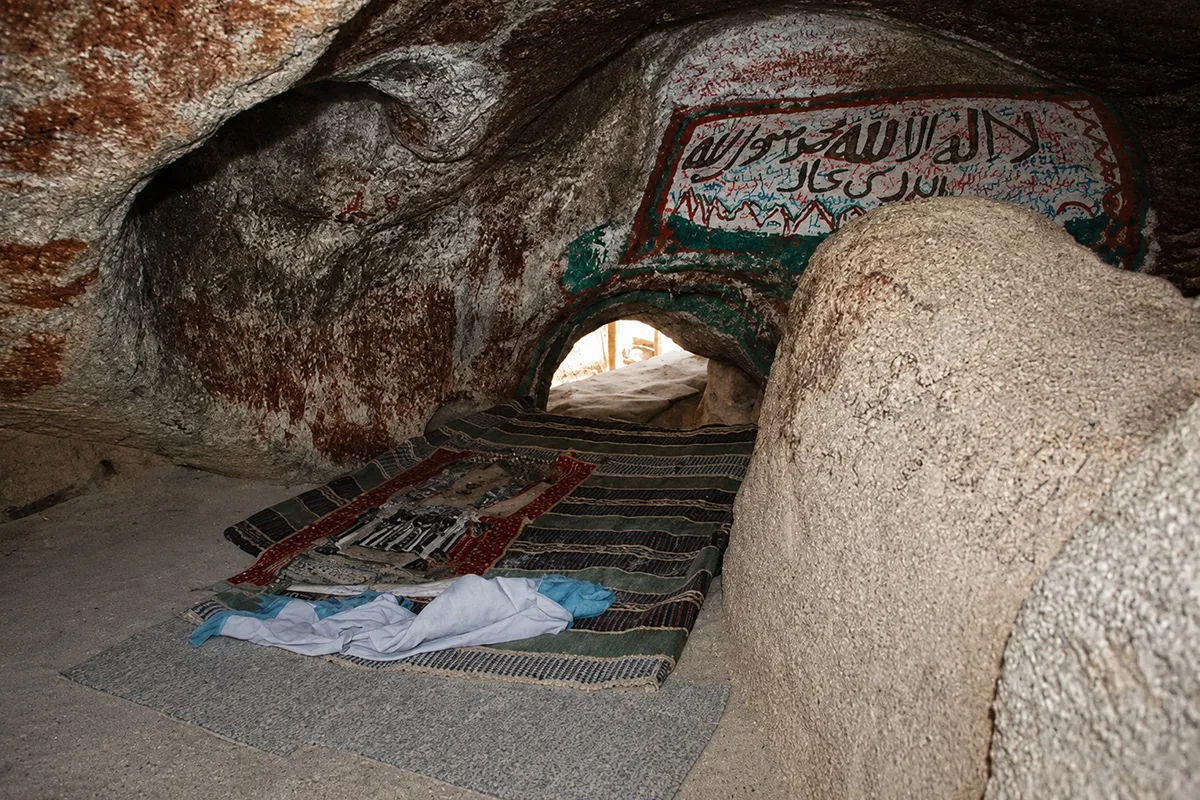
Ghar Thawr: The Cave Where the Hijrah Began
A hollow in the rock near the summit of Jabal Thawr, about 1.25 metres high, with two openings. The Qur'an names what happened there. Here is what Bukhari records, what the spider story is really worth, and what a visit involves today.
Wadana Go Editorial · 9 min read
Umrah & Ziyarat
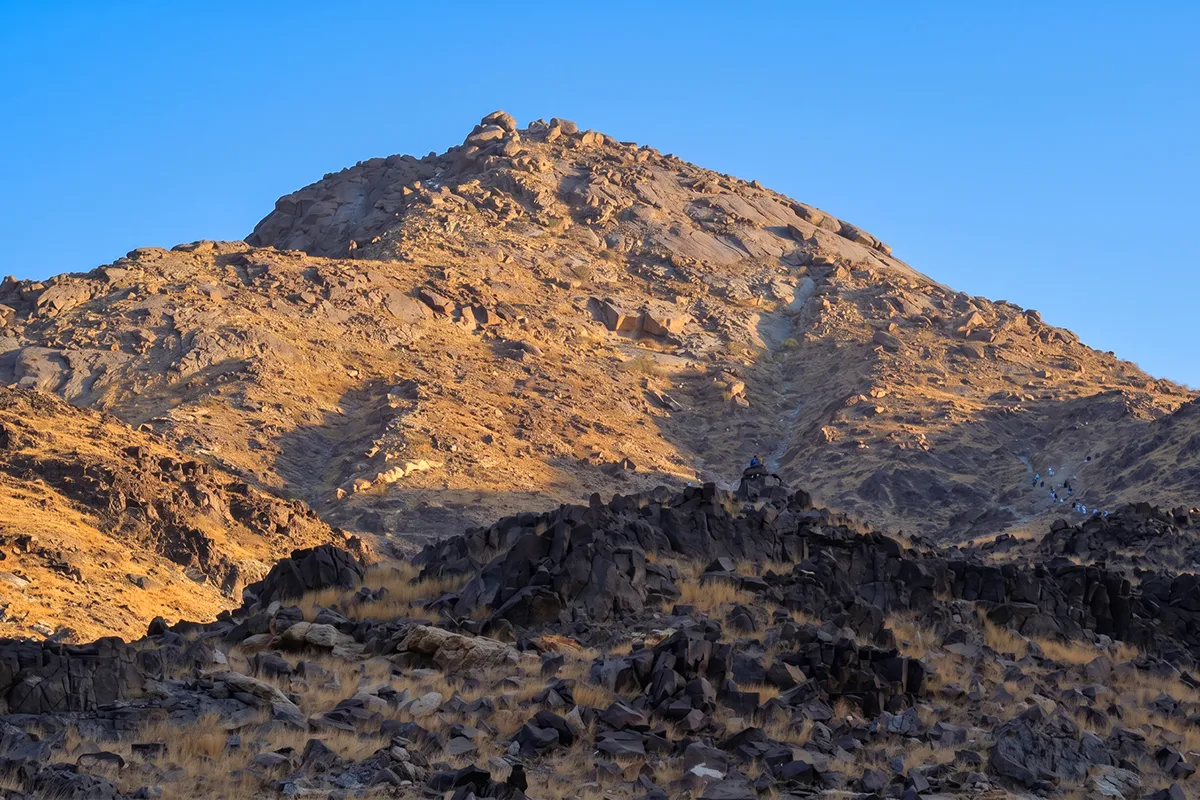
Jabal Thawr, Makkah: The Mountain of the Hijrah Cave
Jabal Thawr rises 760 metres about four kilometres south of the Grand Mosque, on the wrong side of Makkah for anyone heading to Madinah. That was the point. Here is the mountain, the climb, and what is being built at its base.
Wadana Go Editorial · 8 min read
Umrah & Ziyarat
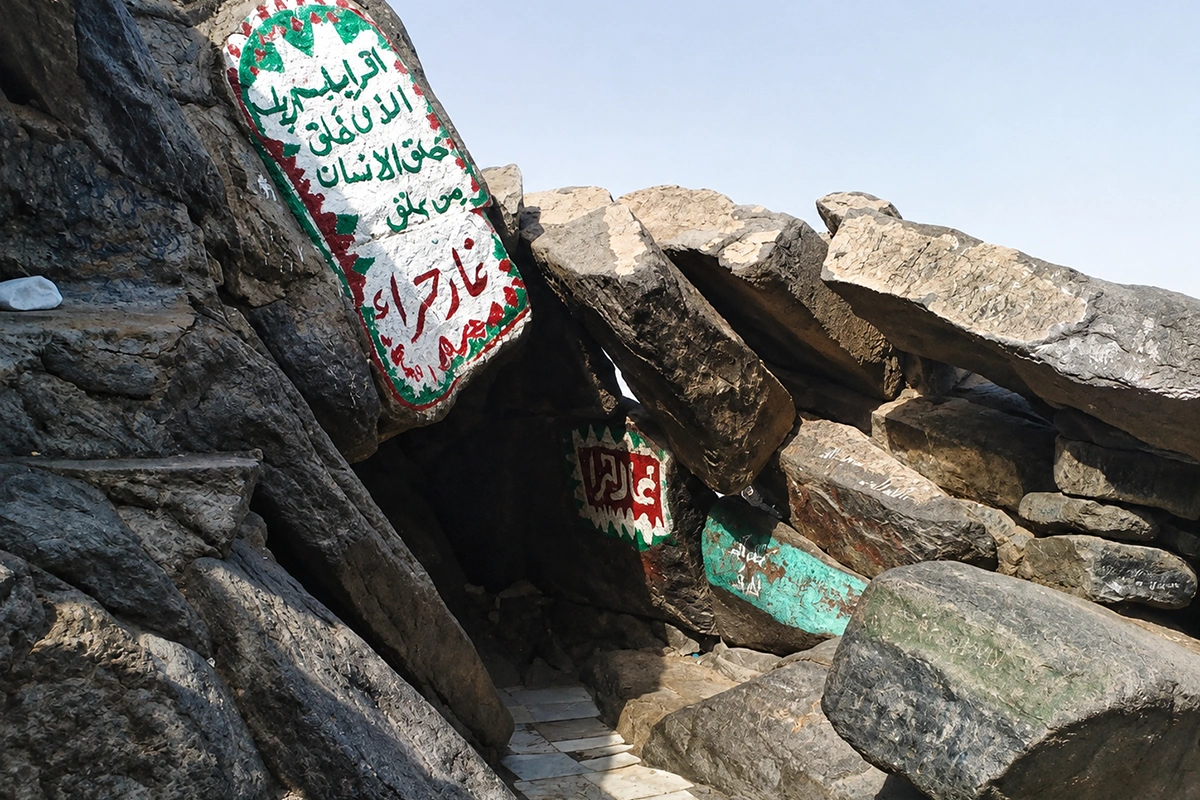
Cave Hira (Ghar Hira): Where the First Revelation Came
Ghar Hira sits near the summit of Jabal al-Noor and holds about five people. What Bukhari records happened there, what the cave is like today, and what the ruling on climbing to it is.
Wadana Go Editorial · 9 min read
Umrah & Ziyarat
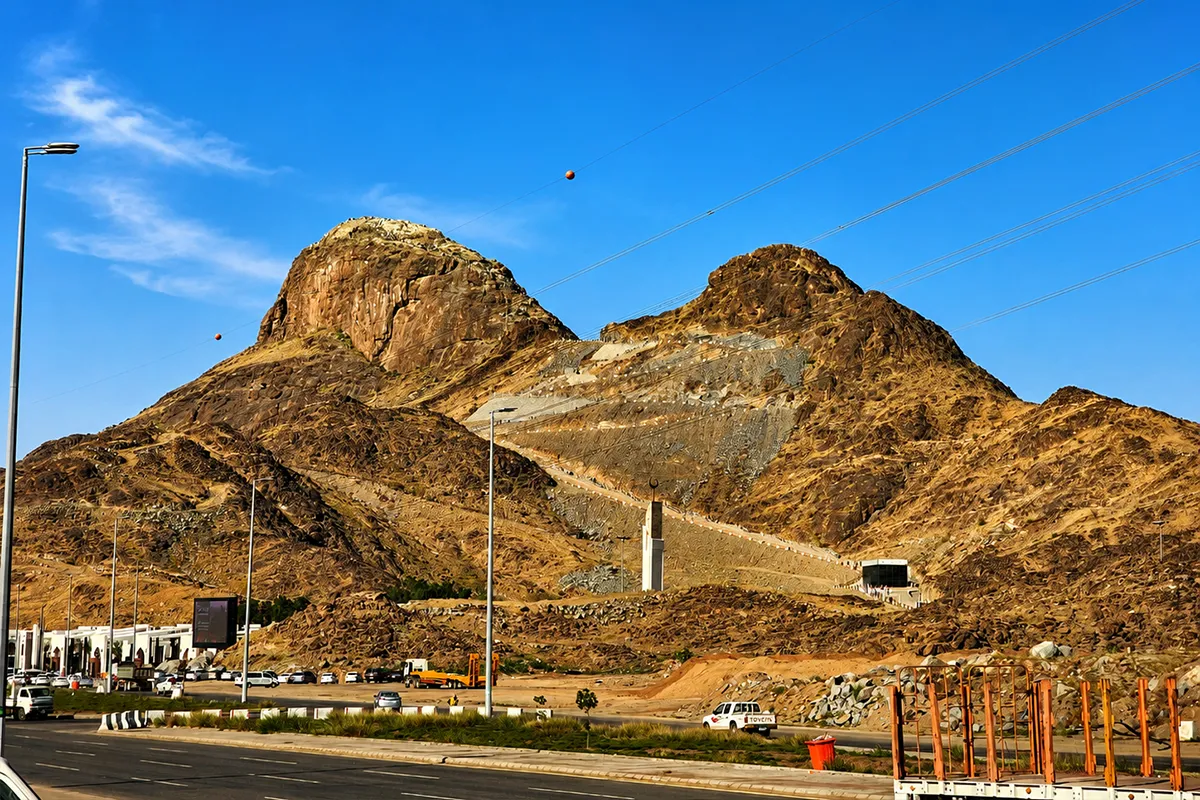
Jabal al-Noor: The Mountain of Light and How to Visit It
Jabal al-Noor rises 642 metres above Makkah, four kilometres from the Haram, with the Cave of Hira at its summit. What is up there, what the climb involves, and what the ruling on climbing actually is.
Wadana Go Editorial · 9 min read
Umrah & Ziyarat
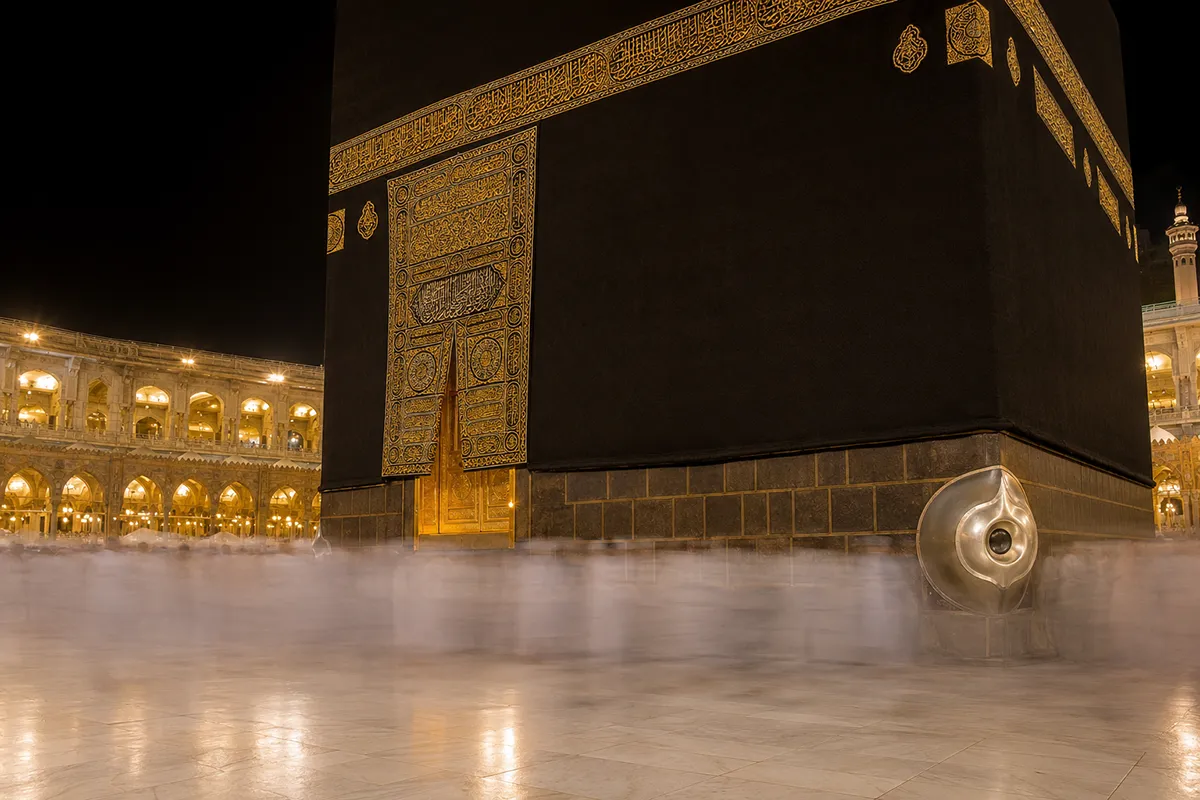
Multazam: The Part of the Kaaba Between the Door and the Black Stone
The Multazam is the two-metre stretch of the Kaaba's wall between the Black Stone and the door. Here is what the evidence supports, what it does not, and how pilgrims reach it today.
Wadana Go Editorial · 8 min read
Umrah & Ziyarat
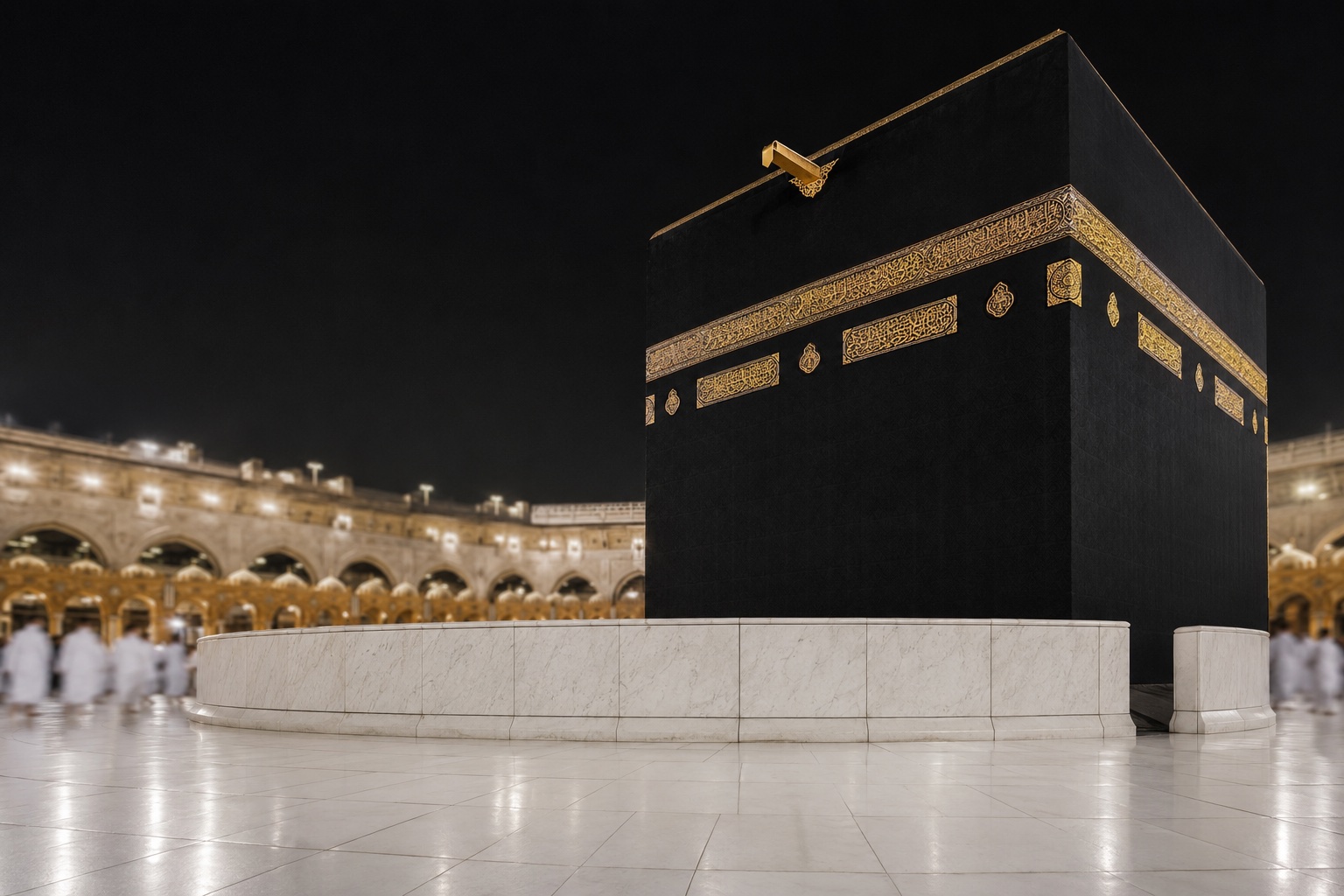
Hijr Ismail (Hatim): The Part of the Kaaba Left Outside
The low curved wall beside the Kaaba marks ground that belongs to the House itself. Why it was left out, why tawaf must go around it, and what praying inside really means.
Wadana Go Editorial · 8 min read
Umrah & Ziyarat
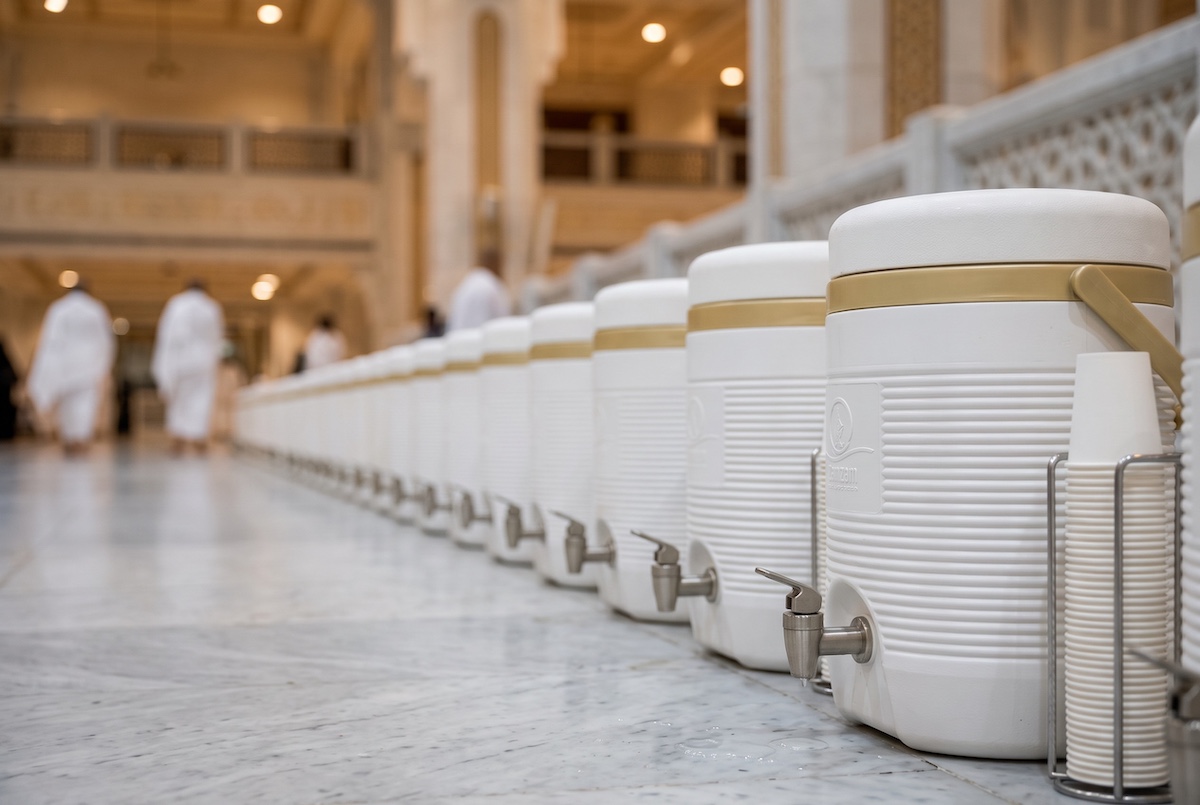
Zamzam Well and Zamzam Water: The Full Story
Where Zamzam comes from, what the authentic hadith actually say about it, why the well itself is closed to visitors, and what to know before you carry some home.
Wadana Go Editorial · 9 min read
Umrah & Ziyarat
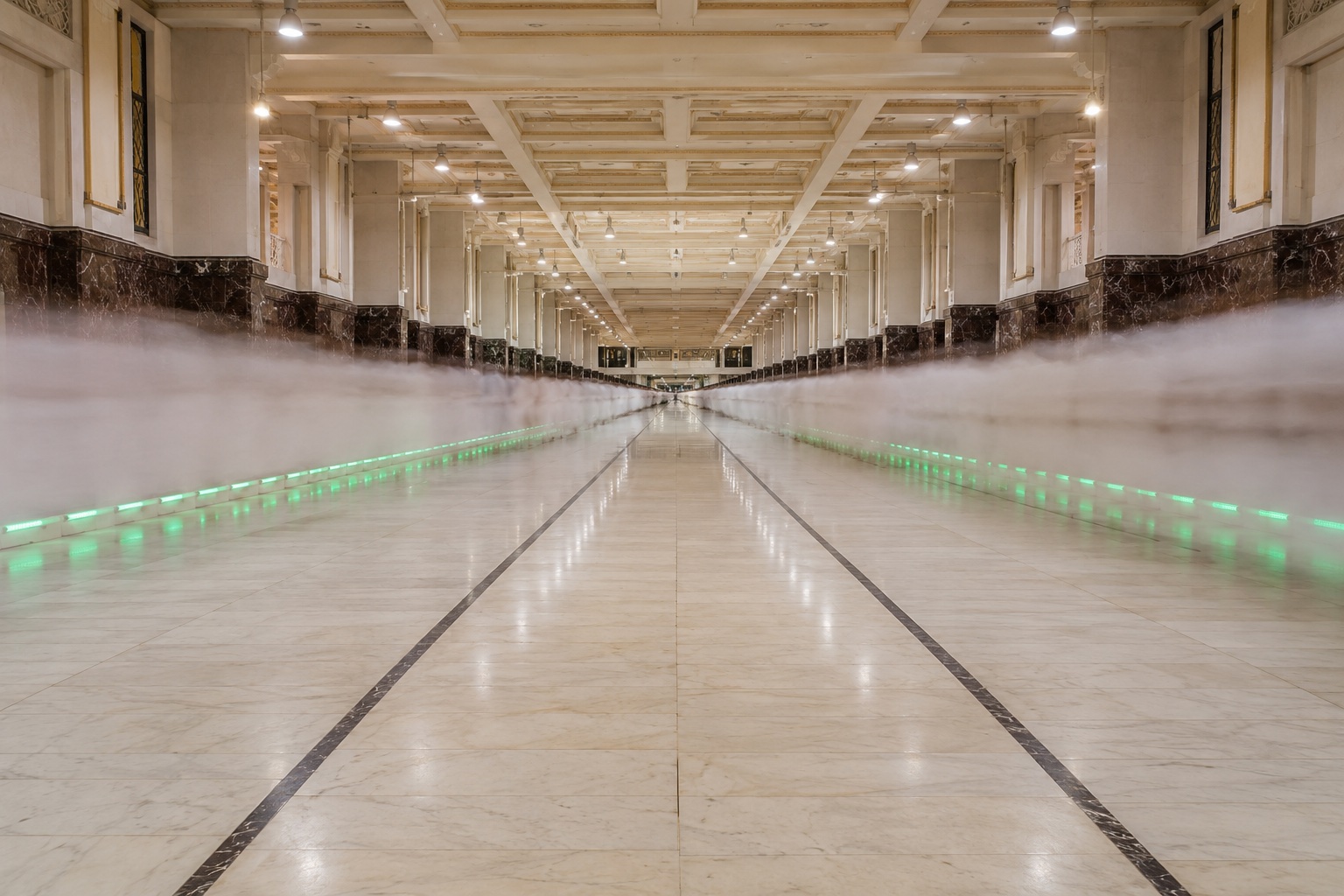
Safa and Marwah: A Complete Guide to Sa'i
Safa and Marwah are the two hills inside Masjid al-Haram that pilgrims walk between seven times. What they are, the story behind the walk, and how to do sa'i correctly.
Wadana Go Editorial · 10 min read
Umrah & Ziyarat
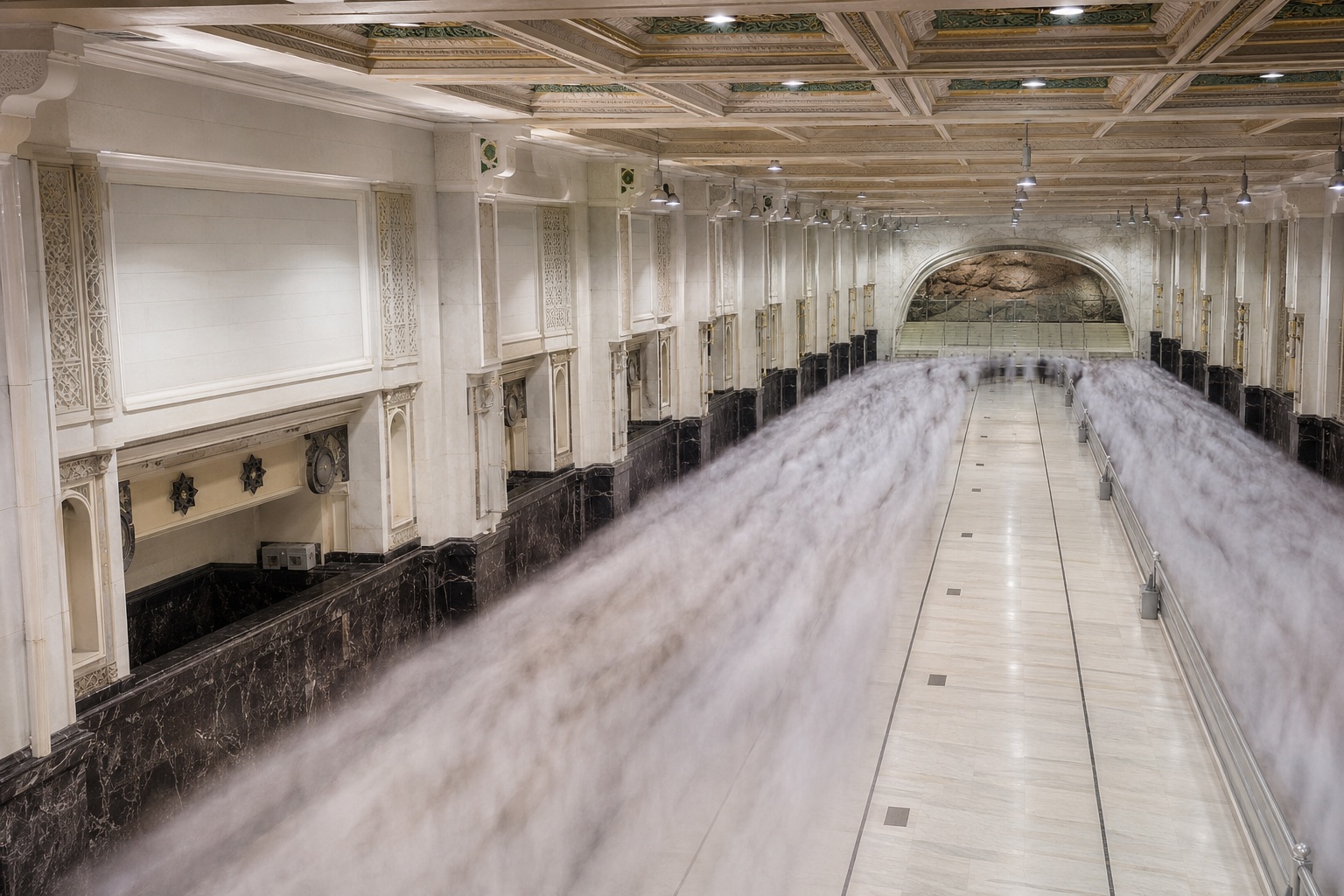
Marwah: Where Sa'i Ends, and What You Do When You Get There
Marwah is the hill where your seventh length finishes. What the Quran says, what Bukhari records happened there, why counting goes wrong, and the haircut mistake that leaves pilgrims still in ihram without knowing it.
Wadana Go Editorial · 8 min read
Umrah & Ziyarat
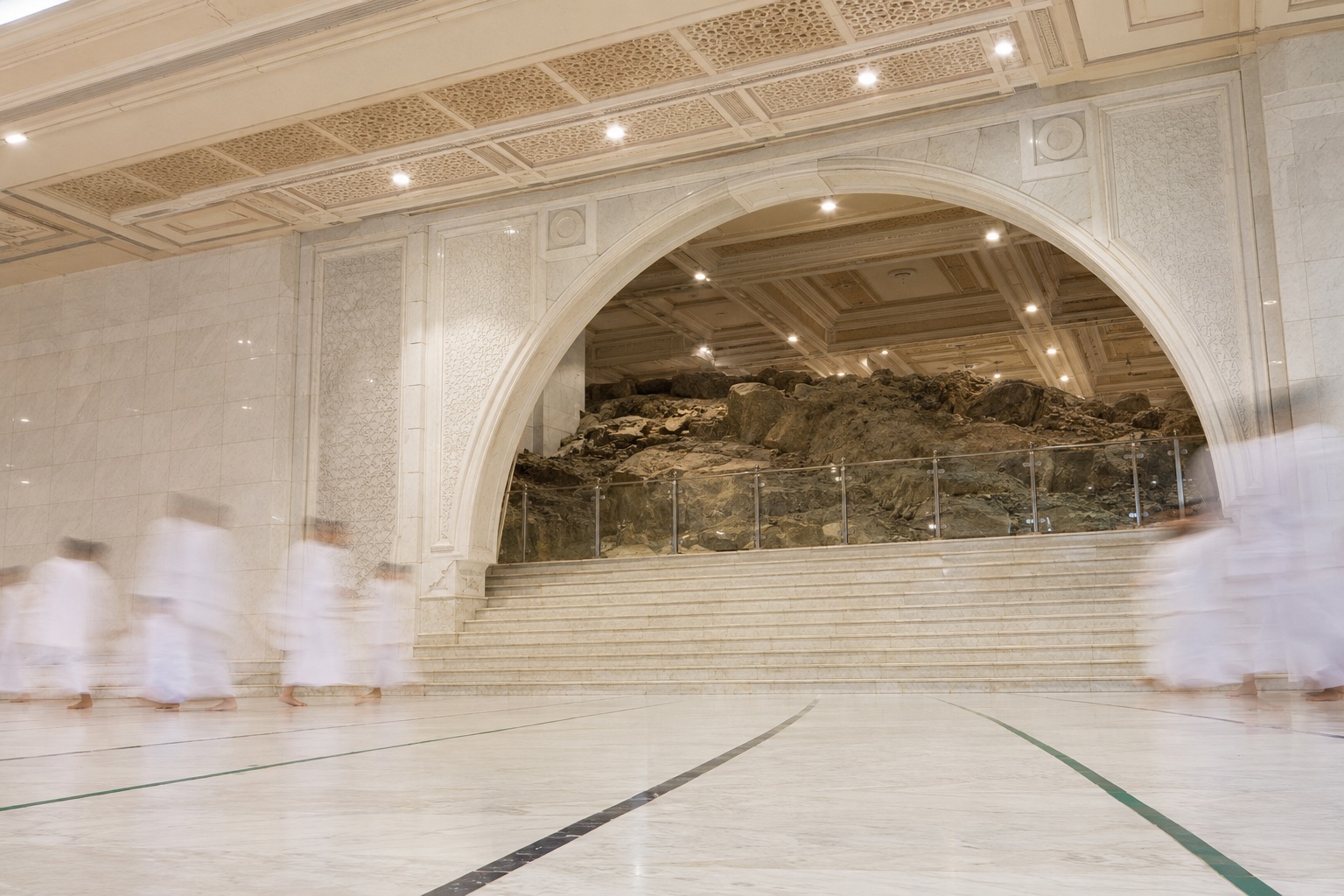
Safa: The Hill Where Sa'i Begins, and Why It Begins There
Safa is the small hill inside Masjid al-Haram where every sa'i starts. What the Quran says about it, why the order is fixed, the two events in Bukhari that happened on this rock, and what the walk is actually like today.
Wadana Go Editorial · 8 min read
Umrah & Ziyarat
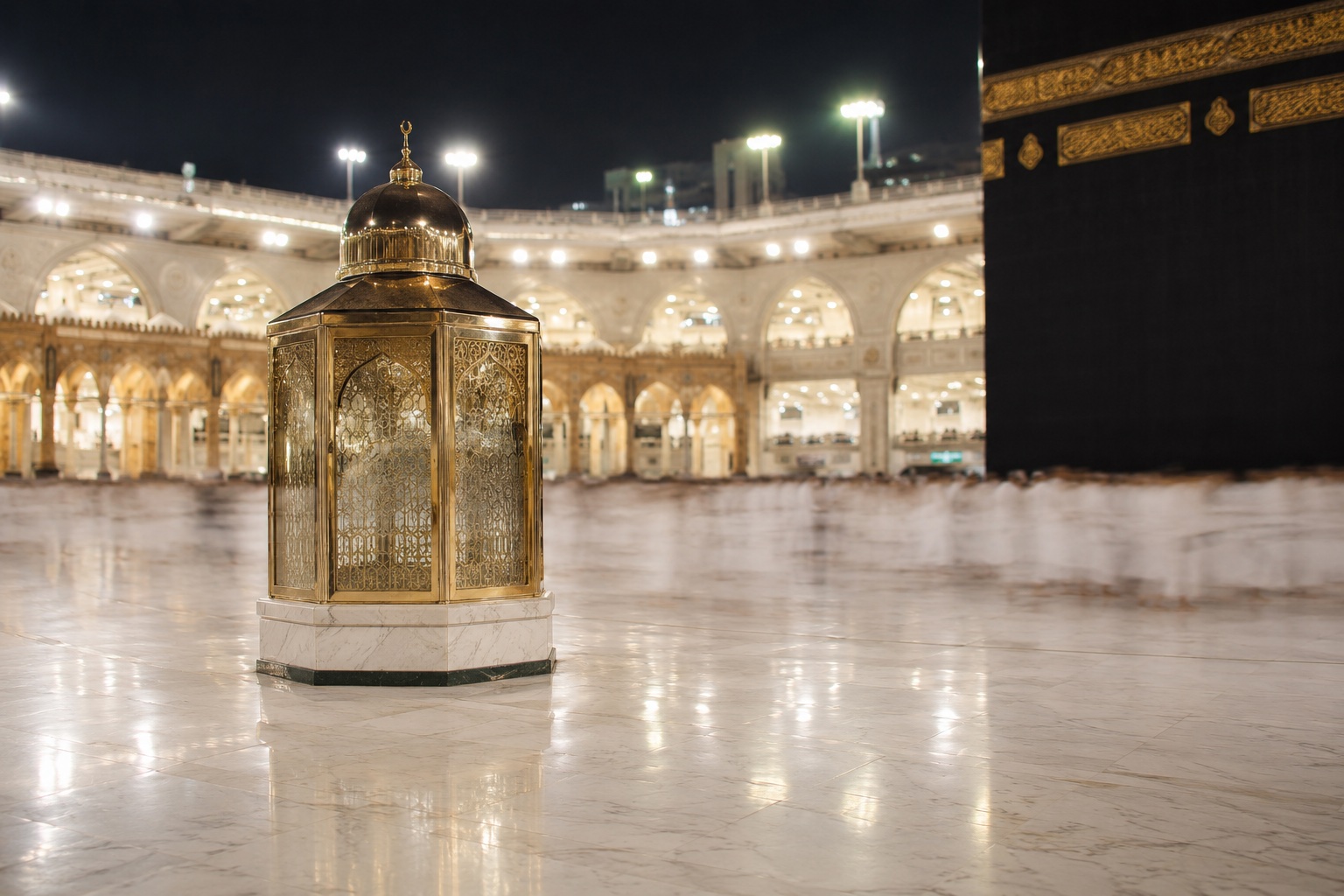
Maqam Ibrahim: What It Is, What the Quran Says, and What You Do There
The stone in the crystal case beside the Kaaba, explained simply: what the Quran says about it, the two rak'ahs the Prophet prayed there, what the enclosure is made of, and what to do when the mataf is too full to reach it.
Wadana Go Editorial · 9 min read
Umrah & Ziyarat
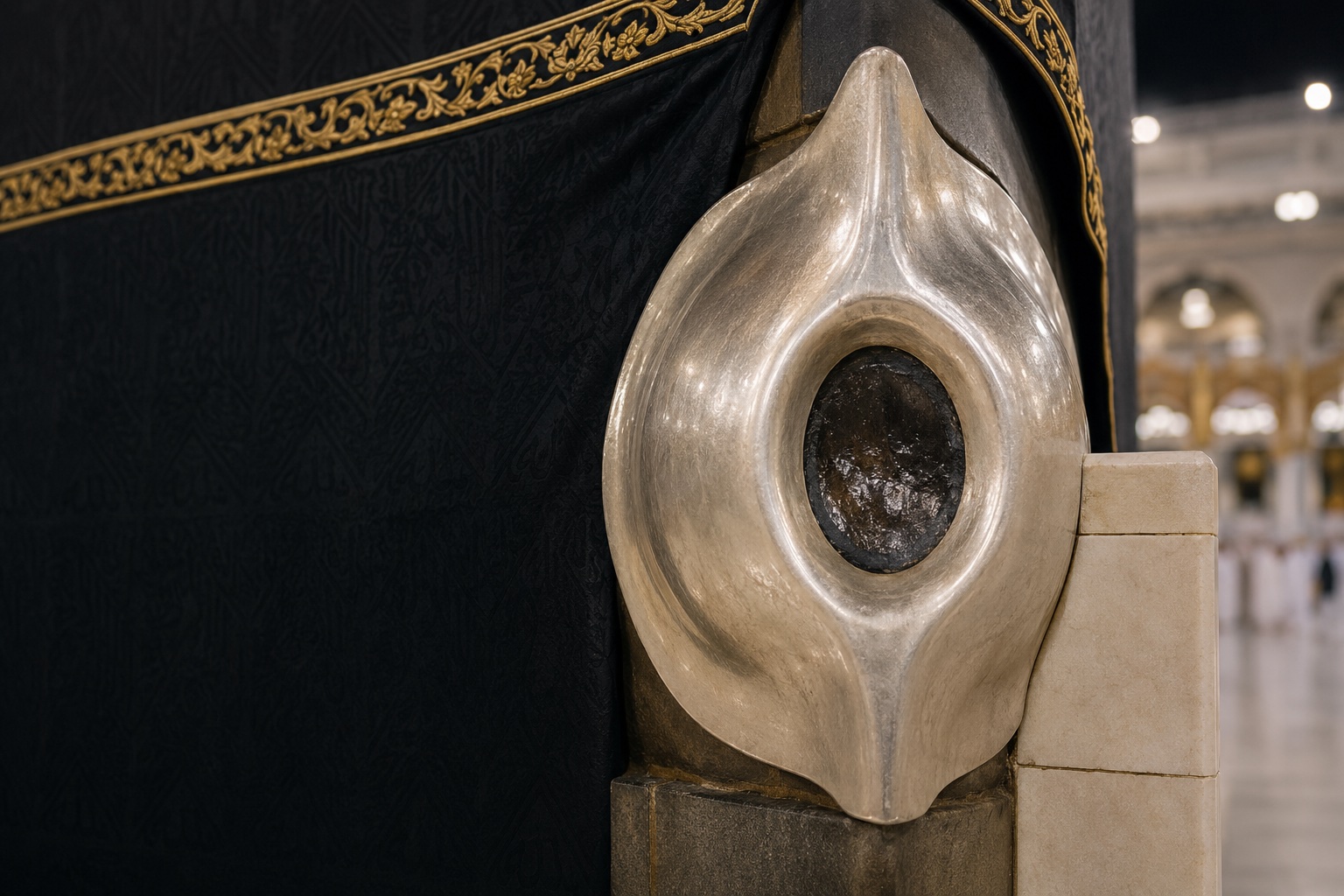
Hajar al-Aswad: The Black Stone Explained
What is authentically established about the Black Stone, what is not, why kissing it is a sunnah rather than a requirement, and what really happens in the crowd at that corner.
Wadana Go Editorial · 9 min read
Umrah & Ziyarat
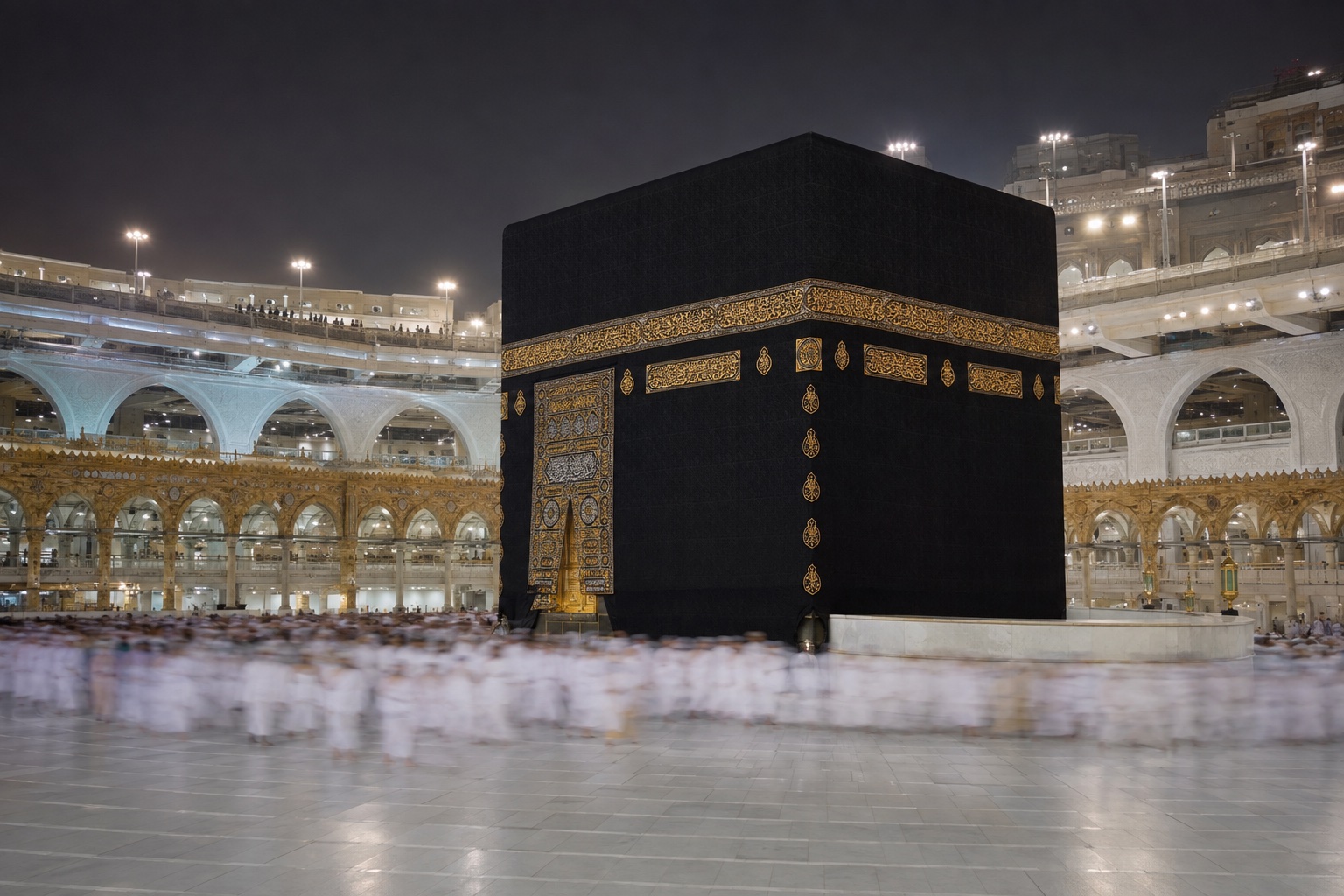
The Holy Kaaba: What It Is, and What It Is Not
The Kaaba explained plainly: what the Quran says about it, what its parts are called, why Muslims face it rather than worship it, and what popular claims about it are simply untrue.
Wadana Go Editorial · 10 min read
Umrah & Ziyarat
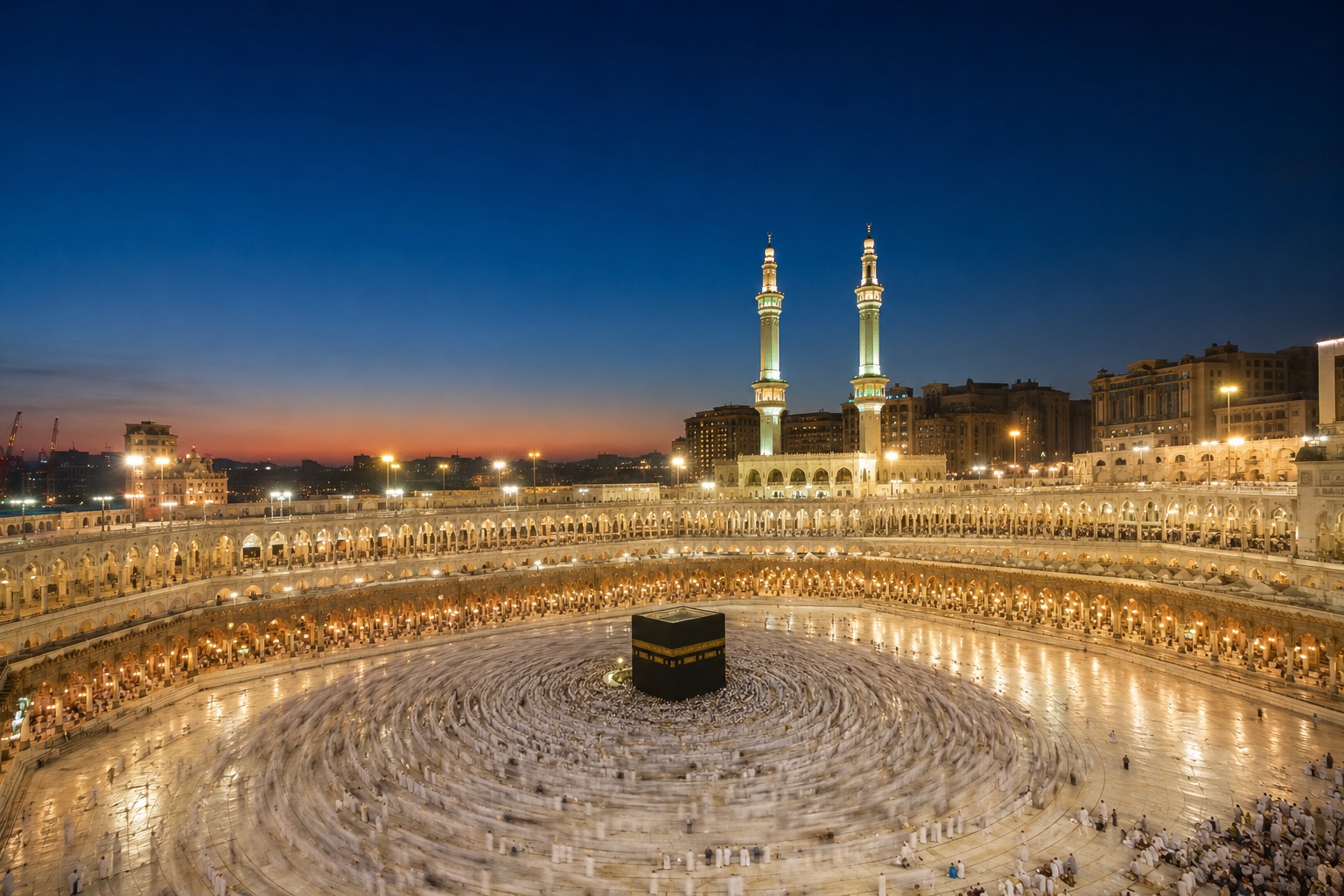
Masjid al-Haram: A Complete Visitor Guide for Pilgrims
What Masjid al-Haram is, what you will see when you arrive, when it is quietest, and the practical things that make a first Umrah visit easier.
Wadana Go Editorial · 9 min read
Umrah & Ziyarat
Umrah 2026–2027: The New Nusuk Rules Explained (No Booking, No Visa)
Saudi Arabia has tightened its Umrah rules for the 1448 (2026–27) season: Nusuk is now mandatory, and you cannot get a visa until your hotel and transport are booked. Here is exactly what changed and how to stay compliant.
Wadana Go Editorial · 8 min read
Umrah & Ziyarat
What to Pack for Umrah: The Complete Checklist (Men & Women)
A complete, room-by-room Umrah packing list for men and women — ihram essentials, unscented toiletries, the right footwear, a health kit, documents and the easy-to-forget items that make the trip smoother.
Wadana Go Editorial · 10 min read
Umrah & Ziyarat
10 Tips for First-Time Umrah Travelers
Practical, calming advice for first-time Umrah travelers.
Wadana Go Editorial · 7 min read