Masjid al-Shaykhayn: The Camp Where the Boys Were Sent Home
Short answer
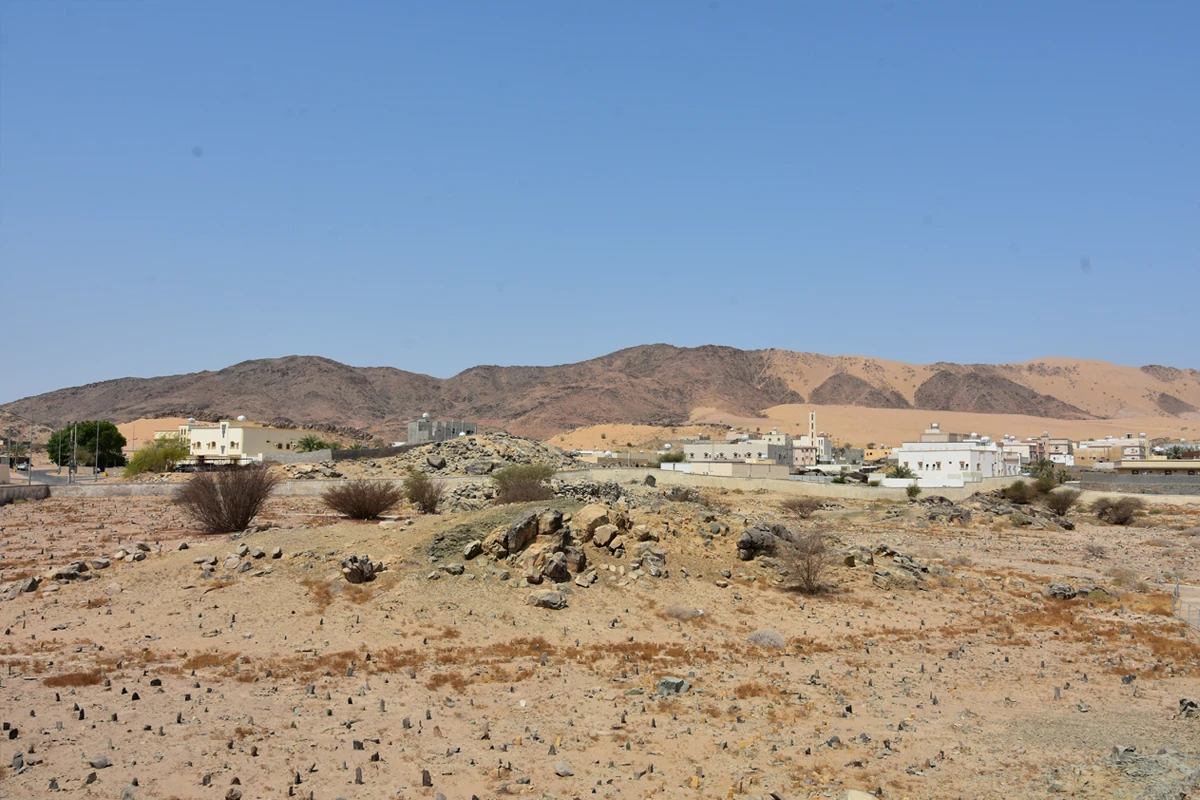
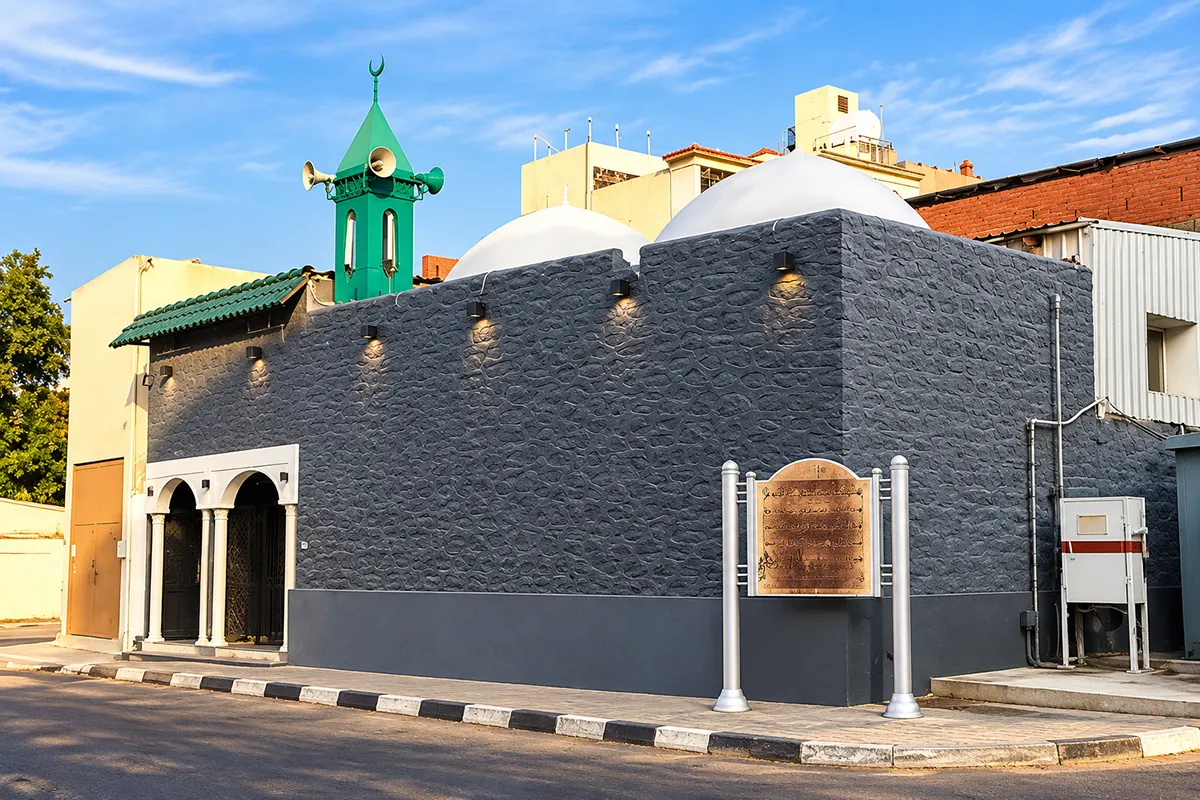
Masjid al-Shaykhayn, also called Masjid al-Dir' and Masjid al-Udwah, stands on the road from Madinah towards Uhud. The Prophet ﷺ camped and prayed here on the night before the battle and reviewed the army, sending home boys who had come out with it. Saudipedia lists it among the mosques where he prayed. Visiting is not a rite of Hajj or Umrah.
Key takeaways
- ✓The mosque marks the camp on the night before Uhud, on the road north out of Madinah.
- ✓The Prophet ﷺ prayed Asr, Maghrib and Isha here, spent the night, and prayed Fajr before going on.
- ✓It takes its name from two old fortified towers, the utum called al-Shaykhayn. It is also called al-Dir' and al-Udwah.
- ✓At the review he found boys in the ranks and sent them home, including Usamah ibn Zayd and Abdullah ibn Umar, both around thirteen.
- ✓Rafi' ibn Khadij stood on tiptoe and showed his skill with a bow. Samurah ibn Jundub said he could out-wrestle Rafi', proved it, and both were allowed to stay.
- ✓Abdullah ibn Umar, sent home that night, became one of the most prolific narrators of hadith in Islam.
- ✓Saudipedia lists the mosque among those where the Prophet ﷺ prayed. No special reward for praying there is reported.
Quick facts
- City
- Madinah, on the road towards Uhud
- Also called
- Masjid al-Dir', Masjid al-Udwah
- Marks
- The camp on the night before the Battle of Uhud
- Name from
- Two old fortified towers called al-Shaykhayn
- Special prayer or reward
- None authentically reported
- Part of Umrah or Hajj
- No
- Can a car reach it
- Yes. It is on the Uhud road
- Time to allow
- About 10 minutes
- Evidence level
- A for the march and review; B for this being the exact camp
Masjid al-Shaykhayn stands on the road out of Madinah towards Uhud. It is also called Masjid al-Dir', the mosque of the armour, and Masjid al-Udwah. Saudipedia lists it among the mosques in Madinah where the Prophet ﷺ prayed.
It marks the camp on the night before Uhud, and what happened there is one of the most quietly moving episodes in the whole seerah.
The night before
The Prophet ﷺ led the Friday prayer in Madinah, then set out north with the army. He prayed Asr, Maghrib and Isha at this place, spent the night here, and prayed Fajr before going on to the battlefield.
The two utum, the old fortified towers called al-Shaykhayn, stood here, and the mosque takes its name from them.
The boys
Here the army was reviewed, and this is what the site is really about.
Among the men the Prophet ﷺ found boys who had come out with the army, wanting to fight. The sources name several, including Usamah ibn Zayd and Abdullah ibn Umar, may Allah be pleased with them, both around thirteen.
He sent them home.
Two were allowed to stay, and the way it happened is preserved. Rafi' ibn Khadij, about fifteen, was told to go back, so he stood on tiptoe to look taller and showed what he could do with a bow. He was allowed. Samurah ibn Jundub, also about fifteen, protested that he could beat Rafi' at wrestling. He was told to prove it, threw him, and was allowed too.
Both of them lived, and both became narrators of hadith. So did Abdullah ibn Umar, who was sent home that night and went on to become one of the most prolific narrators in the whole collection.
What the review says
It would have been easy to let the boys stay. They were willing, the numbers were thin, and the enemy was three times the size.
He counted them, judged their age, and sent them back to their mothers. Then he tested the two who claimed they were ready, on the spot, and accepted the evidence.
That is a leader taking responsibility for other people's children on the night before a battle he was outnumbered in. Very few Ziyarat sites carry a lesson that clear.
The evidence
- The march to Uhud and the camp on the way: established in the hadith and seerah literature.
- The review and the boys being sent back, with Rafi' and Samurah allowed: recorded in the seerah literature and the biographical collections.
- That this mosque marks the exact camp: historical tradition, level B, though Saudipedia lists the mosque among those where the Prophet ﷺ prayed.
- A special reward for praying here: none that we know of.
Is visiting part of Hajj or Umrah?
No. Not a rite of either.
Visiting
- Ten minutes. It is a small mosque on a road you are already taking.
- Use all three names with a driver: al-Shaykhayn, al-Dir', al-Udwah.
- Do it on the way to Uhud, in the order it happened, which makes both stops better.
- Tell the story of the boys to whoever is with you, especially if you are travelling with teenagers.
On the same road
- Masjid al-Mustarah — where he rested coming back.
- Mount Uhud — where the army was going.
- The Martyrs of Uhud — where seventy of them stayed.
- Madinah Ziyarat guide — every site with its evidence stated.
Getting there
Madinah's smaller historic mosques are scattered, and reaching them one taxi at a time turns a short list into a whole morning. Our Madinah Ziyarat private car covers the round on one fixed fare for the whole vehicle with the driver waiting at every stop, and the Madinah Ziyarat tour is the guided version. For arrival, the Madinah airport transfer has fixed fares.
Accuracy note
The march from Madinah to Uhud, the camp on the way, and the review of the army are established in the hadith and seerah literature. The account of boys being sent home, the naming of Usamah ibn Zayd and Abdullah ibn Umar among them, and Rafi' ibn Khadij and Samurah ibn Jundub being allowed to stay after demonstrating their ability, are recorded in the seerah literature and the biographical collections. That this mosque marks the exact campsite is historical tradition, level B; Saudipedia lists the mosque, under the names al-Shaikhayn, al-Udwah and ad-Dur', among the mosques in Madinah where the Prophet ﷺ prayed. We know of no authentic report of a special reward for praying here. Visiting is not a rite of Hajj or Umrah. Content verified August 2026. Correction? Tell us.
Frequently asked questions
Planning a Saudi trip?
Pre-book a private car, find a stay, or ask us anything on WhatsApp.
Last updated: 18 September 2026·Sources reviewed by the Wadana Go editorial team.