Dhu al-Hulayfah (Abyar Ali): The Miqat for Everyone Leaving Madinah
Short answer
Dhu al-Hulayfah, known today as Abyar Ali, is the miqat for everyone travelling from Madinah to Makkah for Hajj or Umrah. Saudipedia places it about 14 km from Masjid an-Nabawi and 433 km from the Grand Mosque, overlooking Wadi al-Aqiq. It is named directly in the hadith of Ibn Abbas in Bukhari and Muslim.
Key takeaways
- ✓This is the miqat for anyone setting out from Madinah for Hajj or Umrah, whatever their nationality.
- ✓It is named directly in the hadith of Ibn Abbas in Sahih al-Bukhari and Sahih Muslim. Level A evidence.
- ✓At 433 km from the Grand Mosque it is by far the furthest miqat. Pilgrims from Madinah carry ihram the longest.
- ✓Sahih al-Bukhari records the Prophet ﷺ being told to pray in this blessed valley and to say an Umrah within a Hajj.
- ✓Three names: Dhu al-Hulayfah in the hadith, Masjid al-Shajarah for the tree he sheltered under, and Abyar Ali in everyday use.
- ✓The Abyar Ali name is explained through wells associated with Ali, but that connection is later tradition, not established fact.
- ✓The Haramain train does not stop at the miqat. If you travel by train, enter ihram before you board.
Quick facts
- City
- Madinah, on the Makkah road
- Also called
- Abyar Ali, Masjid al-Shajarah
- Distance from Madinah
- About 14 km from Masjid an-Nabawi
- Distance to Makkah
- 433 km. The furthest of the mawaqit
- Mosque
- Capacity 5,000; interior 6,400 m²; site 37,000 m²
- Part of Umrah
- Yes, if you come from Madinah. Not optional
- Facilities
- Washing and changing areas, prayer halls, parking, shops
- Can a car reach it
- Yes. It is on the main road out of Madinah
- Evidence level
- A. Named in Bukhari and Muslim
Dhu al-Hulayfah is the miqat for everyone leaving Madinah for Makkah. Whatever passport you hold, if you set out from Madinah intending Hajj or Umrah, this is where your ihram begins.
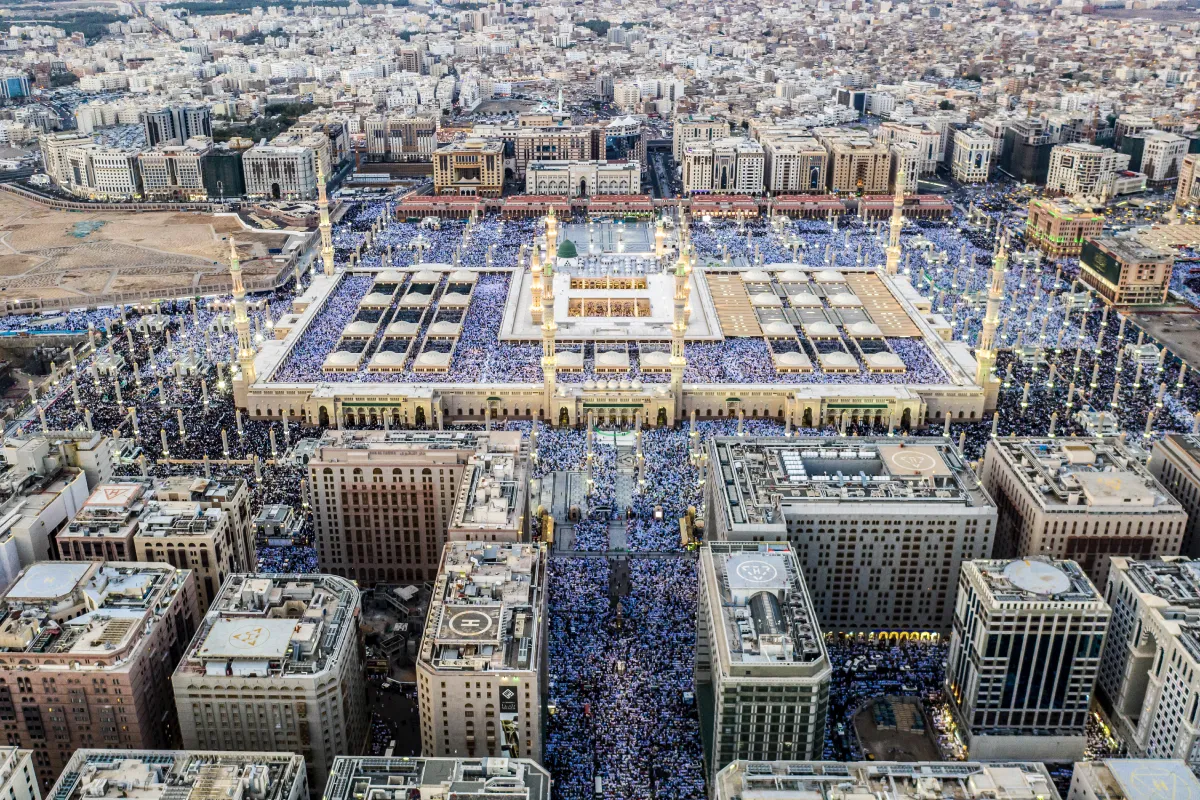
Most pilgrims know it as Abyar Ali. Saudipedia puts it about 14 km from Masjid an-Nabawi, overlooking the western side of Wadi al-Aqiq, and 433 km from the Grand Mosque in Makkah.
That second number is worth pausing on. Dhu al-Hulayfah is by a long way the furthest miqat from Makkah. Pilgrims leaving Madinah carry their ihram for more than four hundred kilometres.
The hadith
In the hadith of Abdullah ibn Abbas, recorded in Sahih al-Bukhari and Sahih Muslim, the Prophet ﷺ fixed Dhul-Hulayfah for the people of Madinah, al-Juhfah for the people of Sham, Qarn al-Manazil for the people of Najd, and Yalamlam for the people of Yemen.
He added that these are for the people named and for anyone else who passes through them intending Hajj or Umrah.
So: not a tradition, not a later arrangement. Level A, from the strongest collections.
The blessed valley
There is a second report here that most visitors never hear, and it is in Sahih al-Bukhari.
While at this valley the Prophet ﷺ said that someone had come to him in the night from his Lord and told him to pray in this blessed valley, and to say: an Umrah within a Hajj.
Wadi al-Aqiq is described in that report as blessed. It is one of the very few valleys spoken of that way.
The three names
- Dhu al-Hulayfah is the old name, and the one used in the hadith.
- Masjid al-Shajarah, the Mosque of the Tree, because the Prophet ﷺ took shade under a tree here when setting out for Umrah and for the Farewell Pilgrimage.
- Abyar Ali, the Wells of Ali, is the everyday modern name. Explanations for it involve wells associated with Ali ibn Abi Talib, may Allah be pleased with him, but the connection is a later tradition rather than something established. It is what everyone says, so use it with your driver, but do not build anything on the story behind it.
What is there now
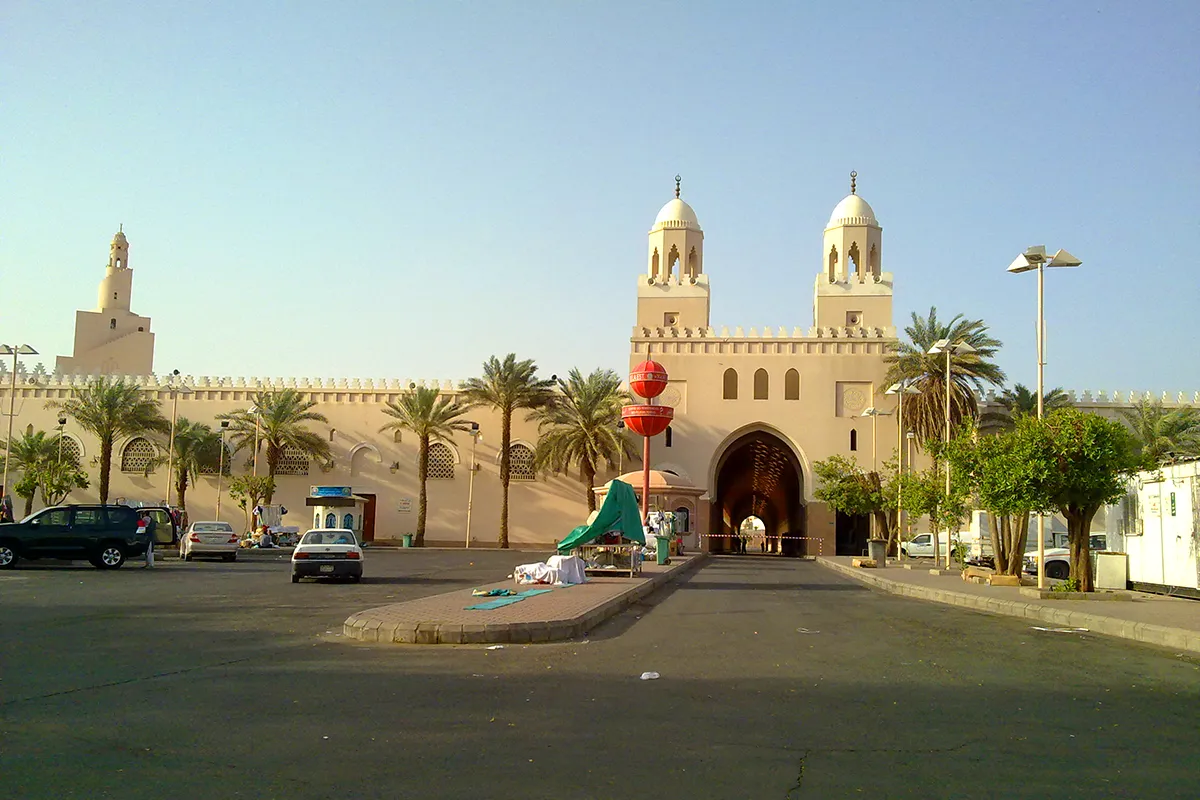
A very large, well-organised facility built for the job. Saudipedia gives the mosque a capacity of 5,000 worshippers, an interior area of 6,400 m² and a site area of 37,000 m², with the whole miqat rebuilt over roughly 178,000 m² including its service buildings.
In practice you will find washing and changing facilities, prayer halls for men and women, parking for coaches and cars, and shops. It is designed to handle a bus full of people arriving at once, because that is what happens all day.
How it actually works
- Shower and change before you go if you can. It is far more comfortable than the facility at the miqat, and nothing requires you to change there.
- Arrive, use the facilities, and put on ihram if you have not already.
- Pray two rak'ahs if you wish. This is not obligatory; many pilgrims pray the regular prayer if one is due and treat that as sufficient.
- Make your intention and begin the talbiyah. The intention is the point at which ihram starts, not the clothing.
- Go. Do not spend an hour there. It is a starting point, not a destination.
Our ihram guide covers the rules, the restrictions and the common mistakes in full.
Two things people get wrong
One. If you are in Madinah and intend Umrah, you may not travel past this miqat without ihram. That applies whether you go by car, by coach or by train.
Two. The Haramain train does not stop at the miqat. If you are taking the train, you must enter ihram before you board, or at the station. Sorting that out on the platform with a departure in six minutes is a bad plan; do it at your hotel.
Is this part of Umrah?
Yes, if you are coming from Madinah. Unlike almost every other site on this blog, this one is not optional. Crossing a miqat without ihram when you intend Hajj or Umrah is a real problem, and the majority of scholars require you to return or, if you cannot, that a compensatory sacrifice becomes due. Ask a scholar about your own case rather than a website.
The other mawaqit
- Al-Juhfah and Rabigh — for Sham, Egypt and the west.
- Qarn al-Manazil — for Najd and the Taif side.
- Yalamlam — for pilgrims from the south.
- Dhat 'Irq — for the old Iraqi road.
Getting there and going on
Abyar Ali is on the Makkah road out of Madinah, so you pass it on the way anyway. Coach groups stop as a matter of course.
If you are travelling independently, the sensible arrangement is a car that takes you from your Madinah hotel, stops at the miqat for as long as you need, and then continues to Makkah without a second negotiation. Our Madinah to Makkah private car page has the fixed fares by vehicle size; tell us when booking that you want the miqat stop so the driver plans for it. If you are taking the train instead, read the Haramain train guide first and settle your ihram before you get to the station.
Accuracy note
The hadith of the mawaqit, naming Dhul-Hulayfah for the people of Madinah, is narrated by Abdullah ibn Abbas and recorded in Sahih al-Bukhari and Sahih Muslim. The report describing Wadi al-Aqiq as a blessed valley, with the instruction to pray in it and to say an Umrah within a Hajj, is in Sahih al-Bukhari. The distance of about 14 km from the Prophet's Mosque, the 433 km to the Grand Mosque, the mosque capacity of 5,000, the interior area of 6,400 m², the site area of 37,000 m², the total rebuilt area of roughly 178,000 m², and the name Masjid al-Shajarah from the Prophet ﷺ taking shade under a tree there, are from Saudipedia. Some other sources give a shorter distance from the Prophet's Mosque. The explanation of the name Abyar Ali through wells associated with Ali ibn Abi Talib is a later tradition rather than an established fact. The summary of what happens if you cross a miqat without ihram is a general account of the majority position, not a fatwa; ask a qualified scholar about your own case. Content verified August 2026. Correction? Tell us.
Frequently asked questions
Planning a Saudi trip?
Pre-book a private car, find a stay, or ask us anything on WhatsApp.
Last updated: 22 September 2026·Sources reviewed by the Wadana Go editorial team.