Dhat 'Irq Miqat: The Ihram Point on the Old Iraqi Pilgrim Road
Short answer
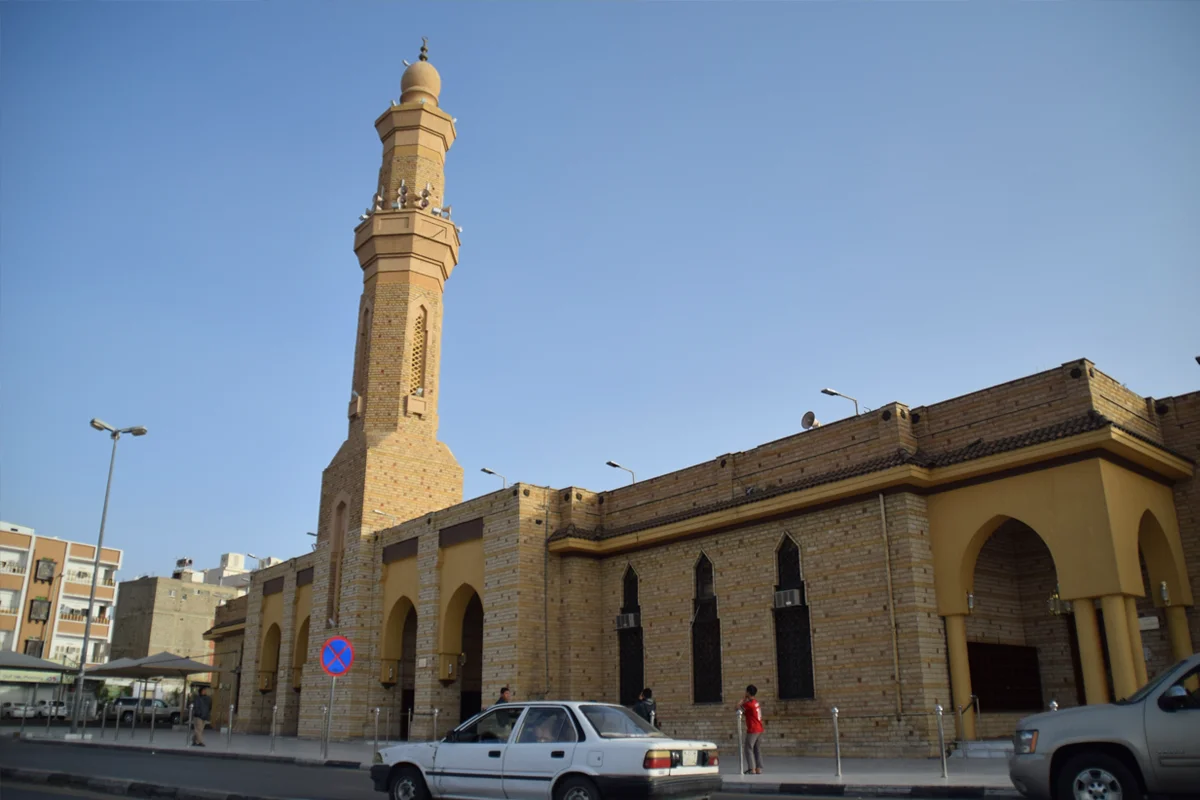
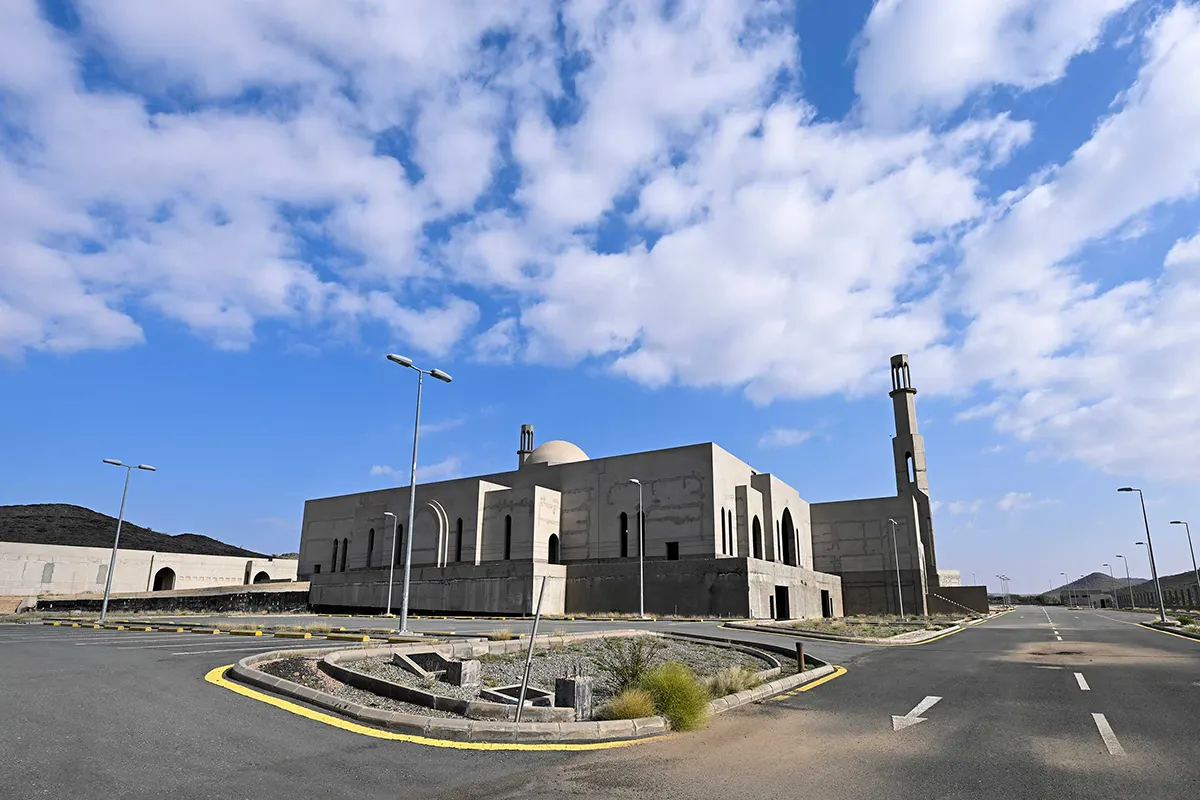
Dhat 'Irq is the miqat for pilgrims travelling from the direction of Iraq. It lies in Taif Governorate, about 90 km northeast of Makkah, and is known locally today as ad-Dharibah. Sahih al-Bukhari reports that Umar ibn al-Khattab fixed it after Basra and Kufa were conquered, though many scholars hold it was designated by the Prophet ﷺ himself.
Key takeaways
- ✓Dhat 'Irq is not among the four mawaqit named in the hadith of Ibn Abbas. Sahih al-Bukhari reports that Umar ibn al-Khattab fixed it for the people of Iraq.
- ✓Many scholars, including the Hanafis, Hanbalis and most Shafi'is, held that it was designated by a prophetic statement and that Umar was applying an existing ruling.
- ✓The schools differ on how it became a miqat. None of them differ that it is one. Ihram there is valid on every view.
- ✓It sits in Taif Governorate, about 90 km northeast of Makkah, on the old Iraqi pilgrimage road, and is known locally as ad-Dharibah.
- ✓The name comes from an 'irq, a black rock ridge. Saudipedia records a mountain of 1,141 m topped by a ridge about 1,500 m long.
- ✓The Ministry of Islamic Affairs completed a full miqat facility there in 2019, with a mosque for about 4,000 people, clinics, shops and flood protection.
- ✓As with every miqat, the road decides, not the passport. An Iraqi flying into Madinah uses Dhul-Hulayfah instead.
Quick facts
- City / region
- Taif Governorate, Makkah Province
- Known locally as
- Ad-Dharibah
- Distance from Makkah
- About 90 km, northeast
- Serves
- Iraq, the north of the Kingdom, and those on that road
- Part of Umrah
- Yes, if this is your route. Ihram must begin here or before
- Can a car reach it
- Yes. The miqat has bridges, parking for cars and buses, and a service centre
- Facilities
- Mosque for about 4,000, 208 ablution units, clinic, shops (completed 2019)
- Evidence level
- Valid miqat by agreement. Scholars differ on whether the Prophet ﷺ or Umar fixed it
Dhat ‘Irq is the miqat for pilgrims arriving from the direction of Iraq. It sits northeast of Makkah in Taif Governorate, about 90 km out, on the old Iraqi pilgrimage road. Most pilgrims today never see it. The ones who do are usually travelling overland from the north, and for them it is not optional.
It also carries a question the other mawaqit do not: was it fixed by the Prophet ﷺ or by Umar ibn al-Khattab? The answer is more interesting than a simple yes or no, and it changes nothing about what you have to do.
Who fixed Dhat ‘Irq as a miqat
Start with what is certain. In the famous hadith of Ibn Abbas, the Prophet ﷺ named four mawaqit: Dhul-Hulayfah, al-Juhfah, Qarn al-Manazil and Yalamlam. Dhat ‘Irq is not in that list.
Sahih al-Bukhari records what happened next. Ibn Umar reported that when Basra and Kufa were conquered, the people of Iraq came to Umar ibn al-Khattab, may Allah be pleased with him. They said the Prophet ﷺ had fixed Qarn for the people of Najd, but Qarn was off their road and hard for them to reach. Umar told them to look at what lay on their own route level with Qarn, and he fixed Dhat ‘Irq for them.
So the Bukhari narration attributes the designation to Umar.
There is a second strand. Other narrations report the designation directly from the Prophet ﷺ, and scholars have discussed their chains at length. Al-‘Ayni notes that the Hanafi and Hanbali scholars, along with most of the Shafi’is, held that Dhat ‘Irq was fixed by a prophetic statement, and that what Umar did was apply a ruling that already existed rather than invent one.
Two things follow, and both are worth stating plainly:
- The scholars differ on the route by which it became a miqat. That is a real difference, recorded in the books, not something to paper over.
- Nobody differs about the ruling itself. Dhat ‘Irq is a valid miqat. All the schools accept it. Your ihram there is sound either way.
If you have read a website that says flatly “the Prophet ﷺ named five mawaqit”, now you know why that sentence is doing more work than the sources support.
Where Dhat ‘Irq is
According to Saudipedia, the Saudi national encyclopaedia, Dhat ‘Irq lies on the Iraqi pilgrimage route in Taif Governorate, northeast of Makkah, at a distance of about 90 km.
The name explains the place. An ‘irq in Arabic is a long black ridge of rock. Saudipedia describes a mountain there rising to 1,141 metres above sea level, topped by a black ridge running about 1,500 metres from southwest to northeast. “Dhat ‘Irq” means, roughly, the one with the ridge. Arab place names are often this literal.
The site is no longer called Dhat ‘Irq locally. Today the area is known as ad-Dharibah, after a modern village nearby, and the old station sits along the banks of Wadi ad-Dharibah. If you are asking directions, ad-Dharibah is the word that will be understood.
The Iraqi pilgrimage road
Dhat ‘Irq is not just a line on a map. It was a working station on one of the great pilgrim roads of the Islamic world, the route from Kufa and Basra to Makkah, and caravans stopped there for centuries.
Saudipedia records that the remains of the road and of the Dhat ‘Irq station are spread over a large area along Wadi ad-Dharibah and the surrounding hills. It counts as one of the prominent archaeological sites on that route.
Two honest limits on what we can tell you. We are not going to describe individual ruins we have not verified, and we have no confirmed information about public access to the archaeological remains, opening hours or permits. Treat the miqat mosque and the archaeology as separate questions.
What is there today
The miqat itself is well built. The Ministry of Islamic Affairs completed a development project at Dhat ‘Irq in 2019, at a reported cost of SAR 68 million.
By Saudipedia’s account it includes:
- a mosque holding roughly 4,000 worshippers;
- 256 restrooms, some equipped for people with disabilities, and 208 ablution facilities;
- about 21 shops, a medical clinic, and offices for the relevant government agencies;
- housing for the imam, the muezzin and staff;
- a vehicle service centre, parking for cars and buses, two bridges for vehicle entry, and a canal around the site to protect it from flooding.
That last detail says something. You do not build a flood canal around a site nobody uses. The scale of the facility is a fair sign that pilgrims still come through.
| Dhat ‘Irq at a glance | |
|---|---|
| Also known as | Ad-Dharibah |
| Governorate | Taif, Makkah Province |
| Distance from Makkah | About 90 km, northeast |
| Serves | Iraq, the north of the Kingdom, and those travelling that road |
| Mountain | 1,141 m, with a black ridge about 1,500 m long |
| Facility completed | 2019, by the Ministry of Islamic Affairs |
Who uses Dhat ‘Irq
It is the miqat for the people of Iraq, for the north of the Kingdom, and for anyone whose route passes it.
Remember the principle from the hadith of the mawaqit: the miqat belongs to the road. It is not assigned by nationality. An Iraqi who flies to Madinah first uses Dhul-Hulayfah like everybody else leaving Madinah. Someone from an entirely different country whose overland route brings them past ad-Dharibah uses Dhat ‘Irq.
This is why Dhat ‘Irq sees fewer pilgrims than it once did. When most people travelled by land, this road carried enormous numbers. Now the majority fly into Jeddah or Madinah, and their miqat is decided in the air or at Dhul-Hulayfah. The old road did not stop being a miqat. Traffic simply moved.
If you are still working out which miqat is yours, our ihram guide sets out the five points and what to do at each.
The rules at any miqat
- Do not cross the miqat without ihram if you intend Hajj or Umrah.
- Ihram is the state and the intention, not the two pieces of cloth. Changing early is fine.
- Earlier is allowed, later is not. You may enter ihram before the miqat. You may not delay past it.
- The two rak’ahs are not obligatory. Pray them if you wish. Your Umrah does not hang on them.
- If you live inside the boundary, you begin from where you are.
If you crossed without ihram, the majority position is that you return to the miqat, and where returning is impossible a compensatory sacrifice becomes due while the Umrah stays valid. Ask a qualified scholar about your own case rather than relying on any article, this one included.
Should you plan a visit?
Be honest with yourself about why you are going.
If Dhat ‘Irq is on your route, you stop there because you have to. That is straightforward.
If you are in Makkah with a free morning and thinking of a 90 km drive northeast to look at it, understand what you are choosing. There is no reward reported for visiting a miqat you are not using. It is a place with a ruling attached, not a shrine. The drive is real, the site is functional rather than beautiful, and there are stronger uses of that morning.
Sites like Jabal al-Noor, Jannat al-Mu’alla and the Mina and Arafat plain are far closer and carry much stronger evidence. Our Makkah Ziyarat guide sets out a sensible order for them, and the Makkah Ziyarat private car covers that whole round on a fixed fare per vehicle.
The other mawaqit
- Qarn al-Manazil, or al-Sayl al-Kabir — the Najd miqat, and the one Dhat ‘Irq was set level with.
- Yalamlam — for pilgrims coming up from the south.
- Al-Juhfah — for Sham, Egypt and the west.
- Rabigh — the modern stop most pilgrims on that road use.
- Wadi Muharram — used by some travelling from the Taif direction.
Transport, plainly
There is no public transport to ad-Dharibah and no tour that goes there. Pilgrims reach Dhat ‘Irq in the vehicle they are already travelling in, usually a coach or a private car coming down the road from the north.
Wadana Go does not run a service to Dhat ‘Irq, and we would rather say that than sell you something we do not do. What we run is private cars in and around Makkah and Madinah, airport transfers, and the intercity legs between them. If you are arriving from the north and want a car ready in Makkah, or a driver for Ziyarat once you are there, our Ziyarat private car guide explains the fares and the waiting time, and how to book a private car for Umrah covers the rest. Book before you arrive rather than at the roadside, so the price is agreed and the driver knows where he is going.
Accuracy note
The narration of Umar fixing Dhat ‘Irq for the people of Iraq is reported from Ibn Umar in Sahih al-Bukhari. The view that it was designated by a prophetic statement is held by the Hanafi and Hanbali scholars and most of the Shafi’is, as reported by al-‘Ayni; we have presented both positions because both are in the sources. All schools accept Dhat ‘Irq as a valid miqat. Location, elevation, the black ridge, the modern name ad-Dharibah, the archaeological remains and the 2019 facility figures come from Saudipedia, the Saudi national encyclopaedia. We give no opening hours, prices or access rules for the archaeological site because we have not verified any. The summary of what to do if you miss a miqat is a general account of the majority position, not a fatwa. Content verified August 2026. Spotted an error? Let us know.
Frequently asked questions
Planning a Saudi trip?
Pre-book a private car, find a stay, or ask us anything on WhatsApp.
Last updated: 9 October 2026·Sources reviewed by the Wadana Go editorial team.