Wadi Muharram Miqat: The One the Scholars Designated, Not the Prophet
Short answer
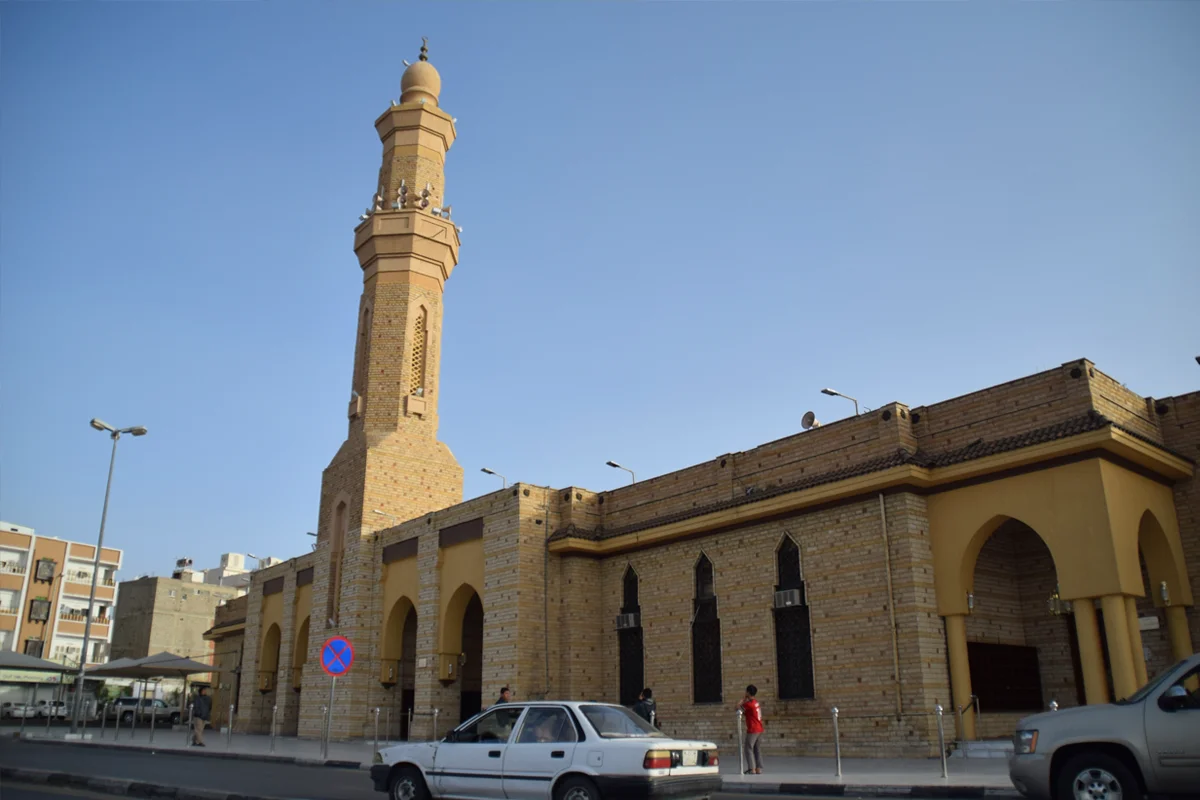
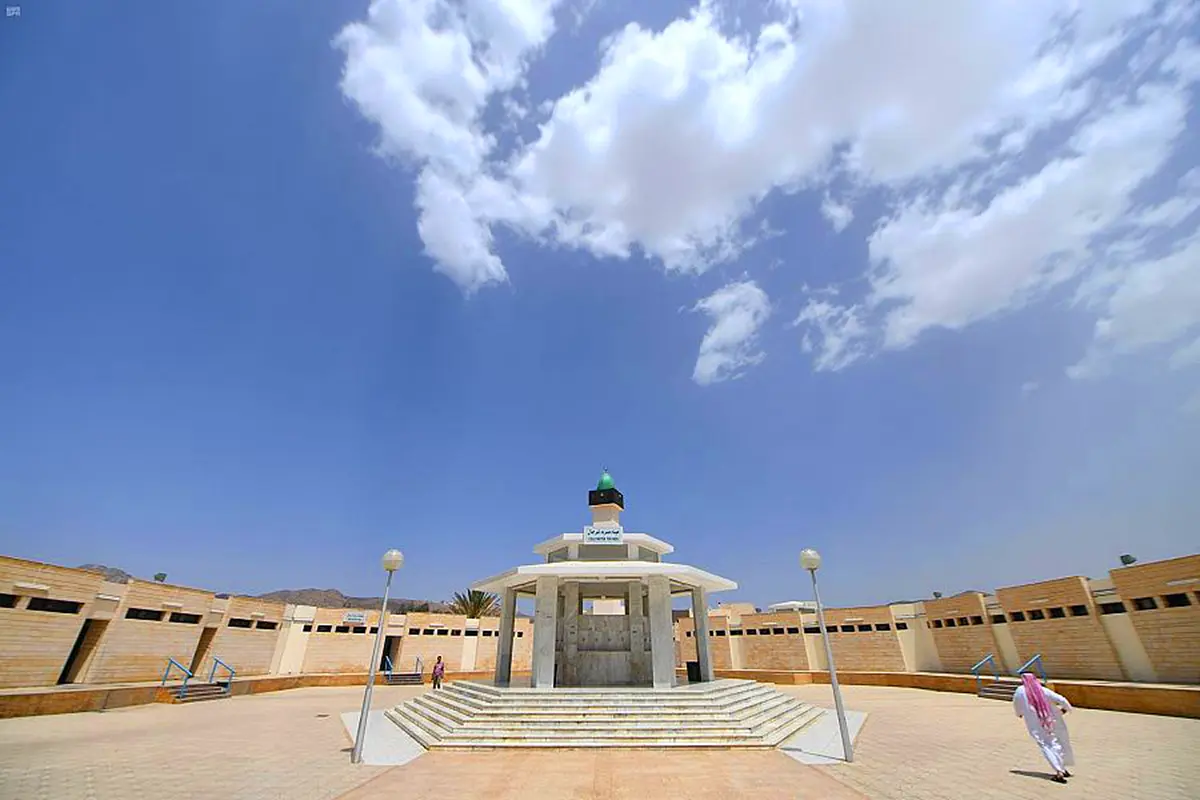
Wadi Muharram is a miqat in al-Hada Center in Taif Governorate, at about 2,000 metres above sea level and roughly 76 kilometres from Makkah. Saudipedia records it as a miqat designated by scholars for pilgrims from Taif, Najd, the Eastern Province and the southern part of the Kingdom, rather than one of the five named by the Prophet.
Key takeaways
- ✓Wadi Muharram is in al-Hada Center, Taif Governorate, at about 2,000 m above sea level.
- ✓It is roughly 76 km from Makkah on the escarpment road down from Taif.
- ✓Saudipedia records it as designated by scholars, not as one of the Prophet's five.
- ✓It serves pilgrims from Taif, Najd, the Eastern Province and the south taking that road.
- ✓That distinction is real and worth knowing, though it does not change what you do.
- ✓It is the highest of the miqats, and noticeably cold at night.
- ✓Qarn al-Manazil at al-Sayl al-Kabir serves the other road down from that direction.
Quick facts
- Where
- Al-Hada Center, Taif Governorate
- Elevation
- About 2,000 m above sea level
- Distance from Makkah
- About 76 km
- Designated by
- Scholars, not among the Prophet's five
- Serves
- Taif, Najd, Eastern Province, the south
- Facilities
- Miqat mosque
- Climate
- Cold at night, cloud common
- Car access
- Yes, on the al-Hada road
Where it is
The Miqat Mosque at Wadi Muharram stands in al-Hada Center in Taif Governorate, at an elevation of about 2,000 metres above sea level, roughly 76 kilometres from Makkah.
Al-Hada is the escarpment above Taif, where the highlands fall away towards the coastal plain. The road down is a series of switchbacks with a very long drop beside it, and there is a cable car running up the same face.
Two thousand metres makes this the highest miqat in the country. It is cold at night, cloud sits on it regularly, and pilgrims changing into two pieces of unstitched cloth up there are often surprised by how much they feel it.
The part that makes this miqat different
This is the point worth understanding, and most pages skip it.
The Prophet named five mawaqit: Dhu al-Hulayfah for Madinah, al-Juhfah for the Levant, Qarn al-Manazil for Najd, Yalamlam for Yemen and Dhat Irq for Iraq.
Wadi Muharram is not one of them. Saudipedia is explicit about this: it describes Wadi Muharram as the miqat designated by scholars for pilgrims from Taif and the southern region, alongside the five that the Prophet designated.
So what is it doing there? The answer is straightforward and is how Islamic law has always handled this.
The hadith of the mawaqit sets boundary points on the known roads of the seventh century. It does not describe every road that would ever exist. When new routes came into use, scholars worked out where a traveller on that route crosses the same line the named miqats sit on, and designated accordingly. That reasoning is why people flying into Jeddah have a rule at all.
Practically, this changes nothing about what you do. It is still a valid point of ihram for the route it serves, and passing it towards Makkah intending Umrah without ihram is still a problem.
What it does change is how you should talk about it. Do not tell people the Prophet designated Wadi Muharram. He designated five, and this is not one of them.
Who uses it
Saudipedia lists it as the miqat for the people of Taif, Najd, the Eastern Province and the southern part of the Kingdom travelling on that road.
In practice the main users are:
- People setting out from Taif itself for Umrah, going down the al-Hada road.
- Pilgrims from the south whose route comes through the highlands.
- Anyone coming down the al-Hada escarpment towards Makkah with the intention of Hajj or Umrah.
If your road down is the other one, through al-Sayl al-Kabir, then your miqat is Qarn al-Manazil rather than this one. Two roads leave Taif for Makkah, and each has its own point. Ask your driver which way he is going before you assume.
What to do
- Ghusl before you leave your accommodation in Taif. Doing it at 2,000 metres in the cold is a poor plan.
- Change into ihram at the mosque or beforehand.
- Pray two units if it is not a disliked time. Recommended, not required.
- Make the intention and begin the talbiyah before you pass the point.
- Bring something warm for the wait, and take it off before you set out down.
Our ihram guide covers what is and is not permitted once you are in that state.
The road down
Worth a word, because it affects your planning more than the miqat does.
The al-Hada road drops around 1,500 metres in a short distance through tight switchbacks. It is a good modern road and it is also demanding, and it is not the place to discover that your driver is tired.
- Allow more time than the distance suggests. Seventy-six kilometres on that road is not seventy-six kilometres on a highway.
- Cloud and fog are common on the escarpment and cut visibility sharply.
- Travel sickness is common on the descent. If anyone in your group is prone to it, sit them in front.
- The temperature change is dramatic. You can leave the top in cloud at eighteen degrees and arrive in Makkah at forty.
Our Taif day trip guide covers both roads, and the Al Hada cable car runs the same escarpment if you want to see it without driving it.
Nearby
| Place | What it is |
|---|---|
| Qarn al-Manazil | The miqat on the other road down, at al-Sayl al-Kabir. |
| Masjid Addas | In Taif, connected with the Prophet's journey there. |
| Wadi Wajj | The valley that made Taif farmland. |
| Al Shafa | The high viewpoints along the same escarpment. |
The Taif destination guide covers the city and the highlands.
Accuracy note
The location of the Miqat Mosque at Wadi Muharram in al-Hada Center in Taif Governorate, its elevation of about 2,000 metres above sea level, its distance of roughly 76 kilometres, and its status as the miqat for the people of Taif, Najd, the Eastern Province and the southern part of the Kingdom all come from Saudipedia.
Saudipedia states explicitly that Wadi Muharram is the miqat designated by scholars for pilgrims from Taif and the southern region, as distinct from the five mawaqit designated by the Prophet, which are Dhu al-Hulayfah, al-Juhfah, Qarn al-Manazil, Yalamlam and Dhat Irq. We have made that distinction plainly rather than presenting Wadi Muharram as one of the five.
The five mawaqit and the regions they serve are established in the authentic collections. The principle that scholars determine the point of ihram for routes not named in the hadith is the settled position and is the same reasoning applied to air travel.
Descriptions of the al-Hada road, the temperature change and the conditions on the escarpment reflect the ordinary character of that route. Fares and facilities can change. Verified August 2026.
Frequently asked questions
Planning a Saudi trip?
Pre-book a private car, find a stay, or ask us anything on WhatsApp.
Last updated: 9 October 2026·Sources reviewed by the Wadana Go editorial team.