Al-Sidrah Mosque, Taif: An Attribution Worth Reading Carefully
Short answer
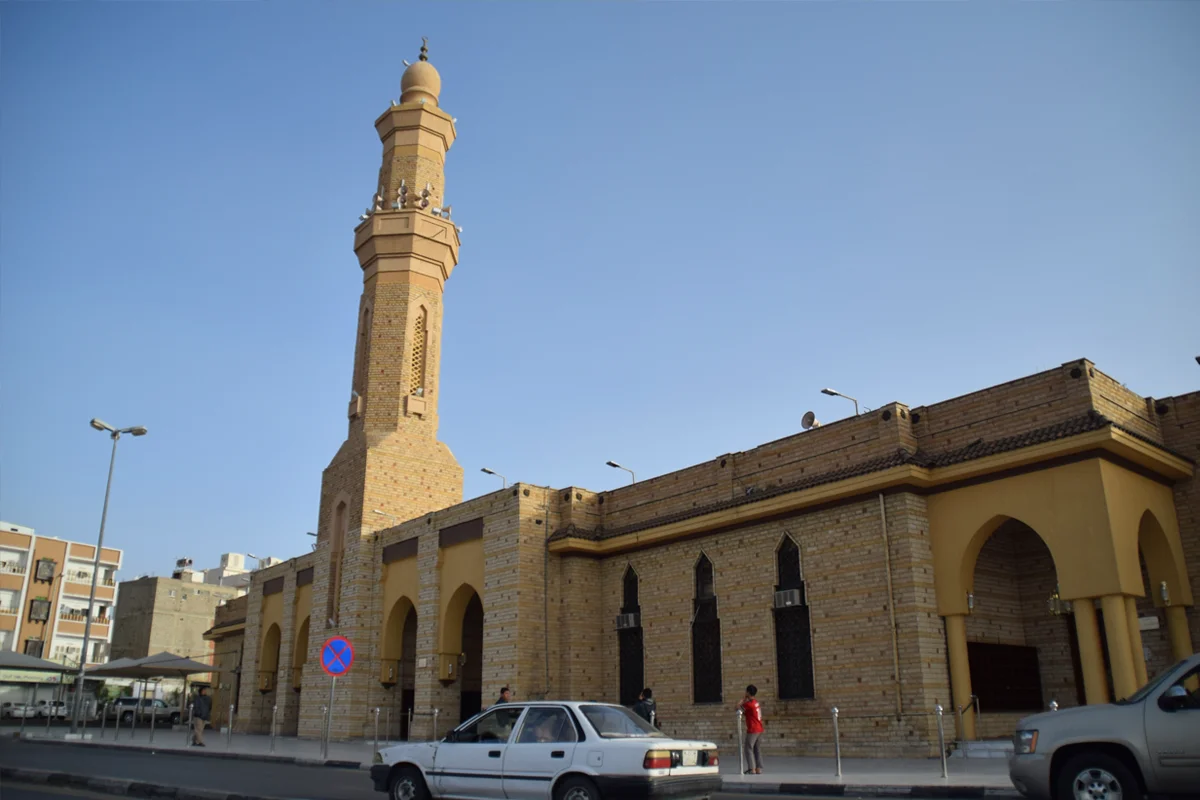
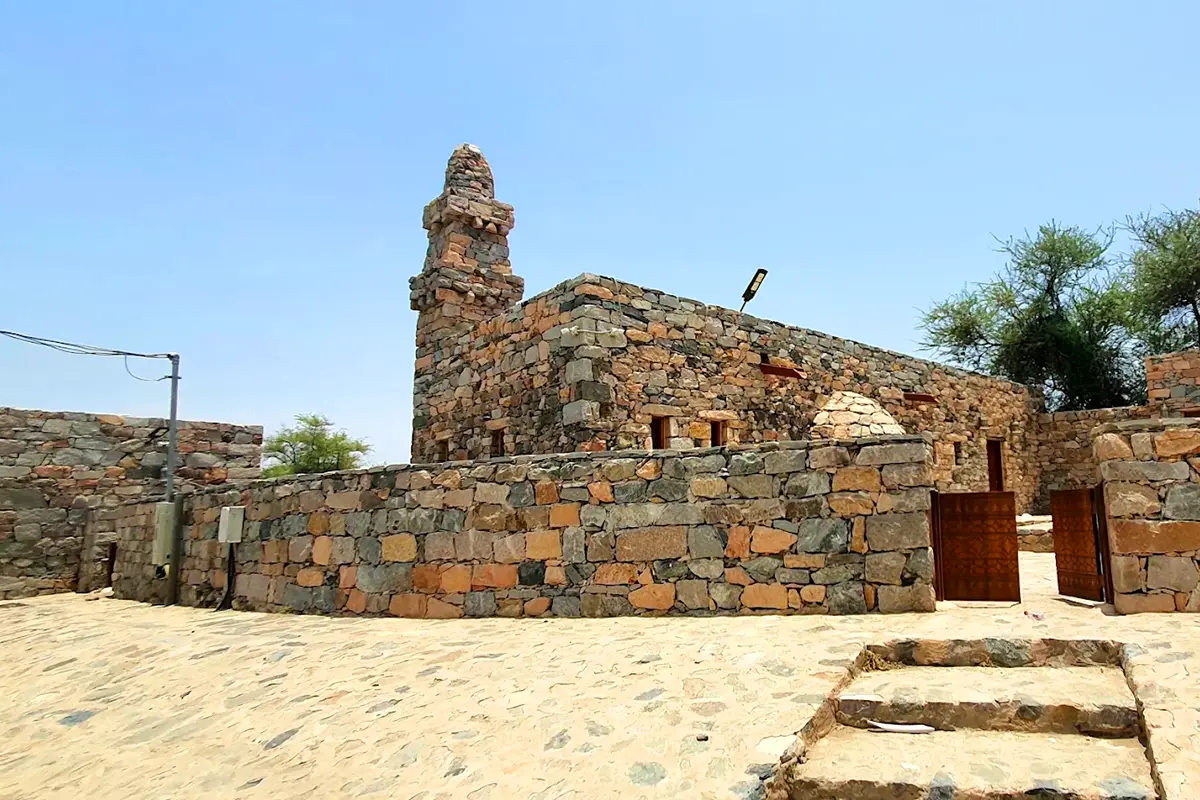
Al-Sidrah Mosque, also called al-Sadirah, is one of the historic mosques of Taif and is described in Saudi sources as attributed to the Prophet Muhammad. That attribution rests on local tradition rather than on the Qur'an or authentic hadith, and no event in the authentic collections is placed at this mosque.
Key takeaways
- ✓Al-Sidrah Mosque in Taif is also called al-Sadirah.
- ✓Saudi sources describe it as attributed to the Prophet Muhammad.
- ✓That attribution rests on local tradition, not on the Qur'an or authentic hadith.
- ✓The name is connected with the sidr, the lote tree, a common tree in the region.
- ✓No event in the authentic collections is placed at this mosque.
- ✓Attribution and evidence are different things, and mixing them causes real problems.
- ✓It is one of a group of Taif mosques that served pilgrims heading to Makkah.
Quick facts
- City
- Taif, Makkah Province
- Also called
- Al-Sadirah Mosque
- Name from
- The sidr, the lote tree
- Described as
- Attributed to the Prophet
- Evidence level
- Local tradition
- In the Qur'an or hadith?
- No
- Car access
- Yes
- Part of Umrah?
- No. Not a rite of Hajj or Umrah.
The mosque, and the phrase attached to it
Al-Sidrah Mosque, which also appears as al-Sadirah, is one of the historic mosques of Taif. Saudi sources describe it as attributed to the Prophet.
The name is connected with the sidr, the lote tree, which grows through this region and shows up in place names all over the Hijaz. A mosque named for a tree that stood beside it is an entirely ordinary way for a place to get its name.
The phrase that needs unpacking is the other one.
What "attributed to the Prophet" actually means
This is the whole point of the page, and it applies to a great many sites, not only this one.
Attribution is a statement about what people say. Evidence is a statement about what can be traced. They are not the same, and Ziyarat material blurs them constantly.
When a source says a mosque is attributed to the Prophet, it is reporting a local tradition: that people in that place have long held he prayed there, or stopped there, or that a mosque was built on a spot connected with him. That is real information. It is not nothing.
What it is not is a chain you can follow. There is no verse. There is no narration in Bukhari or Muslim placing him at this mosque. There is no early seerah account naming it, in the way the accounts name the vineyard where Addas brought grapes.
So the honest sentence is: this mosque carries an old local attribution to the Prophet, and that attribution is not supported by the Qur'an or by authentic hadith.
Why we are being careful about it
Because of what happens when nobody is.
A pilgrim is told a mosque is the Prophet's mosque in Taif. They pray there believing there is a reward attached. They tell others. Somebody writes it down as fact. A generation later a place with a tree and an old wall has acquired a status that nothing supports, and people are travelling to it and expecting something from it.
That process is visible all over the Ziyarat literature. We have flagged it at Jabal Abu Qubais, where the splitting of the moon has been moved to a hill the narrations do not mention, at Jannat al-Mu'alla, where the Prophet's mother is listed although the sources place her grave elsewhere, and at Masjid al-Rayah, which itineraries still visit years after it was demolished.
None of those started as a lie. Each started as somebody repeating an attribution without checking it.
So should you visit?
Yes, if you are in Taif and interested in the city's old mosques. No, if you have been told this one carries a special reward.
Here is what a visit honestly offers. An old mosque, in a city that has been receiving pilgrims for more than a thousand years, on ground the Prophet did travel to. That is real. The city is right. The period is right. The specific building is where the certainty runs out.
Praying an ordinary prayer in an ordinary mosque is worth doing anywhere, and nobody needs a special claim to justify a quarter of an hour.
The ruling, plainly
No prayer is prescribed at al-Sidrah Mosque, no reward specific to praying there is established in authentic evidence, and visiting it is not part of Hajj or Umrah.
Your Umrah is complete without it, and nothing about your Hajj changes either way.
Where it fits in Taif
Taif holds around twenty-five historic mosques. Saudi Press Agency describes them as having served as stations for pilgrims and Umrah performers passing through Taif on the way to Makkah, with ten of them in the Souq al-Balad old town.
That framing is more useful than any single attribution. These buildings exist because generations of travellers came through this city on their way to the Haram and needed somewhere to pray. Seeing several of them makes that visible.
They are being restored in phases under the national programme for historical mosques, which has run since 2018 and covers 130 mosques across the country, so access to any particular one can be interrupted.
Practical notes
- Taif is about ninety minutes from Makkah by road, and cooler.
- Fifteen minutes covers it.
- Time it with a prayer if you want to go inside.
- Ask your driver by both names, al-Sidrah and al-Sadirah. Spellings vary and local usage decides.
- Expect no signage explaining the history.
Our Taif day trip guide covers the road up, and the Taif Ziyarat tour runs the Islamic sites. On our fixed fares a Taif Ziyarat round is SAR 430 for a standard sedan, SAR 480 for an SUV and SAR 580 for a van, per vehicle with waiting included. Fares reviewed August 2026.
Nearby
| Place | What it is | Evidence |
|---|---|---|
| Masjid Addas | The garden of the grapes. | Early seerah |
| Al-Kou Mosque | With a rock in one corner. | Local tradition |
| Al-Khubzah Mosque | Also called al-Hisn. | Age documented |
| Wadi Hunayn | The battle valley on the road up. | Named in the Qur'an |
The Taif destination guide covers the city as a whole.
Accuracy note
That al-Sidrah Mosque, also known as al-Sadirah, is one of the historic mosques of Taif and is attributed to the Prophet is drawn from Saudi reporting on the city's mosques. We have treated that attribution as a report of local tradition, which is what the wording states, and not as evidence.
We found no verse, no narration in the authentic collections and no early seerah account placing any event at this mosque. No reward specific to praying there is established, and visiting is not part of Hajj or Umrah.
The name is connected with the sidr, the lote tree, which is common in the region and appears in place names across the Hijaz.
The figure of around twenty-five historic mosques in Taif, their role as stations for pilgrims travelling to Makkah, and the ten in the Souq al-Balad old town come from Saudi Press Agency reporting. The national programme for the development of historical mosques was launched in 2018 and covers 130 mosques, and access to individual mosques may be interrupted by restoration work.
Fares are our own published Taif Ziyarat rates, reviewed August 2026. Verified August 2026.
Frequently asked questions
Planning a Saudi trip?
Pre-book a private car, find a stay, or ask us anything on WhatsApp.
Last updated: 10 October 2026·Sources reviewed by the Wadana Go editorial team.