Al-Kou Mosque, Taif: The Mosque With a Rock in Its Corner
Short answer
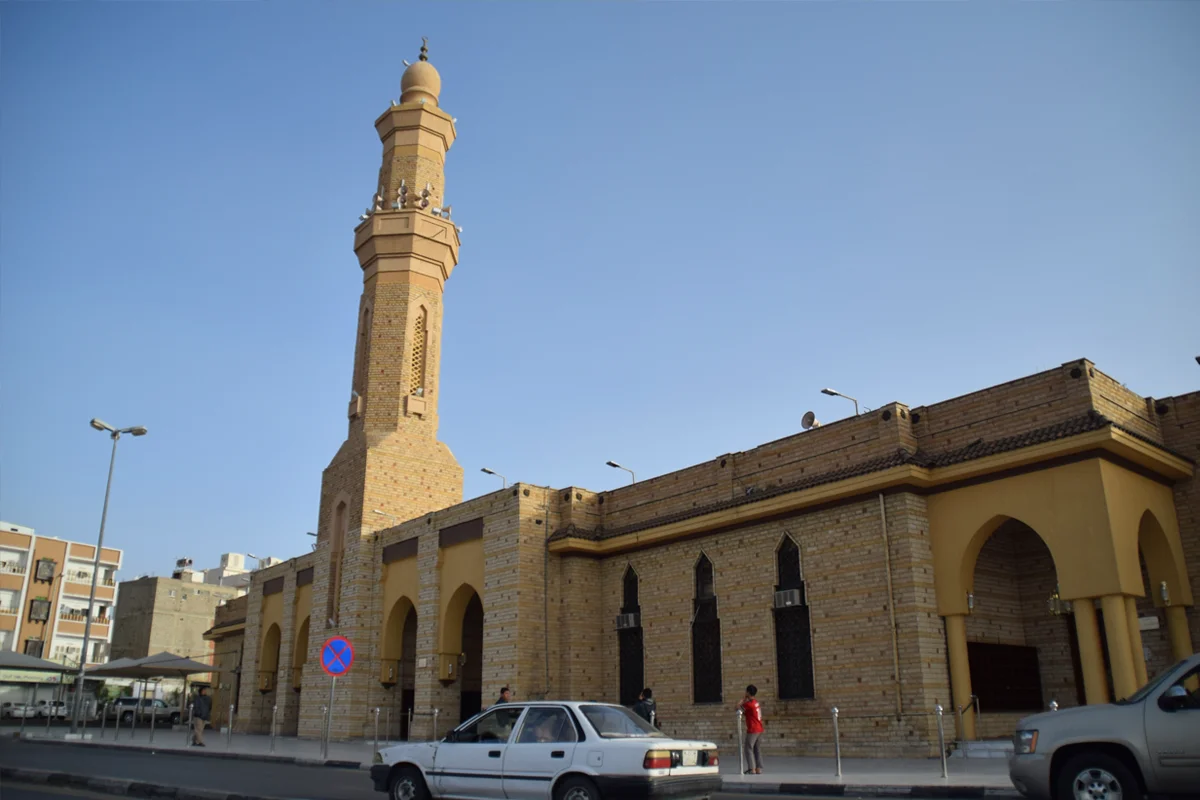
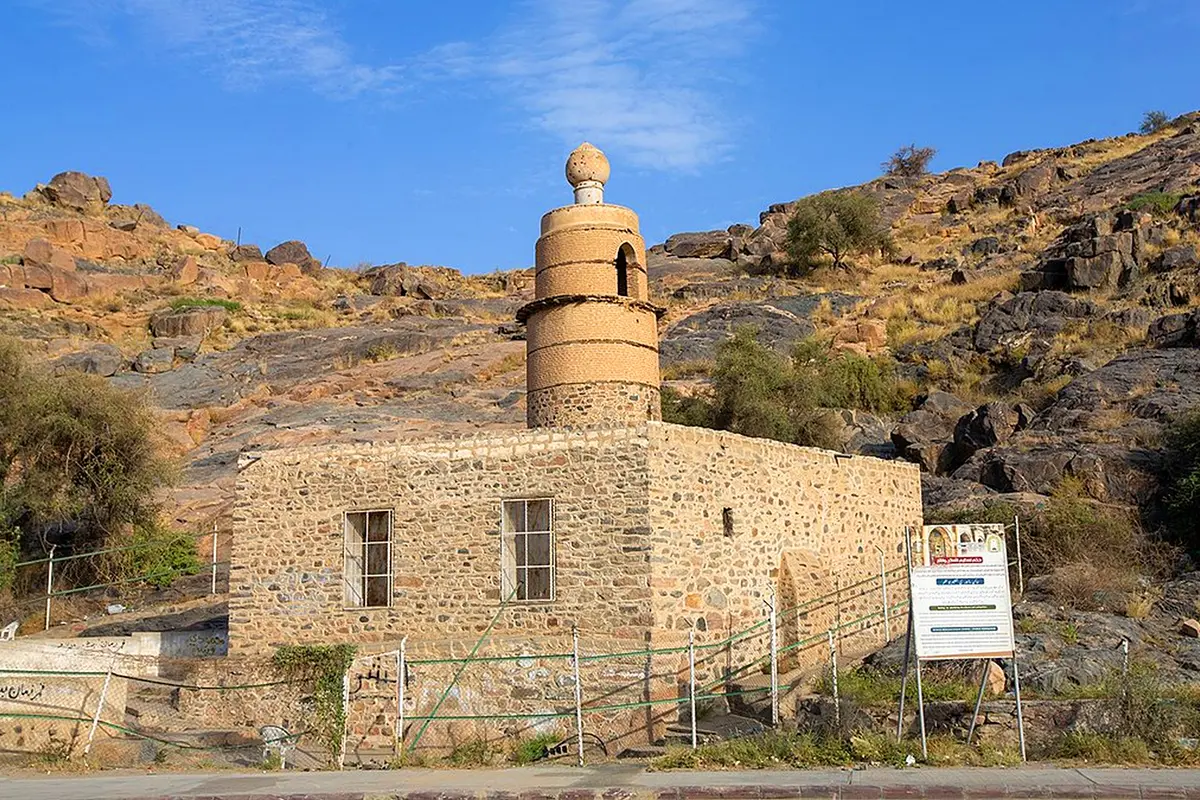
Al-Kou Mosque, also called al-Mawqif, is one of the historic mosques of Taif. Saudi Press Agency describes it as standing on Abu Zubaidah Mount in the northern part of al-Muthnah, a village surrounded by farms along Wadi Wajj, with a large rock built into one corner. It is counted among mosques dating back more than 1,200 years.
Key takeaways
- ✓Al-Kou Mosque stands in the al-Muthnah area of Taif, along Wadi Wajj.
- ✓A large natural rock forms part of one corner of the building.
- ✓Saudi official reporting counts it among Taif mosques dating back over 1,200 years.
- ✓Its name is usually explained by the Prophet stopping or leaning there.
- ✓That explanation is a local tradition, not something the authentic sources establish.
- ✓It is often confused with Masjid Addas, which marks a different part of the same episode.
- ✓Taif has around 25 historic mosques that served as stations on the pilgrim route to Makkah.
Quick facts
- City
- Taif, Makkah Province
- Area
- Al-Muthnah, along Wadi Wajj
- Also called
- Al-Mawqif, the mosque of the stop
- Distinctive feature
- A large rock built into one corner
- Age
- Counted among mosques over 1,200 years old
- Evidence level
- Historical and traditional, not hadith
- Car access
- Yes
- Part of Umrah?
- No. Not a rite of Hajj or Umrah.
The mosque and the rock
Al-Kou Mosque is one of the group of historic mosques that make Taif interesting to anyone following the story of the Prophet's journey there.
The Saudi Press Agency describes it as standing on Abu Zubaidah Mount, in the northern part of al-Muthnah, a small village surrounded by farms along Wadi Wajj, whose springs water the grape, pomegranate and citrus orchards and the rose farms Taif is known for.
Its distinctive feature is simple and rather charming. A large natural rock forms part of one corner of the building. Whoever built it did not move the boulder. They built around it.
SPA counts it among the Taif mosques dating back more than 1,200 years, in a group that includes Abdullah ibn Abbas, al-Khubzah, al-Mahjoob and others.
What the name means
Two explanations circulate, and they are related.
Al-Mawqif means the place of standing or stopping. Al-Kou is usually connected with an elbow, and the account attached to it is that the Prophet stood or leaned there when he came to Taif.
That is where the name is said to come from. It is a local tradition about a place name, and that is how we would ask you to hold it.
What is established and what is not
Worth separating carefully, because this mosque sits close to a very well-known story.
Established: the Prophet travelled to Taif after the deaths of Abu Talib and Khadijah, was refused by Thaqif, and was driven out and injured. Sahih al-Bukhari and Sahih Muslim record Aisha asking him whether any day was harder than Uhud, and his answer describing Taif and the angel of the mountains.
Historical: the account of the vineyard, the grapes and Addas, which comes from the early biographies. That is reliable historical material rather than hadith, and it is covered on our Masjid Addas page.
Traditional: the identification of this particular building as the place where he stopped or leaned. No authentic hadith names it and no early source fixes the spot. The mosque itself is old but not that old, and accounts of its construction point to a much later period than the events.
So: an old mosque, in the right city, carrying a name that reflects a local memory. That is a fair description and it does not need upgrading.
Al-Kou and Masjid Addas are not the same place
These two get run together constantly, including on heritage listings, and it is worth untangling.
Masjid Addas marks the garden where the Prophet sheltered and where the grapes were brought to him.
Al-Kou marks a place he is said to have stopped. Some accounts place the two close together, with the farm on one side and the mosque on the other. Some listings simply merge the names.
Our position: they are recorded as separate mosques with separate names, both are connected by tradition to the same journey, and neither identification rests on more than local memory. If your driver takes you to one and calls it the other, that is a very common confusion and not worth arguing about.
The wider point about Taif's mosques
There are around twenty-five historic mosques in Taif, and understanding why tells you something the individual pages do not.
Taif sat on the route pilgrims used coming down from the highlands and from the east towards Makkah. SPA describes these mosques as having served as stations for pilgrims and Umrah performers passing through Taif on the way to Makkah.
That is what they are: a chain of way-stations built over centuries by a city that fed and housed travellers heading for the Haram. Ten of them stand in the historic Souq al-Balad area, the old town, among the shops and alleys.
Read that way, the group is more interesting than any one building in it.
Is praying there special?
No specific reward for praying in al-Kou Mosque is established in authentic evidence, and it is not among the mosques singled out in the hadith literature.
Visiting it is not part of Hajj or Umrah. You can pray an ordinary prayer in an old mosque in a farming village, which is a pleasant thing to do and needs no further claim attached.
Visiting it
- Taif is about ninety minutes from Makkah up the mountain road, and noticeably cooler.
- Time it with a prayer if you want to go inside. Small village mosques are often locked between prayers.
- Fifteen minutes is enough. It is one stop on a round rather than a destination.
- The setting is the reward. Orchards, a watercourse and a village, which is a very different Saudi Arabia from Makkah.
- Check for restoration work. Taif's historic mosques are being restored in phases under a national programme.
Our Taif day trip guide covers the road up, and the Taif Ziyarat tour runs the Islamic sites. On our fixed fares a Taif Ziyarat round is SAR 430 for a standard sedan, SAR 480 for an SUV and SAR 580 for a van, per vehicle with waiting included. Fares reviewed August 2026.
Nearby
| Place | What it is |
|---|---|
| Masjid Addas | The garden where the grapes were brought. |
| Al-Khubzah Mosque | Also called al-Hisn, among the oldest in Taif. |
| Wadi Wajj | The valley whose springs water these farms. |
| Wadi Hunayn | The battle valley on the road up from Makkah. |
The Taif destination guide covers the city as a whole.
Accuracy note
The mosque's position on Abu Zubaidah Mount in the northern part of al-Muthnah, a village surrounded by farms along Wadi Wajj, the large rock at one corner of the building, and its inclusion among Taif mosques dating back more than 1,200 years come from Saudi Press Agency reporting on the historic mosques of Taif. The same report gives the figure of twenty-five historic mosques, their role as stations for pilgrims travelling to Makkah, and the ten standing in the Souq al-Balad old town.
Descriptions of the mosque's exact setting differ between sources, with some placing it in the gardens area of the city rather than in al-Muthnah, and some heritage listings merging it with Masjid Addas. We have followed the Saudi official description and noted the confusion rather than resolving it.
The Prophet's journey to Taif, the rejection and the stoning are established in Sahih al-Bukhari and Sahih Muslim. The story of Addas comes from the early biographies. The identification of this building as the place where the Prophet stopped or leaned is a local tradition and is not established by the Qur'an or authentic hadith.
No reward for praying in this mosque is established, and visiting is not part of Hajj or Umrah. Restoration work under the national historic mosques programme may affect access. Fares are our own published Taif Ziyarat rates, reviewed August 2026. Verified August 2026.
Frequently asked questions
Planning a Saudi trip?
Pre-book a private car, find a stay, or ask us anything on WhatsApp.
Last updated: 10 October 2026·Sources reviewed by the Wadana Go editorial team.