Wadi Hunayn: The Battle the Qur'an Names, and the Ambush in the Valley
Short answer
Wadi Hunayn is a valley on the road between Makkah and Taif where the Battle of Hunayn was fought in the eighth year after the Hijrah, shortly after the conquest of Makkah. It is one of the few battles named in the Qur'an, in Surah al-Tawbah. The Muslim army was ambushed in the valley, broke, and then re-formed and won.
Key takeaways
- ✓Wadi Hunayn lies on the road between Makkah and Taif, in the Sarawat mountains.
- ✓The battle was fought in 8 AH, shortly after the conquest of Makkah.
- ✓It is one of the few battles named directly in the Qur'an, in Surah al-Tawbah.
- ✓The Muslim army was the largest yet assembled and was ambushed in the narrow ground.
- ✓The Qur'an says their numbers pleased them and availed them nothing.
- ✓The defeated tribes fled towards Awtas, Nakhlah and Taif, and the siege of Taif followed.
- ✓The spoils were later divided at al-Ji'ranah after thirteen nights.
Quick facts
- Where
- Between Makkah and Taif, off the al-Sayl road
- When
- 8 AH, after the conquest of Makkah
- Named in the Qur'an?
- Yes, Surah al-Tawbah
- Opposing tribes
- Hawazin and Thaqif
- What is there today
- Open valley, no monument
- Car access
- Yes, from the Makkah to Taif highway
- Combine with
- A Taif day trip
- Part of Umrah?
- No. Not a rite of Hajj or Umrah.
Where the valley is
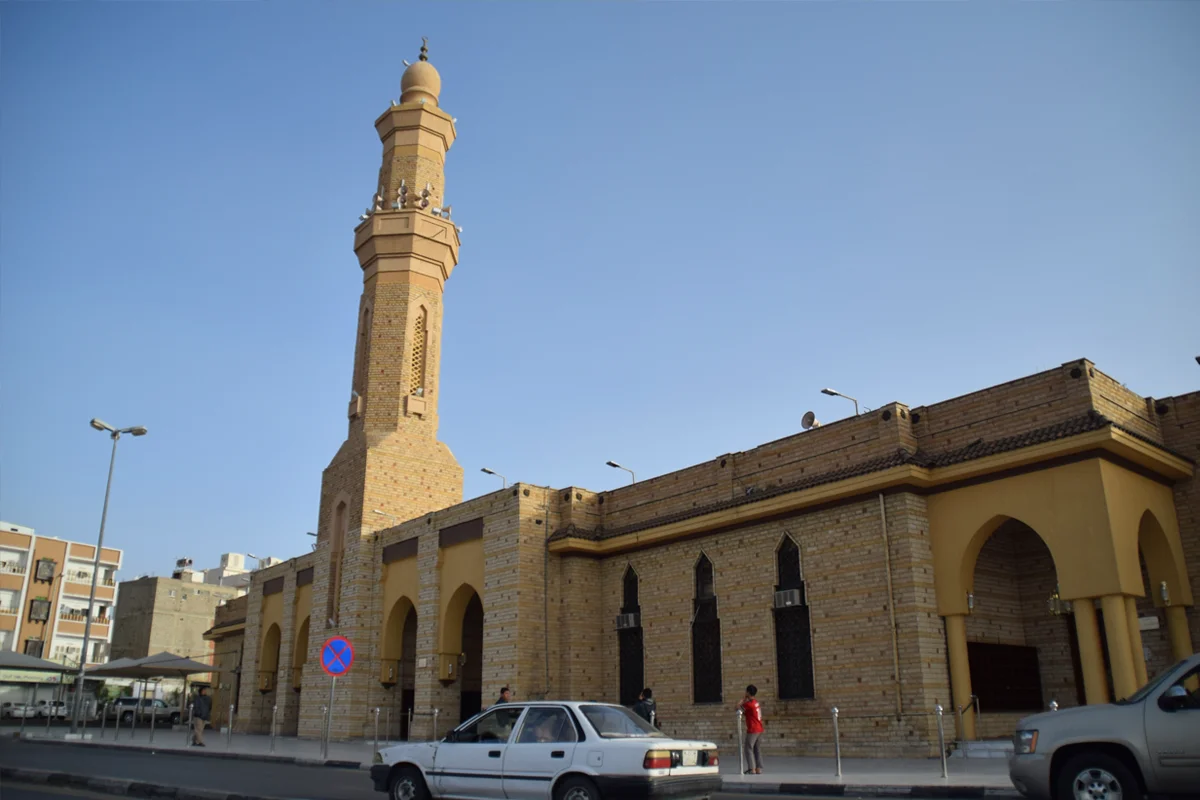
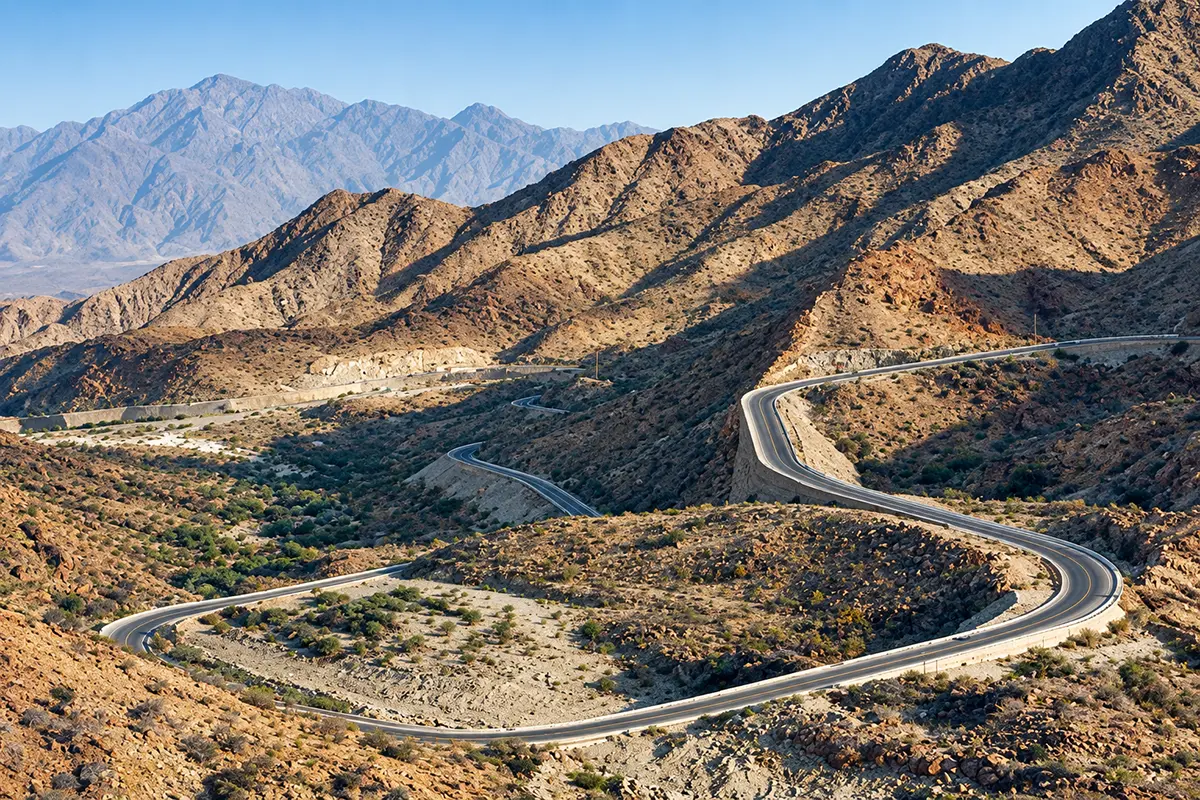
Wadi Hunayn lies on the road between Makkah and Taif, in the Sarawat mountains, in the country where the plain starts climbing towards the highlands. It is a wide dry valley closed in by bare rocky slopes, and it narrows.
The nearest modern reference point is the al-Sayl road towards Taif, near al-Sayl al-Kabir, which is also where the miqat of Qarn al-Manazil stands.
The geography is the whole story of what happened there, so it is worth picturing before the history: a route that funnels an army into a narrowing valley with high ground on both sides.
What happened at Hunayn
In the eighth year after the Hijrah, weeks after Makkah had fallen without a battle, the tribes of Hawazin and Thaqif gathered to fight before Muslim authority could settle over Arabia.
The Muslim army that marched out to meet them was the largest yet assembled, swollen by men of Makkah who had accepted Islam very recently. The accounts record that its size gave the army confidence.
Hawazin reached the valley first and put archers on the high ground on both sides.
The Muslim force entered in the half-dark of early morning and the arrows came down on them from above. The front broke, and the break ran backwards through the whole army. Men turned and ran.
What stopped it was a small group that stayed with the Prophet, and his calling out to the people, and in particular the calling back of the Ansar by name. The army re-formed, came back into the valley, and won.
What the Qur'an says about it
Hunayn is one of a very small number of battles named directly in the Qur'an. Surah al-Tawbah addresses the day itself.
The passage says that Allah has helped the believers on many fields, and on the day of Hunayn, when their great numbers pleased them but availed them nothing, and the earth in all its vastness closed in upon them and they turned back in retreat. Then Allah sent down His tranquillity upon His Messenger and upon the believers, and sent down forces they did not see.
That is a remarkable thing for a scripture to record about its own community: that they were pleased with themselves, that it did them no good, and that they ran.
There is no attempt to smooth it over. The lesson is stated as the reason the day is mentioned at all.
What followed
The defeated tribes scattered in three directions: towards Awtas, towards Nakhlah, and towards Taif.
The Muslim force pursued them to Awtas, and then went on to besiege Taif. The siege did not take the city, and the army withdrew.
On the way back they stopped at al-Ji'ranah, where the captured property from Hunayn had been held. The Prophet camped there for thirteen nights, returned the captives to a delegation from Hawazin, divided the remaining spoils, and entered ihram for Umrah.
It was during that division that the Ansar complained about receiving nothing, and were answered.
What is there now
Open valley, rock and scrub.
There is no monument, no visitor centre and no marked battlefield. Nothing on the ground tells you that you have arrived, and no particular spot within the valley is established as where any specific part of the fighting happened.
Be careful with anyone who offers to show you where the archers stood or where the army broke. The valley is identified; individual positions within it are not.
What the place offers is the terrain. Standing in a narrowing valley with high ground on both sides makes the account read very differently from how it reads on a page.
Is visiting it prescribed?
No. Wadi Hunayn is not a rite of Hajj or Umrah, no prayer is prescribed there, and no reward for visiting is established in authentic evidence.
It is history, and it is history the Qur'an itself points at. That is a good enough reason to stop for twenty minutes when you are passing.
Visiting it
This one only makes sense as part of a journey towards Taif, and that is how almost everyone sees it.
- It is on the Makkah to Taif road, so it costs very little extra time if you are heading up anyway.
- Twenty minutes is enough unless you want to walk in the valley.
- Go early. There is no shade and no facilities.
- Take water. This is open country, not a serviced site.
- Non-Muslim travellers should note that parts of this route pass through the Makkah area.
Our Taif day trip guide covers the road up, and a Taif Ziyarat tour takes in the sites connected with the Prophet's journey there. On our fixed fares a Taif Ziyarat round is SAR 430 for a standard sedan, SAR 480 for an SUV and SAR 580 for a van, per vehicle with waiting included. Fares reviewed August 2026.
On the same road
| Place | What it is |
|---|---|
| Awtas | Where the defeated tribes regrouped after Hunayn. |
| Al-Ji'ranah | Where the spoils were divided, thirteen nights later. |
| Masjid Addas | In Taif, connected with the earlier journey there. |
| Taif | The city the army besieged and did not take. |
Accuracy note
The Battle of Hunayn in the eighth year after the Hijrah, the coalition of Hawazin and Thaqif, the ambush in the valley, the initial rout and the re-forming of the army are recorded in the authentic collections and in the standard early histories.
The Qur'anic passage referred to is in Surah al-Tawbah, which names the day of Hunayn, states that the believers' great numbers pleased them but availed them nothing, that the earth closed in upon them and they turned back, and that Allah then sent down tranquillity and forces they did not see. This is established evidence.
The flight of the defeated towards Awtas, Nakhlah and Taif, the pursuit, the siege of Taif and the later division of the spoils at al-Ji'ranah after thirteen nights are recorded in Sahih al-Bukhari and in the early histories.
The valley is identified as lying on the route between Makkah and Taif. No particular position within it is established as the site of any specific part of the fighting, and there is no monument or marked battlefield. We have said so rather than pointing at a spot.
No prayer or reward is established at the site and visiting is not part of Hajj or Umrah. Fares are our own published Taif Ziyarat rates, reviewed August 2026. Verified August 2026.
Frequently asked questions
Planning a Saudi trip?
Pre-book a private car, find a stay, or ask us anything on WhatsApp.
Last updated: 10 October 2026·Sources reviewed by the Wadana Go editorial team.