Al-Khubzah Mosque, Taif: Two Names and Twelve Centuries
Short answer
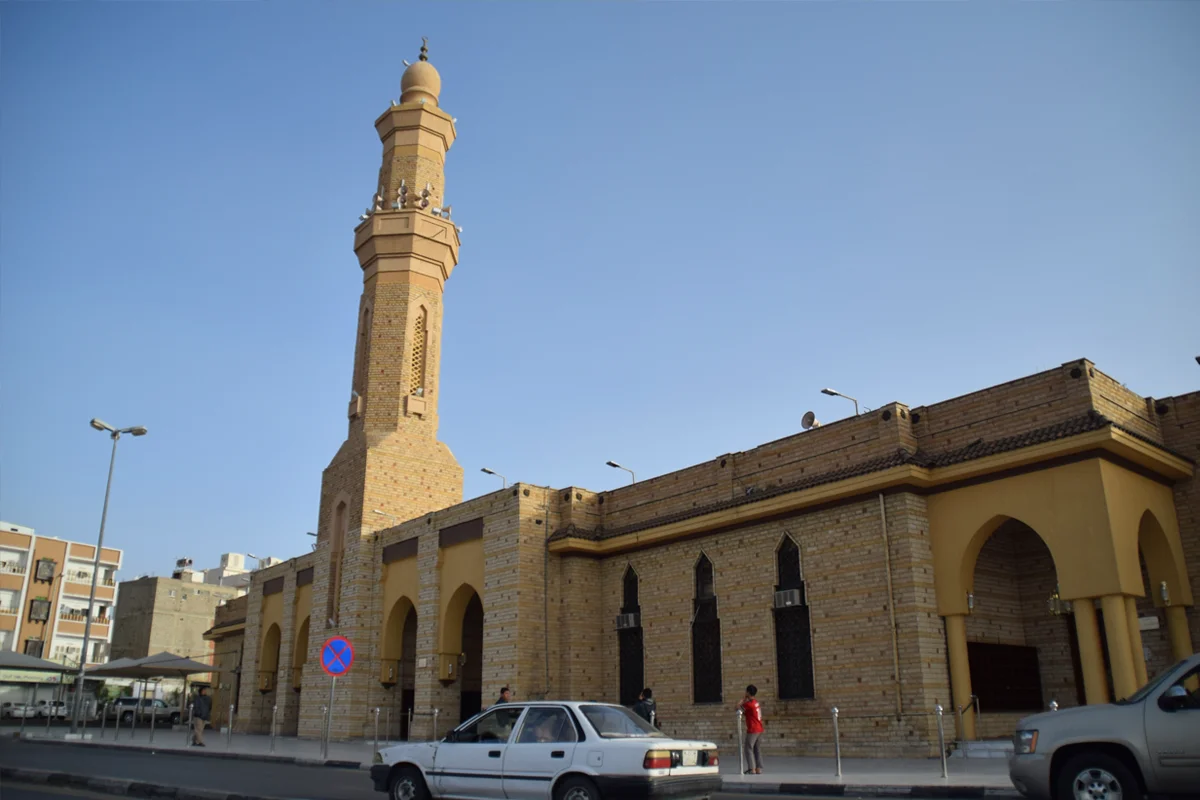
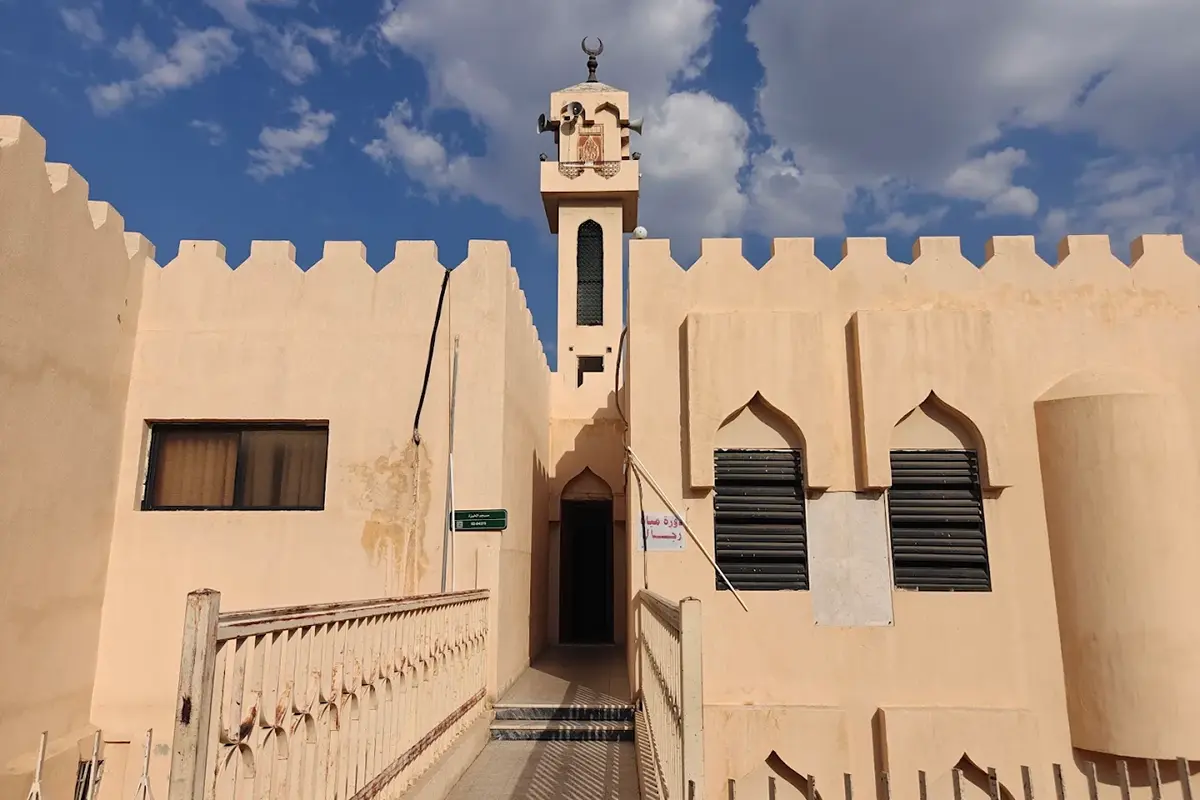
Al-Khubzah Mosque is one of the historic mosques of Taif, also known as al-Hisn. Saudi Press Agency counts it among the city's mosques dating back more than 1,200 years. It stands near al-Kou Mosque and has been restored with reinforced construction. Taif's historic mosques served as stations on the pilgrim route to Makkah.
Key takeaways
- ✓Al-Khubzah Mosque in Taif is also known as al-Hisn, meaning the fort.
- ✓Saudi official reporting counts it among Taif mosques over 1,200 years old.
- ✓It stands near al-Kou Mosque and has been restored with reinforced construction.
- ✓Its name al-Khubzah is connected with bread, though no source we found explains why.
- ✓No event established in the Qur'an or authentic hadith is attached to it.
- ✓Taif's roughly 25 historic mosques served pilgrims travelling towards Makkah.
- ✓It is a working mosque rather than a monument, with nothing marked to explain it.
Quick facts
- City
- Taif, Makkah Province
- Also called
- Al-Hisn, the fort
- Age
- Counted among mosques over 1,200 years old
- Near
- Al-Kou Mosque
- Restored
- Yes, with reinforced construction
- In the Qur'an or hadith?
- No
- Car access
- Yes
- Part of Umrah?
- No. Not a rite of Hajj or Umrah.
What is documented
Al-Khubzah Mosque is one of the historic mosques of Taif. Saudi Press Agency lists it, under the double name al-Khubzah (al-Hisn), among the city's mosques dating back more than 1,200 years, in a group that also includes Abdullah ibn Abbas, al-Hadi, al-Ku', al-Mahjoob and al-Qantarah.
It stands near al-Kou Mosque, and it has been restored, using reinforced construction, as part of the ongoing work on Taif's historic mosques.
That is the firm ground. It is short, and we would rather give you a short accurate page than a long one padded with atmosphere.
Two names, pointing different ways
Al-Khubzah is connected with bread. Khubz is the ordinary Arabic word for it.
Al-Hisn means the fort or the stronghold.
Those two do not obviously belong together, and we could not find a source that explains either name reliably. Plenty of pages will offer you a story. None of the ones we checked traces back to anything you could call a source.
What can be said sensibly is that both kinds of name are common for old mosques. A mosque takes the name of the quarter it stands in, or of a market beside it, or of a fortified structure it was built next to or inside. A mosque called the fort was very probably near a fort.
We are not going to invent the rest.
What is not attached to it
Being specific about the gap is the useful part of a page like this.
- No verse of the Qur'an names it.
- No authentic hadith names it, and no event from the Prophet's life is placed there in the authentic collections.
- No early seerah account connects it to the journey to Taif, unlike Masjid Addas and al-Kou, whose traditions at least point at a known episode.
- No special reward for praying there is established.
An old mosque does not need an event to be worth preserving. A building that has held prayer on the same spot for more than a thousand years is a serious thing on its own terms, and the Saudi heritage programme treating it that way is the right instinct.
Why Taif has so many of these
The answer explains this mosque better than any story about its name would.
Taif sat on the road pilgrims used coming down from the highlands and from the east towards Makkah. Saudi Press Agency describes the city's roughly twenty-five historic mosques as having served as stations for pilgrims and Umrah performers passing through Taif on the way to Makkah.
A pilgrim route generates mosques the way a trade route generates inns. People arrive, they need somewhere to pray, and over centuries the somewhere becomes a building, then an old building, then a heritage site.
Ten of Taif's historic mosques stand in the Souq al-Balad quarter, the old town, surrounded by shops and alleys. Walking that quarter and seeing several of them in an hour tells you more than visiting one in isolation.
The restoration programme
Taif's old mosques are being restored in phases under the national programme for historical mosques, which has been running since 2018 and covers 130 mosques across the country.
The approach is generally to keep the original form and materials where possible rather than replacing a mosque with a modern building, which is a change from earlier decades.
Practically, this means access can be interrupted. A mosque under restoration may be fenced or closed. Check before building a day around a specific one.
Visiting it
- Taif is about ninety minutes from Makkah and usually a good deal cooler.
- Treat it as part of a walk rather than a single stop. The old quarter rewards an hour on foot.
- Time it with a prayer to see inside.
- Expect no signage. These are working mosques, not museums, and nothing inside explains the history.
- Dress and behave as in any mosque. Local people pray in them daily.
Our Taif day trip guide covers the road up and what else fills a day, and the Taif Ziyarat tour runs the Islamic sites. On our fixed fares a Taif Ziyarat round is SAR 430 for a standard sedan, SAR 480 for an SUV and SAR 580 for a van, per vehicle with waiting included. Fares reviewed August 2026.
Nearby
| Place | What it is |
|---|---|
| Al-Kou Mosque | Nearby, with a rock built into one corner. |
| Masjid Addas | The garden of the grapes. |
| Al-Sidrah Mosque | Another of the city's historic mosques. |
| Wadi Wajj | The valley that made Taif farmland. |
The Taif destination guide covers the city, and the rose farms are what most visitors come for.
Accuracy note
That al-Khubzah Mosque, also called al-Hisn, is among the Taif mosques dating back more than 1,200 years comes from Saudi Press Agency reporting on the city's historic mosques, which lists it alongside Abdullah ibn Abbas, al-Hadi, al-Ku', al-Mahjoob, al-Qantarah and others. That it stands near al-Kou Mosque and has been restored using reinforced construction is drawn from the same body of Saudi reporting.
The figure of around twenty-five historic mosques in Taif, their role as stations for pilgrims travelling to Makkah, and the ten standing in the Souq al-Balad old town also come from that reporting.
We found no reliable explanation of either name, al-Khubzah or al-Hisn, and have said so rather than repeating an unsourced story. We found no verse, authentic hadith or early seerah account attached to this mosque, and no reward for praying there is established.
The national programme for the development of historical mosques was launched in 2018 and covers 130 mosques across the Kingdom. Access to individual mosques may be interrupted by restoration work. Fares are our own published Taif Ziyarat rates, reviewed August 2026. Verified August 2026.
Frequently asked questions
Planning a Saudi trip?
Pre-book a private car, find a stay, or ask us anything on WhatsApp.
Last updated: 10 October 2026·Sources reviewed by the Wadana Go editorial team.