Masjid al-Rayah, Makkah: The Mosque of the Banner That No Longer Stands
Short answer
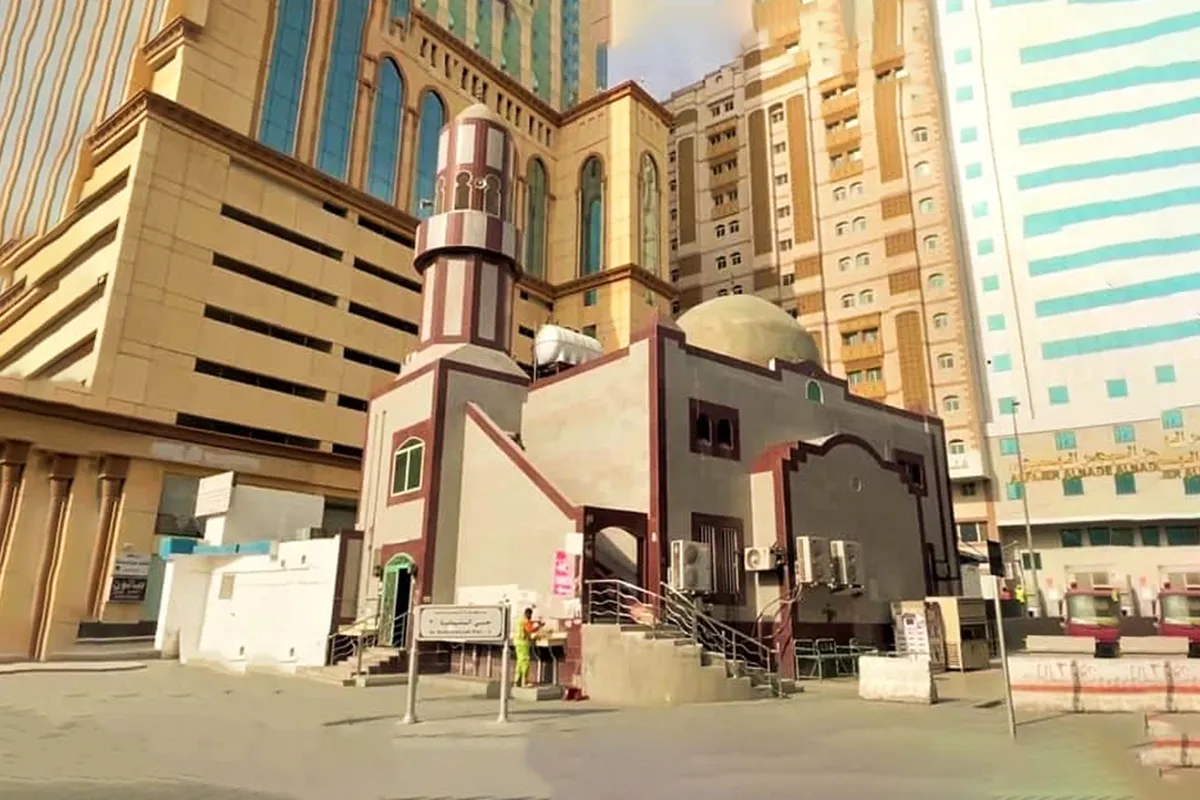
Masjid al-Rayah, the Mosque of the Banner, stood at al-Hujun about a kilometre from the Grand Mosque in Makkah. It marked the spot where the Prophet Muhammad's banner was planted at the conquest of Makkah in the eighth year after the Hijrah. The mosque was demolished for the northern expansion of the Grand Mosque and no longer exists.
Key takeaways
- ✓Masjid al-Rayah no longer stands. It was demolished for the northern expansion of the Grand Mosque.
- ✓The decision to remove it was taken in 1431 AH, and the demolition followed in the years after.
- ✓It stood at al-Hujun, roughly a kilometre from the Haram, near Masjid al-Jinn and the cemetery.
- ✓It marked where the Muslim banner was planted at the conquest of Makkah in 8 AH.
- ✓The conquest itself is established history. The exact spot of the banner comes from historical sources.
- ✓It was also known as Masjid al-Jawdariyyah, and had been rebuilt in the Abbasid period.
- ✓Many Ziyarat lists still include it, which is why pilgrims go looking and find nothing.
Quick facts
- City
- Makkah, Saudi Arabia
- Status
- Demolished. It no longer exists.
- Former location
- Al-Hujun, about 1 km from the Haram
- Also called
- Masjid al-Jawdariyyah
- What it marked
- The banner at the conquest of Makkah, 8 AH
- Why removed
- Northern expansion of the Grand Mosque
- Decision taken
- 1431 AH
- Can you visit?
- No. Only the area, now part of the expansion.
Start with the part that saves you a journey
Masjid al-Rayah is gone. It was demolished as part of the northern expansion of the Grand Mosque, the decision having been taken in 1431 AH.
We are putting that first because a good number of Ziyarat lists, printed itineraries and tour pages still carry it as a place to visit in Makkah. Pilgrims turn up at al-Hujun and spend a while looking for a small mosque that has not been there for years.
If it is on your list, cross it off. If your operator has it on the itinerary, ask them when they last checked.
The history is still worth knowing, which is what the rest of this page is for.
Where it stood
The mosque was at al-Hujun, in the Sulaymaniyyah district, roughly a kilometre from the Grand Mosque along the Masjid al-Haram road. That puts it in the same part of the city as Jannat al-Mu'alla and Masjid al-Jinn, on the northern side.
It carried a second name, Masjid al-Jawdariyyah, which you will meet in older books.
It was not a large or ornate building. It was a small historic mosque that had been rebuilt more than once, including during the Abbasid period.
The banner at the conquest
The name means the Mosque of the Banner, and it points at a specific moment.
In Ramadan of the eighth year after the Hijrah, the Prophet Muhammad entered Makkah at the head of a large force and the city fell without a battle. The army came in from several directions under different commanders.
The accounts record that the banner was entrusted to al-Zubayr ibn al-Awwam, with instructions to plant it at a particular place in the upper part of Makkah, at al-Hujun. A mosque was later built on that spot, and that is the mosque this page is about.
Two levels of certainty are worth separating here.
The conquest of Makkah is established. It is in the Qur'an and in the authentic collections, and nobody disputes when or how it happened.
The identification of this precise spot as the place of the banner comes from the historical and topographical literature about Makkah, not from the Qur'an or from an authentic hadith. That is reliable history, and it is not the same footing as the event itself. Pages that present the two as equally certain are blurring something they should not.
Why it was removed
The northern expansion of the Grand Mosque is an enormous project, and it has taken in a great deal of ground on that side of the city. Masjid al-Rayah was inside its footprint.
People react to this news in different ways, and both reactions are understandable. Losing an old building that has stood since the Abbasid period is a real loss to the fabric of the city. Widening the mosque so that far more people can pray in it is a real gain to the people praying.
What we would say is that the same reasoning has applied elsewhere in Makkah for a long time. Dar al-Arqam was absorbed into the mosque decades ago. The decisions are consistent, whatever anyone thinks of them.
Was there anything prescribed there?
No, and that is worth saying because it changes how much the loss should weigh on a pilgrim.
No prayer was prescribed at Masjid al-Rayah, and no reward for praying in it or visiting it was established in authentic evidence. It was not one of the mosques singled out in the hadith literature.
Nothing in anyone's Hajj or Umrah was ever affected by whether they went there, and nothing is affected now that they cannot.
What to do instead
If you had it on your list because you wanted the story of the conquest, the ground itself is still there. You can stand in the al-Hujun area and know that the army came in over it.
The nearby stops that do still exist and are worth the time:
| Place | What it is | Still there? |
|---|---|---|
| Jannat al-Mu'alla | Makkah's oldest cemetery. | Yes |
| Masjid al-Jinn | Historic mosque beside the cemetery. | Yes |
| Masjid al-Ijabah | Small historic mosque at al-Ma'abada. | Yes |
| Shi'b Abi Talib | The boycott valley, built over but the ground remains. | Area only |
All four are within a short drive of each other on the northern side of the city. Our Makkah Ziyarat guide puts them in order, and a private Ziyarat car covers the round from SAR 200 per vehicle with waiting at each stop. Fares reviewed August 2026.
A note on out-of-date Ziyarat lists
Masjid al-Rayah is not the only entry on the circulating lists that has stopped being accurate, and it is worth carrying a little scepticism with you.
Makkah is under constant construction. Buildings are removed, roads move, access changes. A list copied from a page written ten years ago, which was itself copied from a book written thirty years before that, will send you to places that are no longer there and describe places that no longer look like the description.
The practical advice is simple. Check the date on whatever you are reading, and ask your driver what is actually standing this week. Drivers who run these routes daily know before the internet does.
Accuracy note
The conquest of Makkah in Ramadan of the eighth year after the Hijrah is established history, recorded in the Qur'an and in the authentic collections.
That the banner was entrusted to al-Zubayr ibn al-Awwam and planted in the upper part of Makkah at al-Hujun, and that a mosque was later built on that spot, comes from the historical and topographical literature about Makkah rather than from the Qur'an or authentic hadith. We have marked that distinction in the article.
The mosque's former location at al-Hujun in the Sulaymaniyyah district about a kilometre from the Grand Mosque, its alternative name Masjid al-Jawdariyyah, its rebuilding during the Abbasid period, and the decision taken in 1431 AH to demolish it as part of the northern expansion of the Grand Mosque are drawn from published records of Makkah's historic mosques. Sources differ on the exact year the demolition was carried out.
No prayer, reward or rite was ever established at this mosque in authentic evidence. Fares are our own published rates, reviewed August 2026. Verified August 2026.
Frequently asked questions
Planning a Saudi trip?
Pre-book a private car, find a stay, or ask us anything on WhatsApp.
Last updated: 13 October 2026·Sources reviewed by the Wadana Go editorial team.