Urwah ibn al-Zubayr's Palace: A House With a Kitchen, Thirteen Centuries On
Short answer
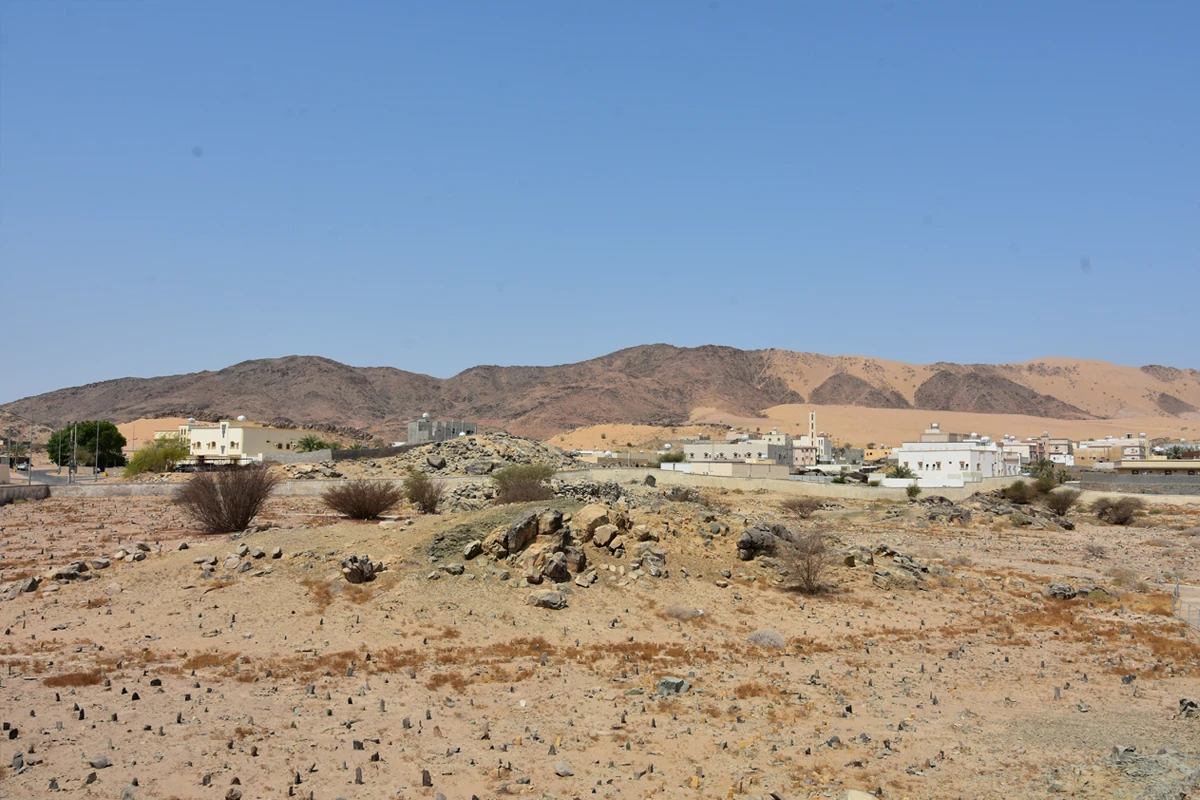
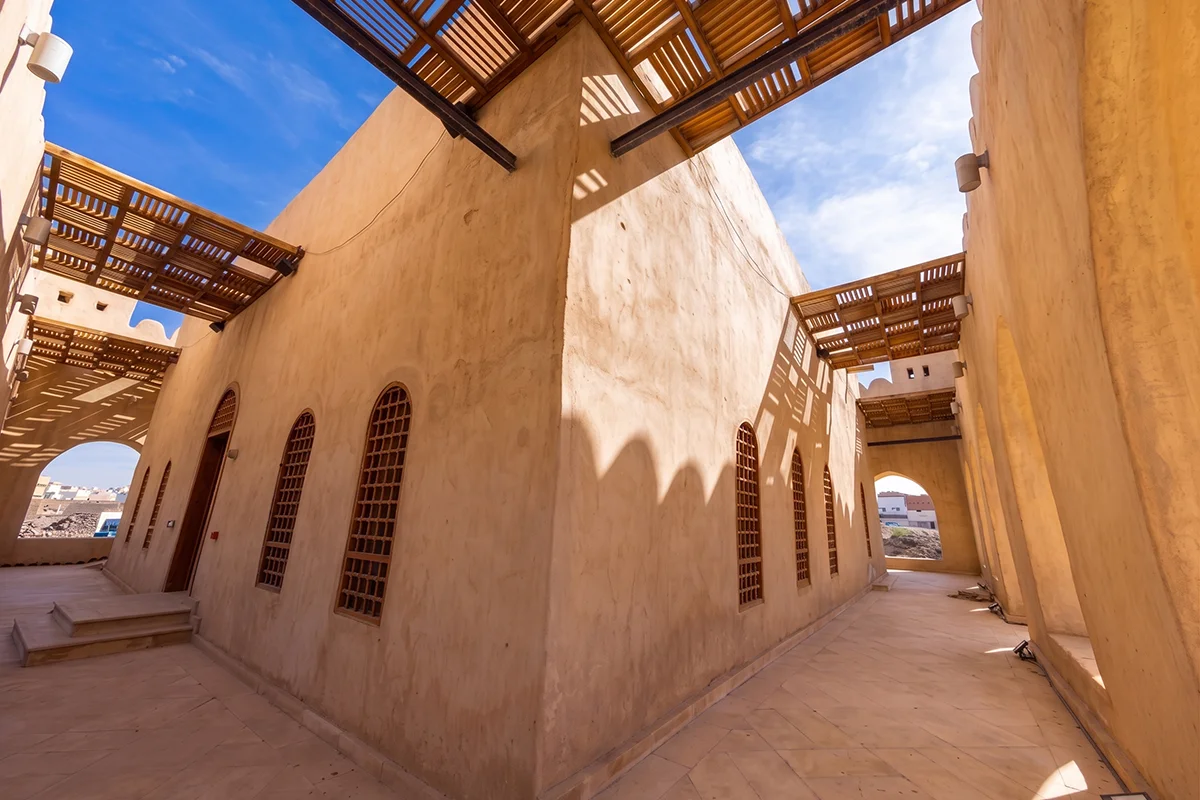
The palace of Urwah ibn al-Zubayr stands on the bank of Wadi al-Aqiq about 3.5 km west of Masjid an-Nabawi. Built in the early eighth century and attributed to Urwah, who died in 713, it survives as low stone walls and foundations with a legible plan of three courtyards, rooms and a kitchen. Visiting is not a rite of Hajj or Umrah.
Key takeaways
- ✓The site stands on the bank of Wadi al-Aqiq, about 3.5 kilometres west of the Prophet's Mosque.
- ✓It was built in the early eighth century and is attributed to Urwah ibn al-Zubayr, who died in 713.
- ✓What survives is low stone walls, basalt blocks and readable foundations, not a standing palace.
- ✓The plan records three courtyards: two each overlooking three rooms, the third leading to two rooms and a kitchen.
- ✓Excavation has recovered marble and glass among the building materials, plus steatite vessels and ceramics.
- ✓The ceramics are evidence of how far pottery manufacture had developed in the first two Islamic centuries.
- ✓An ordinary house from this period is rarer than a mosque, because mosques get rebuilt and houses get forgotten.
Quick facts
- City
- Madinah, on Wadi al-Aqiq to the west
- Distance
- About 3.5 km from Masjid an-Nabawi
- Built
- Early eighth century
- Attributed to
- Urwah ibn al-Zubayr, died 713
- Plan
- Three courtyards, rooms and a kitchen
- Finds
- Marble, glass, steatite vessels, ceramics
- Connection to the Prophet ﷺ
- None. Urwah was of the generation after the Companions
- Part of Umrah or Hajj
- No. An archaeological site
- Time to allow
- 20 to 30 minutes
- Evidence level
- B. Documented archaeology, well recorded
On the bank of Wadi al-Aqiq, about 3.5 kilometres west of Masjid an-Nabawi, stand the remains of a house built in the early eighth century.
It is attributed to Urwah ibn al-Zubayr, who died in 713, and it is one of the most important surviving non-religious archaeological sites of the first Islamic centuries anywhere in the Madinah region.
What is actually there
Not a palace in the sense the word suggests. Low stone walls, basalt blocks, and the traceable lines of foundations.
The plan is legible, and it is the interesting part. Published descriptions record three courtyards of different sizes: two of them each overlooking three rooms, and the third leading to two rooms and a kitchen.
A kitchen. Somebody's actual house, laid out around courtyards, on a valley bank, thirteen hundred years ago.
What the excavations found
Excavation work at the site has recovered marble and glass among the building materials, along with steatite vessels and ceramics.
Those ceramics matter more than they sound. They are evidence of how far pottery manufacture had developed in the first and second centuries after the Hijrah, which is the kind of thing you can only learn from a rubbish layer rather than from a text.
Why an ordinary house is a rare find
Because almost everything preserved from this period is religious.
Mosques get rebuilt on the same ground for centuries. Houses get demolished, built over, forgotten. So a legible early Islamic domestic and agricultural complex, with courtyards and a kitchen still readable in the foundations, is genuinely unusual.
The site sits among others of the same period in the valley. Published accounts also associate palaces in al-Aqiq with Sa'id ibn al-'As and Marwan ibn al-Hakam. This was where the establishment of Umayyad-era Madinah built.
The evidence, plainly
- The site, its plan and the excavated material: documented archaeology, level B and well recorded.
- The attribution to Urwah ibn al-Zubayr: traditional and widely carried in Saudi official sources; sources vary slightly on the dating.
- Any connection to the Prophet ﷺ: none. Urwah was born after him and this is a building of the generation of the successors.
- Any prescribed prayer or reward: none. This is an archaeological site, not a religious one.
Is visiting part of Hajj or Umrah?
No. Nothing here is a rite, and nobody should present it as one.
Visiting
- Twenty to thirty minutes, which is longer than most people expect from a set of low walls.
- Go early or late. It is open ground on a valley bank with no shade.
- Walk the plan. Find the courtyards, then find the kitchen. That is the visit.
- Do not climb on the walls or move stones. It is a protected archaeological site.
- Access arrangements change as the wadi is developed. Check on the day.
Related
- The Urwah estate — the farm and water system around the house, and the man himself.
- Wadi al-Aqiq — the valley it stands on.
- Bir Urwah — the well of the same estate.
- Madinah Ziyarat guide — every site with its evidence stated.
Getting there
Madinah's historic sites are scattered across the city, and reaching them one taxi at a time turns a short list into a whole morning. Our Madinah Ziyarat private car covers the round on one fixed fare for the whole vehicle with the driver waiting at every stop, and the Madinah Ziyarat tour is the guided version. For arrival, the Madinah airport transfer has fixed fares.
Accuracy note
The location of the site on the banks of Wadi al-Aqiq about 3.5 km west of Masjid an-Nabawi, its construction in the early eighth century, its attribution to Urwah ibn al-Zubayr who died in 713, its plan of three courtyards with two overlooking three rooms each and the third leading to two rooms and a kitchen, the surviving low stone walls, basalt and foundation traces, and the recovery of marble, glass, steatite vessels and ceramics in excavation, follow Saudipedia and Saudi official destination information. Sources vary slightly on the dating. The site is described in published accounts as among the most prominent surviving secular archaeological complexes of the first Islamic centuries in the Madinah region, alongside palaces in the valley associated with Sa'id ibn al-'As and Marwan ibn al-Hakam. The building has no connection to the Prophet ﷺ; Urwah belonged to the generation of the successors. There is no prescribed prayer or reported reward at the site, and visiting is not a rite of Hajj or Umrah. It is a protected archaeological site and access arrangements change as the valley is developed. Content verified August 2026. Correction? Tell us.
Frequently asked questions
Planning a Saudi trip?
Pre-book a private car, find a stay, or ask us anything on WhatsApp.
Last updated: 8 September 2026·Sources reviewed by the Wadana Go editorial team.