The Urwah Estate: The Water System, and the Man Who Built It
Short answer
The estate of Urwah ibn al-Zubayr on Wadi al-Aqiq west of Madinah was a working agricultural property. Published accounts record that he dug channels and cut an inlet from the wadi onto his land. Bir Urwah, on the same estate, was famous for its water. Urwah was a major early scholar and transmitter of seerah material. Visiting is not a rite of Hajj or Umrah.
Key takeaways
- ✓The site was not just a house. It was a working agricultural estate, and the water engineering is the heart of it.
- ✓Published accounts record that Urwah dug channels and cut an inlet from Wadi al-Aqiq onto his land.
- ✓Diverting a seasonal flood channel without losing your land when the wadi runs hard is real engineering.
- ✓Bir Urwah, on the same estate, was among the rarest wells of sweet water, and its water was carried to the caliphs in Baghdad and Damascus.
- ✓Urwah was one of the great jurists of Madinah of his generation and one of the earliest collectors of seerah material.
- ✓His mother was Asma bint Abi Bakr and his aunt was Aisha, from whom he narrated a very large amount of hadith.
- ✓The biographical literature records his leg being amputated without anaesthetic and a son dying on the same journey, and his response of thanks.
Quick facts
- City
- Madinah, on Wadi al-Aqiq to the west
- What it was
- An early Islamic residential and agricultural estate
- The engineering
- Channels and an inlet cut from the wadi onto the land
- The well
- Bir Urwah, famous for the sweetness of its water
- Who Urwah was
- A leading jurist and early transmitter of seerah material
- His family
- Son of Asma bint Abi Bakr, nephew of Aisha
- The famous account
- Amputation and a son's death on one journey, met with thanks
- Part of Umrah or Hajj
- No
- Evidence level
- B for the estate and the biographical accounts
The palace is the part people photograph. The estate is the part that explains it.
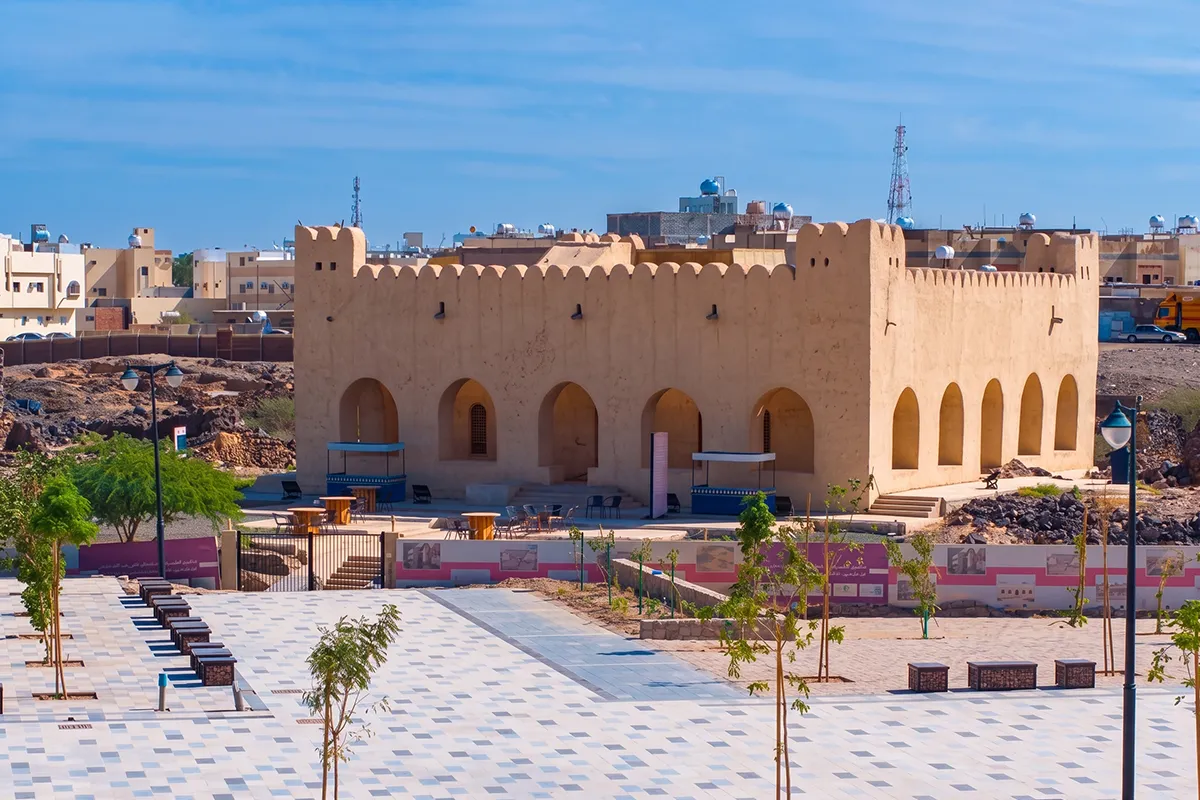
Urwah ibn al-Zubayr did not simply build a house on the bank of Wadi al-Aqiq. He built a working agricultural property, and the water engineering is the heart of it.
The water
Published accounts record that he dug channels and cut an inlet from Wadi al-Aqiq onto his land, so that the valley's water could be used on it.
That is a real piece of engineering, not a garden feature. You are diverting a seasonal flood channel in a country where water is the whole constraint, and doing it without losing your land when the wadi runs hard.
On the same estate was Bir Urwah, remembered in the Arabic sources as among the rarest wells of sweet, pure water, whose water was carried in jars to the caliphs in Baghdad and Damascus.
So: a house, an irrigation system, a famous well, and an export product.
Who Urwah was
This matters for reading the estate properly.
Urwah ibn al-Zubayr was one of the seven great jurists of Madinah of his generation and one of the earliest and most important collectors of the material that became the seerah. Almost everything later writers knew about the Prophet's ﷺ life passed through men like him.
His mother was Asma bint Abi Bakr, may Allah be pleased with her. His aunt was Aisha, may Allah be pleased with her, and he narrated a very large amount of hadith from her. His father was al-Zubayr ibn al-Awwam.
In other words, the man who built this estate had the most direct access to the household of the Prophet ﷺ of almost anybody in his generation, and he spent his life writing it down.
The story people remember him for
The biographical literature preserves an account that is hard to read and harder to forget.
On one journey, Urwah developed a disease in his leg. The physicians said it had to come off. It was amputated, in an age before anaesthetic.
On the same journey, one of his sons died.
The accounts record that he did not complain about either, and that his response was to give thanks: that he had been given four limbs and lost one, and given several sons and lost one.
This comes from the biographical and historical literature, level B, not from Bukhari or Muslim. We are naming that, as we do throughout. It is one of the best known stories about any of the successors, and it is the reason his name carries what it carries.
Why build outside the city?
An honest answer: we do not know his reasons and we are not going to invent them.
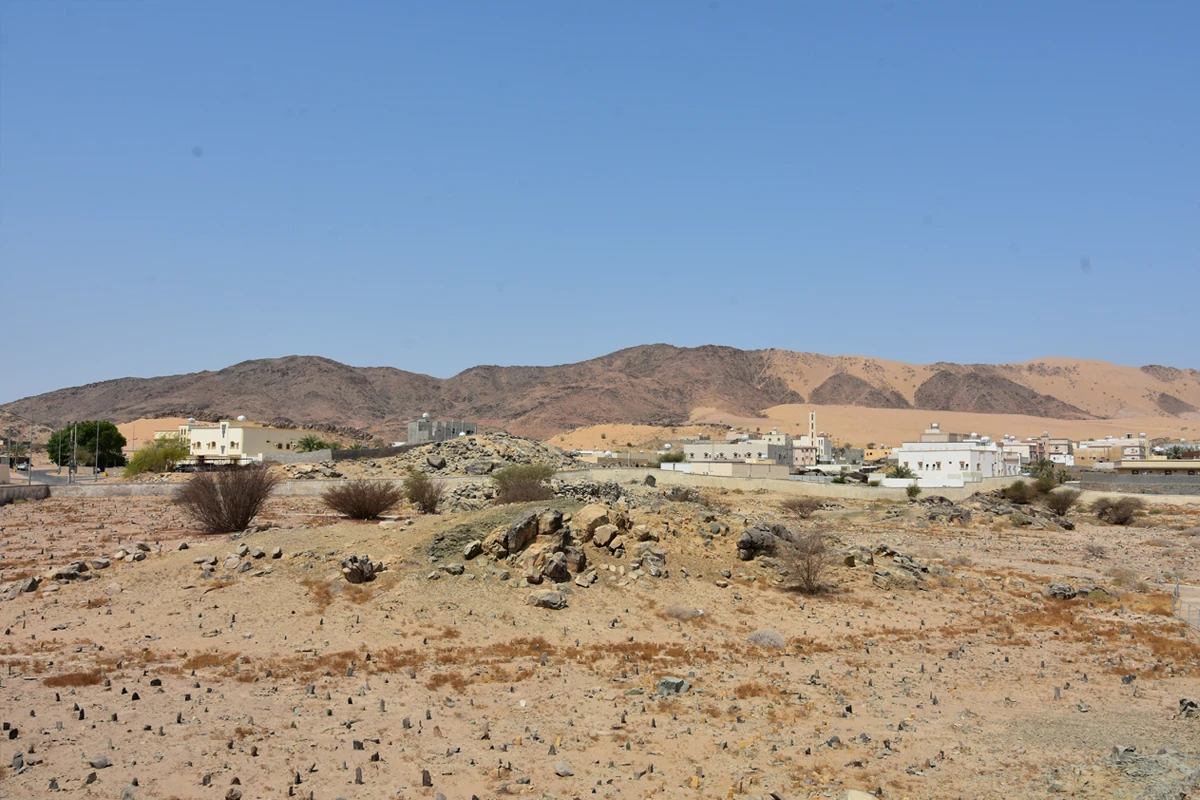
What we can say is what the ground shows. Al-Aqiq in that period was where the wealthy and the scholarly built country estates, away from the crowding of the city, with land and water. The remains of several such properties are in the valley.
A scholar with a large family, a working farm, and a lifetime of transmission to organise had practical reasons to want space. That is as far as the evidence takes us.
The evidence, plainly
- The estate, the channels cut from the wadi, and the well: documented in Saudi official and Arabic heritage sources. Level B.
- Urwah's scholarship, lineage and role in transmitting seerah material: established in the biographical literature.
- The amputation and the loss of his son: biographical and historical literature, level B.
- Any connection to the Prophet ﷺ or a rite: none.
Is visiting part of Hajj or Umrah?
No. Not a rite, no prescribed prayer, no reported reward.
Visiting
- Go with the palace, since they are the same site. Half an hour covers both.
- Look for the water. The channels and the relationship between the house and the wadi are the interesting thing, more than the walls.
- Tell the story of the leg if you are with older children. It lands harder than any building.
- Access changes as the valley is developed. Check on the day.
Related
- The Urwah palace — the building and what excavation found.
- Bir Urwah — the well and the water sent to Baghdad.
- Wadi al-Aqiq — the valley and the blessed-valley hadith.
- Madinah Ziyarat guide — every site with its evidence stated.
Getting there
Madinah's historic sites are scattered across the city, and reaching them one taxi at a time turns a short list into a whole morning. Our Madinah Ziyarat private car covers the round on one fixed fare for the whole vehicle with the driver waiting at every stop, and the Madinah Ziyarat tour is the guided version. For arrival, the Madinah airport transfer has fixed fares.
Accuracy note
That the site on Wadi al-Aqiq was an early Islamic residential and agricultural complex, and that Urwah ibn al-Zubayr dug channels and created an inlet from the wadi onto his land to use its water, follows Saudi official and published heritage descriptions. Bir Urwah, on the same estate, is recorded in the Arabic literature on Madinah's wells as among the rarest wells of sweet pure water, with its water carried in earthenware jars to the caliphs' palaces in Baghdad and Damascus. Urwah ibn al-Zubayr's standing as one of the great jurists of Madinah of his generation, his role as an early collector of seerah material, his mother Asma bint Abi Bakr, his aunt Aisha and his father al-Zubayr ibn al-Awwam are established in the biographical literature. The account of the amputation of his leg and the death of his son on the same journey, and his response of thanks, is preserved in the biographical and historical literature and is level B, not a narration in Bukhari or Muslim. We do not know his reasons for building outside the city and have not invented them; what the sources show is that al-Aqiq was where the wealthy and scholarly of that period built country estates. There is no prescribed prayer or reported reward at the site, no connection to the Prophet ﷺ, and visiting is not a rite of Hajj or Umrah. Content verified August 2026. Correction? Tell us.
Frequently asked questions
Planning a Saudi trip?
Pre-book a private car, find a stay, or ask us anything on WhatsApp.
Last updated: 8 September 2026·Sources reviewed by the Wadana Go editorial team.