Bir Urwah: The Madinah Well Whose Water Went to Baghdad
Short answer
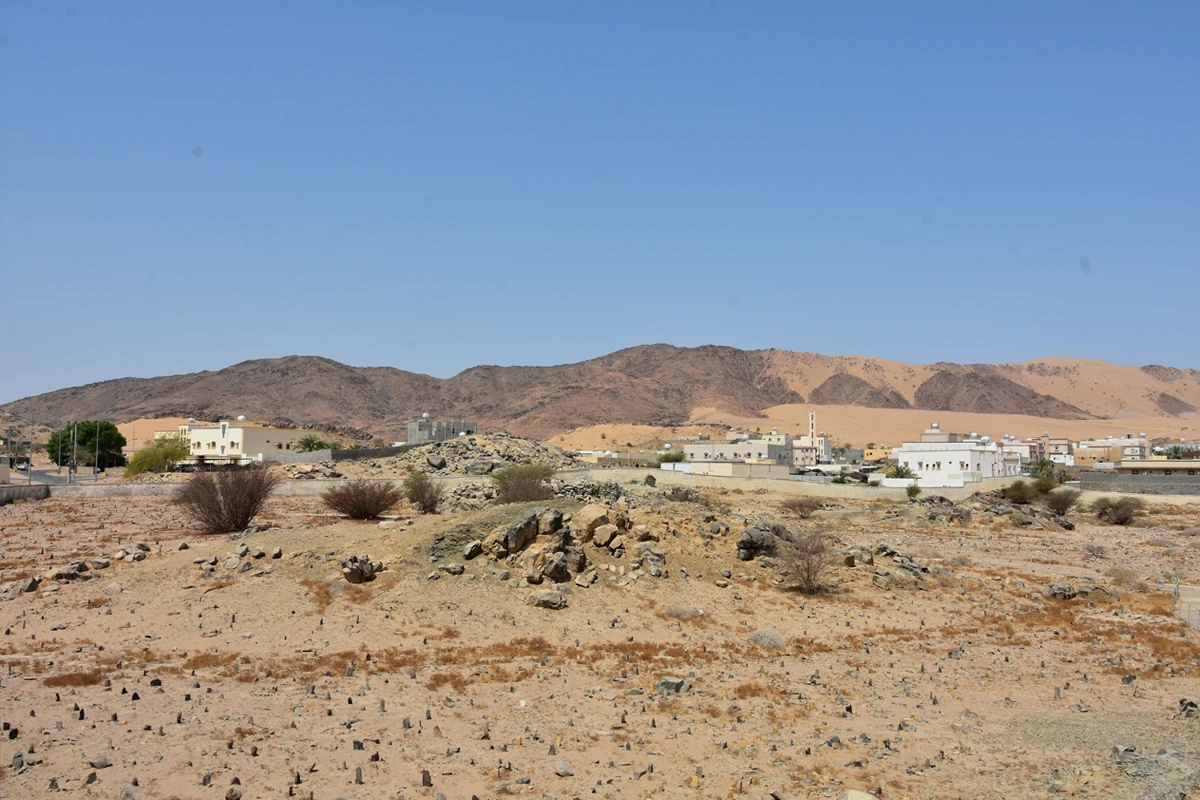
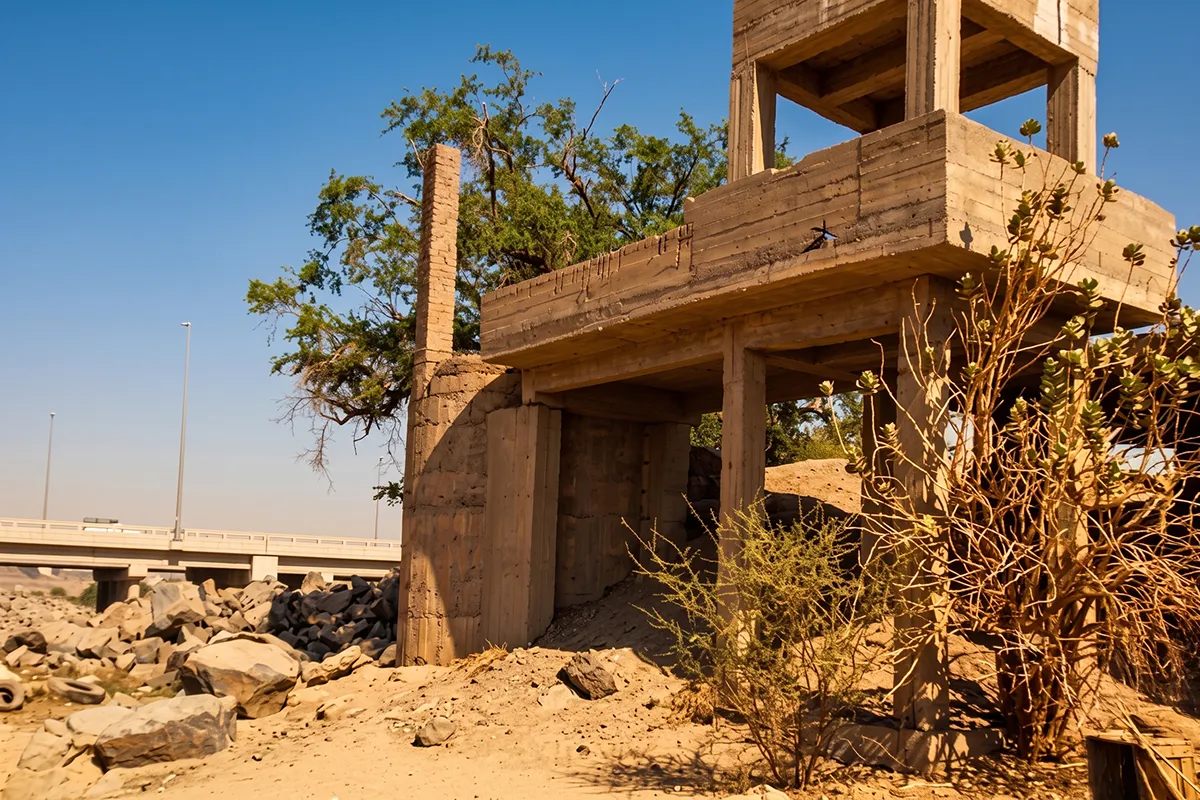
Bir Urwah stood in Wadi al-Aqiq on the western side of Madinah, on the estate of the scholar Urwah ibn al-Zubayr. Arabic sources record it as among the rarest wells of sweet pure water, and say its water was carried in earthenware jars to the caliphs' palaces in Baghdad and Damascus. Visiting is not a rite of Hajj or Umrah.
Key takeaways
- ✓Bir Urwah stood in Wadi al-Aqiq, on the estate of Urwah ibn al-Zubayr, west of Madinah.
- ✓Arabic sources record it as among the rarest wells of sweet pure water in the region.
- ✓They also record its water being carried in earthenware jars to the palaces of the caliphs in Baghdad and Damascus.
- ✓That is not piety, it is a luxury good, and it says something real about how the eighth and ninth century Muslim world worked.
- ✓Urwah ibn al-Zubayr was a major scholar, son of Asma bint Abi Bakr and nephew of Aisha, and a key early transmitter of seerah material.
- ✓The valley itself is described as blessed in a report in Sahih al-Bukhari given at Dhu al-Hulayfah.
- ✓Nothing is arranged for visitors that we could confirm. Know about it as you cross the valley on the way to the miqat.
Quick facts
- City
- Madinah, in Wadi al-Aqiq to the west
- On the estate of
- Urwah ibn al-Zubayr
- Known for
- Exceptionally sweet, pure water
- The striking detail
- Water carried to the caliphs in Baghdad and Damascus
- The valley
- Al-Aqiq, called blessed in a report in Bukhari
- Condition and access
- Not verified by us
- Part of Umrah or Hajj
- No
- Religious virtue in the water
- None reported
- Evidence level
- A for the valley; B for the well and the export account
Bir Urwah stood in Wadi al-Aqiq, the valley on the western side of Madinah, on the estate of Urwah ibn al-Zubayr.
It has the single most surprising detail of any well in the city, and it is not a religious one.
Water sent to Baghdad
Arabic sources on Madinah's historic wells record that Bir Urwah was among the rarest wells of sweet, pure water in the region, and that its water was carried in earthenware jars to the palaces of the caliphs in Baghdad and Damascus.
Read that again. Water, in clay jars, on animals, across a desert, from a well outside Madinah to a caliph's table more than a thousand kilometres away.
That is not piety. That is a luxury good, and it tells you something about how the Muslim world of the eighth and ninth centuries actually worked: a Madinan estate producing something a caliph in Iraq wanted badly enough to have it hauled to him.
Who Urwah was
Urwah ibn al-Zubayr was one of the great scholars of the generation after the Companions, and one of the most important early collectors of the material that became the seerah.
His mother was Asma bint Abi Bakr, may Allah be pleased with her. His aunt was Aisha, may Allah be pleased with her, from whom he narrated a very large amount of hadith.
He built an estate out in al-Aqiq, away from the crowding of the city, and it is covered in more detail on our page for the Urwah palace.
The valley
Al-Aqiq is not an incidental address. It is the valley the Prophet ﷺ was told was blessed, in a report in Sahih al-Bukhari given at Dhu al-Hulayfah.
So the well sat in a valley named in an authentic hadith, on the estate of a major scholar, producing water good enough to export to Baghdad. Three quite different kinds of significance stacked on one piece of ground.
The evidence, plainly
- Wadi al-Aqiq described as a blessed valley: level A, Sahih al-Bukhari.
- Urwah ibn al-Zubayr, his lineage and his scholarship: established in the biographical literature.
- The well's water being carried to the caliphs' palaces: recorded in the Arabic literature on Madinah's wells. Level B, and a striking claim, so we are naming its source rather than stating it flatly.
- Current condition, location on the ground or access: not verified by us.
- Any religious virtue in the water: none reported.
Is visiting part of Hajj or Umrah?
No. Not a rite of either, and there is nothing prescribed here.
Honest verdict
There is nothing arranged for visitors that we could confirm, and we are not going to send you hunting through al-Aqiq for a well head.
What is worth doing is knowing about it as you cross the valley, which you will, because the miqat at Abyar Ali sits on the same wadi and every pilgrim leaving Madinah for Makkah passes through it.
Related
- Wadi al-Aqiq — the blessed valley itself.
- Urwah ibn al-Zubayr's palace — the estate the well served.
- Dhu al-Hulayfah — the miqat on the same valley.
- Madinah Ziyarat guide — every site with its evidence stated.
Getting there
Madinah's historic sites are scattered across the city, and reaching them one taxi at a time turns a short list into a whole morning. Our Madinah Ziyarat private car covers the round on one fixed fare for the whole vehicle with the driver waiting at every stop, and the Madinah Ziyarat tour is the guided version. For arrival, the Madinah airport transfer has fixed fares.
Accuracy note
The report describing Wadi al-Aqiq as a blessed valley, given at Dhu al-Hulayfah, is in Sahih al-Bukhari. Urwah ibn al-Zubayr's position as a major scholar of the generation after the Companions, his mother Asma bint Abi Bakr, his aunt Aisha and his role in transmitting seerah material are established in the biographical literature. The account of Bir Urwah being among the rarest wells of sweet pure water, and of its water being carried in earthenware jars to the palaces of the caliphs in Baghdad and Damascus, is recorded in the Arabic literature on the historic wells of Madinah; it is a striking claim and we have named its source rather than stating it flatly. We could not verify the well's current condition, its precise position on the ground today, or any visitor access. No religious virtue in the water is reported and visiting is not a rite of Hajj or Umrah. Content verified August 2026. Correction? Tell us.
Frequently asked questions
Planning a Saudi trip?
Pre-book a private car, find a stay, or ask us anything on WhatsApp.
Last updated: 12 September 2026·Sources reviewed by the Wadana Go editorial team.