The House of Kulthum ibn al-Hadm: Ten Days as Somebody's Guest
Short answer
When the Prophet ﷺ reached Quba at the end of the Hijrah he lodged at the house of Kulthum ibn al-Hadm of the Banu Amr ibn Awf, and spent his days at the house of Sa'd ibn Khaythamah where the younger men gathered. Masjid Quba was built during those days. No house of that period survives and there is nothing to visit.
Key takeaways
- ✓Arriving at Quba, the Prophet ﷺ did not camp. He stayed in the house of Kulthum ibn al-Hadm of the Banu Amr ibn Awf.
- ✓He slept at Kulthum's house among the elders and spent his days at Sa'd ibn Khaythamah's house, where the young men gathered.
- ✓Kulthum's house served as the base from which the decisions of those days were worked out.
- ✓Masjid Quba, the first mosque in Islam, was built during that stay.
- ✓The sources differ on the length of the stay, from a few days to around a fortnight, with ten days or a little more commonly cited.
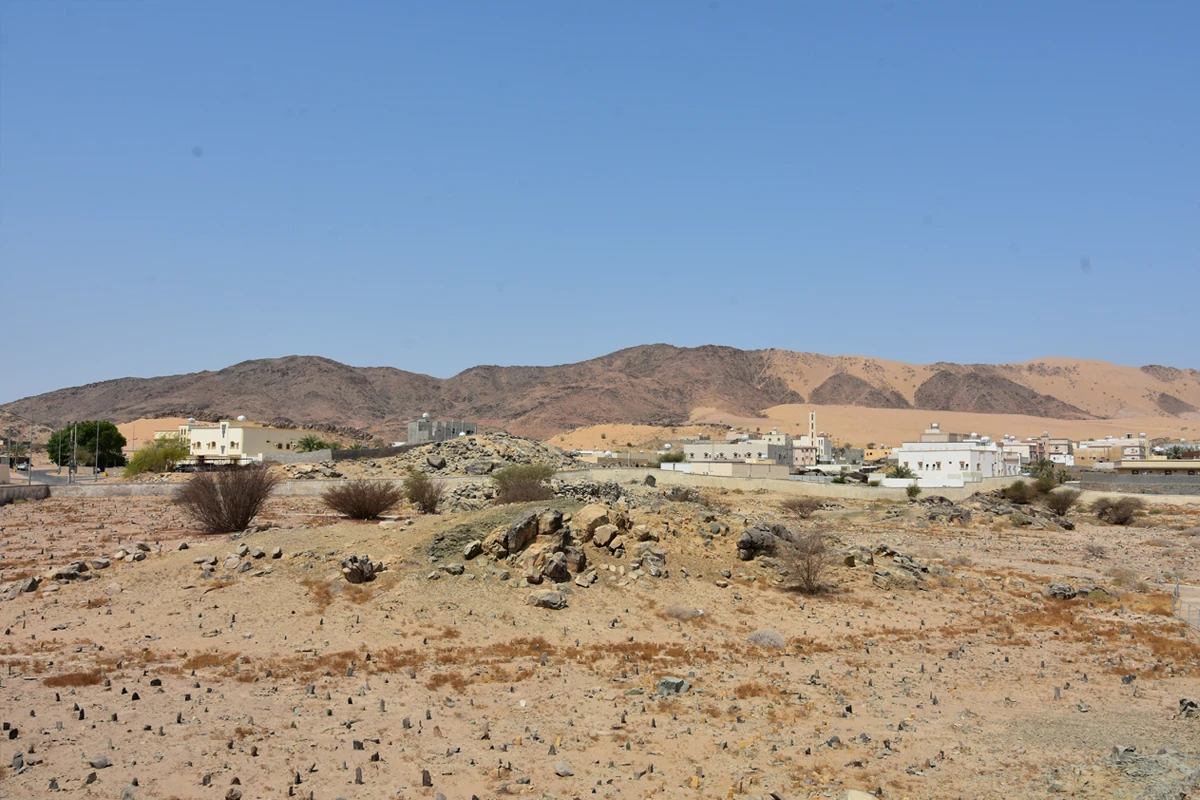
- ✓No house of that period survives at Quba and we could not verify any identified site. There is nothing to visit.
- ✓The value of the detail is what it does to the picture: ten days of being somebody's house guest, between the cave and the city.
Quick facts
- City
- Madinah, at Quba
- Host
- Kulthum ibn al-Hadm, of the Banu Amr ibn Awf
- Days spent at
- The house of Sa'd ibn Khaythamah
- Length of stay
- Sources differ; around ten days commonly cited
- What it produced
- Masjid Quba, the first mosque in Islam
- Anything to visit
- No. No house of that period survives
- Part of Umrah or Hajj
- No
- What to do instead
- Pray at Masjid Quba, which has a sound hadith
- Evidence level
- A for the stay at Quba; B for the lodging arrangement
When the Prophet ﷺ reached Quba at the end of the Hijrah, he did not camp. He stayed in somebody's house.
That house belonged to Kulthum ibn al-Hadm, may Allah be pleased with him, of the Banu Amr ibn Awf.
The arrangement at Quba
The seerah literature records the days at Quba in some detail, and the arrangement is worth knowing because it is so practical.
He slept at the house of Kulthum ibn al-Hadm, an older man of the clan.
He spent his days at the house of Sa'd ibn Khaythamah, may Allah be pleased with him, where the younger men gathered, and where teaching and discussion went on.
So: nights with the elders, days with the young men. It is a small logistical detail and it tells you a great deal about how he organised himself in a place where he was a guest with no home of his own.
Kulthum's house served as the base. The seerah accounts describe the decisions of those days, including the building of Masjid Quba and the timing of the move on into the city, being worked out from there.
How long he stayed
The sources differ, as they often do on counts of days. The figures given run from a few days to around a fortnight, with something in the region of ten days or a little more commonly cited.
We are not going to pick a number and present it as settled. What is agreed is that it was long enough to build a mosque.
The evidence, plainly
- That he stayed at Quba among the Banu Amr ibn Awf and built the mosque there: established.
- That he lodged with Kulthum ibn al-Hadm and spent his days at Sa'd ibn Khaythamah's: recorded in the seerah and biographical literature. Level B.
- The exact number of days: the sources differ.
- A surviving house, marked site or anything to visit: no. We could not verify any identified location.
Is visiting part of Hajj or Umrah?
No. And there is nothing to visit. Quba has been built and rebuilt for fourteen centuries and no house of that period survives.
Why the page exists
Because of what the detail does to the picture in your head.
The Hijrah is usually told as an escape and an arrival: the cave, the pursuit, the city coming out to meet him. What sits between those is ten days of being somebody's house guest.
Sleeping in a room lent to him. Eating what the household ate. Working out the next move at another man's table. Building a mosque with borrowed hands and local palm trunks.
Kulthum ibn al-Hadm gave a room to a man arriving with nothing, at a moment when sheltering him was a political act with consequences. That is worth remembering when you are at Quba, and it costs nothing to remember it there.
What to do instead of looking for it
Go to Masjid Quba, which is the thing those days produced, and which has a sound hadith attached to praying in it.
Stand in the courtyard and think about the fact that the mosque exists because a clan on the edge of a town took in a stranger and gave him ten days to work out what to do next.
Related
- Masjid Quba — built during those days.
- The Hijrah entry route — what came next.
- Masjid al-Jumu'ah — the Friday prayer on the way into the city.
- Madinah Ziyarat guide — every site with its evidence stated.
Getting there
Madinah's historic sites are scattered across the city, and reaching them one taxi at a time turns a short list into a whole morning. Our Madinah Ziyarat private car covers the round on one fixed fare for the whole vehicle with the driver waiting at every stop, and the Madinah Ziyarat tour is the guided version. For arrival, the Madinah airport transfer has fixed fares.
Accuracy note
That the Prophet ﷺ stopped at Quba among the Banu Amr ibn Awf on arriving from the Hijrah, stayed there, and built the first mosque in Islam is established in the hadith and seerah literature. That he lodged at the house of Kulthum ibn al-Hadm and spent his days at the house of Sa'd ibn Khaythamah, where the younger men gathered, is recorded in the seerah and biographical literature and is level B. The sources differ on the number of days, with figures running from a few to around a fortnight and something in the region of ten days or a little more commonly cited; we have not picked one. No house of that period survives at Quba and we could not verify any identified or marked location for it, so there is nothing to visit. Visiting is not a rite of Hajj or Umrah. Content verified August 2026. Correction? Tell us.
Frequently asked questions
Planning a Saudi trip?
Pre-book a private car, find a stay, or ask us anything on WhatsApp.
Last updated: 9 September 2026·Sources reviewed by the Wadana Go editorial team.