Masjid al-Jumu'ah: Where the First Friday Prayer Was Held
Short answer
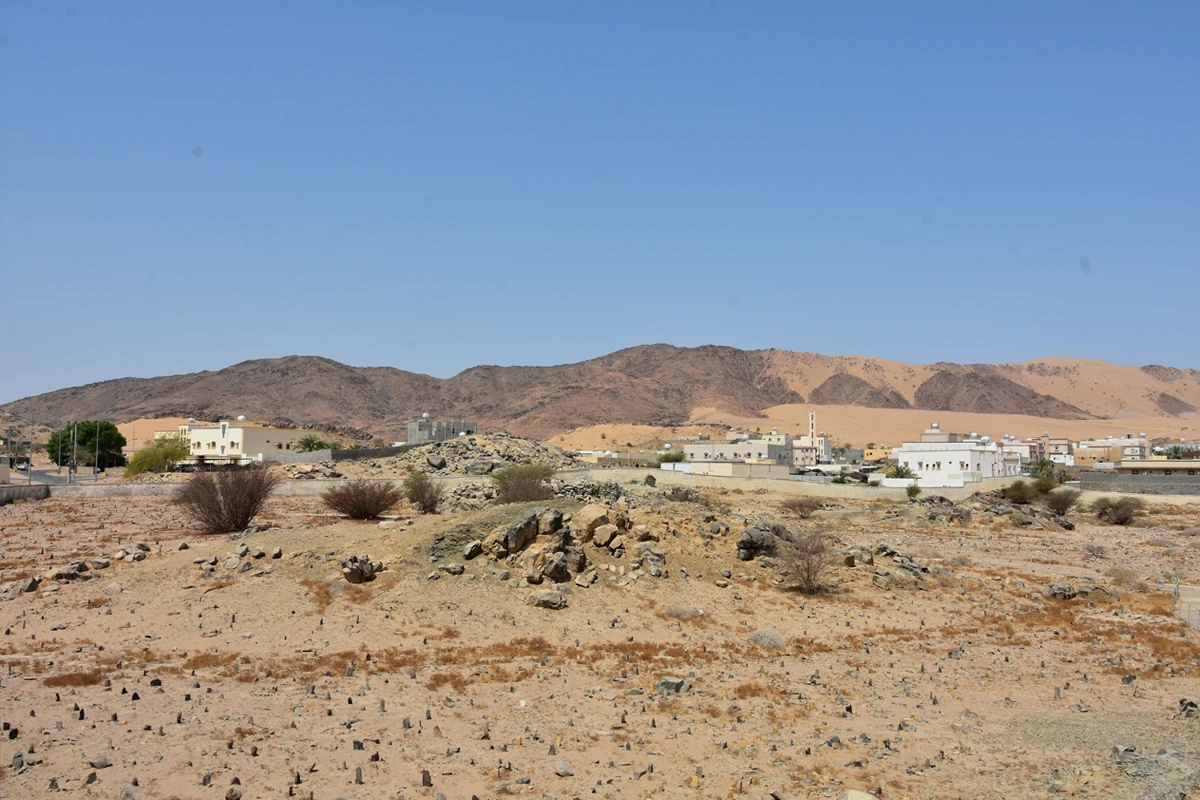
Masjid al-Jumu'ah stands in the valley of Ranuna in southwest Madinah, about 900 metres north of Masjid Quba. It marks the place where the Prophet ﷺ prayed the first Friday prayer after the Hijrah, among the quarter of Banu Salim ibn Awf. It is also called Masjid Bani Salim and Masjid al-Wadi. Visiting is not a rite of Hajj or Umrah.
Key takeaways
- ✓This is the site of the first Jumu'ah the Prophet ﷺ led after the Hijrah, on the way from Quba into Madinah.
- ✓It stands in Wadi Ranuna, among the quarter of Banu Salim ibn Awf of the Khazraj, about 900 metres north of Masjid Quba.
- ✓It is also called Masjid Bani Salim and Masjid al-Wadi. Some drivers know it only by those names.
- ✓The decision matters: with a city waiting for him, he stopped in a valley when the prayer time came rather than pressing on.
- ✓The event is recorded in the seerah literature and universally accepted. That the present building is on the exact ground is level B tradition.
- ✓No special reward for praying here is reported. Quba, less than a kilometre away, does have a sound hadith. Do not blur the two.
- ✓Nothing of the original structure survives. What stands is a modern rebuilding, small and tidy.
Quick facts
- City
- Madinah, southwest, in Wadi Ranuna
- Distance
- About 900 m north of Masjid Quba
- Also called
- Masjid Bani Salim, Masjid al-Wadi
- Marks
- The first Friday prayer after the Hijrah
- Special prayer or reward
- None authentically reported
- Part of Umrah or Hajj
- No
- Can a car reach it
- Yes, with parking. On the Quba road
- Time to allow
- 5 to 10 minutes
- Evidence level
- A for the event; B for this being the exact ground
Masjid al-Jumu'ah stands in the valley of Ranuna, in the southwest of Madinah, about 900 metres north of Masjid Quba. It marks the place where the Prophet ﷺ prayed the first Friday prayer after the Hijrah.
Most Ziyarat drivers pass it on the way between Quba and the city. It takes five minutes and almost nobody stops.
What happened here
After the Hijrah the Prophet ﷺ stayed several days at Quba, where he built the first mosque in Islam. Then he set out for the city itself.
The time for the Friday prayer came while he was in this valley, among the quarter of Banu Salim ibn Awf, of the Khazraj. He stopped, gave the khutbah, and led the prayer.
That was the first Jumu'ah he led after arriving. The mosque built later on the spot carries the name.
The building is also called Masjid Bani Salim, after the quarter, and Masjid al-Wadi, after the valley. If a driver uses one of those names, it is the same place.
Why this is a bigger deal than it looks
Think about the sequence. He had just completed a journey with a price on his head. He had spent days at Quba building a mosque. He was a few kilometres from the city that had invited him, with people waiting.
And when the time for Jumu'ah arrived, he stopped in a valley and prayed it, rather than pressing on to arrive first and organise later.
Everything about how the community was going to run was set in that decision. The prayer came first, in a valley, with whoever happened to be there.
The evidence
- The first Jumu'ah after the Hijrah, on the way from Quba, among Banu Salim in Wadi Ranuna: recorded in the seerah and historical literature and universally accepted.
- That the present building stands on that exact ground: historical tradition and continuous use, level B.
- A special reward for praying here: none that we know of.
The last point matters because Quba, less than a kilometre away, does have a sound hadith about praying there. This one does not. Do not let anyone blur the two.
The building today
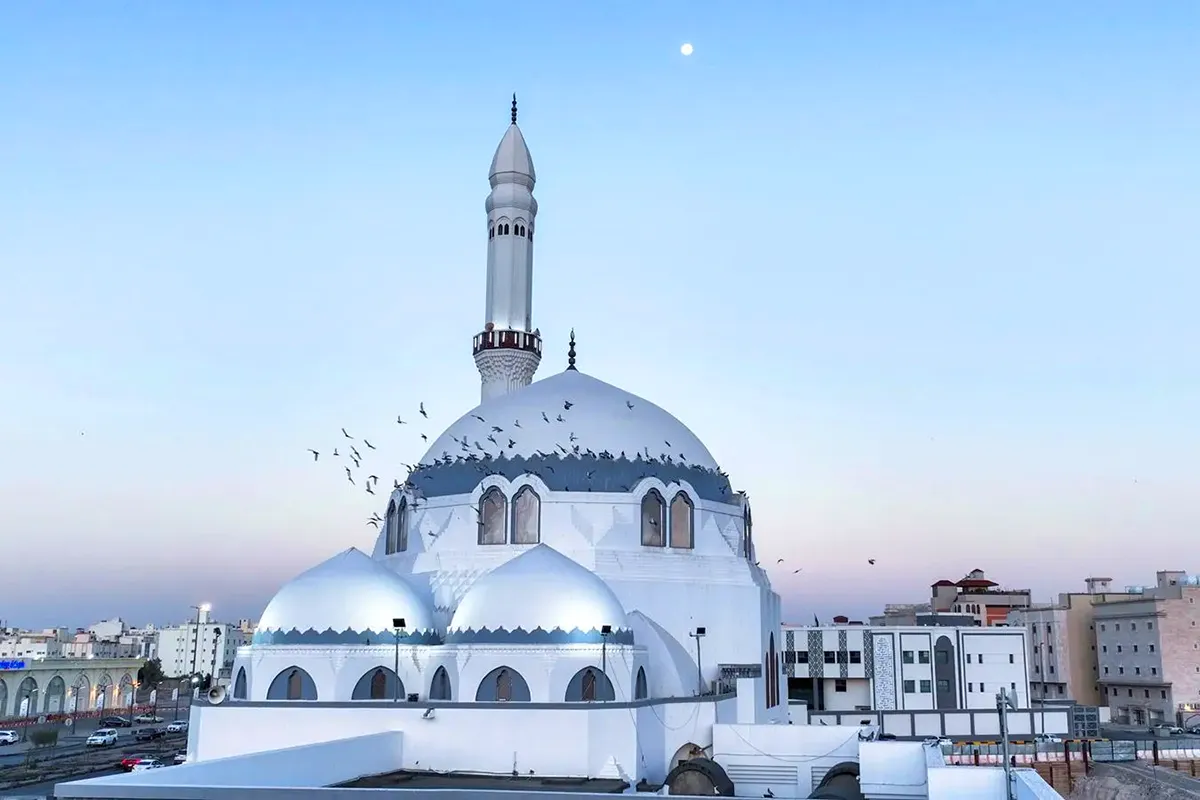
A small, tidy modern mosque in pale stone with a single dome and a slim minaret, rebuilt and expanded in recent decades. Nothing of the original structure is visible.
It is a working neighbourhood mosque, quiet outside prayer times, with parking.
Is visiting part of Hajj or Umrah?
No. Not a rite of either, and there is nothing you are required to do here.
Visiting
- Five to ten minutes. It is small and there is little to see inside.
- Do it with Quba. They are under a kilometre apart and on the same road.
- Ask your driver by name. Some know it as Masjid Bani Salim or Masjid al-Wadi.
- Going on a Friday is a nice thought, but the mosque will be full and the roads busy. Any day works.
- Modest dress and quiet voices. Local people pray here daily.
Nearby
- Masjid Quba — 900 metres south, and the stronger stop of the two.
- The Hijrah route — the journey that ended here.
- Masjid an-Nabawi — where he went next.
- Madinah Ziyarat guide — every site, with its evidence.
Getting there
Madinah's historic mosques are spread out, and doing them one taxi at a time wastes most of a morning at kerbsides. Our Madinah Ziyarat private car covers the round on one fixed fare for the whole vehicle, with the driver waiting at every stop, and the Madinah Ziyarat tour is the guided version. Arriving in the city, the Madinah airport transfer has fixed fares.
Accuracy note
The Prophet ﷺ praying the first Friday prayer after the Hijrah on the way from Quba, in the valley of Ranuna among the quarter of Banu Salim ibn Awf of the Khazraj, is recorded in the seerah and historical literature and is universally accepted. That the present building stands on that exact ground is historical tradition and continuous use rather than a hadith-fixed fact. The alternative names Masjid Bani Salim and Masjid al-Wadi, and the distance of about 900 m north of Masjid Quba, follow Saudi official and published sources. We know of no authentic report of a special reward for praying in this mosque; Masjid Quba, less than a kilometre away, does have one, and the two should not be blurred together. Nothing of the original structure is visible; the present mosque is a modern rebuilding. Visiting is not a rite of Hajj or Umrah. Content verified August 2026. Something wrong? Tell us.
Frequently asked questions
Planning a Saudi trip?
Pre-book a private car, find a stay, or ask us anything on WhatsApp.
Last updated: 22 September 2026·Sources reviewed by the Wadana Go editorial team.