Bir Aris: The Well Where the Ring Was Lost
Short answer
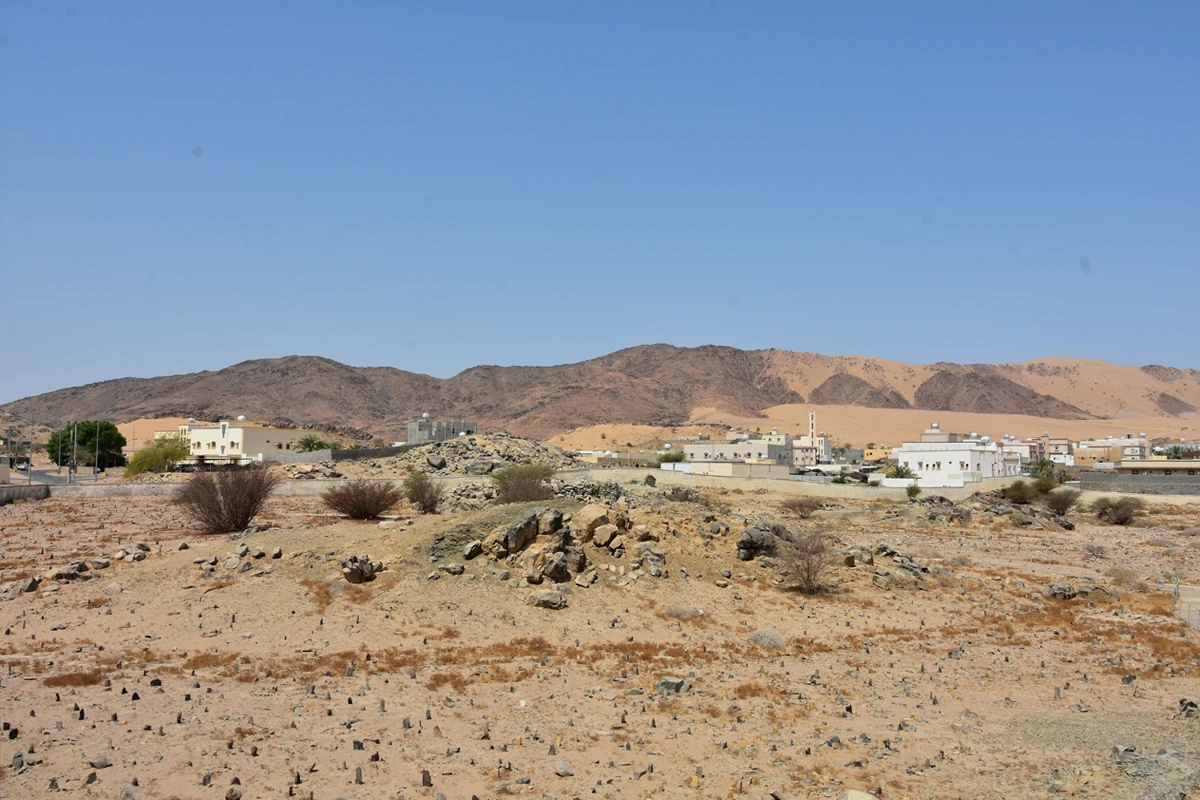
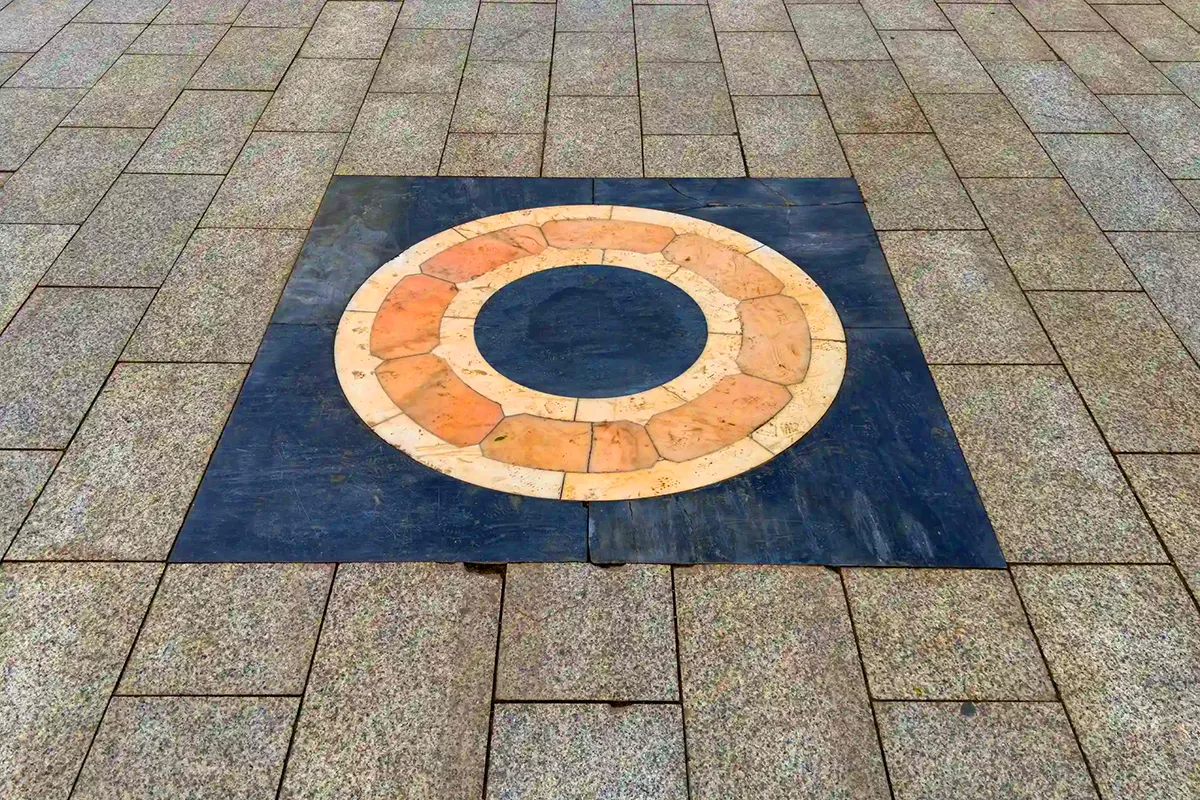
Bir Aris, also called Bir al-Khatam or the Well of the Ring, stood near Masjid Quba in Madinah. Sahih al-Bukhari records the Prophet ﷺ sitting on its edge and giving Abu Bakr, Umar and Uthman the glad tidings of Paradise, and separately records his seal ring falling into it during Uthman's caliphate and never being found. The site is now under the Quba mosque courtyard.
Key takeaways
- ✓Two separate episodes in Sahih al-Bukhari took place at this well near Masjid Quba.
- ✓The Prophet ﷺ sat on the well wall with his legs in the water, and Abu Bakr, Umar and Uthman were admitted in turn and given the glad tidings of Paradise.
- ✓Uthman's glad tidings came with mention of a trial that would come upon him.
- ✓The Prophet's ﷺ silver seal ring, used to stamp letters to rulers, passed to Abu Bakr, Umar and Uthman.
- ✓During Uthman's caliphate it fell into this well. Bukhari records that the well was drained and it was never found.
- ✓The well is gone. Masjid Quba was expanded and the mosque courtyard now covers the ground.
- ✓If a guide offers to show you Bir Aris, ask what he intends to show you. There is a courtyard.
Quick facts
- City
- Madinah, at Quba
- Also called
- Bir al-Khatam, the Well of the Ring
- Two episodes
- The glad tidings to three caliphs; the lost seal ring
- Both recorded in
- Sahih al-Bukhari
- Can you visit
- No. The site is under the Masjid Quba courtyard
- Part of Umrah or Hajj
- No
- Virtue in the place
- None reported
- Nearest site you can visit
- Masjid Quba itself
- Evidence level
- A for both accounts; B for the present state of the site
Bir Aris, also called Bir al-Khatam, the Well of the Ring, stood near Masjid Quba. Two separate episodes in Sahih al-Bukhari happened at it, and one of them is among the strangest small stories in the whole collection.
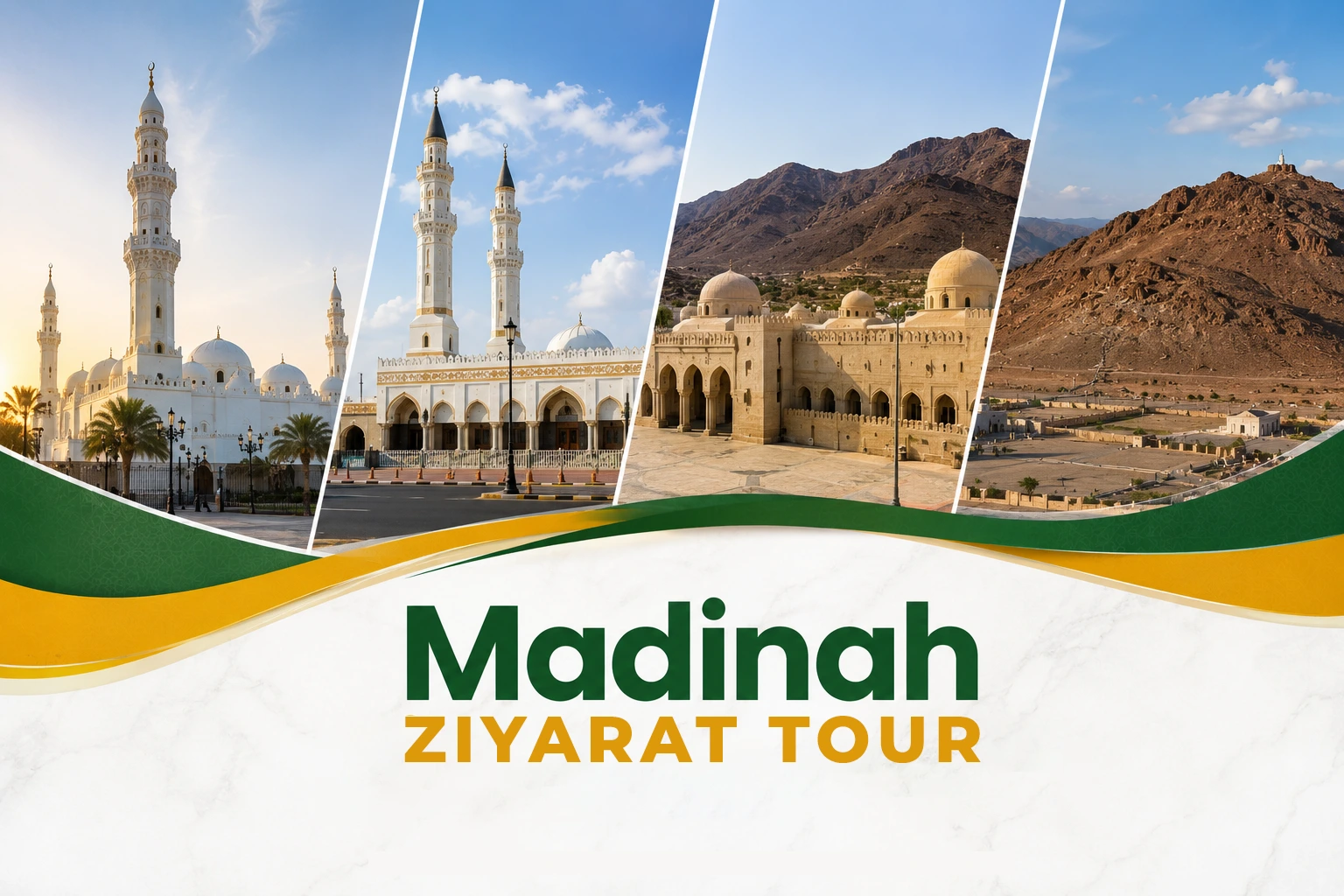
The well is no longer there. When Masjid Quba was expanded, the site was built over, and the mosque courtyard now covers it. You cannot visit it.
Read the two accounts anyway. They are worth more than most of the places you can still walk into.
Sitting on the wall
Abu Musa al-Ash'ari, may Allah be pleased with him, reported that the Prophet ﷺ came to this well, sat on its edge with his legs hanging into it, and stayed there.
Abu Musa was at the gate. Abu Bakr came and asked permission to enter. The Prophet ﷺ told Abu Musa to let him in and to give him the good news of Paradise. He did, and Abu Bakr came and sat on the other side of the well with his legs in it too.
Then Umar came, and the same happened. Then Uthman, and the Prophet ﷺ said to admit him and give him the good news of Paradise with a trial that would come upon him.
Recorded in Sahih al-Bukhari. Level A.
Picture it plainly. Four men sitting on a low well wall with their feet dangling in, in the sun, talking. And in the middle of that, the last of them is told he is going to Paradise and that something hard is coming first.
The ring that was never found
The second story is the one the well is named for.
The Prophet ﷺ had a silver seal ring, used to stamp letters sent to rulers outside Arabia. After him it passed to Abu Bakr, then Umar, then Uthman.
During Uthman's caliphate the ring fell into this well.
Bukhari records the search. They drained the well looking for it. It was never found.
That is the whole account, and Bukhari does not decorate it. A thing that had been carried by three caliphs and used to seal letters to emperors went into the water and stayed there.
Why the two together
Read them next to each other and there is a pattern, though nobody in either narration points it out.
At this well Uthman was told he would enter Paradise after a trial. At this well the ring he had inherited was lost, and the loss is remembered as a turning point in the sources. He was later killed in his own house.
We are not going to build a theory on top of Bukhari. But the two accounts are both about him, both at the same well, and the well is named after the second one.
Why you cannot go
Masjid Quba has been expanded many times, most recently on a very large scale. In the course of that work the well site was built over, and the mosque courtyard now covers the ground.
So if a guide offers to show you Bir Aris, ask him what he intends to show you. There is a courtyard.
That is not a scandal. It is what happens to a small well in a city that has to move millions of people through it. The accounts survive, which is the part that was always going to matter.
The evidence, plainly
- The well, the sitting, and the glad tidings to the three: level A, Sahih al-Bukhari.
- The seal ring falling in and never being recovered: level A, Sahih al-Bukhari.
- That the site is now under the Quba mosque courtyard: reported in published heritage accounts. We could not confirm a marked spot.
- Any virtue in the water or the place: none reported.
Is visiting part of Hajj or Umrah?
No. Not a rite of either, and there is nothing to visit.
Related
- Masjid Quba — the mosque that now covers the site.
- Bir Rumah — Uthman's other well, and that one still works.
- Bir Ghars — a kilometre and a half away, and still there.
- Madinah Ziyarat guide — every site with its evidence stated.
Getting there
Madinah's historic sites are scattered across the city, and reaching them one taxi at a time turns a short list into a whole morning. Our Madinah Ziyarat private car covers the round on one fixed fare for the whole vehicle with the driver waiting at every stop, and the Madinah Ziyarat tour is the guided version. For arrival, the Madinah airport transfer has fixed fares.
Accuracy note
The account of the Prophet ﷺ sitting on the edge of the well of Aris with his legs in it, and of Abu Bakr, Umar and Uthman being admitted in turn and given the glad tidings of Paradise, with Uthman's accompanied by mention of a trial that would come upon him, is recorded in Sahih al-Bukhari, narrated by Abu Musa al-Ash'ari. The account of the Prophet's ﷺ silver seal ring passing to Abu Bakr, Umar and Uthman, falling into this well during Uthman's caliphate, and not being recovered despite the well being drained, is also in Sahih al-Bukhari. That the well site was built over during the expansion of Masjid Quba and is now under the mosque courtyard is reported in published heritage accounts; we could not confirm any marked spot and are not sending readers to look for one. No virtue in the water or the place is authentically reported, and visiting is not a rite of Hajj or Umrah. Content verified August 2026. Correction? Tell us.
Frequently asked questions
Planning a Saudi trip?
Pre-book a private car, find a stay, or ask us anything on WhatsApp.
Last updated: 15 September 2026·Sources reviewed by the Wadana Go editorial team.