Bir Ghars: The Well With the Most Narrations
Short answer
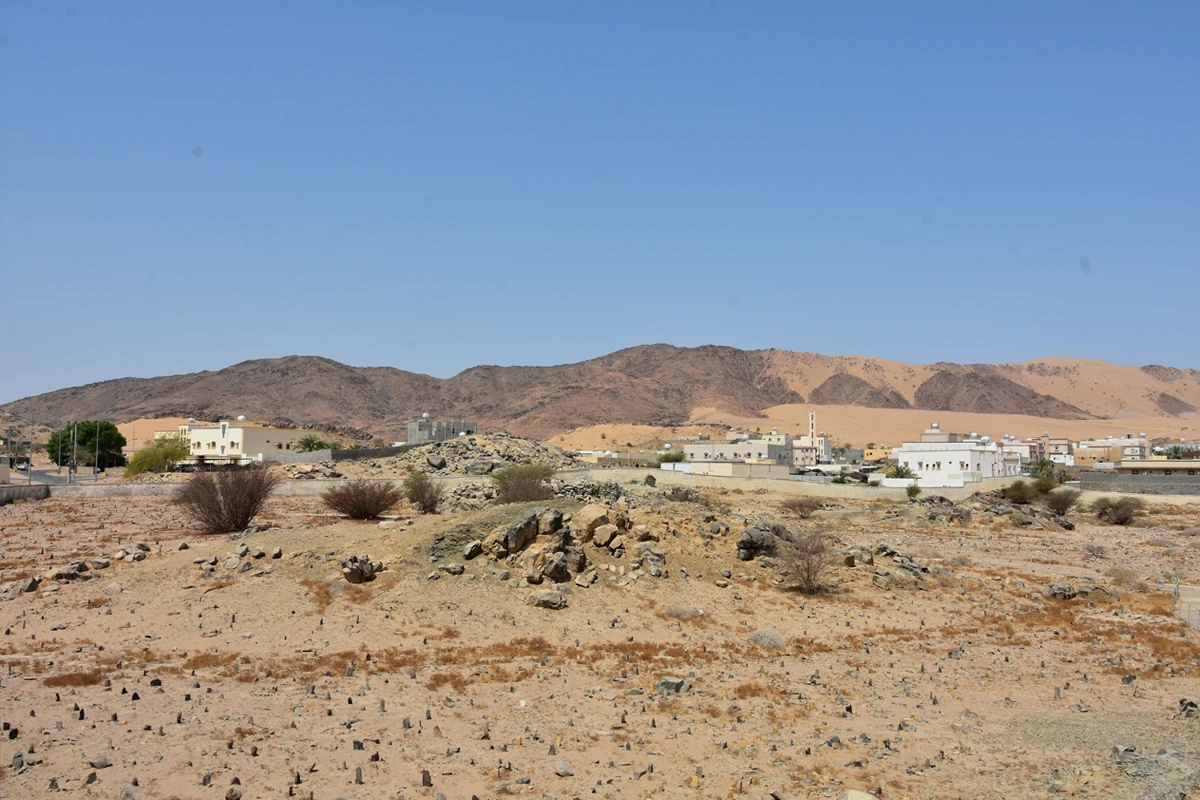
Bir Ghars lies in the Qurban area about 1,500 metres east of Masjid Quba in Madinah. Saudipedia records that the Prophet ﷺ drank from it, prayed for its blessing, praised it and made wudu with its water. A report from Ali in Sunan Ibn Majah says he asked to be washed with seven waterskins from it. Visiting is not a rite of Hajj or Umrah.
Key takeaways
- ✓Bir Ghars is in the Qurban area, about 1,500 metres east of Masjid Quba, near Ali ibn Abi Talib Street in al-Awali.
- ✓Saudipedia records that the Prophet ﷺ drank from it, prayed for its blessing, praised it and made wudu with its water.
- ✓The instruction reported from Ali about washing him with seven waterskins from this well is in Sunan Ibn Majah, not in Bukhari or Muslim, and its chain is discussed.
- ✓The description of it as one of the wells of Paradise is traditional, carried in the historical literature. Do not quote it as established.
- ✓Historical measurements survive: seven cubits across, two cubits of water, ten cubits wide, with water described as sweet and scented like amber.
- ✓It fell into ruin, was renewed in 1301 AH, and is now preserved under the Pilgrim Experience Programme.
- ✓There is no established virtue in the water for a visitor. Do not drink it looking for a cure or take it home.
Quick facts
- City
- Madinah, Qurban area, al-Awali neighbourhood
- Distance
- About 1,500 m east of Masjid Quba
- Recorded use
- Drinking, wudu, and a prayer for its blessing
- The seven waterskins report
- Sunan Ibn Majah; chain discussed by scholars
- Wells of Paradise claim
- Traditional, not an established hadith
- Renewed
- 1301 AH, later walled with palms and a staircase
- Part of Umrah or Hajj
- No
- Virtue in the water for visitors
- None established
- Time to allow
- About 15 minutes
- Evidence level
- B for the use of the well; the seven-waterskins report is weaker
Bir Ghars sits in the Qurban area east of Masjid Quba, about 1,500 metres away, near where al-Hijra Road meets Ali ibn Abi Talib Street in the al-Awali neighbourhood.
Of all the wells of Madinah, this is the one with the most narrations attached to it.
What the sources record
Saudipedia records that the Prophet ﷺ drank from this well, prayed for its blessing, praised it, and performed ablution with its water.
The narrations also describe him pouring into it, and the historical literature preserves a description of it as one of the wells of Paradise.
And there is the instruction reported from Ali ibn Abi Talib, may Allah be pleased with him: that when he died, he should be washed with seven waterskins from the well of Ghars.
How firm is that?
Be careful here, because this is a set of reports of different strengths bundled under one name.
- That the Prophet ﷺ used and praised this well: recorded in the Madinah historical literature and in Saudi official accounts of the site. Solid documentation, level B, and consistent across sources.
- The instruction about the seven waterskins: reported from Ali and recorded in Sunan Ibn Majah. It is not in Bukhari or Muslim, and its chain is discussed by hadith scholars.
- "One of the wells of Paradise": a description carried in the historical literature. Treat it as traditional, not as a hadith you can quote as established.
None of that makes the site less interesting. It makes the page you are reading more useful than the ones that put all three in the same sentence.
What it looked like
The historical descriptions are unusually precise. Saudipedia records the well as measured at seven cubits in diameter, with two cubits of water, and a width of ten cubits. The water is described as sweet and pleasant, with a scent compared to amber.
Those are the kind of details that get recorded when a thing matters to people. Nobody measures a well nobody cares about.
The well today
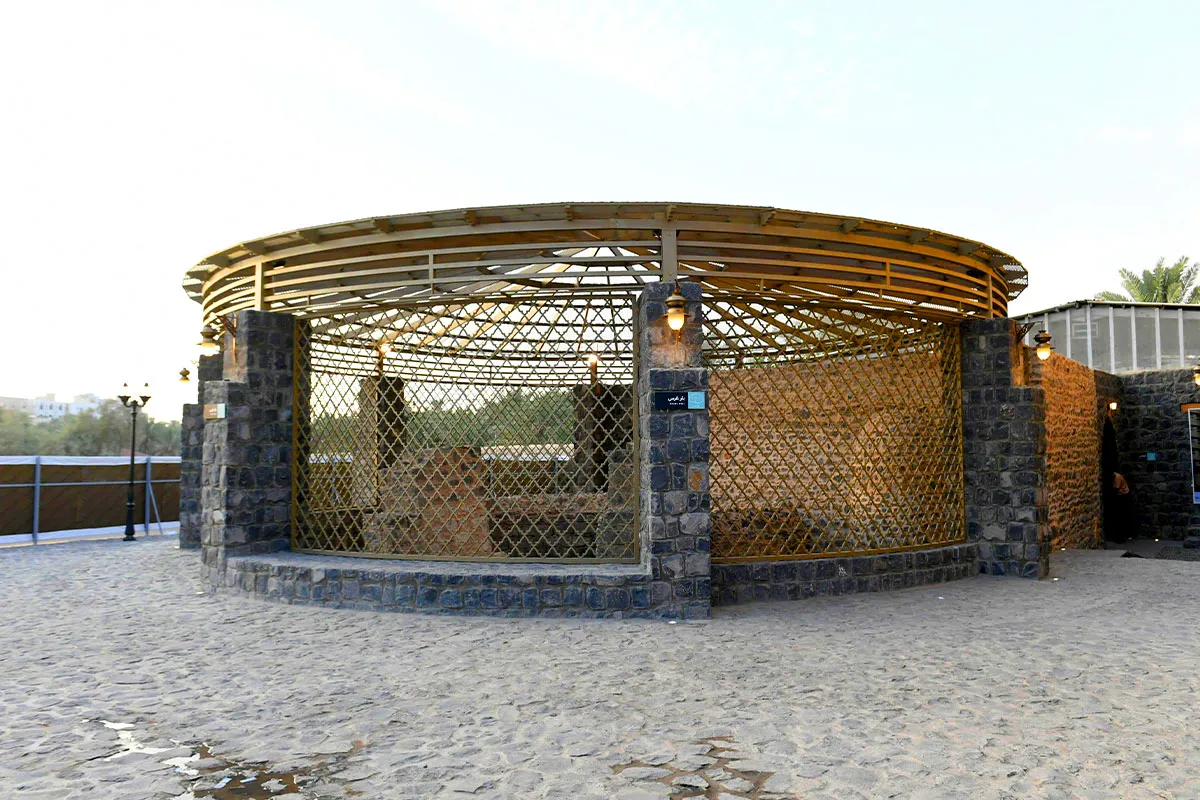
It fell into ruin and the water became unfit for drinking. Saudipedia records a renewal in 1301 AH, after which a benefactor walled the site, planted palms around it, built a staircase down to it and put up a mosque nearby.
It is now preserved under the Pilgrim Experience Programme, which Saudipedia says is intended to make visits easier and to provide accurate historical information at the site.
That last phrase is worth noticing. The official effort at these places is now aimed at correcting the folklore, not adding to it.
Is visiting part of Hajj or Umrah?
No. Not a rite of either, and there is no prescribed prayer at the well.
And this needs saying plainly: there is no established virtue in the water itself for you. The reports describe what the Prophet ﷺ did with it. They do not prescribe anything for a visitor. Do not drink it looking for a cure, and do not take it home in a bottle.
Visiting
- Fifteen minutes. It is a well in a walled enclosure with palms.
- Combine it with Quba, which is a kilometre and a half away.
- It is in a residential area. Ali ibn Abi Talib Street, al-Awali. Give your driver both the street and the name.
- Access has been improved under the official programme, but arrangements change. Check on the day.
Nearby
- Masjid Quba — 1.5 km west.
- Bir Rumah — the other well every visitor should see.
- Masjid Banu Anif — on the same side of the city.
- Madinah Ziyarat guide — every site with its evidence stated.
Getting there
Madinah's historic sites are scattered across the city, and reaching them one taxi at a time turns a short list into a whole morning. Our Madinah Ziyarat private car covers the round on one fixed fare for the whole vehicle with the driver waiting at every stop, and the Madinah Ziyarat tour is the guided version. For arrival, the Madinah airport transfer has fixed fares.
Accuracy note
Saudipedia records that the Prophet ﷺ drank from Ghars Well, prayed for its blessing, praised it and performed ablution with its water, and gives its location in the Qurban area east of Masjid Quba, about 1,500 m away, near the intersection of al-Hijra Road and Ali ibn Abi Talib Street in the al-Awali neighbourhood. The historical measurements of seven cubits in diameter, two cubits of water and ten cubits in width, and the description of the water as sweet with a scent like amber, follow the same source, as do the account of the well falling into ruin, its renewal in 1301 AH, the later walling, planting, staircase and nearby mosque, and its preservation under the Pilgrim Experience Programme. The instruction reported from Ali ibn Abi Talib that the Prophet ﷺ be washed with seven waterskins from this well is recorded in Sunan Ibn Majah; it is not in Bukhari or Muslim and its chain is discussed by hadith scholars, and we have said so. The description of it as one of the wells of Paradise is carried in the historical literature and should be treated as traditional rather than as an established hadith. There is no prescribed prayer at the well and no established virtue in its water for a visitor; visiting is not a rite of Hajj or Umrah. Content verified August 2026. Correction? Tell us.
Frequently asked questions
Planning a Saudi trip?
Pre-book a private car, find a stay, or ask us anything on WhatsApp.
Last updated: 15 September 2026·Sources reviewed by the Wadana Go editorial team.