Bir Rumah: The Well Uthman Bought, Still Pumping
Short answer
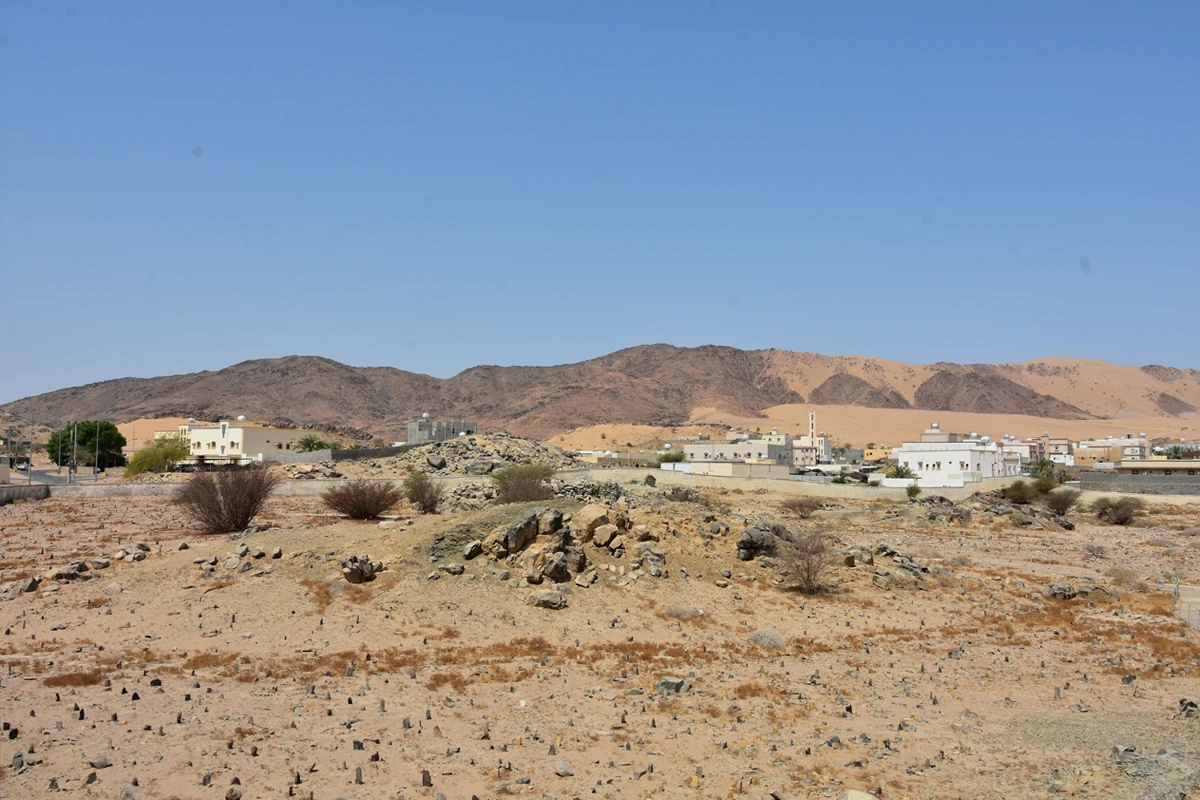
The Well of Rumah, also called Bir Uthman, lies on the north-western side of Madinah in the Aqiq area. The Prophet ﷺ offered Paradise to whoever would buy it and make its water free, and Uthman ibn Affan bought it and made it a permanent endowment. The well still produces water and still irrigates a date farm. Visiting is not a rite of Hajj or Umrah.
Key takeaways
- ✓In dry seasons most of Madinah's wells failed. Rumah was one of the sweetest that kept going, and its owner charged for the water.
- ✓The Prophet ﷺ asked publicly who would buy it and put his bucket among the buckets of the Muslims, for better than it in Paradise.
- ✓Uthman ibn Affan bought it and turned it into a waqf, a permanent endowment, with the water free.
- ✓The endowment never ended. The well still produces water and still irrigates a date farm on the same ground.
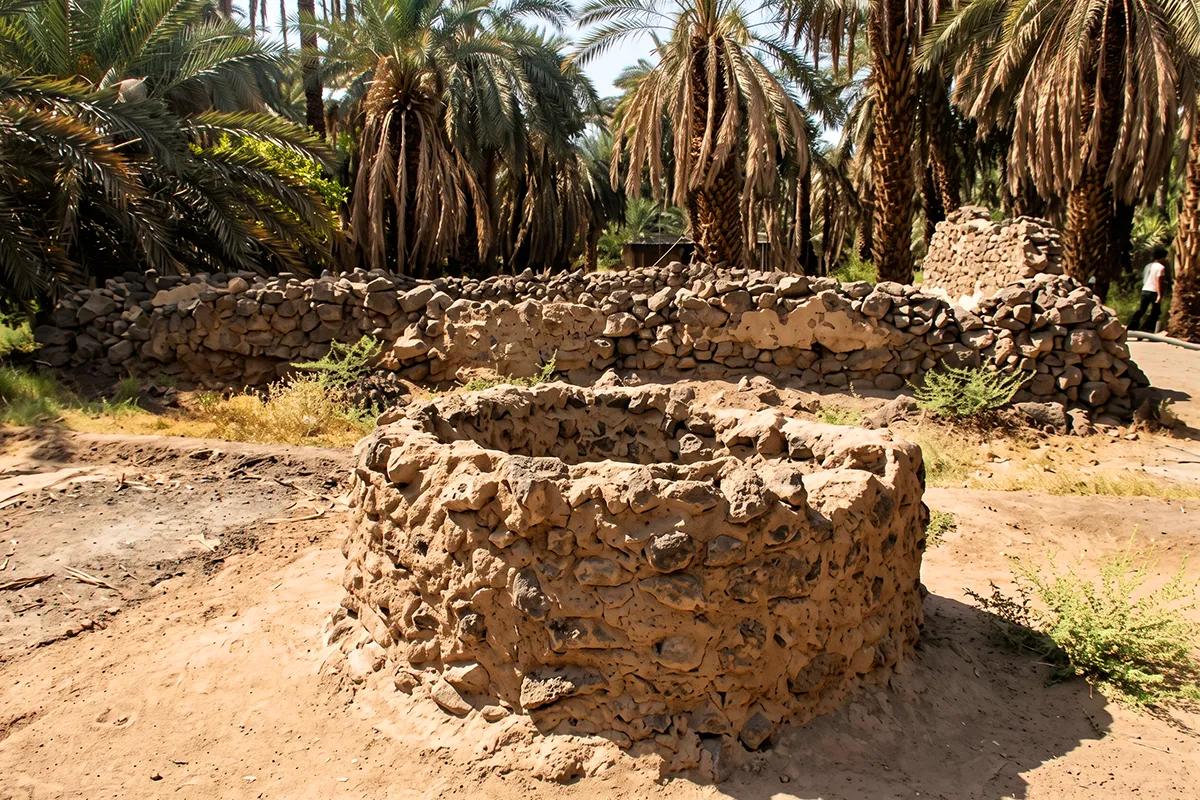
- ✓There are two wells on the site: the original opening near the north edge of the farm, and a larger modern well with a pump near the south.
- ✓Reports that the revenue is held in an account in Uthman's name are widely circulated but we could not confirm the details officially.
- ✓It is the best Madinah site to take children to, because it is not a plaque or a ruin. It is still working.
Quick facts
- City
- Madinah, north-west, in the Aqiq area
- Also called
- Bir Uthman
- Named after
- Rumah al-Ghifari, the original owner
- Bought by
- Uthman ibn Affan, and given as a waqf
- Still working
- Yes. Water is pumped and the date farm is irrigated
- Part of Umrah or Hajj
- No
- Virtue in the water
- None reported. It is not Zamzam
- Can a car reach it
- Yes. Combine it with Masjid al-Qiblatayn
- Time to allow
- 20 to 30 minutes
- Evidence level
- A. The hadith and Uthman's purchase are well recorded
The Well of Rumah sits on the north-western side of Madinah, in the Aqiq area, out towards Masjid al-Qiblatayn and beyond. It is also called Bir Uthman, and it is one of the very few sites in the city where you can stand in front of something that has been doing the same job for fourteen hundred years.
It still produces water. The date farm beside it is still irrigated from it.
The problem
When the Muslims arrived in Madinah, water was the constraint. The sources record that in dry seasons most of the city's wells failed, and one of the sweetest that kept going was the Well of Rumah, in the smaller Aqiq valley.
It had an owner, and the owner sold the water. If you wanted to drink, you paid.
The offer
The Prophet ﷺ made a public offer, preserved in the hadith literature:
Who will buy the Well of Rumah and put his bucket among the buckets of the Muslims, and have better than it in Paradise?
Uthman ibn Affan, may Allah be pleased with him, bought it and gave it away.
He did not buy a well and let people use it. He turned it into a permanent waqf, an endowment, with the water free.
The part that stops people
That endowment never ended.
The well is still there. Water is still pumped from it. It still irrigates a date farm on the same ground, and the whole thing is still administered as the Well of Uthman's waqf.
Think about what that means. A man bought a well because of one sentence, gave it away, and the gift has kept working through the Umayyads, the Abbasids, the Ottomans, and into a country with airports and a high-speed railway.
You will also see it reported in Saudi media that the endowment's produce is sold and the revenue held in an account in Uthman's name. We have not been able to confirm the details of that arrangement from an official source, so we are passing it on as widely reported rather than as verified. What is not in question is that the waqf is still administered and the farm is still worked.
What you actually see
Two wells, in fact. The original well opening is near the northern edge of the date farm. A larger modern well sits towards the southern end, near the mosque known as Masjid Bir Uthman, and that is the one with the pump on it.
Around them: palms, irrigation channels, farm buildings. It looks like a working farm because it is one.
Visit Madinah's official information records a renovation in the eighth century after the Hijrah by Shihab al-Din al-Tabari, who raised the structure by about half a person's height to make the water easier to reach, and Saudi-era restoration and development of the surrounding area since.
Why this one is worth the drive
Most Madinah Ziyarat stops are places where something happened. This is a place where something is still happening.
If you are travelling with children, this is the site to take them to. Not a plaque. Not a ruin. A working well and a farm full of palms, and the fact that a man paid for it once and it never stopped.
Is visiting part of Hajj or Umrah?
No. Not a rite of either, and no prescribed prayer or reported reward attaches to the site.
Visiting
- Twenty to thirty minutes, longer if you like farms.
- Ask for Bir Uthman. Most drivers know that name better than Bir Rumah.
- It is out past Qiblatayn, so combine the two.
- It is a working farm. Access arrangements change; do not assume you can wander wherever you like.
- Do not drink from it or take water away unless you are clearly invited to. There is no reported virtue in the water itself, and no basis for treating it like Zamzam.
Nearby
- Masjid al-Qiblatayn — on the way out.
- Bir Ghars — another of Madinah's historic wells.
- Jannat al-Baqi — where Uthman is buried.
- Madinah Ziyarat guide — every site with its evidence stated.
Getting there
Madinah's historic sites are scattered across the city, and reaching them one taxi at a time turns a short list into a whole morning. Our Madinah Ziyarat private car covers the round on one fixed fare for the whole vehicle with the driver waiting at every stop, and the Madinah Ziyarat tour is the guided version. For arrival, the Madinah airport transfer has fixed fares.
Accuracy note
The Prophet's ﷺ offer, that whoever buys the Well of Rumah and puts his bucket among the buckets of the Muslims will have better than it in Paradise, and Uthman ibn Affan's purchase of the well and establishment of it as a charitable endowment, are recorded in the hadith literature and in Saudi official accounts of the site. The well's location on the north-western side of Madinah in the Aqiq area, its pre-Islamic origin, its reputation as among the sweetest wells in the city, the two names Bir Rumah after its original owner and Bir Uthman after the Companion who bought it, the renovation in the eighth century after the Hijrah by Shihab al-Din al-Tabari raising the structure by about half a person's height, and Saudi-era restoration of the surrounding area, follow official Madinah destination information. The description of the original well opening near the northern edge of the date farm and a larger modern well near the southern end, still pumping and irrigating the farm, follows published heritage documentation. Reports that the endowment's revenue is held in an account in Uthman's name are widely circulated in Saudi media; we could not confirm the details from an official source and have marked them as reported rather than verified. No prescribed prayer or reward attaches to the site, there is no reported virtue in the water itself, and visiting is not a rite of Hajj or Umrah. Content verified August 2026. Correction? Tell us.
Frequently asked questions
Planning a Saudi trip?
Pre-book a private car, find a stay, or ask us anything on WhatsApp.
Last updated: 15 September 2026·Sources reviewed by the Wadana Go editorial team.