Jabal al-Kaaba, Makkah: A Name on the List With Very Little Behind It
Short answer
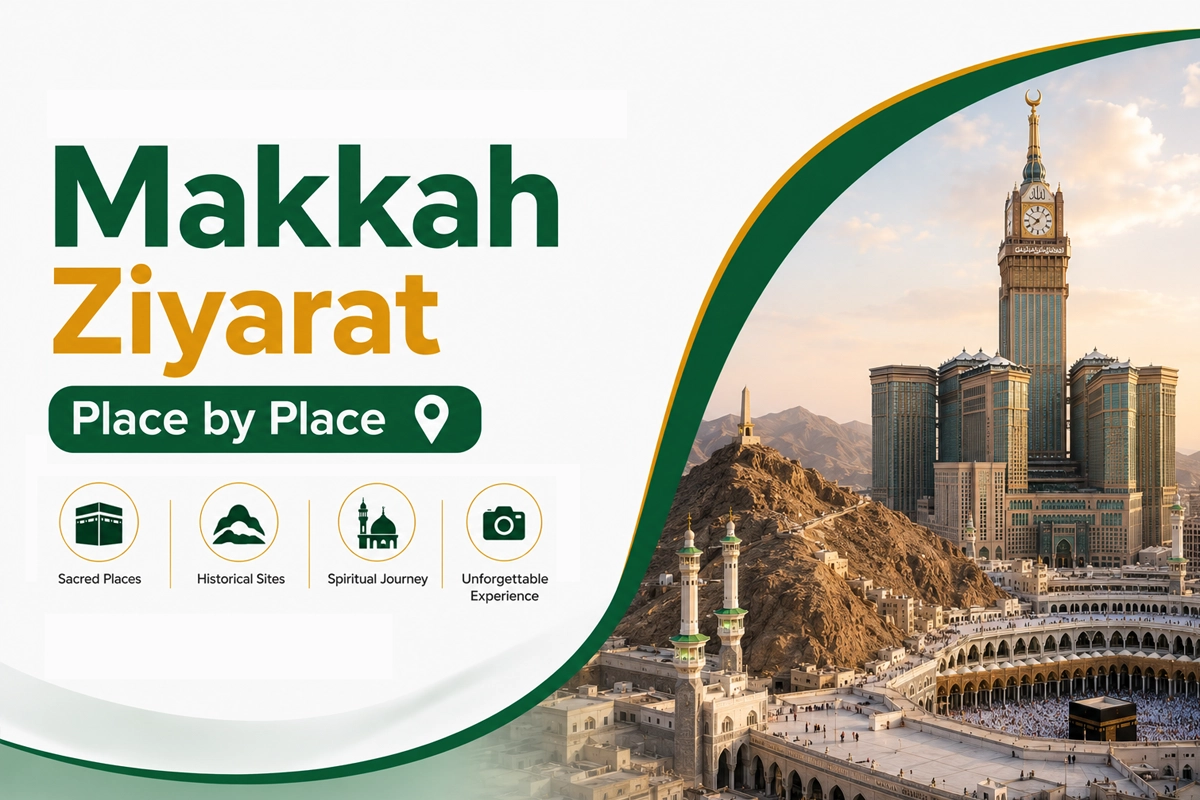
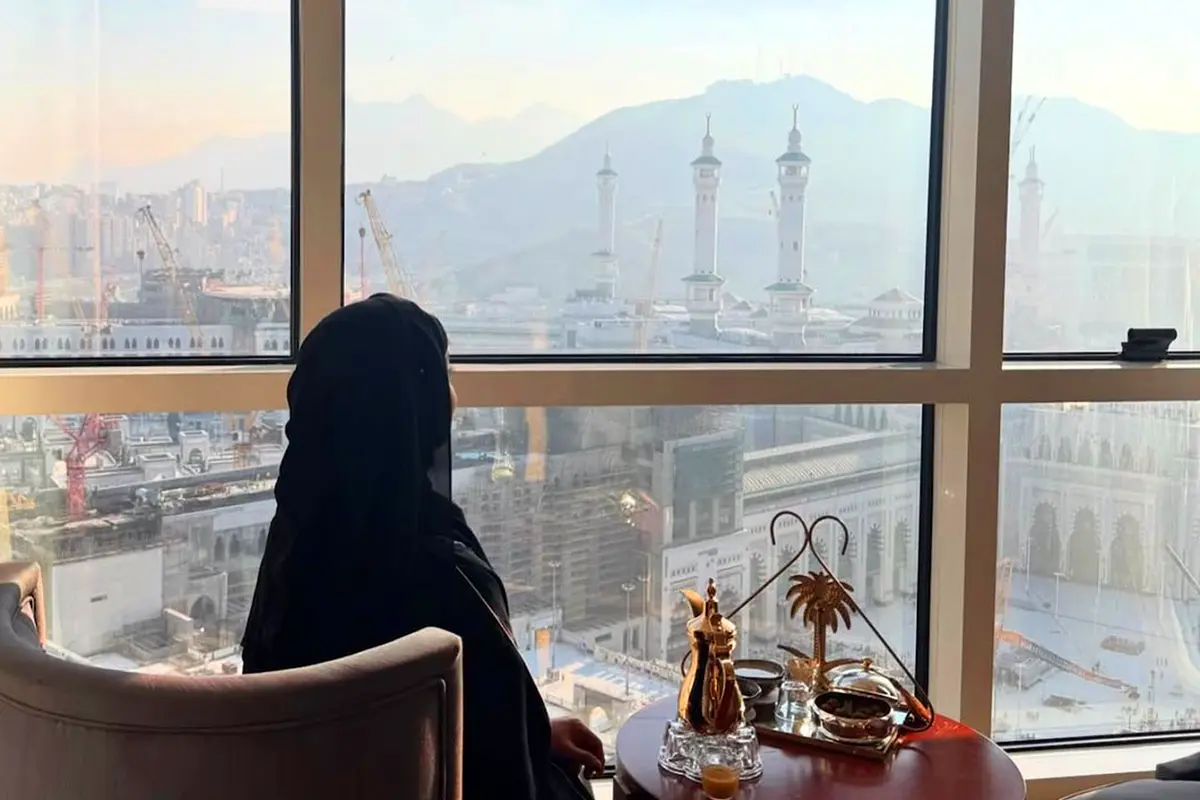
Jabal al-Kaaba is a hill and district name on the northern side of Makkah, near Jarwal and the western approaches to the Grand Mosque. Unlike Abu Qubais or Jabal al-Noor, it carries no event established in the Qur'an or authentic hadith. Makkah's granite hills, this one among them, supplied stone used in building work at the mosque.
Key takeaways
- ✓Jabal al-Kaaba is a hill and district name on the northern side of Makkah, near Jarwal.
- ✓No event established in the Qur'an or authentic hadith is attached to it.
- ✓Saudi sources use the name as a locality when describing streets near the Bir Tuwa area.
- ✓Makkah's granite hills supplied building stone for work at the Grand Mosque, this one included.
- ✓It is not a Ziyarat site in any meaningful sense, and there is nothing marked to see.
- ✓Appearing on a Ziyarat list does not mean a place has evidence behind it.
- ✓The honest use of the name today is as an address, not a destination.
Quick facts
- City
- Makkah, Saudi Arabia
- Where
- Northern side, near Jarwal
- Evidence level
- Historical and topographical only
- In the Qur'an or hadith?
- No
- Anything marked to see?
- No
- On our Ziyarat round?
- No
- Part of Umrah?
- No. Not a rite of Hajj or Umrah.
- Best treated as
- A district name, not a destination
The short version
Jabal al-Kaaba turns up on lists of Makkah's hills and, from there, on some Ziyarat itineraries. We looked for what stands behind the name, and the answer is: not much.
There is no event established in the Qur'an or in an authentic hadith attached to this hill. There is no historic mosque on it. There is nothing marked to see.
We could have written a page that filled that gap with atmosphere. Instead, here is what is actually recorded, what is not, and why the difference matters more than one hill.
What is recorded
The name functions in Makkah mainly as a locality. Saudi reference material uses it that way. Saudipedia's description of the area around Bir Tuwa, for example, locates a street by saying it meets another at Jabal al-Kaaba, in the ground on the northern and western side of the Grand Mosque near the Jarwal district.
That tells you where it is. It does not tell you that anything happened there.
The other thing on the record is geological and practical. Makkah sits in the Arabian Shield, and its hills are granite. Saudi reporting on the city's mountains notes that stone from these hills, Jabal al-Kaaba among them, went into building work at the Grand Mosque.
That is a real connection to the Haram and worth knowing. It is also not a religious significance. Quarrying a hill for stone is what a city built in a rocky valley does.
What is not recorded
Being specific here is the point of the page.
- No verse names it. The Qur'an names Safa and Marwah among the places of Makkah. It does not name this hill.
- No authentic hadith names it. Compare Abu Qubais and Qu'ayqi'an, which are at least usually identified as the two mountains of the hadith about the angel of the mountains, or Jabal al-Noor, which holds a cave named in the account of the first revelation.
- No seerah event is placed on it in the way the boycott is placed at Shi'b Abi Talib or the banner at al-Hujun.
- No prayer or reward is established there, and visiting it is not part of Hajj or Umrah.
The name itself invites people to assume something. A hill called the Mountain of the Kaaba sounds as though it must have a story. As far as the sources go, the name is a name.
Why we are writing this at all
Because the topic appears on the standard lists, and a pilgrim who searches for it deserves an answer rather than silence or invention.
There is a pattern in Ziyarat material worth learning to spot. A place gets listed. The next writer assumes the listing implies significance and adds a sentence of significance. The writer after that finds two sources agreeing and states it as fact. Nothing was verified at any stage, and after a few rounds a hill with no recorded event has a paragraph of history that nobody can trace.
We have flagged the same thing elsewhere: the Prophet's mother listed at al-Mu'alla when the sources place her grave at al-Abwa, the splitting of the moon placed on Abu Qubais when the authentic narrations mention Mina and Hira, a mosque still on itineraries years after it was demolished.
None of those errors was invented maliciously. They spread because nobody checked.
How to judge a name on a Ziyarat list
Three questions will sort most of them, and you can ask them of anything, including this site.
- What exactly is claimed to have happened here? If the answer is vague, that is the answer.
- Where does that come from? Qur'an and authentic hadith are one level. Early seerah and history are a serious second level. A travel page quoting another travel page is not a level at all.
- Is the place still there? Makkah has changed enormously, and a site described in an old book may be under a hotel.
A place that fails all three is not worth a stop on a short trip. That is not disrespect to the place. It is respect for your own limited days.
Where to spend the time instead
If Jabal al-Kaaba was on your list, these are the Makkah sites that repay a visit, in rough order of how much evidence sits behind them.
| Place | What it is | Evidence |
|---|---|---|
| Ghar Hira | Where the first revelation came. | Authentic hadith |
| Ghar Thawr | The three nights of the Hijrah. | Named in the Qur'an |
| Jannat al-Mu'alla | Makkah's oldest cemetery. | Official and historical |
| Masjid al-Jinn | Near the cemetery, on the ring road. | Event in the Qur'an, site by tradition |
Our Makkah Ziyarat guide puts the worthwhile stops into one morning, and a private Ziyarat car covers that round from SAR 200 per vehicle with waiting at each stop. We do not include Jabal al-Kaaba on it, and now you know why. Fares reviewed August 2026.
Accuracy note
We found no event established in the Qur'an or in an authentic hadith connected with Jabal al-Kaaba, and no early seerah account placed there. The article says so rather than filling the gap.
The use of the name as a locality on the northern and western side of the Grand Mosque, near the Jarwal district, follows Saudipedia's description of the area around Bir Tuwa, which locates a street junction at Jabal al-Kaaba.
The point about Makkah's granite hills supplying building stone for work at the Grand Mosque comes from Saudi press reporting on the city's mountains. That is a general statement about Makkah's hills rather than a documented account of this one being quarried on a particular occasion, and we have worded it accordingly.
No prayer or reward is established at this hill and visiting it is not part of Hajj or Umrah. If firmer documentation emerges from a Saudi heritage source, we will update this page. Verified August 2026.
Frequently asked questions
Planning a Saudi trip?
Pre-book a private car, find a stay, or ask us anything on WhatsApp.
Last updated: 12 October 2026·Sources reviewed by the Wadana Go editorial team.