Bir Tuwa: The Well Where the Prophet Stopped Before Entering Makkah
Short answer
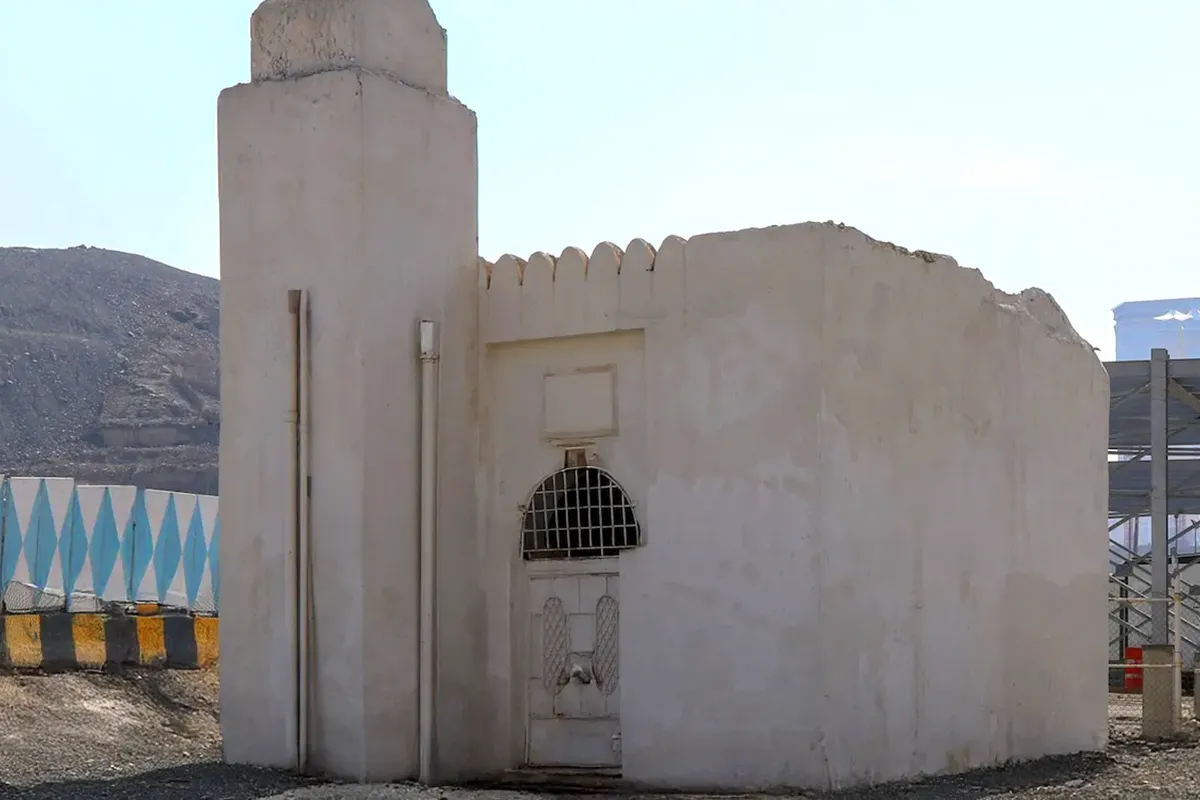
Bir Tuwa is a historic well in the Jarwal district on the north side of Makkah, about 1.43 kilometres from the Kaaba. Sahih al-Bukhari records that the Prophet Muhammad would spend the night in the valley of Tuwa, bathe in the morning, and then enter Makkah by daylight. The well still exists but is no longer in use, with a structure built over it.
Key takeaways
- ✓Bir Tuwa sits in the Jarwal district on the north side of Makkah, 1.43 km from the Kaaba.
- ✓Sahih al-Bukhari records the Prophet spending the night at Dhu Tuwa and entering Makkah in the morning.
- ✓Ibn Umar copied the practice deliberately and said the Prophet used to do it.
- ✓The Prophet also organised his army in this valley before entering Makkah at the conquest.
- ✓The well exists today but is not in use, and a structure has been built over it.
- ✓Its water carries no established virtue. It is not comparable to Zamzam.
- ✓It is not on the standard Ziyarat round, and there is very little to see.
Quick facts
- City
- Makkah, Saudi Arabia
- District
- Jarwal, north side of the Haram
- Distance from the Kaaba
- 1.43 km
- Also called
- Dhu Tuwa, the Well of Tuwa
- Still in use?
- No. Preserved but not used.
- Can you drink from it?
- No
- Part of Umrah?
- No. Not a rite of Hajj or Umrah.
- On the standard Ziyarat round?
- No
A well with a city built around it
Bir Tuwa is a well in the Jarwal district, on the north side of Makkah. Saudipedia puts it 1.43 kilometres from the Kaaba, which is close enough to walk and far enough that most pilgrims never notice it.
It sits at the western edge of the third Saudi expansion of the Grand Mosque. Omar bin Abdulaziz Street runs past it on one side. The bridge of the first ring road is nearby. The old maternity hospital is across the road.
Nothing about that description sounds like a place of pilgrimage, and it is not one. The valley it stands in was once open ground on the northern approach to Makkah. Makkah grew over it.
The well itself still exists. Saudipedia describes it as an existing well that is not currently used, with a structure built over it. Heritage authorities have walled it to protect it.
What the hadith records
This is a well with strong evidence behind it, and the evidence is about a habit rather than a miracle.
Sahih al-Bukhari has a chapter in the Book of Hajj on camping at Dhu Tuwa before entering Makkah. Abdullah ibn Umar reported that the Prophet spent the night at Dhu Tuwa until dawn, and then entered Makkah.
Ibn Umar then did the same thing himself, every time. He would stop at Dhu Tuwa, spend the night, pray the dawn prayer, bathe, and go in by daylight. He said the Prophet used to do that.
Ibn Umar was known for copying the Prophet's actions in this exact way, down to the places he stopped. That is why so much detail about routes and stopping points survives at all.
Saudipedia adds that the Prophet also stayed in the valley of Tuwa and organised his army there before entering Makkah at the conquest, and that he stopped there during his Umrah and the Farewell Pilgrimage.
Why anyone stopped there in the first place
The practical reason is worth understanding, because it explains why the practice has faded.
A caravan coming down from Madinah reached Makkah from the north, tired and dusty, often late in the day. Dhu Tuwa was the last open ground before the city. Stopping there meant you could rest, wash properly, and enter the sacred city in the morning, clean and unhurried, rather than stumbling in at night.
That is a sensible thing to do, and it is what the reports describe.
Today you arrive by air at Jeddah or Madinah and by road on a highway, and you are dropped at a hotel door. The northern approach the practice was built around no longer exists in any meaningful form. The place remains; the journey that gave it its purpose does not.
Who dug it
Historical sources report that the well was dug by Abd Shams ibn Abd Manaf, a great-great-grandfather in the line of Quraysh and brother of Hashim.
Treat that as history rather than as established evidence. It comes from the historical record, not from the Qur'an or an authentic hadith, and nothing in the religious significance of the site depends on it being right.
Is the water blessed?
No, and this is the point most worth taking away.
No virtue for the water of Bir Tuwa is established in authentic evidence. It is not Zamzam and nothing in the sources treats it as if it were. The reports describe the Prophet using it to wash before entering Makkah, which is what you do with water at the end of a journey.
Pilgrims from some regions, particularly those following the Maliki school, historically made a point of stopping to bathe there before reaching the Haram. That is a recorded practice with a reasonable basis in Ibn Umar's example. It is not a requirement, and no reward is promised for it.
Visiting Bir Tuwa is not part of Hajj or Umrah. Your Umrah is complete without going anywhere near it.
The well being sealed and unused today is not a loss of anything religious. It removes the temptation to treat ordinary water as something it is not, which is the same reasoning behind several other decisions around Makkah's historic sites.
Visiting it, and whether to bother
We will be straight with you: there is very little to see.
A covered well, a protective wall, and modern Makkah pressing in on every side. No exhibition, no signage worth the name, no water. Most people who go stand for two minutes and leave.
It is not on our standard Makkah Ziyarat round, and it is not on most operators' rounds either. That is not an oversight. It is a well in a residential district, not a site set up for visitors.
If you still want to see it:
- It is walkable from the Haram at under a kilometre and a half, though the streets around Jarwal are busy.
- Ask for Jarwal rather than for Bir Tuwa. Many drivers know the district and not the well.
- Do not expect access to the water. The well is preserved, not open.
- Go on a rest day, not on the day you are doing tawaf and sa'i. It is not worth spending energy on.
If you would rather spend the time on sites with more to see, our Makkah Ziyarat guide sets out the standard round, and a private Ziyarat car covers it from SAR 200 per vehicle with waiting at each stop. Fares reviewed August 2026.
Nearby
| Place | What it is | Distance from the Kaaba |
|---|---|---|
| Masjid al-Haram | The Grand Mosque. | Centre point |
| Jannat al-Mu'alla | Makkah's oldest cemetery. | About 1 km |
| Masjid al-Jinn | Historic mosque beside the cemetery. | About 900 m |
| Jabal al-Noor | The mountain of Ghar Hira. | About 4 km |
All of those are more rewarding as visits than the well, and all of them are on the normal round.
Accuracy note
That the Prophet spent the night at Dhu Tuwa and entered Makkah in the morning, and that Ibn Umar deliberately did the same and attributed the practice to him, is recorded in Sahih al-Bukhari in the Book of Hajj, in the chapter on camping at Dhu Tuwa before entering Makkah. This is established evidence.
The well's location in Jarwal, the distance of 1.43 kilometres from the Kaaba, its position at the western edge of the third Saudi expansion near Omar bin Abdulaziz Street and the first ring road bridge, the fact that it still exists but is not in use, and the structure built over it all come from Saudipedia. Saudipedia is also the source for the Prophet organising his army in the valley at the conquest and stopping there during his Umrah and the Farewell Pilgrimage.
The report that the well was dug by Abd Shams ibn Abd Manaf comes from historical sources rather than from the Qur'an or authentic hadith, and we have marked it as such.
No virtue for the water of Bir Tuwa is established in authentic evidence, and visiting the well is not part of Hajj or Umrah. The condition and accessibility of the site can change. Fares are our own published rates, reviewed August 2026. Verified August 2026.
Frequently asked questions
Planning a Saudi trip?
Pre-book a private car, find a stay, or ask us anything on WhatsApp.
Last updated: 13 October 2026·Sources reviewed by the Wadana Go editorial team.