The Seven Mosques of Madinah: What They Are, and What They Are Not
Short answer
The Seven Mosques are a cluster of very small historic mosques on the lower slopes of Mount Sela', northwest of Masjid an-Nabawi, marking places traditionally associated with the Battle of the Trench. Five stand today, the name is relatively modern, and no authentic report prescribes praying in them in sequence. Visiting is not a rite of Hajj or Umrah.
Key takeaways
- ✓There are not seven mosques on the site. Official Madinah information lists five, plus a larger mosque built in 1428 AH for visitors.
- ✓The name Seven Mosques is relatively modern. The group was previously known as the al-Fath Mosques.
- ✓The Abu Bakr al-Siddiq Mosque was demolished and its debris removed.
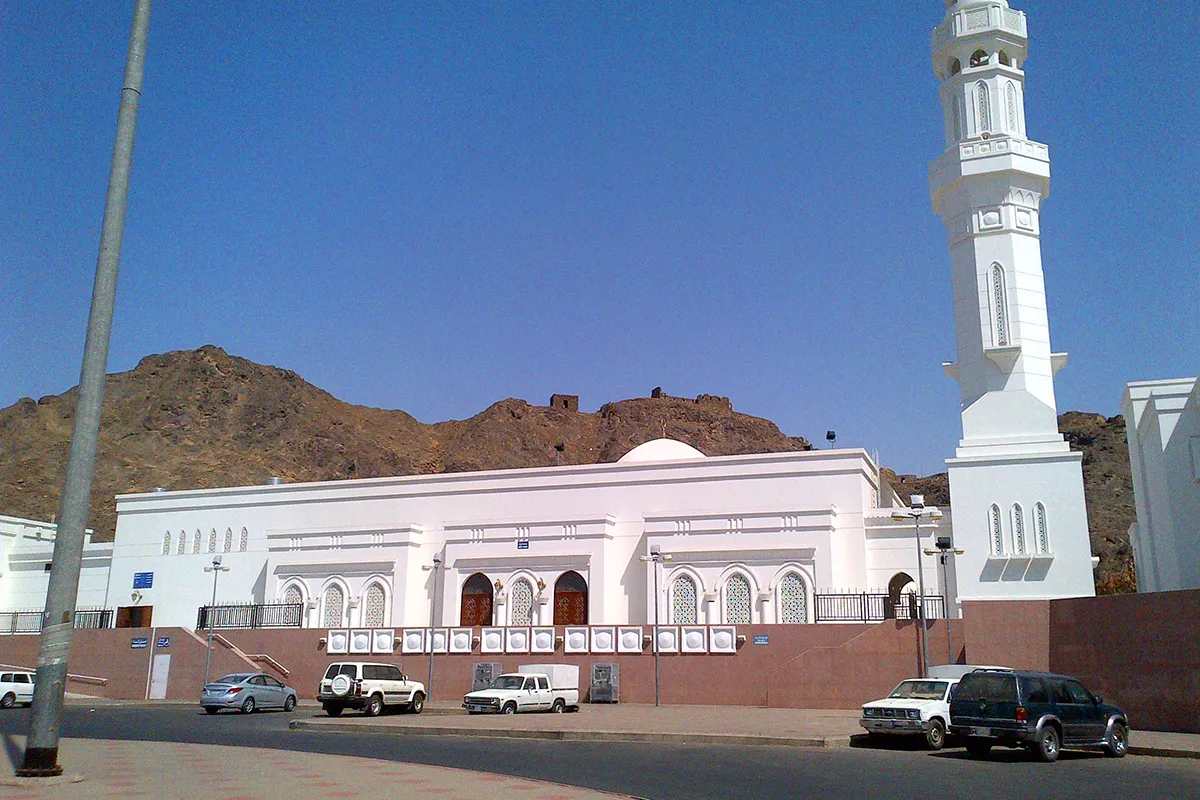
- ✓They are tiny. Al-Fath, the largest of the historic ones, is about 8.5 m by 3.5 m. These are markers, not mosques as you picture them.
- ✓The Battle of the Trench is established in the Qur'an and hadith. The identification of these particular buildings is historical tradition, level B.
- ✓There is no authentic basis for praying two rak'ahs in each one in sequence. It is a custom, not a prescribed act.
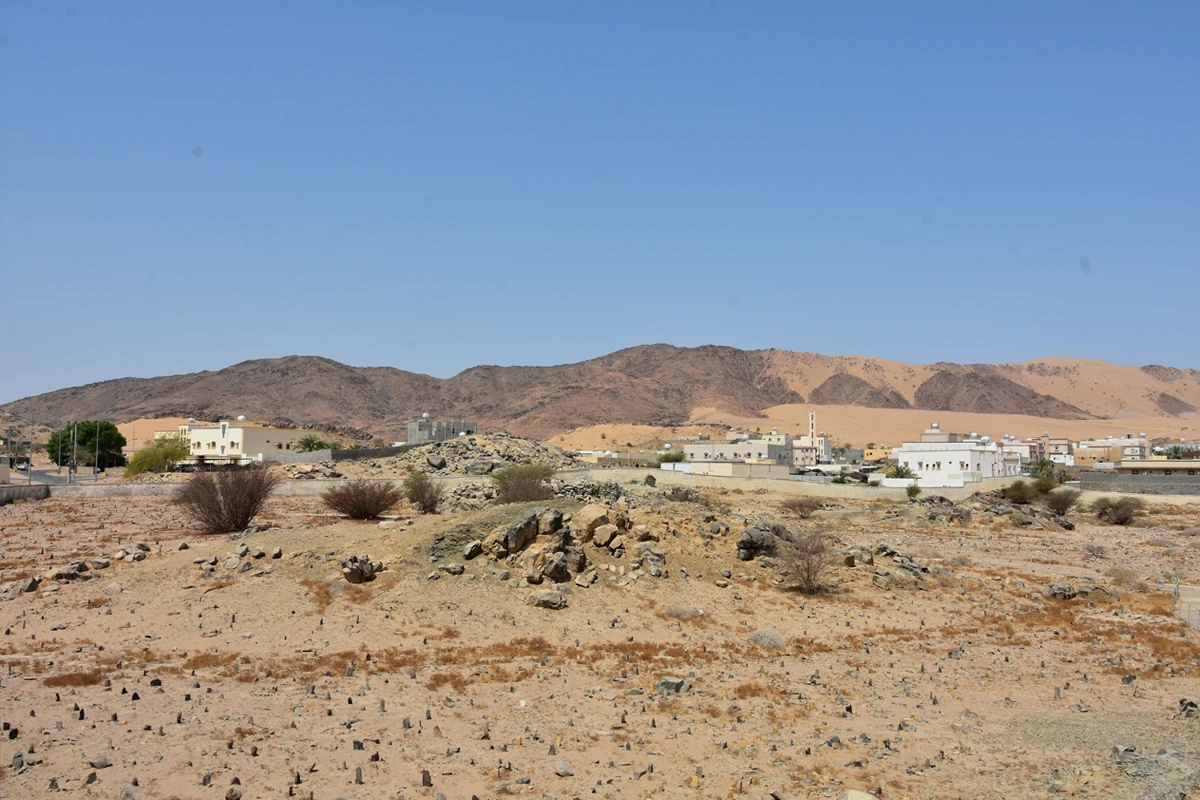
- ✓Fifteen to twenty minutes is a full visit. The best thing on the site is standing at the foot of Mount Sela' and reading the ground.
Quick facts
- City
- Madinah, northwest, at the foot of Mount Sela'
- How many stand today
- Five historic ones, plus a larger mosque from 1428 AH
- Largest historic mosque
- Al-Fath, about 8.5 m by 3.5 m
- Demolished
- The Abu Bakr al-Siddiq Mosque
- A seven-mosque circuit
- No basis. Not a prescribed act
- Part of Umrah or Hajj
- No
- Can a car reach it
- Yes, with parking at the site
- Time to allow
- 15 to 20 minutes
- Evidence level
- B. The battle is established; the individual identifications are traditional
The Seven Mosques are a group of very small historic mosques on the lower slopes of Mount Sela', in the area northwest of Masjid an-Nabawi where the trench was dug in the fifth year after the Hijrah.
Three things about them are worth knowing before you arrive, and none of them usually get said:
- There are not seven.
- The name is relatively modern.
- Praying in all of them in sequence is not a prescribed act, and never was.
What they actually are
They are tiny buildings, most of them the size of a small room, marking places traditionally associated with the Battle of the Trench and with Companions who held positions there.
According to the official Madinah destination information, five stand on the site today:
| Mosque | Note |
|---|---|
| Al-Fath Mosque | The largest and most significant, at the site associated with the Prophet's ﷺ prayer during the siege. About 8.5 m by 3.5 m. |
| Salman al-Farsi Mosque | South of al-Fath, near the base of Mount Sela'. A rectangular hall with a vaulted ceiling. |
| Ali ibn Abi Talib Mosque | On a small rise, about 8.5 m by 6.5 m. |
| Umar al-Faruq Mosque | A rectangular hall, raised above the ground around it. |
| Sa'd ibn Mu'adh Mosque | Also called the Fatimah al-Zahra Mosque. An unroofed walled plot. |
The Abu Bakr al-Siddiq Mosque was demolished and its debris removed. A further mosque was built on the site in 1428 AH to serve visitors and local residents, which is the larger building most people actually pray in.
Look at those dimensions again. Al-Fath is about eight and a half metres by three and a half. These are not mosques in the sense you are picturing. They are markers.
Why "Seven"?
The official Madinah information notes that the name Seven Mosques is somewhat modern, and that the group was previously known as the al-Fath Mosques.
That is worth holding onto, because the number has taken on a life of its own. People arrive expecting seven buildings, count five, and assume something is missing or hidden. Nothing is hidden. The name outgrew the site.
How strong is the evidence?
Level B, and you should know that going in.
The Battle of the Trench is established. The Qur'an addresses it in Surah al-Ahzab and the hadith literature covers it in detail.
The identification of these particular small buildings with specific individuals and specific positions is historical tradition, carried in the later literature and by continuous local use. It is not fixed by an authentic hadith.
So the sensible way to talk about them is: these mosques mark places traditionally associated with Companions during the battle. That is true, useful, and does not overclaim.
There is no seven-mosque ritual
This needs saying plainly. You will meet the idea that a visitor should pray two rak'ahs in each of them, in order, for a specific benefit.
There is no basis for that. No authentic hadith prescribes it. No reward is reported for it. It is a custom that grew up around a cluster of small buildings, and treating it as a devotional programme adds something to the religion that is not in it.
You may pray in any mosque you enter. That is not the same as performing a circuit.
Is visiting part of Hajj or Umrah?
No. Not a rite of either. No prescribed prayer, no reported reward for visiting.
What a visit is actually like
- Fifteen to twenty minutes. The site is compact and the buildings are small.
- It is urban. Roads and modern buildings all round. There is no battlefield atmosphere.
- The mountain is the best thing there. Stand at the foot of Sela', look out over the ground, and picture the trench.
- Do not expect much inside the small mosques. Some are closed, some are unroofed, and access changes with ongoing development.
- Expect sellers. As at Uhud.
Related
- The Battle of the Trench — what happened on this ground.
- Mount Sela' — the mountain above the site, named in Bukhari.
- Masjid Quba — where a sound hadith really does attach a reward to praying.
- Madinah Ziyarat guide — every site with its evidence set out.
Getting there
A short drive northwest of Masjid an-Nabawi, closer in than Uhud, with parking at the site. It is a standard stop on the Madinah Ziyarat round and takes very little time.
Because the visit is short, it makes no sense as a trip on its own. Bundle it with Mount Sela', the Trench site, Quba, Qiblatayn and Uhud. Our Madinah Ziyarat private car does the whole round on one fixed fare for the vehicle with waiting at each stop, and the Madinah Ziyarat tour is the guided option.
Accuracy note
The identification of the five mosques currently on the site, their dimensions, the demolition of the Abu Bakr al-Siddiq Mosque, the construction of a further mosque in 1428 AH, and the note that the name Seven Mosques is relatively modern with the group previously called the al-Fath Mosques, follow the official Madinah destination information. The Battle of the Trench itself is established in the Qur'an, in Surah al-Ahzab, and in the hadith literature. The association of these particular small buildings with specific Companions and specific positions is historical tradition rather than a hadith-fixed fact, and we have said so. We know of no authentic report prescribing prayer in all of the mosques in sequence or attaching a reward to doing so. Visiting is not a rite of Hajj or Umrah. Access and the state of individual buildings change with ongoing development at the site. Content verified August 2026. Out of date? Tell us.
Frequently asked questions
Planning a Saudi trip?
Pre-book a private car, find a stay, or ask us anything on WhatsApp.
Last updated: 24 September 2026·Sources reviewed by the Wadana Go editorial team.