Mount Sela': The Madinah Mountain Named in Bukhari
Short answer
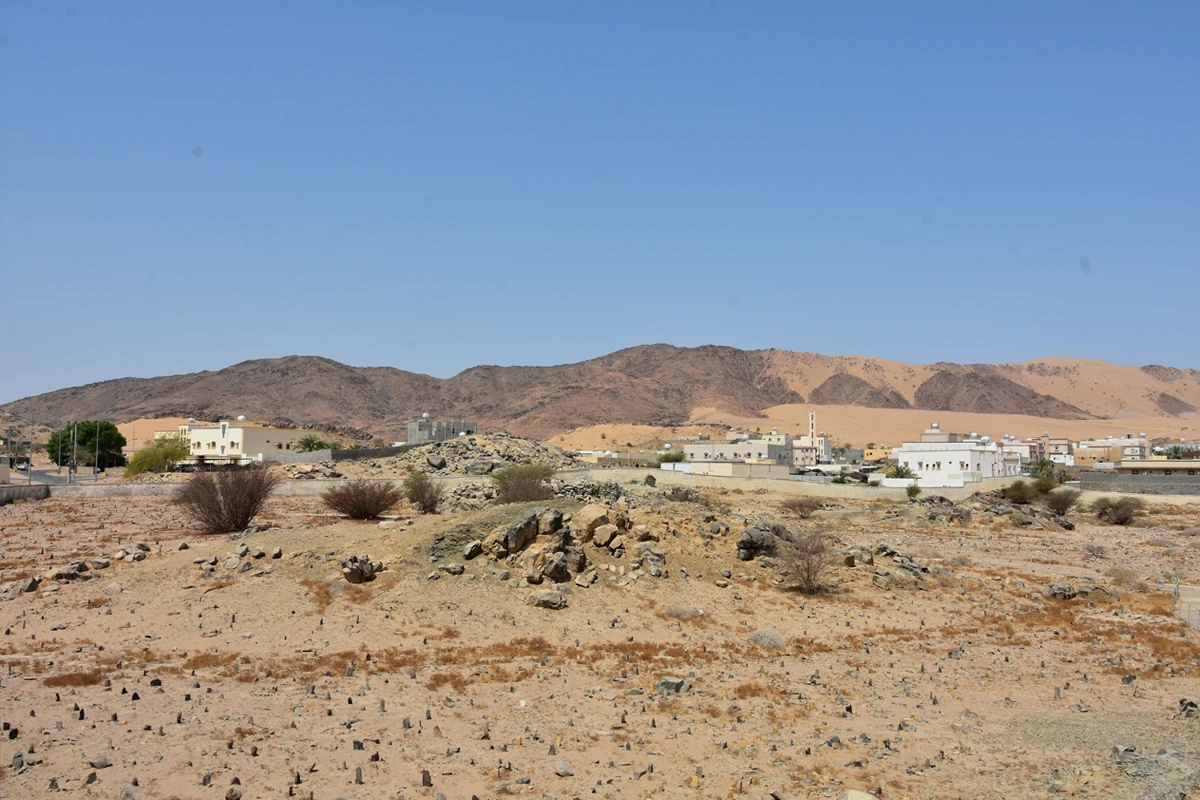
Mount Sela' is a ridge about 500 metres west of Masjid an-Nabawi, roughly a kilometre long and around 80 metres high. It is named in Sahih al-Bukhari in the narration of the prayer for rain and in the account of Ka'b ibn Malik, and it stood behind the Muslim position at the Battle of the Trench. Visiting is not a rite of Hajj or Umrah.
Key takeaways
- ✓Sela' means sliced, describing how the ridge looks as though it has been cut through in several places.
- ✓Sahih al-Bukhari names it in the prayer for rain: no cloud in the sky, no building between the mosque and Sela', then a cloud like a shield from behind it.
- ✓That same hadith tells you how small Madinah was. Today the ground between the mosque and the mountain is solid city.
- ✓It is named again in Bukhari in the account of Ka'b ibn Malik, when a man climbed to the top to shout the news of the acceptance of his repentance.
- ✓It was the mountain at the back of the Muslim position during the Battle of the Trench in year five.
- ✓Individual spots on the mountain are traditional identifications at best. The mountain is in authentic hadith; the particular rock is not.
- ✓No prayer is prescribed there and no reward for climbing is reported. Eighty metres of loose rock with no path is a bad idea anyway.
Quick facts
- City
- Madinah, about 500 m west of Masjid an-Nabawi
- Size
- About 1 km long, roughly 80 m high
- Name means
- Sliced or split
- Named in
- Sahih al-Bukhari, twice
- Part of Umrah or Hajj
- No. No prescribed prayer or reported reward
- Climbing
- Not advised. Loose rock, no path, no shade
- Can a car reach it
- Yes, and it is close enough to walk from central hotels
- Time to allow
- About 15 minutes, more with the Seven Mosques
- Evidence level
- A for the hadith mentions; C for specific spots on the slope
Mount Sela' is a long dark ridge about five hundred metres west of Masjid an-Nabawi, roughly a kilometre long and around eighty metres high. It sits inside the city now, with buildings up against its base.
Most visitors never look at it twice. It is named in more than one authentic hadith, which is more than can be said for several better-known Ziyarat stops.
The name
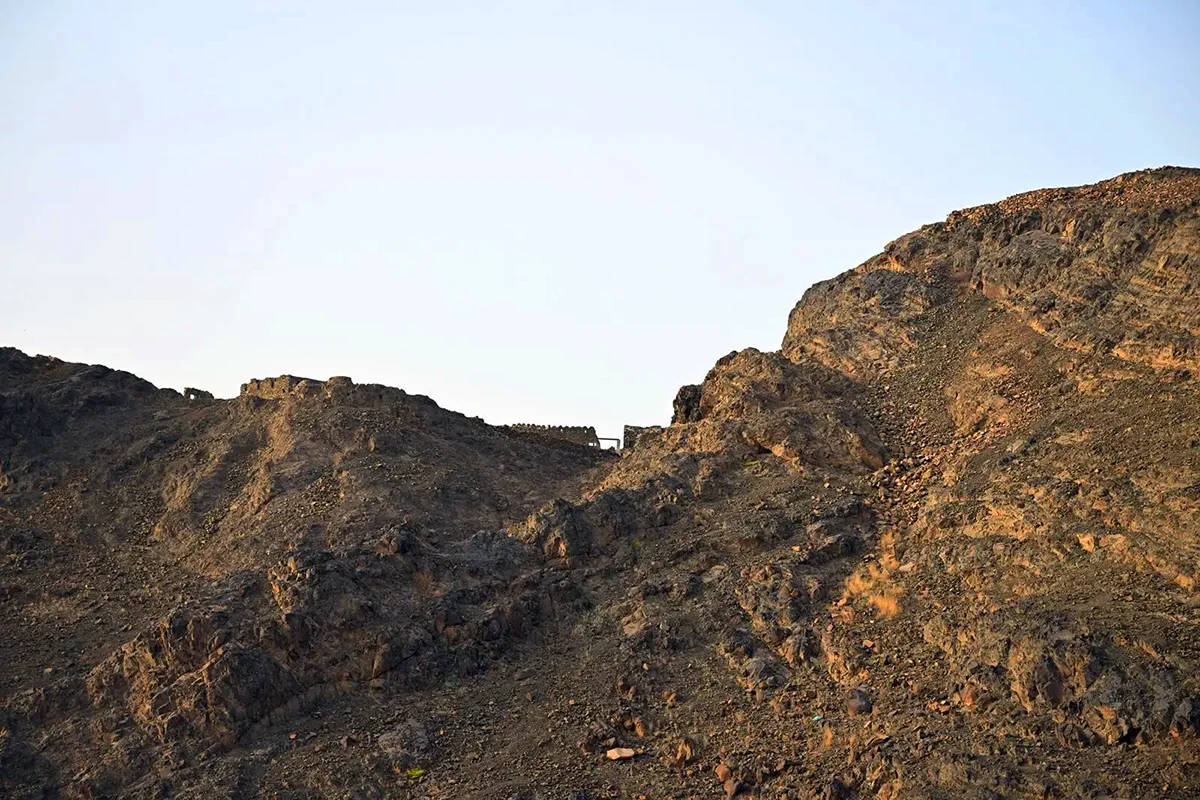
Sela' means sliced or split. The mountain looks as though it has been cut through in several places, and the name simply describes what people saw.
The hadith of the prayer for rain
This is the one that fixes the mountain in the record.
Sahih al-Bukhari records that a man came into the mosque during the Friday khutbah and told the Prophet ﷺ that the livestock were dying and the roads were cut off, and asked him to pray for rain. He raised his hands and prayed.
The narrator's detail is what makes this hadith so vivid. There was not a wisp of cloud in the sky, and there was no house or building between them and Sela'. Then a cloud like a shield appeared from behind the mountain, spread, and the rain came. It kept raining until the following Friday, when the same man came back and asked for it to stop.
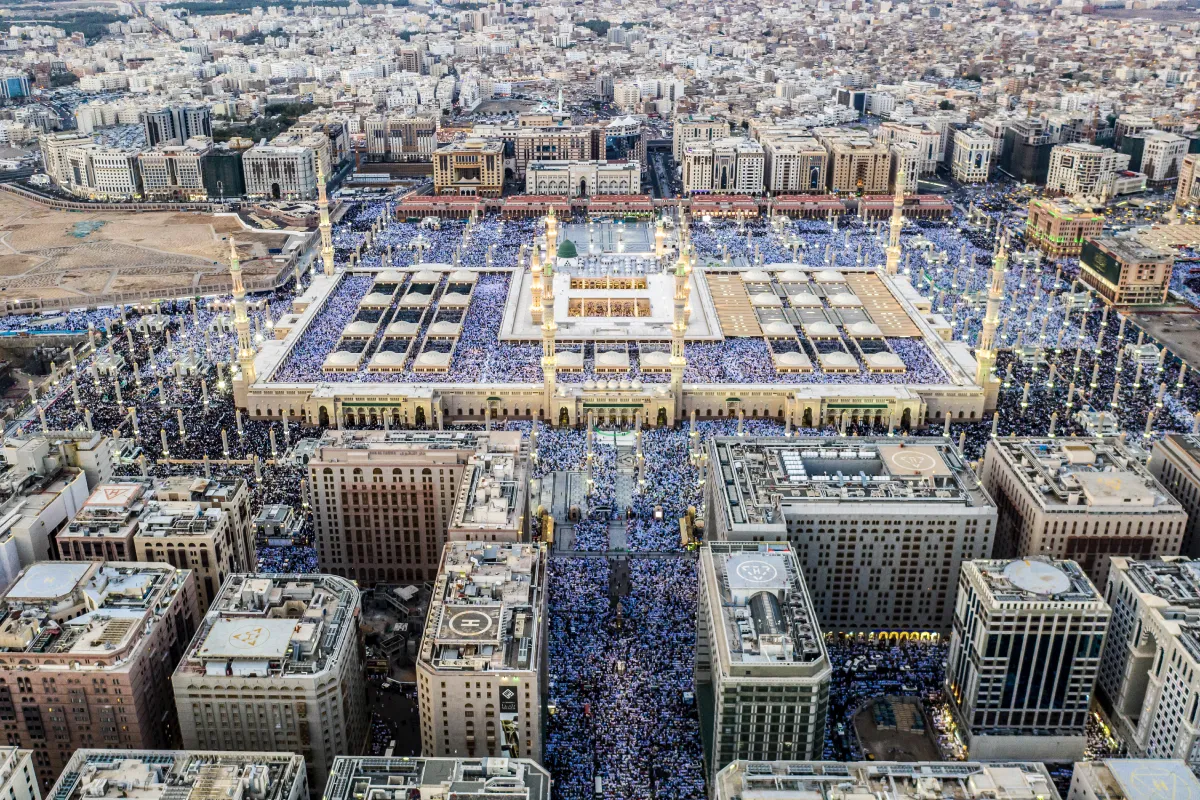
Two things follow. First, the mountain is named in Sahih al-Bukhari, which is as solid as evidence gets. Second, that line about there being no building between the mosque and Sela' tells you exactly how small Madinah was then. Today the ground between is solid city.
The hadith of Ka'b ibn Malik
Sela' appears again in one of the longest and most human narratives in Sahih al-Bukhari: the account of Ka'b ibn Malik, may Allah be pleased with him, one of three men who stayed behind from the expedition to Tabuk and then told the truth about it rather than making an excuse.
They were cut off from the community for fifty days. When the forgiveness finally came, a man climbed to the top of Sela' and shouted the news down to the city at the top of his voice.
Ka'b said the sound of that voice reached him faster than the rider who had been sent. That is why the man climbed the mountain: it was the loudspeaker of Madinah.
The Trench
Sela' is also the mountain at the back of the Muslim position during the Battle of the Trench in the fifth year after the Hijrah. The trench was dug across the open northern approach, with the mountain covering the defenders' rear.
If you want to understand the Khandaq, stand at the foot of Sela' and look outward. The whole defensive logic is visible from there in a way no map delivers.
What is there today
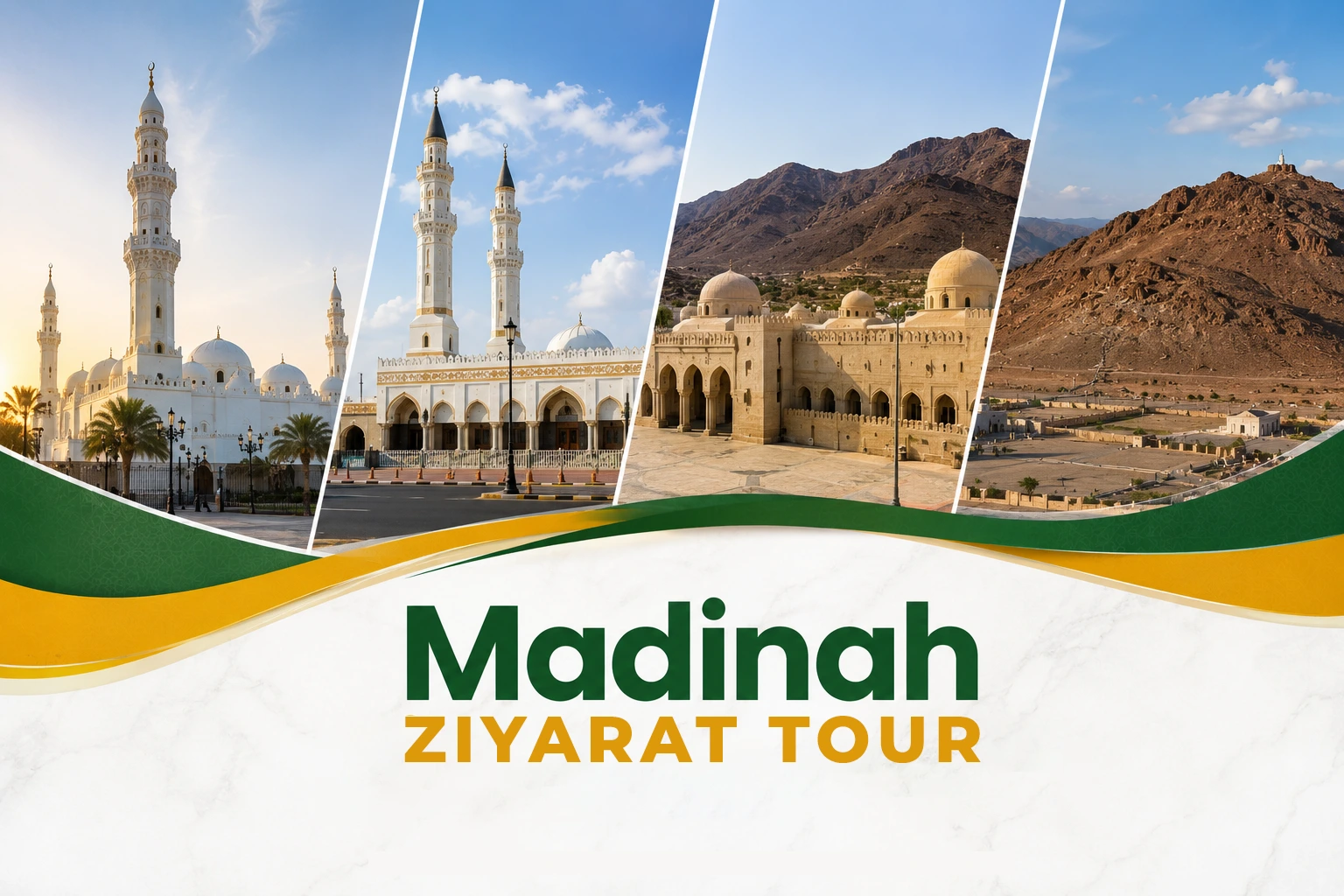
The mountain, and not much else. Bare dark rock, city built right up to it, and the cluster of small historic mosques known as the Seven Mosques on and around its lower slopes.
Be careful about specific spots. You may be shown the exact place where the Prophet ﷺ prayed during the siege, or a particular cleft with a story attached. The mountain is named in authentic hadith. Individual points on it are traditional identifications at best, and we are not going to repeat them as though they were established.
Should you climb it?
There is no reason in the religion to. No prayer is prescribed on Sela' and no reward for climbing it is reported.
It is also, practically, a bad idea for a casual visitor: eighty metres of loose broken rock with no maintained path, no shade and no water, in a hot city. Look at it from the bottom.
Is visiting part of Hajj or Umrah?
No. Neither. There is no prescribed prayer and no reported reward for visiting the mountain. The value of knowing about Sela' is that it makes three separate episodes in the sunnah concrete: the rain, the fifty days, and the siege.
Practical notes
- It is close. About five hundred metres west of Masjid an-Nabawi, so genuinely walkable, unlike most Madinah sites.
- Fifteen minutes is enough if you are just looking at it and getting your bearings.
- Best light is early or late. The rock is dark and flat-looking at midday.
- It pairs with the Trench site and the Seven Mosques, which sit at its foot.
Related
- The Battle of the Trench — fought on the ground in front of it.
- The Seven Mosques — on its lower slopes.
- Masjid an-Nabawi — five hundred metres east, and once with nothing in between.
- Madinah Ziyarat guide — every site, with the evidence for each.
Getting there
Sela' is close enough to walk to from the central hotels, which makes it unusual among Madinah's historic sites. If you are going on to Quba, Qiblatayn and Uhud, it is a natural first or last stop.
For the wider round, our Madinah Ziyarat private car covers the sites on one fixed fare for the vehicle with the driver waiting, which is much simpler than four separate taxis. Arriving in the city, the Madinah airport transfer has fixed fares.
Accuracy note
Mount Sela' is named in Sahih al-Bukhari in the narration of the prayer for rain, including the detail that there was no house or building between the mosque and the mountain and that a cloud like a shield appeared from behind it. It is named again in Sahih al-Bukhari in the narration of Ka'b ibn Malik, where a man climbed to its top to announce the acceptance of the repentance of the three who stayed behind. Its role as the mountain behind the Muslim position at the Battle of the Trench is established in the seerah literature. The location about 500 m west of Masjid an-Nabawi, the length of about one kilometre and the height of about 80 m are from published geographic descriptions. Identifications of individual spots on the mountain are traditional at best and we have not repeated them. There is no prescribed prayer on Sela' and no reported reward for climbing it; visiting is not a rite of Hajj or Umrah. Content verified August 2026. Something off? Tell us.
Frequently asked questions
Planning a Saudi trip?
Pre-book a private car, find a stay, or ask us anything on WhatsApp.
Last updated: 24 September 2026·Sources reviewed by the Wadana Go editorial team.