Al-Adwa al-Dunya: The Side of the Valley the Qur'an Puts You On
Short answer
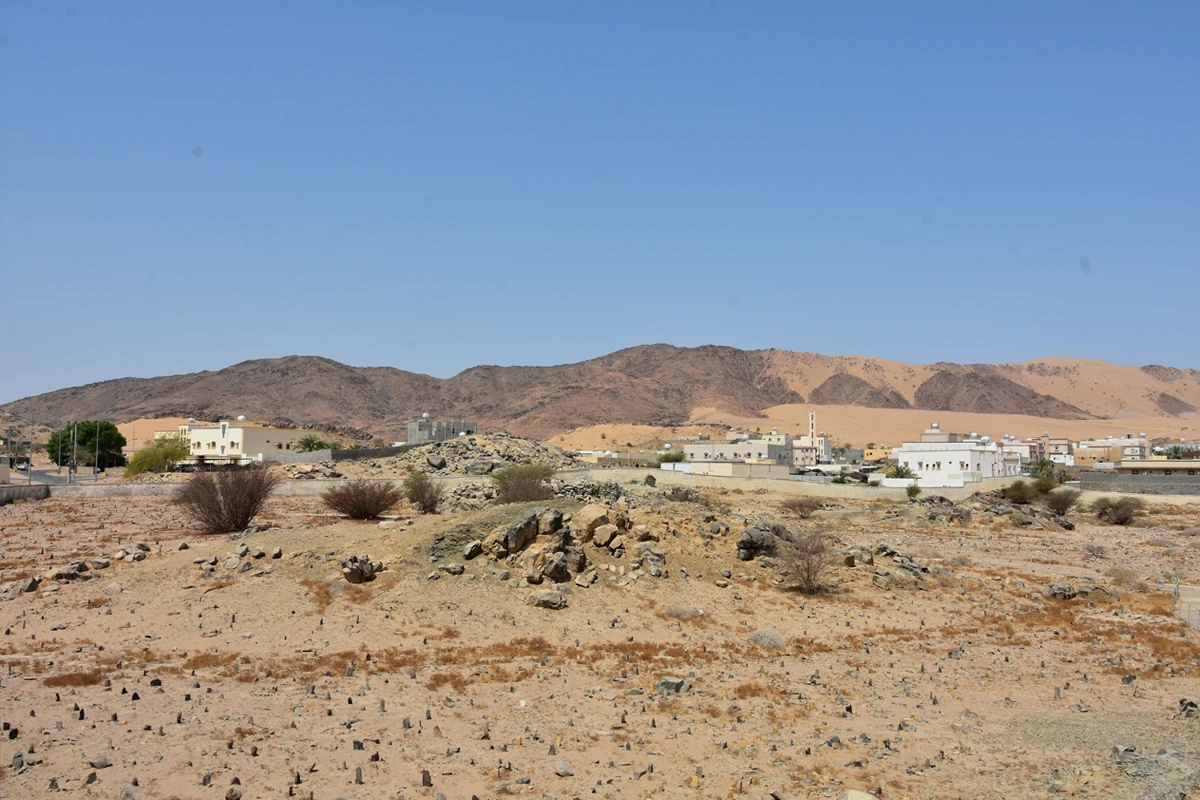
Al-Adwa al-Dunya, the nearer side of the valley, is the ground the Muslim army held at Badr. Surah al-Anfal describes the Muslims on the nearer side, the Quraysh on the farther side, and the caravan on lower ground. The two slopes still carry those names. Visiting is not a rite of Hajj or Umrah.
Key takeaways
- ✓Al-Adwa al-Dunya means the nearer side of the valley, and it is the ground the Muslim army held at Badr.
- ✓Surah al-Anfal describes the positions: Muslims on the nearer side, Quraysh on the farther side, caravan on lower ground.
- ✓The two Arabic terms from that verse are still used for the two slopes at Badr, fourteen centuries later.
- ✓Nearer means nearer to Madinah. The Muslims came down from the north-east and reached that side first.
- ✓The near side was better ground for three reasons: the water, the footing after rain, and the line of retreat.
- ✓The sources record rain before the battle firming the sand on the Muslim side and making the ground heavy under the Quraysh.
- ✓Standing there and reading the verse takes five minutes and is the single best thing to do at Badr.
Quick facts
- Location
- Badr, the near side of the valley
- Name means
- The nearer side, from Surah al-Anfal
- Who held it
- The Muslim army, around 313 men
- Nearer to what
- Madinah, the direction they came from
- Why it was better ground
- The wells, the footing after rain, the line of retreat
- The opposite side
- Al-Adwa al-Quswa, held by the Quraysh
- A marked point
- None that we could verify, and none needed
- Part of Umrah or Hajj
- No
- Evidence level
- A. Named in the Qur'an
Al-Adwa al-Dunya means the nearer side of the valley. It is the ground the Muslim army held at Badr, and it is named in the Qur'an.
The verse
Surah al-Anfal describes the positions on the day: you were on the nearer side of the valley, and they were on the farther side, and the caravan was below you.
Two Arabic terms come out of that verse and are still used for the two sides of the valley at Badr: al-Adwa al-Dunya, the near side, and al-Adwa al-Quswa, the far side.
That is unusual enough to stop and think about. The Qur'an is naming the two slopes of a valley, and the names have stuck for fourteen centuries.
Nearer to what?
Nearer to Madinah. The Muslims had come down from the north-east, so the side they reached first is the near side, and the Quraysh coming up from Makkah held the far one.
The caravan, the thing the whole expedition had originally been about, was on lower ground and escaped along the coast.
Why the near side was the better ground
Three things, and the sources record all of them.
The water. Following al-Hubab's advice, the Muslims took the well nearest the enemy and denied the rest.
The footing. Rain fell before the battle. The sources record it firming the sandy ground on the Muslim side and turning the ground under the Quraysh heavy and difficult.
The line of retreat. The near side is the side facing home. If the day had gone badly, that mattered.
Standing on it
This is the thing to do at Badr, and it takes five minutes.
Stand on the near side. Read the verse. Look across at the far slope and put a thousand men on it. Look at how little ground is between.
You are standing where the Qur'an says you are standing. There are not many places in the world where that sentence is literally true.
The evidence, plainly
- The verse describing the near side, the far side and the caravan below: Surah al-Anfal. Level A.
- The identification of the two slopes at Badr with those terms: standard in the tafsir and historical literature, and carried in Saudi official listings of the site's components.
- The rain and its effect on the ground: recorded in the seerah literature.
- Precise boundaries or a marked point on the slope: not something we could verify, and not necessary.
Is visiting part of Hajj or Umrah?
No. Not a rite of either, no prescribed prayer, and no reported reward for standing on either side of the valley.
The verse is a description of what happened, not an instruction about where to stand.
Related
- Al-Adwa al-Quswa — the far side, where the Quraysh stood.
- The battlefield — the ground between them.
- The Badr guide — the full day and how to plan it.
- The well of Badr — and the advice that put the Muslims here.
Getting to Badr
Badr is a day trip from Madinah, not a stop you fit into a city round. There is no train and no practical public transport, so it is a car.
Our Badr day trip from Madinah runs the round as a fixed-fare tour: SAR 380 for a standard sedan, 430 for an SUV, 530 for a van and 680 for a minibus, priced per vehicle rather than per person. If your route allows it, taking Badr on the way between the two cities is better value than doubling back: Makkah to Madinah via Badr is SAR 530 sedan and 580 SUV. See the Makkah to Madinah private car page and say you want the Badr routing when you book.
Fares reviewed August 2026 and shown per vehicle. Our Beyond the Haramayn guide covers Badr alongside Taif, Tabuk, Khaybar and al-Hijr.
Accuracy note
The verse describing the Muslims on the nearer side of the valley, the enemy on the farther side and the caravan on lower ground is in Surah al-Anfal and is given here in meaning, not as translation. The identification of the two slopes at Badr as al-Adwa al-Dunya and al-Adwa al-Quswa is standard in the tafsir and historical literature and is carried in Saudi official listings of the components of the Badr battle site. The account of al-Hubab ibn al-Mundhir's advice on the wells, and of rain before the battle firming the ground on the Muslim side while making it heavy under the Quraysh, is recorded in the seerah literature. We could not verify precise boundaries or any marked point on either slope, and none is necessary to read the ground. The verse describes what happened; it is not an instruction about where a visitor should stand, and no prescribed prayer or reported reward attaches to either side. Visiting is not a rite of Hajj or Umrah. Transport fares are from our own published route data, reviewed August 2026, and are per vehicle. Content verified August 2026. Correction? Tell us.
Frequently asked questions
Planning a Saudi trip?
Pre-book a private car, find a stay, or ask us anything on WhatsApp.
Last updated: 7 September 2026·Sources reviewed by the Wadana Go editorial team.