Al-Adwa al-Quswa: Standing Where the Quraysh Stood
Short answer
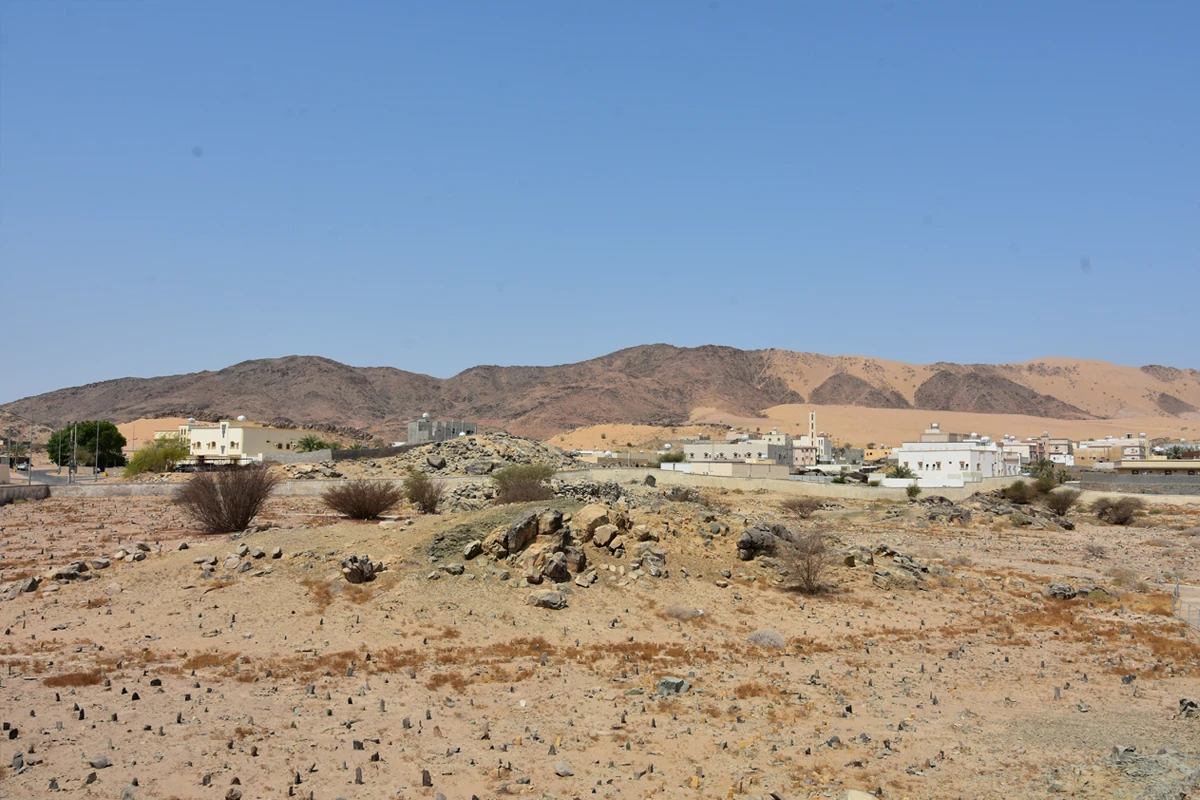
Al-Adwa al-Quswa is the farther side of the valley at Badr, the ground the Quraysh held. The term comes from Surah al-Anfal, which describes the Muslims on the nearer side, the enemy on the farther side, and the caravan on lower ground. Around a thousand men with cavalry stood there. Visiting is not a rite of Hajj or Umrah.
Key takeaways
- ✓Al-Adwa al-Quswa is the far side of the valley at Badr, where the Quraysh stood, named in Surah al-Anfal.
- ✓Around a thousand men held it, with cavalry, armour and supplies, including Abu Jahl, Utbah ibn Rabi'ah and Umayyah ibn Khalaf.
- ✓They had come out to protect a caravan that had already escaped. Some argued for turning back, and they stayed.
- ✓Stand on the far side and look across, and you see what they saw: three hundred badly equipped men, mostly on foot.
- ✓What they could not assess was the water, already taken, and the reinforcement the Qur'an describes.
- ✓Surah al-Anfal and Surah Al Imran both mention the angels sent at Badr.
- ✓Everything visible favoured them and they lost their leadership on the field. Al Imran says the victory came while the Muslims were weak.
Quick facts
- Location
- Badr, the far side of the valley
- Name means
- The farther side, from Surah al-Anfal
- Who held it
- The Quraysh, around 1,000 men with cavalry
- Among them
- Abu Jahl, Utbah ibn Rabi'ah, Umayyah ibn Khalaf
- Why they were there
- To protect a caravan that had already escaped
- What they could not see
- The wells already taken, and the help described in the Qur'an
- Losses
- Around 70 dead, a similar number captured
- Part of Umrah or Hajj
- No
- Evidence level
- A. Named in the Qur'an
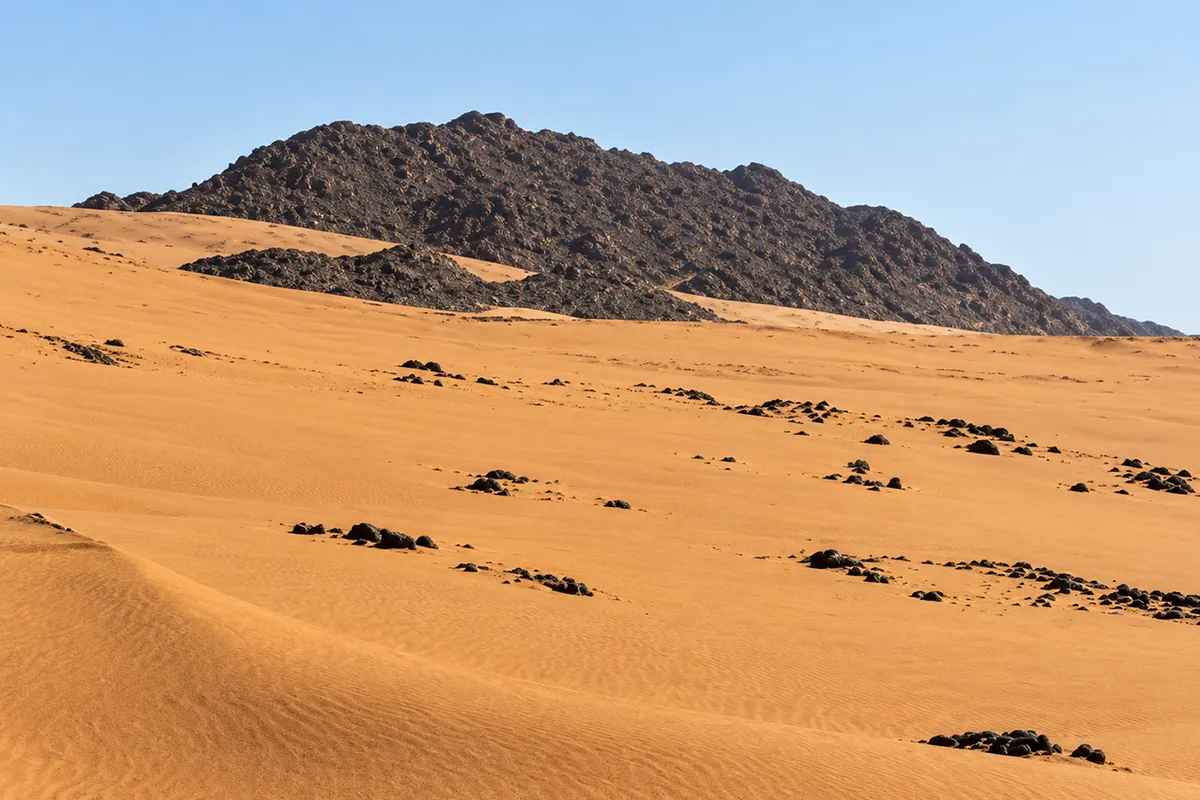
Al-Adwa al-Quswa is the farther side of the valley at Badr: the ground the Quraysh held.
Its counterpart, al-Adwa al-Dunya, is the near side, where the Muslims stood. Both terms come from the same verse in Surah al-Anfal, which describes the Muslims on the nearer side of the valley, the enemy on the farther side, and the caravan on lower ground.
Who stood on it
Around a thousand men. Cavalry. Proper armour. Supplies. The men who ran Makkah, in person: Abu Jahl, Utbah ibn Rabi'ah, Umayyah ibn Khalaf and others whose names fill the seerah.
They had come out to protect a caravan that had already escaped. Some of them argued for turning back. They stayed.
The view from the far side
This is worth doing if you have the time, and almost nobody does it.
Go and stand on the Quraysh side, and look across at the Muslim position.
From there you see what they saw: about three hundred men, badly equipped, most on foot, with a handful of horses between them. Facing a force three times the size with cavalry.
It looked, from the far side, like an easy morning.
What they could not see from there
Two things, and the Qur'an names both.
The water. The Muslims had taken the nearest well, built a basin and put the others beyond use. A thousand men and their animals in a desert in Ramadan, and no water they could reach without fighting for it.
The reinforcement. Surah al-Anfal describes the response to the Muslims' appeal: that they would be helped with a thousand of the angels, following one another. Surah Al Imran mentions three thousand sent down, and then five thousand marked.
That is the part the far side could not assess, and it is why the Qur'an spends so long on this battle.
The lesson of the far side
Everything visible favoured them. Numbers, equipment, cavalry, experience.
They lost, and they lost their leadership with them. Around seventy dead and a similar number captured, against fourteen on the other side.
Surah Al Imran puts it plainly: Allah gave you victory at Badr while you were weak. Not strong. Weak, and outnumbered, and holding the better ground because a man had been listened to.
The evidence, plainly
- The verse naming the near and far sides: Surah al-Anfal. Level A.
- The angels at Badr: in the Qur'an, in al-Anfal and Al Imran. Level A.
- The identification of the two slopes at Badr with those terms: standard in the tafsir and historical literature and carried in Saudi listings of the site.
- Precise boundaries or a marked point on the far slope: not verified by us, and not necessary.
Is visiting part of Hajj or Umrah?
No. Not a rite of either, and no prescribed prayer or reward attaches to either side of the valley.
Related
- Al-Adwa al-Dunya — the near side, where the Muslims stood.
- Jabal Malaikah — the hill on the western side of the field.
- The battlefield — the ground between the two slopes.
- The Badr guide — the full day and how to plan it.
Getting to Badr
Badr is a day trip from Madinah, not a stop you fit into a city round. There is no train and no practical public transport, so it is a car.
Our Badr day trip from Madinah runs the round as a fixed-fare tour: SAR 380 for a standard sedan, 430 for an SUV, 530 for a van and 680 for a minibus, priced per vehicle rather than per person. If your route allows it, taking Badr on the way between the two cities is better value than doubling back: Makkah to Madinah via Badr is SAR 530 sedan and 580 SUV. See the Makkah to Madinah private car page and say you want the Badr routing when you book.
Fares reviewed August 2026 and shown per vehicle. Our Beyond the Haramayn guide covers Badr alongside Taif, Tabuk, Khaybar and al-Hijr.
Accuracy note
The verse describing the Muslims on the nearer side of the valley, the enemy on the farther side and the caravan on lower ground is in Surah al-Anfal and is given here in meaning, not as translation; the two sides are known as al-Adwa al-Dunya and al-Adwa al-Quswa, an identification standard in the tafsir and historical literature and carried in Saudi listings of the components of the Badr site. The Quraysh force of around a thousand with cavalry, the presence of Abu Jahl, Utbah ibn Rabi'ah and Umayyah ibn Khalaf, the escape of the caravan and the argument among the Quraysh about turning back, and the outcome of around seventy dead and a similar number captured against fourteen Muslim dead, are established in the hadith and seerah literature. The support of angels at Badr is mentioned in Surah al-Anfal and in Surah Al Imran, with the figures of a thousand following one another, three thousand sent down and five thousand marked; verses are given in meaning. The reminder of victory while they were weak is in Surah Al Imran. We could not verify precise boundaries or a marked point on either slope, and none is necessary. No prescribed prayer or reported reward attaches to either side, and visiting is not a rite of Hajj or Umrah. Transport fares are from our own published route data, reviewed August 2026, per vehicle. Content verified August 2026. Correction? Tell us.
Frequently asked questions
Planning a Saudi trip?
Pre-book a private car, find a stay, or ask us anything on WhatsApp.
Last updated: 7 September 2026·Sources reviewed by the Wadana Go editorial team.