Jabal Malaikah: What the Qur'an Establishes, and What the Name Rests On
Short answer
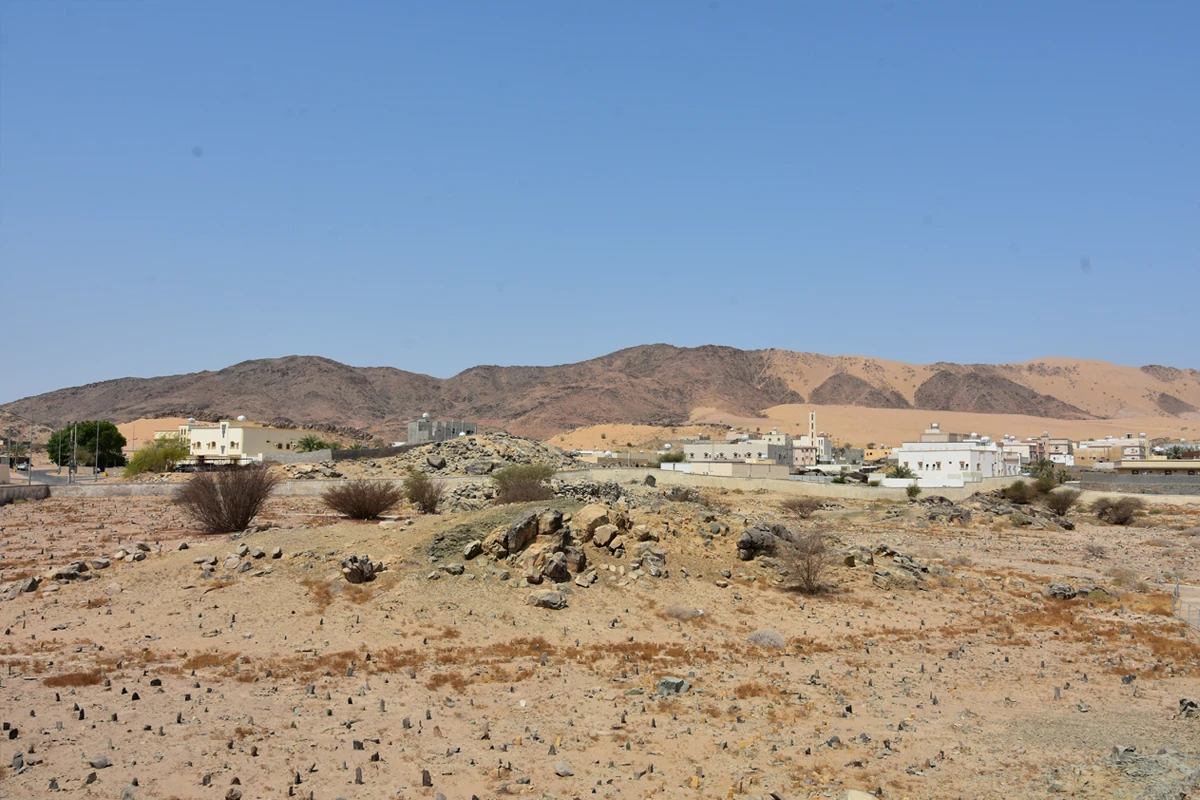
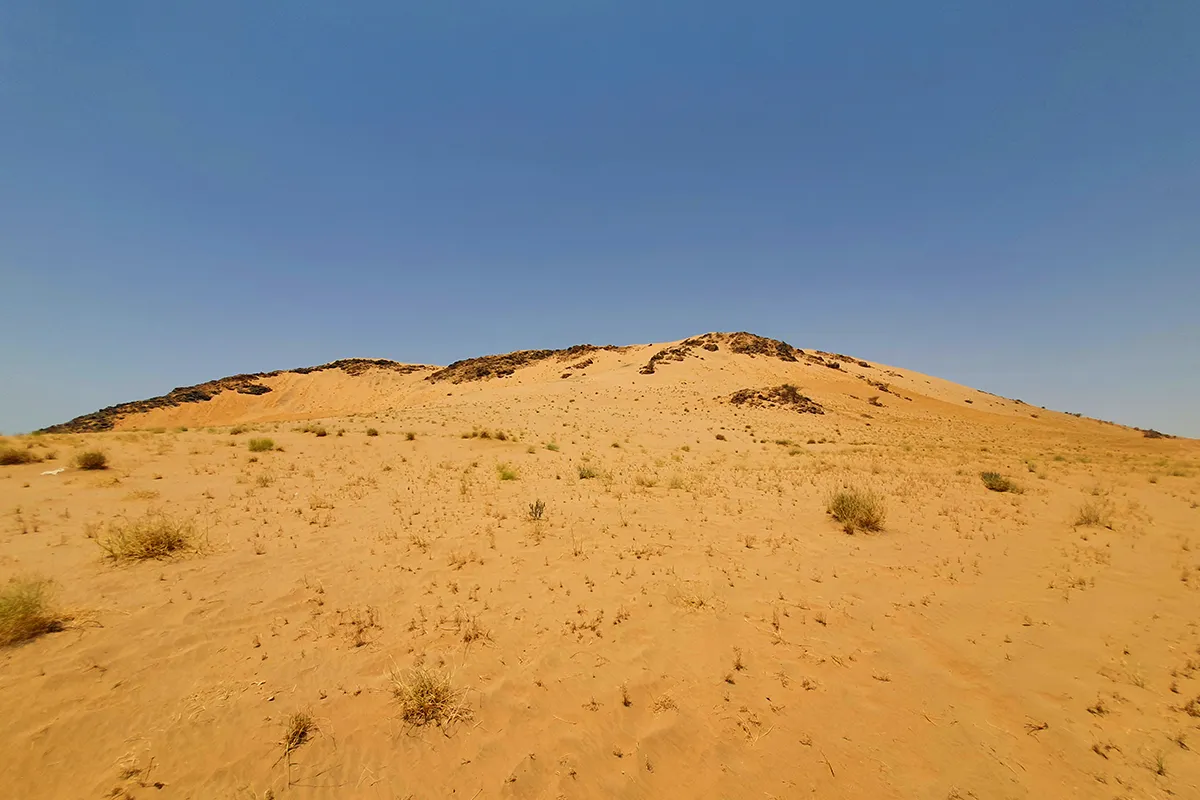
Jabal Malaikah, the Mountain of the Angels, is a sandy hill on the western side of the Badr battle site, around 757 metres in elevation. The sending of angels at Badr is established in the Qur'an, in Surah al-Anfal and Surah Al Imran. The identification of this specific hill is a traditional local naming. Visiting is not a rite of Hajj or Umrah.
Key takeaways
- ✓Angels were sent at Badr. That is in the Qur'an, in Surah al-Anfal and Surah Al Imran, and it is not a matter of opinion.
- ✓Al-Anfal describes support with a thousand of the angels following one another; Al Imran mentions three thousand and then five thousand marked.
- ✓The identification of this particular sand hill as where they descended is a traditional local naming, not something from a verse or authentic hadith.
- ✓Those are two very different claims and they get run together constantly.
- ✓The risk is not that a pilgrim stops believing in the hill. It is that they start wondering whether the angels were a later tradition too.
- ✓Say it cleanly: angels were sent at Badr, which is Qur'an; this hill is called the Mountain of the Angels, which is a local name.
- ✓The hill is on the western side of the site. Ten minutes is plenty, there is no reason to climb it, and do not take sand from it.
Quick facts
- Location
- Western side of the Badr battle site
- Published size
- Around 757 m elevation, roughly 1,964 m long
- The angels at Badr
- Established in the Qur'an. Level A
- This hill being the place
- Traditional local naming. Level B to C
- Climbing
- No reported virtue, and nothing at the top
- Taking sand or stones
- No basis for it
- Part of Umrah or Hajj
- No
- Time to allow
- About 10 minutes
- Evidence level
- A for the angels; B to C for the hill's name
Jabal Malaikah, the Mountain of the Angels, is a sandy hill on the western side of the Badr battle site. Published figures give it as around 757 metres in elevation and roughly 1,964 metres long.
The name is the point, and it needs handling carefully, so this page does two things: it tells you what the Qur'an establishes, and then it tells you honestly what the hill's name rests on.
What is established
Angels were sent at Badr. That is in the Qur'an, twice, and it is not a matter of opinion.
Surah al-Anfal describes the response to the Muslims' appeal for help: that they would be supported with a thousand of the angels, following one another.
Surah Al Imran mentions three thousand of the angels sent down, and then five thousand marked, on condition of patience and God-consciousness.
The hadith literature adds detail, including accounts of what was seen and heard on the field.
So: level A, and the strongest kind. This is not a folk claim. It is Qur'an.
What the hill's name rests on
Now the honest part.
The identification of this specific hill as the place the angels descended is traditional. It comes from later local naming and from the historical literature, not from a verse or an authentic hadith naming a hill.
That is a very different thing from the first section, and the two get run together constantly. Somebody points at a sand hill and says the angels came down there, and a pilgrim hears it as though it were in al-Anfal.
Level for the hill: B to C. A traditional identification of a real place, without early evidence naming it that we could locate.
Does the distinction matter?
Yes, and here is why.
If a pilgrim is told the angels descended on this hill, and later learns that the hill's name is a later tradition, the risk is not that they stop believing in the hill. It is that they start wondering whether the angels were a later tradition too.
They were not. They are in the Qur'an. That is exactly why it is worth keeping the two claims apart.
Say it like this: angels were sent at Badr, which is in the Qur'an; this hill is called the Mountain of the Angels, which is a local name. Both sentences are true, and nobody is misled.
Visiting
- It is on the western side of the battle site, so you will see it while you are there.
- Ten minutes is plenty. It is a sand hill.
- No climb needed. There is no reported virtue in going up, and nothing at the top.
- Do not take sand or stones. There is no basis for it.
- Read al-Anfal and Al Imran before you come, and you will have the established version in your head before anyone offers you the other one.
Is visiting part of Hajj or Umrah?
No. Not a rite of either, no prescribed prayer, and no reported reward for visiting the hill.
Related
- The battlefield — the ground the hill overlooks.
- Al-Adwa al-Dunya — the near side, named in the Qur'an.
- The Badr guide — the full day and how to plan it.
- Masjid al-Areesh — where the du'a was made.
Getting to Badr
Badr is a day trip from Madinah, not a stop you fit into a city round. There is no train and no practical public transport, so it is a car.
Our Badr day trip from Madinah runs the round as a fixed-fare tour: SAR 380 for a standard sedan, 430 for an SUV, 530 for a van and 680 for a minibus, priced per vehicle rather than per person. If your route allows it, taking Badr on the way between the two cities is better value than doubling back: Makkah to Madinah via Badr is SAR 530 sedan and 580 SUV. See the Makkah to Madinah private car page and say you want the Badr routing when you book.
Fares reviewed August 2026 and shown per vehicle. Our Beyond the Haramayn guide covers Badr alongside Taif, Tabuk, Khaybar and al-Hijr.
Accuracy note
The sending of angels at Badr is established in the Qur'an: Surah al-Anfal describes support with a thousand of the angels following one another, and Surah Al Imran mentions three thousand sent down and then five thousand marked, on condition of patience and God-consciousness. Verses are given here in meaning, not as translation, and the hadith literature adds further detail about the day. The identification of this particular sandy hill on the western side of the Badr site as the place where the angels descended is a traditional identification from later local naming and the historical literature; we could not locate a verse or authentic hadith naming a hill, and we have marked that clearly rather than running the two claims together. Published figures give the hill as around 757 m in elevation and roughly 1,964 m in length. There is no reported virtue in climbing it and no basis for taking sand or stones from it. No prescribed prayer or reported reward attaches to the hill, and visiting is not a rite of Hajj or Umrah. Transport fares are from our own published route data, reviewed August 2026, per vehicle. Content verified August 2026. If you hold an early sourced reference naming a hill at Badr, please send it to us.
Frequently asked questions
Planning a Saudi trip?
Pre-book a private car, find a stay, or ask us anything on WhatsApp.
Last updated: 5 September 2026·Sources reviewed by the Wadana Go editorial team.