Masjid al-Areesh: The Shelter Where He Asked
Short answer
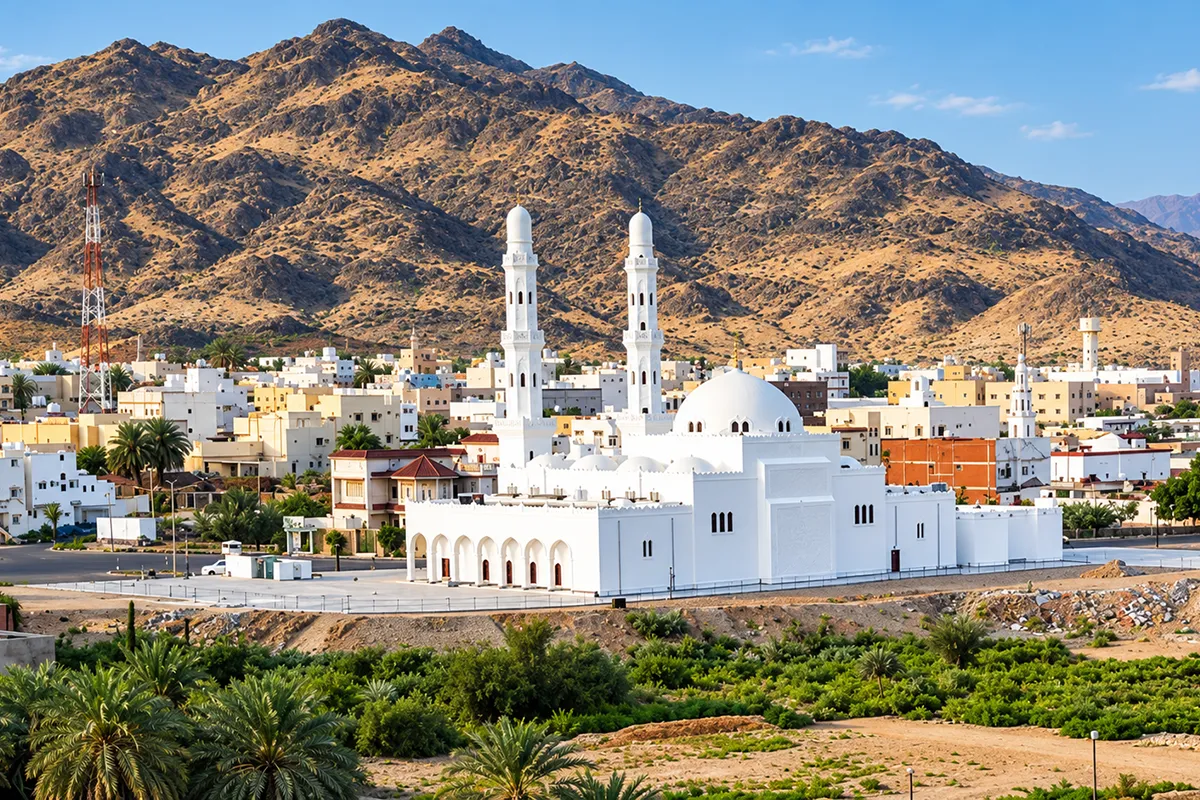
Masjid al-Areesh stands on the site of the shelter built for the Prophet ﷺ at Badr, on the proposal of Sa'd ibn Mu'adh. He spent the battle there making du'a, with Abu Bakr beside him. An arish is a rough shade structure of branches and palm fronds. Visiting is not a rite of Hajj or Umrah.
Key takeaways
- ✓An arish is a rough shelter of branches and palm fronds. One was built for the Prophet ﷺ on the field at Badr.
- ✓Sa'd ibn Mu'adh proposed it, with mounts kept ready so he could withdraw to Madinah if the day went badly.
- ✓His reasoning: the community can lose a battle, but it cannot lose him.
- ✓He spent the battle in the shelter making du'a, including the words that if this band were destroyed, Allah would not be worshipped on the earth.
- ✓He kept asking until his cloak fell from his shoulders, and Abu Bakr replaced it and told him his Lord would fulfil what He had promised.
- ✓What stands today is a mosque on the site, not the shelter, which was taken down the same week fourteen centuries ago.
- ✓It is the best stop at Badr because what you are meant to do there is exactly what he was doing.
Quick facts
- Location
- Badr, on the battle site
- Arish means
- A rough shelter of branches and palm fronds
- Proposed by
- Sa'd ibn Mu'adh
- What happened there
- The Prophet's ﷺ du'a through the battle
- Who was with him
- Abu Bakr al-Siddiq
- What stands today
- A mosque on the site, not the shelter
- Part of Umrah or Hajj
- No
- Prescribed prayer or reward
- None reported
- What to do there
- Make du'a. Ask for what you actually want
- Evidence level
- A for the du'a and the shelter; B for the exact spot
An arish is a shelter: a rough shade structure of branches and palm fronds, put up quickly. That is what was built for the Prophet ﷺ on the field at Badr, and Masjid al-Areesh stands on the site of it.
It is the most affecting stop at Badr, and it is small.
Why there was a shelter at all
The seerah records that Sa'd ibn Mu'adh, may Allah be pleased with him, proposed building it.
His reasoning was practical and hard-headed. Build a shelter for the Messenger ﷺ behind the lines with mounts ready. If the day goes well, good. If it goes badly, he can withdraw to Madinah, where there are people who love him no less than those present and who would have come out if they had known there would be fighting.
In other words: the community can lose a battle. It cannot lose him.
What happened in it
He spent the battle in that shelter making du'a.
The narrations record him asking Allah to fulfil what had been promised, and saying that if this band were destroyed, Allah would not be worshipped on the earth. He kept at it until his cloak fell from his shoulders.
Abu Bakr, may Allah be pleased with him, was with him. The accounts record him putting the cloak back and saying, in effect, enough, your Lord will give you what He promised.
Hold that picture
Outside: three hundred men against a thousand, the fight that decided whether any of this survived.
Inside: a man under a shelter of branches, asking, until his clothes fell off him, and his closest friend gently telling him it was enough.
That is the shape of the day. The men on the field did the fighting. The one man who could not be spared was doing the asking.
The mosque today
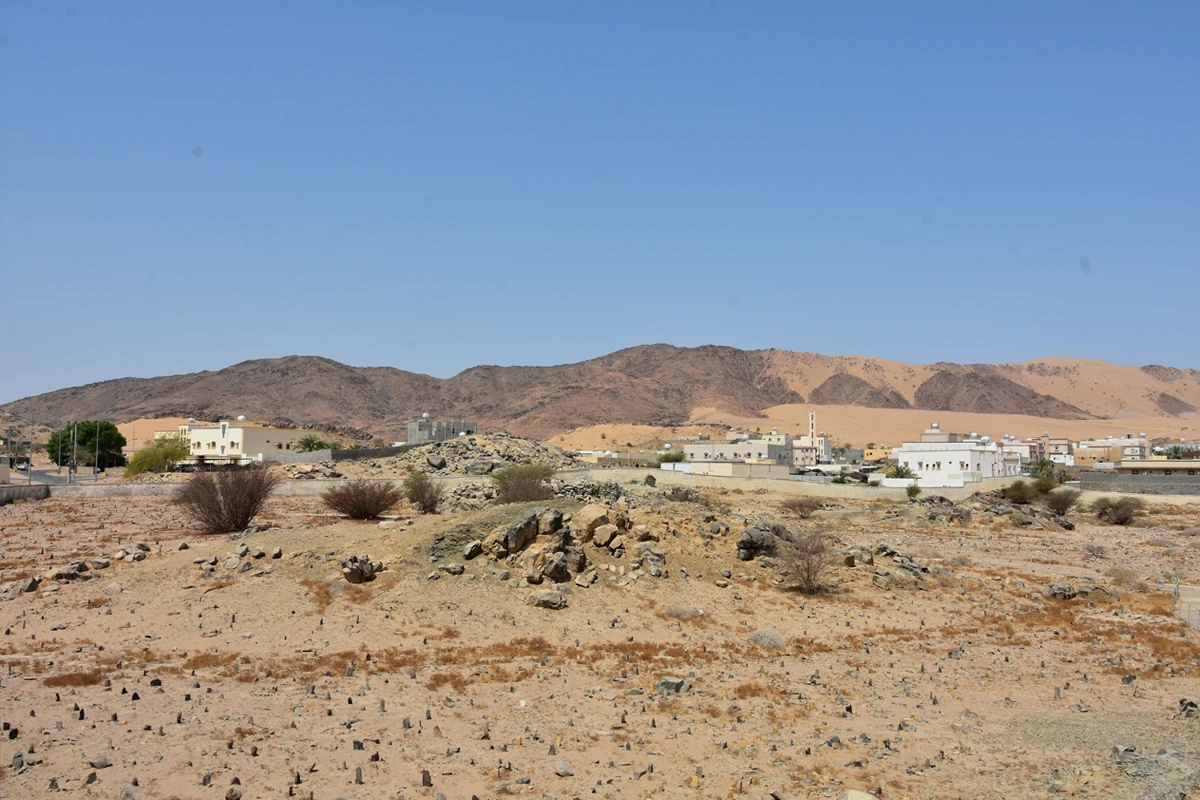
Saudipedia lists al-Arish Mosque among the components of the Badr battle site, along with the battlefield, the martyrs' cemetery and the two sides of the valley.
What stands is a mosque built on the site, not the shelter. The shelter was branches and fronds, and it was taken down the same week fourteen centuries ago.
Access, opening and the state of the building change. Check on the day rather than relying on any page.
The evidence, plainly
- The shelter, Sa'd ibn Mu'adh's proposal, the du'a and Abu Bakr's response: recorded in the hadith and seerah literature. The du'a at Badr appears in the authentic collections.
- That the mosque stands on the exact spot: historical tradition and continuous identification, level B.
- A prescribed prayer or reward for praying there: none reported.
Is visiting part of Hajj or Umrah?
No. Not a rite of either.
What to do there
Not much, and that is the point.
Stand outside it, look across the field, and make du'a. Not a formula, not something you read off a card. Ask for what you actually want, the way a person asks when there is nothing else left.
The reason this is the best stop at Badr is that it is the only one where what you are meant to do is exactly what he was doing.
Related
- The Badr guide — the full day and how to plan it.
- The battlefield — the ground the shelter overlooked.
- Badr martyrs' cemetery — the fourteen who did not come back.
- Sa'd ibn Mu'adh — the man who proposed the shelter.
Getting to Badr
Badr is a day trip from Madinah, not a stop you fit into a city round. There is no train and no practical public transport, so it is a car.
Our Badr day trip from Madinah runs the round as a fixed-fare tour: SAR 380 for a standard sedan, 430 for an SUV, 530 for a van and 680 for a minibus, priced per vehicle rather than per person. A family of four in a sedan is paying about SAR 95 each.
The better option, if your route allows it, is to take Badr on the way between the two cities rather than doubling back. Makkah to Madinah via Badr, or the reverse, is SAR 530 sedan, 580 SUV, 680 van and 1,130 minibus. See the Makkah to Madinah private car page and tell us when booking that you want the Badr routing, because the driver needs to plan for it.
Fares reviewed August 2026 and shown per vehicle. For the wider picture, our Beyond the Haramayn guide covers Badr alongside Taif, Tabuk, Khaybar and al-Hijr.
Accuracy note
The building of a shelter, an arish, for the Prophet ﷺ at Badr on the proposal of Sa'd ibn Mu'adh, with mounts kept ready so that he could withdraw to Madinah if the day went badly, is recorded in the seerah literature. His du'a during the battle, including the words that if this band were destroyed Allah would not be worshipped on the earth, and Abu Bakr replacing the cloak that had fallen from his shoulders and telling him that his Lord would fulfil what He had promised, are recorded in the hadith and seerah literature, and the du'a at Badr appears in the authentic collections. Saudipedia lists al-Arish Mosque among the components of the Badr battle site. What stands today is a mosque built on the site, not the original shelter, which was of branches and palm fronds. That the mosque stands on the exact spot is historical tradition and continuous identification, level B. No prescribed prayer or reported reward attaches to praying there, and visiting is not a rite of Hajj or Umrah. Access, opening and the state of the building change and should be checked on the day. Transport fares are from our own published route data, reviewed August 2026, and are per vehicle. Content verified August 2026. Correction? Tell us.
Frequently asked questions
Planning a Saudi trip?
Pre-book a private car, find a stay, or ask us anything on WhatsApp.
Last updated: 7 September 2026·Sources reviewed by the Wadana Go editorial team.