Masjid Fatimah al-Zahra at the Seven Mosques: One Plot, Two Names
Short answer
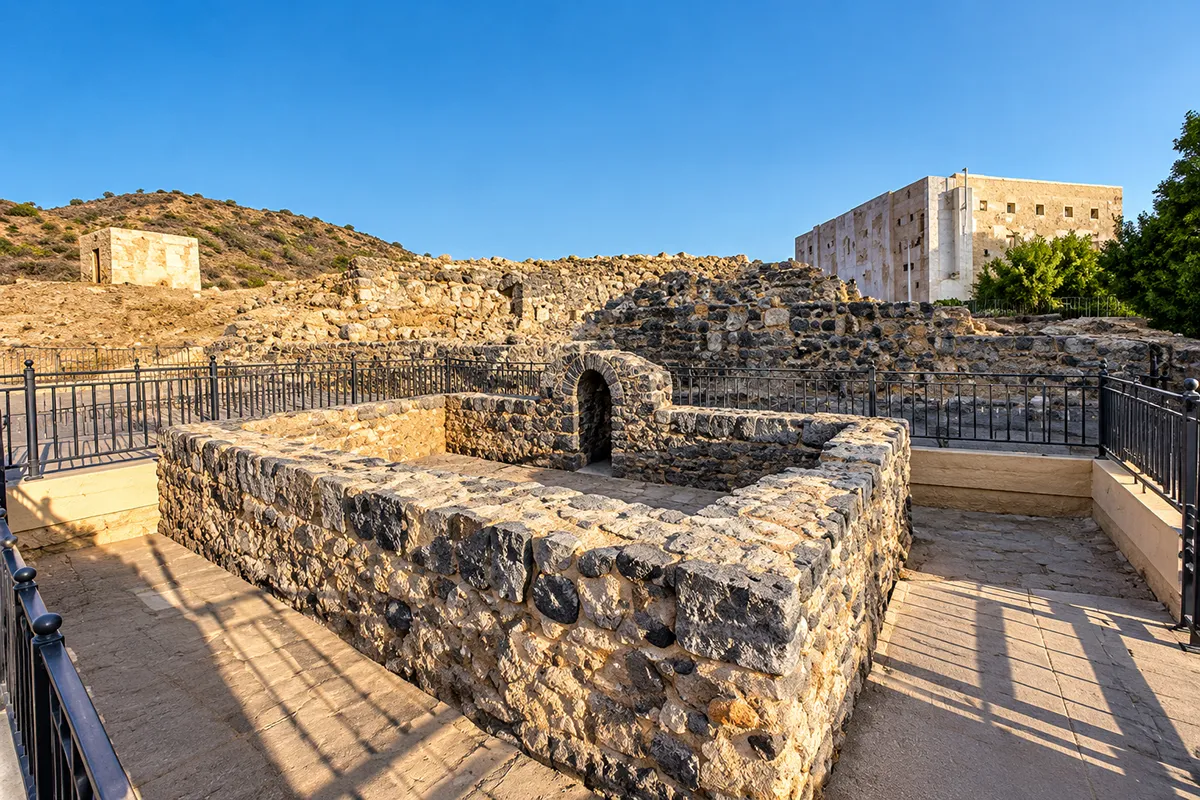
The small structure at the Battle of the Trench site in Madinah known as Masjid Fatimah al-Zahra is listed in official Madinah information as the Sa'd ibn Mu'adh Mosque. It is an unroofed rectangular plot surrounded by walls. The Sa'd association has the clearer connection to the siege. Visiting is not a rite of Hajj or Umrah.
Key takeaways
- ✓One building, two names. Official Madinah information lists it as the Sa'd ibn Mu'adh Mosque, with Fatimah al-Zahra given as an alternative.
- ✓It is an unroofed rectangular plot surrounded by walls. You do not go inside and pray; there is no roof.
- ✓Sa'd ibn Mu'adh led the Aws, was wounded by an arrow at the trench, gave the judgment on Banu Qurayzah, and died of the wound.
- ✓Sahih al-Bukhari records that the Throne of the Most Merciful shook at the death of Sa'd ibn Mu'adh.
- ✓The attribution to Fatimah al-Zahra is a later name and we have found no early basis for it. Treat it as uncertain, not as fact.
- ✓The identification of the plot with any specific position during the siege is historical tradition, level B.
- ✓No prescribed prayer, no reported reward, and no circuit of mosques to complete.
Quick facts
- City
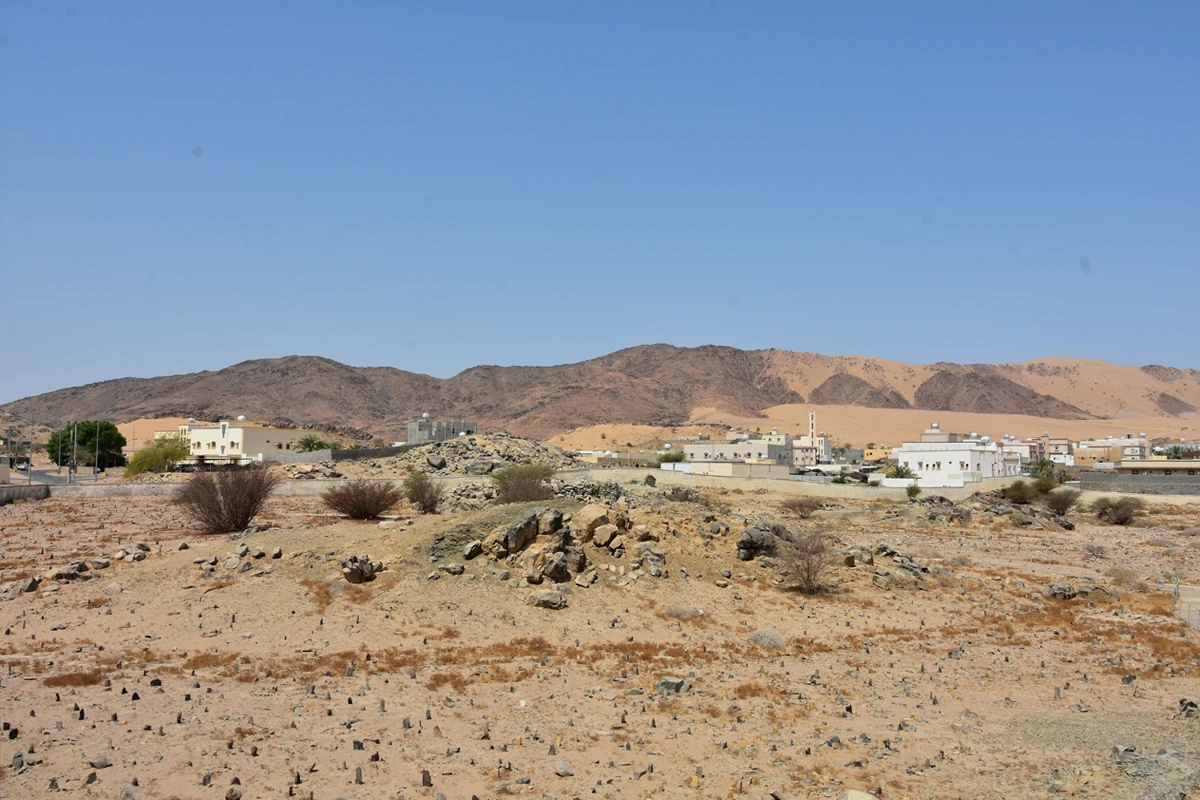
- Madinah, on the slope of Mount Sela'
- Also listed as
- The Sa'd ibn Mu'adh Mosque
- What it is
- An unroofed rectangular plot surrounded by walls
- Can you pray inside
- No roof. Most visitors pray at the modern mosque nearby
- Fatimah attribution
- A later name, no early basis found. Level C
- Part of Umrah or Hajj
- No
- Can a car reach it
- Yes, parking at the Seven Mosques site
- Time to allow
- About 5 minutes
- Evidence level
- A for the battle and Sa'd; B for the marker; C for the Fatimah name
Among the small mosques at the Battle of the Trench site in Madinah is one commonly called Masjid Fatimah al-Zahra. Official Madinah information lists the same building under a different name: the Sa'd ibn Mu'adh Mosque.
One structure, two names. That is not a mistake anyone made; it is what happens when a building is identified by tradition rather than by a record, over more than a thousand years. It is also the most useful thing to know before you go.
What is actually there
Not much, and honestly so. Official Madinah information describes it as an unroofed rectangular plot surrounded by walls.
So this is not a mosque you go inside and pray in. It is a walled area, open to the sky, on the same slope as the others in the group.
The two names
Sa'd ibn Mu'adh, may Allah be pleased with him, was the leader of the Aws and one of the central figures of the siege. He was wounded at the trench by an arrow, and later gave the judgment on Banu Qurayzah after the siege ended. He died of that wound.
The hadith about his death is striking and is in Sahih al-Bukhari: the Throne of the Most Merciful shook at the death of Sa'd ibn Mu'adh. Very few people have anything like that said about them.
Fatimah al-Zahra, may Allah be pleased with her, was the Prophet's ﷺ daughter. The attribution of this building to her is later, and we have found no early basis for it.
Given a choice between the two, the Sa'd ibn Mu'adh association is the one with a clear connection to what happened on this ground. Both names are used locally, so expect to hear either.
The evidence, plainly
- The Battle of the Trench: established, in the Qur'an and the hadith literature.
- Sa'd ibn Mu'adh being wounded at the trench and dying of it: established in the hadith literature.
- That this walled plot marks a specific position: historical tradition, level B.
- The Fatimah al-Zahra attribution: a later name, with no early basis we can point to. Level C. Do not repeat it as fact.
There is no prescribed prayer here, no reported reward for visiting, and no basis for treating the group of mosques as a circuit to complete.
Worth knowing about Sa'd
Sa'd ibn Mu'adh accepted Islam early in Madinah, and his tribe followed him more or less in one movement. He was at Badr and at Uhud. He took the arrow at the trench that eventually killed him.
He was buried at Jannat al-Baqi, like most of the Companions who died in Madinah.
If you take one thing from this small walled plot, make it him.
Is visiting part of Hajj or Umrah?
No. Not a rite of either, and no prayer is prescribed there.
Visiting
- Five minutes. It is a walled plot with no roof.
- Ask which name your guide is using, so you are not looking for two separate places.
- Do not expect to pray inside. The larger modern mosque nearby is where people pray.
- Take the view outward rather than the building. The ground is the point at this site.
Related
- The Seven Mosques — the group, and why there are not seven.
- Masjid al-Fath — the largest of the cluster.
- The Battle of the Trench — what happened on this ground.
- Mount Sela' — the ridge above, named in Bukhari.
- Madinah Ziyarat guide — every site with its evidence stated.
Getting there
The cluster is a short drive northwest of Masjid an-Nabawi, with parking on site. It is one quick stop, not a destination in itself, and it works best bundled with Quba, Qiblatayn and Uhud.
Our Madinah Ziyarat private car covers the whole round on one fixed fare for the vehicle, with the driver waiting at each stop. The Madinah Ziyarat tour is the guided version.
Accuracy note
The description of this structure as an unroofed rectangular plot surrounded by walls, and its listing as the Sa'd ibn Mu'adh Mosque with Fatimah al-Zahra given as an alternative name, follow the official Madinah destination information. Sa'd ibn Mu'adh's wounding at the trench, his judgment concerning Banu Qurayzah and his death from the wound are established in the hadith literature, and the report that the Throne of the Most Merciful shook at his death is in Sahih al-Bukhari. The Battle of the Trench is established in the Qur'an and the hadith literature. The identification of this plot with a specific position during the siege is historical tradition, and the attribution to Fatimah al-Zahra is a later name for which we have found no early basis; we have marked it as uncertain rather than repeating it as fact. No prescribed prayer or reward for visiting is authentically reported, and there is no basis for treating the group as a circuit. Visiting is not a rite of Hajj or Umrah. Content verified August 2026. Something wrong? Tell us.
Frequently asked questions
Planning a Saudi trip?
Pre-book a private car, find a stay, or ask us anything on WhatsApp.
Last updated: 24 September 2026·Sources reviewed by the Wadana Go editorial team.