Masjid al-Fath: The Mosque Above the Trench
Short answer
Masjid al-Fath, also called Masjid al-Ahzab, stands on raised ground on the slope of Mount Sela' at the Battle of the Trench site in Madinah. The historic building measures roughly 8.5 by 3.5 metres. It was first built under Umar ibn Abd al-Aziz as governor and rebuilt in 1851. Visiting is not a rite of Hajj or Umrah.
Key takeaways
- ✓Al-Fath means victory. The mosque is also called Masjid al-Ahzab after the confederate armies that besieged Madinah in year five.
- ✓The claim that it is named for the revelation of Surah al-Fath is doubtful. That surah is generally connected with the return from al-Hudaybiyah a year later.
- ✓The Battle of the Trench is established. That this exact spot was the Prophet's ﷺ position is historical tradition, not a hadith-fixed fact.
- ✓A report from Jabir in Musnad Ahmad describes supplication over three days, with the answer on Wednesday between Zuhr and Asr. Scholars differ on its strength.
- ✓The Wednesday du'a custom that grew from that report is not obligatory and is not guaranteed. Your du'a is heard wherever you make it.
- ✓The building dates from an Ottoman rebuilding in 1851, on a site first built under Umar ibn Abd al-Aziz as governor of Madinah.
- ✓No authentic report gives a special reward for praying here, unlike Masjid Quba. Ten to fifteen minutes is a full visit.
Quick facts
- City
- Madinah, on the slope of Mount Sela'
- Also called
- Masjid al-Ahzab
- Size
- The historic building is about 8.5 m by 3.5 m
- First built
- Under Umar ibn Abd al-Aziz as governor, 87 to 93 AH
- Current building
- Ottoman rebuilding of 1851
- Special reward for praying
- None authentically reported
- Part of Umrah or Hajj
- No
- Can a car reach it
- Yes, with parking at the site
- Time to allow
- 10 to 15 minutes
- Evidence level
- A for the battle; B for this being the exact position
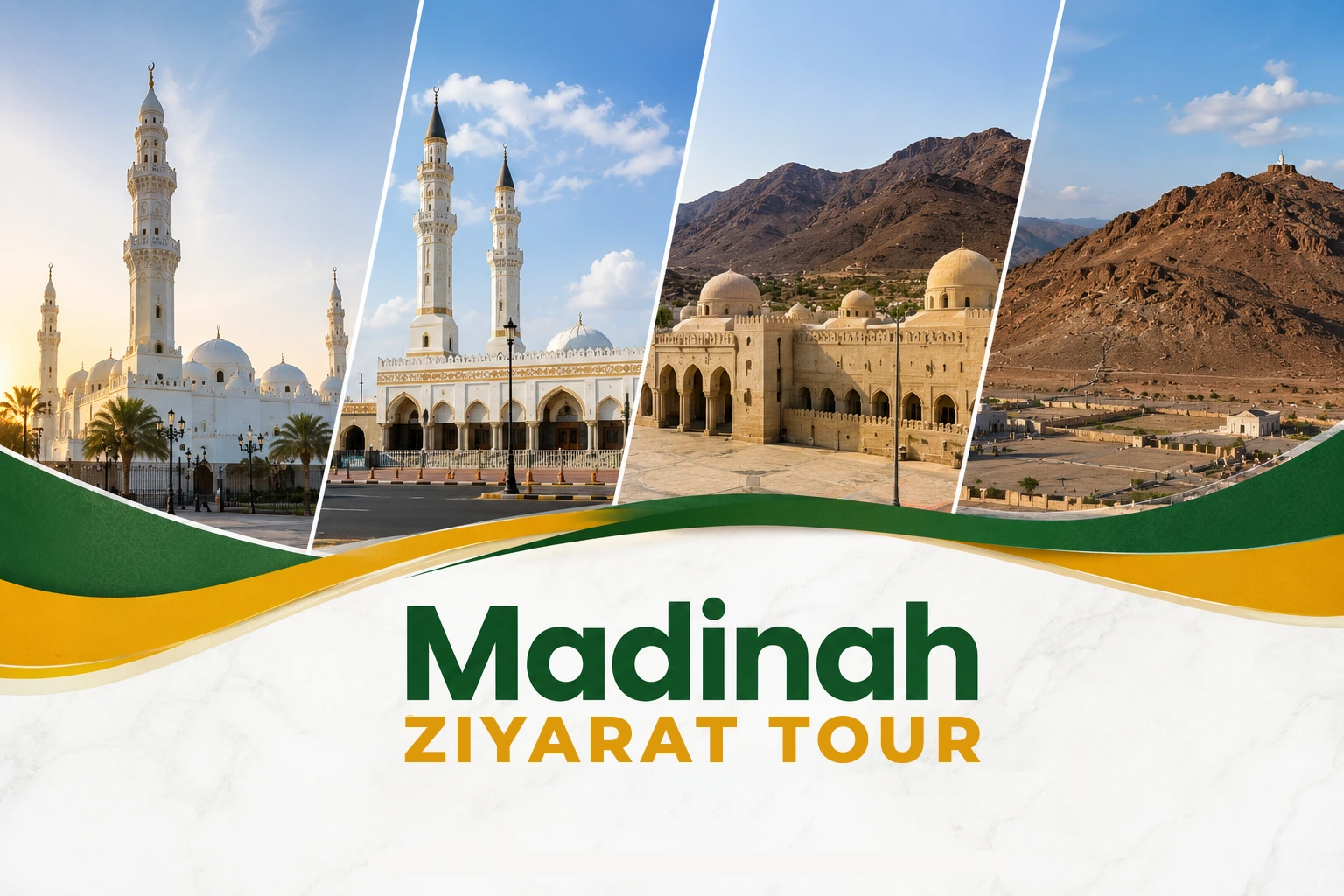
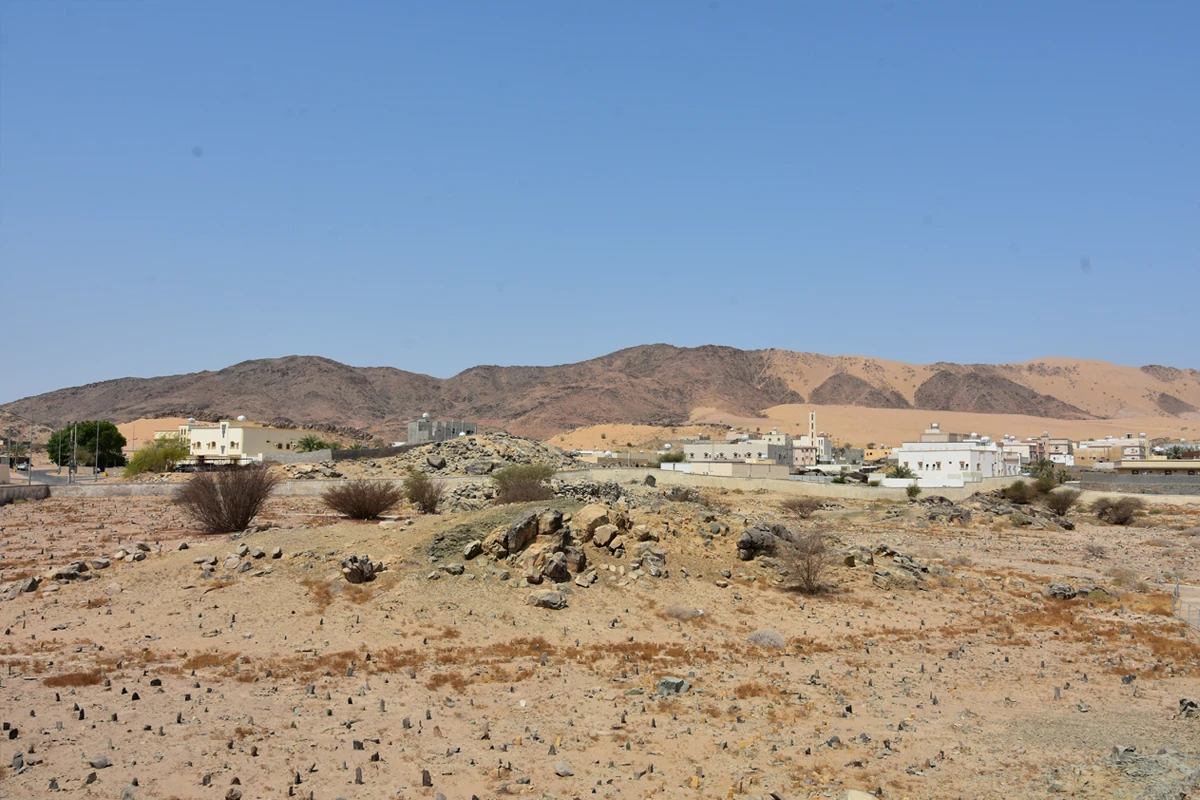
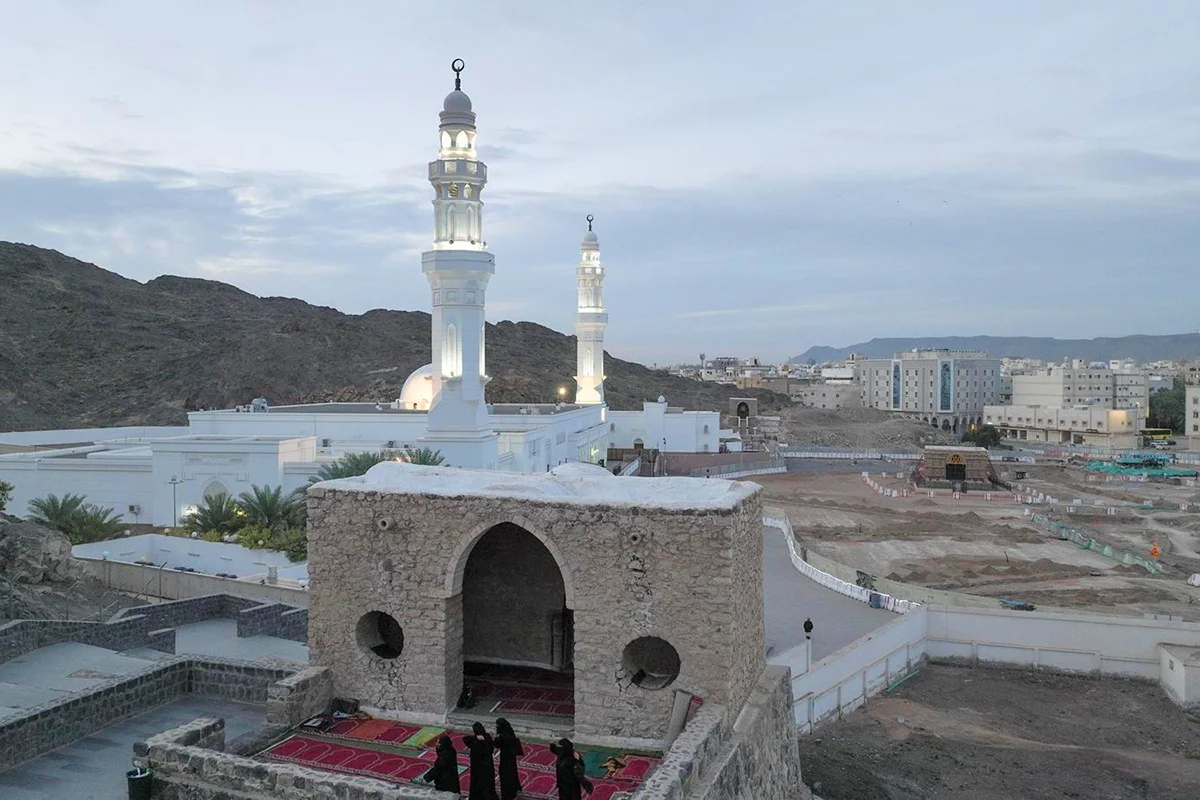
Masjid al-Fath is the largest and most visited of the small mosques on the slope of Mount Sela', at the site of the Battle of the Trench. Largest is a relative word here: the historic building measures roughly 8.5 metres by 3.5 metres.
It stands on raised ground, which is why it is the one you can see from the road, and why almost every Madinah Ziyarat itinerary stops here rather than at the others.
The name
Al-Fath means victory. The mosque is also called Masjid al-Ahzab, after the confederate armies that besieged Madinah in the fifth year after the Hijrah.
You will read that it is named after the revelation of Surah al-Fath. Be careful with that. Surah al-Fath is generally connected by the commentators with the return from al-Hudaybiyah in the sixth year, not with the Trench in the fifth. The two events are a year apart and in different places.
The simplest honest reading is that the name records the victory that ended the siege. We are not going to repeat the surah claim as settled when the standard position on that surah points elsewhere.
Why this spot
The traditional account is that the Prophet's ﷺ tent was pitched here during the siege, and that he prayed and made du'a from this raised ground while the confederates were camped on the plain below.
Stand outside it and you can see why the position makes sense. It is high enough to look out over the whole northern approach, with the mountain at your back. Whatever else is uncertain, the ground is well chosen.
Evidence level: the Battle of the Trench is established, in the Qur'an and in the hadith literature. The identification of this particular spot with the Prophet's ﷺ position is historical tradition, carried in the later literature and by continuous use. It is not fixed by an authentic hadith.
The report about three days of du'a
There is a report, narrated from Jabir ibn Abdullah and recorded in Musnad Ahmad, that the Prophet ﷺ supplicated against the confederates at this mosque on a Monday, a Tuesday and a Wednesday, and that the answer came between Zuhr and Asr on the Wednesday. Jabir is reported to have said that he never afterwards faced a serious difficulty without choosing that time to make du'a.
Scholars differ on the strength of this report. It is not in Bukhari or Muslim, and its grading is discussed.
Out of it has grown a custom of visitors coming here specifically on Wednesday afternoon to make du'a for a particular need. We are not going to tell you that is forbidden, and we are certainly not going to tell you it is guaranteed. What we will say plainly is this: nothing obliges you to do it, your du'a is heard wherever you make it, and a claim built on a report of disputed strength should never be presented to you as if it were in Bukhari.
The building itself
The mosque was first built when Umar ibn Abd al-Aziz was governor of Madinah, in the years 87 to 93 after the Hijrah, roughly 705 to 711 CE. It was rebuilt in 1179 CE, and rebuilt again under the Ottoman Sultan Abdulmejid I in 1851.
So what you are looking at is a nineteenth-century building on a site used since the early Umayyad period. It is plain, whitewashed, with a small dome and a short minaret, and it is much smaller than photographs suggest.
Is praying here part of Hajj or Umrah?
No. It is not a rite of either, and there is no authentic report of a specific reward for praying in this mosque, of the kind that exists for Masjid Quba.
You may pray two rak'ahs in it as you would in any mosque. That is not the same as a prescribed act.
Visiting
- Ten to fifteen minutes. It is a very small building on a compact site.
- Access varies. The historic mosque is not always open, and development around the site has changed the arrangements more than once. The larger modern mosque nearby is where most people actually pray.
- Look outward, not just inward. The view over the ground where the trench ran is the most useful thing here.
- Expect sellers in the surrounding area.
- Combine it with Mount Sela' and the rest of the cluster. They are the same stop.
Related
- The Seven Mosques — the group this belongs to, and why there are not seven.
- The Battle of the Trench — what happened on the ground below.
- Mount Sela' — the ridge behind, named in Bukhari.
- Madinah Ziyarat guide — every site, with its evidence stated.
Getting there
A short drive northwest of Masjid an-Nabawi, with parking at the site. It is a standard, quick stop on the Madinah round and not worth a dedicated trip.
Our Madinah Ziyarat private car covers this cluster along with Quba, Qiblatayn and Uhud on one fixed fare for the vehicle, with the driver waiting at each stop. The Madinah Ziyarat tour is the guided version.
Accuracy note
The Battle of the Trench is established in the Qur'an, in Surah al-Ahzab, and in the hadith literature. The identification of this spot with the Prophet's ﷺ position during the siege is historical tradition rather than a hadith-fixed fact. The construction under Umar ibn Abd al-Aziz as governor of Madinah in 87 to 93 AH, the rebuilding in 1179 CE and the Ottoman rebuilding under Sultan Abdulmejid I in 1851, and the dimensions of about 8.5 m by 3.5 m, follow Saudi official and published heritage sources. The report of supplication over three days narrated from Jabir ibn Abdullah is in Musnad Ahmad; it is not in Bukhari or Muslim and scholars differ on its strength, so we have not built a practice on it. We know of no authentic report of a specific reward for praying in this mosque. Visiting is not a rite of Hajj or Umrah. Access to the historic building changes with development at the site. Content verified August 2026. Correction? Tell us.
Frequently asked questions
Planning a Saudi trip?
Pre-book a private car, find a stay, or ask us anything on WhatsApp.
Last updated: 24 September 2026·Sources reviewed by the Wadana Go editorial team.