The Pledges of Aqaba: The Two Nights That Made the Hijrah Possible
Short answer
The Pledges of Aqaba were two secret meetings at Aqaba in Mina, in the years just before the Hijrah, between the Prophet Muhammad and men from Yathrib. In the first, a small group pledged to worship Allah alone and to avoid specified sins. In the second, a much larger group added a commitment to protect him, which opened the way for the migration to Madinah.
Key takeaways
- ✓The pledges were given at Aqaba, on the Makkah edge of Mina, during the pilgrimage season.
- ✓The first pledge was made by a small group and covered belief and conduct, not fighting.
- ✓Its terms are recorded in Sahih al-Bukhari from Ubadah ibn al-Samit.
- ✓Mus'ab ibn Umayr was sent back to Yathrib to teach, and the community there grew.
- ✓The second pledge, a year later, involved a far larger group including women.
- ✓The second pledge added a commitment to protect the Prophet, and the Hijrah followed.
- ✓Masjid al-Bay'ah, built in 761, stands on the site connected with the meetings.
Quick facts
- Where
- Aqaba, on the Makkah edge of Mina
- When
- The last pilgrimage seasons before the Hijrah
- First pledge
- A small group from Yathrib
- Second pledge
- A much larger group, including two women
- Recorded in
- Sahih al-Bukhari, from Ubadah ibn al-Samit
- What marks the site
- Masjid al-Bay'ah, built in 761
- What followed
- The Hijrah to Madinah
- Part of Umrah?
- No. This is history, not a rite.
Why the meetings happened at Mina
By the last years in Makkah the Prophet's position was bad. Abu Talib was dead and the protection that came with him was gone. Taif had refused him. He had spent years offering his message to tribes who came to Makkah for the pilgrimage, and been turned down by nearly all of them.
The pilgrimage season was the one time of year when men from every part of Arabia were within walking distance. That is why these meetings took place at Mina, and at night, at a defile called Aqaba on the Makkah edge of the valley.
Yathrib, the town that became Madinah, was a special case. It was divided by a long feud between two Arab tribes, Aws and Khazraj, and it had a substantial Jewish population, so the idea of a prophet was not strange there. Men from Yathrib listened when others had not.
The first pledge
A small group from Yathrib met the Prophet at Aqaba and gave him their commitment.
The terms are recorded in Sahih al-Bukhari, narrated by Ubadah ibn al-Samit, who was there. They pledged:
- not to associate anything with Allah in worship;
- not to steal;
- not to commit unlawful sexual relations;
- not to kill their children;
- not to bring a slander they had invented;
- and not to disobey in what is right.
The narration adds what was promised in return: whoever fulfilled it, his reward was with Allah; whoever fell into any of these and was punished for it in this world, that was expiation; and whoever fell into any of them and Allah covered it, the matter was left to Allah.
Notice what is not in that list. There is no commitment to fight. This was an agreement about belief and conduct.
The year in between
The most consequential thing about the first pledge is what the Prophet did afterwards, and it was not dramatic.
He sent a man back with them: Mus'ab ibn Umayr, to recite the Qur'an, to teach, and to lead prayer.
Mus'ab was young and had come from one of the wealthiest families in Makkah before Islam cost him all of it. He went to a town that was not his own, with no tribe behind him and no authority, and taught.
Within a year the number of Muslims in Yathrib had grown enormously, including men from the leadership of both tribes. When the delegation came back the following pilgrimage season, it was many times the size of the first.
The Hijrah is usually told as a journey. The groundwork for it was a teacher sent ahead, twelve months early.
The second pledge
The next year a much larger group came, over seventy men along with two women, and the meeting was arranged in secret at the same place, at night, in the middle of the pilgrimage.
The secrecy was not theatre. If Quraysh had learned that men from another town were committing themselves to protect the Prophet, the consequences for both sides would have been immediate.
This pledge went further than the first. Alongside the commitments of belief and conduct, it added the undertaking to protect the Prophet as they would protect their own families.
The accounts record that the cost was set out to them plainly before they agreed, and that they understood it meant war with the whole of Arabia. They gave the pledge anyway. Representatives, the nuqaba, were appointed from among them to be responsible for their groups.
What it produced
Everything after this point in the seerah runs through those two nights.
The Muslims of Makkah began leaving for Yathrib in small groups. The Prophet stayed until last, and then made the journey himself, sheltering three nights in Ghar Thawr on the way.
The people of Yathrib who had given that pledge became known as the Ansar, the helpers. The town became Madinah. Within ten years the men who had promised protection at a defile in Mina had seen the state they protected reach across Arabia.
It is also the reason the Prophet's words to the Ansar at al-Ji'ranah, years later, carried the weight they did. When he asked whether they were not content to go home with him while others went home with camels, he was speaking to the people who had made that promise.
Where it happened, and how sure we are
The pledges are established. The terms are in Bukhari and the events are among the best documented of the late Makkan period.
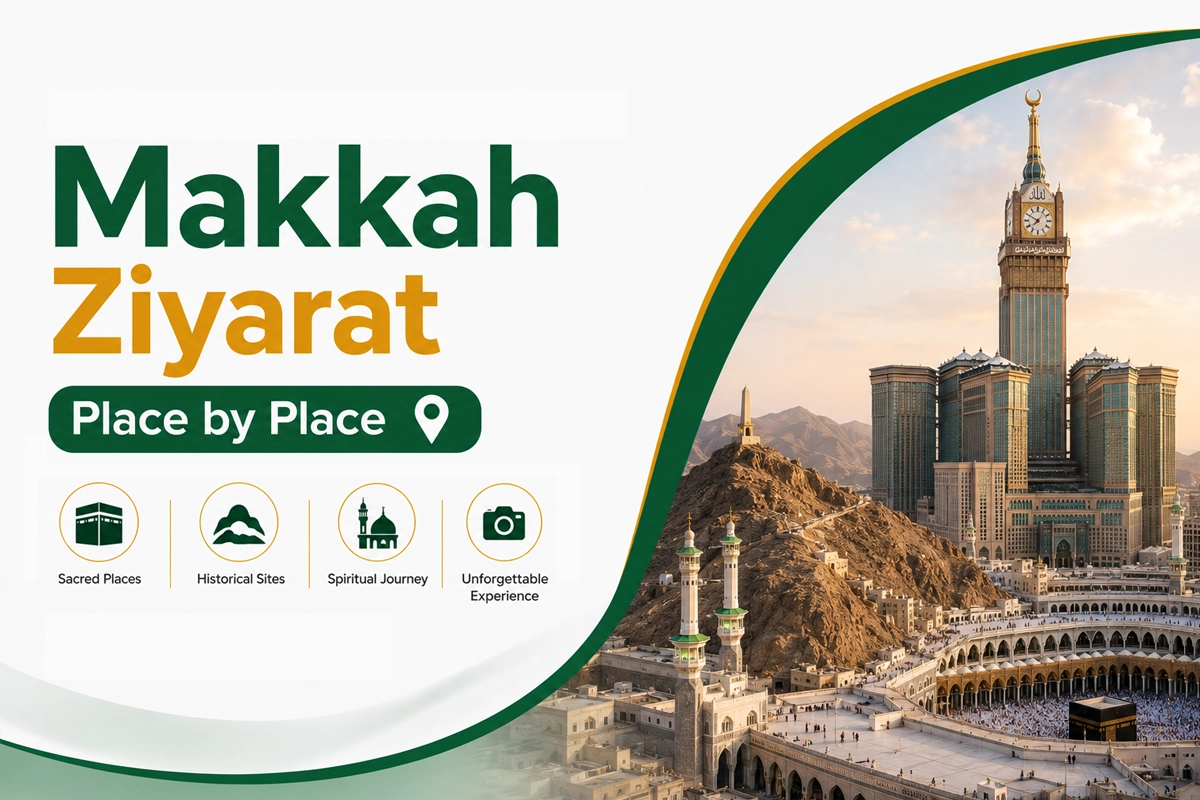
The location is a site tradition. Masjid al-Bay'ah, built by the Abbasid caliph Abu Ja'far al-Mansur in 761, stands on the spot understood in the eighth century to be where the meetings took place, near Jamrat al-Aqabah.
A mosque built roughly a hundred and forty years after the events, in a place people visited every year, is a good tradition. It is not the same class of evidence as the pledge itself, and we would rather you knew the difference than assumed there was none.
Visiting the site
There is no rite here and nothing prescribed. This is a place to stand for a few minutes and think about what was agreed on that ground.
- Ask for Masjid al-Bay'ah or Masjid al-Aqaba. It is near Jamrat al-Aqabah and easy to miss.
- Go outside the Hajj season. During Hajj this is the most crowded ground in the pilgrimage.
- A few minutes is enough. There is no exhibition and nothing marked.
Mina, Muzdalifah and Arafat sit one after another on the road out of Makkah, so this fits into one leg of a Makkah Ziyarat round, from SAR 200 per vehicle with waiting at each stop. If you are travelling on to Madinah afterwards, our Makkah to Madinah transport guide covers the road and the train. Fares reviewed August 2026.
Accuracy note
The terms of the pledge, including the undertakings not to associate anything with Allah, not to steal, not to commit unlawful sexual relations, not to kill children, not to bring invented slander and not to disobey in what is right, together with what was promised in return, are recorded in Sahih al-Bukhari on the authority of Ubadah ibn al-Samit, who was present. This is established evidence.
The two pledges taking place at Aqaba in Mina during the pilgrimage seasons before the Hijrah, the sending of Mus'ab ibn Umayr to Yathrib to teach in the year between them, the far larger delegation at the second pledge including women, the added commitment to protect the Prophet and the appointment of representatives are recorded in the standard early biographies of the Prophet. That is reliable historical material.
Figures given in the sources for the number of people at each pledge vary, and we have described the groups as small and much larger rather than fixing on a count.
That Masjid al-Bay'ah was built by the Abbasid caliph Abu Ja'far al-Mansur in 761 comes from Saudipedia. The identification of the exact spot rests on that tradition rather than on a text, and we have said so. Fares are our own published rates, reviewed August 2026. Verified August 2026.
Frequently asked questions
Planning a Saudi trip?
Pre-book a private car, find a stay, or ask us anything on WhatsApp.
Last updated: 12 October 2026·Sources reviewed by the Wadana Go editorial team.