Atban ibn Malik: The Man Who Asked for a Prayer Place at Home
Short answer
Atban ibn Malik was a Companion of the Ansar whose eyesight was failing and who could not cross the flooded valley to his people's mosque. Sahih al-Bukhari records that he asked the Prophet ﷺ to pray in his house so he could take that spot as a place of prayer, and that he came with Abu Bakr and asked Atban where he would like him to pray.
Key takeaways
- ✓Atban ibn Malik was an Ansari Companion who had been at Badr and who led prayer for his people.
- ✓His eyesight was failing, and when it rained the valley between his house and the mosque filled with water and he could not cross.
- ✓He asked the Prophet ﷺ to come and pray in his house so that he could take that place as a musalla.
- ✓Sahih al-Bukhari records that he came with Abu Bakr, asked permission to enter, and then asked Atban where he would like him to pray.
- ✓He did not send a message or a ruling. He walked to the man's house, and then asked the householder to choose the spot.
- ✓The hadith is a standard reference in the discussion of praying at home when the excuse is genuine, precisely because the excuse is so ordinary.
- ✓Saudipedia lists the mosque among those whose location is known. There is nothing standing to visit, and it does not matter.
Quick facts
- City
- Madinah
- Status
- Location known; no standing building to visit
- Who
- Atban ibn Malik, an Ansari Companion present at Badr
- The difficulty
- Failing eyesight and a valley that flooded
- Recorded in
- Sahih al-Bukhari, in several places
- Cited for
- Praying at home with a genuine excuse; a musalla in the house
- Part of Umrah or Hajj
- No
- Special prayer or reward
- None authentically reported
- Evidence level
- A. Sahih al-Bukhari
Of all the small sites on the Madinah list, this one has the warmest story attached, and it is level A.
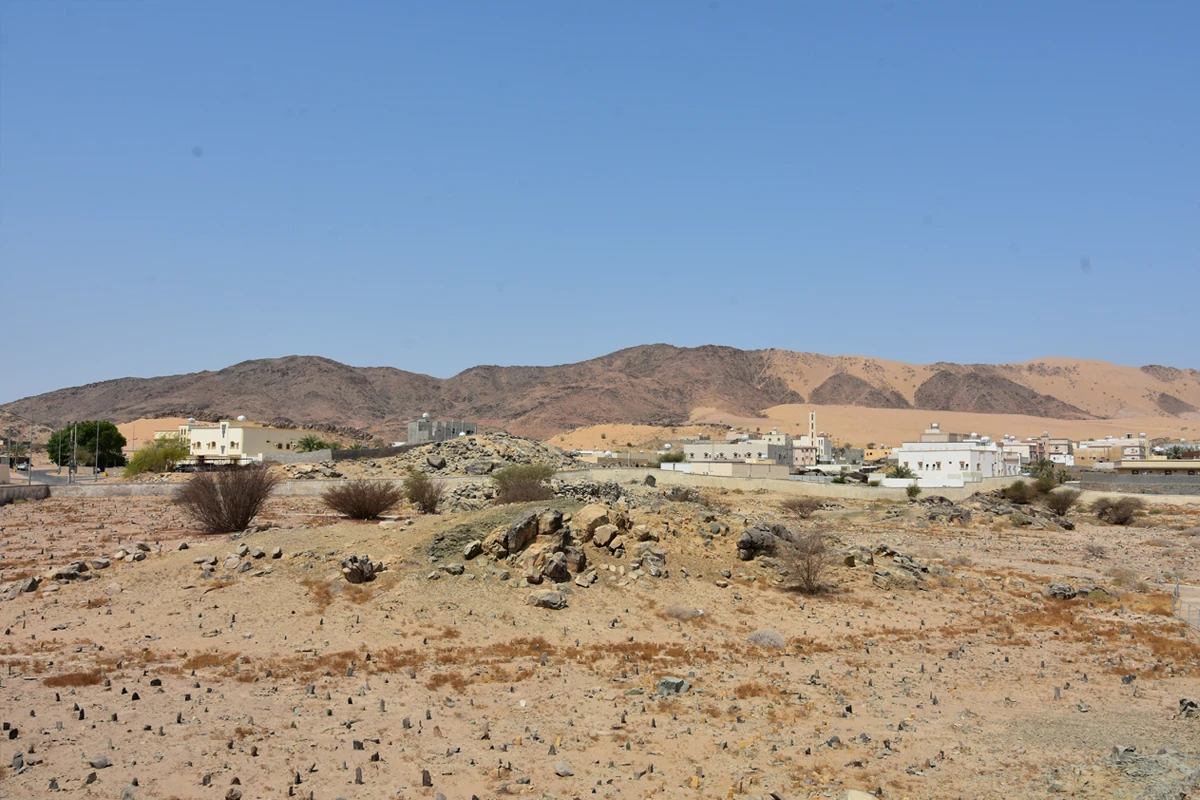
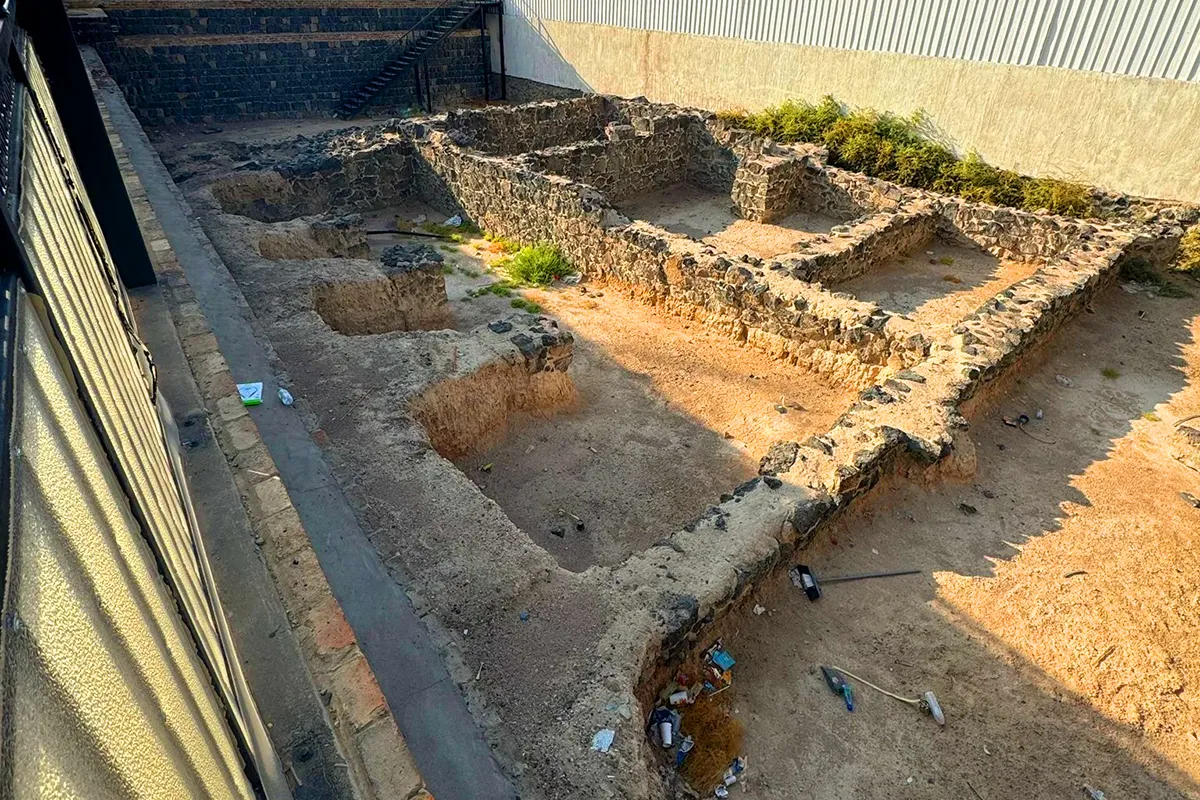
Saudipedia lists Atban ibn Malik Mosque among the mosques in Madinah where the Prophet ﷺ prayed whose location is known rather than among those still standing. So there is nothing to go and see. The reason to know about it is the hadith.
A man who could not get to the mosque
Atban ibn Malik, may Allah be pleased with him, was a Companion of the Ansar who had been at Badr. He led the prayer for his people.
His eyesight was failing. And when it rained, the valley between his house and his people's mosque filled with water, and he could not cross it.
So he sent word to the Prophet ﷺ, asking him to come to his house and pray in it, so that he could take that spot as a place of prayer.
The report, in Sahih al-Bukhari, says that the next day, after the sun had risen high, the Prophet ﷺ came with Abu Bakr, may Allah be pleased with him. He asked permission to enter, and then he asked Atban where in the house he would like him to pray.
Atban pointed to a place. The Prophet ﷺ prayed there.
Why this is worth more than most Ziyarat stops
Consider what is in it.
An elderly man with failing sight has a practical problem: a flooded wadi between him and the mosque. He does not ask to be excused from prayer. He asks for a solution, and the solution he asks for is a prayer space of his own.
And the Prophet ﷺ does not send a message, or a ruling, or a delegate. He walks to the man's house. Then, standing inside it, he asks the householder where he would like him to pray.
He could have chosen a spot himself. He asked. In a house he was doing a favour by entering.
The other reason scholars cite it
This hadith is one of the standard references in the discussion of praying at home when an excuse is genuine, and of setting aside a place in a house for prayer.
It is used in the books of fiqh precisely because the excuse in it is concrete and modest: bad eyesight, and a wadi that floods. Not an emergency. Just a real, ordinary difficulty.
The evidence, plainly
- The whole account: level A, in Sahih al-Bukhari, and reported in several places in the collection.
- The location of the house and mosque: known to the Madinah historians and listed by Saudipedia among the seven whose location is known.
- A standing building to visit: no.
- A reward for praying at the site: none reported.
Is visiting part of Hajj or Umrah?
No. Not a rite of either.
Honest verdict
Nothing to visit, and it does not matter.
If you are travelling with an elderly parent who is finding the walk to the Haram hard, or worrying that they are missing congregation, this hadith is worth more to them than any site in the city. Tell it to them. It is about exactly their situation, and the answer in it is kind.
Related
- The seven mosques you cannot visit — what "known location" means.
- Wheelchair and accessibility in the Haramayn — practical help for exactly this situation.
- Masjid an-Nabawi — and how to manage the distances.
- How far from the Haram is too far — worth reading before you book a hotel.
Getting there
Madinah's smaller historic sites are scattered, and reaching them one taxi at a time turns a short list into a whole morning. Our Madinah Ziyarat private car covers the round on one fixed fare for the whole vehicle with the driver waiting at every stop, and the Madinah Ziyarat tour is the guided version. For arrival, the Madinah airport transfer has fixed fares.
Accuracy note
The account of Atban ibn Malik, his failing eyesight, the valley that flooded between his house and his people's mosque, his request that the Prophet ﷺ come and pray in his house so he could take that place as a musalla, the Prophet ﷺ arriving with Abu Bakr after the sun had risen high, asking permission to enter, and asking Atban where he would like him to pray, is recorded in Sahih al-Bukhari and appears in several places in that collection. Saudipedia lists Atban ibn Malik Mosque among the mosques in Madinah where the Prophet ﷺ prayed whose location is known rather than among the eighteen still standing; there is no standing building to visit and we could not confirm any marked site or access. The hadith is a standard reference in the discussion of praying at home with a genuine excuse and of setting aside a place for prayer in a house. No reward for praying at the site is authentically reported, and visiting is not a rite of Hajj or Umrah. Content verified August 2026. Something to add? Tell us.
Frequently asked questions
Planning a Saudi trip?
Pre-book a private car, find a stay, or ask us anything on WhatsApp.
Last updated: 16 September 2026·Sources reviewed by the Wadana Go editorial team.