Masjid Salman al-Farsi: The Small Mosque, and the Man
Short answer
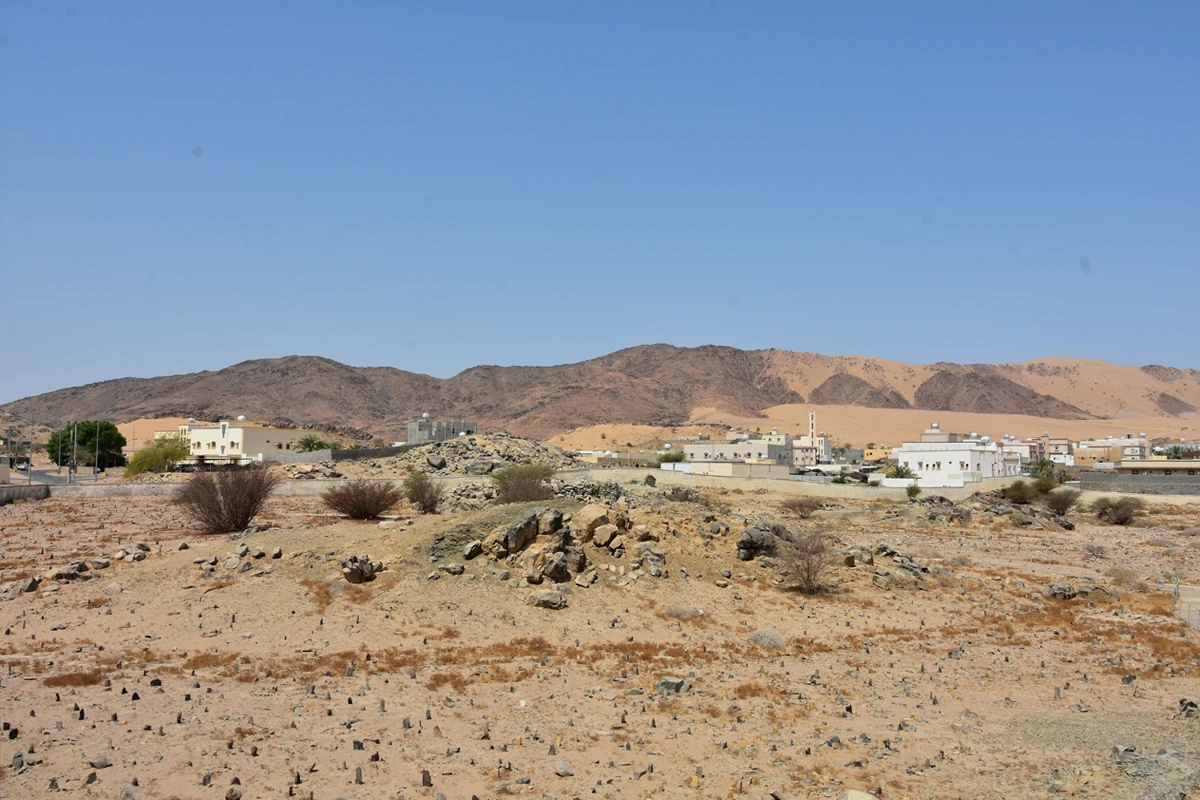
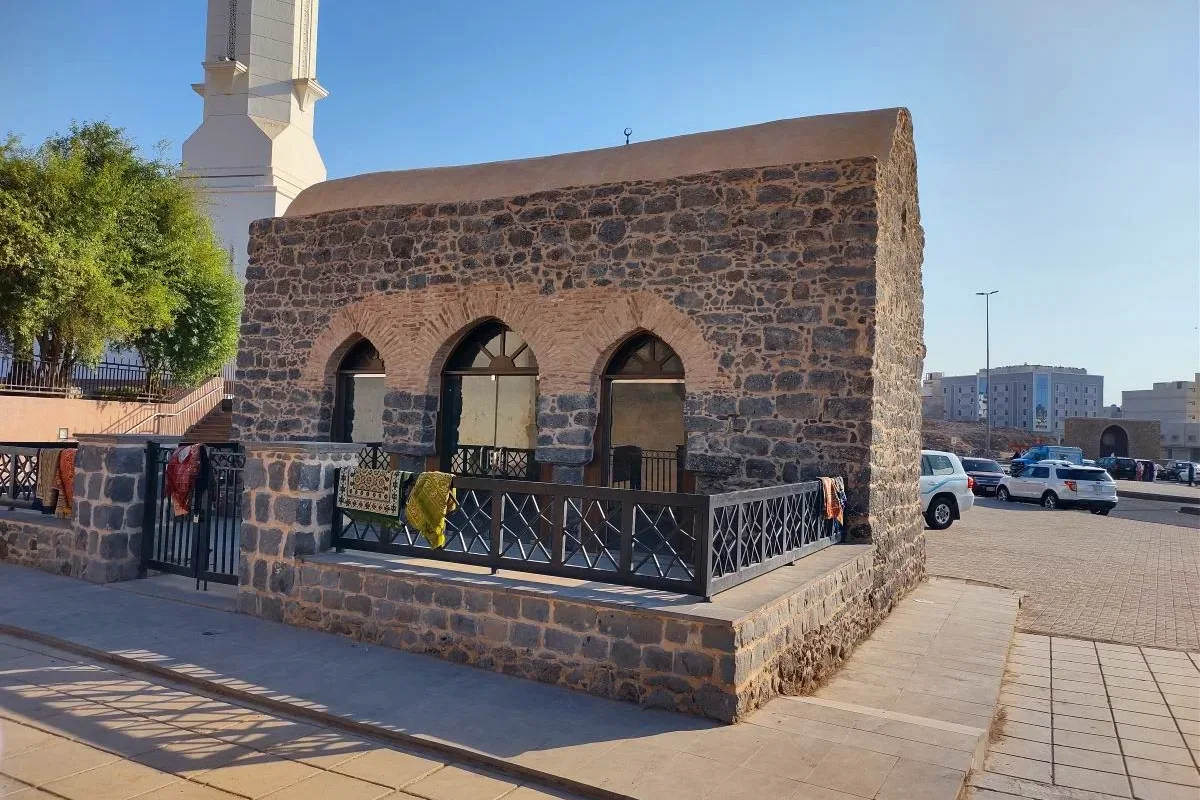
Masjid Salman al-Farsi is a small historic mosque near the base of Mount Sela' in Madinah, just below Masjid al-Fath, marking the position traditionally associated with Salman al-Farsi during the Battle of the Trench. He was the Persian Companion who proposed digging the trench. Visiting is not a rite of Hajj or Umrah.
Key takeaways
- ✓The mosque is a single small vaulted room near the foot of Mount Sela', a short way below Masjid al-Fath.
- ✓Salman al-Farsi came from Persia, was raised Zoroastrian, became Christian, and travelled for years seeking the awaited prophet before being sold into slavery.
- ✓He arrived at Yathrib as a slave and recognised the Prophet ﷺ by the signs he had been told to look for. His own account is preserved at length.
- ✓Because he was a slave he missed Badr and Uhud. His freedom came through a contract involving date palms, commonly given as three hundred, which the Companions helped plant.
- ✓At the Trench he proposed a Persian method the Arabs did not use. It stopped a coalition of around ten thousand.
- ✓The report that the Muhajirun and Ansar each claimed him comes from the seerah literature and its authenticity is discussed. We have not quoted it as a sound hadith.
- ✓The identification of this building with his position is historical tradition. No special prayer or reward is reported for it.
Quick facts
- City
- Madinah, at the foot of Mount Sela'
- Position
- Just below Masjid al-Fath, in the Seven Mosques cluster
- Building
- A small rectangular hall with a vaulted ceiling
- Marks
- The position traditionally associated with Salman al-Farsi
- Special prayer or reward
- None authentically reported
- Part of Umrah or Hajj
- No
- Can a car reach it
- Yes, parking at the Seven Mosques site
- Time to allow
- 5 to 10 minutes
- Evidence level
- A for Salman's role; B for the building marking his position
A short way below Masjid al-Fath, close to the base of Mount Sela', stands a small plain mosque named after Salman al-Farsi, may Allah be pleased with him. It is a rectangular hall with a vaulted ceiling, and it takes about a minute to walk round.
The building is minor. The man it is named after is not.
Who Salman was
Salman came from Persia. He was raised a Zoroastrian, in a household where his father is described as keeping him almost confined out of care for him.
He left. He became a Christian, and then spent years travelling from teacher to teacher, each one on his deathbed sending him on to the next, until the last of them told him a prophet was about to appear in a land of date palms between two lava fields.
On the way there he was betrayed and sold into slavery. He arrived in Yathrib as a slave, and the sources record that he recognised the Prophet ﷺ by the signs he had been told to look for.
His own account of all this is preserved at length in the hadith and seerah literature. It is one of the longest first-person narratives from any Companion, and it is worth reading in full if you can find it.
The date palms
Because he was a slave, Salman could not fight at Badr or Uhud. The sources record that the Prophet ﷺ told him to arrange a contract for his freedom.
The terms were heavy: a large number of date palms, commonly given as three hundred, to be planted and brought to life, plus a quantity of gold. The narrations record that the Prophet ﷺ and the Companions helped him plant them.
Picture that. A community that had just fought two battles, spending its time putting three hundred palm shoots into the ground so that one man could stop being a slave.
The idea that saved Madinah
In the fifth year after the Hijrah, with a coalition of around ten thousand advancing on the city, it was Salman who proposed digging a trench across the open northern approach. That was a Persian method, not an Arabian one.
The Prophet ﷺ adopted it, the trench was dug, the cavalry could not cross, and the siege failed. The whole story is in our article on the Battle of the Trench.
This is the point the mosque marks: the position traditionally associated with Salman during that siege.
"He is one of us"
The seerah literature records that during the digging the Muhajirun and the Ansar each claimed Salman as one of their own, and that the Prophet ﷺ settled it by saying that Salman was of them, the people of the house.
That report comes from the seerah and historical literature rather than from the strongest hadith collections, and its authenticity is discussed. We are labelling it rather than quoting it as though it were in Bukhari, because that is the honest way to handle it.
What is not in dispute is the substance: a Persian former slave became one of the most respected figures in Madinah, and his idea decided a siege. Islam's reach beyond Arabia was not a later development. It was in the ranks at the Trench.
How firm is the mosque itself?
Level B. The battle is established and Salman's role in it is established. The identification of this particular small building with his position is historical tradition, not something fixed by an authentic hadith.
There is no authentic report of a special prayer or reward attached to this mosque, and visiting it is not part of Hajj or Umrah.
Visiting
- Five to ten minutes. It is one small room.
- Access varies. It is not always open, and development at the site has changed the arrangements.
- It sits just below Masjid al-Fath, near the foot of the mountain, so you pass it anyway.
- Do not confuse it with the garden and well south of Madinah also associated with Salman, which is a different place entirely.
Related
- The Seven Mosques — the group, and why there are not seven.
- Masjid al-Fath — just above it on the slope.
- The Battle of the Trench — Salman's idea, and what it did.
- Madinah Ziyarat guide — the full list with evidence levels.
Getting there
Northwest of Masjid an-Nabawi, in the same cluster as Masjid al-Fath, with parking at the site. It is part of one stop, not a destination on its own.
Our Madinah Ziyarat private car covers this cluster with Quba, Qiblatayn and Uhud on a single fixed fare for the vehicle, driver waiting at every stop.
Accuracy note
Salman al-Farsi's journey from Persia, his years seeking the awaited prophet, his sale into slavery, his arrival at Yathrib and his recognition of the Prophet ﷺ are preserved in his own long account in the hadith and seerah literature. The manumission contract involving date palms, commonly given as three hundred, and a quantity of gold, and the Companions helping him plant them, are recorded in the same literature. His proposal of the trench in the fifth year after the Hijrah is established. The report that the Muhajirun and Ansar each claimed him and that the Prophet ﷺ said he was of the people of the house comes from the seerah and historical literature, its authenticity is discussed, and we have labelled it rather than presenting it as an authentic hadith. The identification of this particular small mosque with Salman's position during the siege is historical tradition. The description of the building as a rectangular hall with a vaulted ceiling, located near the base of Mount Sela' below Masjid al-Fath, follows published heritage descriptions. No special prayer or reward is authentically reported for this mosque, and visiting is not a rite of Hajj or Umrah. Content verified August 2026. Something wrong? Tell us.
Frequently asked questions
Planning a Saudi trip?
Pre-book a private car, find a stay, or ask us anything on WhatsApp.
Last updated: 24 September 2026·Sources reviewed by the Wadana Go editorial team.