Bir Haa: The Garden Abu Talha Gave Away, Now Under the Mosque Floor
Short answer
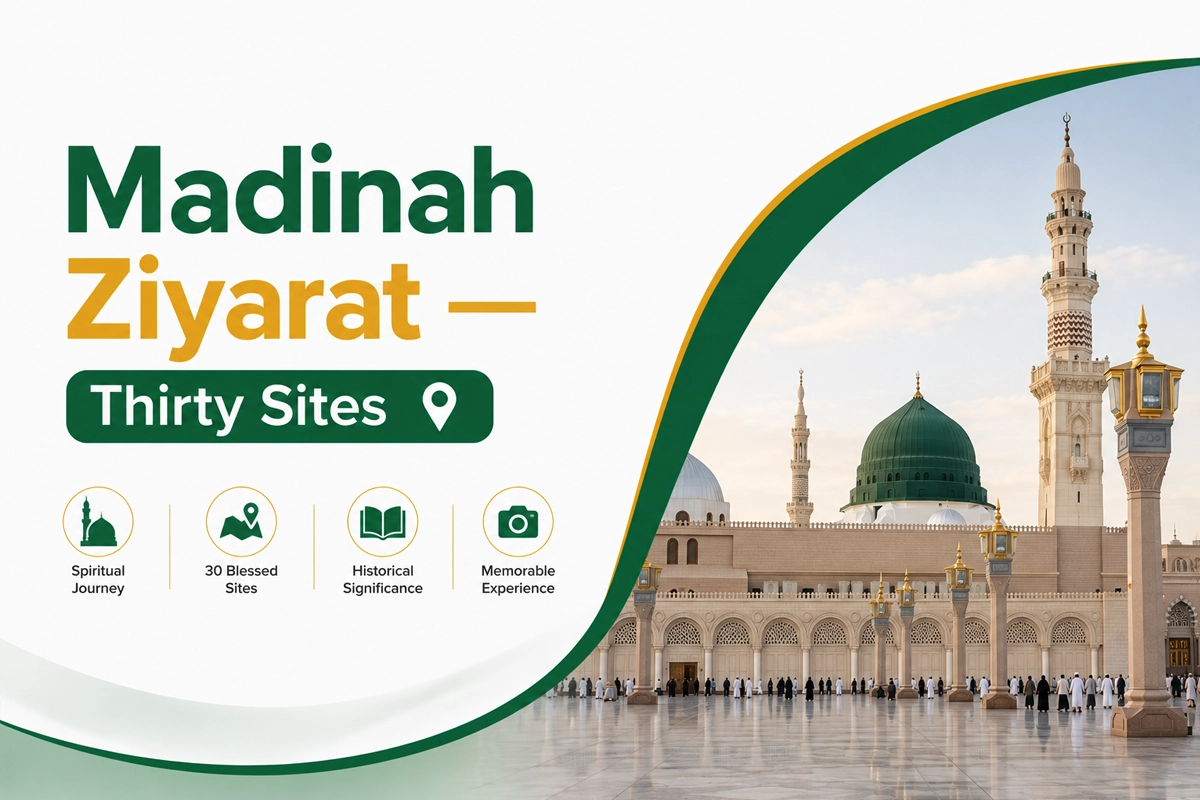
Bir Haa, or Bayruha, was Abu Talha al-Ansari's most beloved garden, standing just north of the Prophet's Mosque. Sahih al-Bukhari records that when the verse on spending from what you love was revealed, he gave it away at once. The site now lies inside Masjid an-Nabawi, marked in the floor by three circular marble mosaics.
Key takeaways
- ✓Bayruha was a walled garden with a well, the finest property Abu Talha al-Ansari owned, standing facing the Prophet's Mosque.
- ✓The Prophet ﷺ used to go into it and drink from its water, so Abu Talha knew exactly what he was giving up.
- ✓Surah Al Imran says you will never attain righteousness until you spend from what you love. Not from what you have; from what you love.
- ✓Bukhari records that Abu Talha went straight to the Prophet ﷺ when the verse came down and gave the garden away.
- ✓He did not go home to think about it or look for a smaller garden that would satisfy the wording. He acted the same day.
- ✓The Prophet ﷺ called it profitable property and told him to give it to his relatives.
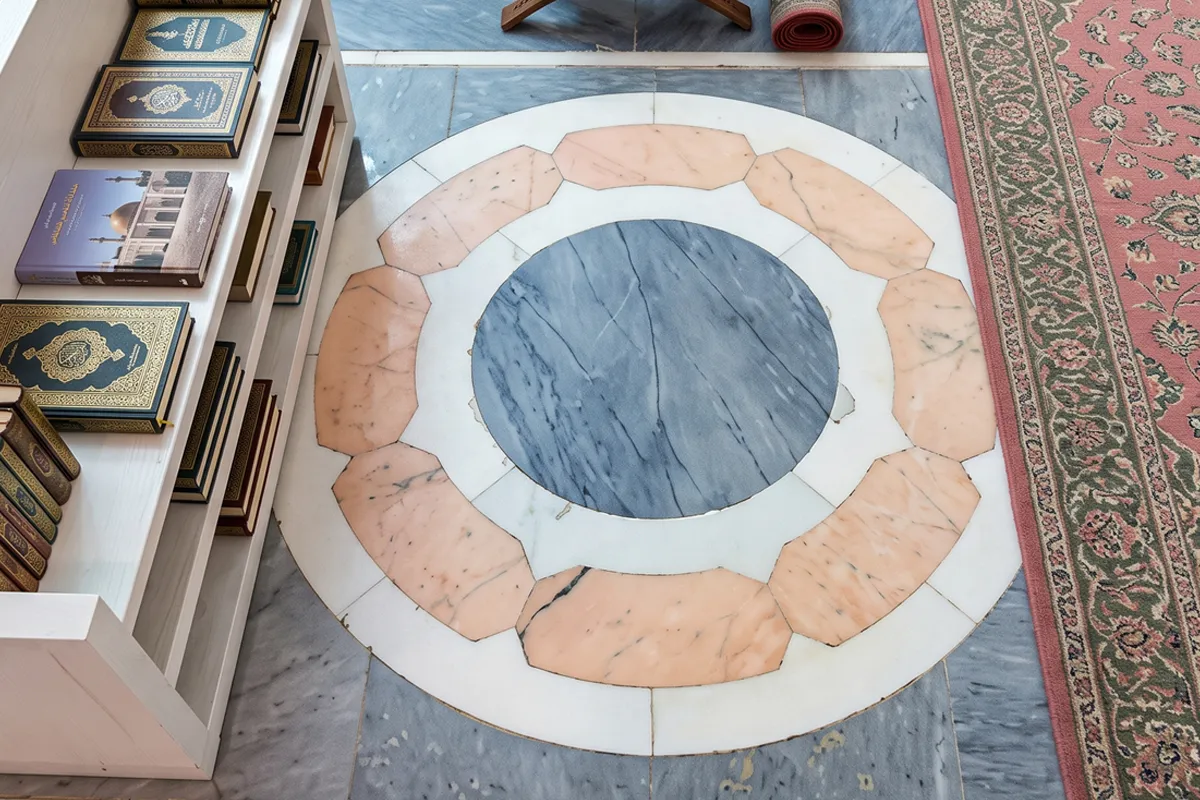
- ✓The site is now inside Masjid an-Nabawi, buried under the floor, its position marked by three circular marble mosaics.
Quick facts
- City
- Madinah, now within Masjid an-Nabawi
- Also called
- Bayruha
- Owner
- Abu Talha al-Ansari
- The verse
- Surah Al Imran, on spending from what you love
- Recorded in
- Sahih al-Bukhari, from Anas ibn Malik
- Marked today by
- Three circular marble mosaics in the floor
- Part of Umrah or Hajj
- No
- Prescribed prayer or reward
- None at the spot
- What to do instead
- Give away something you would rather keep
- Evidence level
- A for the account and the verse
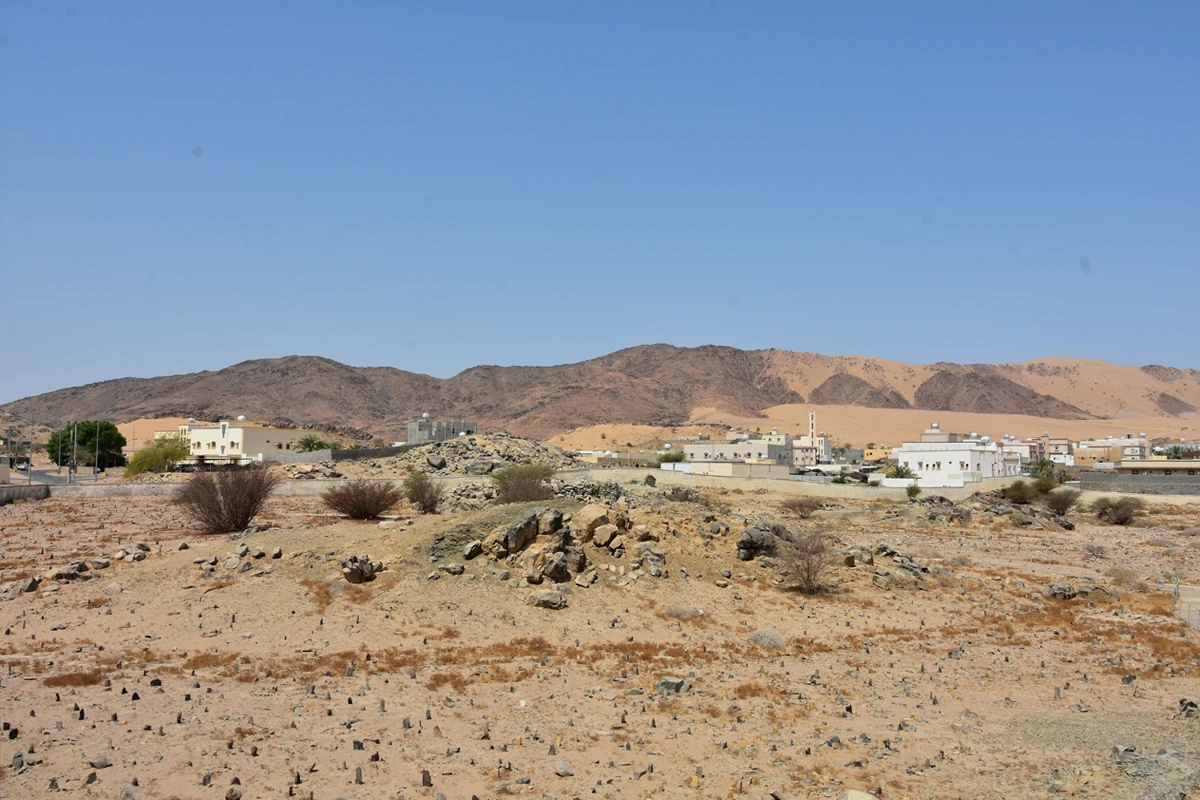
Bir Haa, also written Bayruha, was a walled garden with a well in it, just north of the Prophet's Mosque. It was the finest property owned by Abu Talha al-Ansari, may Allah be pleased with him, and he loved it more than anything else he had.
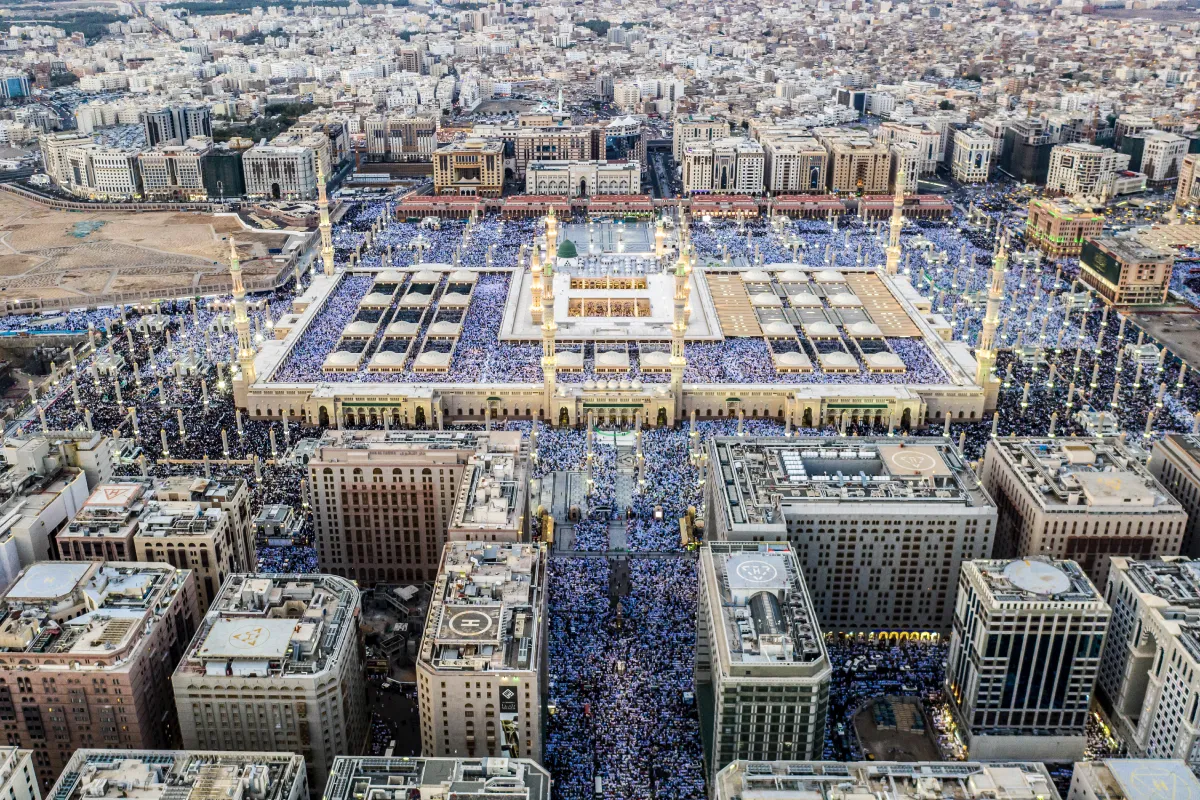
Here is the part most visitors do not know. The site is now inside Masjid an-Nabawi, buried beneath the floor, and its position is marked on the surface by three circular marble mosaics.
You have probably walked over it.
The verse
Surah Al Imran contains a short, hard sentence: you will never attain righteousness until you spend from what you love.
Not from what you have. From what you love.
What Abu Talha did
The account is in Sahih al-Bukhari, from Anas ibn Malik, may Allah be pleased with him.
Abu Talha had more date-palm gardens than any other of the Ansar in Madinah, and the most beloved of them to him was Bayruha, which stood facing the mosque. The Prophet ﷺ used to go into it and drink from its sweet water.
When the verse came down, Abu Talha went straight to the Prophet ﷺ and said that the most beloved of his property was Bayruha, and that he was giving it away for the sake of Allah.
The Prophet ﷺ praised it, called it profitable property, and told him to give it to his relatives.
The detail worth noticing
Two things, and both are easy to miss.
One. He did not wait. The verse was recited and he acted the same day. He did not go home to think about it, consult his family, or work out whether a smaller garden would satisfy the wording.
Two. The Prophet ﷺ used to drink from that garden. Abu Talha was giving away the one property his guest actually visited. He knew exactly what he was giving up.
Finding the markers
The garden stood north of the mosque as it then was. The mosque has grown many times since, and the site now lies within the building.
Published accounts describe the position being marked in the floor by three circular marble mosaics, set into the paving.
A word of honesty: the interior of Masjid an-Nabawi is enormous, the floor patterns are complex, and we cannot give you a gate number and a bearing. If you happen to notice circular marble insets in the floor in the northern part of the mosque, that is what they are. Do not spend your visit hunting for them, and do not stop in a walkway to look at the ground while people are trying to get to prayer.
Is any of this part of Hajj or Umrah?
No. There is no rite here, no prescribed prayer, and no reported reward for standing on any part of the floor.
What is prescribed, if you want to act on this site, is in the verse itself.
The one thing to take home
Most Ziyarat sites give you something to look at. This one gives you something to do.
Before you leave Madinah, give away something you actually like. Not spare change, not the thing you were going to replace anyway. Something you would rather keep.
That is the entire content of the verse, and Abu Talha understood it in about a minute.
Related
- Masjid an-Nabawi — the mosque the garden now lies inside.
- Bir Rumah — another Companion, another property given away.
- Jannat al-Baqi — where many of these men are buried.
- Madinah Ziyarat guide — every site with its evidence stated.
Getting there
Madinah's historic sites are scattered across the city, and reaching them one taxi at a time turns a short list into a whole morning. Our Madinah Ziyarat private car covers the round on one fixed fare for the whole vehicle with the driver waiting at every stop, and the Madinah Ziyarat tour is the guided version. For arrival, the Madinah airport transfer has fixed fares.
Accuracy note
The account of Abu Talha al-Ansari owning more date-palm gardens than any other of the Ansar, of Bayruha being the most beloved of them to him, of it standing facing the mosque, of the Prophet ﷺ going into it and drinking from its water, of Abu Talha giving it away when the verse on spending from what you love was revealed, and of the Prophet ﷺ telling him to give it to his relatives, is recorded in Sahih al-Bukhari, narrated from Anas ibn Malik. The verse is in Surah Al Imran and is given here in meaning, not as translation. That the site now lies within Masjid an-Nabawi, buried beneath the floor, with its position marked by three circular marble mosaics, follows published heritage accounts; we cannot give a gate number or a precise location inside the mosque and have not invented one. There is no rite, prescribed prayer or reported reward attached to the spot, and visiting is not a rite of Hajj or Umrah. Content verified August 2026. Correction? Tell us.
Frequently asked questions
Planning a Saudi trip?
Pre-book a private car, find a stay, or ask us anything on WhatsApp.
Last updated: 15 September 2026·Sources reviewed by the Wadana Go editorial team.