Masjid Abu Bakr al-Siddiq at the Seven Mosques: It Is No Longer There
Short answer
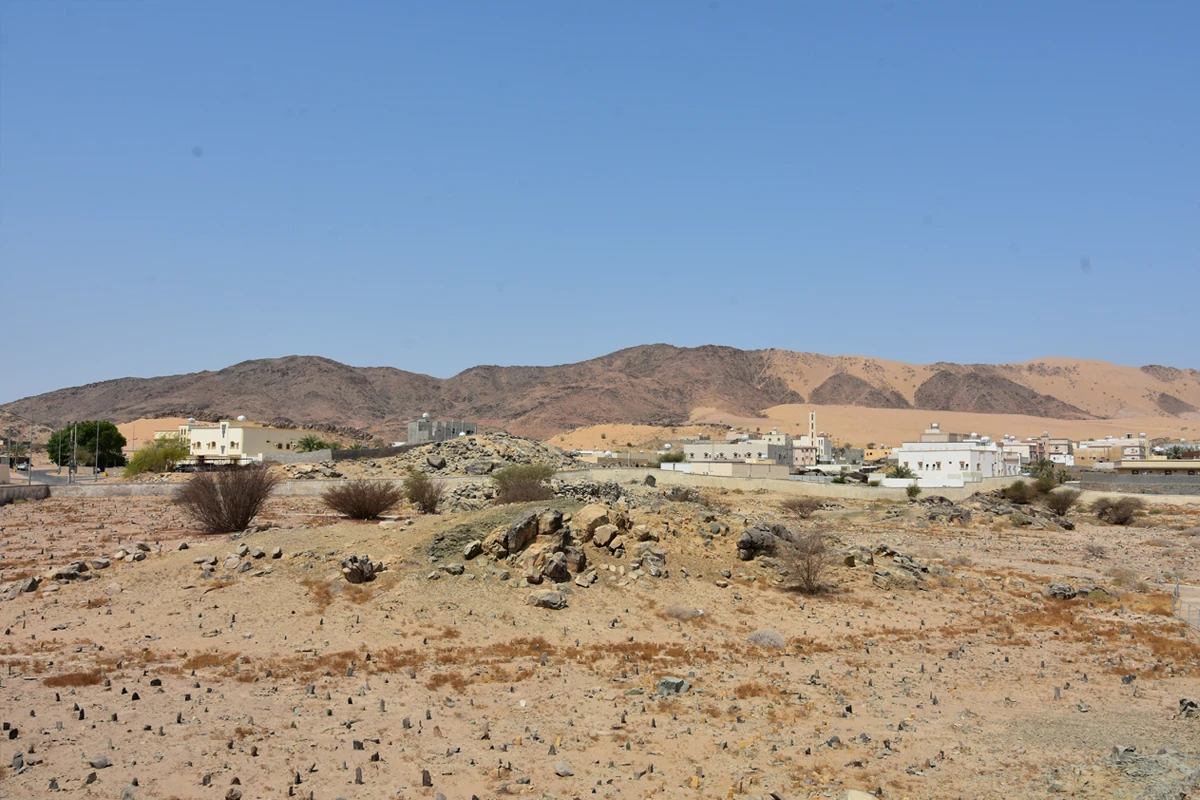
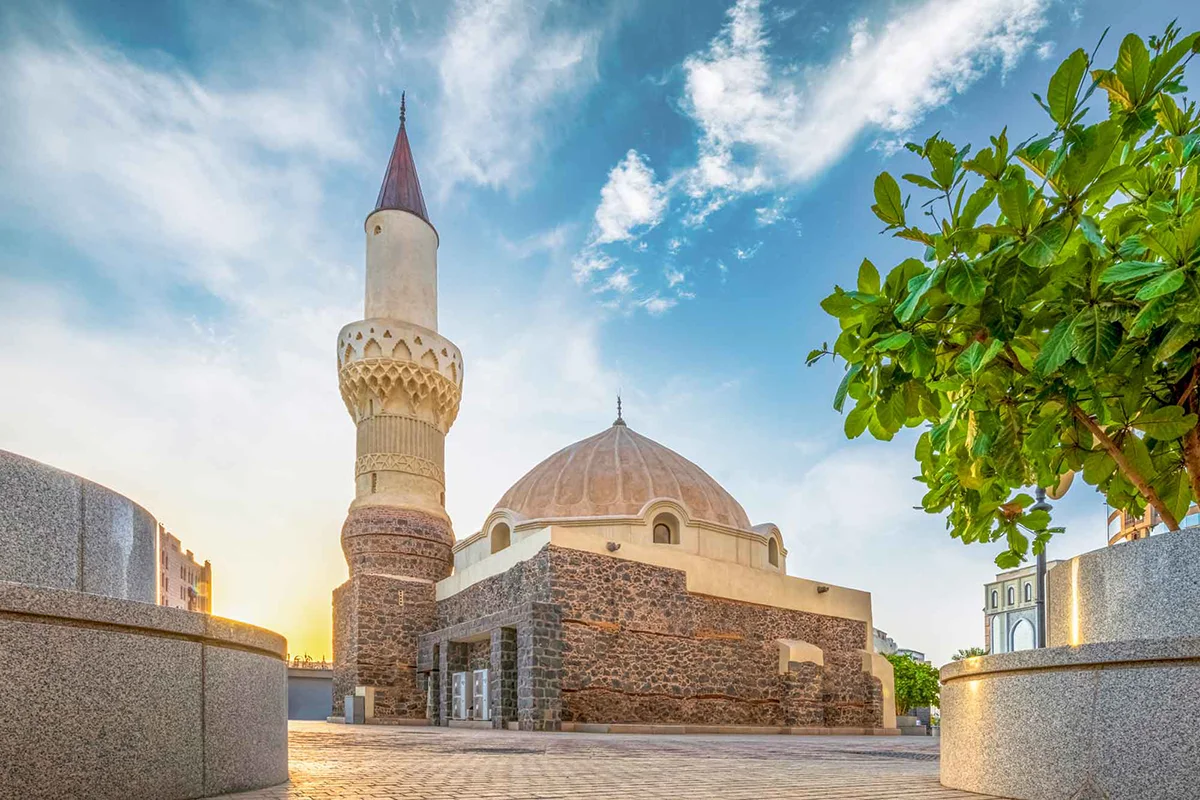
The Masjid Abu Bakr al-Siddiq that stood among the Seven Mosques at the Battle of the Trench site in Madinah was demolished and its debris removed. A separate historic Masjid Abu Bakr, about 455 metres southwest of Masjid an-Nabawi near Masjid al-Ghamamah, still stands but has been reported closed to the public.
Key takeaways
- ✓The Abu Bakr al-Siddiq Mosque at the Seven Mosques site has been demolished and its debris removed. There is nothing to visit there.
- ✓Five historic mosques remain at the Trench site, plus a larger mosque built in 1428 AH for visitors and residents.
- ✓A different Masjid Abu Bakr stands about 455 metres southwest of Masjid an-Nabawi, near Masjid al-Ghamamah. The two are constantly confused.
- ✓That second mosque is associated with the ground used for the Eid prayer, a practice Abu Bakr continued as caliph. It has been reported closed to the public.
- ✓If someone offers to show you Masjid Abu Bakr, ask which one. They are on opposite sides of the city.
- ✓The Battle of the Trench is established. That a specific small building marked Abu Bakr's exact position is historical tradition, level B.
- ✓No authentic report attaches a special reward to praying at any of these markers, or to praying in all of them in sequence.
Quick facts
- City
- Madinah
- Trench-site mosque
- Demolished, debris removed
- Still standing
- A different Masjid Abu Bakr near Masjid al-Ghamamah
- Distance of that one
- About 455 m southwest of Masjid an-Nabawi
- Access there
- Reported closed to the public. Treat as an exterior visit
- Part of Umrah or Hajj
- No, for either mosque
- Special prayer or reward
- None authentically reported
- Time to allow
- The whole Trench cluster takes 15 to 20 minutes
- Evidence level
- B. The battle is established; the individual markers are traditional
If you have come looking for Masjid Abu Bakr al-Siddiq at the Seven Mosques site in Madinah, here is the answer up front: it is not there any more. The mosque was demolished and its debris removed.
There is a second Masjid Abu Bakr in Madinah, in a different part of the city, which still stands. The two get confused constantly. This page sorts them out.
The one at the Trench site
The Seven Mosques are a cluster of very small historic buildings on the lower slopes of Mount Sela', marking positions traditionally associated with the Battle of the Trench in the fifth year after the Hijrah.
One of them was named after Abu Bakr al-Siddiq, may Allah be pleased with him. Like the others in the group it was tiny, effectively a marker rather than a functioning mosque.
According to the official Madinah destination information, the Abu Bakr al-Siddiq Mosque was demolished and its debris was removed. Five of the historic mosques remain on the site, along with a larger mosque built there in 1428 AH to serve visitors and local residents.
So when a guide offers to show you "the Abu Bakr mosque" at the Trench site, there is nothing to show. Some will point at a patch of ground. That is honest enough as long as they say so.
The other Masjid Abu Bakr
This is the source of most of the confusion, and it is a genuinely different building.
There is a historic Masjid Abu Bakr on the southwestern side of Masjid an-Nabawi, roughly 455 metres from the mosque, close to Masjid al-Ghamamah. It is associated with the open ground used for the Eid prayer in the Prophet's ﷺ time, a practice Abu Bakr continued during his caliphate.
That mosque still stands. It has, however, been reported closed to the public, so seeing it may mean looking at the outside.
Practical advice: if someone offers to take you to Masjid Abu Bakr, ask which one. One is a demolished marker at the Trench site; the other is a standing historic building near the Prophet's Mosque.
What the evidence actually supports
Two different questions, two different answers.
The Battle of the Trench: established, in the Qur'an and the hadith literature. Abu Bakr's presence with the Prophet ﷺ through that period is not in doubt.
That a specific small building marked his exact position: historical tradition, level B. The identifications in the Seven Mosques group come from the later literature and continuous local use, not from an authentic hadith.
Nobody should tell you a prayer at a particular one of those markers carries a specific reward. No authentic report supports that, and the practice of praying in each mosque of the cluster in sequence has no basis either.
Why buildings get removed
People sometimes find this upsetting, so it is worth stating calmly.
Development around the holy sites has removed a number of small structures over the years, for urban expansion, safety, crowd management and to consolidate several tiny buildings into usable prayer space. The removal of a marker does not remove the history, and the sites in this group were never established by authentic evidence as exact positions in the first place.
What matters about Abu Bakr al-Siddiq is preserved where it has always been preserved: in the Qur'an, in the hadith, and in the record of what he did. Not in a room eight metres long.
Is any of this part of Hajj or Umrah?
No. Neither mosque is part of Hajj or Umrah, no prescribed prayer attaches to either, and no reward for visiting is authentically reported.
If you are going anyway
- At the Trench site, five historic mosques remain plus a modern one. Fifteen to twenty minutes covers the whole cluster.
- Near Masjid al-Ghamamah, the standing Masjid Abu Bakr is a short walk from Masjid an-Nabawi. Access has been restricted, so treat it as a building to see rather than enter.
- Ask before you drive. Confirm with your driver which site he means before you set off.
Related
- The Seven Mosques — how many there really are.
- Masjid al-Fath — the largest of the group.
- Masjid Salman al-Farsi — and the man whose idea saved the city.
- Madinah Ziyarat guide — every site, with the evidence stated plainly.
Getting there
The Trench cluster is a short drive northwest of Masjid an-Nabawi with parking. The Ghamamah area mosque is walking distance from the Prophet's Mosque.
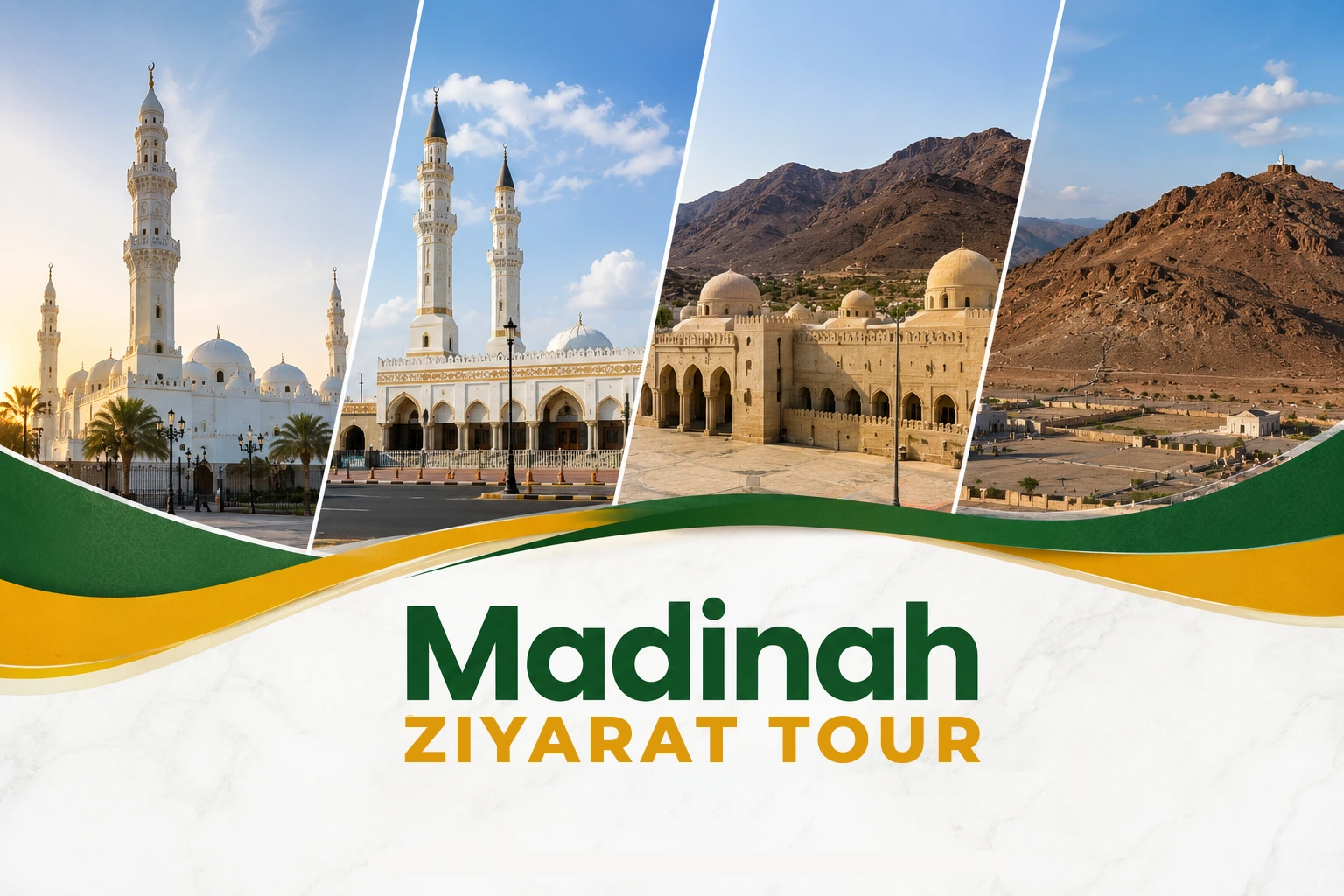
For the wider round, our Madinah Ziyarat private car takes in the Trench cluster along with Quba, Qiblatayn and Uhud on one fixed fare for the vehicle, with waiting at each stop. Tell the driver clearly which Abu Bakr mosque you mean, because the two are on opposite sides of the city.
Accuracy note
The demolition of the Abu Bakr al-Siddiq Mosque at the Seven Mosques site, with its debris removed, and the presence of five remaining historic mosques plus a further mosque built in 1428 AH, follow the official Madinah destination information. The separate historic Masjid Abu Bakr on the southwestern side of Masjid an-Nabawi, about 455 m away near Masjid al-Ghamamah, its association with the ground used for the Eid prayer, and reports that it is currently closed to the public, follow published Saudi and heritage sources; access may change. The Battle of the Trench is established in the Qur'an and the hadith literature; the identification of individual small buildings in the Seven Mosques group with exact positions is historical tradition rather than a hadith-fixed fact. We know of no authentic report attaching a specific reward to praying at any of these markers, or to praying in all of them in sequence. Neither mosque is a rite of Hajj or Umrah. Content verified August 2026. Out of date? Tell us.
Frequently asked questions
Planning a Saudi trip?
Pre-book a private car, find a stay, or ask us anything on WhatsApp.
Last updated: 24 September 2026·Sources reviewed by the Wadana Go editorial team.