Masjid Umar ibn al-Khattab at the Seven Mosques
Short answer
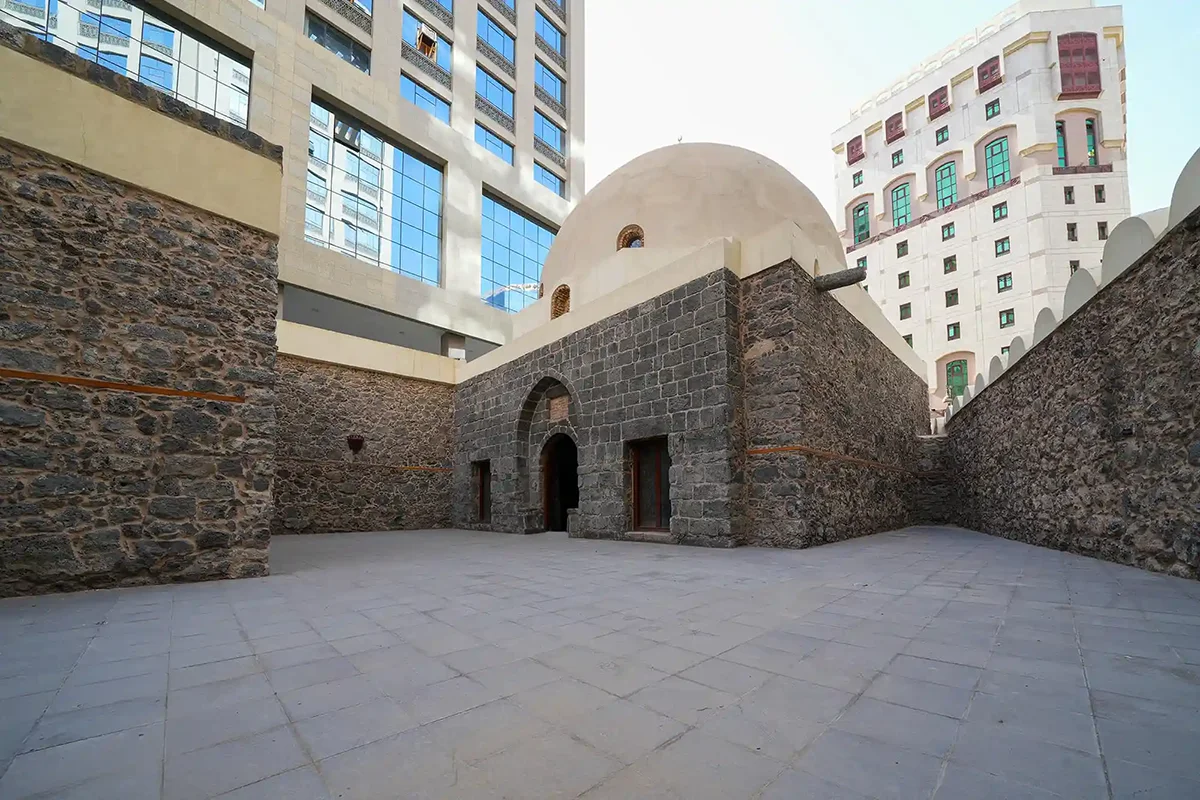
Masjid Umar ibn al-Khattab is one of the small historic mosques on the slope of Mount Sela' at the Battle of the Trench site in Madinah, described as a rectangular hall raised above the surrounding ground. It marks a position traditionally associated with Umar during the siege. Visiting is not a rite of Hajj or Umrah.
Key takeaways
- ✓The mosque is a small rectangular hall raised above the ground on the Trench slope, part of the group known as the Seven Mosques.
- ✓Sahih al-Bukhari records that on the day of the Khandaq Umar could not pray Asr until after sunset, and the Prophet ﷺ said he had not prayed it either.
- ✓They made wudu, prayed Asr after sunset and then prayed Maghrib. That detail says more about the siege than any description of it.
- ✓The battle and Umar's presence at it are established. That this building marks his exact position is historical tradition, level B.
- ✓There is no reported reward for praying in this mosque and no prescribed prayer there.
- ✓The idea of praying in each mosque of the group in sequence has no basis in the authentic sources.
- ✓Five to ten minutes is a full visit. The most useful thing is the view out over the ground where the trench ran.
Quick facts
- City
- Madinah, on the slope of Mount Sela'
- Part of
- The Seven Mosques cluster at the Trench site
- Building
- A rectangular hall raised above the surrounding ground
- Marks
- A position traditionally associated with Umar ibn al-Khattab
- Special prayer or reward
- None authentically reported
- Part of Umrah or Hajj
- No
- Can a car reach it
- Yes, parking at the Seven Mosques site
- Time to allow
- 5 to 10 minutes
- Evidence level
- A for the battle and Umar's part in it; B for this building
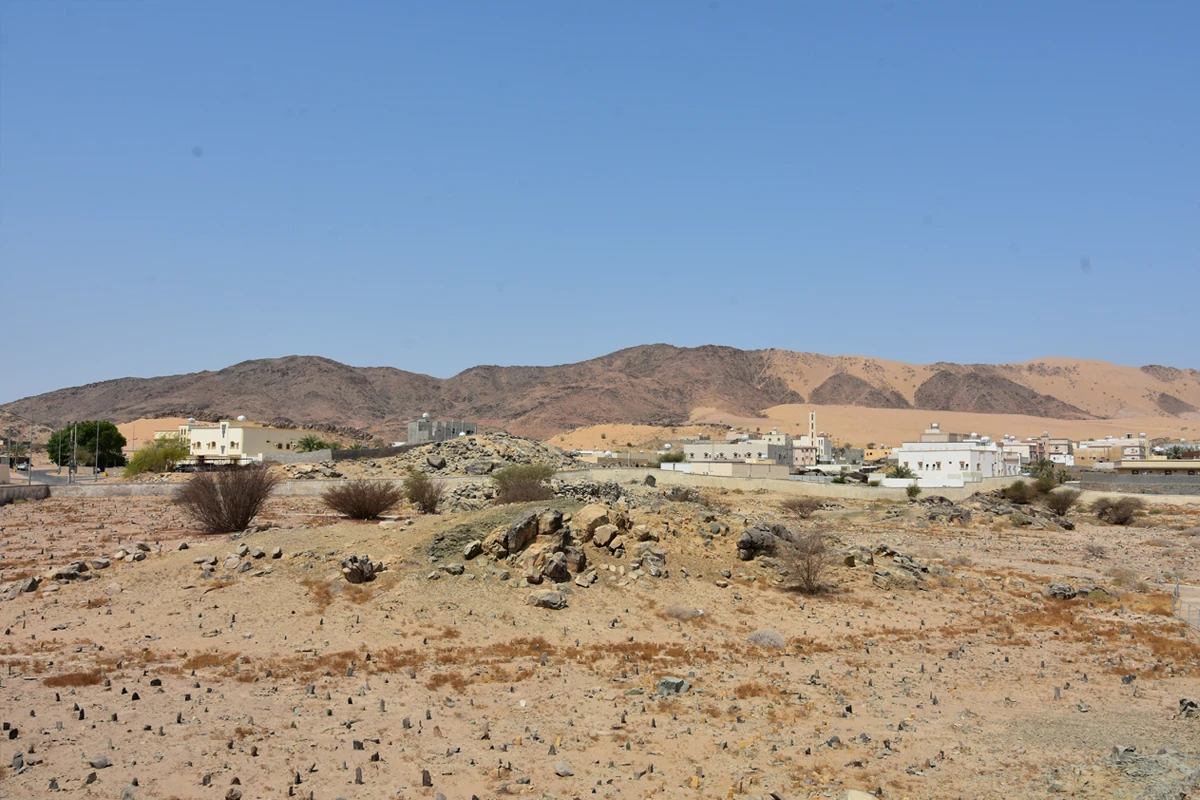
Masjid Umar ibn al-Khattab is one of the small historic mosques on the slope of Mount Sela', at the site of the Battle of the Trench. The official Madinah description calls it a rectangular hall with a wide open space, raised above the ground around it.
Like the rest of the cluster, it is a marker rather than a working mosque. It is worth a few minutes, and it is worth knowing what the sources do and do not say about it.
Umar at the Trench
Here is something firmly established, and it happens to be one of the most human moments in the whole siege.
Sahih al-Bukhari records that on the day of the Khandaq, Umar ibn al-Khattab, may Allah be pleased with him, came to the Prophet ﷺ after sunset, angry at Quraysh, and said that he had not been able to pray Asr until the sun had gone down.
The Prophet ﷺ answered that by Allah, he had not prayed it either.
They then went aside, made wudu, and prayed Asr after sunset, and then prayed Maghrib.
That is what the siege was actually like. Not a set piece with banners. Men so pressed that the leader of the community and one of his closest Companions both missed a prayer and had to make it up in the dark.
The mosque itself
Small, plain, raised on the rocky slope, with an open forecourt. Official Madinah information describes it as a rectangular hall standing above the surrounding ground.
It marks a position traditionally associated with Umar during the siege.
Get the evidence level right, because it matters:
- The battle: established. Qur'an and hadith.
- Umar's presence at it: established. He is named in Bukhari in connection with that very day.
- That this exact building marks the exact place he stood: historical tradition, level B, from the later literature and continuous local use. Not from an authentic hadith.
There is no reported reward for praying here and no prescribed prayer.
There is no circuit
You may be told that a visitor should pray in each of the mosques in the group, in order. There is no basis for that in the authentic sources, and no reward is reported for it. It is a custom that formed around a cluster of small buildings.
Pray in a mosque you enter if you wish. That is not the same as completing a round.
Is visiting part of Hajj or Umrah?
No. Not a rite of either.
Visiting
- Five to ten minutes. It is one small building.
- Access varies. Several of the small mosques are closed, and development at the site has changed the arrangements more than once.
- The best thing here is the view outward over the ground where the trench ran.
- Expect sellers in the surrounding area.
Related
- The Seven Mosques — the group, and why there are not seven.
- Masjid al-Fath — the largest of the cluster.
- The Battle of the Trench — what happened on this ground.
- Mount Sela' — the ridge above, named in Bukhari.
- Madinah Ziyarat guide — every site with its evidence stated.
Getting there
The cluster is a short drive northwest of Masjid an-Nabawi, with parking on site. It is one quick stop, not a destination in itself, and it works best bundled with Quba, Qiblatayn and Uhud.
Our Madinah Ziyarat private car covers the whole round on one fixed fare for the vehicle, with the driver waiting at each stop. The Madinah Ziyarat tour is the guided version.
Accuracy note
The report of Umar ibn al-Khattab and the Prophet ﷺ both missing the Asr prayer on the day of the Khandaq, and praying it after sunset followed by Maghrib, is in Sahih al-Bukhari. The Battle of the Trench is established in the Qur'an, in Surah al-Ahzab, and in the hadith literature. The description of the mosque as a rectangular hall with a wide open space, raised above the surrounding ground, follows the official Madinah destination information. The identification of this particular building with Umar's exact position during the siege is historical tradition rather than a hadith-fixed fact. We know of no authentic report attaching a reward to praying in this mosque, or to praying in all the mosques of the group in sequence. Visiting is not a rite of Hajj or Umrah. Access to individual buildings changes with development at the site. Content verified August 2026. Correction? Tell us.
Frequently asked questions
Planning a Saudi trip?
Pre-book a private car, find a stay, or ask us anything on WhatsApp.
Last updated: 24 September 2026·Sources reviewed by the Wadana Go editorial team.