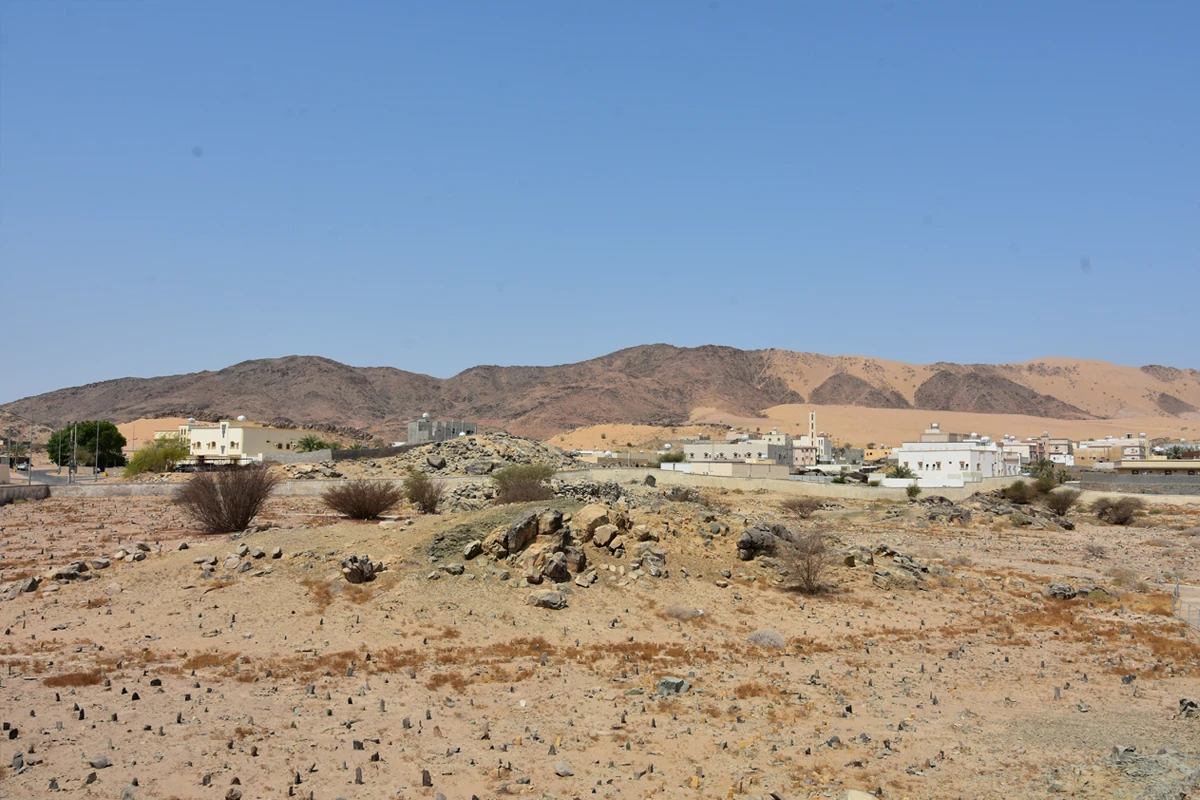
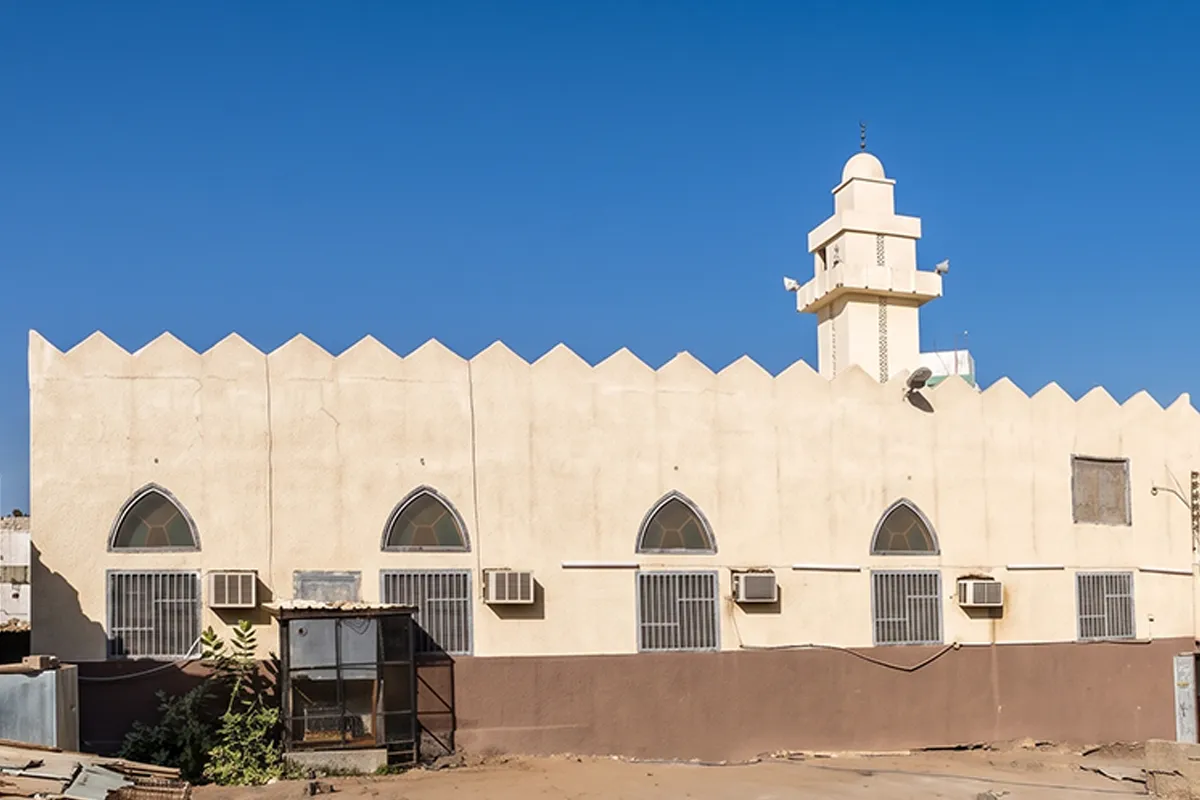
Al-Magheeselah Mosque: The Name That Means Washing
Short answer
Al-Magheeselah Mosque appears in Saudi official listings of Madinah's historic mosques and endowments. The name comes from the Arabic root meaning to wash, indicating a place associated with washing the dead. The Madinah heritage sources record the same names for Masjid Bani Dinar al-Adna, which suggests the two are one building. Visiting is not a rite of Hajj or Umrah.
Key takeaways
- ✓The name comes from the Arabic root meaning to wash, and points to washing the dead before burial rather than to an event in the seerah.
- ✓It appears in Saudi official listings of the historic mosques and endowments of Madinah.
- ✓The heritage sources give al-Mighsalah, al-Mughaysilah and al-Ghassalin as alternative names for Masjid Bani Dinar al-Adna.
- ✓On that evidence the two look like the same building under two names. We state that as what the sources suggest, not as settled.
- ✓Practically: do not send a driver looking for two mosques. Try both names.
- ✓The listing it appears in is a list of endowments. Madinah's small mosques were given by individuals and families, not built by a state.
- ✓Low priority. Quba, Uhud, Qiblatayn and time in the Prophet's Mosque come first.
Quick facts
- City
- Madinah
- Name means
- Relating to washing, from the same root as ghusl
- Likely the same as
- Masjid Bani Dinar al-Adna
- Listed in
- Saudi listings of historic mosques and endowments
- Specific narration
- Not verified by us
- Access and dimensions
- Not verified by us
- Part of Umrah or Hajj
- No
- Special prayer or reward
- None authentically reported
- Priority
- Low
- Evidence level
- B. Official listing; the identification is inference from the sources
Al-Magheeselah Mosque appears in Saudi official listings of the historic mosques and endowments of Madinah, alongside names you will recognise: Quba, al-Jumu'ah, al-Ghamamah, al-Fath, al-Ijabah, al-Qiblatayn, al-Manaratayn and the Miqat mosque.
It is a name that causes confusion, and clearing that up is the useful thing this page can do.
What the name means
Mighsalah, mughaysilah and ghassalin all come from the Arabic root meaning to wash.
In a Madinan neighbourhood, that points to one thing: the place where the dead were washed before burial. It was a normal function of a local mosque, and several small mosques in the city carry names of that kind.
So the name is not describing an event from the seerah. It is describing what the building was used for.
The overlap with Masjid al-Adna
Here is the part to be careful about.
The Madinah heritage sources record Masjid Bani Dinar al-Adna under several alternative names, and those names are al-Mighsalah, al-Mughaysilah and al-Ghassalin.
Saudipedia's list of mosques where the Prophet ﷺ prayed includes al-Adna. Saudi listings of historic mosques and endowments include al-Magheeselah. On the evidence we can see, these look like the same building under two names, in the same way that Masjid Misbah and Masjid Bani Unayf turn out to be one mosque.
We are stating that as what the sources suggest, not as a settled fact. If you have a reference distinguishing them, we would like to see it.
Why this matters for a visitor
Practically: do not send a driver looking for two mosques. If you ask for al-Magheeselah and get a blank look, ask for Bani Dinar al-Adna, and the other way round.
More generally, this is a good example of how the Madinah lists work. The same small building can appear on a list of prophetic prayer sites under one name and on a list of historic endowments under another, and a guide working from one list will not recognise the other.
A note on endowments
The listing this mosque appears in is a list of endowments, awqaf, established in the prophetic era and later centuries.
That is worth understanding. Madinah's small mosques were not built by a state. They were given: land and buildings placed permanently in trust by individuals and families so that the neighbourhood would always have somewhere to pray and somewhere to prepare its dead.
Some of those endowments have been running, in one form or another, for over a thousand years.
The evidence, plainly
- The mosque appearing in Saudi official listings of Madinah's historic mosques and endowments: verified.
- The meaning of the name: straightforward Arabic, relating to washing.
- The identification with Masjid al-Adna: strongly suggested by the heritage sources, not something we can state as settled.
- A specific narration, current access or dimensions: not verified by us.
- A reward for praying there: none reported.
Is visiting part of Hajj or Umrah?
No. Not a rite of either.
Honest verdict
Low priority, and possibly a mosque you have already read about under its other name.
With limited time in Madinah, Quba, Uhud, Qiblatayn and time inside the Prophet's Mosque are where your hours belong.
Related
- Masjid al-Adna — almost certainly the same building.
- Masjid al-Manaratayn — the other Bani Dinar mosque.
- Masjid Banu Khatmah — and the list of twenty-five explained.
- Madinah Ziyarat guide — the whole city, site by site.
Getting there
Madinah's historic sites are scattered across the city, and reaching them one taxi at a time turns a short list into a whole morning. Our Madinah Ziyarat private car covers the round on one fixed fare for the whole vehicle with the driver waiting at every stop, and the Madinah Ziyarat tour is the guided version. For arrival, the Madinah airport transfer has fixed fares.
Accuracy note
Al-Magheeselah Mosque appears in Saudi official listings of the historic mosques and endowments of al-Madinah al-Munawwarah. The name derives from the Arabic root meaning to wash, and names of that kind in a Madinan neighbourhood indicate a place associated with washing the dead before burial. The Madinah heritage sources record Masjid Bani Dinar al-Adna under the alternative names al-Mighsalah, al-Mughaysilah and al-Ghassalin, which strongly suggests the two are the same building; we have stated that as what the sources suggest rather than as a settled fact. We could not verify a specific narration, current access, dimensions or the date of any present structure. We know of no authentic report of a reward for praying there, and visiting is not a rite of Hajj or Umrah. Content verified August 2026. If you hold a reference distinguishing al-Magheeselah from al-Adna, please send it to us and we will update the page.
Frequently asked questions
Planning a Saudi trip?
Pre-book a private car, find a stay, or ask us anything on WhatsApp.
Last updated: 15 September 2026·Sources reviewed by the Wadana Go editorial team.