Masjid al-Manaratayn (Bani Dinar): The Mosque of the Two Minarets
Short answer
Masjid al-Manaratayn, also called Masjid Bani Dinar, stands in Madinah in what was the settlement of the Bani Dinar clan. The Madinah historians record that the Prophet ﷺ prayed at the place and that the Companions built a mosque there. It was restored and expanded under King Fahd, completed in 2003. Visiting is not a rite of Hajj or Umrah.
Key takeaways
- ✓Masjid al-Manaratayn and Masjid Bani Dinar are two names for the same mosque. Use both with a driver.
- ✓The name is explained two ways: for the mosque's two minarets, or for two hills called the two towers between which it sits.
- ✓We have found no way to settle which explanation came first, and have not guessed.
- ✓The Madinah historians record that the Prophet ﷺ prayed at the place and that the Companions raised a mosque there. That is level B documentation.
- ✓The original building was rough stone. What stands now is a modern restoration and expansion under King Fahd, completed in 2003.
- ✓No reward for praying here is authentically reported and no prayer is prescribed there.
- ✓Worth it only if you are collecting the smaller mosques. Quba, Uhud, Qiblatayn and the Trench area come first.
Quick facts
- City
- Madinah
- Also called
- Masjid Bani Dinar
- Name means
- The two minarets, or the two towers
- Recorded by
- The Madinah historians, as a place the Prophet ﷺ prayed
- Present building
- Restored and expanded under King Fahd, completed 2003
- Special prayer or reward
- None authentically reported
- Part of Umrah or Hajj
- No
- Can a car reach it
- Yes
- Time to allow
- 5 to 10 minutes
- Evidence level
- B. Documented by the Madinah historians, not by hadith
Masjid al-Manaratayn, the Mosque of the Two Minarets, stands in Madinah in what was the settlement of the Bani Dinar clan. It is also called Masjid Bani Dinar, and both names refer to the same building.
It is a modest mosque with a genuinely interesting name problem.
Two explanations for the name
Published accounts give two.
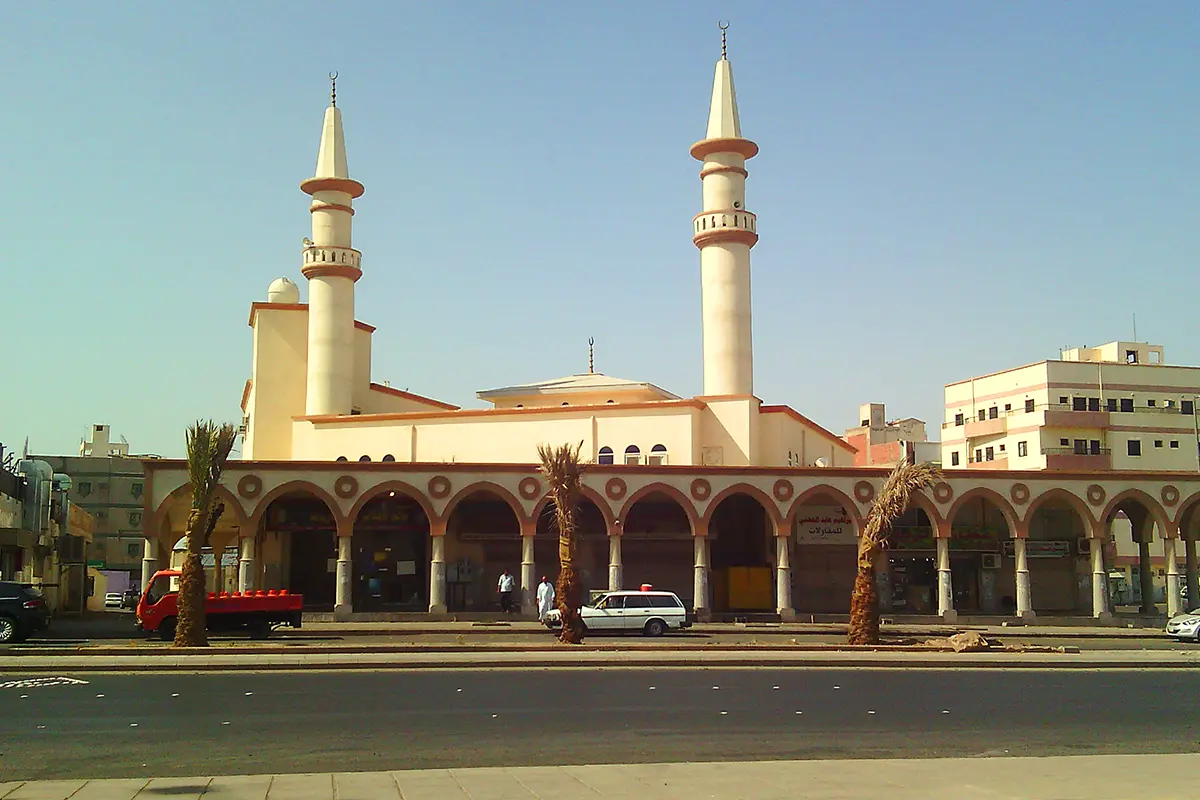
One: the mosque is named for its two minarets, which is the plain reading of al-manaratayn and matches the building as it stands today.
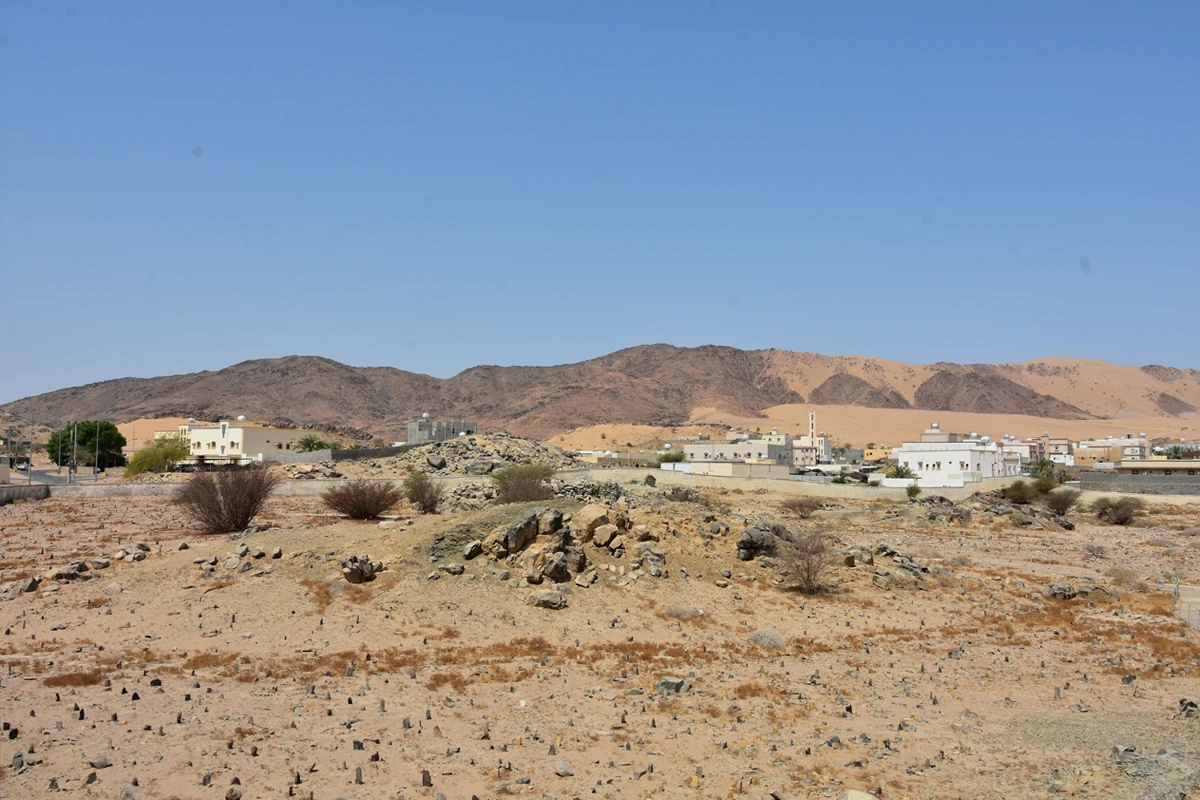
Two: the name refers to two hills or rocky towers between which the mosque sits, which were called the two towers before any minaret was built.
We have not found a way to settle which came first, and we are not going to guess. If someone tells you confidently, ask them for the source.
What is recorded
The Madinah historians record that the Prophet ﷺ prayed at this place, and that a mosque was raised there by the Companions in the settlement of Bani Dinar.
The evidence level is worth stating carefully. Small mosques of this kind across Madinah are identified through the historical literature of the city, particularly the Madinah historians, and through continuous local use. That is real documentation, but it is not the same as an authentic hadith naming the spot.
So: level B. Which is exactly what a great many of Madinah's small mosques are, and there is no shame in saying so.
The building
The original structure was built of rough stone. It was restored and expanded during the reign of King Fahd, with the work completed in 2003.
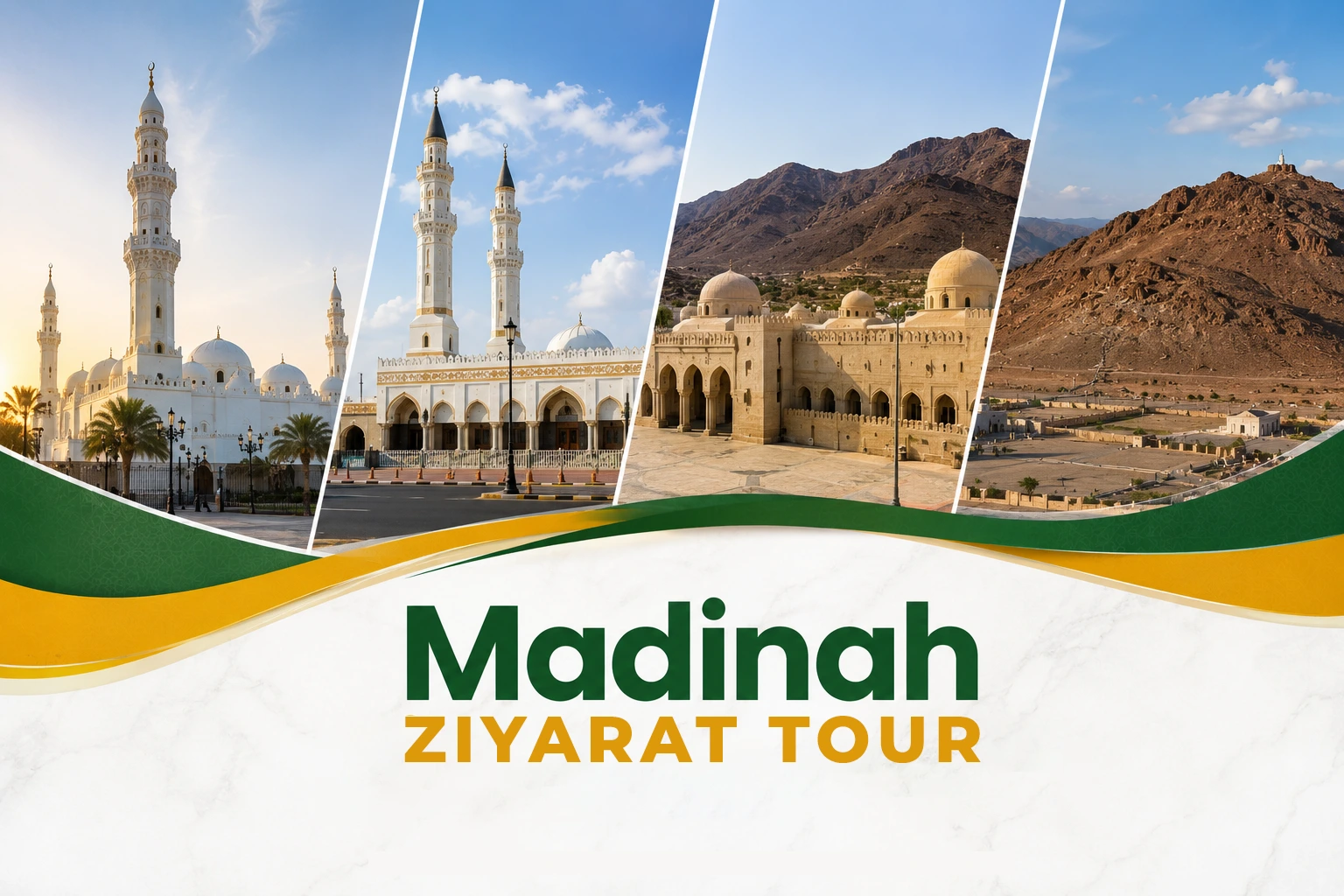
What stands now is a tidy modern mosque with two minarets, serving the neighbourhood around it. Nothing of the original stonework is on display.
Is visiting part of Hajj or Umrah?
No. Not a rite of either, and no prayer is prescribed there. We know of no authentic report of a reward for praying in it.
Is it worth going?
Straight answer: only if you are already collecting the smaller mosques.
Madinah has dozens of these. Each marks a place the Madinah historians associate with the Prophet ﷺ, each is a small modern building on an old site, and none of them carries a reported reward. If you have two days and one car, spend them on Quba, Uhud, Qiblatayn and the Trench area first.
If you have longer, or you have been to Madinah before and want something other than the standard round, this is a reasonable addition. Just go with the right expectations.
Visiting
- Five to ten minutes.
- Use both names with your driver. Some know it only as Masjid Bani Dinar.
- It is a working local mosque. Quiet voices, modest dress, and go between prayers if you want to look around.
Nearby
- Masjid al-Qiblatayn — the better-known mosque on that side of the city.
- Masjid an-Nabawi — the centre of everything.
- Masjid al-Suqya — another of the smaller historic mosques.
- Madinah Ziyarat guide — thirty sites with the evidence for each.
Getting there
Madinah's smaller historic mosques are scattered across the city, and reaching them one taxi at a time turns a short list into a whole morning. Our Madinah Ziyarat private car covers the round on one fixed fare for the whole vehicle with the driver waiting at every stop, and the Madinah Ziyarat tour is the guided version. For arrival, the Madinah airport transfer has fixed fares.
Accuracy note
The identification of this mosque with the settlement of Bani Dinar, the record that the Prophet ﷺ prayed at the place and that a mosque was raised there by the Companions, comes from the historical literature of Madinah and continuous local use. That is level B documentation, not an authentic hadith naming the spot, and we have said so. Two explanations of the name are given in published accounts, one referring to the mosque's two minarets and one to two hills or rocky towers between which it stands; we have not found a way to settle which is original and have not chosen between them. The original stone construction, and the restoration and expansion during the reign of King Fahd completed in 2003, follow published heritage sources. We know of no authentic report of a reward for praying in this mosque, and no prescribed prayer attaches to it. Visiting is not a rite of Hajj or Umrah. Content verified August 2026. Something wrong? Tell us.
Frequently asked questions
Planning a Saudi trip?
Pre-book a private car, find a stay, or ask us anything on WhatsApp.
Last updated: 19 September 2026·Sources reviewed by the Wadana Go editorial team.