Wadi Buthhan: The Valley Named in Bukhari, Running Under the City
Short answer
Wadi Buthhan is the only one of Madinah's three main valleys that runs through the city itself, north to south, flowing from the upper harrah. Sahih al-Bukhari names it in the account of the day of the Khandaq, when the Prophet ﷺ and Umar turned towards Buthan to make wudu and pray the Asr they had missed.
Key takeaways
- ✓Buthhan is the only one of Madinah's three main valleys that runs through the city itself, north to south.
- ✓Sahih al-Bukhari names it: on the day of the Khandaq, Umar and the Prophet ﷺ had both missed Asr, and they turned towards Buthan.
- ✓There he made wudu, they made wudu, and they prayed Asr after sunset and then Maghrib.
- ✓The practical reason for going to the wadi was water. Nobody inventing a story adds the detail about walking to the valley first.
- ✓It flows from the upper harrah, the volcanic country east and south of the city.
- ✓Because it passes through the city rather than around it, it shaped where Madinah could be built and where flooding was a risk.
- ✓There is no marked site and nothing to visit. This is a page to read, not a place to go.
Quick facts
- City
- Madinah, running through the city north to south
- Source
- The upper harrah, the volcanic country east and south
- Named in
- Sahih al-Bukhari, in the Khandaq Asr account
- Why they went there
- Water, to make wudu
- One of
- Madinah's three main valleys, with al-Aqiq and Qanat
- Marked or visitable site
- None that we could verify
- Part of Umrah or Hajj
- No
- Prescribed prayer or reward
- None
- Evidence level
- A for the hadith; B for the geography
Wadi Buthhan is the valley that runs through Madinah itself, north to south. It is the only one of the city's three main wadis that does.
And it appears in one of the most human moments recorded in Sahih al-Bukhari.
The evening of the Khandaq
On the day of the Trench, Umar ibn al-Khattab, may Allah be pleased with him, came to the Prophet ﷺ after the sun had set, angry at Quraysh, and said he had not been able to pray Asr before sunset.
The Prophet ﷺ said that by Allah, he had not prayed it either.
Bukhari's narration then says: so we turned towards Buthan. There he made wudu, they made wudu, and he prayed Asr after sunset, then prayed Maghrib.
That is this valley. Named in Bukhari, in the account of a day so pressed that two prayers had to be made up in the dark.
Why they went to the wadi
Practical reason: water.
They needed to make wudu, and the valley is where you go for that. It is a small detail and it is exactly the kind of thing that makes an account read as a memory rather than a construction. Nobody inventing a story adds the bit about walking to the wadi first.
The valley itself
Buthhan flows from the upper harrah, the volcanic country east and south of the city, and runs through the built-up area from north to south before joining the other valleys.
Because it passes through the city rather than around it, it has shaped where Madinah could be built for fourteen centuries, and it is the reason parts of the old city were vulnerable to flooding.
The three valleys
Madinah sits in a basin ringed by harrah, black volcanic lava fields. Three main seasonal valleys drain that country and meet to the north-west of the city:
- Al-Aqiq — the largest, running down the western side.
- Buthhan — the one that runs through the city itself.
- Qanat — running between Mount Uhud and the city centre.
Mahzur is a fourth name you will meet, flowing from Harrat Shawran and once passing close to the Prophet's Mosque and al-Baqi.
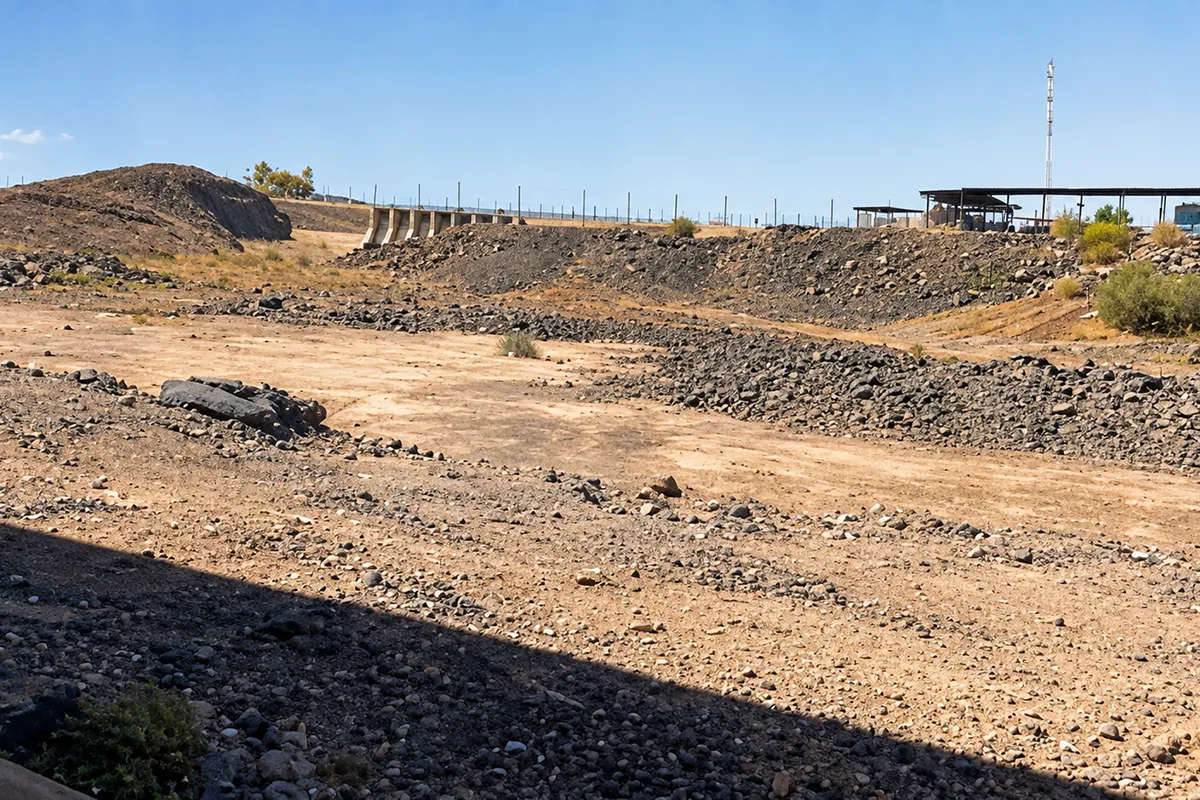
These are not streams. They are dry most of the year and then carry flash floods, fast and dangerous, after rain on the harrah. That is why Madinah's history includes dam building, and why the wadi beds are still respected.
What you will see
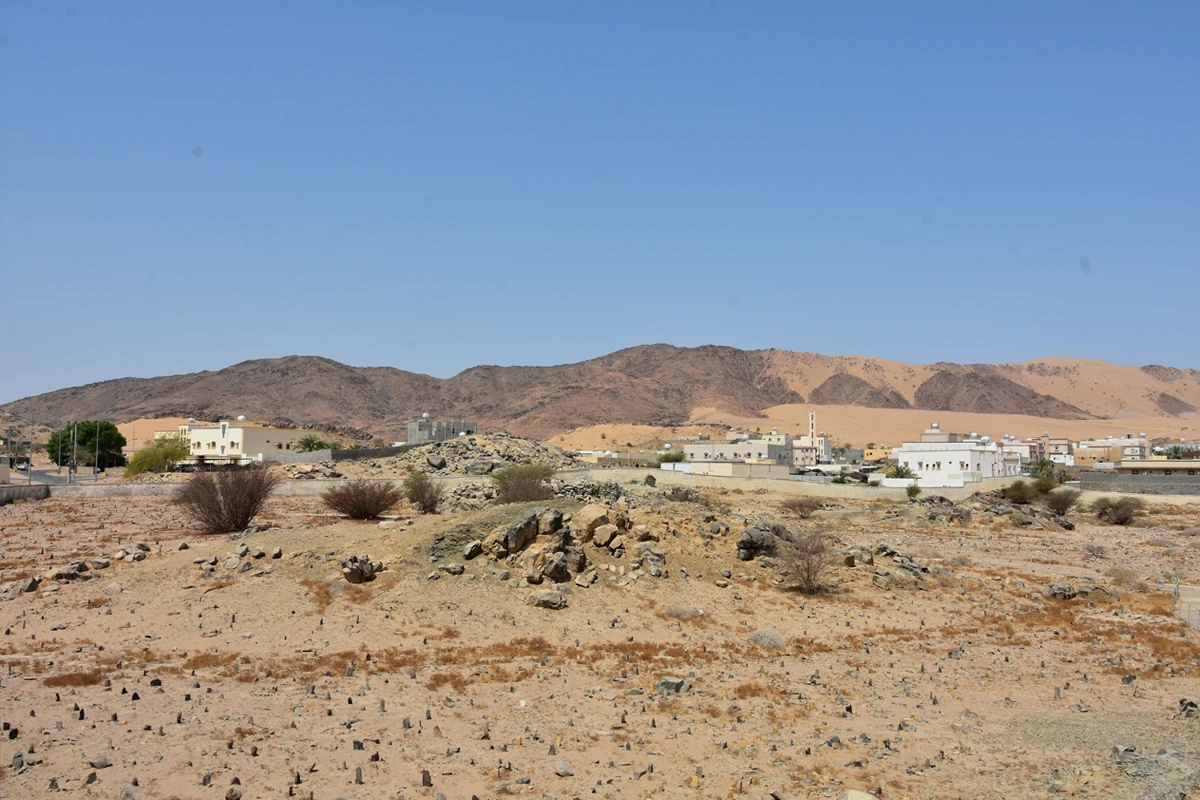
An urban wadi. Much of the bed is channelled, bridged and built up against, as you would expect in a city of this size.
You will cross it without noticing unless you are looking. There is no marked site, no visitor point and nothing to arrive at, and we could not verify any preserved section presented as a heritage site.
The evidence, plainly
- Buthhan named in the account of the missed Asr at the Khandaq: level A, Sahih al-Bukhari.
- Its course through the city from north to south, and its origin in the upper harrah: standard geographic description.
- A marked or visitable site: none that we could verify.
- Any prescribed prayer or reward: none.
Is visiting part of Hajj or Umrah?
No. Not a rite, and there is nothing to visit.
Honest verdict
This is a page to read, not a place to go.
What it gives you is a mental map. Madinah is not a flat plain with a mosque on it. It is a basin between lava fields with three valleys running through it, and the events you read about happened in that terrain: an army camped behind a mountain, a trench dug across the one open side, men walking down to a wadi at nightfall to make wudu.
Once you can see the ground, the seerah stops being a set of names and starts being a place.
Related
- Wadi al-Aqiq — the blessed valley to the west.
- The Battle of the Trench — the day Buthhan is named in.
- Masjid Umar at the Seven Mosques — and the same hadith.
- Madinah Ziyarat guide — every site with its evidence stated.
Getting there
Madinah's historic sites are scattered across the city, and reaching them one taxi at a time turns a short list into a whole morning. Our Madinah Ziyarat private car covers the round on one fixed fare for the whole vehicle with the driver waiting at every stop, and the Madinah Ziyarat tour is the guided version. For arrival, the Madinah airport transfer has fixed fares.
Accuracy note
The account of Umar ibn al-Khattab and the Prophet ﷺ both missing the Asr prayer on the day of the Khandaq, turning towards Buthan, making wudu there and praying Asr after sunset followed by Maghrib, is recorded in Sahih al-Bukhari. The description of Wadi Buthhan as flowing from the upper harrah and running through the built-up area of Madinah from north to south, and of the three main valleys of Madinah being al-Aqiq, Buthhan and Qanat, meeting to the north-west of the city, with Mahzur as a further name flowing from Harrat Shawran, follows standard geographic description and Saudi sources. We could not verify any marked, preserved or visitable section presented as a heritage site. No prescribed prayer or reward attaches to the valley, and visiting is not a rite of Hajj or Umrah. Content verified August 2026. Correction? Tell us.
Frequently asked questions
Planning a Saudi trip?
Pre-book a private car, find a stay, or ask us anything on WhatsApp.
Last updated: 9 September 2026·Sources reviewed by the Wadana Go editorial team.