Masjid al-Ijabah, Madinah: Two Requests Granted, One Refused
Short answer
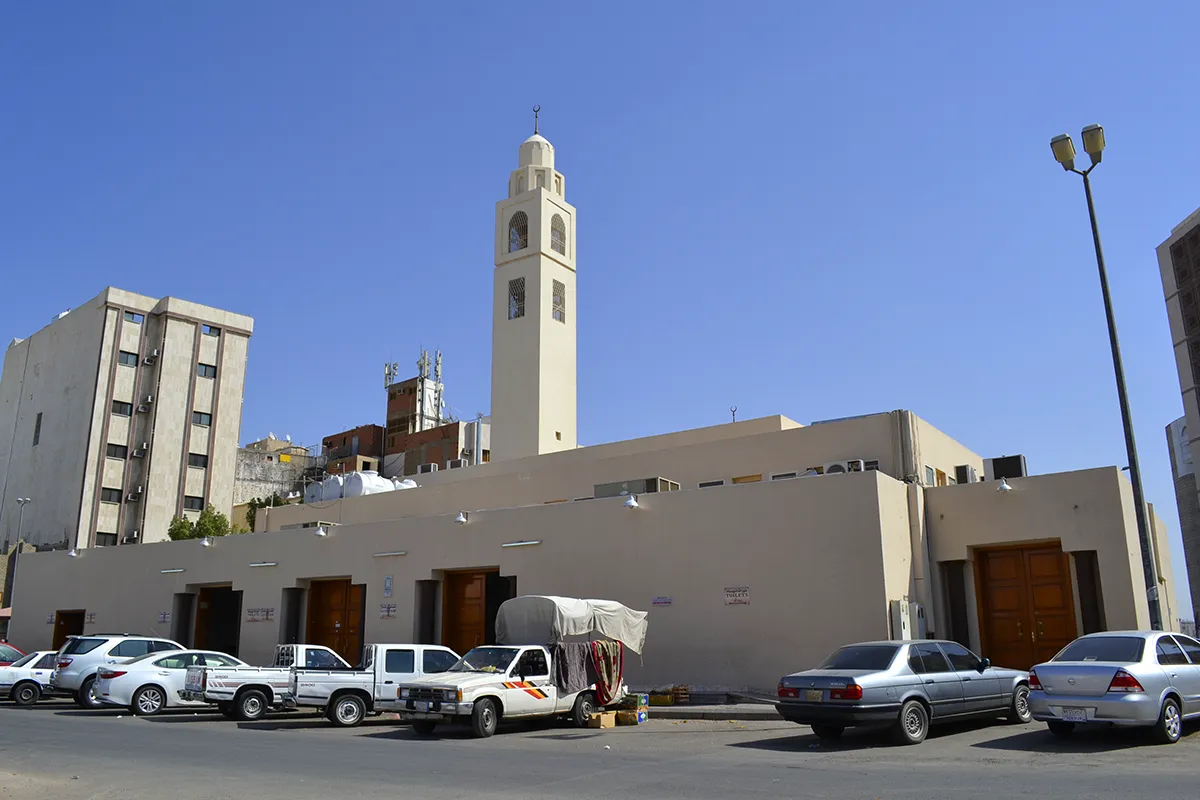
Masjid al-Ijabah stands on As-Sittin street in Madinah, roughly 385 metres from Jannat al-Baqi. Sahih Muslim records that the Prophet ﷺ prayed at the mosque of Banu Mu'awiyah and asked three things: that his Ummah not be destroyed by famine, nor by drowning, and that there be no bloodshed among them. The first two were granted; the third was withheld.
Key takeaways
- ✓Al-Ijabah means the response. The name comes from the two requests that were answered.
- ✓Sahih Muslim records the Prophet ﷺ praying two rak'ahs at the mosque of Banu Mu'awiyah and making a long supplication.
- ✓He asked that his Ummah not be destroyed by famine, and that was granted. He asked that they not be destroyed by drowning, and that was granted.
- ✓He asked that there be no bloodshed between them, and that request was withheld.
- ✓Unlike most small Madinah mosques, the hadith itself names the mosque of that quarter, which makes the connection stronger than usual.
- ✓That the building standing there today occupies that exact site is still historical tradition, level B.
- ✓There is a separate Masjid al-Ijabah in Makkah. Different city, different mosque. Say Madinah when you ask.
Quick facts
- City
- Madinah, on As-Sittin street
- Distance
- Roughly 385 m from Jannat al-Baqi
- Name means
- The response
- Named in
- Sahih Muslim, as the mosque of Banu Mu'awiyah
- Special prayer or reward
- None authentically reported
- Part of Umrah or Hajj
- No
- Can a car reach it
- Yes, but it is walkable from the Haram area
- Time to allow
- About 10 minutes
- Evidence level
- A for the hadith; B for this building being the exact site
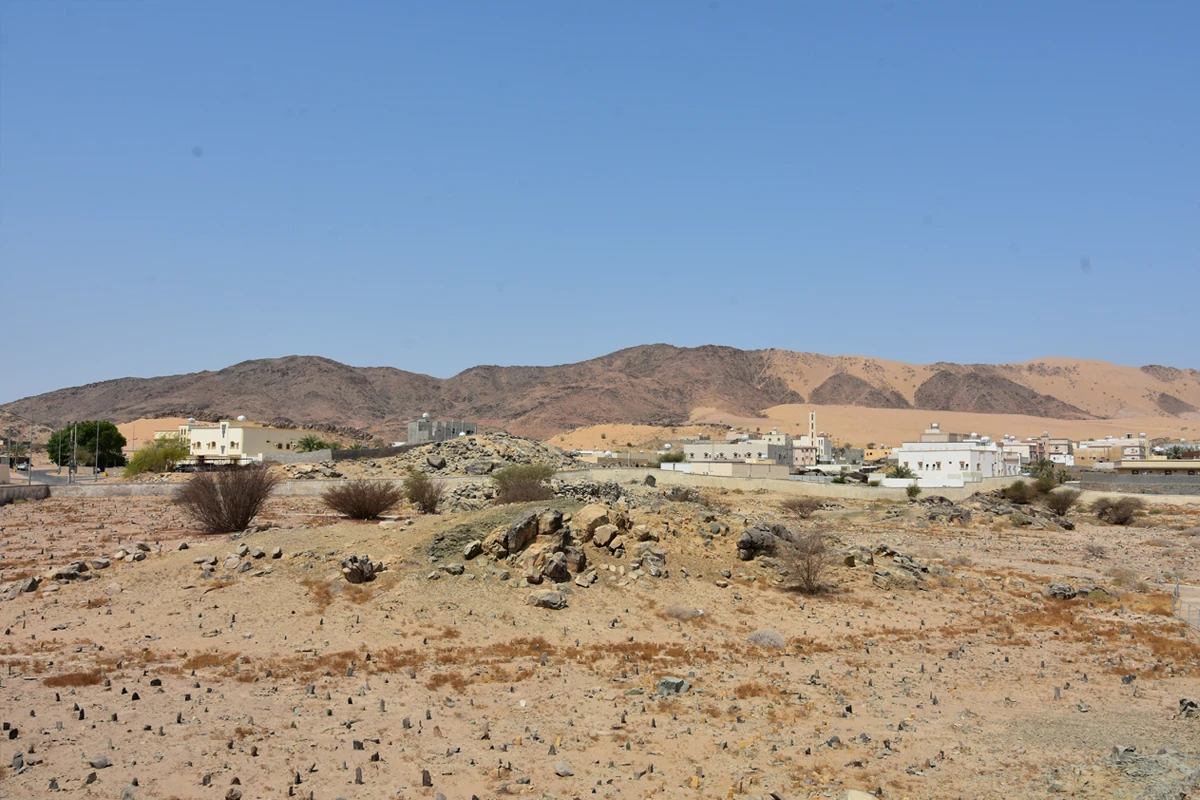
Masjid al-Ijabah is a small mosque a short distance from Jannat al-Baqi, on As-Sittin street in Madinah, roughly 385 metres from the cemetery.
It is named for one of the most sobering hadith in the whole collection, and unlike most small mosques in Madinah, the connection is not a vague tradition. The mosque of that quarter is named in the hadith itself.
The hadith
Recorded in Sahih Muslim, from Amir ibn Sa'd, from his father.
The Prophet ﷺ came from al-Aliya and passed by the mosque of Banu Mu'awiyah. He went in, prayed two rak'ahs, and made a long supplication. Then he told those with him what he had asked.
He said he had asked his Lord for three things, and had been granted two and refused one.
- That his Ummah should not be destroyed by famine. Granted.
- That his Ummah should not be destroyed by drowning. Granted.
- That there should be no bloodshed between them. This was withheld.
The name al-Ijabah means the response, from the two requests that were answered.
Sit with the third one
Most Ziyarat pages would move straight on to the opening hours. The third request deserves a paragraph.
The Prophet ﷺ asked that Muslims should never kill one another, and that request was not granted. He was told, in effect, that it would happen.
Everything that has followed in Muslim history, every civil war and every faction, is inside the space of that one refused request. He knew, and he told his Companions.
It is a hard thing to stand near and think about, and it is far more useful than any of the folklore attached to lesser sites.
How solid is the identification?
Better than most, and still worth stating carefully.
- The hadith: level A, in Sahih Muslim, and it names the mosque of Banu Mu'awiyah directly.
- The location of the quarter of Banu Mu'awiyah: well documented by the Madinah historians.
- That the building standing there today is on that exact site: historical tradition and continuous use, level B, as with every mosque of that age.
There is no prescribed prayer at this mosque and no reported reward for praying in it. What it has is a hadith, which is more than most.
Not the Makkan one
There is also a Masjid al-Ijabah in Makkah. Different city, different mosque, different history. If you are searching online, add the city name, and if you are asking a driver, say Madinah.
Is visiting part of Hajj or Umrah?
No. Not a rite of either.
Visiting
- Ten minutes. It is a modest working neighbourhood mosque.
- It is walkable from the Haram area, being just beyond Baqi.
- Combine it with Baqi, which is right there, rather than treating it as a separate errand.
- It is used by local people. Keep your voice down and do not treat it as a photo opportunity.
- Do not look for a marker. There is nothing dramatic to see. The value is knowing what was said here.
Nearby
- Jannat al-Baqi — a few minutes away.
- Masjid an-Nabawi — a short walk further.
- Masjid al-Ghamamah — on the other side of the Prophet's Mosque.
- Madinah Ziyarat guide — the full list, with evidence levels.
Getting there
Madinah's historic mosques are spread out, and doing them one taxi at a time wastes most of a morning at kerbsides. Our Madinah Ziyarat private car covers the round on one fixed fare for the whole vehicle, with the driver waiting at every stop, and the Madinah Ziyarat tour is the guided version. Arriving in the city, the Madinah airport transfer has fixed fares.
Accuracy note
The hadith of the three requests is recorded in Sahih Muslim, narrated from Amir ibn Sa'd from his father, and it names the mosque of Banu Mu'awiyah directly. The location of the quarter of Banu Mu'awiyah is documented by the Madinah historians. That the building standing there today occupies that exact site is historical tradition and continuous use, level B, as with every mosque of that age. The location on As-Sittin street, roughly 385 m from Jannat al-Baqi, follows published descriptions. We know of no prescribed prayer at this mosque or authentic report of a reward for praying in it. There is a separate Masjid al-Ijabah in Makkah, which is a different mosque with a different history. Visiting is not a rite of Hajj or Umrah. Content verified August 2026. Something to correct? Tell us.
Frequently asked questions
Planning a Saudi trip?
Pre-book a private car, find a stay, or ask us anything on WhatsApp.
Last updated: 22 September 2026·Sources reviewed by the Wadana Go editorial team.