Masjid al-Mash'ar al-Haram: The Mosque in Muzdalifah, and Its Real Size
Short answer
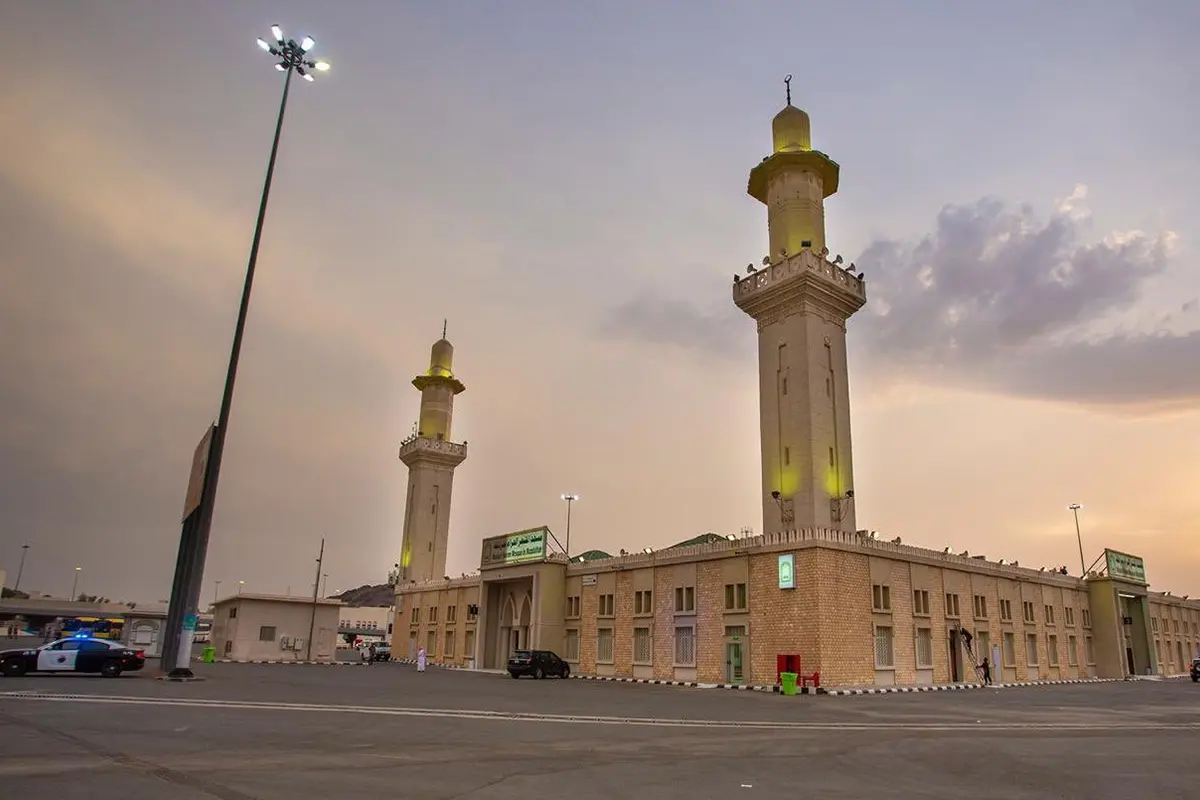
Masjid al-Mash'ar al-Haram is the mosque in Muzdalifah, built in the third century after the Hijrah on the site where the Prophet Muhammad spent the night, prayed Fajr and remembered Allah until daybreak. It measures about 90 by 56 metres, covering 5,040 square metres, and holds roughly 12,000 worshippers.
Key takeaways
- ✓The mosque stands in Muzdalifah, between Masjid Namirah in Arafat and Masjid al-Khayf in Mina.
- ✓It covers 5,040 sq m, measuring about 90 m east to west by 56 m north to south.
- ✓Capacity is about 12,000 worshippers, out of more than two million at Muzdalifah.
- ✓It was built in the third century after the Hijrah, originally square and without a roof.
- ✓It marks where the Prophet spent the night and stood after Fajr until daybreak.
- ✓Reaching it is not required. All of Muzdalifah is a valid place to stop.
- ✓It is closed and empty for almost the whole year.
Quick facts
- Where
- Muzdalifah, between Arafat and Mina
- Area
- 5,040 sq m
- Dimensions
- About 90 m by 56 m
- Capacity
- About 12,000 worshippers
- Originally built
- 3rd century after the Hijrah
- Original form
- Square and without a roof
- Required for Hajj?
- No
- Part of Umrah?
- No. Muzdalifah belongs to Hajj.
The building, and its measurements
Masjid al-Mash'ar al-Haram stands on the open ground of Muzdalifah, between Masjid Namirah in Arafat and Masjid al-Khayf in Mina.
It sits on a rectangular plot of 5,040 square metres, about ninety metres east to west and fifty-six metres north to south, and holds roughly twelve thousand worshippers.
By the standards of the mosques of the holy sites, that is small. Masjid al-Khayf holds twenty-five thousand. Masjid Namirah holds three hundred and fifty thousand. This one holds twelve.
Keep that number in mind, because it is the most useful thing on this page.
Where it came from
The mosque was built in the third century after the Hijrah, which is the ninth century of the common era, on the site where the Prophet spent the night at Muzdalifah, prayed Fajr, and remembered Allah until daybreak.
Its first form was modest: square, and without a roof. It has been rebuilt and expanded since, and what stands now is a modern structure on an old site.
The place it marks is named in the Qur'an. Surah al-Baqarah instructs pilgrims to remember Allah at al-Mash'ar al-Haram after departing from Arafat, and this mosque takes its name from that.
Twelve thousand out of two million
Now the practical point, and it is worth being direct about.
On the night of the tenth of Dhul Hijjah, more than two million people are on the ground at Muzdalifah. The mosque holds twelve thousand. That is well under one per cent.
Nobody has designed a system in which the other ninety-nine per cent are missing something. And the evidence says so explicitly: the Prophet said that he had stopped there and that all of Muzdalifah is a place of stopping.
So the standing after Fajr, which is the act the site is associated with, is fulfilled wherever you happen to be within Muzdalifah. On your mat. Where you slept. Facing the qibla with the people around you.
Walking towards this mosque in the dark, through a crowd of that size, to reach a building that cannot admit you, is not devotion. It is a misunderstanding, and it puts people at risk.
Why Muzdalifah has the smallest mosque of the three
It is worth asking why the mosque here is a fraction of the size of the other two, when the same number of pilgrims passes through all three sites.
The answer is in what each place is for.
At Arafat there is a sermon and a congregational prayer, so a very large mosque makes sense. At Mina people are camped for several days and pray five times a day for most of a week, so a large mosque is used repeatedly.
At Muzdalifah there is one night. Pilgrims arrive after dark, pray Maghrib and Isha combined, sleep on the ground, pray Fajr, stand for a short while and leave before sunrise. Nothing in that requires a building, and the sunnah is explicitly to rest rather than to spend the night in worship.
So the small mosque is not an oversight. Muzdalifah is the one night of Hajj where the ground itself is the arrangement, and two million people lying on open gravel with nothing over them is the point rather than a shortage of facilities.
Understanding that removes most of the anxiety pilgrims carry into that night about not having somewhere proper to be.
Is praying there better?
No specific reward for praying in this mosque is established in authentic evidence, and it is not among the mosques singled out in the hadith literature.
Praying there is fine, if that is where you are. It is not better, and it is not required.
The pattern is the same as at Masjid Namirah and Masjid al-Khayf. These are large buildings that serve a practical purpose on particular days, built on sites with real history. None of them carries a promised reward of its own.
Seeing it
Outside the Hajj season the mosque is usually closed and Muzdalifah is empty. You can see the building clearly from the road, and Ziyarat drivers stop nearby.
- Ten to fifteen minutes covers Muzdalifah, mosque included.
- It is the middle stop of the three sites, so you pass it in both directions.
- Do not count on going inside. Access outside the season is not reliable.
- There is no rite to perform for a visitor outside Hajj.
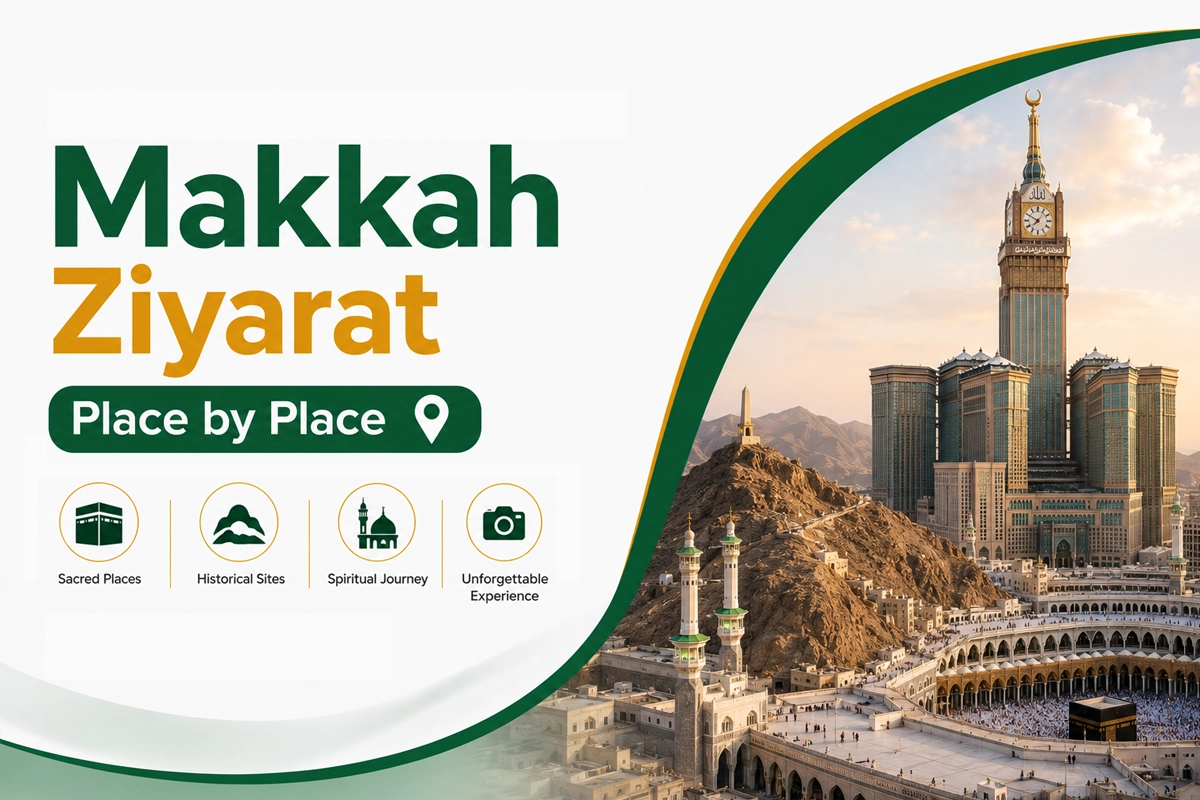
All three holy sites lie one after another on the same road out of Makkah, so they fit into one leg of a Makkah Ziyarat round, from SAR 200 per vehicle with waiting at each stop. Fares reviewed August 2026.
The three mosques of the holy sites
| Mosque | Where | Capacity |
|---|---|---|
| Masjid Namirah | Arafat | About 350,000 |
| Masjid al-Khayf | Mina | About 25,000 |
| Masjid al-Mash'ar al-Haram | Muzdalifah | About 12,000 |
| Masjid al-Bay'ah | Mina | Historical, not in general use |
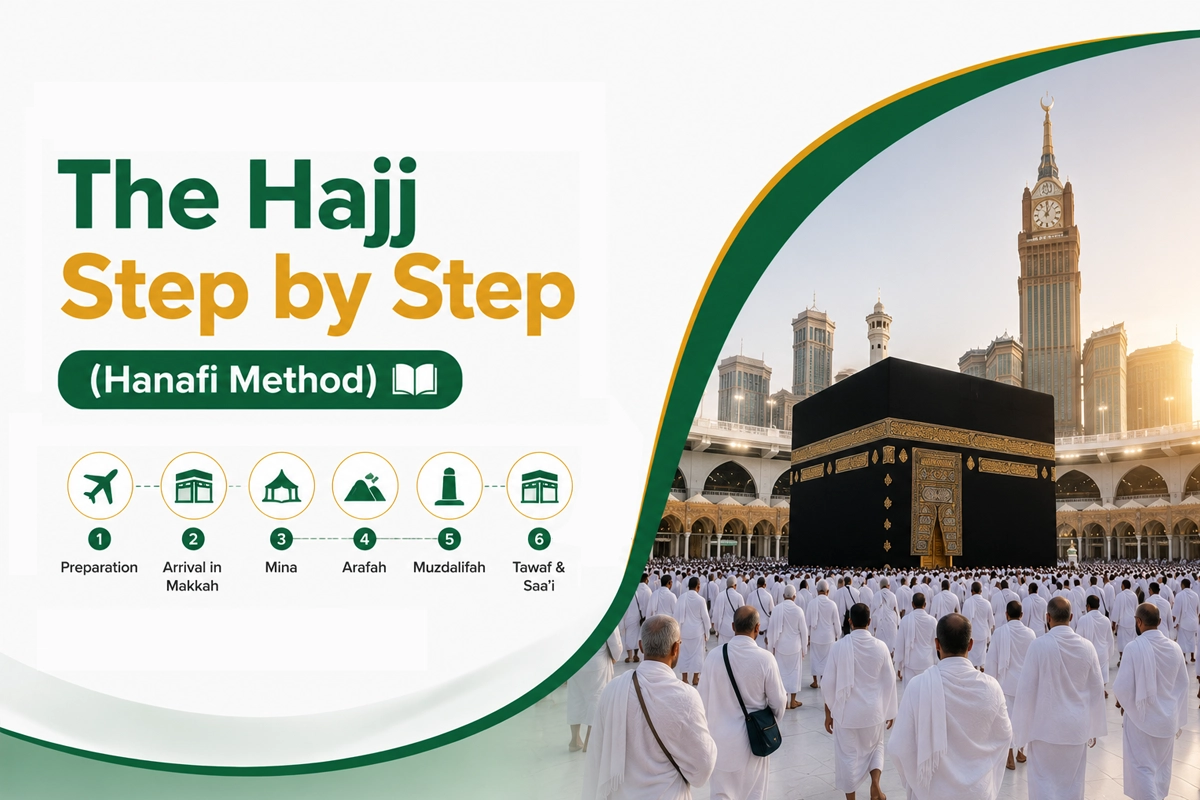
Our Hajj step by step guide sets the nights and days in order.
Accuracy note
The mosque's rectangular plot of 5,040 square metres, its dimensions of about ninety metres east to west by fifty-six metres north to south, its capacity of roughly twelve thousand worshippers, its construction in the third century after the Hijrah on the site where the Prophet spent the night and prayed Fajr, and its original square and roofless form are drawn from published descriptions including Saudipedia and Saudi heritage material.
Al-Mash'ar al-Haram is named in the Qur'an in Surah al-Baqarah. That the Prophet said all of Muzdalifah is a place of stopping is recorded in the authentic collections, and it is the basis for saying that reaching this mosque is not required.
No specific reward for praying in this mosque is established in authentic evidence and it is not among the mosques singled out in the hadith literature. Access outside the Hajj season is not guaranteed. Fares are our own published rates, reviewed August 2026. Verified August 2026.
Frequently asked questions
Planning a Saudi trip?
Pre-book a private car, find a stay, or ask us anything on WhatsApp.
Last updated: 11 October 2026·Sources reviewed by the Wadana Go editorial team.