Saqifah Banu Sa'idah: The Shelter Where It Was Decided

Short answer
Saqifah Banu Sa'idah was a roofed shelter about 200 metres west of Masjid an-Nabawi. After the death of the Prophet ﷺ the Ansar gathered there, Abu Bakr, Umar and Abu Ubaydah came across, and Abu Bakr was given the pledge of allegiance. Sahih al-Bukhari preserves Umar's own long account. The site is now a library.
Key takeaways
- ✓A saqifah is a roofed shelter open at the sides. This one belonged to the Banu Sa'idah, about 200 metres west of the mosque.
- ✓Sahih al-Bukhari records the Prophet ﷺ sitting there with his Companions and asking Sahl for a drink. It was an ordinary place first.
- ✓After his death the Ansar gathered there, and Abu Bakr, Umar and Abu Ubaydah ibn al-Jarrah came across from the mosque.
- ✓Bukhari preserves Umar's own account, delivered years later from the minbar. It is frank about the arguments and how badly it could have gone.
- ✓It ended with the pledge of allegiance to Abu Bakr, given there and then publicly in the mosque the following day.
- ✓Umar's summary is not triumphant. He warns against treating the day as a precedent to repeat casually.
- ✓The site is preserved and now used as a library. There is no shelter to see, and you should read the narration before you go.
Quick facts
- City
- Madinah, about 200 m west of Masjid an-Nabawi
- What a saqifah is
- A roofed shelter open at the sides
- What happened
- The succession decided after the Prophet's ﷺ death
- Recorded in
- Sahih al-Bukhari, in Umar's own long account
- The site today
- Preserved, reported as a library with a garden
- Part of Umrah or Hajj
- No
- Prescribed prayer or reward
- None
- Time to allow
- About 10 minutes, and it is walkable
- Evidence level
- A for the events; B for the present state of the site
Saqifah Banu Sa'idah was a roofed shelter belonging to the Banu Sa'idah clan, about 200 metres west of Masjid an-Nabawi. A saqifah is exactly that: a shaded space, open at the sides, where people sat out of the sun.
The most consequential meeting in Islamic political history happened in it, on the day the Prophet ﷺ died.
Before that day
It was an ordinary place first, and it is worth knowing that.
Sahih al-Bukhari records the Prophet ﷺ sitting in the saqifah of Banu Sa'idah with his Companions and saying to Sahl: give us something to drink. A cup was brought.
A shelter where the Prophet ﷺ once asked for a drink. That is what the building was.
The day itself
When the Prophet ﷺ died, the question of who would lead the community had to be answered immediately, and there was no established procedure for answering it.
The Ansar gathered at this shelter. Word reached the mosque, and Abu Bakr, Umar and Abu Ubaydah ibn al-Jarrah, may Allah be pleased with them, came across.
What followed is preserved at length in Sahih al-Bukhari, in Umar's own account delivered years later from the minbar. It is one of the longest narrations in the collection, and it is unusually frank: it records the arguments, the near-breakdown, the things said in the heat of it, and Umar's own view afterwards of how dangerous the moment had been.
It ended with Abu Bakr being given the pledge of allegiance there, and then publicly in the mosque the following day.
Why the honest version is better
The Saqifah is sometimes presented as either a smooth, obvious transition or as a scandal, depending on who is telling it.
Bukhari's version is neither, and that is why it is worth reading. It shows a community, hours after losing the Prophet ﷺ, arguing hard about something that genuinely mattered, in a shelter, under pressure, and then settling it.
Umar's own summary of the day, in that narration, is not triumphant. He describes it as something that could have gone very badly and warns against anyone treating it as a precedent to be repeated casually.
Muslims have differed about the events at the Saqifah since they happened, and that difference is old, serious and not something a travel page is going to settle. What we can do is point you to the account in Bukhari and let you read it.
What is there now
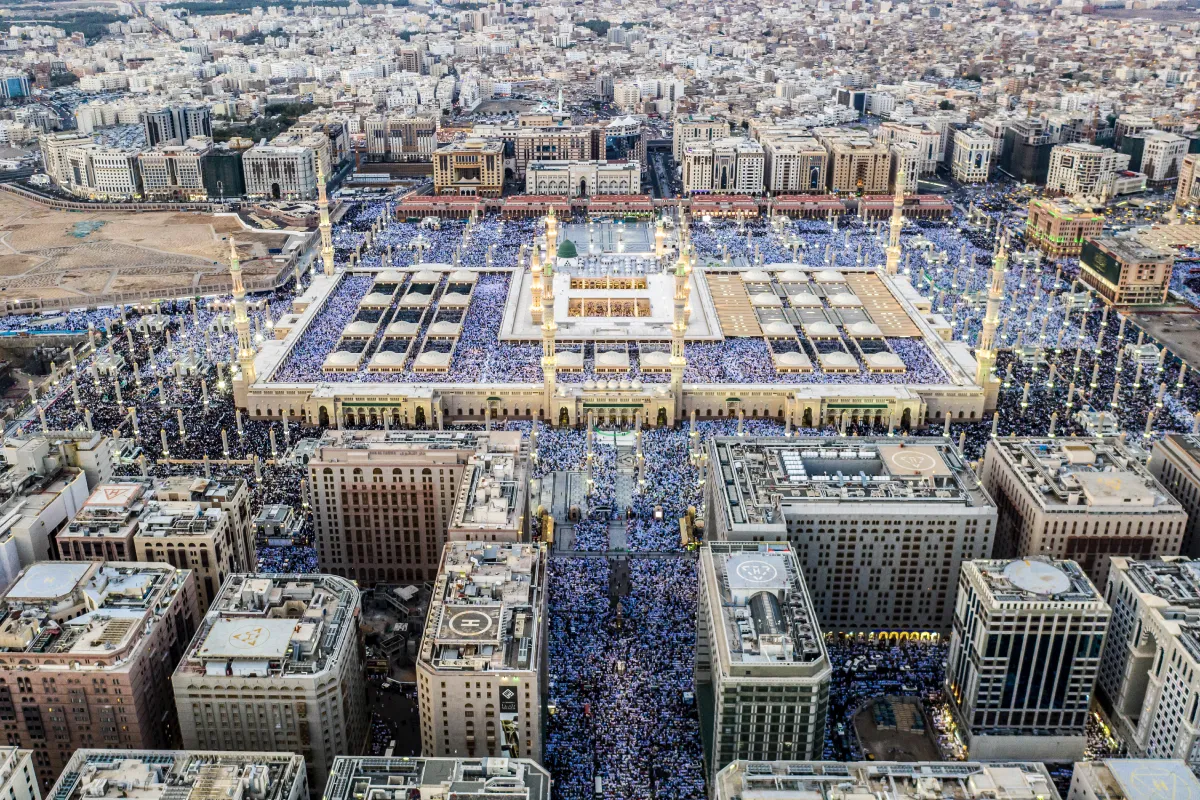
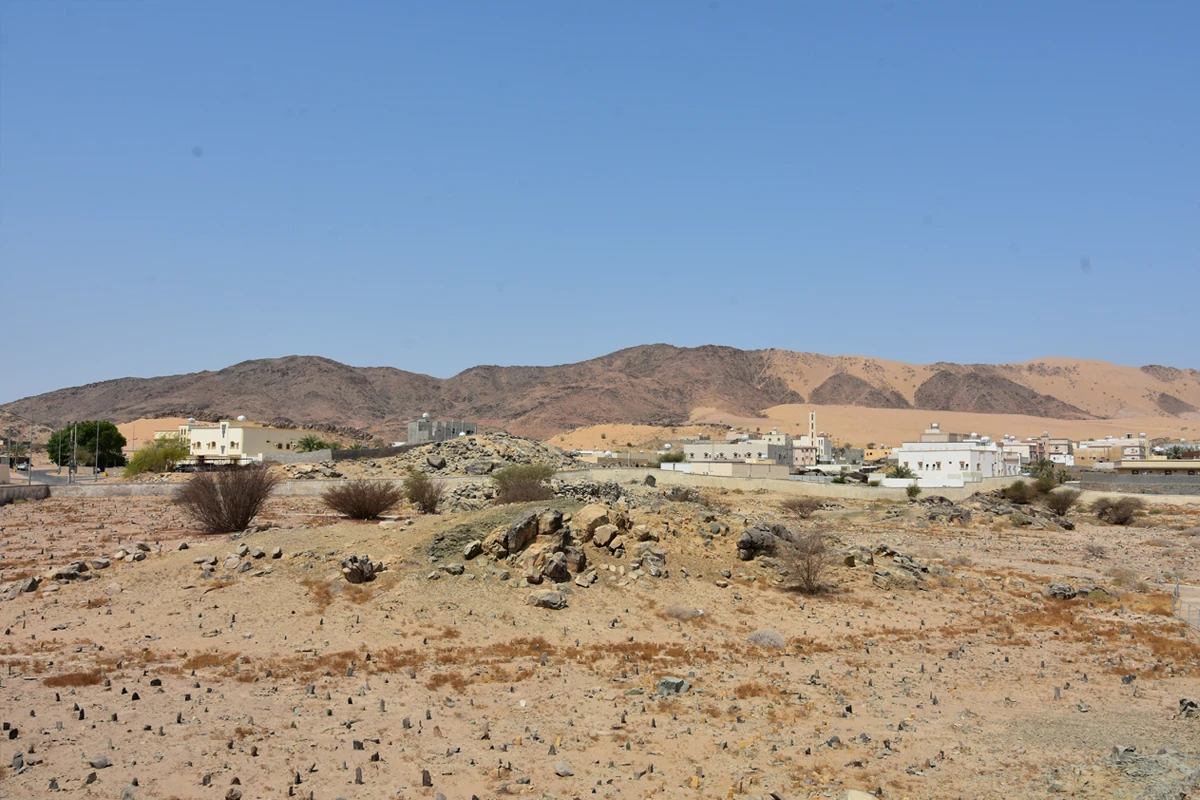
The site sits within the developed area west of the Prophet's Mosque, about 200 metres out. Published descriptions record it as preserved and now used as a library, with a garden associated with it.
There is no shelter to see, no plaque of the kind you might expect, and nothing dramatic. Access arrangements in that area change with development, so check on the day.
The evidence, plainly
- The events at the Saqifah and the pledge to Abu Bakr: level A, recorded at length in Sahih al-Bukhari.
- The Prophet ﷺ sitting there and asking Sahl for a drink: level A, Sahih al-Bukhari.
- The location about 200 m west of the mosque, and the site now being a library: published descriptions, level B.
- A prescribed prayer or reward: none.
Is visiting part of Hajj or Umrah?
No. Not a rite of either.
Visiting
- Ten minutes, and it is walking distance from the mosque.
- Read Umar's narration before you go. Without it there is genuinely nothing to see; with it, the two hundred metres you walk are the two hundred metres they ran.
- Keep the discussion calm if you are with a mixed group. This is one of the places where old arguments start easily and finish nowhere.
Nearby
- Masjid an-Nabawi — 200 metres east.
- Masjid al-Ghamamah — on the same side.
- The Prophet's Market — in the same quarter.
- Madinah Ziyarat guide — every site with its evidence stated.
Getting there
Madinah's historic sites are scattered across the city, and reaching them one taxi at a time turns a short list into a whole morning. Our Madinah Ziyarat private car covers the round on one fixed fare for the whole vehicle with the driver waiting at every stop, and the Madinah Ziyarat tour is the guided version. For arrival, the Madinah airport transfer has fixed fares.
Accuracy note
The events at Saqifah Banu Sa'idah after the death of the Prophet ﷺ, including the gathering of the Ansar, the arrival of Abu Bakr, Umar and Abu Ubaydah ibn al-Jarrah, the arguments that followed and the pledge of allegiance given to Abu Bakr, are recorded at length in Sahih al-Bukhari in Umar's own account delivered from the minbar. The report of the Prophet ﷺ sitting in the saqifah of Banu Sa'idah and asking Sahl for a drink is also in Sahih al-Bukhari. The location about 200 metres west of Masjid an-Nabawi, and the site being preserved and now used as a library with an associated garden, follow published descriptions; access arrangements in that area change with development. Muslims have differed over the interpretation of the Saqifah events since they occurred, and this page does not attempt to settle that; it points readers to the account in Bukhari. There is no prescribed prayer or reported reward at the site, and visiting is not a rite of Hajj or Umrah. Content verified August 2026. Correction? Tell us.
Frequently asked questions
Planning a Saudi trip?
Pre-book a private car, find a stay, or ask us anything on WhatsApp.
Last updated: 10 September 2026·Sources reviewed by the Wadana Go editorial team.