Al-Faqir Well: Where Salman's Three Hundred Palms Were Watered
Short answer
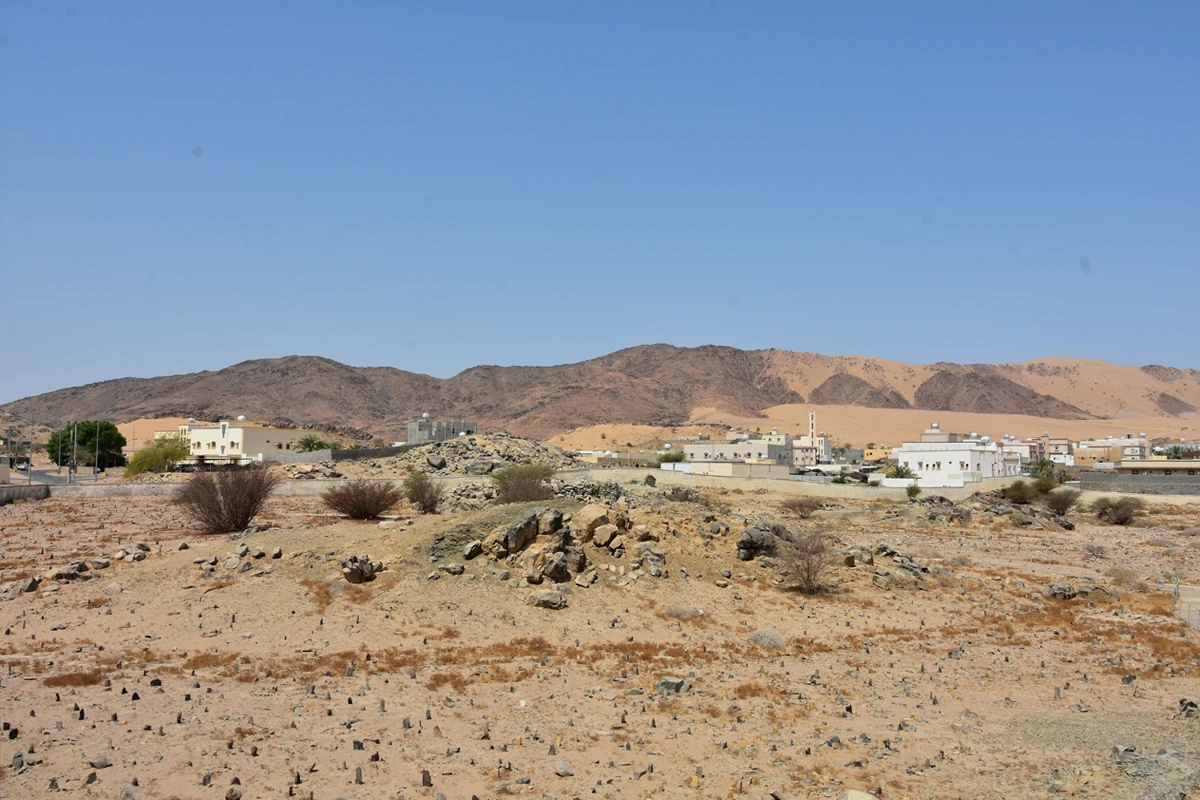
Al-Faqir Well, also called the Well of Salman al-Farsi, lies in the al-Awali district of Madinah about five to six kilometres south of Masjid an-Nabawi, surrounded by date orchards. It is associated with the palms planted to buy Salman's freedom. The site is supervised by the Madinah Region Development Authority and has reopened after improvement works.
Key takeaways
- ✓The well sits in the al-Awali district, about five to six kilometres south of Masjid an-Nabawi, surrounded by date orchards.
- ✓Salman al-Farsi arrived in Yathrib as a slave working in an orchard. His freedom came through a contract with heavy terms.
- ✓He had to plant and bring to life a large number of date palms, commonly given as three hundred, and pay a quantity of gold.
- ✓The narrations record that the Prophet ﷺ and the Companions helped him plant them.
- ✓The community doing that work had just fought at Badr and Uhud. They spent their days on palm shoots so one man could stop being property.
- ✓The site is now supervised by the Madinah Region Development Authority and reopened after improvement works, with facilities added.
- ✓Do not confuse it with Masjid Salman al-Farsi at the Trench site, which is on the opposite side of the city.
Quick facts
- City
- Madinah, al-Awali district
- Distance
- About 5 to 6 km south of Masjid an-Nabawi
- Also called
- The Well of Salman al-Farsi
- Associated with
- The date palms planted to buy Salman's freedom
- Setting
- Date orchards, with a well historically worked by pulleys
- Supervised by
- The Madinah Region Development Authority
- Part of Umrah or Hajj
- No
- Virtue in the water
- None reported
- Time to allow
- 20 to 30 minutes
- Evidence level
- A for Salman's story; B for this being the exact site
Al-Faqir Well sits in the al-Awali district of Madinah, roughly five to six kilometres south of Masjid an-Nabawi, surrounded by date orchards.
It is also called the Well of Salman al-Farsi, and it is one of the few Ziyarat sites in the city where the story and the ground fit together in a way you can actually see.
Why it carries his name
Salman al-Farsi, may Allah be pleased with him, arrived in Yathrib as a slave, working in an orchard.
The sources record that his freedom was arranged through a contract with heavy terms: he had to plant and bring to life a large number of date palms, commonly given as three hundred, and pay a quantity of gold.
The narrations record that the Prophet ﷺ and the Companions helped him plant them.
This well, in this orchard area, is the site associated with that work: the water that kept those palms alive.
Stand there and picture it
Three hundred palm shoots. Every one has to be planted, watered and kept alive long enough to take.
The community that did that work had just fought at Badr and Uhud. They were not idle and they were not rich. And they spent their days putting shoots into the ground so that one Persian former slave could stop being property.
That is the reason to come here rather than to most of the smaller sites. There is something in front of you that explains itself: palms, water, and the amount of labour it takes to grow one.
The site today
The well is surrounded by orchards. In the past water was drawn from it with pulleys.
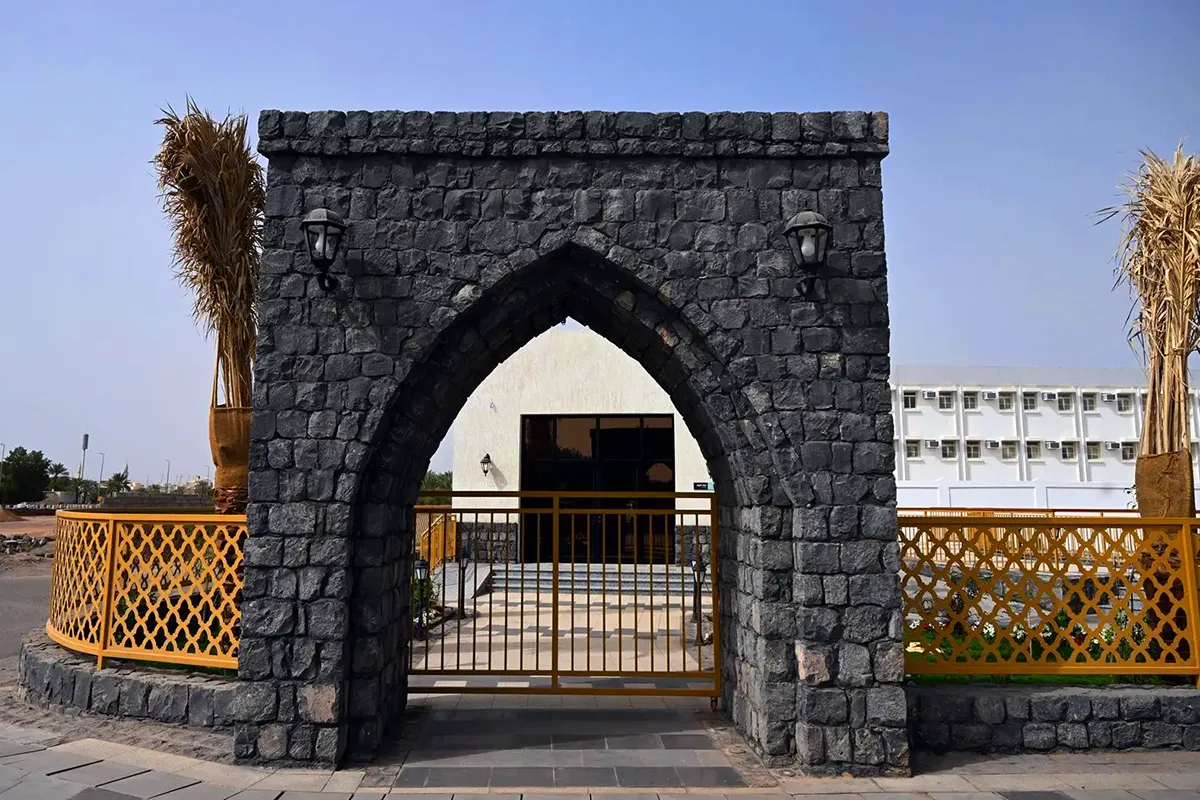
It is now under the supervision of the Madinah Region Development Authority and related bodies, and the site was reopened after improvement works, with visitor facilities added including a pool.
Access arrangements at sites like this change as development continues, so check on the day rather than relying on an older description.
The evidence, plainly
- Salman's manumission contract, the date palms and the Companions helping to plant them: recorded in the hadith and seerah literature.
- That this specific well and orchard is the site of that work: historical tradition and continuous local identification, level B. It is not fixed by an authentic hadith.
- The present-day supervision and the improvement works: reported in Saudi official and press sources.
- Any virtue in the water: none reported.
Is visiting part of Hajj or Umrah?
No. Not a rite of either, and no prescribed prayer or reported reward attaches to it.
Visiting
- Twenty to thirty minutes. There are orchards to walk in, which is more than most sites offer.
- Ask for Bir al-Faqir, or the well and garden of Salman al-Farsi, in al-Awali.
- Do not confuse it with Masjid Salman al-Farsi at the Trench site, which is on the opposite side of the city.
- Go early. It is south of the city and open ground.
- Good for children. Palms, water, a story with a number in it that they can hold onto.
Nearby
- Bir Ghars — also in the al-Awali area.
- Masjid Quba — on the same southern side.
- Masjid Salman al-Farsi — the man's other site, at the Trench.
- Madinah Ziyarat guide — every site with its evidence stated.
Getting there
Madinah's historic sites are scattered across the city, and reaching them one taxi at a time turns a short list into a whole morning. Our Madinah Ziyarat private car covers the round on one fixed fare for the whole vehicle with the driver waiting at every stop, and the Madinah Ziyarat tour is the guided version. For arrival, the Madinah airport transfer has fixed fares.
Accuracy note
Salman al-Farsi's arrival in Yathrib as a slave, the manumission contract requiring him to plant and bring to life a large number of date palms, commonly given as three hundred, together with a quantity of gold, and the Prophet ﷺ and the Companions helping him to plant them, are recorded in the hadith and seerah literature. The identification of this particular well and orchard in the al-Awali district as the site of that work is historical tradition and continuous local identification, level B, not something fixed by an authentic hadith. The location roughly five to six kilometres south of Masjid an-Nabawi, the surrounding orchards, the historic use of pulleys to draw water, the supervision by the Madinah Region Development Authority and related bodies, and the reopening of the site after improvement works with visitor facilities including a pool, follow Saudi official and press sources. Access arrangements change as development continues. No prescribed prayer, reported reward or virtue in the water attaches to the site, and visiting is not a rite of Hajj or Umrah. Content verified August 2026. Correction? Tell us.
Frequently asked questions
Planning a Saudi trip?
Pre-book a private car, find a stay, or ask us anything on WhatsApp.
Last updated: 12 September 2026·Sources reviewed by the Wadana Go editorial team.