Al-Hunud Mosque, Taif: The Mosque Named for Pilgrims From India
Short answer
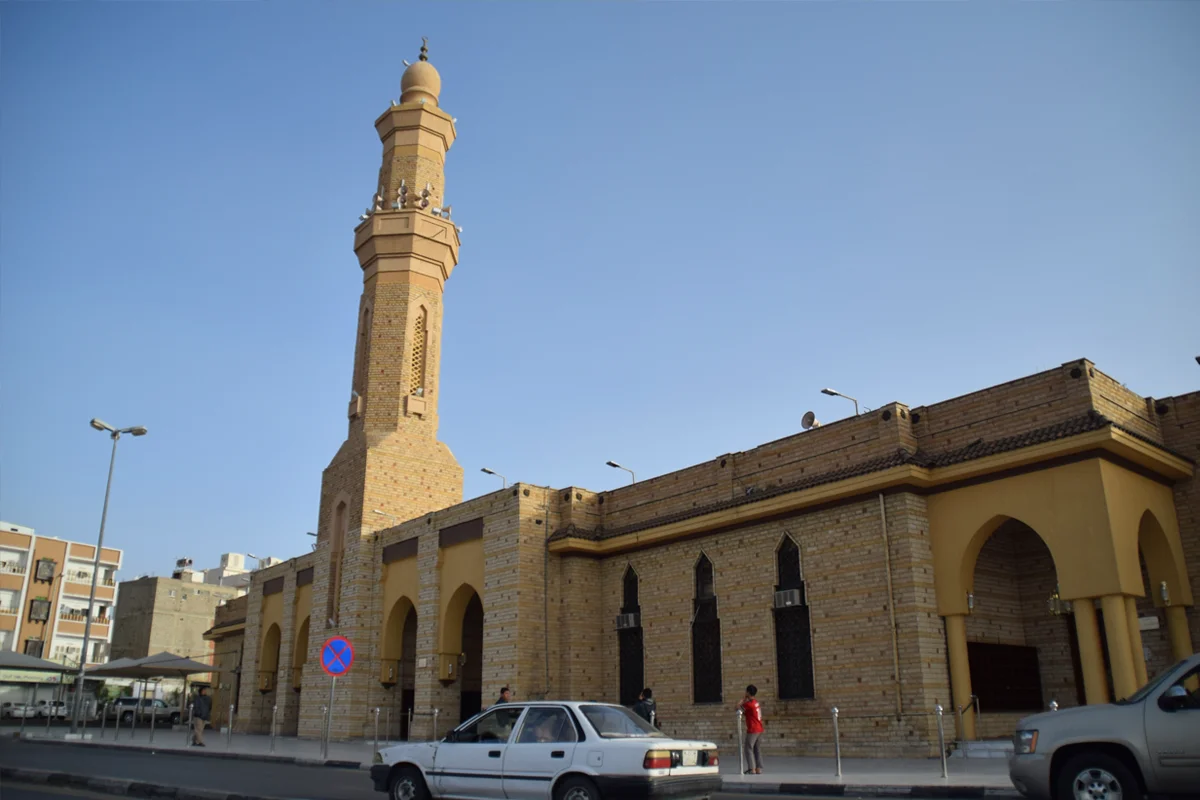
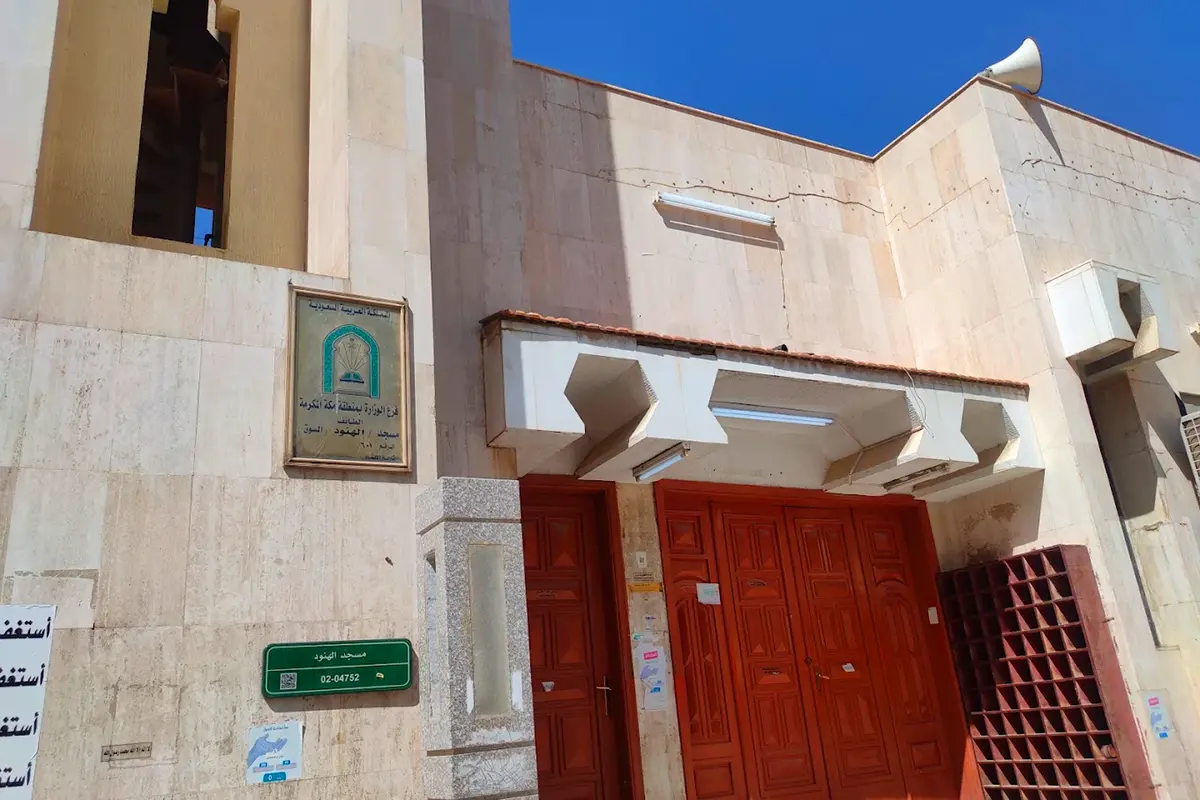
Al-Hunud Mosque is a historic mosque in the central area of Taif. Its name refers to the Indians. Taif's historic mosques served as stations for pilgrims travelling towards Makkah, and mosques named for the communities that used them are a normal feature of a pilgrim route. No event from the Prophet's life is placed there.
Key takeaways
- ✓Al-Hunud Mosque stands in the central area of Taif.
- ✓Its name refers to the Indians, al-Hunud in Arabic.
- ✓Taif's historic mosques served as stations on the pilgrim route towards Makkah.
- ✓Mosques named after the communities that used them are normal on such a route.
- ✓We could not verify a documented account of this mosque's specific origins.
- ✓No event from the Prophet's life is placed there in the authentic sources.
- ✓No reward specific to praying in it is established.
Quick facts
- City
- Taif, Makkah Province
- Area
- Central Taif
- Name means
- The Indians
- Part of
- Taif's historic mosque group
- In the Qur'an or hadith?
- No
- Special reward?
- None established
- Car access
- Yes
- Part of Umrah?
- No. Not a rite of Hajj or Umrah.
Where it is
Al-Hunud Mosque stands in the central area of Taif, among the older quarters of the city, and is counted among its historic mosques.
The name is the interesting part. Al-Hunud means the Indians.
What the name points at
We could not find a documented account of exactly how this mosque came by its name, and we will not invent one. What we can do is explain why a mosque called this, in this city, is completely unsurprising.
Taif sat on the route pilgrims used coming towards Makkah from the highlands and from the east. Saudi Press Agency describes the city's roughly twenty-five historic mosques as having served as stations for pilgrims and Umrah performers passing through Taif on the way to Makkah.
Now think about who was on that route.
For centuries, pilgrims came to the Hijaz from every part of the Muslim world, and the numbers from the Indian subcontinent were enormous. They came by ship to Jeddah, and overland by routes that funnelled through the region. Many stayed for months. Some never went home.
Wherever that happened, communities formed, and communities build or endow mosques, and those mosques get named after them by everyone else in the city. A mosque called the Indians' mosque is a mosque a particular group of travellers used, paid for, or lived beside. That pattern repeats in every pilgrimage city in the world.
So the name is not exotic. It is ordinary evidence of an ordinary thing: a city full of foreigners on their way somewhere.
What we could not verify
Being clear about the limits.
- We found no dated account of when this mosque was built or endowed.
- We found no named founder or documented endowment.
- We found no event from the Prophet's life placed there in the Qur'an, the authentic collections or the early biographies.
- We found no reward specific to praying in it.
The explanation of the name above is a reasonable reading of a pattern, and we have written it as that rather than as documented history. If a Saudi heritage source publishes the specific record, we will update this page.
The bigger thing this points to
There is something worth sitting with here, and it is more interesting than the building.
Most Ziyarat writing is about the seventh century. It treats the Hijaz as a place where things happened once, a very long time ago, and everything since as a gap.
A mosque named for Indian pilgrims in a Taif side street is evidence of the other thirteen hundred years. People walked, sailed and rode to this region continuously, from West Africa, from Central Asia, from the Malay world, from India, and they left traces: mosques, endowments, graves, quarters named after them, families who arrived as pilgrims and stayed as citizens.
If you are travelling from Pakistan, India or Bangladesh yourself, this is not an abstract point. People from your part of the world have been arriving here, in numbers, for many centuries, and one of the things they left behind was somewhere to pray in Taif.
Is praying there special?
No reward specific to al-Hunud Mosque is established in authentic evidence, and it is not among the mosques singled out in the hadith literature. Visiting it is not part of Hajj or Umrah.
Pray an ordinary prayer in an old mosque if you are passing. That is the whole of what is on offer, and it is not a small thing.
Visiting it
- Taif is about ninety minutes from Makkah by road, and cooler.
- It is in the central area, so it fits with a walk through the older quarters.
- Ten minutes covers it.
- Time it with a prayer to see inside.
- Combine several mosques. Ten of Taif's historic mosques stand in the Souq al-Balad old town, among shops and alleys, and seeing them together is the better hour.
- Check for restoration work, which may close a mosque temporarily.
Our Taif day trip guide covers the road up, and the Taif Ziyarat tour runs the Islamic sites. On our fixed fares a Taif Ziyarat round is SAR 430 for a standard sedan, SAR 480 for an SUV, SAR 580 for a van and SAR 730 for a minibus, per vehicle with waiting included. Fares reviewed August 2026.
Nearby
| Place | What it is |
|---|---|
| Al-Mahjoub Mosque | In the al-Salamah neighbourhood. |
| Al-Khubzah Mosque | Also called al-Hisn, among the oldest. |
| Masjid Addas | The garden of the grapes. |
| Wadi Wajj | The valley that made Taif farmland. |
The Taif destination guide covers the city as a whole.
Accuracy note
That al-Hunud Mosque stands in the central area of Taif and is counted among the city's historic mosques is drawn from Saudi reporting on Taif's mosques. The figure of around twenty-five historic mosques, their role as stations for pilgrims and Umrah performers travelling to Makkah, and the ten standing in the Souq al-Balad old town come from Saudi Press Agency.
The name al-Hunud means the Indians. We could not find a documented account of when the mosque was built, who founded or endowed it, or exactly how it acquired the name. The explanation offered in this article, that mosques on pilgrim routes are commonly named for the communities that used or endowed them, is presented as a reading of a general pattern and not as documented history for this building.
We found no verse, no narration in the authentic collections and no early seerah account placing any event at this mosque, and no reward specific to praying there is established. If a Saudi heritage source publishes the specific record, we will update this page.
Fares are our own published Taif Ziyarat rates, reviewed August 2026. Verified August 2026.
Frequently asked questions
Planning a Saudi trip?
Pre-book a private car, find a stay, or ask us anything on WhatsApp.
Last updated: 10 October 2026·Sources reviewed by the Wadana Go editorial team.