Jabal al-Rumah: The Archers' Hill at Uhud
Short answer
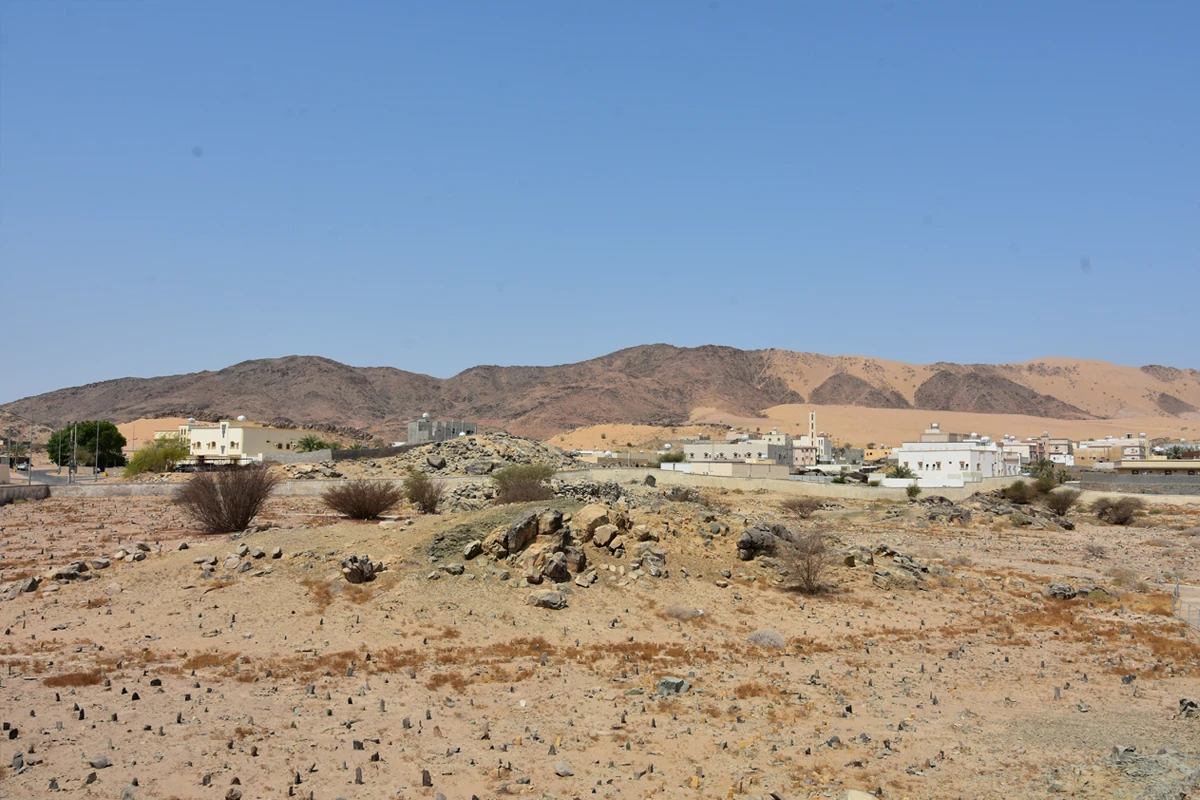
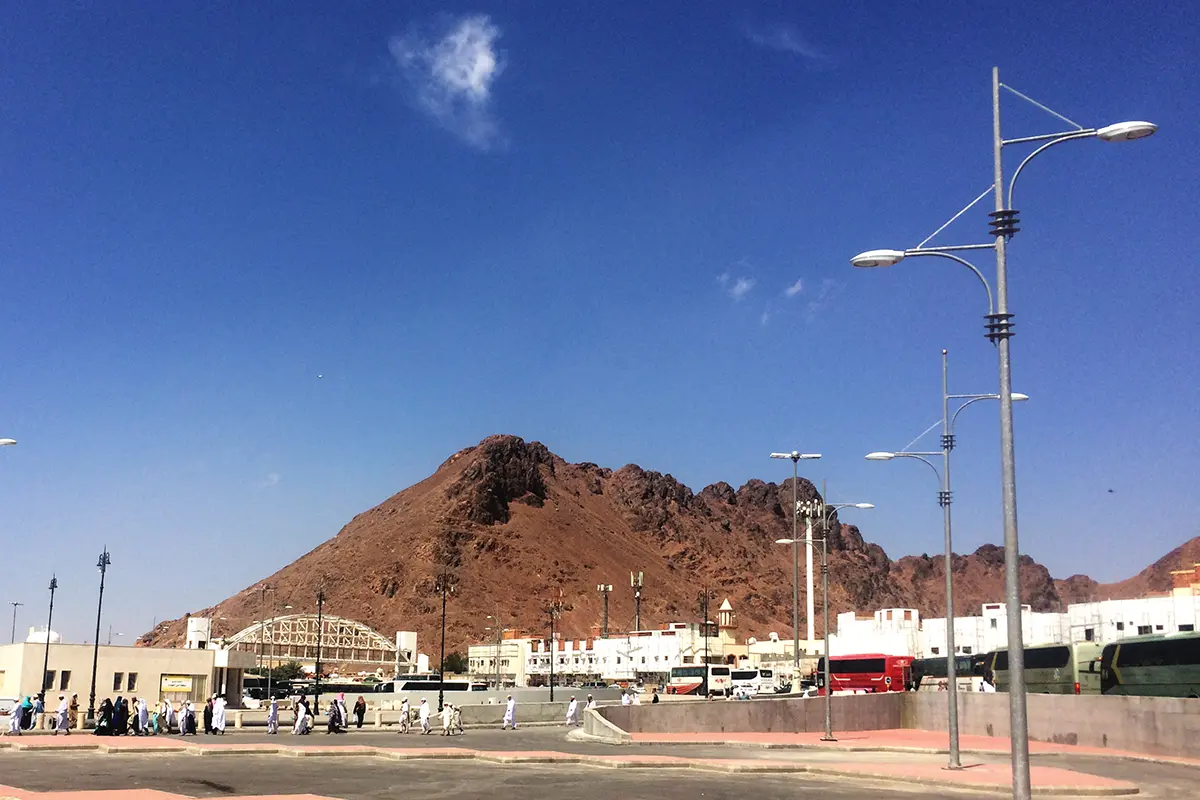
Jabal al-Rumah, the Archers' Hill, is a low rise on the Uhud battlefield north of Madinah, also called Jabal Aynayn. The Prophet ﷺ placed around fifty archers on it under Abdullah ibn Jubayr and told them not to leave under any circumstances. Most came down when the battle looked won, and the Makkan cavalry came round the open flank.
Key takeaways
- ✓The Prophet ﷺ placed around fifty archers on this hill under Abdullah ibn Jubayr, with orders not to leave whatever happened.
- ✓When the Makkan line broke and the camp was being looted, most of the archers came down despite their commander reminding them.
- ✓Khalid ibn al-Walid, then still fighting for Quraysh, brought cavalry round the open flank and the day was lost.
- ✓Surah Al Imran gives the sequence: they lost heart, disputed about the order, then disobeyed after being shown what they love.
- ✓The failure was not cowardice. It was committed men deciding mid-success that a clear instruction had probably expired.
- ✓It is a short easy climb of a few minutes, and from the top the whole battle becomes obvious. That is the reason to go up.
- ✓No prayer is prescribed there and no reward for visiting is reported. Touching rocks or taking stones has no basis in the sunnah.
Quick facts
- City
- Madinah, on the Uhud battlefield
- Also called
- Jabal Aynayn, the Archers' Hill
- Distance
- About 4 km north of Masjid an-Nabawi
- Climb
- A few minutes on loose stone. Proper shoes needed
- Part of Umrah or Hajj
- No. No prescribed prayer or reported reward
- Can a car reach it
- To the Uhud car park, then a short walk
- Suitable for elderly
- The base yes, the climb often not
- Best time
- Early morning. There is no shade on the hill
- Evidence level
- A. The order, the archers and the outcome are in the sources
Jabal al-Rumah is a small hill on the Uhud battlefield. It is low enough that a reasonably fit person can walk up it in a few minutes, and it looks like nothing at all.
It is also the reason the Battle of Uhud went the way it did, and it is probably the most instructive piece of ground in Madinah.
The order
Before the fighting began, the Prophet ﷺ placed a group of archers on this hill, on the flank of the Muslim position. The sources put their number at around fifty, under the command of Abdullah ibn Jubayr, may Allah be pleased with him.
The instruction he gave them was as clear as an instruction can be: stay here, whatever happens. If you see us winning, do not come down. If you see us being torn apart by birds, do not come down.
The hill is also called Jabal Aynayn, and today it is usually just called the Archers' Hill.
What happened
The early part of the battle went well. The Makkan line broke and men began to run. From the top of this hill the archers could see the enemy camp being looted below them.
Most of them came down. Their commander reminded them of the order. They went anyway, and the sources record that only a small number stayed with Abdullah ibn Jubayr, who was killed at his post.
The flank was now open. Khalid ibn al-Walid, at that time still fighting for Quraysh, brought the cavalry round behind the Muslim army through exactly the gap the archers had been placed to close. The Muslim line was caught from both sides and the day was lost.
The Qur'an on this
Surah Al Imran addresses it directly. In meaning: Allah fulfilled His promise to you when you were killing them by His permission, until you lost heart, and disputed about the order, and disobeyed after He had shown you what you love.
Read that sequence slowly, because it is a diagnosis and not just a rebuke:
- The promise was fulfilled. They were winning.
- Then they lost heart.
- Then they disputed about the order. Not ignored it. Argued about whether it still applied.
- Then they disobeyed, after being shown what they love. The spoils were in sight.
The failure was not cowardice. It was a group of committed men deciding, in the middle of a success, that a clear instruction had probably expired.
Why this hill is worth ten minutes
Standing on top of it, the whole thing becomes obvious in a way no book makes it. You can see the flat ground where the armies met, the mountain behind, and the open route around the flank. The distances are short. The decision looks small from up there, and you can see exactly how much it cost.
That is the value of the visit, and it is a genuinely rare thing: a battlefield where the terrain still explains the lesson.
Climbing it
- It is a short, easy climb. A few minutes, on a rough path, for anyone with reasonable mobility. It is not Mount Uhud and you are not expected to climb that.
- Wear proper shoes. The surface is loose stone, and sandals are a bad idea going down.
- Go early. There is no shade on the hill at all.
- Take water up with you.
- Elderly visitors and small children may be better staying at the base, where you can still see the ground reasonably well.
- There is no prayer to perform up there. No prescribed prayer, no reported reward. You go to look and to think.
What not to believe
Guides and sellers at Uhud will point out particular rocks and caves with specific stories attached. Some are traditional. Many are not.
What is established is the placing of the archers on this hill, the order they were given, what they did, and the verse in Al Imran that comments on it. That is enough. You do not need an invented detail to make it powerful.
Also: touching the rocks, taking stones home, or tying cloth to anything has no basis in the sunnah. Ignore it politely.
Is visiting part of Hajj or Umrah?
No. Neither. There is no prescribed prayer here and no authentic report of a reward for visiting. It is a historical site and its value is understanding.
On the same site
- Mount Uhud — the mountain and the hadith about it.
- The Martyrs of Uhud — the cemetery a short walk away.
- The Battle of Uhud — the full account of the day.
- Madinah Ziyarat guide — the whole city, site by site.
Getting there
The hill is on the Uhud site, about four kilometres north of Masjid an-Nabawi, a short walk from the martyrs' cemetery and the main car park. Once you are at Uhud you walk between all of it.
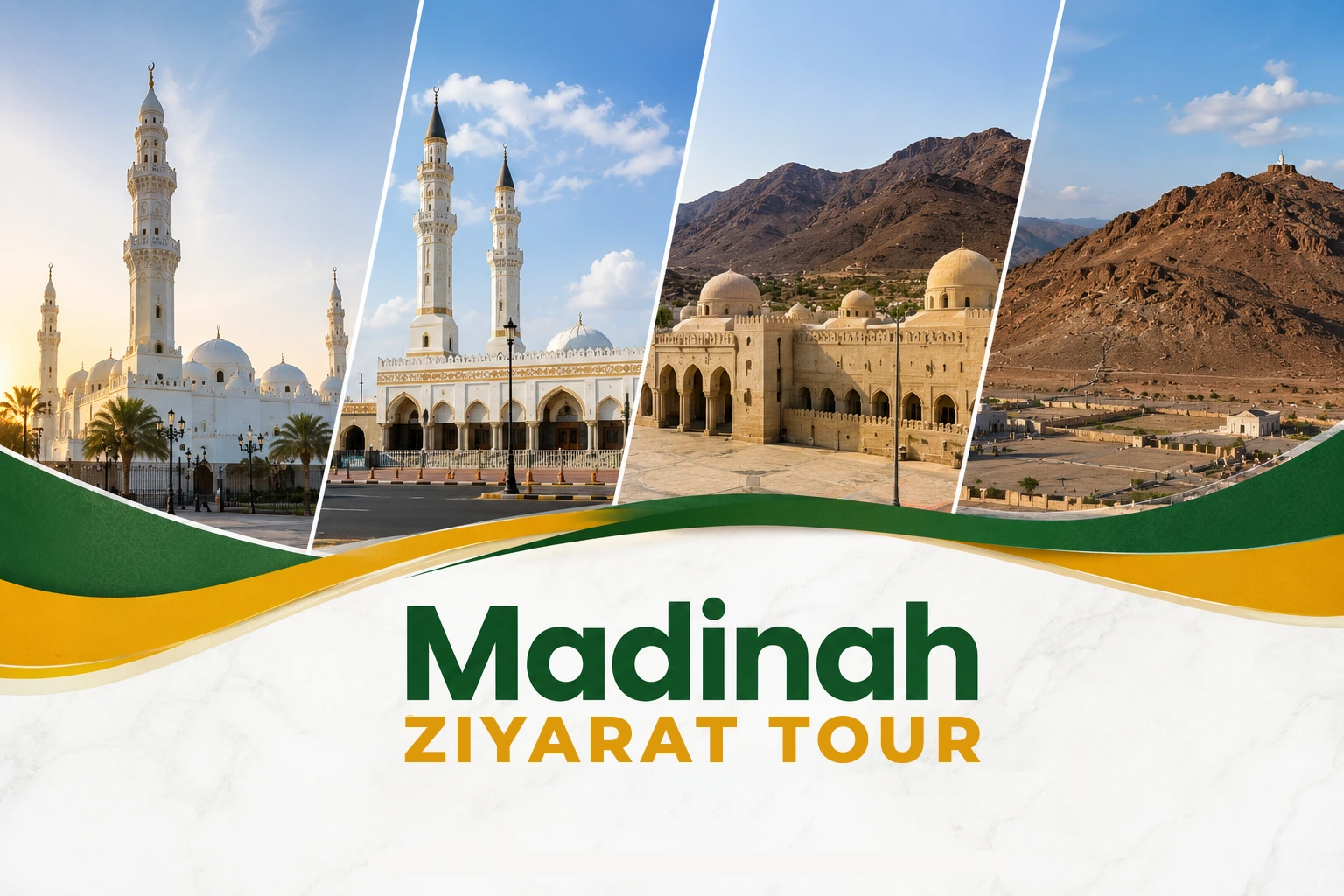
Getting to Uhud in the first place means a car. It is the last stop on the standard Madinah round, and our Madinah Ziyarat private car covers Quba, Qiblatayn and Uhud on one fixed fare for the vehicle with the driver waiting at each stop. Tell the driver you intend to climb the hill, because it adds time that a rushed itinerary will not have allowed for.
Accuracy note
The placing of archers on the hill, their approximate number of fifty, the command of Abdullah ibn Jubayr, the instruction not to leave the position under any circumstances, the archers descending when the battle appeared won, and the cavalry counter-attack around the exposed flank are established in the hadith and seerah literature. The verse describing the sequence of losing heart, disputing about the order and disobeying after being shown what they love is in Surah Al Imran. Precise identifications of individual rocks, caves or exact spots on the Uhud site are traditional at best and we have not repeated them. There is no prescribed prayer at Jabal al-Rumah and no authentic report of a reward for visiting; it is not a rite of Hajj or Umrah. Content verified August 2026. Anything wrong? Tell us.
Frequently asked questions
Planning a Saudi trip?
Pre-book a private car, find a stay, or ask us anything on WhatsApp.
Last updated: 25 September 2026·Sources reviewed by the Wadana Go editorial team.