Masjid Banu Waqif and the Banu Waqif Fortress
Short answer
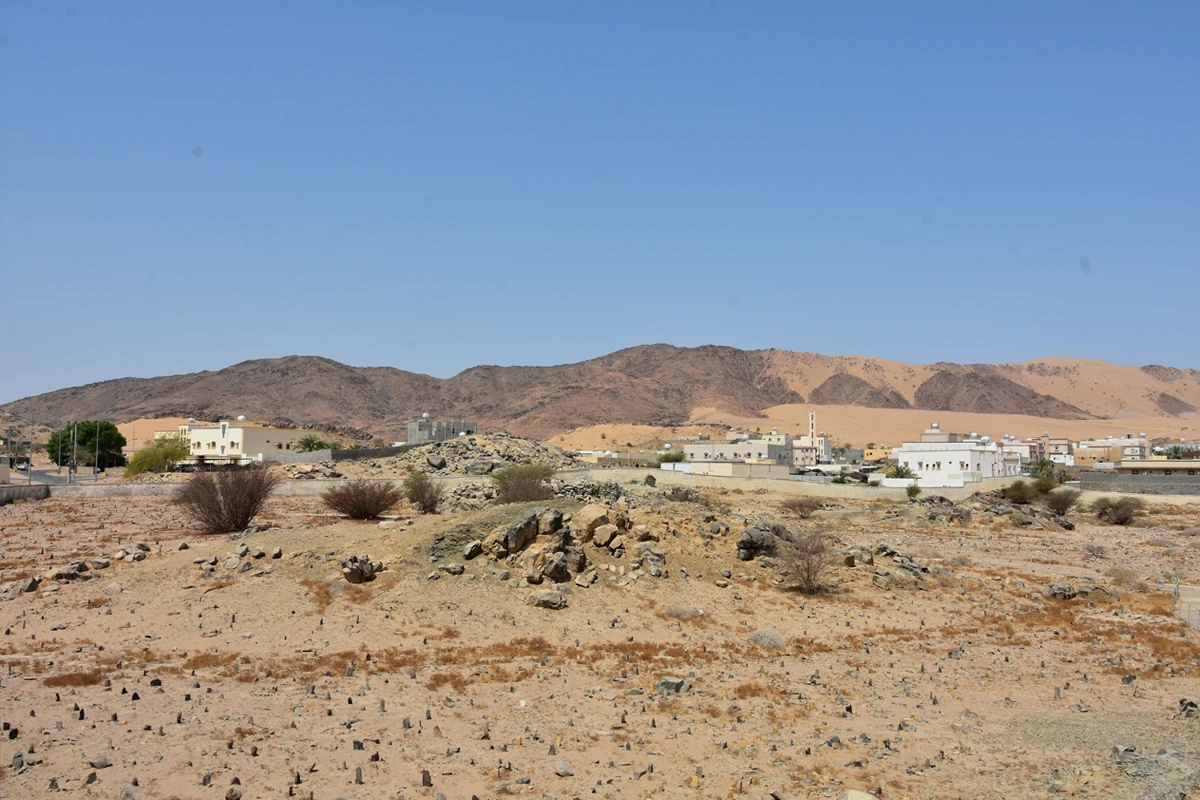
The Banu Waqif fort stands about 500 metres southeast of Masjid Quba in the al-Khatim area of Madinah, roughly four kilometres from Masjid an-Nabawi. Banu Waqif were a clan of the Aws, and the historical sources record that the Prophet ﷺ prayed at their fort. The Ottomans later renovated it and used it as a garrison. Visiting is not a rite of Hajj or Umrah.
Key takeaways
- ✓Banu Waqif were a clan of the Aws, one of the two great Madinan tribes who received the Muslims at the Hijrah.
- ✓The historical sources record that the Prophet ﷺ prayed at their fort. That is level B documentation, not a hadith-named site.
- ✓The fort sits about 500 metres southeast of Masjid Quba in the al-Khatim area, with palms and gardens around it and a view towards Jabal Ayr.
- ✓Pre-Islamic Madinah was a scatter of clan settlements, each with a fortified building. The forts are physical evidence of the divisions the Prophet ﷺ was sent to heal.
- ✓The Ottomans renovated the fort and used it as a military garrison, so the structure is layered.
- ✓Press reporting has at times raised concerns about the site's condition. We cannot confirm current access, so treat it as an exterior visit.
- ✓The fort is more interesting than the mosque. With limited time, Quba, Uhud and the Trench area come first.
Quick facts
- City
- Madinah, al-Khatim area
- Distance
- About 500 m southeast of Masjid Quba
- From the Haram
- Roughly 4 km from Masjid an-Nabawi
- Tribe
- Banu Waqif, a clan of the Aws
- Later use
- Ottoman renovation and military garrison
- Access
- Unconfirmed. Plan on viewing from outside
- Part of Umrah or Hajj
- No
- Can a car reach it
- Yes, with Quba nearby
- Time to allow
- 10 to 15 minutes
- Evidence level
- B. Documented by the Madinah historians
About 500 metres southeast of Masjid Quba, and roughly four kilometres from Masjid an-Nabawi, stands the fort of Banu Waqif, in the al-Khatim area of Madinah.
Banu Waqif were a clan of the Aws, one of the two great tribes of Madinah who received the Muslims at the Hijrah. The historical sources record that the Prophet ﷺ prayed at their fort.
Why Madinah had forts at all
This is worth understanding, because it changes how you picture the city.
Pre-Islamic Madinah was not one town. It was a scatter of clan settlements among palm groves and lava fields, and the clans had fought each other for generations. Each group had its own fortified building, an utum, where families could shelter and stores could be kept.
When the Prophet ﷺ arrived, one of the first things he did was bind those clans into a single community. The forts were not decoration; they were the physical evidence of the problem he was solving.
The fort of Banu Waqif is one of the survivors.
The fort today
The structure stands south of Quba, with date palms and gardens around it, and a view towards Jabal Ayr, the long mountain that closes the southern side of Madinah.
It was renovated under the Ottomans, who used it as a military garrison, so what stands is layered: an old tribal fort with later military use built into it.
An honest caution. Press reporting over the years has raised concerns about the condition of the site and about neglect. We cannot confirm the current state, the opening arrangements, or whether the interior is accessible. Treat it as a building to look at from outside unless you find otherwise on the day, and do not build a morning around going inside.
The mosque
A mosque associated with the Banu Waqif stood in the same quarter, and the historical literature of Madinah lists it among the mosques where the Prophet ﷺ prayed.
Evidence level: B. This is documentation from the Madinah historians and continuous local knowledge, not an authentic hadith naming the building. Which is the honest position for almost all of the small mosques on the Quba side of the city.
We know of no authentic report of a reward for praying there, and visiting is not part of Hajj or Umrah.
Is it worth going?
The fort is more interesting than the mosque.
If you are already going to Quba, and you want ten minutes of something that is not another modern mosque, the fort gives you an actual pre-Islamic structure with palms around it and a view. If your time is short, Quba, Uhud and the Trench area come first, every time.
Visiting
- Ten to fifteen minutes.
- Ask for Hisn Bani Waqif or the Banu Waqif fort, and mention al-Khatim, near Quba.
- Expect to view from outside. Do not assume access.
- Wear proper shoes. The ground around old stone structures is uneven.
- It pairs with Quba, 500 metres away, and with Masjid Banu Anif on the other side of it.
Nearby
- Masjid Quba — 500 metres north.
- Masjid Banu Anif — a roofless basalt mosque nearby.
- Masjid al-Jumu'ah — on the same side of the city.
- Madinah Ziyarat guide — the full list with evidence levels.
Getting there
Madinah's smaller historic sites are scattered, and reaching them one taxi at a time turns a short list into a whole morning. Our Madinah Ziyarat private car covers the round on one fixed fare for the whole vehicle with the driver waiting at every stop, and the Madinah Ziyarat tour is the guided version. For arrival, the Madinah airport transfer has fixed fares.
Accuracy note
The Banu Waqif being a clan of the Aws, and the historical record that the Prophet ﷺ prayed at their fort, come from the historical literature of Madinah as carried in published heritage sources. That is level B documentation rather than an authentic hadith naming the site. The location about 500 m southeast of Masjid Quba and roughly four kilometres from Masjid an-Nabawi, in the al-Khatim area, the surrounding date palms and gardens, the view towards Jabal Ayr, and the Ottoman renovation and use as a military garrison, follow published heritage sources. Press reporting has at times raised concerns about the condition of the site; we cannot confirm its current state, opening arrangements or whether the interior is accessible, and have said so rather than guessing. We know of no authentic report of a reward for praying at the associated mosque. Visiting is not a rite of Hajj or Umrah. Content verified August 2026. Out of date? Tell us.
Frequently asked questions
Planning a Saudi trip?
Pre-book a private car, find a stay, or ask us anything on WhatsApp.
Last updated: 19 September 2026·Sources reviewed by the Wadana Go editorial team.