Thamud and Prophet Salih: What the Qur'an Actually Says
Short answer
The Qur'an says Thamud succeeded 'Ad, carved houses in the mountains, and were sent Salih from among themselves. The sign was a she-camel with two terms: let her graze, and share the water. They hamstrung her, were given three days, and were seized in the morning by the Shout. Much of what people repeat beyond this is not Qur'anic.
Key takeaways
- ✓The Qur'an places Thamud after 'Ad, with gardens, springs, crops and date palms, and says they carved houses out of the mountains.
- ✓Salih was sent from among themselves, and Hud 11:62 records that they had hopes of him before he spoke.
- ✓The sign was a she-camel, called naqat Allah and an ayah, with two terms: let her graze, and share the drinking turns.
- ✓They hamstrung her. Al-Shams says the most wretched of them was sent forth, and the people are held responsible because they sent him.
- ✓They were given three days' respite, then seized in the morning and found lifeless in their homes.
- ✓The Qur'an uses several words for the punishment across passages: al-rajfah, al-sayhah, al-taghiyah and a thunderbolt.
- ✓The Qur'an does not describe the she-camel's appearance, say she came from a rock, give a date, or name the man who hamstrung her.
Quick facts
- The people
- Thamud, successors after 'Ad
- The prophet
- Salih, sent from among themselves
- The sign
- A she-camel, naqat Allah
- The two terms
- Let her graze, share the drinking turns
- The respite
- Three days (Hud 11:65)
- The punishment
- Al-rajfah, al-sayhah, al-taghiyah, a thunderbolt
- The place
- Al-Hijr, in the area of modern AlUla
- Outside attestation
- Assyrian record of Sargon II, about 715 BC
- Evidence level
- A. Qur'anic passages, each cited
Most of what people repeat about Thamud is not in the Qur'an. Some of it is in the tafsir literature, some in later storytelling, and some is simply invented.
So here is the Qur'anic account itself, with the passages named, and then a plain list of what the Qur'an does not say.
Who they were
Thamud were an Arabian people. The Qur'an places them after 'Ad and says they were made successors in the land (al-A'raf 7:74).
It says they carved houses out of the mountains, and describes them doing so skilfully and with confidence (al-Hijr 15:82, al-Shu'ara 26:149, al-Fajr 89:9).
They were not poor. Gardens, springs, crops and date palms are named (al-Shu'ara 26:146–148). That is part of the point of the account.
Salih
Allah sent them Salih, from among themselves. His message is the same one every prophet in the Qur'an brings: worship Allah, you have no god but Him (al-A'raf 7:73).
The Qur'an records that he had been someone they had hopes of before he spoke, which is why his message stung (Hud 11:62). Some believed. The leaders did not.
The she-camel
They asked for a sign. The sign given was a she-camel, and the Qur'an calls her naqat Allah, the she-camel of Allah, and ayah, a sign (al-A'raf 7:73).
The terms were simple and are stated plainly:
- Let her graze on Allah's earth. Do not touch her with harm (al-A'raf 7:73).
- The water is shared. Each drinking turn is to be attended in its turn (al-Qamar 54:28).
That is the whole test. Not a great deal was asked.
What they did
They hamstrung her (al-A'raf 7:77, Hud 11:65, al-Shams 91:14).
Surah al-Shams puts it in a way worth sitting with: the most wretched of them was sent forth, and the messenger of Allah said to them, "the she-camel of Allah and her drink" (91:12–13). One man acted. The people are held responsible, because they sent him.
Surah al-Naml adds that there were nine men in the city who spread corruption and did not reform, and who plotted against Salih and his family (27:48–51).
After the hamstringing they were told: enjoy yourselves in your homes for three days. A promise that would not be belied (Hud 11:65).
The punishment
The Qur'an describes it in several ways across different passages, and the words are worth noting because people often flatten them into one.
| Passage | The word used |
|---|---|
| Al-A'raf 7:78 | al-rajfah, the earthquake or violent shaking |
| Hud 11:67, al-Hijr 15:83 | al-sayhah, the Shout or Cry |
| Al-Haqqah 69:5 | al-taghiyah, the overwhelming |
| Fussilat 41:17 | sa'iqat al-'adhab al-hun, a thunderbolt of humiliating punishment |
They were found in the morning lifeless in their homes (al-A'raf 7:78, Hud 11:67).
Al-Qamar 54:31 gives the image the account ends on: they became like the dry, trampled stubble used to pen animals.
What the Qur'an does not say
This list matters as much as the account.
- It does not describe the she-camel's appearance beyond calling her a she-camel and a sign. The elaborate descriptions in circulation are not Qur'anic.
- It does not say she came out of a rock. That is later material, not the Qur'anic text.
- It does not give a date.
- It does not identify a specific standing building as belonging to them.
- It does not name the man who hamstrung her, only "the most wretched of them".
When you hear those details, they may come from tafsir or from stories. They are not the same level as the text.
Thamud outside the Qur'an
This is worth knowing, because people sometimes suggest Thamud is legendary.
The oldest known outside reference is an Assyrian inscription of Sargon II, around 715 BC, which lists them among desert Arab peoples brought under Assyrian control. Later Greek and Roman writers, including Ptolemy in the second century AD and Pliny in the first, mention a people of that name in north-western Arabia.
So a people called Thamud is attested in outside records over a long span. What those records do not do is describe the events the Qur'an describes, and we are not going to pretend otherwise.
Where
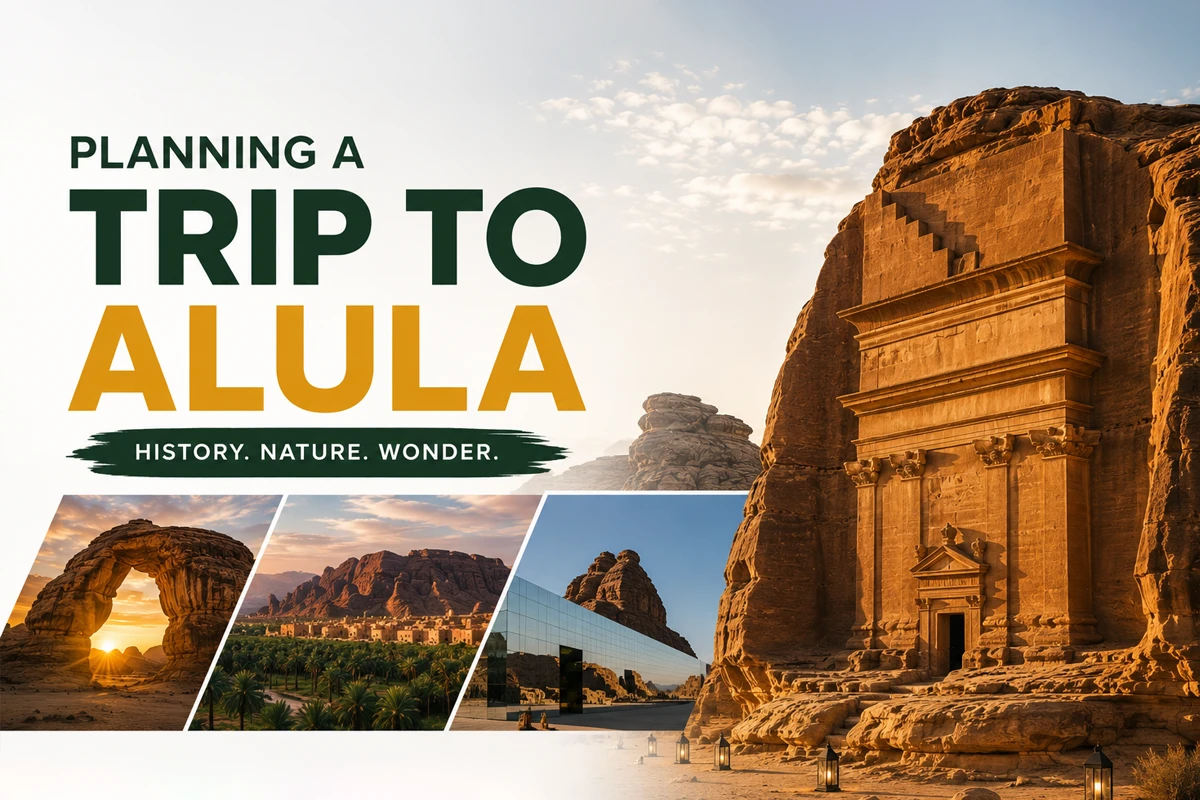
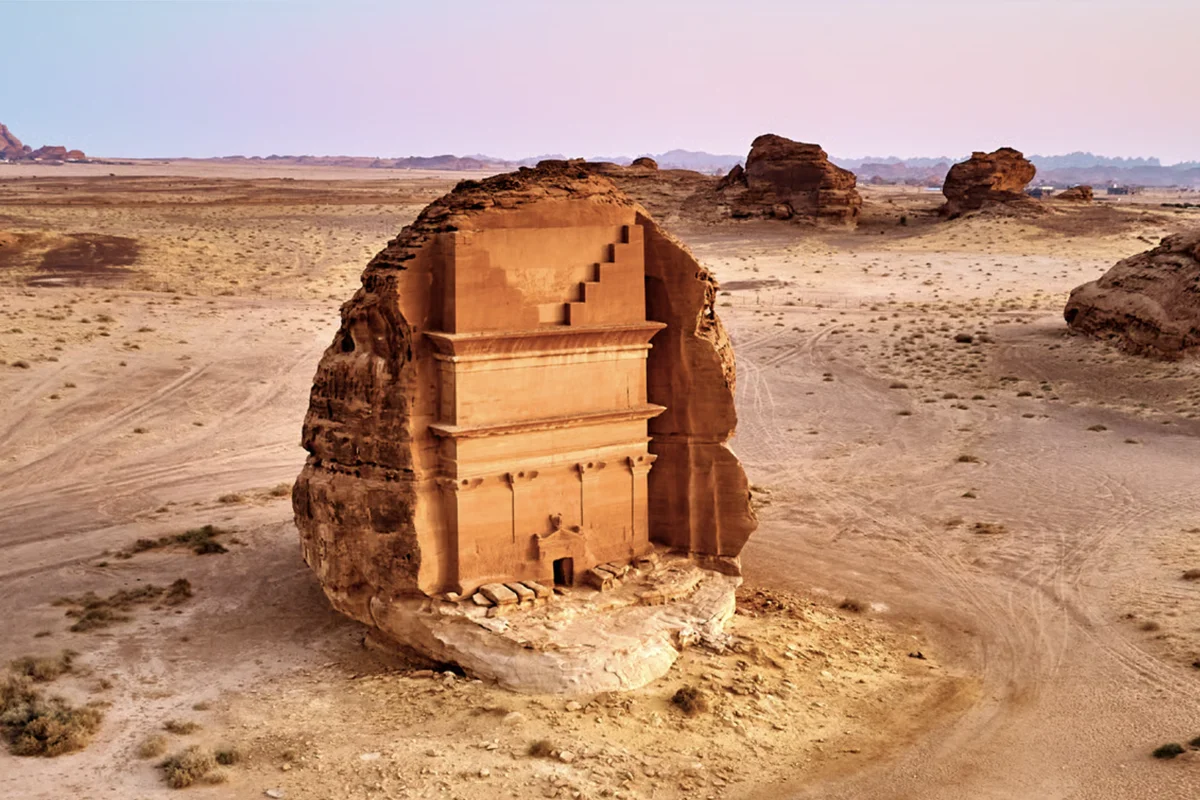
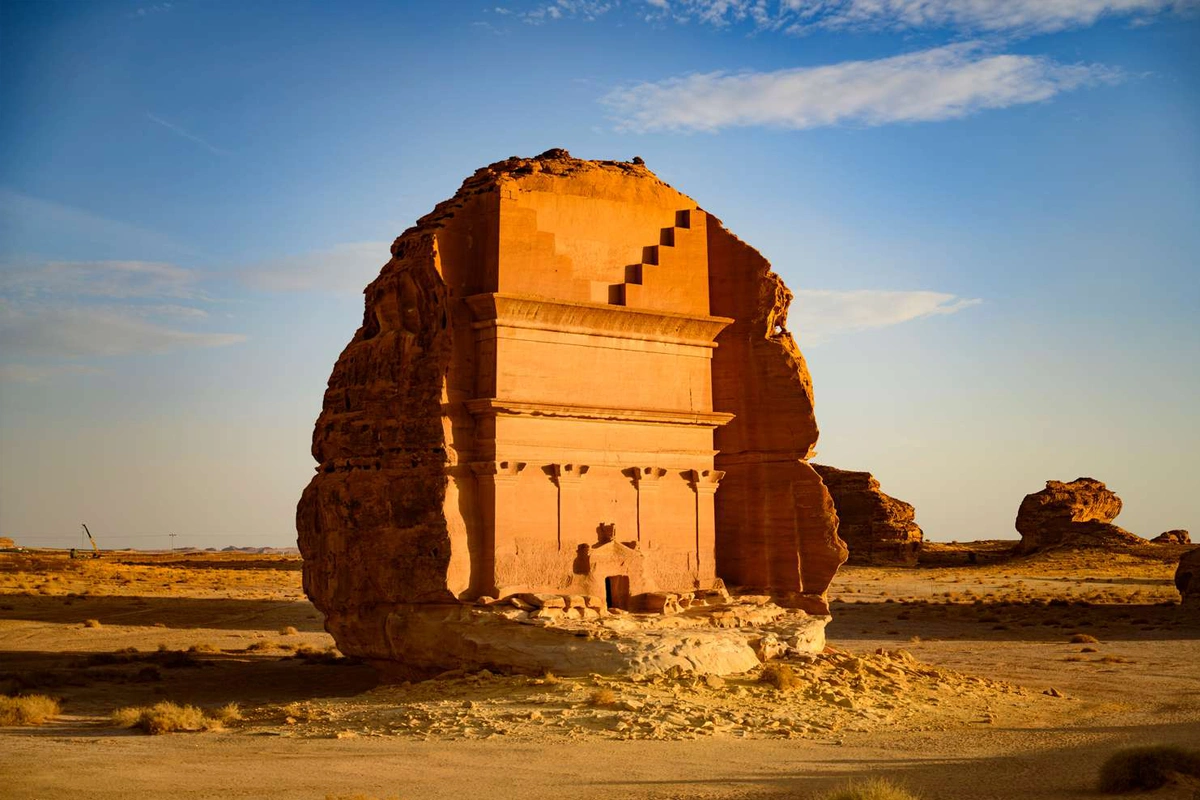
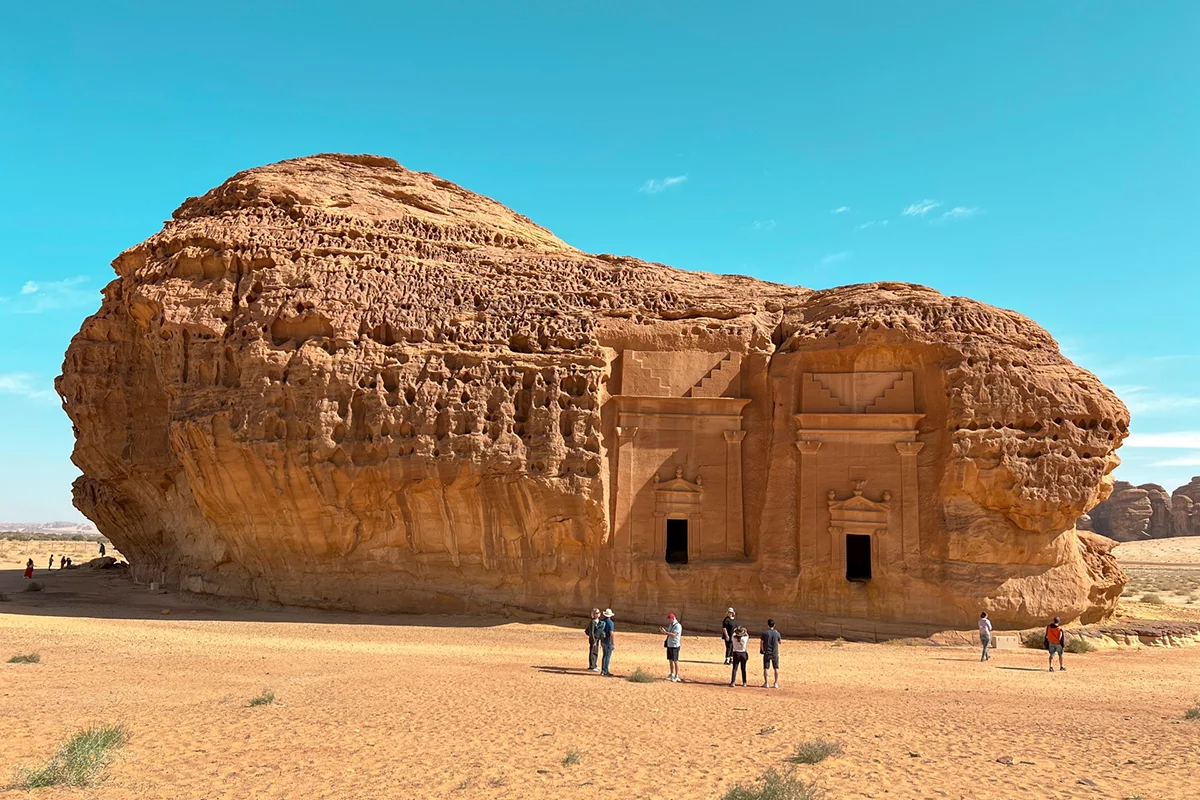
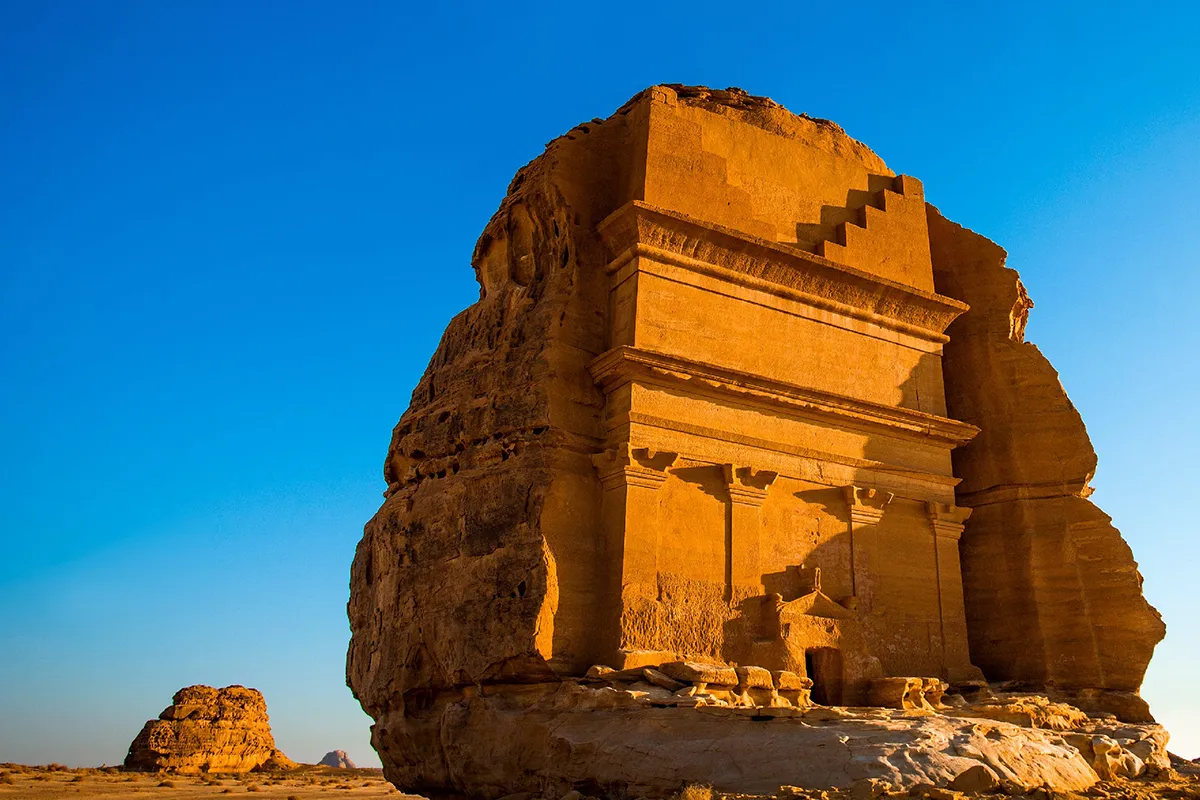
The Qur'an calls the place al-Hijr, and the Prophet ﷺ passed it on the march to Tabuk, which fixes it in the area of modern AlUla. We have set out that identification, and what actually stands there, on a separate page.
Short version: the carved facades at Hegra are Nabataean tombs from roughly the first century BC to the first century AD, centuries after Thamud. They are not the houses described in the Qur'an.
The point of the account
The Qur'an does not tell this story as archaeology. It tells it as a warning, and it says so.
What is repeatedly stressed is not the drama of the punishment. It is that they were given prosperity, given a prophet from among themselves, and given a plain sign, and still preferred what they had decided already. Fussilat 41:17 puts it directly: they were guided, and they preferred blindness over guidance.
Is visiting the site part of Hajj or Umrah?
No. And on whether to visit at all, scholars differ; see the al-Hijr page.
Related reading
- Al-Hijr, Hegra and Mada'in Salih — the place, and the hadith.
- Wadi al-Qura — the valley in the seerah.
- The expedition of Tabuk — the march that passed it.
- Beyond the Haramayn — the wider ziyarat picture.
Accuracy note
Every element of the account on this page is referenced to the Qur'anic passage it comes from and is level A: Thamud as successors after 'Ad and Salih's message (al-A'raf 7:73–74); their carving houses in the mountains (al-Hijr 15:82, al-Shu'ara 26:149, al-Fajr 89:9); their gardens, springs, crops and date palms (al-Shu'ara 26:146–148); their prior hopes of Salih (Hud 11:62); the she-camel as naqat Allah and as a sign, with the terms of grazing and the shared drinking turns (al-A'raf 7:73, al-Qamar 54:28); the hamstringing (al-A'raf 7:77, Hud 11:65, al-Shams 91:14); the most wretched of them being sent forth (al-Shams 91:12–13); the nine men who spread corruption and plotted (al-Naml 27:48–51); the three days' respite (Hud 11:65); and the terms used for the punishment, al-rajfah (al-A'raf 7:78), al-sayhah (Hud 11:67, al-Hijr 15:83), al-taghiyah (al-Haqqah 69:5) and a thunderbolt of humiliating punishment (Fussilat 41:17), with them found lifeless in their homes in the morning and likened to dry trampled stubble (al-Qamar 54:31). The list of what the Qur'an does not say is our own compilation from the text and is offered as such. The attestation of Thamud in an Assyrian inscription of Sargon II around 715 BC and in Ptolemy and Pliny follows published scholarship; those records do not describe the events the Qur'an describes and we have not implied that they do. The identification of the place with al-Hijr in the area of modern AlUla rests on the Qur'anic name and on the Prophet ﷺ passing it on the march to Tabuk, recorded in Bukhari and Muslim. The dating of the Nabataean monuments at Hegra follows the UNESCO listing. Visiting is not a rite of Hajj or Umrah. Content verified August 2026. Correction? Tell us.
Frequently asked questions
Planning a Saudi trip?
Pre-book a private car, find a stay, or ask us anything on WhatsApp.
Last updated: 1 September 2026·Sources reviewed by the Wadana Go editorial team.